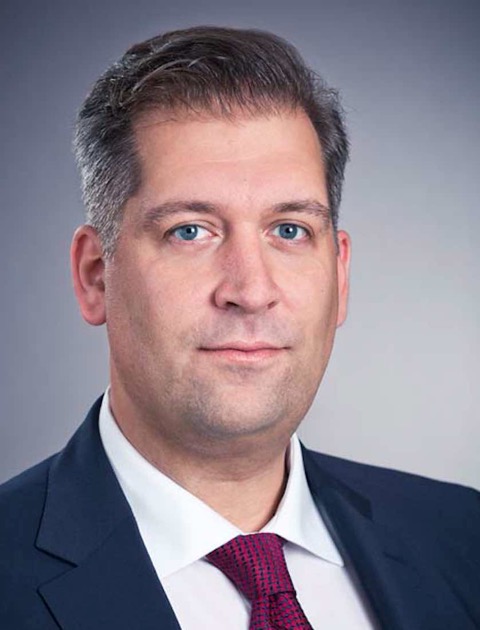
Thomas Michael Sattich is an Associate Professor at the University of Stavanger , affiliated with the Faculty of Social Sciences and Department of Media and Social Studies . His research focuses on geopolitical implications of sustainability transitions, particularly energy policy interdependence and EU-China relations. PhD in Political Science and Economics Expertise in qualitative methods, mixed methods (cluster analysis), and data visualization Lead researcher on EU-funded digital climate negotiation simulation projects His recent publications examine renewable energy geopolitics, industrial policy competition, and sustainability education frameworks. Methodologically, he specializes in Qualitative Comparative Analysis (QCA) and network analysis, contributing to debates on energy security and regional cooperation.
Dr. Genevieve Cezard is a Research Fellow in the Cardiovascular Epidemiology Unit at the University of Cambridge and a fellow of the Big Data for Complex Diseases driver programme (HDR UK). Her work leverages linked electronic health records across 70 million UK residents to investigate population health, with emphasis on health inequalities, disease associations, and multimorbidity development. Her educational trajectory began as a statistician at the University of Edinburgh (2010), leading to a PhD from the University of St Andrews (2016) focused on ethnic health disparities in Scotland. Subsequent research established methods to characterize multimorbidity trajectories based on core diseases. Genevieve's research spans: Long-term health impacts of diabetes and chronic conditions Social determinants of disease trajectories Population-level vaccine effectiveness analysis Epidemiological modeling of multimorbidity Health record linkage methodologies Disparities in healthcare access by demographics She currently leads a fellowship project examining diabetes complications during the COVID-19 era (2020-2027), analyzing health consequences across diverse subgroups using integrated GP/hospital records from England, Scotland, and Wales. Scientific recognition includes: Competitive St Leonard’s PhD studentship (University of St Andrews) Prestigious HDR UK Big Data for Complex Diseases Fellowship As lead analyst for England on the first UK-wide study of under-vaccination using individual-level health records, her findings directly informed national public health interventions. Current work focuses on identifying diabetes-related disease trajectories to optimize clinical follow-up protocols across the UK healthcare system. She collaborates within HDR UK's Molecules to Health Records Driver Programme, utilizing cross-institutional health data infrastructure.
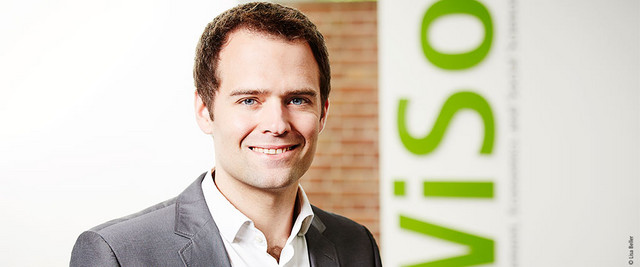
Dr. Shadi Hashem is a Research Fellow at the School of Geosciences, University of Aberdeen. His work bridges behavioural economics, agricultural systems, and sustainable food supply chains, with a focus on promoting environmentally and socially responsible production and consumption practices. His research interests lie at the intersection of Behavioural Economics , Sustainable Agriculture , and Entrepreneurship . He investigates consumer behaviour related to sustainable food choices, examines how supply chain collaboration can improve competitiveness—especially for small-scale and disadvantaged farmers—and explores digital innovations such as blockchain technology and knowledge exchange hubs to enhance transparency and sustainability in agri-food systems. Dr. Hashem is currently contributing to the VISIONARY project, a research initiative aimed at understanding the drivers and barriers to transitioning food systems toward sustainability. This work involves interdisciplinary analysis of policy, economic incentives, technological adoption, and social dynamics across global food supply networks. While no specific scientific awards have been listed, his involvement in high-impact sustainability research demonstrates recognition within the academic community. He has not advised any named students in the provided text, nor are specific grants mentioned, but his participation in large-scale collaborative projects suggests active engagement in funded research. He is part of a research team working on sustainable agri-food systems, likely embedded within a larger research group or center focused on environmental sustainability or food security at the University of Aberdeen. The VISIONARY project indicates collaboration with European partners and stakeholders across the agri-food sector.
Bonnie Berger is the Simons Professor of Mathematics at the Massachusetts Institute of Technology and head of the Computation and Biology group at MIT's Computer Science and AI Lab. She holds additional appointments as an Associate Member of the Broad Institute, Faculty member of Harvard/MIT Health Science & Technology, and Affiliated Faculty of Harvard Medical School. Her career has been dedicated to pioneering computational approaches in molecular biology, where she has been instrumental in defining the field. Professor Berger's research focuses on designing algorithms to extract biological insights from large-scale data sets. Her work spans Compressive Genomics, Network Inference, Structural Bioinformatics, Genomic Privacy, and Medical Genomics. She actively collaborates with experimental biologists to maximize the power of computation for biological discovery, developing methods that address the challenges of modern high-throughput biological data. Her recent publications demonstrate a strong trend toward integrating machine learning with structural biology and genomic privacy. The articles show increasing sophistication in using deep learning for protein structure prediction, developing privacy-preserving techniques for genomic data sharing, and creating efficient algorithms for massive biological data sets. Her work bridges theoretical computer science with practical biological applications. Professor Berger's scientific recognition includes: Election to the National Academy of Sciences (2021) ISCB Accomplishments by a Senior Scientist Award SIAM Sonya Kovalevsky Lecture Prize Fellowships in ACM, ISCB, AMS, and other prestigious societies Multiple RECOMB Test of Time Awards NIH Margaret Pittman Director's Award She has mentored numerous students who have gone on to make significant contributions in computational biology, including Ellen Zhong, Yun William Yu, and Hyunghoon Cho. Her lab receives substantial research funding supporting projects in genomic privacy, structural bioinformatics, and compressive algorithms for biological data. Professor Berger serves on the Executive Editorial Board of the Journal of Computational Biology and multiple other editorial boards. The Computation and Biology group at MIT CSAIL, which she leads, is at the forefront of developing computational methods for biological discovery. The group combines expertise in algorithms, machine learning, and biology to tackle fundamental challenges in genomics and structural biology. They are currently organizing the Machine Learning in Structural Biology workshop at NeurIPS 2025, highlighting their leadership in this rapidly evolving interdisciplinary field.
Gil Serrancoli Masferrer is an Associate Professor in the Department of Mechanical Engineering at the School of Engineering of East Barcelona (EEBE), part of the Polytechnic University of Catalonia (UPC). He is affiliated with the InSup - Research Group in Surface Interaction in Bioengineering and Materials Science and the LAM - Multimedia Applications and ICT Laboratory. His work focuses on biomechanics, computational modeling, and telerehabilitation systems development for clinical applications. Dr. Serrancoli's research spans multisolid dynamics, dynamic optimization, movement simulation, and telerehabilitation systems. His expertise lies in applying computational techniques to solve complex problems in orthopedics, gait analysis, and rehabilitation engineering. His work bridges mechanical engineering with biomedical applications, particularly in musculoskeletal modeling and simulation of orthopedic procedures. He has developed novel computational frameworks for estimating internal musculoskeletal loading and muscle adaptation in various conditions, including hypogravity environments. His recent publications demonstrate a strong focus on in-silico modeling of orthopedic procedures, particularly knee osteotomies (proximal fibular osteotomy versus high tibial osteotomy), with detailed analysis of joint pressure redistribution. He has also pioneered the application of machine learning techniques, particularly recurrent neural networks, to biomechanical problems including cycling biomechanics and running dynamics prediction. His work consistently integrates computational efficiency with clinical relevance. Technical Award - OpenSim+ Advanced Workshop March 2024 Accésit del XLV Congreso de la Sociedad Ibérica de Biomecánica y Biomateriales European Society of Biomechanics Travel Award OpenSim Virtual Workshop - Technical Award OpenSim Visiting Scholar 2017 Enginyers BCN 2018 Dr. Serrancoli leads several competitive R&D projects including 'Muvity: a novel physical telerehabilitation system' for vulnerable populations and 'Simulaciones predictivas in silico para cirugías ortopédicas' (Predictive in-silico simulations for orthopedic surgeries). He collaborates extensively with researchers across Europe, particularly with Jordi Torner, Josep Maria Font Llagunes, and Joan Carles Monllau, and has secured funding from national and regional programs including Plan Estatal de Investigación Científica y Técnica y de Innovación. He is actively involved in the BIOMEC - Biomechanical Engineering Lab and the TecSalut - Research Group in Health Technologies, where he contributes to the development of innovative solutions for healthcare challenges, particularly in the areas of telerehabilitation and computational biomechanics for orthopedic applications.
Lawton R. Burns is the James Joo-Jin Kim Professor of Health Care Management and Professor of Management at the Wharton School, University of Pennsylvania. He serves as Co-Director of the Roy and Diana Vagelos Program in Life Sciences and Management and Chairperson of the Health Care Systems Department since 2008. Dr. Burns holds a PhD in sociology and an MBA in health administration from the University of Chicago, along with a BA from Haverford College. PhD, University of Chicago (1981) MBA, University of Chicago (1984) MA, University of Chicago (1976) BA, Haverford College (1973) His research focuses on healthcare supply chains, organizational innovation, and strategic management in health systems. He has authored or co-authored 15+ books, including analyses of integrated healthcare, pharmaceutical and medical device sectors, and global health systems in India and China. Recent works examine evidence-based healthcare innovation and the role of GPOs/PBMs in drug pricing. Dr. Burns advises on healthcare policy, including Senate testimony on pharmacy benefit managers and antitrust implications of physician-hospital organizations. His teaching covers healthcare strategy, managed care, integrated delivery networks, and the U.S. healthcare ecosystem, with courses requiring competitive analysis of producer, purchaser, and provider organizations. Board of Institute of Medicine, Health Services Research Section (2003) Arthur Anderson Distinguished Visitor, University of Cambridge (2001) Teacher of the Year, Administrative Medicine Program (1999) Edwin Crosby Memorial Fellowship (1992-93) Udall Fellowship (1990-91) Invited Lecture Series, Catholic University of Rome (1997)
Lisandra (Lia) Costiner is an Assistant Professor in the History of Art (Digital Art History) at Utrecht University's Faculty of Humanities. She specializes in late-medieval and early-modern visual culture through digital methodologies. Trained at University of Oxford (MSt, PhD), Harvard University (BA), and MIT Postdoctoral experience at Villa I Tatti (Florence) and EPFL (Switzerland) Founded international (En)coding Heritage Network and co-leads Oxford X-Reality Hub Her research combines computational analysis of paintings, manuscripts, and artifacts with mixed reality applications. Current projects include two Netherlands eScience Center-funded initiatives. Scientific Awards & Grants: Swiss Government Excellence Scholarship Delmas Foundation Grant Renaissance Society of America Support NWO Open Competition XS Funding
Professor Roland J. Pieters is a distinguished academic at Utrecht University's Faculty of Science, where he serves as a full Professor in the Department of Chemical Biology and Drug Discovery. With over two decades of experience at the institution, he has progressed from Assistant Professor (1998) to Associate Professor (2005) and ultimately to Full Professor (2010-present). His research group is internationally recognized for groundbreaking work at the intersection of carbohydrate chemistry, chemical biology, and drug discovery, with particular emphasis on developing novel therapeutic approaches against bacterial infections and pathogenic mechanisms. Full Professor, Utrecht University (2010-present) Associate Professor, Utrecht University (2005-2010) Assistant Professor, Utrecht University (1998-2005) NWO Talent Post-doctoral Fellow, ETH-Zürich (1995-1996) Postdoctoral Researcher, University of Groningen (1996-1998) Professor Pieters earned his M.Sc. in Organic Chemistry from the University of Groningen in 1990, where he worked with Professor Ben Feringa, and completed his Ph.D. at MIT in 1995 under the supervision of Professor Julius Rebek Jr. His doctoral research focused on molecular recognition and template effects in bisubstrate systems, establishing the foundation for his lifelong interest in molecular interactions. Professor Pieters' research primarily centers on glycodrugs and the strategic interference with protein-carbohydrate interactions using multivalent systems of varying architectures. His laboratory has made significant contributions to understanding how rigid spacers in multivalent ligands can dramatically enhance binding affinity to target proteins, with applications against viral and bacterial adhesion proteins, toxins, galectins, and glycosidases. A particular focus has been on developing inhibitors for Pseudomonas aeruginosa lectin LecA, cholera toxin, influenza virus hemagglutinin, and more recently, SARS-CoV-2 spike protein interactions with host cell receptors. His group also pioneered the use of glyco- and peptide-microarrays for high-throughput screening of carbohydrate-protein interactions and drug discovery, particularly in the area of O-GlcNAcylation research. The publication record of Professor Pieters demonstrates consistent innovation in the field of multivalent carbohydrate-based therapeutics. His recent work (2020-2024) shows a strategic expansion into viral pathogenesis (particularly influenza and SARS-CoV-2), immune modulation through glycan recognition, and novel approaches to vaccine development. A notable trend is the increasing sophistication of multivalent architectures, moving from simple divalent systems to tetra- and hexavalent ligands with precisely engineered spatial arrangements. His research bridges fundamental chemical principles with practical therapeutic applications, maintaining strong connections to pharmaceutical development while advancing basic science understanding of carbohydrate-mediated biological processes. Professor Pieters' scientific achievements have been recognized with prestigious awards including a Fellowship from the Royal Netherlands Academy of Arts and Sciences (KNAW) in 1999 and a VICI personal grant from the Netherlands Organisation for Scientific Research (NWO) in 2008. These competitive awards reflect the significance and innovation of his research program. He has also served on editorial advisory boards, notably as Section Editor-in-Chief for Chemical Biology in the journal Molecules (2018-2022), contributing to the scholarly community through peer review and academic leadership. Fellowship of Royal Netherlands Academy of Sciences (KNAW), 1999 VICI, personal grant, NWO, 2008 Section Editor-in-Chief Chemical Biology for Molecules (2018-2022) Throughout his career, Professor Pieters has coordinated significant research projects including the EU project POLYCARB and secured competitive funding that has sustained his innovative research program. His laboratory has fostered numerous collaborations across Europe and internationally, creating a vibrant research environment that has trained many scientists now working in academia and industry. His research on multivalent carbohydrate systems represents a sustained intellectual contribution to chemical biology with direct relevance to developing new anti-infective strategies and therapeutic approaches. Professor Pieters leads an active research group within Utrecht University's Department of Chemical Biology and Drug Discovery, situated in the David de Wied Building. His laboratory maintains strong connections with other research groups both within Utrecht University and internationally, particularly in the fields of glycobiology, infectious diseases, and drug discovery. The research environment he has cultivated emphasizes interdisciplinary approaches, combining synthetic chemistry, biophysical analysis, and biological testing to address fundamental questions in carbohydrate-mediated biological processes with therapeutic applications.
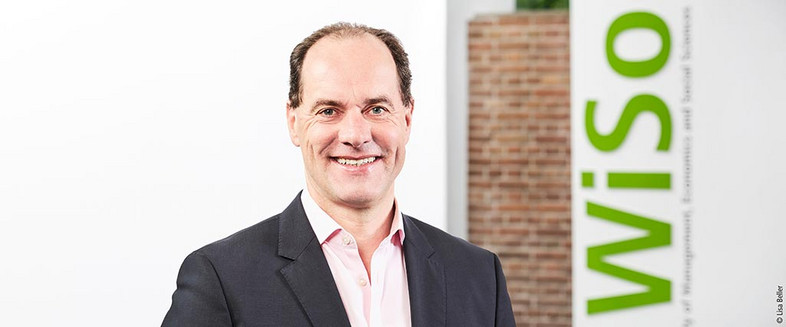
Werner Reinartz is a Professor of Marketing at the University of Cologne since 2007, where he holds the Chair for Retailing and Customer Management . He serves as Vice-Rector for Transfer (2023–ongoing) and Director of the Center for Research in Retailing (IFH e.V.) . His career includes a part-time Associate Professor role at INSEAD (2007–2010) and tenured/untenured positions there from 1999–2007. He earned a Ph.D. in Marketing from the University of Houston (1999) and an MBA from Henley Management College (1997). His research focuses on Retailing , Customer Management , Digital Transformation , and Marketing Strategy . He investigates how platformization , geospatial data , and authenticity in TV advertising influence consumer behavior and business outcomes. His work also addresses CRM efficacy , B2B hybrid offerings , and value creation in dynamic markets . Key trends in his recent publications include: Digital transformation in retail and branding Behavioral economics in marketing decisions Quantitative analysis of TV advertising effectiveness Geospatial data applications in international markets Platform business models for enduring customer relationships CRM and customer profitability in noncontractual settings Scientific honors include: Academic Fellow, Marketing Science Institute (MSI) (2023) EMAC Distinguished Marketing Scholar Award (2023) Shelby D. Hunt/Harold H. Maynard Award (2022) Jan Steenkamp Award for Long-Term Impact (2021) Outstanding Area Editor, Journal of Marketing (2016) Donald R. Lehmann Award (2001) and John A. Howard Dissertation Competition Winner (1999) He contributes to editorial boards and collaborative research initiatives like the Research Initiative 'Digital Transformation and Value Creation' and the Cluster of Excellence ECONtribute: Markets & Public Policy , which examines market challenges through interdisciplinary lenses.
Alexander Westkamp is a Professor in Economics at the University of Cologne since 2018. His research focuses on matching markets , mechanism design , and behavioral economics , with significant contributions to understanding stability, strategy-proofness, and exchange mechanisms in complex market structures. Current position: Associate Professor (W2) with tenure , University of Cologne Prior roles: Assistant Professor , Maastricht University (2013–2015); Visiting Scholar , Stanford University (2012–2013) Affiliated with interdisciplinary research clusters like ECONtribute: Markets & Public Policy , Germany’s first Cluster of Excellence in economics. His work has been published in top journals including the Journal of Political Economy , Games and Economic Behavior , and Theoretical Economics . Recent articles explore topics such as: Generalized matching with contracts and networks Stability and strategy-proofness in trading networks Tie-breaking mechanisms in priority-based matching systems Westkamp’s research often intersects with quantum computing and social behavior through collaborations at the University of Cologne’s Key Profile Area: Social and Economic Behaviour .
Daniel Schnurr holds the Chair of Machine Learning, especially Uncertainty Quantification at the University of Regensburg since August 2022, where he conducts research at the intersection of artificial intelligence, data economics, and digital market regulation. Previously, he headed the Data Policies research group at the University of Passau, building his expertise in the economic and regulatory aspects of digital markets. His educational background includes a doctorate in business informatics from the Karlsruhe Institute of Technology (2016), where he also worked for three years as a research associate at the Institute for Information Systems and Marketing. He completed his undergraduate and master's studies in Information Systems at KIT (2007-2013), with international experience at Concordia University in Canada and Singapore Management University. Professor Schnurr's research focuses on the technical, economic, and social implications of new machine learning methods and data as a decisive competitive factor and driver of innovation in digital markets. His work examines how data functions as both an economic asset and regulatory challenge, particularly in contexts of market power, competition policy, and AI governance. He investigates uncertainty quantification in machine learning systems while considering their broader economic and societal impacts. His publication portfolio demonstrates consistent output in top-tier journals including Management Science, Journal of Information Technology, and Journal of Competition Law & Economics, with recent work increasingly focusing on AI regulation, data access remedies, and uncertainty-aware AI systems. The trajectory shows evolution from telecommunications infrastructure research to contemporary digital market and AI regulation issues. As a Research Fellow at the Centre on Regulation in Europe (CERRE) since 2022, he has authored numerous policy reports addressing regulation of cloud computing services, digital platforms, and data economy frameworks. His policy contributions bridge academic research with practical regulatory implementation, particularly regarding the European AI Act and Digital Services Act. His research program involves experimental approaches to understanding data markets, human-AI interaction dynamics, and regulatory effectiveness. Through his work at CERRE and collaborations with international scholars, he contributes to shaping evidence-based digital policy in the European context while maintaining strong connections to academic research communities in information systems and economics.
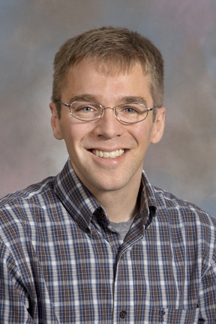
John M. Nichol is an Assistant Professor in the Department of Physics and Astronomy at the University of Rochester, where he has conducted experimental quantum research since 2016 following postdoctoral work at Harvard University. His work bridges fundamental quantum mechanics and applied quantum computing development. Education: B.A. in Physics, St. Olaf College (2006) Ph.D. in Physics, University of Illinois at Urbana-Champaign (2013) Postdoctoral Associate, Harvard University Nichol's research centers on experimental quantum information processing using semiconductor nanostructures, with primary focus on electron spin qubits in quantum dots. His lab investigates quantum coherence mechanisms, develops noise-resilient control protocols for spin qubits, and explores quantum information transfer across spin chains. Key initiatives include engineering novel materials for extended qubit lifetimes, implementing dynamical decoupling techniques to combat decoherence, and studying many-body quantum phenomena in engineered spin systems. This work directly addresses scalability challenges in solid-state quantum computing. Analysis of Nichol's 2021-2025 publications reveals dominant themes in semiconductor spin qubit optimization, with 80% of papers addressing coherence preservation through charge noise mitigation and advanced control methods. His research increasingly integrates hybrid quantum systems, combining spin qubits with acoustic wave devices and superconducting resonators. Recurring subfields include Si/SiGe heterostructure engineering, quantum fluctuator characterization, and quantum simulation using spin chains - reflecting a strategic focus on overcoming material limitations in quantum hardware. Scientific Awards: National Science Foundation CAREER award Google Research Scholar Award Leonard Mandel Faculty Fellow Award Nichol's research program is supported by competitive grants including the NSF CAREER award (funding coherence enhancement research) and Google Research Scholar Award (supporting quantum control innovations). His laboratory trains graduate students in nanofabrication, cryogenic measurement techniques, and quantum device characterization, with emphasis on translating fundamental discoveries into practical quantum computing components. Current projects focus on long-distance quantum state transfer and error-corrected multi-qubit operations. The Nichol Lab operates specialized facilities for quantum dot device fabrication and millikelvin transport measurements at the University of Rochester. His team collaborates with materials scientists on heterostructure growth and theorists on quantum simulation protocols, maintaining strong ties with semiconductor industry partners for advanced material development. Recent expansions include acoustic wave integration platforms for hybrid quantum systems.
Klaus Schmidt is a Professor of Economics at Ludwig Maximilian University of Munich, holding the chair in the Department of Economics within the Faculty of Economics. His research focuses on theoretical and applied aspects of contract theory, game theory, and industrial organization, with significant contributions to understanding venture capital finance, privatization, and fairness in economic behavior. His educational background includes a Ph.D. in Economics from the University of Bonn (1991) with the dissertation "Commitment in Games with Asymmetric Information" and Habilitation (1994) with "Contracts, Competition, and the Theory of Reputation". Early academic support included scholarships from Studienstiftung des Deutschen Volkes (1982-87) and a German Academic Exchange Service grant (1988/89). Professor Schmidt's research centers on contract theory applications across diverse domains. His work on fairness and reciprocity (notably with Ernst Fehr) revolutionized behavioral contract theory, while contributions to venture capital finance and privatization established foundational frameworks for analyzing incomplete contracts in real-world settings. He employs rigorous game-theoretic modeling to address incentive problems in procurement, privatization, and organizational design. His publication record since 1991 reveals consistent focus on contract-theoretic problems, with increasing emphasis on behavioral aspects after 1999. Key thematic clusters include venture capital finance (2002-2003), fairness/reciprocity (1999-2000), and privatization/incomplete contracts (1995-1996), demonstrating evolution from pure theory to policy-relevant applications. Gossen Prize of the German Economic Association (2001) Commerzbank Prize of the Berlin-Brandenburg Academy of Sciences (2001) Teaching Prize of the Bavarian ministry of science (2000) Walter-Adolf-Jörn Prize (1993) German Academic Exchange Service Grant (1988/89) Studienstiftung des Deutschen Volkes Scholarship (1982-87) Professor Schmidt has secured major research funding including German Science Foundation grants for "Incomplete Contracts" (1999-present) and "Venture Capital Finance" (1998-present). His teaching excellence was recognized with Bavaria's highest teaching award (2000), and he maintains active collaboration with leading economists including Ernst Fehr and Monika Schnitzer. While specific student mentorship details aren't documented, his extensive publication record and seminar leadership indicate significant academic supervision.
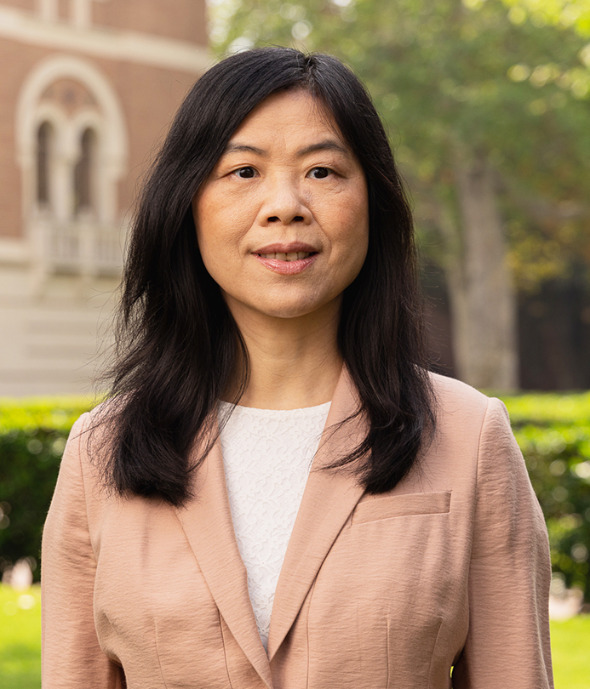
Sha Yang serves as the Ernest Hahn Professor of Marketing at the Marshall School of Business, University of Southern California, where she has held full-time faculty positions since 2017 after progressing from Assistant to Associate Professor roles at New York University and UC-Riverside. Her research examines interdependencies in consumer preferences, social influences on decision-making, and competitive dynamics in advertising, pricing, and platform growth. Her educational background includes a PhD in Marketing (2000) and MA in Statistics (1998) from Ohio State University, complemented by an MA in Economics (1995) and BA in International Economics (1994) from Renmin University of China. Her methodological expertise spans Bayesian methods, structural modeling, and data analytics applied to consumer behavior. Yang's research portfolio reveals consistent focus on digital marketing phenomena, with recent work analyzing cross-category spillovers in advertising, review impacts under negotiated pricing, and psychological pricing effects in luxury markets. Her publications in Journal of Marketing , Management Science , and Marketing Science demonstrate interdisciplinary approaches bridging econometrics and behavioral insights. Among her recognitions is the Marketing Science Institute Young Scholar award. She has served as Associate Editor for Journal of Marketing (2017-present) and Marketing Science (2017-2024), reflecting her scholarly impact. Marketing Science Institute Young Scholar Associate Editor, Journal of Marketing (2017-present) Associate Editor, Marketing Science (2017-2024) VP, INFORMS Society for Marketing Science Administratively, Yang served as Vice Dean and Senior Vice Dean for Faculty and Academic Affairs at Marshall School of Business (2020-2023), overseeing faculty development and academic strategy. Her current research integrates causal inference methods with media and entertainment industry applications, supported by grants from marketing research institutions.
Lea Rees is Lady Wallis Budge Junior Research Fellow in Egyptology at University College, Oxford, and an Associate Member of the University’s Faculty of Asian and Middle Eastern Studies. She leads and collaborates on fieldwork at Dahshur with the German Archaeological Institute in Cairo and on conservation and publication in the tomb of Ramesses III (KV 11). Research interests span Egyptian settlement and landscape archaeology, cultural interactions, archaeological theory, and the history of Egyptology. She employs phenomenological, sociological, and archival perspectives to investigate ancient lived environments and their modern reception. Egyptian settlement archaeology Landscape biography and phenomenology Cross-cultural iconography (e.g., Bes in the Achaemenid Empire) Archaeological theory and spatial sociology Conservation and epigraphy in the Valley of the Kings Her recent publications concentrate on two major arenas: the Valley of the Kings , where multi-year conservation and documentation campaigns in KV 11 have yielded richly illustrated reports and new insights into Ramesside burial equipment; and Dahshur , where she interrogates long-term landscape transformations from Early Dynastic encampments to Old Kingdom pyramid towns and their subsequent deconstruction. Scientific recognition includes the competitive Lady Wallis Budge Junior Research Fellowship and ongoing collaboration with the German Archaeological Institute, the Ramesses III Conservation Project, and international scholarly networks. Current projects & teams : Post-doctoral project ‘Historicising phenomenology: A landscape biography of Dahshur’ at Oxford Field director, Dahshur excavations (German Archaeological Institute Cairo) Research collaborator, Ramesses III (KV 11) Publication and Conservation Project