Dr. Jennifer Mills is a Professor and Director of Clinical Training in the Clinical Psychology graduate program at York University's Faculty of Health, leading the EASE Lab. Her research focuses on body image, eating disorders, and the impact of social media on women's psychological well-being. She holds degrees from the University of Toronto (PhD 2001, MA 1996, BSc 1995). Key research areas include social media's effects on body dissatisfaction, orthorexia nervosa, and interventions for disordered eating. She has published extensively on topics such as self-compassion interventions, Instagram imagery impacts, and pandemic-related behavioral changes. Her educational background includes a strong foundation in psychology and clinical research, with a focus on translational work between theory and practice. Current projects explore the psychological mechanisms behind body image concerns, including the role of perfectionism and emotional intelligence in mitigating eating disorder symptoms. She collaborates widely, as evidenced by multi-author publications and interdisciplinary research efforts. Labs/Teams: Director of the EASE Lab (Eating, Affect, and Self-Evaluation) at York University. The lab's work integrates behavioral experiments, longitudinal studies, and community-based interventions to address body image and eating disorder prevention.
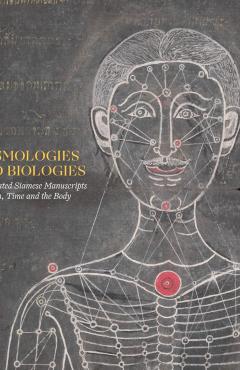
Justin McDaniel is the Edmund J. and Louise W. Kahn Endowed Professor of the Humanities at the University of Pennsylvania's Department of Religious Studies. His research focuses on Lao, Thai, Pali, and Sanskrit literature, Buddhist rituals, manuscript studies, and Southeast Asian history. He has authored multiple award-winning books and published over 100 articles and reviews. Education includes a BA from Boston College (1993), MTS from Harvard Divinity School (1998), MA and PhD in Sanskrit and Indian Studies from Harvard University (2001, 2003). His research explores intersections between Buddhism, material culture, and social history. Recent work includes studies on Siamese manuscripts and Thai Buddhist art. He has held grants from NEH, Mellon, Rockefeller, and others. Awarded teaching excellence at multiple institutions, McDaniel’s innovative courses like Existential Despair and Living Deliberately have been featured in national media. He serves as co-editor for Buddhism Compass and Journal of Lao Studies . Publications include Cosmologies and Biologies (2024), Wayward Distractions (2023), and Architects of Buddhist Leisure (2015), supported by NEH and Kyoto University. Forthcoming projects address Thai manuscripts and Buddhist biographies.
Associate Professor Bronwyn Finnigan is affiliated with the School of Philosophy within the Research School of Social Sciences (RSSS) at the Australian National University (ANU). Her academic qualifications include a BA Hons from Melbourne University, an MA from Sydney University, and a PhD from the University of Auckland. Her research focuses on philosophy of mind, moral psychology, and ethics, with a particular emphasis on integrating Western and Asian philosophical traditions, especially Buddhism. Her current research project, Buddhist Meta-Ethics and Moral Psychology (2018–2025), explores the justificatory grounds of moral judgments in Madhyamaka Buddhism. Finnigan’s work bridges philosophical analysis with Buddhist thought, addressing themes like self-awareness, ethical agency, fear, and the implications of Buddhist doctrines such as karma and rebirth. Her publications span topics ranging from Buddhist perspectives on fear and moral responsibility to comparative analyses of Western and Buddhist ethical frameworks. She is actively involved in supervising research students in these areas.
Prof. Dr. Sabine Windmann is a Professor at the Goethe University Frankfurt am Main , affiliated with the General Psychology II department. Her research spans cognitive psychology, social psychology, neuropsychology, and decision-making, with a focus on altruism, emotional processing, facial perception, and consciousness. Department: General Psychology II, Institute of Psychology University: Goethe University Frankfurt am Main Her work investigates biases in perception, memory, and decision-making, particularly how context and emotional states influence human behavior. Recent publications explore pandemic-related psychological profiles, waste separation behavior, and the neural correlates of altruism and cooperation. Recent trends in her research include mindfulness interventions , social dynamics during crises , and facial perception's role in social cognition . She has published in journals like Health Psychology Open , Personality and Individual Differences , and Frontiers in Psychology . Her lab collaborates internationally and engages in interdisciplinary studies, though no explicit scientific awards or student lists are detailed in the provided texts. Contact: s.windmann@psych.uni-frankfurt.de
Laurajane Smith is a Professor and Head of the Centre for Heritage and Museum Studies at the Australian National University. Her work focuses on critical heritage studies, cultural narratives, and affective engagement in heritage contexts. Editor : International Journal of Heritage Studies Co-General Editor : Key Issues in Cultural Heritage book series (Routledge) Founder : Association of Critical Heritage Studies Her research explores memory, class politics, and empathy in heritage-making processes, drawing on over 10 years of fieldwork with visitors to heritage sites and museums. Current projects include a book analyzing emotional engagement in heritage practices. Recent publications address critiques of post-humanism and new materialism in heritage studies, affective dynamics in compassion for cultural preservation, and the interplay of nostalgia and class identity in heritage narratives. Key Themes : Critical analysis of theoretical frameworks Emotional and affective responses Memory and identity construction
Maksymilian Del Mar is Professor of Legal Theory and Legal Humanities in the Department of Law at Queen Mary University of London's School of Law. He has held this position since joining Queen Mary in 2011, contributing significantly to legal scholarship and education. His academic journey spans multiple disciplines and institutions, reflecting his interdisciplinary approach to legal studies. Professor Del Mar received his BA Hons/LLB Hons in philosophy, literature, and law from the University of Queensland, Australia (1999-2004), with an Honours dissertation in philosophy and literature on Italo Calvino. He then completed a Doctorate in Philosophy (PhD) at the University of Edinburgh (2006-2009), followed by a Doctorate in the Social Sciences (DSS) at the University of Lausanne (2009-2012). Prior to academia, he qualified as a lawyer in Brisbane, Australia, and worked as a Judge's Associate in the Supreme Court of Queensland. Professor Del Mar's research interests span the intersection of legal theory and legal humanities. His work explores the relations between legal theory and legal history, the history and historiography of politics and philosophy, and the theory and history of imagination, emotion, and related language arts. He has a particular focus on Scottish philosophers and jurists from the 18th to 20th centuries, including David Hume, Adam Smith, and Neil MacCormick. His current research projects examine the relations between character sketching and legal reasoning, and the imagination in eighteenth century Scotland. His scholarship reflects a commitment to building bridges across disciplines and articulating the essential role of arts and humanities in legal pedagogy and scholarship. His recent publications demonstrate a consistent focus on cognitive legal humanities, imagination in law, and the historical dimensions of legal reasoning. There is a clear trend toward interdisciplinary approaches that integrate insights from literature, rhetoric, cognitive science, and history into legal analysis. His work increasingly explores the embodied and affective dimensions of legal reasoning, moving beyond purely textual analysis to consider kinesic intelligence, emotional dimensions, and the materiality of legal practice. Professor Del Mar has received recognition for his work, including the IVR's Commendation for Excellence for 'Artefacts of Legal Inquiry'. Professor Del Mar actively supervises doctoral students working in legal theory and legal humanities, with a focus on the theory and history of common law reasoning, relations between law and cultural theory and history, the history and historiography of legal philosophy, law in a global context, and Scottish jurisprudence. His current and recent students include Isa Bellati, Luiza Tavares da Motta, Gabrielle Schwarzmann, and Adela Halo. His editorial work demonstrates significant scholarly activity, including editing the Law in Context series at Cambridge University Press, the Cambridge Elements in Legal Humanities, and the Encounters with Books from Other Disciplines series for the International Journal of Law in Context. He serves on the Editorial Board of Law & Literature. Professor Del Mar convenes the interdisciplinary research network on 'Imagination' at the Institute for the Humanities and Social Sciences at Queen Mary University of London. He previously founded and convened the Cotterrell Lectures in Sociological Jurisprudence (2015-2025) and the Centre for Law and Society in a Global Context (2013-18). He is also Co-Convenor of the Research Seminar series of the Queen Mary Centre for Eighteenth Century Studies and a Member of the Advisory Committee of the Centre for the History of Political Thought at Queen Mary.
Peter Redfield serves as Professor of Anthropology at the University of Southern California's Dornsife College of Letters, Arts and Sciences, where he bridges anthropology with science and technology studies, postcolonial theory, and humanitarian practice. He previously held the presidency of the Society for Cultural Anthropology (2017-2019) and maintains active affiliations with the LOST Research Network (Law, Organization, Science and Technology), though this network is transitioning to an archive in 2024. His research critically examines transnational expertise and the ethics of humanitarian interventions in contexts of unreliable infrastructure, with current projects including "Beyond Reliable Infrastructure"—which analyzes minimalist life technologies for water, sanitation, and health—and collaborative work with Stellenbosch University on sanitation politics in South Africa. Redfield's scholarship consistently interrogates how humanitarian design navigates utopian ideals of social justice while confronting material constraints and political complexities in global health. His publication trends reveal sustained focus on medical anthropology and humanitarian ethics, particularly through case studies of epidemic response (Ebola), technological fixes (LifeStraw®), and organizational practices (Doctors Without Borders). This work demonstrates evolving attention to material politics and infrastructure, moving from colonial histories (e.g., French Guiana rocketry) toward contemporary crises in global health governance. Redfield's research is supported by institutional affiliations including the Institute for Advanced Study (Princeton, 2016-17) and collaborative partnerships across Africa. He leads interdisciplinary teams examining humanitarian innovation, with recent work emphasizing the material dimensions of aid delivery and the political economies of "dignified living" in marginalized communities.
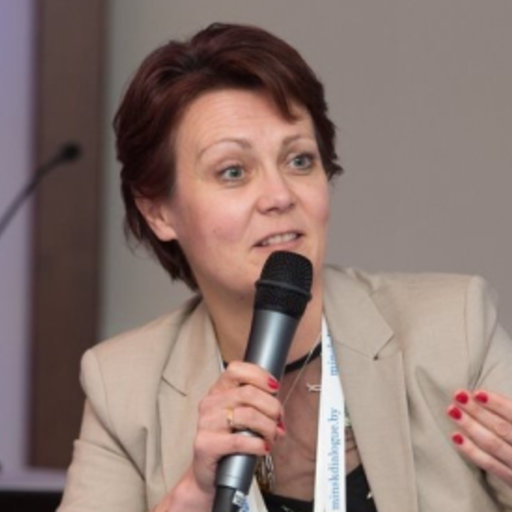
Elena Korosteleva is a Professor of Politics and Global Sustainable Development, and Director of the Institute for Global Sustainable Development (IGSD) at the University of Warwick. She holds dual doctoral degrees from the University of Bath (2001) and Belarusian State University (1997). Her academic roles include Jean Monnet Chair of European Politics (awarded twice by the European Commission), and Visiting Professorships at Oxford Belarus Observatory, LSE IDEAS, and the College of Europe. She previously held senior positions at the University of Kent (Founder of Global Europe Centre) and Aberystwyth University (Director of Centre for European Studies). Her research focuses on resilience, governance, and EU external policies in Central Eurasia. Key projects include Horizon Europe’s SHAPEDEM-EU (2022-25), GCRF COMPASS (2017-22, shortlisted for THE Best International Collaboration), and the Belarus Oxford Observatory (2021-23). Her work bridges complex systems theory with policy analysis, emphasizing local ownership and adaptive strategies. Elena has authored over a dozen books, including *Belarus in the 21st Century: Between Dictatorship and Democracy* (2023) and *Resilient Communities of Central Eurasia* (2023). Her peer-reviewed articles address EU-Russia relations, Eastern Partnership dynamics, and post-Soviet resilience. Awards include recognition for policy impact and academic excellence from the European Commission and Times Higher Education. Her advisory roles span UK and EU institutions, including the British Academy, FCDO, and European Parliament. She advises national governments in Eurasia and collaborates with NGOs like TEPSA and SIDA. A media commentator for BBC, France24, and Sky News, she bridges academic research with public discourse on geopolitical crises and democratic challenges.
Zoran Josipovic is an Adjunct Assistant Professor in the Department of Psychology at New York University's College of Arts & Science. He is also the founding director of the Nonduality Institute, an independent research center exploring nondual awareness. His expertise spans consciousness studies, meditation neuroscience, and cognitive/affective neuroscience. Education: PhD in Cognitive Neuroscience (Union Institute & University), MA in Clinical Psychology (John F. Kennedy University), BA in Asian Religions (SUNY) Research focuses on nondual awareness mechanisms, meditation's effects on epilepsy, and consciousness neurobiology. He investigates how practices like Tibetan Buddhism, Zen, and Advaita Vedanta influence neural processes. His work bridges contemplative traditions with modern neuroscience through studies on self-awareness, brain networks, and minimal phenomenal experience. Recent publications explore reflexivity gradients in consciousness, implicit-explicit nondual awareness dimensions, and neural correlates of prayer in addiction recovery. His grants include funding from the Mind Science Foundation and Yoga Science for nondual awareness research. Awards: 2010 Tom Slick Award for Consciousness Research, multiple grants supporting meditation-epilepsy studies Teaches courses like 'Consciousness and the Brain' and 'Mindfulness & Transformative Technologies.' Active in professional societies including the Association for Psychological Science and Society for Neuroscience. Operates the Nonduality Institute, conducting empirical studies on nondual experience and offering online meditation education. A lifelong practitioner of nondual traditions, he integrates clinical psychology with contemplative practice instruction.
João F. Mano is a Full Professor at the Department of Chemistry, University of Aveiro, and Director of the Doctoral Program on Biotechnology. He leads the COMPASS Research Group and serves as Vice-Director at CICECO - Aveiro Institute of Materials. His academic appointments include Invited Professor at University of Lorraine (France), Visiting Professor at KAIST (South Korea), and Adjunct Professor at Ajou University (South Korea). Education: PhD in Chemistry (1996, Technical University of Lisbon); D.Sc. in Tissue Engineering, Regenerative Medicine and Stem Cells (2012, University of Minho) Research Interests focus on Biomaterials for Regenerative Medicine , integrating Nanotechnology , Microtechnology , and Biofabrication . His group develops Bioinspired Materials using polymer chemistry, Decellularized Extracellular Matrix , and 3D Bioprinting to engineer Cell Microenvironments for therapeutic applications. Recent Publications highlight advancements in Human-Derived Hydrogels , Photopolymerizable Scaffolds , Magneto-Responsive Biomaterials , and Programmable Bioinks . Trends show emphasis on Organ-on-a-Chip integration, Smart Living Materials , and Green Bioprinting methodologies. Scientific Awards include: European Research Council Advanced Grants (2015, 2020) Fellow at IUPAC, European Academy of Sciences, and American Institute of Medical and Biological Engineering ERC Proof of Concept Grants Doctor Honoris Causa from University of Lorraine and Utrecht UNESCO Chair on Biomaterials George Winter Award (European Society for Biomaterials) Supervisions & Collaborations encompass 74+ MSc, 26+ PhD students, and 40+ postdocs. He co-founded METATISSUE and CELLULARIS Biomodels , and serves as Editor-in-Chief of Materials Today Bio .
Dr. Josip Bošnjaković is an Associate Professor at both the Catholic Faculty of Theology in Đakovo (part of Josip Juraj Strossmayer University in Osijek) and the Croatian Catholic University in Zagreb. Ordained as a priest of the Đakovo-Osijek Archdiocese in 2003, he holds a doctorate in educational psychology from the Pontifical Salesian University in Rome (2012) and is a certified psychotherapist specializing in transactional analysis. He serves as the head of the Counseling Center in the Đakovo-Osijek Archdiocese and as president of the Croatian Society of Marriage and Family Counselors since 2019. His research interests bridge psychology and theology, with particular focus on empathy, compassion, trauma recovery, family dynamics, and spiritual resilience. Bošnjaković has developed an interdisciplinary approach that integrates psychological science with theological insights, particularly emphasizing how compassion functions as both a psychological mechanism and theological virtue. His work explores how spiritual resources contribute to psychological resilience, especially in crisis situations including war trauma, pandemic experiences, and family breakdown. Bošnjaković's recent publications (2024-2025) demonstrate a consistent focus on practical applications of psychological theory within pastoral contexts. His research shows how concepts from transactional analysis can enhance pastoral care, with particular attention to communication skills, conflict resolution, and emotional intelligence in religious settings. He has made significant contributions to understanding how spiritual practices support mental health and how religious communities can better address psychological needs. As an active member of professional organizations including ITAA (International Transactional Analysis Association), EATA (European Association of Transactional Analysis), and IAPR (International Association for the Psychology of Religion), Bošnjaković bridges academic research with practical counseling applications. He regularly contributes to professional development through workshops, conferences, and media appearances where he discusses psychological and spiritual aspects of contemporary challenges. His academic leadership includes directing the specialist study program in Propaedeutics of Psychotherapy and Theotherapy at the Catholic Faculty of Theology in Đakovo since 2023. Bošnjaković also serves on various academic committees including the Award Committee and Supervisory Board at his institution, and previously served on the Ethics Committee at the Croatian Catholic University (2013-2017).
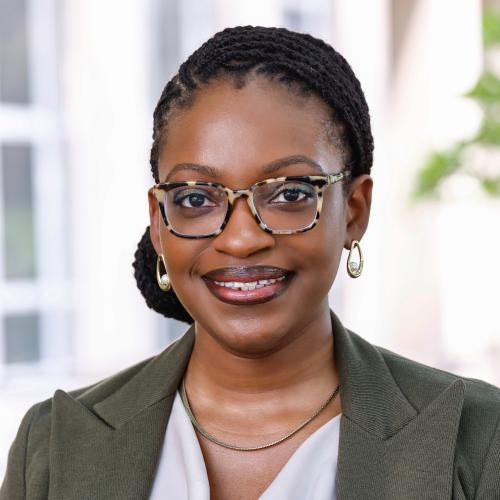
Chinasa T. Okolo is a Research Fellow in the Governance Studies program and Center for Technology Innovation (CTI) at the Brookings Institution. A recent computer science PhD graduate from Cornell University, she focuses on AI governance, data policy, and equity issues in artificial intelligence, particularly as they relate to the Global Majority and Africa. B.A. in Computer Science from Pomona College M.S. in Computer Science from Cornell University Ph.D. in Computer Science from Cornell University Dr. Okolo's research critically examines global equity in AI, with a focus on how African governments can develop robust AI and data governance frameworks. She investigates the geopolitical impacts of AI in the Majority World and analyzes datafication and algorithmic marginalization in Africa. Her work incorporates ethnographic methods to understand how frontline health care workers in rural settings perceive and value AI, with particular emphasis on explainability in AI-enabled technologies deployed throughout the Majority World. She has conducted significant research on the effective adoption of AI in Africa, COVID-19 misinformation spread on social networks within African communities, and the impact of generative AI within Africa. Her recent publications explore cultural encoding of gender bias in language models for African languages, AI safety governance approaches in Southeast Asia, and the impacts of generative AI within Africa. Her work spans the intersection of artificial intelligence, international development, and social justice, with publications at top-tier venues including ACM's CHI, CSCW, COMPASS, EAAMO, and FAccT conferences. Scientific Awards Named one of TIME's top 100 most influential people in AI of 2024 Honored in the inaugural Forbes '30 Under 30' AI list Recognized as one of 100 Brilliant Women in AI Ethics™ Dr. Okolo has received research funding from the Social Science Research Council, MacArthur Foundation, McGovern Foundation, Kapor Center, National GEM Consortium, Oracle Corporation, North American Network Operators' Group (NANOG), National Science Foundation (NSF), and Google. She serves as editor-in-chief of ACM SIGCAS Computers and Society, is a Scientific Advisory Committee member of the Global Index on Responsible AI, and an inaugural member of the Partnership on AI's SAIGE Council. She has contributed to global AI governance efforts including serving as a consulting expert on the African Union AU-AI Continental Strategy, an expert contributing writer to the International AI Safety Report, and a drafting member of the Nigerian Federal Government's National AI Strategy. She also participates in the IEEE Standards Association working group on algorithmic bias and is a member of the ACM US Technology Policy Committee. As founder of Technēculturǎ, Dr. Okolo leads initiatives focused on critically examining global equity in AI. She recently launched the 'AI Safety and the Global Majority' series at Brookings, convening experts from Africa, the Caribbean, Latin America, Oceania, and Southeast Asia to counter Western-centric assumptions in AI safety. She is actively engaged in current policy discussions, with her most recent work including 'AI Safety Governance, The Southeast Asian Way' report and upcoming participation in the AI Safety Asia launch event on August 28, 2025.
Jennifer Mitchell, PhD is a Professor in the Departments of Neurology and Psychiatry & Behavioral Sciences at the University of California, San Francisco (UCSF) School of Medicine. She serves as the Associate Chief of Staff for Research and Development at the San Francisco VA Medical Center. Dr. Mitchell is affiliated with the UCSF Weill Institute for Neurosciences and is a member of both the UC Berkeley Center for the Science of Psychedelics and the UCSF Neuroscape Psychedelics Division. Dr. Mitchell's research focuses on identifying and developing novel therapeutics for drug and alcohol abuse, PTSD, stress, anxiety, impulsivity, and depression. Her work examines the neural mechanisms responsible for these disorders through translational neuroscience research that bridges psychology, behavioral pharmacology, and neuroanatomy. She has made significant contributions to the field of psychedelic therapeutics, particularly in developing MDMA for PTSD treatment and psilocybin for demoralization and depression. Dr. Mitchell's research portfolio demonstrates a strong emphasis on human and animal pharmacology, hypothesis-driven neuroscience, human proof-of-concept studies, translational models, and clinical trials. Her work on MDMA-assisted therapy for PTSD has reached phase 3 clinical trial status, representing a significant advancement in the field. Her recent publications show a consistent focus on psychedelic therapeutics, with particular attention to MDMA for PTSD treatment, but also extending to policy considerations, cost-effectiveness analyses, and the broader application of psychedelic compounds for various psychiatric conditions. Dr. Mitchell has received multiple DoD grants for the Institute for Translational Neuroscience from 2007 through 2014, demonstrating sustained funding support for her research program. Her work has been published in high-impact journals including Nature Medicine, Neuropsychopharmacology, and JAMA Neurology. As an advisor and mentor, Dr. Mitchell has contributed to the training of numerous researchers in the field of neuroscience and psychedelic therapeutics. Her laboratory work combines behavioral pharmacology with neuroimaging techniques to understand the mechanisms underlying addiction and stress-related disorders.
John D. Dunne is a Professor and Distinguished Chair in Contemplative Humanities at the University of Wisconsin–Madison, holding an endowed position through the Center for Healthy Minds. He is affiliated with the Department of Asian Languages & Cultures and has served as its department chair. Dunne's research bridges Buddhist philosophy, contemplative practices, and cognitive science, focusing on mindfulness and compassionate training. He is a Fellow of the Mind and Life Institute and advises the Ranjung Yeshe Institute. His work includes translating Buddhist texts and collaborating on interdisciplinary projects. Education: PhD in Buddhist Studies from Harvard University (1999). Research emphasizes dialogues between Buddhist thought and modern science, with public engagement through organizations like the Upaya Zen Center and Gomde centers. Dunne teaches courses on flourishing, Buddhist philosophy, and contemplative practices, including ASIAN/PSYCH 120. His publications span academic journals (e.g., Mindfulness , Frontiers in Psychology ) and books like Foundations of Dharmakīrti’s Philosophy and translations of Nagarjuna’s Ratnāvalī . Scientific contributions include studies on meditation’s neurological effects, compassion cultivation, and mindfulness-based interventions. Awards include his Mind and Life Fellowship. He collaborates with institutions like the Center for Healthy Minds, exploring human flourishing and mental health. Recent work addresses psychedelic research and postmortem meditation states in Tibetan practitioners.
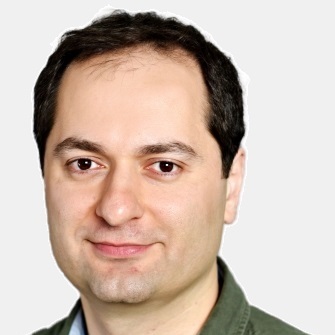
Babak Taati is an Associate Professor at the University of Toronto (UofT), affiliated with the Department of Computer Science, Institute of Biomedical Engineering (BME), and Rehabilitation Sciences Institute (RSI). He holds the Barbara G. Stymiest Chair in Rehabilitation Technology Research at UHN and is a Senior Scientist at KITE, UHN's research arm. He is also a Vector Institute Faculty Affiliate. His work focuses on applying computer vision and machine learning to healthcare challenges, particularly in rehabilitation technologies for aging populations, gait analysis, fall prevention, and dementia care. Taati leads the Aging team at KITE and is affiliated with the Intelligent Assistive Technology and Systems Lab (IATSL) and the Computational Vision group. Research interests include noninvasive monitoring of health conditions such as Parkinsonism, sleep apnea, and pain management in older adults. His contributions span datasets like the Toronto NeuroFace Dataset and TOAGA archive, emphasizing clinical applications. Taati has taught CSC420 (Image Understanding) repeatedly and has organized workshops on topics like AI in dementia care and ambient intelligence in healthcare. His awards include the TRI-UHN Best Paper Award (2017) and the AMS Healthcare Fellow in Compassion and Artificial Intelligence (2021). He has advised students like Michael Li and collaborates on grants involving federal initiatives (e.g., FedDev Ontario). His research bridges theoretical computer science with practical healthcare solutions, addressing unmet clinical needs through vision-based systems.