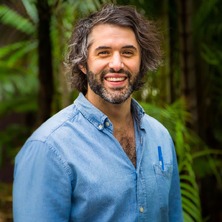
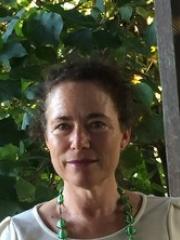
Paul Gilbert is an Honorary Professor at the School of Psychology, University of Queensland. As a pioneer of Compassion Focused Therapy (CFT), his work integrates evolutionary, social, developmental, and neurobiological perspectives to address mental health challenges. He maintains an active research profile with recent collaborations spanning multinational studies on compassion-based interventions. Gilbert's research focuses on the mechanisms and applications of compassion in clinical, educational, and community settings. Key areas include reducing shame and self-criticism, developing compassion training protocols for specific populations (e.g., teachers, adolescents, forensic groups), and exploring evolutionary underpinnings of psychopathology. His work frequently employs randomized controlled trials and meta-analytical approaches to validate therapeutic efficacy. Analysis of Gilbert's 15 most recent articles (2023-2024) reveals three dominant themes: 1) Efficacy of compassion-focused interventions across diverse populations (clinical disorders, educational settings, forensic contexts), 2) Integration of contemplative practices (mindfulness, Buddhist psychology) with evolutionary models, and 3) Physiological and neural correlates of compassion and emotional regulation. Methodologically, these studies emphasize mixed-methods designs, scale validation, and cross-cultural applications.
Glen Bates is a Professor in the School of Health Sciences at Swinburne University of Technology , Australia. His research focuses on trauma, mental health, and psychological well-being, with a particular emphasis on social anxiety, complex PTSD, self-compassion, and resilience. He has a strong publication record and actively supervises PhD students across diverse topics in clinical and health psychology. His research interests span several interconnected domains: Clinical and health psychology, especially trauma-related disorders and mood disorders Social and personality psychology, focusing on stigma, resilience, and identity Applied and developmental psychology, including educational and workplace mental health Digital mental health interventions and telehealth applications Mechanisms of therapy such as emotion regulation, mindfulness, and nonattachment His recent publications reveal a consistent focus on understanding psychological mechanisms in anxiety, trauma, and resilience. The articles show strong use of advanced statistical methods (meta-analysis, structural equation modelling) and qualitative approaches (thematic analysis, phenomenological inquiry). Key themes include the measurement and treatment of complex PTSD, the role of self-compassion and emotion regulation in social anxiety, resilience among marginalized populations, and the impact of societal challenges like the pandemic and food insecurity on mental health. Scientific contributions include: Over 100 publications including high-impact journal articles Systematic reviews and meta-analyses advancing methodological rigor in trauma and anxiety research Development and validation of digital interventions for mental health Exploration of novel constructs such as nonattachment and their role in psychological development He has supervised numerous Doctoral (PhD) candidates, with projects covering areas such as EMDR therapy, digital mental health, intergenerational trauma, HIV resilience, and workplace stress. His grant funding includes projects on monitoring anxiety and depression nationally and on raising teacher status through social innovation. He leads a research program that bridges clinical psychology with public health and educational innovation. He is actively involved in research teams and collaborations, particularly in projects related to trauma, mental health interventions, and social innovation in education. His work often involves interdisciplinary collaboration across psychology, public health, and digital technology.
Dr. Bradley Elphinstone is a Senior Lecturer in the School of Health Sciences at Swinburne University of Technology, where he conducts research and teaching in clinical and health psychology, with a focus on mindfulness, nonattachment, self-compassion, and gender-affirming mental health. He is actively involved in PhD supervision and has led research on public trust in genomic data, emotional well-being, and digital mental health interventions. His research interests include: Clinical and Health Psychology Social and Personality Psychology Mindfulness-Based Interventions Nonattachment and Self-Compassion Gender Euphoria and Transgender Mental Health Public Trust in Health Data Systems His recent publications (2020–2025) reflect a strong trend in psychometric scale development (e.g., Gender Euphoria Scale, Equanimity Scale), emotional regulation, and public health psychology, particularly during the pandemic. His work bridges clinical psychology with public engagement and policy, especially in genomic governance and mental well-being. Scientific contributions include: Development and validation of psychological scales Studies on trust and compliance during public health crises Exploration of non-dualistic approaches to mental health (e.g., A Course in Miracles) Telehealth and dignity therapy for older adults Dr. Elphinstone supervises multiple PhD students on topics ranging from financial well-being to gender identity and digital interventions. He has secured external funding, including a grant from the Department of Health and Aged Care on genomic data trust. He is also involved in collaborative research networks and public engagement through platforms like The Conversation. He is affiliated with research teams focused on: Mindfulness and psychological development Trans and gender diverse mental health Digital and telehealth interventions Public attitudes toward biobanks and genomics
Judy Pickard is an Associate Professor and Senior Lecturer at the School of Psychology, University of Wollongong . She holds dual appointments as a Senior Lecturer in academia and a researcher at Early Start's Family, Learning and Interaction (FLINT) theme. PhD in Psychology (University of Wollongong) Master of Psychology (Clinical Psychology) (University of Wollongong) Bachelor of Psychology (University of Western Australia) Graduate Certificate in Management (University of Wollongong) Her research focuses on mindfulness and compassion in clinical and family contexts, particularly examining cross-generational transmission of attachment patterns and implementation of evidence-based mental health programs . She investigates how mindfulness impacts clinician training and therapeutic outcomes. Recent publications highlight her work on mindfulness-enhanced behavioral parenting programs , impostorism in trainee psychologists , and family reintegration after military deployment . These studies span disciplines including clinical psychology , developmental psychology , and family therapy . Vice-Chancellor's Award for Outstanding Achievement in Research Partnership and Impact (2018) She supervises higher-degree research students in projects related to family mental health , mindfulness implementation , and clinical psychology training . Her grants include funding for parental wellbeing and child development studies and mindfulness program development for clinicians. Judy Pickard is also actively involved in community mental health initiatives , including co-developing the Confident Carers Cooperative Kids Program and collaborating with the Illawarra Shoalhaven Local Health District on clinical psychology services.
Suzanne McLaren is a Professor of Psychology at Charles Sturt University, focusing on aging well, rural and regional mental health, and LGBTQ+ psychosocial well-being. She contributes to the Ageing Well Research Group , Resilience Across the Lifespan Research Group , and Psychosocial Well-being of Rural and Regional Australians Research Group . Her research explores: Self-compassion and trauma responses in healthcare workers Psychosocial determinants of suicide risk in marginalized populations Telehealth accessibility for aging Australians during crises Belonging and mental health disparities in rural LGBTQ+ communities Recent work includes evaluating suicide prevention programs, relocation stress interventions in aged care, and analyzing how internalized stigma impacts depression across gender/sexual identities. She supervises HDR students and co-led projects on paramedic mental health. Key activities include: Chairing research integrity committees until 2024 Developing academic content creation initiatives Advising on ethical research frameworks
Associate Professor James N. Kirby is a Clinical Psychologist and Co-Director of the Compassionate Mind Research Group at the School of Psychology, University of Queensland. He holds affiliate positions at the Parenting and Family Support Centre, Early Cognitive Development Centre, and Centre for Health Outcomes, Innovation and Clinical Education (CHOICE), all within the Faculty of Health, Medicine and Behavioural Sciences. Additionally, he maintains a Visiting Fellowship at the Center for Compassion and Altruism Research and Education at Stanford University and is an Honorary Member of the Compassionate Mind Foundation UK. Dr. Kirby earned his Bachelor (Honours) of Psychological Science and Doctor of Philosophy from the University of Queensland. His expertise spans clinical psychology with a specialization in compassion research and interventions. Dr. Kirby's research focuses on compassion and its applications in mental health. His work examines factors that facilitate and inhibit compassionate responding, with particular attention to how compassion-focused interventions help address self-criticism and shame underlying depression and anxiety disorders. His research spans multiple domains including parenting, athlete well-being, mental health in the performing arts, and compassion in healthcare settings. He investigates compassion from multiple angles: as a transdiagnostic treatment target, its neurophysiological correlates, its relationship to social rank and attachment, and its application in diverse populations including autistic adults and fathers. His recent publications reveal a strong emphasis on practical compassion-focused interventions across diverse contexts. There's a clear trend toward examining compassion's physiological correlates (particularly heart rate variability), its application in specific populations (autistic adults, athletes, performing artists), and its role in addressing specific mental health challenges like weight stigma in lipoedema. His work increasingly incorporates digital assessment tools and examines compassion in everyday life through experience sampling methods. The research demonstrates how compassion functions as a cross-cutting therapeutic mechanism applicable across multiple mental health conditions. Associate Editor, Mindfulness journal Associate Editor, Psychology & Psychotherapy: Theory, Research & Practice Author of Choose Compassion (2022) Co-editor of Making an Impact on Mental Health (2020) Co-author of Essentials of Compassion Focused Therapy: A Practice Manual for Clinicians (2024) Dr. Kirby is actively involved in research supervision, currently overseeing multiple PhD candidates across diverse projects related to compassion. His current supervision includes research on deepening self-compassion, online compassion skills training, compassion in healthcare, gender and sexuality perspectives on body image, and compassion-based interventions for caregivers of children born preterm. He has successfully supervised several PhD students to completion, with research focusing on social and affective impacts of attachment, compassion-focused therapy for body weight shame, neurophysiological correlates of compassion, and compassion in parenting contexts. His grants portfolio includes projects funded by Australian Red Cross Lifeblood, Anglicare Southern Queensland, Metro North Hospital and Health Service, and YoungCare Ltd. As Co-Director of the Compassionate Mind Research Group, Dr. Kirby leads a multidisciplinary team dedicated to advancing the science and application of compassion. His current research examines compassion in blood donation, the justice system, traumatic pregnancy, and compassionate decision-making, demonstrating the breadth and impact of his work across multiple domains of human experience.
Dr Neil Bailey is a Senior Research Fellow at the Australian National University's School of Medicine and Psychology, leading innovative research at the intersection of neuroscience, psychology, and mental health. His work focuses on understanding how mental health can be improved through various interventions, particularly mindfulness practices and brain stimulation techniques. Dr Bailey's research interests include: Investigating how mindfulness meditation affects brain activity, cognition, and mental health outcomes Developing novel treatments for depression, obsessive-compulsive disorder, and schizophrenia Applying non-invasive brain stimulation techniques like rTMS and tACS for mental health conditions Using machine learning and EEG to predict treatment responses for depression Exploring psychedelic-assisted psychotherapy for mental health conditions His recent publications reveal a strong focus on EEG-based research, particularly examining neural connectivity patterns, developing advanced data processing pipelines like RELAX, and investigating the neural mechanisms underlying mindfulness meditation. Dr Bailey's work consistently bridges theoretical neuroscience with practical clinical applications, aiming to enhance treatment efficacy for various mental health conditions. Dr Bailey leads multiple research projects including ASSESS (studying psychedelic medicines), EMPACT (evaluating psychedelic-assisted psychotherapy for depression), and several TACS-related projects for depression and OCD treatment. He also serves as Head of Data Science at the Monarch Mental Health Group, applying his expertise in data analysis to real-world mental health challenges.
Nicola Hancock is an Associate Professor and Academic Director of Research Education (READ) in the School of Health Sciences at the University of Sydney. Her work spans clinical practice, education, and research in mental health, with a focus on recovery-oriented approaches. She leads the mental health team at the Centre for Disability Research and Policy and oversees over 150 higher-degree research students and their supervisors. Education BAppSc(OT) PhD Research Interests Dr. Hancock develops and evaluates recovery-focused interventions, notably the Recovery Assessment Scale–Domains and Stages (RAS-DS), a widely used tool in 25+ countries. Her work emphasizes co-production with lived experience contributors, exploring topics like mental health service models (e.g., NDIS, Recovery College), hopefulness, and consumer participation. Articles & Grants Her research has secured over $4.5M in grants, including MRFF-funded projects. Recent work includes digital RAS-DS resources and studies on ECT impacts, NDIS access barriers, and rural healthcare worker well-being. Awards & Recognition While no specific awards are listed, her leadership roles and funding reflect significant professional impact. Teaching & Advising She teaches mental health in occupational therapy programs and supervises students researching topics like schizophrenia support, ECT outcomes, and NDIS participation. Labs & Collaborations Collaborates with the Sydney Southeast Asia Centre and industry partners on projects like telehealth adaptation and mental health recovery frameworks.
Dr. James Donald is a Senior Lecturer in the Discipline of Work and Organisational Studies at the Sydney Business School , University of Sydney. He combines teaching and research, focusing on mindfulness, positive psychology, and technology's impact on workplace well-being. His work bridges academic research with practical applications for leadership development. Research Interests : Workplace mindfulness, emotional regulation, compulsive internet use, leadership psychology, and organizational well-being. Key Topics : 2024 articles examine adolescents' digital addiction, gender equality implications, and leadership in hyper-connected environments. Scientific Contributions : His research has appeared in Personality and Social Psychology Bulletin , Emotion , and Current Directions in Psychological Science . He explores how compulsive internet use affects emotional skills and leadership quality. Media Engagement : Regularly featured in ABC Radio National, Sydney Morning Herald, and The Australian, discussing stress leave, micromanagement, hybrid work challenges, and teen internet addiction.
Dr. Michael Ure is a Senior Lecturer in Politics at Monash University's School of Social Sciences, specializing in modern and classical political theory, European philosophy, and philosophy as a way of life. He holds a PhD from the University of Melbourne (2005) and has held postdoctoral fellowships at the University of Queensland. Ure is the lead investigator of the ARC Discovery grant 'Reinventing Philosophy as a Way of Life' (2014-2019) and editor of the Bloomsbury series on the same theme. His research spans Nietzsche, Foucault, and Hadot, with notable works including Nietzsche's The Gay Science (2019) and Philosophy as a Way of Life (2021). He actively supervises PhD candidates in Nietzschean studies, political emotions, and European philosophy. His work engages interdisciplinary themes like Stoicism, political resistance, and experimental ethics. Awards include multiple Rufus Davis Awards for supervising top Honours theses. Teaching focuses on modern political thought, grand theories in politics, and Italian political thought. Collaborations include international joint PhD programs with institutions like ITTB Mumbai and the University of Warwick. Current projects explore Nietzsche's therapy, Camus' moral philosophy, and the application of ancient philosophies to contemporary life.
Dr. Karyn Healy is an Honorary Principal Fellow at the School of Psychology, University of Queensland, with affiliations to the Parenting and Family Support Centre. She holds a PhD (2013), Master of Organisational Psychology, and Bachelor of Science (Honours) from the University of Queensland. As a registered psychologist, her work bridges research and practice in bullying prevention. Her research examines: Family interventions for bullying victims Parental roles in bullying prevention Peer relationship dynamics School-based mental health programs Compassion-focused workplace training She developed the Resilience Triple P program and collaborates internationally on child mental health initiatives. Publication analysis reveals consistent focus on: bullying intervention efficacy, family systems, child mental health outcomes, and program implementation in educational settings. Recent work explores digital interventions and cross-cultural applications. Honors include: Australian Postgraduate Award Featured presenter at National Centre Against Bullying Conference The Conversation Yearbook selection (2015) Queensland Anti-Cyberbullying Committee membership (2019-2021) She serves as Associate Editor for the Journal of Child and Family Studies and contributes to national policy resources for Australian schools. Current projects include the Thriving Kids and Parents Schools Project evaluating Triple P seminars.
Professor James Bennett-Levy is a leading academic in Mental Health and Psychological Wellbeing at the University Centre for Rural Health (North Coast) , affiliated with the University of Sydney. With an international reputation as a psychotherapy trainer and researcher, his work spans therapist skill development, compassion-focused therapy, and mental health in rural and Indigenous communities. Research Interests: His research focuses on experiential processes in psychotherapy, including imagery, metaphor, and behavioral experiments. He has developed influential models like the Declarative-Procedural-Reflective and Personal Practice frameworks, emphasizing self-experiential training strategies such as Self-Practice/Self-Reflection (SP/SR). Article Trends: Recent work addresses disaster mental health (e.g., floods, cyclones), digital social and emotional wellbeing (SEWB) for Indigenous populations, and psychedelic-assisted therapy translation. His publications often intersect clinical psychology, rural health, and cultural adaptation. Scientific Awards: Compassion Focused Therapy Pilot Grant (2017) Integrated Mental Health Atlas Grant (2015) Beyondblue Research Grant (2009-2014) Teaching & Projects: He leads SP/SR-based workshops globally and co-directs the Wellmob SEWB initiative. His current projects include arts-based compassion training for Indigenous Australians and evaluating digital mental health implementation barriers.
Dr. Madeleine Fraser is a Senior Lecturer at the School of Behavioural and Health Sciences within the Faculty of Health Sciences at Australian Catholic University. Her research focuses on self-compassion, adolescent mental health, mindfulness, and psychotherapy processes. She has published extensively on topics such as social media’s psychological impacts, compassion in relationships, and interventions for mental health disorders like schizophrenia and depression. Her work emphasizes personalized approaches to well-being, integrating behavioral and cognitive frameworks. Key themes include the interplay between self-compassion and mental health outcomes, and the development of school-based programs targeting adolescents’ emotional resilience. Recent studies explore mechanisms linking self-compassion to anxiety reduction and the role of sleep in mediating psychological distress. Dr. Fraser’s research often adopts experience sampling methods and systematic reviews, contributing to evidence-based practices in clinical psychology. She collaborates with international teams on process-based therapies and digital interventions, aiming to bridge gaps between theory and real-world mental health applications. Her work underscores the importance of contextualizing psychological interventions within individual and social dynamics.
Kerry Sherman is a Professor at Macquarie University's School of Psychological Sciences and a leading Health Psychologist specializing in behavioral medicine and psycho-oncology. Her research spans decision making in cancer and genetic testing, body image disturbance in physical illnesses, self-compassion interventions, and psychosocial outcomes in endometriosis, infertility, and caregiver contexts. Current affiliation: Macquarie University, School of Psychological Sciences Key research themes: Medical decision support, body image interventions, stress beliefs, and psychosocial adaptation to chronic illness Recent work focuses on digital interventions like the EndoSMS text messaging program for endometriosis and BRECONDA online decision aid for breast reconstruction. She has received prestigious awards including the Society of Behavioral Medicine Fellowship and International Society of Behavioral Medicine's Distinguished Career Contribution Award. Scientific awards: 19 major honors (2001-2022) Research outputs: 202+ publications and 21 funded projects As Deputy Head of Department (Learning and Teaching), she contributes to health psychology education while supervising PhD/MRes students in areas like prostate cancer cognition, lymphoedema self-management, and endometriosis psychosocial impacts.
Pamela Meredith serves as Professor and Discipline Lead of Occupational Therapy within the School of Health at the University of the Sunshine Coast (UniSC), Queensland, Australia. She maintains an honorary appointment as Associate Professor at The University of Queensland (UQ). With over 120 publications and an h-index of 28 (Scopus), Meredith demonstrates significant scholarly impact in occupational therapy research. Her leadership extends to directing the ConnectPlayLearn research partnership and contributing to multiple funded research initiatives focused on trauma-informed care and sensory approaches. BOccThy (1982–1986), University of Queensland BSc (Psychology) (1992–1995), University of Southern Queensland (Deans Commendation) BA (Hons) Psychology (1997–1998), University of Queensland PhD (2002–2006), University of Queensland (Deans Commendation) Meredith's research program investigates how childhood experiences shape lifelong physical and mental health outcomes, with particular emphasis on attachment theory and sensory processing patterns. Her work spans four interconnected domains: parenting and child trauma, persistent/chronic pain, mental illness with substance use, and palliative care with grief/loss. This research informs clinical reasoning and therapeutic processes across prevention, early intervention, and evidence-based practice. Her innovative Sense of Safety theoretical framework provides a trauma-informed approach to whole person care that bridges multiple disciplines. Analysis of Meredith's recent publications reveals a strengthening focus on implementation science and co-design methodologies to translate sensory and attachment-informed approaches into clinical practice. Her work increasingly addresses cultural safety, particularly through yarning methodologies with First Nations communities, while maintaining core investigations into sensory processing across lifespan contexts from infancy through dementia care. The interdisciplinary nature of her research is evident in collaborations spanning occupational therapy, psychology, nursing, and allied health fields. 2024 - UniSC School of Health Research Excellence Award 2021 - Fellow of Occupational Therapy Australia Research Academy (FOTARA) 2019 - CQUniversity Commendation for Research Higher Degree Supervision Multiple University of Queensland teaching and supervision awards (2009-2017) 2006 - UQ Dean's Commendation for Outstanding PhD Thesis Meredith has supervised 55 honours students, 19 PhD candidates, and 1 MPhil student to completion while currently advising 12 HDR students. Her research program attracts significant competitive funding including a Dementia Australia Research Foundation Grant ($50,000), Mamré Association Inc. funding ($77,000), and Physiotherapy Research Foundation Seeding Grant ($10,000). Current projects include 'Reaching Pawtential' (canine-assisted therapy for dementia), 'The road less travelled' (dementia-friendly travel), and 'Diagnosis of young children with FASD', demonstrating both clinical relevance and methodological diversity across implementation trials, co-design studies, and systematic reviews. Meredith leads the ConnectPlayLearn research concentration in partnership with Mamré, developing evidence-based training for therapists and parents. Her work with the International Occupational Therapy Attachment and Trauma Network fosters global collaboration on trauma-informed practice. Through the Occupational Therapy Australia Research Academy fellowship, she contributes to national research capacity building while maintaining active clinical connections that ensure her research remains grounded in real-world practice challenges across mental health, pain management, and developmental contexts.