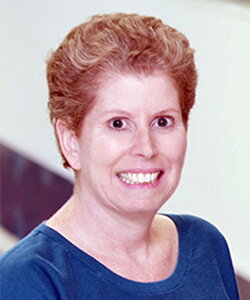
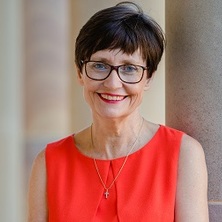
Theresa Larkin is an Associate Professor of Medical Sciences at the University of Wollongong , specializing in Graduate Medicine . She holds a PhD in Biomedical Science, a BSc (Hons) in Chemistry, and a Masters in Higher Education. Her teaching focuses on anatomy and physiology for medical students, with an emphasis on interactive clinical anatomy education. Her research spans diverse areas, including: Hormonal roles in mental and maternal health Hip muscle strength and pregnancy-related back pain Omega-3 fatty acids in health Deep vein anatomy and chronic pelvic pain Recent publications analyze terms like hysterectomy (arguing for uterectomy ), brain aneurysms, venous insufficiency, and reproductive biology. Articles highlight connections between vascular health, oxidative stress, and hormonal impacts on anatomy. Theresa advocates for accurate medical terminology through her work, particularly in women’s reproductive health. She operates from Wollongong, Australia, and is active in research supervision and public health communication.
Dr. Alexandra Orlova is a Professor in the Department of Criminology and the Faculty of Law at Toronto Metropolitan University. With a Ph.D. in Law from Osgoode Hall Law School (2004) and an LLB from the same institution, she has been a full-time faculty member since 2005. Her teaching portfolio includes courses on Canadian Criminal Justice, Criminal Law, International Perspectives, and Security Threats. Education : Ph.D. in Law (Osgoode Hall Law School, 2004), LLB (Osgoode Hall Law School) Dr. Orlova's research focuses on transnational organized crime, international terrorism, sovereignty issues, and human rights. Her work examines how geopolitical shifts influence legal frameworks and criminal justice systems, particularly in Russia. Publications span topics like cryptocurrency regulation, judicial dissent, and civil society suppression under authoritarian regimes. Key trends in her research include sovereignty challenges in digital governance, legal responses to corruption, and the weaponization of anti-Western narratives. She has secured multiple research grants from Toronto Metropolitan University (formerly Ryerson) for studies on anti-corruption, internet governance, and state violence. Scientific Awards : Arthur L. Galub Best Faculty Paper Award (2019) Her work has been cited in landmark legal decisions, including the Supreme Court of Canada. She contributes to edited volumes and comparative legal analyses, often collaborating across disciplines to address systemic governance issues.
Professor Shireen Meher is a faculty member at the Sydney Medical School and serves as a Professor of Maternal Fetal Medicine at the University of Sydney. She leads the obstetric research program at Nepean Clinical School and is part of the leadership team for the Clinical Academic Group at Sydney Health Partners and the University of Sydney's Reproduction and Perinatal Centre. Undergraduate medical education: Completed in India Clinical and academic training: Obstetrics and Gynaecology in the UK Research doctorate: MD from University of Liverpool on pre-eclampsia prevention Subspecialist accreditation: Maternal Fetal Medicine from Imperial College London Her research focuses on improving outcomes for high-risk pregnancies through clinical trials, systematic reviews, and algorithm development. Key areas include pre-eclampsia prevention , postpartum haemorrhage management , multiple pregnancy complications , and global maternal health . Recent publications emphasize neonatal encephalopathy core outcome sets (2024), intrapartum care algorithms (2022), and postpartum hemorrhage interventions (2023). She has led major trials like the CaPE Trial (calcium supplementation for pre-eclampsia) and COPE Trial (carboprost vs oxytocin for PPH). Scientific Awards : David Liu Prize for Best Obstetric Paper (2014-2015) Grants : NIHR HTA funding for CaPE Trial (£2.17 million), Bill & Melinda Gates Foundation for E-MOTIVE study She co-leads undergraduate medical education in Obstetrics and Gynaecology at Nepean Clinical School and maintains international collaborations with the World Health Organization and UK institutions including Birmingham Women's Hospital and University of Birmingham.
Agnieszka Drosdzol-Cop is a Professor at the Department and Clinical Unit of Gynecology, Obstetrics, and Oncologic Gynecology, part of the Faculty of Health Sciences in Katowice at the Medical University of Silesia. Her research focuses on obstetrics, gynecology, adolescent health, and reproductive medicine. She has contributed to clinical guidelines for transgender health care and studies maternal-neonatal outcomes in high-risk pregnancies. Recent work includes investigations into cervical colonization impacts, external cephalic version practices, and perinatal palliative care frameworks in Poland. Her research spans adolescent pregnancy complications, fetal karyotyping outcomes, and the interplay between rare diseases (e.g., cystic fibrosis) and gynecological conditions. Collaborations with midwives and clinicians emphasize translating evidence-based practices into obstetric care. She also addresses healthcare provider stress in neonatal palliative care contexts. Key contributions include publishing 18 peer-reviewed articles in 2025 across journals like Ginekologia Polska and BMC Nursing. Her work bridges clinical practice and policy, such as developing expert guidelines for transgender youth care and analyzing cesarean reduction strategies. The Department’s clinical unit serves as a hub for integrating research into gynecological and oncologic patient care.
Dr. Madeline Carins-Murphy is a Research Fellow at the School of Natural Sciences, University of Tasmania. Her work focuses on plant water transport systems under environmental stress, particularly drought and heat, with applications to climate change resilience in natural vegetation and crops. Education: B.Sc. (1st Class Hons., 2010) and Ph.D. (2016) from the University of Tasmania. Her research explores xylem vulnerability, stomatal coordination, and hydraulic recovery mechanisms, leveraging advanced imaging techniques like X-ray microtomography. Key projects include studying drought thresholds in plants and optimizing irrigation strategies for growers. She has secured competitive funding, including an ARC Linkage Project (2018), and collaborated with industry partners. Recent publications highlight her contributions to understanding xylem embolism, floral hydraulics, and hydraulic recovery in Eucalyptus. Her work has been cited extensively, with a field citation ratio indicating high impact. Scientific Awards: Travel grant to attend the Gordon Research Conference on Multiscale Plant Vascular Biology (Society for Experimental Biology). She has supervised doctoral students on topics like hydraulic vulnerability and plant water potential monitoring. Her current consultancy with TasNetworks Pty Ltd investigates drought-driven flammability to improve bushfire modeling.
Jodi Flaws is a Professor in the Department of Comparative Biosciences at the University of Illinois, College of Veterinary Medicine. She holds cross-appointments in the Department of Animal Sciences and affiliated roles in the Microbiome Metabolic Engineering (MME) Research Theme at the Carl R. Woese Institute for Genomic Biology, Family Resiliency Center, Beckman Institute, and Division of Nutritional Sciences. She has served as Assistant Head and Interim Head of the Department of Comparative Biosciences. Education: PhD from the University of Arizona, MS from Loyola University of Chicago, and BS from St. Xavier University. Research Focus: Investigates environmental factors affecting female reproductive systems, including phthalate toxicity, endocrine disruptors, and ovarian physiology. Key interests include gene-hormone regulation in ovaries, effects of environmental toxicants, and links between environmental exposures and human reproductive abnormalities. Grants & Collaborations: Principal investigator on grants from NIH, FAPESP, FORMAS, and other agencies. Notable projects include studying phthalates in midlife women, collaborative research on environmental chemical effects, and gut microbiome impacts on reproduction. Directs the Reproductive and Endocrine Toxicology Training Grant. Awards: University Scholar (2009-2012), Pfizer Animal Health Award, Fellow of the Academy of Toxicological Sciences, and mentoring awards from the Society of Toxicology and Society for the Study of Reproduction. Labs & Teams: Leads the Flaws Lab, focusing on ovarian toxicology and environmental health. Collaborates with international teams on endocrine disruptor studies and reproductive aging research.
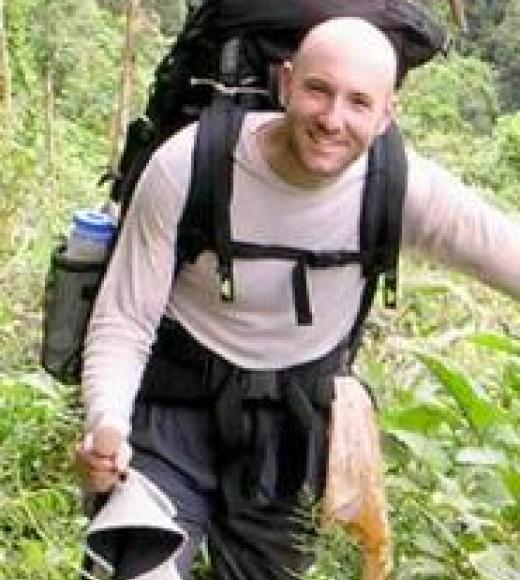
Artyom Kopp is a Professor in the Department of Evolution and Ecology at the University of California, Davis. His research focuses on molecular genetic mechanisms underlying evolutionary processes, particularly in Drosophila species. Key interests include genomic architecture, sexual dimorphism, gene regulation, and the evolutionary origins of novel traits. He leads the Kopp Lab, which utilizes genomic and developmental approaches to study how genetic changes drive morphological and behavioral adaptations. Education details are not explicitly listed, but his work emphasizes comparative genomics, phylogenetics, and developmental genetics. Research highlights include studies on de novo gene evolution, regulatory changes in sensory systems, and the genetic basis of sexual dimorphism. Notable projects involve highly contiguous genome assemblies of Drosophilidae species and single-cell analyses of developmental processes. His articles explore topics like gene expression dynamics, evolutionary innovations in Drosophila morphology, and the genomic basis of sexual traits. While no awards are listed, his contributions to Drosophila genomics and developmental evolution are significant. He advises no listed students but collaborates extensively on genomic resource development and evolutionary systems biology. The Kopp Lab (http://kopplab.ucdavis.edu/) integrates computational and experimental methods to address fundamental questions in evolutionary genetics. Current work includes dissecting the genetic pathways governing species-specific traits and understanding how regulatory changes contribute to phenotypic diversity.
Professor S. G. Oei is a distinguished faculty member at Eindhoven University of Technology, holding a professorship in the Department of Signal Processing Systems within the School of Electrical Engineering. He is affiliated with multiple research centers including the Eindhoven MedTech Innovation Center, Biomedical Diagnostics Lab, and Center for Care & Cure Technology Eindhoven. With over 4500 citations and 288 research outputs spanning from 2000 to 2025, Prof. Oei has established himself as a leading researcher at the intersection of electrical engineering and obstetric medicine. Prof. Oei's research interests focus on the application of advanced signal processing and medical technology to solve critical challenges in obstetrics and maternal-fetal medicine. His work spans electrohysterography for uterine monitoring, fetal electrocardiography, speckle tracking echocardiography, and the development of AI-based assessment tools for fetal monitoring. He has pioneered research in non-invasive electrophysiological monitoring during labor, extra-uterine life support systems for premature infants, and simulation-based training for obstetric emergencies, particularly in low-resource settings. Analysis of Prof. Oei's recent publications (2023-2025) reveals a strong emphasis on translational research that bridges engineering innovation with clinical obstetrics. His team has made significant contributions to understanding fetal physiology through advanced monitoring techniques, developing predictive models for pregnancy complications like preterm birth and gestational diabetes, and creating novel medical technologies for perinatal care. The interdisciplinary nature of his work is evident in collaborations across engineering, medicine, and global health domains. Prof. Oei has been instrumental in developing simulation-based training programs for obstetric emergencies, particularly in low-resource settings like Sub-Saharan Africa. His research on electrohysterography has positioned this technology as a promising alternative to traditional uterine monitoring methods, especially for obese patients where conventional techniques are less effective. His work on extra-uterine life support systems represents cutting-edge innovation in neonatal care for extremely premature infants.
Rashida Ferrand is a Clinical Professor at the London School of Hygiene and Tropical Medicine (LSHTM), United Kingdom, where she has held academic roles since 2001, including Clinical Research Fellow, Senior Lecturer, Reader, and her current position. She also holds visiting professorships at Aga Khan University (Pakistan) and the University of Zimbabwe (Zimbabwe). Her work focuses on adolescent health, HIV/AIDS, and public health interventions, with a strong emphasis on clinical trials and operational research in Sub-Saharan Africa and South Asia. Education: MB BS: University of Newcastle-upon-Tyne, United Kingdom (1991–1996) MSc in Epidemiology: LSHTM (2003–2005) PhD: LSHTM (2007–2010) Research Interests: Professor Ferrand’s research integrates clinical and epidemiological approaches to address HIV care cascades, sexual and reproductive health (SRH), and multimorbidity in resource-limited settings. She leads studies on interventions for adolescents living with HIV, including bone health and vitamin D supplementation (VITALITY trial), and evaluates integrated community-based health programs like CHIEDZA. Her work also explores the impact of HIV on chronic diseases such as cardiovascular and musculoskeletal conditions, as well as innovative approaches to managing sexually transmitted infections (STIs). Grants & Awards: She has secured funding from institutions like the Wellcome Trust, EDCTP, and the Bill & Melinda Gates Foundation for projects including the FRACTURES E3 consortium and the PROMISE grant. Her accolades include the Global Health Leadership Award, the EDCTP Outstanding Research Team Prize, and the Donald Mackay Medal. Advising & Capacity Building: As Director of the CREATE PhD program, she trains global health researchers. She mentors students and hosts interns at THRU ZIM, her interdisciplinary research unit in Zimbabwe, and collaborates with international institutions like the Aga Khan University and the Biomedical Research and Training Institute (BRTI). Her work emphasizes building local research capacity and decolonizing global health education. Labs & Collaborations: She directs the Health Research Unit Zimbabwe (THRU ZIM) and is part of the VITALITY and FRACTURES E3 consortia. Her research involves multiple teams, including the LSHTM’s Centre for Maternal Adolescent Reproductive & Child Health.
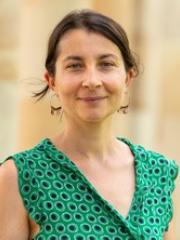
Aude Bernard is an Associate Professor at the University of Queensland's School of the Environment and researcher at the Queensland Centre for Population Research. A demographer and population geographer, she investigates internal migration processes and their societal implications using advanced measurement techniques that enable international comparative studies. Her research program develops theoretical frameworks including migration capital and intergenerational transmission of migration behavior. Current projects examine: internal migration forecasting, climate migration impacts, childhood migration consequences, and immigrant retention in regional Australia. She leads several Australian Research Council Discovery and Linkage projects involving federal and state government partners. Professor Bernard serves as co-editor of the Journal of Population Research, co-chairs the IUSSP Scientific Panel on Lifetime Migration, and advises the Commonwealth Treasury's Centre for Population. Her publications employ diverse methodologies including sequence analysis, cohort approaches, and administrative data evaluation to understand migration patterns globally. She mentors PhD students and postdoctoral fellows while maintaining collaborations with international organizations. Bernard holds a Master's from Trinity College Dublin and PhD from University of Queensland.
Juannan Zhou is a Professor in the Department of Biology at the University of Florida , where they recently established their research lab. Their work focuses on genotype-phenotype mapping using machine learning , mathematical modeling , and wet lab experiments to understand evolutionary dynamics. Research Lab : Department of Biology, University of Florida Contact : juannanzhou@ufl.edu Key research themes include: Mapping genotype-phenotype relationships in diploid organisms Investigating protein fitness landscapes through unsupervised language models Developing machine-learning assisted directed evolution techniques Studying complex probability distributions over biological sequence spaces Exploring interactions between biochemical constraints and evolutionary outcomes Recent publications demonstrate technical innovations in: Gaussian process priors for sequence-function modeling Field-theoretic density estimation methods Higher-order epistasis analysis Nonparametric Bayesian approaches to biological sequence space Differentiable Smith-Waterman algorithms for sequence alignment The lab actively seeks postdocs, lab technicians, and graduate students interested in machine learning applications in population genetics and evolutionary modeling . Current projects include developing gpmap-tools for genotype-phenotype map visualization and implementing empirical variance component regression frameworks.
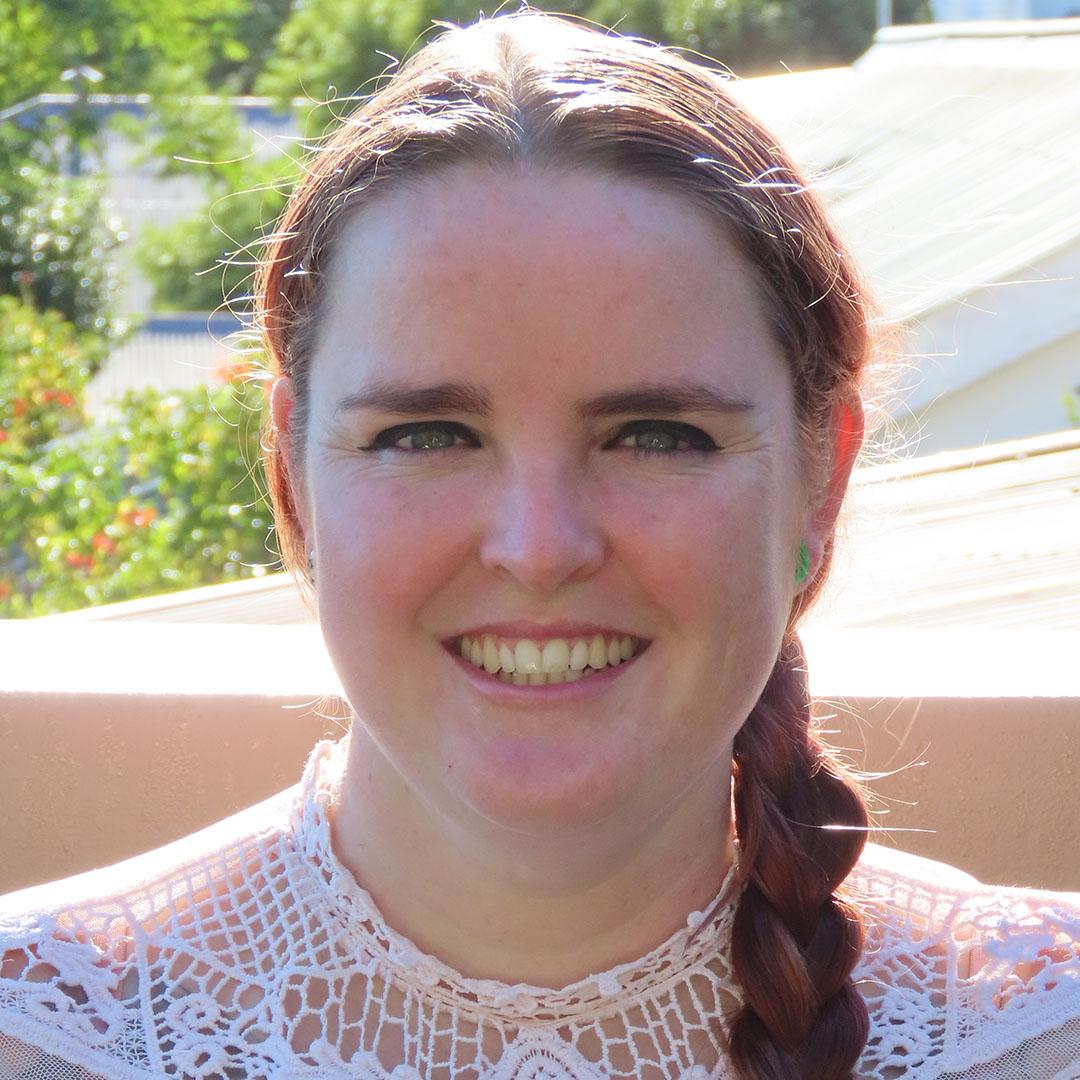
Dr. Candice Owen is a Senior Lecturer and Course Leader in Zoology at the University of Chester's Faculty of Science, Business and Enterprise. She holds a PhD (2015) and BSc (2010) from Rhodes University, South Africa, with postdoctoral experience (2016–2017). Her teaching focuses on animal anatomy/physiology, research methodology, and statistical analysis for undergraduates. Research Interests: Thermal physiology of insects in applied contexts (e.g., biocontrol of invasive species), climate adaptation mechanisms, and methodological rigor in thermal studies. Key projects include evaluating insect thermal tolerance limits and their implications for biological control efficacy in altered climates. Professional Activities: Active in journal reviewing (e.g., Physiological Entomology, PLoS ONE), conference participation (ESSA, ICE), and committee roles (Science and Engineering Research Ethics Committee). She also leads outreach initiatives like school science fairs and supervises internships. Labs/Teams: Affiliated with the Sustainability and Environment Research and Knowledge Exchange Institute at the University of Chester.
Angela Campbell is a Full Professor at McGill University's Faculty of Law and currently serves as Associate Provost (Equity and Academic Policies). She holds leadership roles including co-chairing the McGill Health and Law Research Group and directing Project 9 of the Accès au Droit et à la Justice (ADAJ) initiative, focusing on youth access to justice. Her career includes roles as Associate Dean of Graduate Studies (2013–2015), Director of the McGill Institute of Comparative Law (2008–2012), and prior academic positions at the University of Ottawa. She holds degrees from McGill (BA, BCL/LLB) and an LL.M. from Harvard as a Frank Knox and Langdon H. Gammon Fellow. Her research spans family law, health law, criminal law, and feminist legal studies, with emphasis on child rights, reproductive rights, and legal pluralism. She has authored Sister Wives, Sex Workers and Surrogates: Outlaws by Choice? (2013) and secured grants from SSHRC, the Fondation du Barreau du Québec, and others. Awards include the 2011 John W. Durnford Award for Excellence in Teaching and the 2015 Graduate Teaching Award. Recent publications highlight equity education in universities, specialized courts for sexual violence, and children’s legal agency. Her work bridges law and social policy, addressing systemic inequities in child welfare and access to justice. She collaborates with interdisciplinary teams to advance legal frameworks protecting vulnerable populations.
Professor Rhonda Faragher is a leading academic in inclusive education at The University of Queensland's School of Education. She holds dual roles as Professor in Inclusive Education and Director of the Down Syndrome Research Program. Her expertise spans mathematics education for students with Down syndrome, intellectual disabilities, and quality of life frameworks in education. Faragher is actively involved in international organizations including IASSIDD and serves on editorial and advisory boards such as the Journal of Policy and Practice in Intellectual Disabilities. Education Background: Bachelor of Science (UQ) Postgraduate Diploma (UQ) Bachelor of Educational Studies (UQ) Bachelor (Honours) (UQ) Doctor of Philosophy (Flinders University) Research Focus: Prioritizes inclusive mathematics strategies, secondary education accommodations, and ethical implications of genomic technologies. Her work challenges traditional limitations on learners with Down syndrome, demonstrating their capacity in advanced math domains like algebra and statistics. Grant Contributions: Current projects include 'Reasonable Adjustments to Maths for Students with Intellectual Disabilities' (ARC Linkage) and cross-disciplinary work on genomics and disability. Recent funding also addresses dementia fears in Down syndrome adults and inclusive genomic research frameworks. Professional Recognition: Awarded Officer of the Order of Australia (2023), UQ's Community Diversity Award (2020), and Fellowships from IASSIDD and the Higher Education Academy. Her research has influenced international guidelines for Down syndrome education. Lab & Team: Directs the Down Syndrome Research Program, collaborating with global networks to advance educational equity. Current projects include longitudinal studies on Gen Z adults with Down syndrome and inclusive genomic ethics frameworks.
Dr. Ivana Isailovic is a Professor at the Faculty of Law, University of Amsterdam, specializing in European Public Law. Her research focuses on gender, feminist and critical legal theories, political economy, comparative law, international private law, and EU law. She examines intersections between law, gender, and socio-economic structures, with notable work on reproductive rights, same-sex marriage reforms, and transnational legal frameworks. Her research interests include analyzing how legal systems perpetuate or challenge gender inequality, particularly in EU policy contexts. She critiques neo-liberal shifts in work-life balance measures and explores transnational issues like surrogacy rights and LGBTQ+ legal recognition. Her work often bridges legal theory with socio-economic analysis, offering critical perspectives on universalist legal narratives. Dr. Isailovic’s publications span topics from EU abortion law post-Dobbs to constitutional court approaches to gay rights. She emphasizes legal marginalization mechanisms, advocating for reforms to address systemic inequalities in family law and reproductive healthcare access. Her scholarship is marked by interdisciplinary engagement with political economy and human rights frameworks. While no specific grants or advisees are listed, her extensive publication record reflects sustained engagement with cutting-edge legal issues in transnational and EU contexts. She is affiliated with the University of Amsterdam and can be reached at i.isailovic@uva.nl .