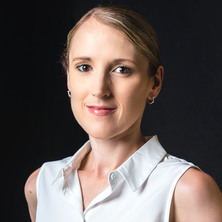
Dr. Sally Mortlock is an Affiliate Senior Research Fellow at the Institute for Molecular Bioscience and a Senior Research Fellow at the School of Public Health, University of Queensland. With a PhD from the University of Sydney, her work focuses on the genetic and molecular mechanisms underlying endometriosis and related reproductive disorders. Positions: Institute for Molecular Bioscience, School of Public Health Key Research Areas: Genetics, Genomics, Epigenetics of endometriosis Her research integrates GWAS, epigenetic profiling, and multi-omics approaches to uncover genetic risk factors, gene-environment interactions, and molecular pathways in endometriosis. Recent work examines: Genetic regulation of endocannabinoid system in reproductive conditions Endometrial DNA methylation and disease risk scores Comorbidities with gastrointestinal/psychiatric disorders Scientific contributions include: Developing molecular staging models for endometrial biopsies Identifying pleiotropic genetic factors in endometriosis-depression links Characterizing endometriosis lesion subtypes through gene expression Dr. Mortlock actively supervises PhD students and has secured grants from: National Endometriosis Clinical and Scientific Trials Network (NECST) National Institutes of Health (NIH) National Health and Medical Research Council (NHMRC)
Michele K. Nishiguchi serves as Professor in the Department of Molecular and Cell Biology within the School of Natural Sciences at the University of California, Merced. Her research program centers on marine symbiosis evolution, specifically investigating the mutualistic relationship between sepiolid squids and Vibrio bacteria as a model system for understanding host-symbiont specificity, population dynamics, and environmental adaptation. Current affiliations include leadership of the Nishiguchi Lab and active participation in collaborative research initiatives addressing climate change impacts on symbiotic systems. Her primary research focuses on the molecular mechanisms governing squid-Vibrio symbiosis, examining how environmental factors and genetic determinants influence symbiont recognition, competitive exclusion, and cospeciation. Key areas include Vibrio population genetics, biofilm dynamics in host colonization, T6SS-mediated bacterial competition, and thermal stress responses in symbiotic partnerships. Recent work leverages CRISPR-based tools, transcriptomics, and genomic approaches to dissect symbiosis regulation across marine ecological niches. Analysis of her 15 most recent publications reveals a strong emphasis on environmental drivers of symbiosis (47%), molecular mechanisms of host-symbiont interaction (33%), and methodological innovations in symbiosis research (20%). Dominant themes include bacterial competition within host environments, climate change impacts on symbiotic stability, and evolutionary adaptations in symbiont transmission. Her work consistently bridges molecular microbiology with ecological and evolutionary frameworks. Scientific recognition includes: NSF CAREER Award for research on individual variation in dispersal through social landscapes Nishiguchi actively mentors undergraduate and graduate researchers, with 15 documented students in her 2022-2023 lab cohort including UROC and NSF REU participants. Current funding includes the SICBEDU collaborative grant (2024) focused on equity in integrative biology education and the BII: INSITE climate adaptation initiative (2022). Her grant portfolio demonstrates dual commitment to symbiosis research and broadening participation in STEM. The Nishiguchi Lab operates as a multidisciplinary research hub investigating marine symbiosis through molecular, ecological, and evolutionary approaches. Current projects examine biofilm-predator interactions, Vibrio genomics across host species, and climate stress impacts on symbiotic fitness, utilizing the squid-Vibrio model system's experimental tractability for both basic and applied research in microbiome science.
Phoebe Friesen is an Assistant Professor at McGill University , jointly appointed in the Department of Equity, Ethics and Policy and the Department of Social Studies of Medicine . She holds an Associate membership in the Departments of Philosophy and Psychiatry. With a PhD in philosophy from the CUNY Graduate Center and an MA from Western University, she was a Postdoctoral Fellow at the Ethox Centre, University of Oxford (2018–2019). Fields: Medical ethics, psychiatry, philosophy of science, research ethics Current research: Placebo effect challenges, psychedelics in psychiatry, race disparities in pain research Grants: SSHRC, FRQ-S Teaching : Graduate Bioethical Theory, 4th-year medical elective on Placebo Effect, Medical Ethics & Health Law components. Community Engagement : Leads network for service user/survivor research capacities , advocates for consent in educational pelvic exams (21 US laws passed since 2021).
Valerie Reinke is the Harvey and Kate Cushing Professor of Genetics and Chair of the Department of Genetics at Yale School of Medicine. A leading expert in Caenorhabditis elegans germline gene regulation, her work explores epigenetic mechanisms, piRNA biogenesis, and tissue-specific transcriptional networks using cutting-edge genomic and molecular approaches. B.S. in Genetics (University of Illinois, 1990) Ph.D. in Biomedical Sciences (University of Texas Health Sciences Center, 1996) Postdoctoral work on C. elegans genomics at Stanford University (1996-2000) Her research addresses fundamental questions about genome organization, chromatin dynamics, and trans-generational epigenetic inheritance. Key projects include: Mechanisms of temporally regulated piRNA clusters Chromatin-based regulation of germline-to-embryo transitions Evolutionary conservation of histone modification patterns Her lab's work has broad implications for human health, spanning cancer biology, neurodegenerative diseases, and male infertility. Collaborations include researchers from the Center for RNA Science and Medicine, Yale Stem Cell Center, and international institutions.
Erik Eik Anda is a Professor of Global Health and Epidemiology in the Department of Community Medicine at UiT The Arctic University of Norway. His research focuses on perinatal epidemiology, registry research, global health, and environmental health, with a particular emphasis on Georgia and circumpolar regions. Dr. Anda's research interests include: Perinatal epidemiology and maternal-child health outcomes Registry-based research methodologies Global health disparities and interventions Environmental toxins and their health impacts Maternal mortality and morbidity His recent publications demonstrate a strong focus on using birth registries to investigate health outcomes in Georgia, particularly examining lead exposure, maternal complications, and the impacts of health policies. His work often involves international collaborations across Norway, Georgia, and Russia, addressing critical public health issues through epidemiological methods. Dr. Anda is actively involved in several research projects including: The covid-19 virus and immunity in Norway Lead exposure of pregnant women and children in Georgia Teenage pregnancies in Georgia Maternal mortality and morbidity in Georgia Hepatitis C in Georgia He is a member of the Systems Epidemiology and Global and Environmental Health research groups at UiT, contributing to both teaching and research in epidemiology, global health, registry research, and research methods.
Matthew McKeever serves as Professor and Chair of the Sociology Department at Haverford College, with prior academic appointments at Mount Holyoke College, Rice University, University of Houston, University of Kentucky, and Yale University. His educational background includes a B.A. from Haverford College and a Ph.D. from UCLA. McKeever's research examines social inequality across diverse institutional, cultural, and regional contexts including the U.S., Europe, South Africa, and Asia. Employing mixed quantitative and thematic methodologies, his work investigates theories of resource distribution (education, occupation, income) and regional variations in these processes. His expertise spans educational inequality, immigration, poverty, and social change, reflected in courses covering these subjects. Analysis of his 15 most recent publications (2024-2006) reveals consistent focus on inequality with strong regional emphasis on South Africa and the United States. Key thematic clusters include single motherhood dynamics, ethnic disparities in education, labor force participation patterns, and informal economy structures. The body of work demonstrates sophisticated integration of quantitative analysis with contextual understanding of social institutions.
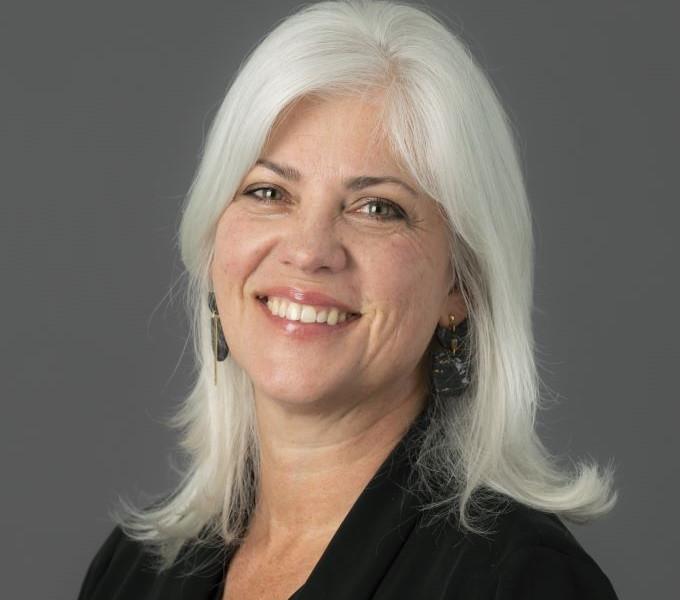
Katrina S. Mark is an Associate Professor at the University of Maryland School of Medicine, specializing in Obstetrics, Gynecology and Reproductive Sciences. She holds dual Board Certifications in Obstetrics and Gynecology and Addiction Medicine, serving as Chief of the Division of General Obstetrics & Gynecology. Education: B.S. from Allegheny College, M.D. from Temple University School of Medicine Dr. Mark’s research focuses on the intersection of reproductive health and substance use/abuse, particularly examining cannabis and nicotine exposure during pregnancy. Her clinical work includes directing the Substance Use in Pregnancy and Parenting Outpatient Recovery and Treatment (SUPPORT) program and the Maryland Addiction Services for MOMs (MACS for MOMs). Recent publications (2015–2021) analyze cannabis use in pregnancy, drug testing methodologies, and the maternal mental health impacts of substance use. These works highlight her expertise in maternal-fetal outcomes and addiction policy. Fellow of the American College of Obstetricians and Gynecologists (FACOG) Dr. Mark leads initiatives like the HEALthy Brain Child Development study and provides clinical guidance on prenatal substance use through media engagements and institutional programs.
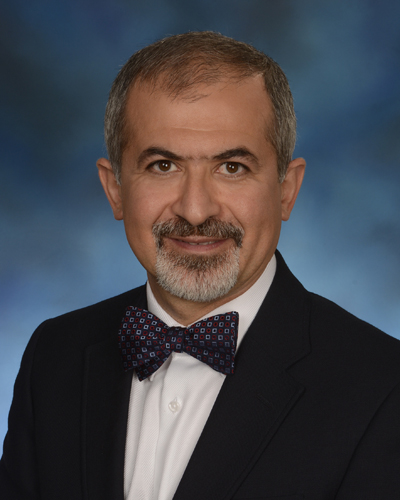
Ozhan Mehmet Turan serves as Professor and the M. Carlyle Crenshaw, Jr., MD and Lillian Ruth Blackmon, MD Professor of Maternal Fetal Medicine at the University of Maryland School of Medicine. He holds key leadership roles including Director of Fetal Therapy and Complicated Obstetrical Surgery, Director of Maternal Fetal Medicine, and Executive Vice Chair in the Department of Obstetrics, Gynecology and Reproductive Sciences. His educational journey includes: MD from Istanbul University Istanbul Medical School (1988) Residency in Obstetrics and Gynecology at SSK Bakırköy Maternity and Children Hospital (1994) PhD in Molecular Medicine from Istanbul University (2001) Fellowship in Fetal Medicine at Harris Birthright Research Center, King’s College Hospital, London (2005) Residency in Obstetrics and Gynecology at University of Maryland School of Medicine (2011) Fellowship in Maternal Fetal Medicine at University of Maryland School of Medicine (2014) Dr. Turan’s research centers on pioneering ultrasound methodologies for prenatal diagnosis and high-risk pregnancy management. He developed novel 2D/3D ultrasound techniques to predict preterm delivery and specializes in fetal interventions and complex obstetric surgeries. His work focuses on identifying abnormal placental development in situ to prevent adverse fetal and maternal outcomes, with significant contributions to understanding ductus venosus hemodynamics, fetal adrenal gland assessment, and morbidly adherent placenta management. He aims to establish the University of Maryland as a premier national referral center for Complex Obstetric Surgery through clinical innovation and academic training. Analysis of his 2011-2016 publications reveals consistent innovation in ultrasound-based prediction models, particularly for preterm birth and placental disorders. His research integrates Doppler velocimetry, fetal cardiac function assessment, and quantitative analysis of blood flow patterns across diverse conditions including twin-to-twin transfusion syndrome and preeclampsia. The work spans translational applications from mouse embryonic heart MRI to clinical management protocols for morbidly adherent placenta. As Director of Fetal Therapy and Complex Obstetric Surgery, Dr. Turan leads clinical programs focused on advancing surgical techniques for high-risk pregnancies while mentoring trainees in maternal-fetal medicine. His leadership extends to developing standardized protocols for fetal cardiac examination and ductus venosus assessment that are adopted in clinical practice. He directs the Fetal Therapy and Complex Obstetric Surgery program at the University of Maryland, which specializes in innovative interventions for placental disorders, fetal growth restriction, and complex delivery scenarios. The program emphasizes real-time ultrasound guidance, multidisciplinary collaboration, and development of classification systems for blood flow abnormalities to optimize perinatal outcomes.
Lisette ten Haaf is an Assistant Professor in Legal Theory at Utrecht University's School of Law, specializing in the Institute of Constitutional, Administrative Law and Legal Theory. She teaches and coordinates Foundations of Law and Law and Human Biotechnology courses, while also serving as the bachelor coordinator for the Law department. With expertise spanning legal theory, biolaw, health law, and the regulation of reproduction and human biotechnology, her work bridges legal scholarship with contemporary ethical challenges in reproductive technologies. Lisette ten Haaf completed her academic journey at Utrecht University, earning a Bachelor of Law (2006-2009) followed by a Master of Legal Theory (2009-2010). She pursued her doctoral studies at Vrije Universiteit Amsterdam as a PhD candidate in Legal Theory from 2012-2017, culminating in her dissertation "Regulating Non-Existence: The Legal Conceptualisation of the Future Child in the Regulation of Reproduction," which earned her the prestigious Goudsmit Award 2025 from the Dutch Society for Health Law. Bachelor of Law, Utrecht University (2006-2009) Master of Legal Theory, Utrecht University (2009-2010) PhD in Legal Theory, Vrije Universiteit Amsterdam (2012-2017) Lisette ten Haaf's research centers on the complex legal position of unborn life, with particular focus on how new appearances of unborn human life challenge existing legal frameworks. Her scholarship critically examines the conceptualization of the future child within regulatory systems across multiple jurisdictions including the Netherlands, Germany, and the United Kingdom. Her work explores cutting-edge issues such as: Compulsory contraception measures and their legal justification Mitochondrial replacement treatments and associated legal frameworks Prenatal child protection measures and judicial oversight The legal status of embryos and fetuses in reproductive technologies The philosophical foundations of legal personhood for future persons Ten Haaf's scholarly output demonstrates a consistent trajectory from theoretical legal frameworks to practical applications in reproductive law. Her recent publications (2023-2025) increasingly address contemporary judicial decisions and legislative challenges, particularly regarding prenatal supervision, forced medical procedures, and posthumous reproduction. Her work reveals a methodological shift from purely theoretical analysis toward case-specific legal commentary, reflecting growing engagement with real-world legal dilemmas. The interdisciplinary nature of her research connects legal theory with bioethics, medical practice, and philosophical inquiry, creating a robust framework for understanding emerging reproductive technologies within existing legal systems. Lisette ten Haaf's contributions to legal scholarship have been recognized with significant honors: Goudsmit Award 2025 by the Dutch Society for Health Law for her doctoral thesis "Regulating Non-Existence: The Legal Conceptualisation of the Future Child in the Regulation of Reproduction" As an active academic supervisor, ten Haaf guides thesis research in legal theory and biolaw, mentoring the next generation of legal scholars in navigating complex intersections between law, ethics, and emerging technologies. Her supervisory approach emphasizes critical engagement with philosophical foundations while maintaining practical relevance to contemporary legal challenges. Her research has been supported through academic positions at Utrecht University, where she has developed specialized courses on Law and Human Biotechnology. While specific grant information isn't detailed in the provided materials, her extensive publication record in prestigious journals and edited volumes suggests successful competitive funding for her research initiatives. Ten Haaf is actively involved with UCERF (Utrecht Centre for European Research in Family Law), contributing to symposia and edited volumes on current developments in family law. Her work connects with interdisciplinary networks addressing the legal implications of reproductive technologies, placing her at the intersection of legal scholarship, bioethics, and medical practice. She collaborates with scholars across Europe to examine comparative approaches to regulating reproduction and human biotechnology.
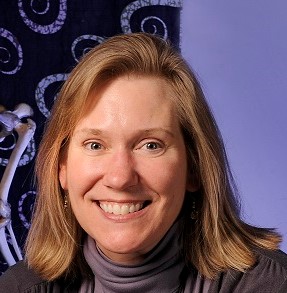
Johanna B. Holm is an Assistant Professor in the Department of Microbiology and Immunology at the University of Maryland School of Medicine, where she also holds appointments as a Member of the Institute for Genome Sciences and the Center for Advanced Microbiome Research and Innovation. Her laboratory integrates computational and experimental approaches to investigate the vaginal microbiome's role in women's reproductive health, with a focus on bacterial vaginosis (BV) and sexually transmitted infections (STIs). Her educational journey began with undergraduate research at Millersville University of Pennsylvania in Dr. Jean Boal's cephalopod laboratory, where she studied learning and communication in marine invertebrates. She earned her Ph.D. in Marine and Environmental Biology from the University of Southern California under Dr. Karla Heidelberg, conducting foundational work on coral-associated microbiomes and hypersaline lake ecology. Her postdoctoral training occurred in the laboratories of Dr. Rebecca Brotman and Dr. Jacques Ravel at the University of Maryland School of Medicine. Dr. Holm's research centers on defining microbial and molecular mechanisms by which cervicovaginal microbiota modulate host susceptibility to pathogens like Chlamydia trachomatis and Trichomonas vaginalis . Her lab develops bioinformatic tools for high-resolution microbiome analysis and employs 3D organotypic models to validate hypotheses. A key objective is replacing symptom-based diagnostics with metagenomic community state types (mgCSTs) that predict infection risk and BV recurrence, aiming to develop antibiotic-sparing interventions. Analysis of her recent publications reveals a strong emphasis on vaginal microbiome characterization through multi-omics integration, with consistent themes including pathogen-microbiome interactions, computational tool development (e.g., VALENCIA classifier), and translational applications for women's health. Her work spans methodological advances in low-biomass sample analysis, cross-population studies of microbiome-disease associations, and mechanistic investigations of host responses. Her scientific achievements have been recognized through: NIAID F32 Postdoctoral Fellowship (AI136400) NIAID K01 Career Development Award (AI163413) Dr. Holm actively mentors trainees in both bioinformatics and wet-lab techniques, emphasizing interdisciplinary skills for microbiome research. Her work is supported by the National Institute of Allergy and Infectious Diseases and focuses on translating discoveries into clinical applications for global reproductive health improvement. Her laboratory operates within the Institute for Genome Sciences at the Health Sciences Facility III, where it combines multi-omics data integration, epidemiological modeling, and in vitro experimental systems to advance understanding of mucosal pathogenesis and develop microbiome-informed diagnostics.
Joyce Elberse is a Researcher and Teacher in the Translational Plant Biology group within the Department of Biology at Utrecht University's Faculty of Science. With over 15 years of active research, she contributes significantly to understanding plant-pathogen interactions, particularly focusing on downy mildew resistance mechanisms in various crops. Institution: Utrecht University Faculty: Faculty of Science Department: Biology Research Group: Translational Plant Biology Position: Researcher and Education Assistant Dr. Elberse's research primarily centers on plant immunity mechanisms, with particular emphasis on how plants defend against pathogens like downy mildew. Her work spans molecular plant-microbe interactions, effector biology, and the biochemical pathways involved in plant defense responses. She has made significant contributions to understanding the role of oxygenase enzymes like DMR6 in plant immunity regulation, as well as studying pathogen effectors in spinach and lettuce downy mildew systems. Analysis of her publication record shows consistent research focus on plant-pathogen interactions, with a clear progression from fundamental biochemical studies of plant immunity regulators to applied research on crop resistance mechanisms. Her recent work has increasingly focused on spinach and lettuce pathogens, addressing practical agricultural challenges through molecular understanding of resistance breaking and pathogen evolution. Dr. Elberse has collaborated extensively with Guido van den Ackerveken's research group, contributing to multiple high-impact publications in journals such as PNAS, Plant Journal, and Molecular Plant. Her research demonstrates strong translational potential for developing disease-resistant crop varieties.
Jessica G Burke is a Professor in the Department of Behavioral and Community Health Sciences at the University of Pittsburgh. Her work focuses on women's health, particularly the syndemic interactions of sexual & reproductive health, intimate partner violence, substance use, and mental health, using mixed methods and systems science approaches. Education: BA in Cultural Anthropology (1994, New York University), MHS in International Health (1998, Johns Hopkins Bloomberg School of Public Health), PhD in Social & Behavioral Sciences (2003, Johns Hopkins Bloomberg School of Public Health) Burke specializes in participatory research methods such as concept mapping and collaborative filmmaking, emphasizing community engagement and translation of research into interventions. She co-founded the Center for Social Dynamics and Community Health and directs the University of Pittsburgh Certificate Program in Community-Based Participatory Research and Practice. Her research spans diverse populations, including rural Appalachian women, minority families in Pittsburgh, and adolescent girls in Nepal. Key methodological interests include systems science (social network analysis, agent-based modeling) and creative, visual methods to address complex health issues. Recent publications highlight her work on opioid-related diagnoses, HIV/HCV comorbidities, and community-led interventions. Burke's collaborations involve academic-community partnerships like the Allegheny County Breast Health Coalition. She mentors graduate students, serves on thesis/dissertation committees, and has secured grants from NHLBI and DHHS for heart health research and stakeholder-engaged interventions targeting relationship abuse.
Anne Bronikowski is a Professor at Michigan State University, affiliated with the Department of Integrative Biology, Kellogg Biological Station, the Ecology, Evolution & Behavior Program, BioMolecular Science Gateway, and Genetics & Genome Sciences Program. Her research focuses on the evolution and ecology of life histories in wild vertebrate populations, particularly aging and late-life phenotypes, integrating genetics, physiology, and demography across multiple biological scales.
Günter Schneckenreither is a researcher affiliated with the Computational Statistics research area at Technische Universität Wien (TU Wien). His work spans interdisciplinary applications of computational methodologies to epidemiology, public health, and biomedical modeling, with a focus on agent-based simulations and cellular automata. Research Interests: Heterogeneity in disease transmission, age-dependent SIR models, synthetic data generation for pandemics, and fractional diffusion processes in structured populations. Publications: Recent research includes epidemiological modeling of SARS-CoV-2 immunization levels, melanocytic proliferation simulations, and comparative studies of epidemic modeling frameworks. Projects: Active participant in ARGESIM benchmark studies, integrating cellular automata and differential equations for epidemic simulations. Methodologies: Specializes in dynamic causal modeling, fractal topological structures, and multiplex social network analysis.
Oriana Capri is a Ricercatore (Researcher) in the Department of Maternal-Child and Urological Sciences at Sapienza University of Rome , Italy. Her research portfolio centers on reproductive medicine, gynecological endocrinology, and minimally invasive gynecologic surgery, with an emphasis on assisted reproductive technologies (ART), endometriosis, and the impact of oxidative stress on fertility. Research Interests: Assisted Reproductive Technology outcomes and protocols Endometriosis and adenomyosis medical & surgical management Gynecologic ultrasound (2D/3D imaging, sonohysterosalpingography) Oxidative stress, antioxidant therapy, and infertility Vaginal and endometrial microbiome in female infertility Reproductive aging and ovarian reserve preservation Across a recent 15-publication span (2016–2024), Dr Capri has systematically explored interventions and diagnostics that refine ART safety and efficacy. Meta-analyses on intraoperative ultrasound guidance in septum resection, medical therapies for adenomyosis, and antioxidant use in infertility demonstrate her commitment to evidence-based practice. Imaging innovations—comparing 2D vs 3D-sonohysterosalpingography—highlight her drive to improve tubal patency assessment without invasive procedures. Scientific Recognition: No specific awards or honors were listed in the supplied material. Advising & Funding: Currently available information does not enumerate specific PhD or Master’s students, ongoing grants, or laboratory teams led by Dr Capri. Institutional Page: Further details can be found on her Sapienza institutional profile at oriana.capri@uniroma1.it .