Professor G. Mugesh holds the Department of Inorganic and Physical Chemistry at the Indian Institute of Science, Bangalore . His research bridges chemical biology , bioinorganic chemistry , and medicinal chemistry to address biomedical challenges through redox regulation and nanomaterial engineering . Recipient of J. C. Bose National Fellowship (Second Term) and Swarnajayanti Fellowship Developed nanozymes for glutathione peroxidase , superoxide dismutase , and catalase mimicry Research focuses on thyroid hormone metabolism , reactive oxygen species detection , and ferroptosis regulation , with recent work on genetic code expansion for enhanced protein delivery . His iodine-substituted fluorescent probes revealed novel halogen bonding mechanisms in cell membrane transport . Key findings include: First chemical model for inner-ring deiodination of thyroxine Discovery of crystal facet-dependent catalytic activity in manganese oxide nanozymes Development of vanadia nanowires that modulate signaling pathways in pulmonary embolism models His group has received multiple grants from DST , DBT , and CSIR , with international collaborations like those with Hadassah Medical Organization . The team has established multidisciplinary laboratories for organic/inorganic synthesis and cell-based studies .
Oddrun Anita Gudbrandsen is a Professor at the University of Bergen , affiliated with Clinical Institute 1. Her research focuses on nutritional biochemistry, metabolic syndrome, and health effects of marine-derived proteins and fatty acids. Key Research Areas: Omega-3 fatty acid metabolism, dietary interventions for obesity-related disorders, protein hydrolysates in cardiovascular health, and PPAR ligand interactions with mitochondrial function. Publications: Over 200 peer-reviewed articles since 1996, with recent trends examining fish protein impacts on cholesterol regulation, blood pressure, and gut microbiota. Supervision: Mentored numerous students including Lina Haug (2014), Ida Ulrikke Karlsen (2014), and Simon N Dankel (2017) in topics spanning cod protein effects, metabolic health, and dietary interventions. Technical Contributions: Developer of R-based adipose tissue segmentation tools and advocate for improved duodenal enzyme analysis automation. Her work bridges basic science and clinical applications, with systematic reviews on fish oil impacts and popular science outreach in Bergen's Newspaper. Current projects focus on sustainable marine protein utilization and metabolic disease prevention.
Nicola Franchi serves as an Associate Professor in the Department of Life Sciences at the University of Modena and Reggio Emilia (UNIMORE), where he specializes in cellular and developmental biology with a particular focus on comparative immunology of invertebrates. His academic home is the Department of Life Sciences, formerly known as the Biology branch, where he maintains an active research program and teaching responsibilities across multiple degree programs. Professor Franchi's research interests center on invertebrate immunobiology, particularly the immune mechanisms of tunicates (ascidians) as evolutionary models for understanding the origins of vertebrate immunity. His work extensively investigates the complement system in colonial ascidians like Botryllus schlosseri , exploring how these invertebrates defend against non-self recognition without adaptive immunity. Additional research foci include cytotoxic morula cells, phagocyte function, antimicrobial peptides, stress responses, and the evolutionary connections between invertebrate and vertebrate immune systems. His laboratory employs a multidisciplinary approach combining transcriptomics, functional assays, microscopy, and molecular techniques to unravel the complex immune mechanisms in these ancient chordates. Analysis of Professor Franchi's recent publications reveals a consistent research trajectory focused on the molecular mechanisms of invertebrate immunity, with particular emphasis on the complement system's evolution and function. His work demonstrates how colonial ascidians have developed sophisticated immune responses that share fundamental similarities with vertebrate immunity despite lacking adaptive components. The research shows increasing sophistication in methodologies, incorporating multi-omics approaches, advanced microscopy, and functional validation techniques to explore immune cell interactions and signaling pathways. A notable trend is the investigation of cross-talk between different immunocyte types and how this coordination enables effective immune responses in the absence of adaptive immunity. Professor Franchi actively contributes to academic training through multiple teaching assignments across biotechnology and biological sciences programs. He teaches core courses including Cytology, Histology and Embryology for Biotechnology students, Developmental Biology and Cellular Biology, and Animal Cytology and Histology for Biological Sciences students. His teaching approach emphasizes both theoretical knowledge and practical application, with courses designed to develop students' ability to critically analyze cellular structures and functions, understand developmental processes, and apply this knowledge to broader biological contexts. The curriculum reflects his research expertise, particularly in cellular organization, tissue structure, and developmental mechanisms. His laboratory work appears to focus on the immunobiology of colonial ascidians, with particular attention to the cellular and molecular mechanisms underlying immune recognition and response. The research program investigates how invertebrate chordates like Botryllus schlosseri have evolved sophisticated immune systems that share fundamental components with vertebrate immunity, providing crucial insights into the evolutionary origins of our own immune defenses.
Inés Canosa Perez-Fragero is a Tenured University Professor in the Department of Molecular Biology and Biochemical Engineering at Universidad Pablo de Olavide. She is affiliated with the Centro Andaluz de Biología del Desarrollo (CABD) and leads research in the "Expresión Génica en Bacterias de Interés Medioambiental" group. PhD in Molecular Biology (Universidad Autónoma de Madrid, 1997) Research focus on microbial gene regulation and environmental biotechnology Her work spans Microbiology , Molecular Genetics , and Biochemical Engineering , with particular emphasis on: Two-component signal transduction systems in Pseudomonas putida ECF sigma factors and stress responses Environmental biodegradation mechanisms Photocatalytic water treatment technologies Gene expression networks under nutrient stress Recent publications highlight her contributions to environmental microbiology (antibiotic-resistant bacteria removal), genetic regulation (CbrAB system characterization), and industrial biotechnology (zeolite modification for water disinfection). Her research integrates molecular genetics with ecological applications, particularly in bacterial adaptation to environmental stressors.
James Hombria Castelli-Gair is a scientific researcher at the Centro Andaluz de Biología del Desarrollo (CABD) , affiliated with the Universidad Pablo de Olavide in Seville, Spain. His work focuses on developmental biology, genetics, and evolutionary mechanisms using Drosophila melanogaster as a model organism. He earned his doctorate from the Universidad Autónoma de Madrid in 1989 with a thesis on the Ultrabithorax gene's 'cis' and 'trans' regulation. Research Fields: Developmental Biology, Genetics, Evolutionary Biology, Molecular Biology, Biotechnology, Drosophila Research. Email: jcashom@upo.es Research Trends: His studies emphasize gene network evolution, JAK/STAT signaling, Hox gene regulatory dynamics, and the molecular basis of organogenesis. Recent work explores pre-adaptive novelties, homologous organ divergence, and translational applications for human sex development disorders.
Janae Baptiste Brown, Ph.D. is an Assistant Professor in the Department of Chemistry and Biochemistry at Spelman College since 2022. Her research focuses on structural and mechanistic studies of biomolecules regulating host-pathogen interactions, with expertise in biochemistry, structural biology, and molecular biology. Education: B.S. in Chemistry/Biochemistry (University of West Florida), Ph.D. in Chemistry (University of Maryland Baltimore County), Post-doctoral research fellow (Howard Hughes Medical Institute/UMBC) Her work utilizes nuclear magnetic resonance spectroscopy to investigate metalloproteins, retroviral proteins, and iron transport mechanisms. Dr. Brown mentors high school and undergraduate students in research projects, emphasizing career-building activities through interactive teaching in courses like General Chemistry I Laboratory and Advanced Biochemistry. In her research, she explores: Structural biology of retroviral assembly (FIV, HIV-1) Mechanistic studies of metalloproteins Prokaryotic iron transport mechanisms Host-pathogen interaction dynamics Protein-RNA interactions in viral localization Development of biotechnological tools for protein expression Dr. Brown’s laboratory has produced publications covering topics from iron-sulfur clusters in arginylation to membrane-protein mediated iron transport, with a focus on structural analysis and biochemical mechanisms.
Rosalind Gregory Bass, M.D., M.S. is an Associate Professor and Chair of the Environmental and Health Sciences Department at Spelman College. She has served as a faculty member since 2003 and concurrently directs the Health Careers Program, fostering biomedical educational opportunities for women of color. M.D., University of Wisconsin M.S., University of Wisconsin B.S., Spelman College Her research spans musculoskeletal physiology , ovarian cancer molecular mechanisms , and women’s health , with a focus on health disparities and pipeline programs for underrepresented groups. Recent publications address HIV protease interactions, neurorehabilitation, and global health challenges. She has received multiple accolades, including the Spelman College Presidential Excellence in Teaching Award and the National Faculty Role Model Award . Her work bridges basic science and clinical research, emphasizing mentorship and educational innovation.
Dr. Mairi Kilkenny is a Senior Lecturer at the University of Cambridge , affiliated with the School of Biological Sciences and the Department of Biochemistry . She holds an Official Fellow position at Queens' College and serves as the Director of Studies for Natural Sciences (Biological Sciences Parts IA and IB). With a BSc and MSc in Chemistry (University of Cape Town) and a PhD in Biochemistry (University of Cambridge) , Dr. Kilkenny combines her chemistry background with biochemical expertise in DNA replication research. Specializes in Structural Biology and Molecular Mechanisms of DNA replication and repair Recipient of the Pilkington Prize for Teaching Excellence (2025) and Cambridge University Press Technology Enabled Learning Prize for STEMM (2021) Utilizes Cryo-EM , X-ray crystallography , and biophysical techniques in her investigations Focuses on genome stability , G-quadruplex processing , and archaeal cell division mechanisms In her academic career, Dr. Kilkenny has mentored numerous Part II, Part III, MPhil, and PhD students . Her research has advanced understanding of primosome architecture , proteasome regulation , and viral interference with replication machinery (e.g., SARS-CoV-2 studies). She actively contributes to curriculum development and digital learning technologies in the School of Biological Sciences.
Dr. Jasmin Šutković is an Associate Professor in the Department of Genetics and Bioengineering at the International University of Sarajevo (IUS) , where he has served since 2010. He completed his BSc, MSc, and PhD at IUS, and currently directs the Innovation and Entrepreneurship Center . His career includes administrative roles at the Research and Development Center (RDC) from 2013-2023. BSc: Biological Science and Bioengineering, IUS (2009) MSc: Genetics and Bioengineering, IUS (2014) PhD: Genetics and Bioengineering, IUS (2020) Dr. Šutković's research spans plant genetics and human molecular studies , focusing on: Cadmium stress response in Brassica varieties STR marker analysis for kinship verification COVID-19 pathogenesis and long-term effects Phytoremediation mechanisms Transgenic plant methodologies Metabolic syndrome biomarkers Protein-nanoparticle interactions His recent publications highlight trends in Computational biology applications for engineering Plant-metal transporter gene expression Viral contributions to lymphoma Phytoremediation strategies Multi-omics analysis of Long-COVID Dr. Šutković actively leads educational initiatives, including the DMED Program Coordination , and has contributed to over 30 peer-reviewed publications. His work bridges academic research with practical applications in biotechnology and environmental science.
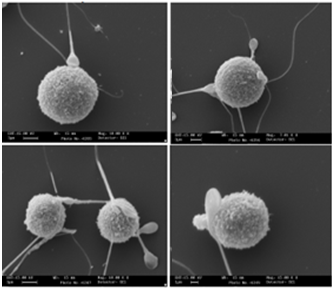
Dr. Violetta Borelli is a Researcher in General Pathology (MED/04) at the University of Trieste's Department of Life Sciences, where she has been active since 2005. She leads the research line 'Pathogenic potential of asbestos fibers' under the Biomedicine research area, focusing on immunological and molecular pathology mechanisms. Her research explores: 1) Genetic polymorphisms in inflammasome/iron metabolism related to asbestos-body formation; 2) Mast cell interactions with mineral fibers; 3) Roles of mast cells in endometriosis and periodontal disease. She coordinates projects including 'IN.P.PATO' evaluating asbestos-inertization methods and 'Inflammation and iron homeostasis in pleural mesothelioma'. Her publications predominantly focus on asbestos-induced pathology (75%), mast cell biology (15%), and diagnostic biomarkers (10%), with frequent applications of electron microscopy and genetic analysis techniques. She collaborates with IRCCS-Burlo Garofolo, Colorado State University (where she was a visiting scientist), and local industrial partners. Her lab utilizes Core Facilities for electron microscopy and maintains active partnerships with clinical departments for sample analysis.
Dr. Carrie Kim Vance is an Associate Professor at Mississippi State University, specializing in reproductive physiology and conservation technologies for endangered species. She holds a PhD in Biophysics from Johns Hopkins University, an MS in Chemistry from the California Institute of Technology, and a BS in Chemistry from The Ohio State University. Her research focuses on hormonal stimulation, cryopreservation, and near-infrared spectroscopy (NIRS) applications in wildlife conservation. Education: PhD, Biophysics, Johns Hopkins University MS, Chemistry, California Institute of Technology BS, Chemistry, The Ohio State University Vance has pioneered techniques in amphibian spermiation, biobanking, and non-invasive sex identification using NIRS. Her work spans species like tiger salamanders, Houston toads, and giant pandas, addressing challenges in fertility, hormonal response, and environmental stressors. Recent publications emphasize multi-model spectroscopic approaches and mitochondrial sperm function analysis. Her laboratory collaborates extensively with the Mississippi Agricultural and Forestry Experiment Station (MAFES) and has received recognition such as the MAFES Grantsmanship Award and Mid-Career Research Scholar Award (Finalist). She actively applies her findings to conservation breeding programs and wildlife health assessments. Key Scientific Awards: Mid-Career Research Scholar Award - Finalist Mississippi State University Excellence in Research MAFES Grantsmanship Award Vance has advised graduate students including Mariana Santos-Rivera, Li-Dunn Chen, and Qingyu Sheng. Her research integrates field spectroscopy, metabolomics, and reproductive endocrinology to advance conservation science and veterinary diagnostics.
Johannes Kromdijk serves as a faculty member in the Department of Plant Sciences within the School of Biological Sciences at the University of Cambridge, where he supervises doctoral research through the Cambridge NERC Doctoral Landscape Awards (CREATES program). His work focuses on the physiological mechanisms governing photosynthesis and plant responses to environmental variables including light, water, temperature, and CO2. Dr. Kromdijk's research addresses fundamental constraints in plant carbon-water balance, with particular emphasis on dynamic environmental conditions rather than traditional steady-state analyses. His investigations span photoprotective mechanisms across plant lineages, stable isotope discrimination as a proxy for water-use efficiency, and genetic regulation of non-photochemical quenching (NPQ). Recent publications reveal expertise in C3/C4 photosynthesis comparisons, stomatal regulation via redox signaling, and genomic approaches to photosynthetic trait prediction. His scholarly output demonstrates significant contributions to understanding photosynthetic induction dynamics, NPQ relaxation mechanisms, and metabolic coordination during light fluctuations. Current work leverages computational frameworks like KineticGP for genomic prediction of photosynthetic traits and explores hydrogen peroxide signaling in chloroplast-stomata communication. Contact: Email: jk417@cam.ac.uk
Mike Harms is an Associate Professor in the Department of Chemistry and Biochemistry within the College of Arts and Sciences at the University of Oregon. His laboratory focuses on the intersection of protein evolution, biophysics, and biochemistry, investigating how physical properties of proteins shape their evolutionary trajectories. The Harms Lab combines experimental and computational approaches to address fundamental questions about protein evolution and function. Education: B.S. from Oregon State University (2000-2004) Ph.D. from Johns Hopkins University under Bertrand Garcia-Moreno E. (2004-2008) Postdoctoral training at the University of Oregon with Joe Thornton (2009-2013) Assistant Professor at University of Oregon (2013-present), promoted to Associate Professor Dr. Harms' research centers on evolutionary biochemistry with three major thrusts: evolution through protein sequence space, evolution of innate immune proteins (particularly S100 proteins and Toll-like receptors), and evolution of binding specificity in low-specificity proteins. His lab employs an integrated approach combining phylogenetics, high-throughput experimental screens, rigorous biophysical measurements, and computational modeling. A distinctive aspect of his research is the development of open-source software tools like pytc for isothermal titration calorimetry analysis and epistasis for genotype-phenotype map analysis. Analysis of Dr. Harms' recent publications reveals a consistent focus on understanding how epistatic interactions shape protein evolution, with particular attention to the biophysical constraints that guide evolutionary trajectories. His work bridges fundamental evolutionary questions with implications for understanding immune system function and protein engineering. The publications span multiple high-impact journals including PNAS, eLife, Genetics, and PLOS Computational Biology, demonstrating both theoretical and experimental rigor. Scientific Awards: Pew Biomedical Scholar Sloan Research Fellowship in Evolutionary & Computational Molecular Biology (2015) American Heart Association Grant (AHA-15BGIA22830013) Medical Research Foundation New Investigator Grant Dr. Harms has successfully mentored numerous graduate students through PhD completion, along with many undergraduate researchers who have gone on to medical school and graduate programs. His lab is currently supported by multiple major grants including an NSF CAREER award (#1844963), NIH training grants (T32GM007759 and T32GM007413), and an NIH R01 grant (1R01GM146114-01). Previous funding includes NIH R01GM117140 and additional support from the Sloan Foundation. The Harms Lab operates from Willamette Hall at the University of Oregon, with laboratory space in rooms 340 and 342, and office space in 340A. The lab emphasizes both scientific excellence and creating a supportive environment where all members can thrive personally and professionally, as reflected in their stated values of 'human thriving' in research environments.
Michael Heinzinger is a researcher at the Chair for Bioinformatics within the School of Informatics at Technische Universität München. His work focuses on protein language models, machine learning applications in structural biology, and sequence-structure-function relationships. He contributes to projects like ProtTrans and participates in teaching activities including Data Mining and Problem-Based Learning (PBL) modules. Research Focus: Heinzinger's research explores Protein language modeling and representation learning Structure prediction using deep learning Functional annotation through sequence embeddings Evolutionary insights via domain analysis Transmembrane protein visualization tools Publication Trends: Recent work emphasizes protein language models (ProtTrans, HiFi-NN), structure prediction without alignments, binding residue analysis in disordered regions, and evolutionary studies of venom/toxin genes. Techniques include embeddings, contrastive learning, and attention mechanisms applied to protein space visualization and functional prediction. Contact: Email: ga32bav@mytum.de
Christopher Berndsen is a Professor in the Department of Chemistry & Biochemistry at James Madison University (JMU), where he has worked since 2012. His research focuses on understanding enzymatic mechanisms of acyl transfer and viral tethering by human Tetherin using biochemical, structural, and computational techniques. He collaborates with scientists in the MDH CURES community and the JMU Center for Genome and Metagenome Studies. Education: Ph.D. in Biomolecular Chemistry (University of Wisconsin-Madison, 2008), B.S. in Biochemistry (Roanoke College, 2003), Post-Doctoral work at Johns Hopkins University and HHMI (2008-2012). His research spans three main areas: (1) acyl transfer mechanisms (ubiquitination, acetylation), (2) plant β-amylase enzymes (starch degradation), and (3) viral tethering by Tetherin (HIV inhibition). He integrates computational modeling, X-ray crystallography, and biochemical assays to explore enzyme function and regulation. Recent publications highlight his work on malate dehydrogenases, β-amylase conformational dynamics, and Tetherin's structural resilience. His lab trains undergraduates in research, with projects documented on platforms like his website and GitHub . Funding comes from the National Science Foundation, Jeffress Trust, 4-VA, Hamilton Syringe Company, and the U.S.-Israel Binational Science Foundation. Scientific Awards: Ruth L. Kirschstein National Research Service Award American Heart Association Pre-Doctoral Fellow He also develops Shiny apps and teaching resources to enhance student understanding of biochemistry, including tools for data fitting, circular dichroism, and enzyme kinetics. His educational philosophy emphasizes applying knowledge to real-world problems and fostering student collaboration through initiatives like the Open Science Framework.