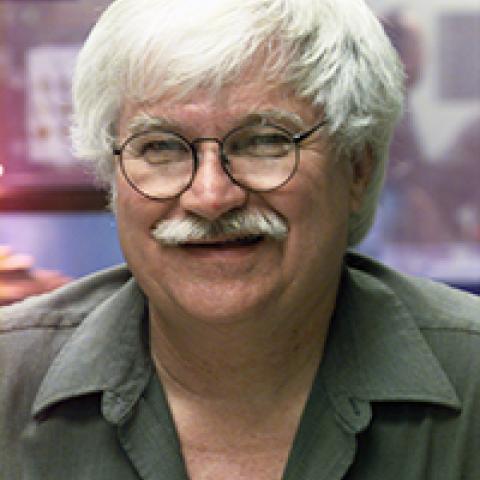
Prof. Waldemar Kolanus leads the Molecular Immunology and Cell Biology department at the University of Bonn's Life & Medical Sciences Institute (LIMES) . His research bridges immunoregulation , stem cell dynamics , and metabolic stress responses in immune cells. Unit 2 member at LIMES Principal investigator in SFB 704 and ImmunoSensation Cluster Leads a multidisciplinary lab with postdocs, PhD students, and technical staff His work focuses on intracellular signaling pathways connecting immune activation to tissue homeostasis, particularly through: Cytohesin proteins in integrin-mediated adhesion and migration TRIM71 in stem cell regulation and congenital hydrocephalus High-salt environments affecting macrophage function Publication trends show expertise in immune cell migration , genetic models , and chemical inhibition , with frequent use of mice and zebrafish for in vivo studies. Key articles explore: TRIM71's dual role in auditory development and germ cell maintenance Cytohesin family's Golgi regulation and insulin signaling Ruxolitinib's off-target migration inhibition of dendritic cells Contact details: Address: LIMES Institute, Carl-Troll-Straße 31, Bonn Email: kolanus.sekretariat@uni-bonn.de Phone: +49 228 73-62788
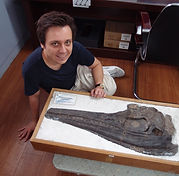
Dr. Peter Bartsch serves as curator of the fish collection and construction project officer at the Museum für Naturkunde (MfN), Leibniz Institute for Evolution and Biodiversity Science, which is affiliated with Humboldt University Berlin. With expertise in ichthyology, embryology, and comparative anatomy, Dr. Bartsch has been instrumental in the museum's collection management and building renovation projects since joining the institution as a research associate before becoming curator in 2000. Dr. Bartsch received his academic training in ichthyology, embryology, and comparative anatomy at the University of Cologne. His academic career includes positions as a research assistant at the University of Tübingen and a postdoctoral fellowship at the Natural History Museum in Stockholm before joining the Museum für Naturkunde. Dr. Bartsch's primary research focuses on the evolution and systematics of major groups of bony fishes (Osteichthyes), with particular emphasis on primitive ray-finned fish lineages. His work integrates morphological analysis of both fossil and extant species to understand evolutionary relationships. A significant portion of his research centers on the developmental biology of ancient fish groups, especially the Polypteridae (bichirs), examining embryonic development, skeletal formation, and sensory systems. More recently, his interests have expanded to include the logistics and optimal management of research collections, reflecting his administrative responsibilities at the museum. Analysis of Dr. Bartsch's recent publications reveals a consistent focus on fish morphology, evolution, and development, with particular attention to primitive actinopterygian lineages. His work spans both systematic taxonomy and functional morphology, with increasing attention to museum collection management challenges. The publications demonstrate expertise in comparative anatomy across diverse fish groups including chondrichthyans (sharks, rays, and chimaeras) and basal actinopterygians. Recent work shows integration of molecular phylogenetic approaches with traditional morphological analysis. Dr. Bartsch has held significant administrative roles at the Museum für Naturkunde, serving as head of the collections department from 2011 to 2013. He was responsible for the museum's construction program for the east wing reconstruction, completed in 2010, which created modern facilities for the storage and scientific processing of the museum's wet collections. Currently, he manages the second phase of the building's renovation that began in 2011 and participates in planning for the future development of the museum's facilities. The Museum für Naturkunde houses extensive ichthyological collections that form the basis for Dr. Bartsch's research. His work involves close collaboration with various research teams within the museum, particularly in the areas of molecular phylogenetics, collection preservation, and paleontological research. The museum's facilities include specialized laboratories for morphological analysis, molecular studies, and collection management that support his research activities.
Daniel J. Field is Professor of Vertebrate Palaeontology in the Department of Earth Sciences and the Strickland Curator of Ornithology at the University of Cambridge Museum of Zoology. He is a Fellow of Christ's College, Cambridge, where Charles Darwin studied as an undergraduate, and serves as the founding director of the Darwin-Hamied Centre at Christ's College. Field also maintains research associate positions at the Denver Museum of Nature and Science and the Natural History Museum (London). Field is an evolutionary biologist and palaeontologist whose research focuses on deciphering the origins of modern avian biodiversity using fossil, anatomical, and molecular data. His work spans multiple themes including clarifying how birds survived and diversified following the mass extinction of non-avian dinosaurs, studying the evolutionary histories of major living bird groups, and understanding the evolutionary origins of distinctive biological features such as the modern bird skull. In 2020, his team announced the discovery of Asteriornis maastrichtensis (the 'Wonderchicken'), the oldest-known modern bird fossil and an early relative of the group that gave rise to living chickens and ducks. Field's publication record shows consistent research output across multiple areas of avian evolution, with recent work focusing on avian palate evolution, skeletal pneumaticity, developmental patterns in bird skulls, and the evolutionary relationships among major bird groups. His research integrates cutting-edge techniques including CT scanning, geometric morphometrics, and phylogenetic analysis to address fundamental questions about vertebrate evolution. Field leads an active research group comprising postdoctoral researchers, PhD students, and master's students from around the world. His lab has produced significant work on topics including the evolution of flightlessness in ratites, the developmental underpinnings of avian morphological diversity, and the phylogenetic relationships among major bird lineages. The lab maintains strong international collaborations and has been instrumental in training the next generation of evolutionary biologists and palaeontologists. Field is passionate about natural history and science outreach, and enjoys photographing Earth's vertebrate biodiversity in the field. His work bridges the gap between traditional palaeontology and modern evolutionary biology, contributing significantly to our understanding of how modern bird diversity arose from their dinosaurian ancestors.
Ueli Grossniklaus is an Ordinary Professor at the University of Zurich within the Faculty of Mathematical and Natural Sciences , affiliated with the Department of Plant and Microbiology . His work focuses on plant developmental biology, particularly epigenetic and genetic mechanisms governing reproduction and adaptation. Key Courses: Epigenetics, Plant Biology Workshop, Group Seminars on Current Research Laboratory Techniques: Advanced methods in plant cell mechanics, transcriptomics, and genome editing Research Interests span plant epigenetics, reproductive biology, and the interplay between environmental stress and genetic regulation. He investigates: Mechanistic control of gametogenesis and fertilization Epigenetic contributions to plant adaptation Evolutionary implications of asexual reproduction Biophysical forces in plant cell growth Publication Trends (2025–2018) reveal expertise in: Arabidopsis and fern model systems Epigenetic regulation (DNA methylation, histone dynamics) Apomixis and hybrid seed failure mechanisms Biomechanics of pollen tubes and carnivorous plants Genome editing tools (CRISPR) and long-read sequencing Scientific Collaborations include interdisciplinary projects on: Microfluidic devices for plant cell analysis Gene drive ecology and ethics 3D imaging of plant reproductive structures Advising and Grants focus on mentoring through research internships in developmental biology, genetics, and systems biology. His lab engages in: Epigenetic response to environmental stress Cell wall mechanics in reproduction Computational modeling of plant growth Laboratory Teams integrate plant biologists, bioengineers, and computational scientists to study: Mechanistic gene regulation Evolutionary developmental biology Microrobotics for cellular force measurement
Jennifer Whiting is a Distinguished Professor of Philosophy at the University of Pittsburgh, where she has held dual tenures from 1986–1997 and 2015 to present. She also taught at Harvard, Cornell, and the University of Toronto (2003–2014), where she was Chancellor Jackman Professor of Philosophy. Her research focuses on the nature of persons and selves, bridging metaphysics, ethics, and philosophy of mind. Specializing in ancient philosophy (especially Aristotle and Plato), her work also extends to contemporary moral psychology and feminist philosophy. Whiting has received prestigious awards including the Royal Society of Canada’s Konrad Adenauer Research Award (2006) and fellowships from ACLS, NEH, the Howard Foundation, and Stanford’s Center for Advanced Study. She co-directed an NEH Summer Institute on Mind, Self, and Psychopathology with Louis Sass. Her publications include three Oxford volumes: *First, Second, and Other Selves* (2016), *Living Together* (2023), and *Body and Soul* (2023). Her teaching spans ancient philosophy, feminist philosophy, and philosophy of literature. Key research interests include Aristotle’s hylomorphism, ethical agency, and the intersection of psychology and virtue. Her recent work engages with Plato’s *Philebus* and Aristotelian categories, reflecting her commitment to interdisciplinary philosophical inquiry.
Raymond Keller is the Thomas Jefferson Professor of Biology at the University of Virginia. He leads the Keller Laboratory, which investigates cellular and molecular mechanisms driving early amphibian morphogenesis, focusing on convergent extension movements during gastrulation and neural tube formation. His work integrates high-resolution imaging of cell motility with biomechanical analyses of embryonic tissues to understand how molecular events generate forces shaping the embryo. Research interests include embryonic tissue mechanics, cell intercalation dynamics, and the biomechanical basis of vertebrate body plan formation. Collaborations include work with Ann Sutherland (UVA School of Medicine) on mouse early morphogenesis, combining amphibian and mammalian systems for comparative insights. Notable contributions include pioneering studies on convergent extension, direct embryonic force measurements, and innovative tissue engineering approaches. His research bridges developmental biology with biophysics and engineering principles.
Francisco Jose Garcia Garcia is a Professor at the Universidad Pablo de Olavide, affiliated with the Department of Physical, Chemical and Natural Systems. His research focuses on Zoology, Marine Biology, and Benthic Ecology, with a specialization in Mollusks (particularly Opisthobranchia) and Antarctic Biodiversity. He leads the ORGSIS Organisms and Systems research group and contributes to the Doctoral Programs in Biodiversity and Conservation Biology. PhD in Zoology (1987) from the University of Seville His research spans marine taxonomy, ecological impacts of human activity, and biogeographical patterns of mollusks and arthropods in coastal environments. Recent studies examine invasive species effects (e.g., Amathia verticillata) and wrack dynamics in Atlantic and Mediterranean ecosystems. His publications from 1984–2024 reflect long-term contributions to Antarctic benthos studies (BENTART projects) and nudibranch systematics. Articles highlight expertise in Invasive Species Ecology, Benthic Ecology, and Environmental Impact Assessment, with a focus on mollusk physiology, taxonomy, and habitat interactions. Notable collaborations include Antarctic research campaigns and cross-regional studies comparing Brazil and Spain. As part of the ORGSIS group, he investigates coastal ecosystem functioning, emphasizing sandy beach macrofauna and supralittoral arthropods. His work integrates field experiments (e.g., wrack removal, trampling effects) and laboratory assays on reproductive biology.
Jianping Fu is a Professor in the Department of Mechanical Engineering at the University of Michigan , with joint appointments in Biomedical Engineering and Cell and Developmental Biology. His research integrates micro/nanoengineering , mechanobiology , and stem cell biology to model human development and disease. Education: PhD (MIT, 2007), BE (University of Science and Technology of China, 2000) His research interests focus on stem cell bioengineering , developmental bioengineering , and mechanobiology , particularly in modeling early post-implantation human development, neural tube formation, and pluripotent stem cell mechanoregulation. His work combines biomimetic culture systems with microfluidic gradients to study embryogenesis and organogenesis. Recent publications highlight advances in human embryo modeling (2024 Cell, Nature, Cell Stem Cell), neural tube patterning (2024 Nature), and mechanobiology of stem cells (2024 Nature Reviews Physics). These studies emphasize computational methods , single-cell analysis , and standardization of embryo models . Scientific honors include: Friedrich Wilhelm Bessel Research Award (2022) ISSCR Merit Award (2024) Fellow, American Institute for Medical and Biological Engineering (2019) NSF CAREER Award (2012) Life Member, World Association of Chinese Biomedical Engineers (2024) Dr. Fu mentors extensively, with 20+ alumni including PhD students and postdocs now in academic and industry positions. His lab has received $3M NIH funding for immunological diagnostics and MTRAC grants for translational research. Collaborations with institutions like Cincinnati Children's Hospital and Rice University enhance his interdisciplinary approach to regenerative medicine.
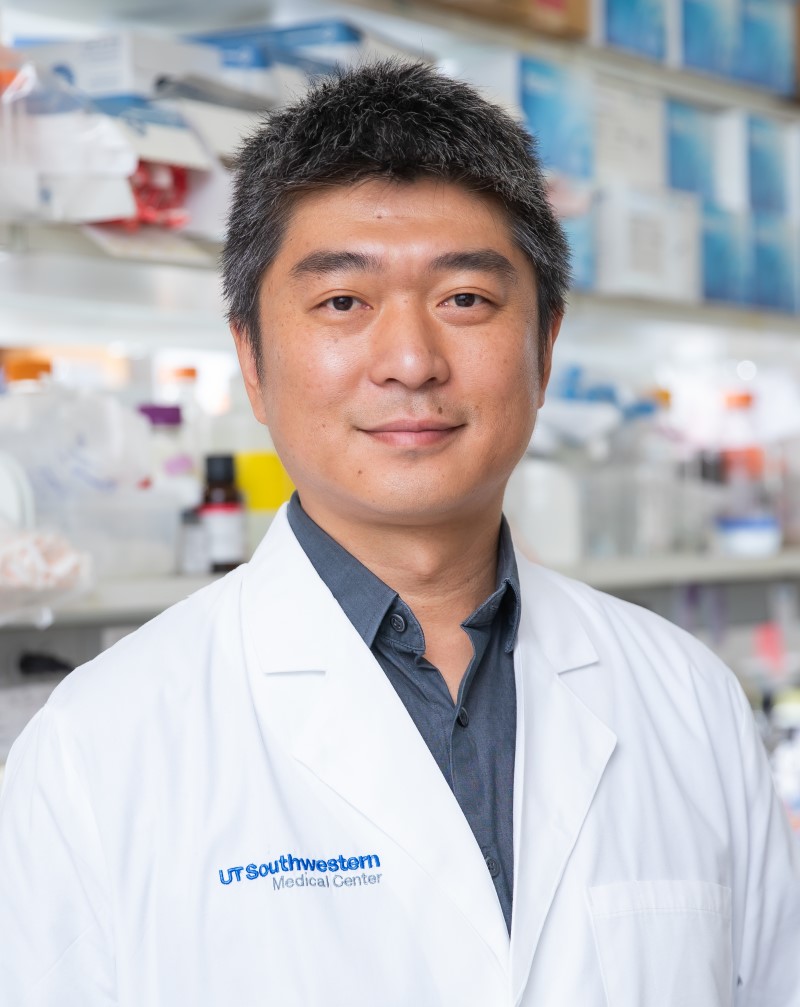
Dr. Jun Wu is an Assistant Professor in the Department of Molecular Biology at UT Southwestern Medical Center. He holds a PhD in Life Science from the University of Tennessee and completed postdoctoral training at the University of Southern California and the Salk Institute. His research focuses on stem cell biology, genome editing, and interspecies chimeras to advance regenerative medicine and developmental biology. Education: Bachelor of Medicine, Shandong University School of Medicine (China) PhD in Life Science, University of Tennessee (2013) Postdoctoral Fellowships: USC (2013-2015) and Salk Institute (2015-2017) Research Interests: Generation of pluripotent stem cells with distinct molecular/phenotypic features Development of interspecies blastocyst complementation systems Modeling peri-implantation human development using stem cell embryo models Study of species-specific developmental barriers and evolutionary biology Application of chimeras to study cancer resistance and organ size determination Lab Activities: The Wu Lab develops stem cell models to study mammalian development and create regenerative therapies. Key projects include: Creation of interspecies chimeras (human-monkey, rat-mouse) Development of blastoids and peri-gastruloids Analysis of species-specific cell competition mechanisms Engineering cross-species organogenesis systems Grant Activities: Focuses on NIH-funded projects related to stem cell biology, interspecies chimerism, and regenerative medicine applications. Collaborates with institutions like Salk Institute and University of California campuses. Lab Team: Includes postdoctoral researchers like Dr. Yi Ding and a multidisciplinary team of molecular biologists, bioengineers, and computational biologists.
Christian J. Hochstim, MD, PhD, is a Clinical Assistant Professor of Otolaryngology at the University of Southern California. His clinical expertise includes complex airway disorders, pediatric tracheostomy management, and vocal cord paralysis. He completed a pediatric otolaryngology fellowship at Stanford University and earned his PhD in developmental biology at Caltech. His research focuses on regenerative medicine strategies for airway reconstruction and preventing stenosis, leveraging stem cell technology. Dr. Hochstim’s education includes a dual MD/PhD, with postdoctoral training in head and neck cancer at Stanford. His research bridges developmental biology and clinical otolaryngology, addressing challenges in airway reconstruction and pediatric surgical outcomes. His clinical interests span aerodigestive disorders, obstructive sleep apnea, and cochlear implantation. He has published extensively on pediatric tracheostomy quality of life, biofilm-associated stenosis, and disparities in healthcare access. Notable studies include repurposing evolutionary gill gene programs for outer ear development and evaluating opioid-free anesthesia in OSA surgery. Key contributions include analyzing prognostic factors in pediatric fungal rhinosinusitis and investigating respiratory risks in endoscopic procedures. His work emphasizes translational research with clinical impact, particularly in underserved pediatric populations.
Juan-Manuel González-Rosa is an Assistant Professor in the Department of Biology at Boston College, where he leads a research program focused on heart development and regeneration. He utilizes zebrafish as a model organism to investigate the molecular and cellular mechanisms that govern cardiac repair, with particular interest in fibrosis, inflammation, and polyploidy. Ph.D. in Molecular Biology, Spanish National Center for Cardiovascular Research and Universidad Autónoma de Madrid Postdoctoral training at Massachusetts General Hospital and Harvard Medical School Faculty member at Boston College since June 2019 His research centers on understanding why the human heart has limited regenerative capacity compared to zebrafish, which can fully regenerate their hearts after injury. His lab investigates how polyploidization in cardiomyocytes limits regeneration and aims to identify therapeutic targets for promoting heart repair after myocardial infarction. Using genetic tools and injury models in zebrafish, his team studies cardiac and liver regeneration, extracellular matrix dynamics, and molecular pathways of tissue repair. The recent publications reflect a strong trend in regenerative biology, particularly in modeling organ injury and repair in zebrafish. Key themes include the development of cryoinjury models for heart and liver, analysis of collagen dynamics in fibrotic remodeling, and the use of genetic tools like CRISPR for targeted cardiomyocyte manipulation. These studies span developmental biology, molecular cardiology, and translational regenerative medicine. Scientific awards and recognitions include: EMBO Long-Term Postdoctoral Fellowship Funds for Medical Discovery Award from ECOR-MGH American Heart Association Career Development Award Dr. González-Rosa has secured competitive funding to support his research program, enabling his lab to pursue fundamental questions in cardiac regeneration. While current information does not list specific advisees, his role as a principal investigator suggests active mentorship of graduate and undergraduate researchers. His work contributes to broader efforts in regenerative medicine and has implications for treating heart disease in humans. His lab is involved in developing and applying innovative zebrafish models for organ regeneration and transplantation research, positioning his team at the intersection of developmental biology, cardiovascular science, and biomedical innovation.
Michael Levin is a Distinguished Professor at Tufts University in the Department of Biology within the School of Arts and Sciences. He serves as Director of both the Allen Discovery Center at Tufts University and the Tufts Center for Regenerative and Developmental Biology. His laboratory investigates the intersection of developmental biology, artificial life, bioengineering, synthetic morphology, and cognitive science. Allen Discovery Center at Tufts Tufts Center for Regenerative and Developmental Biology Tufts/UVM: ICDO Harvard Wyss Institute Stibel Dennett Consortium for Brain and Cognitive Science The Proteus Institute MIT Science and Technology Center EBICS Levin's research focuses on understanding diverse intelligence in evolved, designed, and hybrid complex systems. His lab combines developmental biophysics, computer science, and behavioral science to study how cognition scales up from cellular competencies to organism-level behaviors. A key specialty is developmental bioelectricity—the study of how somatic electrical networks store, process, and act on information to control large-scale body structure. His team creates tools to read and edit the bioelectric code guiding proto-cognitive computations in the body. Levin's publications reveal a strong focus on bioelectricity, morphogenesis, and non-neural cognition across multiple model systems including Xenopus, planarians, and synthetic living constructs. His recent work explores collective intelligence as a unifying concept across biological scales, the development of microfluidic devices for measuring electrical connectivity, and optical estimation of bioelectric patterns in living embryos. His research spans fundamental developmental mechanisms to potential biomedical applications in regeneration and disease treatment. As an editor, Levin serves as Co-Editor-in-Chief of Bioelectricity and Founding Associate Editor of Collective Intelligence. He has mentored numerous post-doctoral fellows and graduate students who have gone on to establish their own research programs. His lab has received significant attention for creating novel biological machines (xenobots) and demonstrating that cells can store and transmit behavioral memory outside the brain. The Levin Lab maintains several significant research initiatives including the Allen Discovery Center at Tufts, the Tufts Center for Regenerative and Developmental Biology, and collaborations with the Wyss Institute at Harvard. The lab employs a multidisciplinary approach combining wet lab experiments with computational modeling to investigate how living systems achieve goal-directed behavior and pattern formation.
Shinichi Nakagawa is a Professor of Evolutionary Ecology and Synthesis at the University of Alberta's Faculty of Science, Biological Sciences Department. He holds the Canada Excellence Research Chair in Open Science and Synthesis in Ecology and Evolution. His research focuses on quantifying biological variation through meta-analysis and synthesis, with a strong emphasis on open science practices. He leads a lab that explores topics in ecology, evolutionary biology, and environmental sciences, while also advancing meta-science to improve research transparency and reproducibility. Dr. Nakagawa earned his BSc(Hons) at the University of Waikato and PhD at the University of Sheffield. He previously held positions at the University of Otago (2008–2015) and the University of New South Wales (2015–2024). He is the founder of EcoEvoRxiv, a preprint server for ecology and evolution, and actively promotes open science through initiatives like the Society for Open, Reliable, Transparent Ecology and Evolutionary Biology (SORTEE). His research interests include quantitative ecology, statistical methodology for meta-analysis, and understanding biological variability. Key areas of focus include thermal physiology in ectotherms, sexual selection, and the impacts of climate change on biodiversity. He has authored influential papers on meta-analytic techniques, including location-scale models and variance-based analyses. Notable contributions include the development of the 'orchard plot' visualization tool for meta-analyses and advocacy for preregistration and open data practices. His work bridges ecological theory with data synthesis, emphasizing reproducibility and methodological rigor. Awards include the Canada Excellence Research Chair, recognizing his leadership in advancing open science and ecological synthesis.
Dr. Kazuhide Shaun Okuda is a Senior Lecturer and Group Leader at the La Trobe Institute for Molecular Science, Department of Biochemistry and Chemistry at La Trobe University, Australia. He also holds honorary positions at Peter MacCallum Cancer Centre and the University of Melbourne. With extensive experience in zebrafish research and vascular biology, Dr. Okuda has established himself as an expert in lymphatic development, disease modeling, and drug discovery. Dr. Okuda earned his PhD in Molecular Medicine from the University of Auckland, New Zealand (2010-2014), where he generated groundbreaking zebrafish transgenic lines for lymphatic vessel imaging. His subsequent postdoctoral work at Cancer Research Malaysia and the University of Queensland/Peter MacCallum Cancer Centre focused on anti-cancer therapeutics screening and dynamic signaling events during development and regeneration. His research focuses on understanding lymphoedema mechanisms, identifying therapies that modulate vascular growth, and elucidating dynamic mechanisms of vascular development and disease progression. Dr. Okuda's work has significant potential impact in developing new treatments for lymphoedema and diseases with excessive vascular growth such as cancer and lymphatic malformations. Analysis of Dr. Okuda's publication record shows a consistent focus on vascular and lymphatic development using zebrafish models. His most recent work (2023-2025) demonstrates an expansion into drug delivery systems, advanced imaging techniques, and single-cell analysis approaches while maintaining his core interest in lymphangiogenesis mechanisms and therapeutic interventions. Dr. Okuda has received significant research funding, including a National Health and Medical Research Council Ideas Grant (2024-2027) for his project on 'Cellular signalling and growth control in vascular development and lymphatic malformations.' Primary supervisor of PhD students (X4), La Trobe University (2023-present) Co-supervisor of PhD students (X3), University of Melbourne (2020-present) Co-supervisor of a PhD student, La Trobe University (2023-present) Senior Lecturer and Group Leader, La Trobe Institute for Molecular Science (2023-present) Honorary Scientist, Peter MacCallum Cancer Centre (2023-present) Honorary Fellow, University of Melbourne (2020-present) Dr. Okuda leads a research group at the La Trobe Institute for Molecular Science focused on identifying therapeutic leads/targets that modulate the vasculature and studying dynamic signaling mechanisms in endothelial cells using zebrafish models. His team has made significant contributions to understanding lymphatic development, including the identification of Ddx21 and ribosome biogenesis as novel regulators of embryonic lymphangiogenesis.
Dr. Pablo Oteiza serves as Research Group Leader at the Max Planck Institute for Biological Intelligence in Martinsried, Germany, where he leads the Flow Sensing research group. Previously, he was Group Leader at the Max Planck Institute for Ornithology (2019-2024) and Research Associate there (2016-2019). His academic journey includes a postdoctoral fellowship at Harvard University's Department of Molecular and Cellular Biology and Center for Brain Science (2010-2016), and graduate studies at Universidad de Chile and the Max Planck Institute for Molecular and Cellular Biology (2004-2010). Dr. Oteiza's research program investigates how aquatic animals sense and respond to their hydrodynamic environment. His quantitative behavioral approach seeks to understand the fundamental principles governing flow navigation in fish and amphibians. His work spans sensory biology, neuroscience, biomechanics, and evolutionary biology, with zebrafish serving as a primary model organism. His research bridges physical hydrodynamics with biological sensory mechanisms, exploring how organisms extract meaningful information from fluid movements. Analysis of Dr. Oteiza's publications reveals a research trajectory evolving from developmental biology toward specialized sensory mechanisms. His work in high-impact journals demonstrates consistent focus on sensory systems across multiple scales - from cellular and molecular mechanisms to whole-organism behavior. His research shows particular strength in connecting physical stimuli with neural processing and behavioral outputs, especially in aquatic environments. As Research Group Leader, Dr. Oteiza oversees a laboratory investigating fundamental questions about hydrodynamic sensing. His team employs advanced techniques to study neural circuits, sensory processing, and behavioral responses to water flow, contributing significantly to our understanding of how organisms interact with their fluid environments. His collaborative work extends across international institutions, reflecting the interdisciplinary nature of his research.