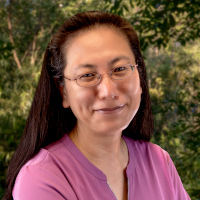
Dr. Yoosook Lee is an Assistant Professor at the Florida Medical Entomology Laboratory of the University of Florida. Her research focuses on molecular ecology, population genomics, and bioinformatics of arthropod vectors, particularly Aedes and Anopheles mosquitoes. She investigates population divergence, dispersal, and genetic variations linked to insecticide resistance and pathogen resistance, with applications in vector control strategies like CRISPR-based genetic modification. Her work combines next-generation sequencing with traditional genotyping to develop tools for species identification and pathogen detection. Her research emphasizes translating ecological and evolutionary studies into practical vector control methods, such as auto-dissemination and gene drive technologies. She has mentored numerous undergraduate, graduate, and postdoctoral researchers, many of whom have co-authored peer-reviewed publications with her. Dr. Lee’s lab collaborates on global projects, including studies on Anopheles malaria vectors in Africa and Aedes species in the Americas. Key research areas include CRISPR-Cas9 applications, invasive mosquito surveillance, and genomic analysis of resistance mechanisms. She advocates for improved surveillance capacity and resource allocation to address vector-borne disease threats. Her work bridges basic and applied research, aiming to reduce the public health impact of vector-borne diseases.
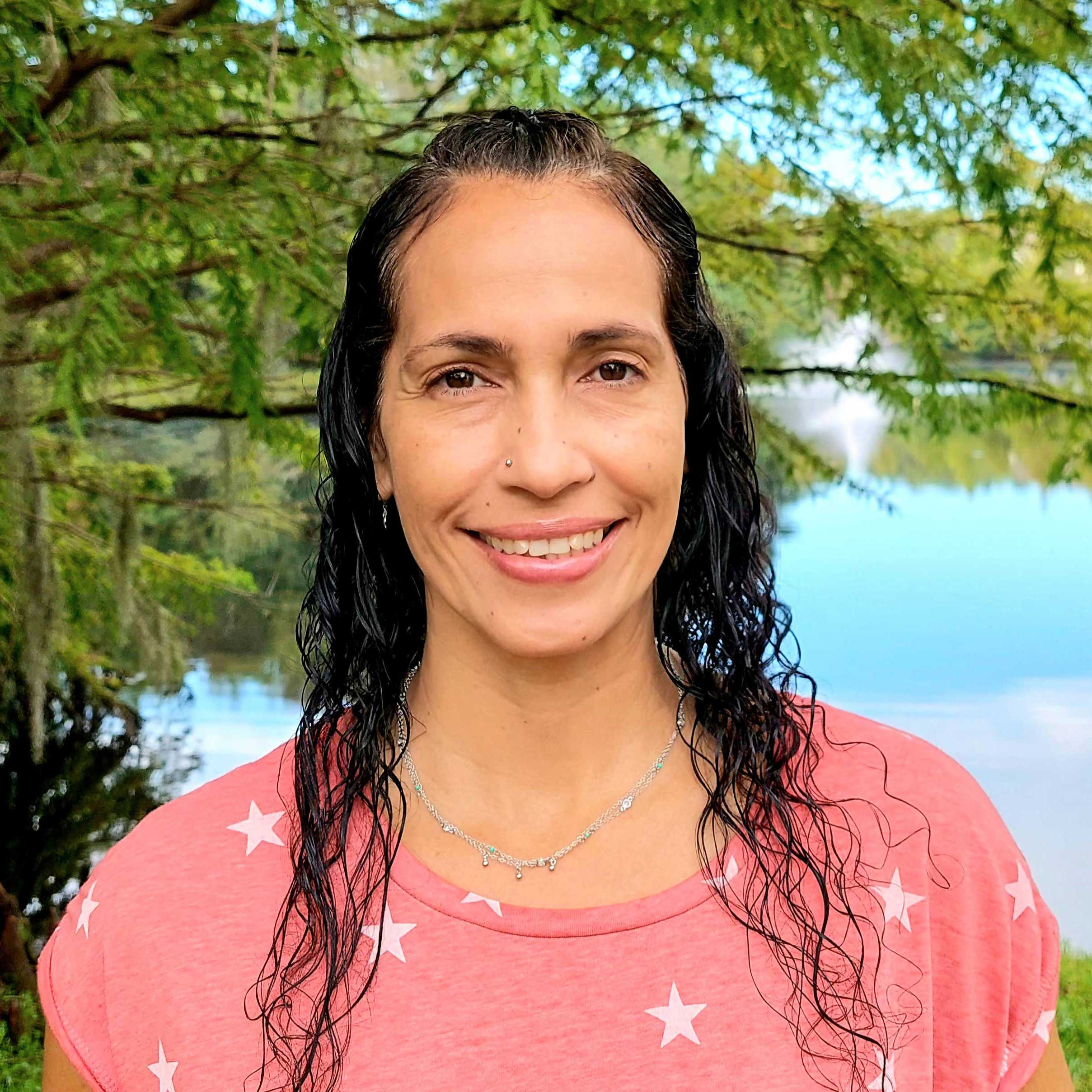
Jessie Fernandez is an Assistant Professor in the Department of Microbiology & Cell Science at the University of Florida. Her research focuses on fungal pathogens, particularly Magnaporthe oryzae , exploring mechanisms of pathogenicity, effector proteins, and host interactions. She investigates biocontrol strategies, nutrient acquisition pathways, and molecular processes underlying plant immunity. Her work spans topics like fungal effector biology, metabolic regulation during host infection, and the structural basis of protein interactions. Notable contributions include studies on Bacillus subtilis as a biocontrol agent and the role of metacaspases in programmed cell death. Publications highlight interdisciplinary approaches, combining genomics, proteomics, and structural biology to unravel pathogen-host dynamics. Awards and grants are not explicitly mentioned, though her extensive research output indicates sustained academic engagement.
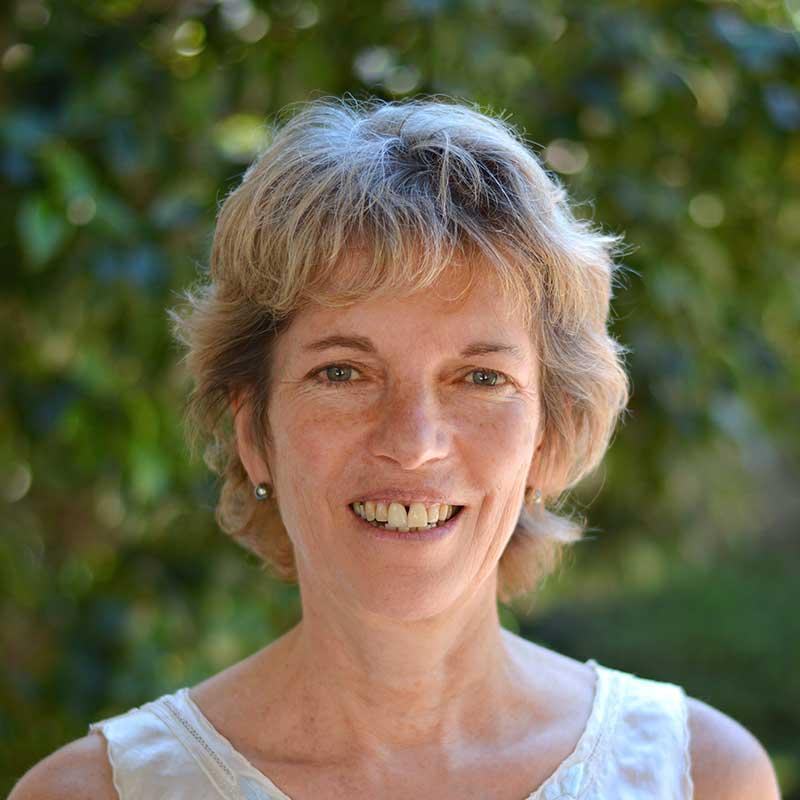
Rosemary Gillespie is a Professor in the Department of Environmental Science, Policy, & Management at UC Berkeley. She directs research on evolutionary patterns in island ecosystems, particularly Pacific archipelagos, using arthropods as model systems. Her work integrates genomics, community ecology, and conservation biology. Research Group: Leads the Gillespie Lab investigating speciation mechanisms, adaptive radiations, and biodiversity dynamics. Current team members include Tom Egdorf (ecological networks) and Jacob Aaron Gorneau (arachnid biodiversity). Publication Trends: Recent articles (2023-2025) demonstrate emphases on: 1) Genomic drivers of island radiations via chromosomal inversions and transposable elements; 2) Arthropods as bioindicators using DNA metabarcoding; 3) Ethical frameworks for biodiversity genomics; 4) Niche conservatism and community assembly rules across environmental gradients.
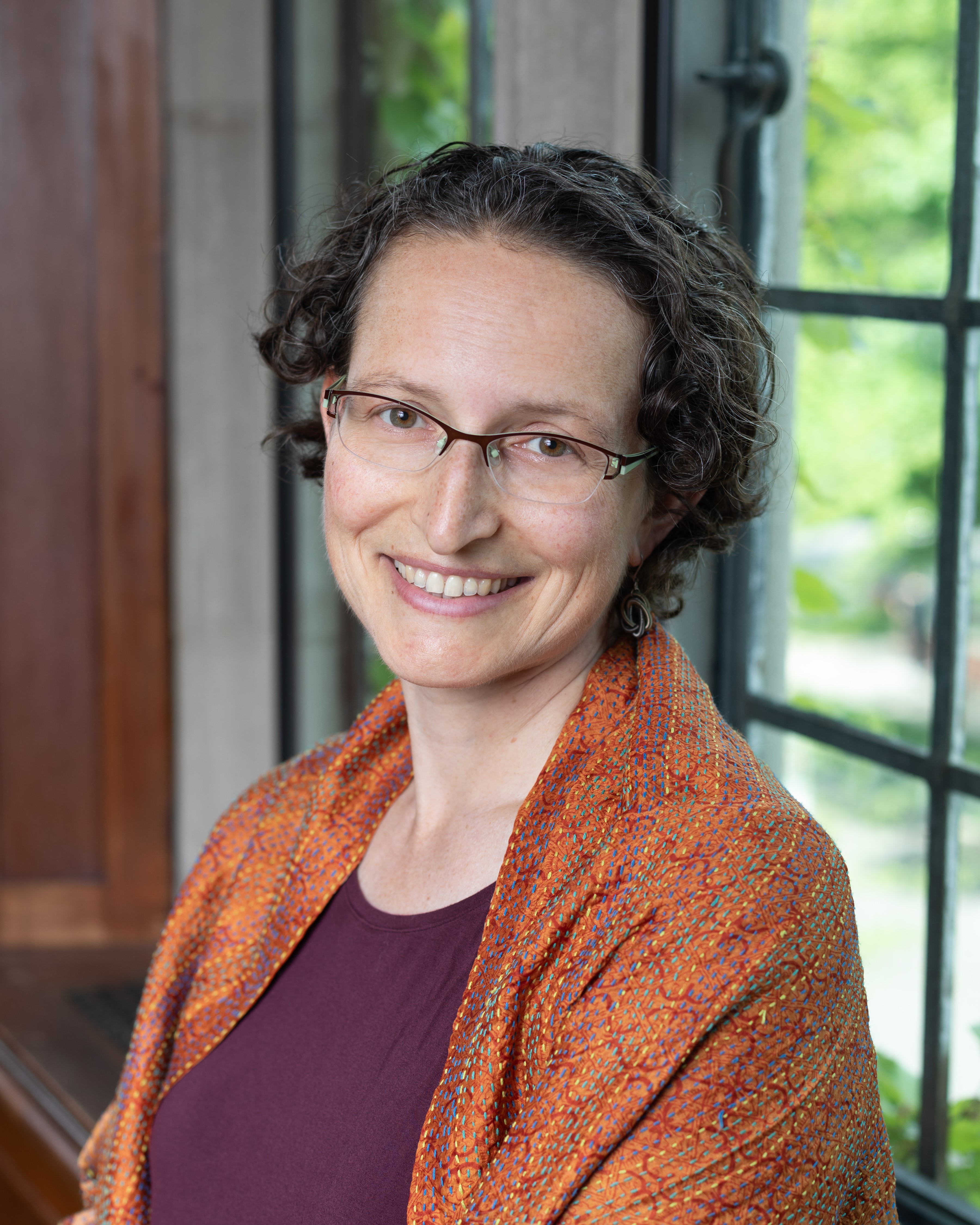
Dr. Erica Bree Rosenblum is a Professor of Global Change Biology at UC Berkeley's Department of Environmental Science, Policy and Management. She holds a PhD from UC Berkeley and a BA from Brown University. Her research investigates speciation and extinction processes across biological scales, from genes to ecosystems, with fieldwork spanning New Mexico's desert ecosystems and South American rainforests. Educational background: PhD in Integrative Biology, UC Berkeley BA in Biology, Brown University Research examines: Rapid adaptation in desert lizards Amphibian disease dynamics and conservation Genomic basis of convergent evolution Host-pathogen coevolutionary dynamics Community assembly in changing environments Publication trends focus on conservation genomics, evolutionary ecology, and disease ecology, with recent work emphasizing: Landscape-scale disease management Climate adaptation mechanisms Genomic tools for biodiversity conservation Scientific honors include: Plumer Visiting Research Fellowship, Oxford (2023) Multiple NSF Postdoctoral Fellowships Fulbright Scholarship (2006-2007) ESPM Distinguished Teaching Award (2013) Research group includes 3 postdoctoral scholars and 3 PhD students investigating: Lizard thermal adaptation Amphibian disease resistance Genomic signatures of selection Current projects receive funding from NSF, NIH, and conservation foundations. The Rosenblum Lab integrates genomic, ecological, and experimental approaches to understand global change impacts on biodiversity. Current fieldwork spans White Sands National Monument, Sierra Nevada amphibian habitats, and Madagascar's endemic communities.
Claudia Brittenham is Professor of Art History, Race, Diaspora, and Indigeneity, and the College at the University of Chicago, where she also serves as Director of the Center for Latin American Studies. Her office is located in CWAC 261, and she holds office hours on Tuesdays from 5-6pm or by appointment. She is actively involved in the Global Ancient Art initiative, the Katz Center for Mexican Studies, the Institute for the Formation of Knowledge, and the Proyecto La Pintura Mural Prehispánica en México of the Universidad Nacional Autónoma de México. Her educational background includes a PhD and BA from Yale University. Previously, she served as Assistant Curator for Eastern Hemisphere Collections at the Textile Museum in Washington, D.C. Brittenham's research centers on the art of ancient Mesoamerica, with a focus on the materiality of art, the politics of style, and the ontology of images. She critically examines how colonial frameworks shape the discipline of art history, from the concept of "art" itself to the definition of Mesoamerica as a culture area. Her work addresses Indigenous histories, colonization, and the interconnectedness of Indigenous communities across national borders. She investigates the distance between ancient experiences of artworks (such as Aztec sculptures, Maya lintels, and buried Olmec offerings) and their modern encounters in museums. Her recent publications (2023-2019) demonstrate a sustained engagement with Mesoamerican visual culture, particularly Maya and Aztec art, while expanding into themes of landscape, vision, and the politics of display. She has also addressed contemporary challenges in academia, such as the teaching of long-form scholarship in the digital age. A consistent thread is her critique of colonial legacies in art historical frameworks and her exploration of pre-Hispanic interconnectedness beyond modern national borders. Although no specific scientific awards are mentioned in the provided text, Brittenham's contributions to the field are evident through her influential publications and leadership roles. As Director of Graduate Studies in the Department of Art History, Brittenham oversees the graduate program and likely advises students, though specific advisees are not listed. Her involvement in multi-institutional projects, such as the Proyecto La Pintura Mural Prehispánica en México, suggests collaborative research efforts that may be grant-funded, though specific grants are not detailed. Her current book project, The Interconnected Mesoamerican World , examines art in a borderless ancient world where people, objects, and ideas moved fluidly. Brittenham is an active member of several research communities, including the Global Ancient Art initiative, which fosters interdisciplinary dialogue on ancient art globally. Her work with the Katz Center for Mexican Studies and the Center for Latin American Studies underscores her commitment to regional studies, while her participation in the Proyecto La Pintura Mural Prehispánica en México reflects her dedication to collaborative scholarship with Mexican institutions.
Rus Hoelzel is a Professor in the Department of Biosciences at Durham University. His research focuses on evolutionary processes and genetic structure in natural populations using modern and ancient DNA markers. This work aims to understand mechanisms underlying population structure and dynamics in changing environments, applied to conservation strategies and biodiversity evolution. Education includes extensive research training in molecular ecology and evolutionary biology. Research interests span conservation genetics, evolutionary biology, population genetics, molecular ecology, and ancient DNA. Studies investigate genetic diversity, population dynamics, and adaptation across marine and terrestrial species. Recent publications demonstrate strong focus on marine mammal ecology, climate change impacts on biodiversity, conservation genomics, and evolutionary theory. Research integrates field observations with genomic analyses to address fundamental questions in evolution and conservation. Scientific awards include recognition as Founding Editor of Conservation Genetics and Conservation Genetics Resources, with editorial roles in Aquatic Mammals, Open Ecology Journal, Marine Genomics, and other leading journals. Leads the Molecular Ecology Group, supervising research on evolutionary processes and conservation genetics. Secured multiple research grants supporting investigations into genetic diversity and population dynamics. Research involves international collaborations on marine mammal conservation, paleogenomics, and climate change impacts, with field studies across global ecosystems.
Amanda Valdés Sánchez is a Marie-Curie Postdoctoral Fellow in the Department of History at Brown University. Her research focuses on colonization processes, cultural encounters, and religious transformation in Iberian and colonial contexts. She examines how Marian devotion functioned as both a tool of colonial domination and a site of resistance by subaltern groups like Mudejars, Moriscos, and Indigenous populations. Her current project explores the political dimensions of Marian devotion in the Iberian Peninsula and its American colonies, analyzing how these practices reflected evolving Spanish imperial strategies. She seeks to draw comparative insights between Moriscos and Indigenous communities in their use of Marian devotions as political tools. Her work bridges historical analysis with cultural studies, emphasizing the agency of marginalized communities in shaping religious and colonial dynamics. No specific grants or awards are listed, but her research demonstrates significant engagement with interdisciplinary methodologies.
Marissa Ramsier is a Professor of Bioarchaeology and Biological Anthropology at California State Polytechnic University, Humboldt, serving as Department Chair and Co-Director of the Biological Anthropology Research Center. She leads the Poland Bioarchaeology Field Program and advises undergraduate/graduate students in biological anthropology and archaeology. Her research spans interdisciplinary studies of skeletal biology, health, diet, and migration in medieval populations, with fieldwork across Central/South America, Africa, the West Indies, and Europe. Education: PhD in Anthropology (university not specified) Masters in Biological Anthropology (university not specified) Her research integrates bioarchaeological methods with stable isotope ecology and zooarchaeology, focusing on medieval Prussian populations. Key topics include colonization impacts on health, dietary reconstruction via dental microwear, and skeletal trauma analysis. She also explores primate auditory systems and evolutionary biology. Teaching specialties include biological anthropology, bioarchaeology, skeletal biology, and quantitative data analysis. She directs the Biological Anthropology Research Lab and collaborates with local forensic agencies. Field Programs: Poland Bioarchaeology Field Program (medieval skeletal analysis) and international primatology studies.
Prof. Jochen Prehn is a Professor and former Chairman of the Department of Physiology and Medical Physics at the Royal College of Surgeons in Ireland (RCSI), and Director of the Centre for Systems Medicine (CSM). He holds a B.Sc. in Pharmacy from Rheinische Friedrich-Wilhelms-University Bonn, a Ph.D. in Pharmacology from Philipps-University Marburg, and a Habilitation from the same institution. His career includes roles as a Lecturer/Assistant Professor, Junior Research Group Head, and Professor of Experimental Neurosurgery in Germany before joining RCSI in 2003. Affiliations: RCSI, Centre for Systems Medicine (CSM), Department of Physiology and Medical Physics. Research Focus: Cell death mechanisms, mitochondrial biology, systems medicine, and translational oncology. Key areas include apoptosis regulation, cancer therapeutics, and predictive biomarkers for colorectal and brain cancers. Grants & Funding: Over €30M secured, including EU FP7 APO-DECIDE, IMI PD-MitoQuant, and multiple SFI awards. Education: B.Sc. Pharmacy (1989), Ph.D. Pharmacology (1992), Habilitation (1997). Research Interests: Prof. Prehn’s work spans molecular mechanisms of cell death, systems biology approaches to cancer stratification, and clinical translation of biomarkers. Notable projects include APO-DECIDE (predictive tools for colorectal cancer) and PD-MitoQuant (Parkinson’s disease mitochondrial analysis). His lab employs single-cell imaging, computational modeling, and multi-omics integration. Publications & Awards: Over 150 peer-reviewed publications (h-index 69, >16,000 citations), including high-impact journals like Nature Genetics and EMBO Journal . Awards include the inaugural SFI Research Professorship and EU project recognitions. Advising & Training: Supervised over 22 PhD and 6 MD students. Current team includes postdocs, PhD students (e.g., Elena Perez Morrissey, Saad Zaheer), and collaborators in Ireland and internationally. Labs & Collaborations: Leadership in CSM’s interdisciplinary teams, focusing on cancer and neurodegenerative diseases. Collaborations span academia (e.g., EU consortia) and industry (e.g., Oncomark, Optimata).
Sourav Roy is an Associate Professor in the Department of Biological Sciences at The University of Texas at El Paso (UTEP), affiliated with the Border Biomedical Research Center (BBRC). He holds a Ph.D. in Genetics, Genomics, and Bioinformatics from the University of California, Riverside (UCR), followed by seven years as a Post-doctoral scholar and Assistant Professional Researcher in UCR’s Department of Entomology. His research focuses on computational biology, bioinformatics, and molecular biology, with projects spanning regulatory genomics in vector mosquitoes, comparative genomics of insect vectors, miRNA roles in organisms, and oxidative stress pathways in colorectal cancer. He employs high-throughput sequencing and bioinformatics tools to validate molecular mechanisms. Dr. Roy leads an internationally collaborative research agenda, with grants including NIH RO1 awards and a $5.8M CPRIT-TREC award. His work has been published in journals like Nature , PNAS , and Annual Reviews of Entomology . He actively collaborates on vector biology, insect physiology, virology, cancer, and diabetes research. Recent institutional highlights include UTEP’s $6.1M cancer research grant and a portable colon cancer detection device development effort.
Carrie Ann Murray is an Associate Professor in the Department of Classics and Archaeology at Brock University, affiliated with the Faculty of Humanities. She holds a BA (Honors) from the University of California, San Diego, an MPhil from the University of Cambridge, and a PhD from University College London. Her research focuses on cultural interaction in the central Mediterranean from the Archaic to the early Imperial Period, particularly examining ritual practices in sacred and funerary contexts. She has directed the Brock University Archaeological Project at Pantelleria since 2014, investigating the Punic and Roman sanctuary at Lago di Venere. Murray is also the Undergraduate Program Officer and has taught courses such as Archaeology of Greek and Punic Colonization and Archaeology Skills. She has held a 2016 fellowship with the Archaeological Institute of America and a visiting scholar position at the University of St Andrews (2020). Education: BA (UC San Diego), MPhil (Cambridge), PhD (UCL) Research Projects: Pantelleria Archaeological Project, Greek Colonization and European Development Project Key Themes: Ritual practices, sacrificial offerings, colonial interactions, material culture Her fieldwork and publications emphasize interdisciplinary approaches to understanding cultural exchange and social hierarchy in ancient Mediterranean societies.
Dr Anna Kuballa is a Senior Lecturer in Biomedical Science at the University of the Sunshine Coast (UniSC), affiliated with the School of Health. She holds a PhD in Molecular Biology from the University of Queensland and a Bachelor of Biomedical Science (Hons) from James Cook University. Her research focuses on molecular pathways in inflammation, microbial infection, human milk composition, and Crohn’s disease. She is Program Coordinator for the Bachelor of Biomedical Science (Accelerated) and teaches courses in Medical Genetics, Clinical Embryology, and Cell Biology. Research interests include probiotic components in human milk, gut microbiome analysis in Crohn’s disease, and epigenetic responses to PTSD treatments. She collaborates with the Milk BANC group and the Thompson Institute, and has secured grants such as the Helmsley Charitable Trust award for Crohn’s disease research. Awards include the Higher Education Academy Fellowship (2020) and USC Advance Awards for teaching innovation. Education: PhD (UQ), BBioMedSci (Hons) (JCU) Grants: Helmsley Trust ($1.2M, 2019), Agilent Tech Scholarship ($22.5K, 2019) Key Collaborations: Milk BANC, Thompson Institute Teaching Roles: Course coordinator for BIM202 & BIM371, instructor for LFS100/LFS203/MED301 Her work integrates molecular biology with clinical applications, emphasizing translational research in maternal nutrition, inflammatory diseases, and drug response mechanisms. She is a member of the Centre for Bioinnovation and the Fertility Society of Australia.
Jennifer Johnson is a Professor of Pathology, Epidemiology and Public Health, and Microbiology and Immunology at the University of Maryland School of Medicine. She serves as Director of the Clinical Microbiology and Virology Laboratories at the University of Maryland Medical Center. Her expertise includes clinical microbiology diagnostics, antimicrobial resistance mechanisms, and molecular epidemiology of infectious diseases. Dr. Johnson holds a PhD in Microbiology/Immunology and completed a postdoctoral fellowship in Pathology at the University of Maryland. Education: BS in Biology, Salisbury State University (1992-1996) M(ASCP) in Clinical Microbiology, University of Maryland (1998-2000) PhD in Microbiology/Immunology, University of Maryland (1996-2002) Fellowship in Microbiology, University of Maryland (2003-2006) Research Focus: Dr. Johnson’s work centers on detection, transmission, and control of antimicrobial-resistant organisms such as MRSA and multidrug-resistant Gram-negative bacteria (e.g., KPC, ESBL-producing Enterobacteriaceae, Acinetobacter baumannii). Her research employs molecular methods like PFGE, MLST, and whole-genome sequencing to study bacterial genetics and transmission pathways. She has over 70 peer-reviewed publications and active federal/industry grants in antimicrobial resistance research. Recent Article Trends: Her recent work emphasizes rapid diagnostic technologies, molecular epidemiology of CRE and MRSA, and transmission dynamics in healthcare settings. Key projects include evaluating multiplex PCR panels for meningitis/encephalitis, genomic analysis of Acinetobacter baumannii isolates, and assessing infection control strategies like glove/gown use. Awards & Honors: Richard S. Schwalbe Award, American Society of Microbiology (2011) NIH T32 Training Program Fellow (2000-2002) Excellence in Microbiology Award (1999) Grants & Funding: Current roles include co-investigator on CDC Epicenter grants studying healthcare-associated infections and NIH-funded projects on CRE/MRSA transmission. She also collaborates on industry-funded studies of diagnostic tools like the FilmArray and Verigene systems. Labs & Teams: Oversees clinical microbiology laboratories at UMMC and collaborates with multidisciplinary teams in infectious disease epidemiology, antimicrobial stewardship, and molecular diagnostics.
Dr. Vladimir Lazetic is an Assistant Professor of Biology at the Department of Biological Sciences, Columbian College of Arts and Sciences, George Washington University. His research focuses on elucidating molecular mechanisms controlling intestinal innate immunity against intracellular pathogens in Caenorhabditis elegans, particularly investigating intrinsic and extrinsic factors affecting host defense in epithelial cells. The Lažetić lab uses C. elegans as a genetically tractable model to study non-professional immune cell defense, emphasizing transcriptional and post-transcriptional regulation of immune responses, as well as the impact of nutrition and microbiome interactions. Research Interests: Dr. Lazetic’s work spans molecular immunology, developmental genetics, and host-pathogen interactions. Key areas include chromatin regulation during immune responses, evolutionary trade-offs between immunity and development, and the role of transcription factors like ZIP-1 in pathogen resistance. His lab also explores clathrin-mediated endocytosis, actin cytoskeleton dynamics, and molting processes in C. elegans. Publications: His most recent work highlights studies on conserved chromatin regulators in immune responses (2025), microsporidia as natural C. elegans pathogens (2024), and comparative analyses of innate immunity mechanisms across species (2023). Earlier contributions include methodologies for visualizing microbial colonization (2022) and investigations into NIMA kinase networks (2017–2020). Advising & Grants: No formal advisees or grant details are listed in the provided text. The lab’s research is likely supported through university funding and external grants focused on C. elegans immunology. Labs/Teams: The Lažetić lab is part of the Biological Sciences Department, emphasizing interdisciplinary approaches to understanding epithelial immunity and developmental biology.
Dr. Natalija Hohnjec is Research Staff and Laboratory Head at Leibniz University Hannover's Institute of Plant Genetics, part of the Faculty of Natural Sciences. Based in Building 4104 (Room 029), she coordinates the Plant Genomics section and leads research on symbiotic plant-microbe interactions. Primary research areas include: Molecular mechanisms of arbuscular mycorrhiza symbiosis Transcriptional regulation in plant-microbe interactions Functional genomics of model legumes Symbiosis-related gene expression and signaling pathways As scientific supervisor for project Glücksklee2ISS/Lucky Clover2ISS, she investigates plant responses in space environments. Recent publications focus on mistletoe genomics and GRAS transcription factors. Research employs techniques including laser microdissection and transcriptome analysis.