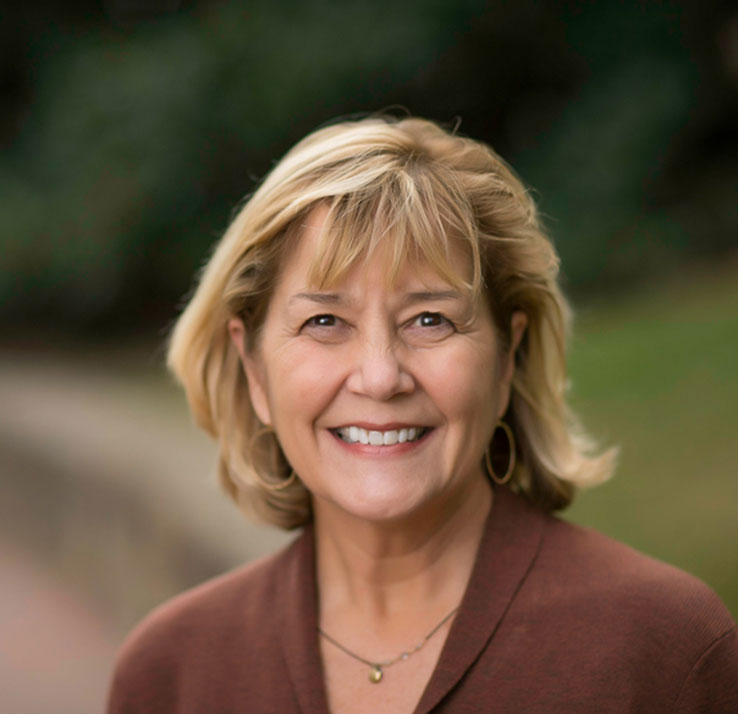
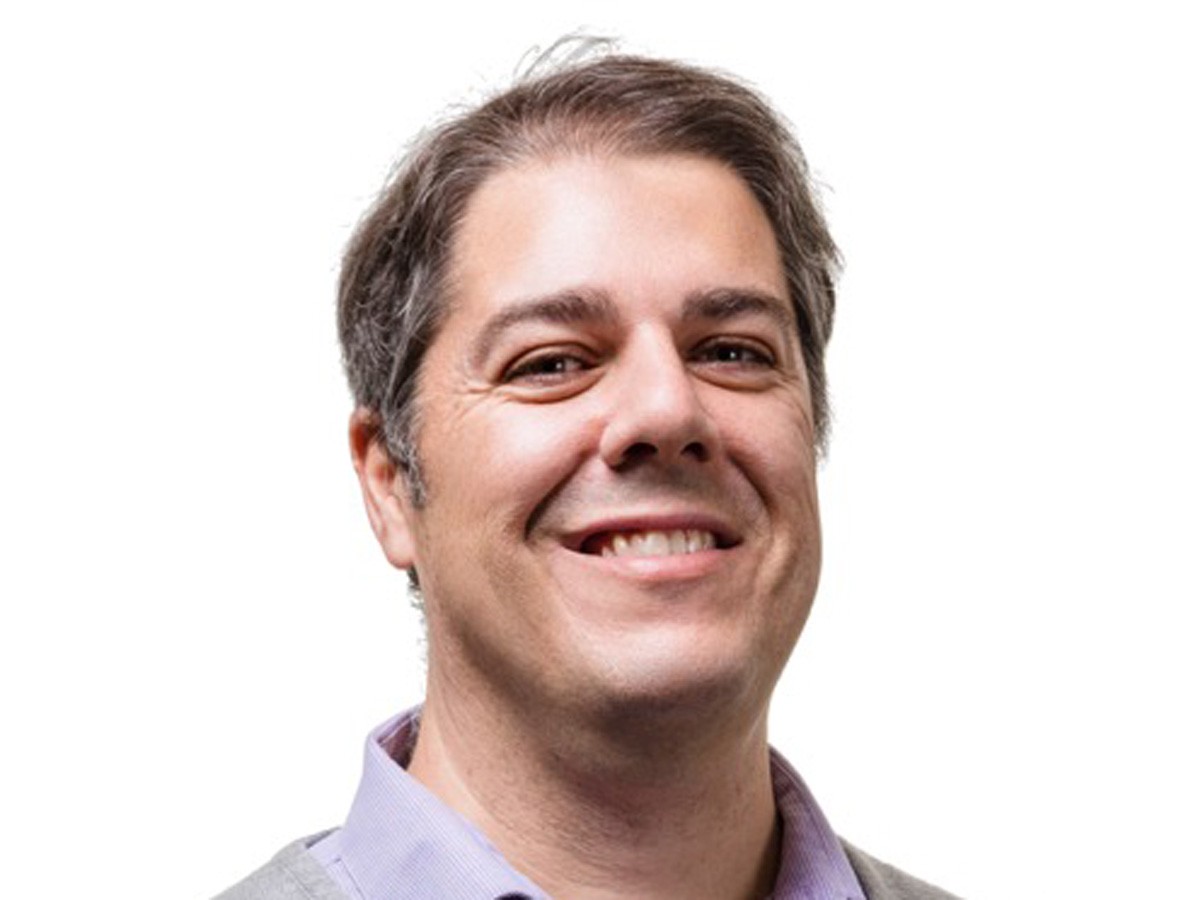
Leslie A. Lytle is an Adjunct Professor in the Department of Health Behavior at the University of North Carolina's Gillings School of Global Public Health. Her research focuses on youth and young adult health promotion, particularly obesity prevention through behavioral interventions. She has led major NIH-funded studies like CATCH, TEENS, and CHOICES, and chairs the EARLY trials consortium. Dr. Lytle's work spans over 25 years, emphasizing diet, physical activity, and environmental approaches. She teaches courses on health intervention design and behavioral theories. Awards include being named one of the Most Influential Obesity Researchers (2009, RWJF). Service roles include board memberships at the Dannon Institute, Danone International, and leadership in the International Society for Behavioral Nutrition and Physical Activity. She advises national agencies like the CDC and NIH on school health and obesity prevention policies.
Dr. Amy Damashek serves as Professor in the Department of Psychology at Western Michigan University, teaching undergraduate and graduate courses while mentoring Clinical Psychology doctoral students. She chairs the department's Diversity, Equity, and Inclusion Committee and maintains an active research program focused on vulnerable populations. Education: Ph.D. in Psychology, University of Missouri-Columbia (2007) Postdoctoral Fellowship, University of Oklahoma Health Sciences Center (2009) Research Focus: Her work centers on preventing child maltreatment and unintentional injuries among at-risk youth, with specialized expertise in infant sleep-related deaths and health disparities . She develops culturally responsive parenting interventions for low-income and Spanish-speaking families, emphasizing community-based solutions through home visiting programs. Publication Trends: Recent work (2020-2023) demonstrates consistent focus on pandemic adaptation of family services, safe sleep practices in marginalized communities, and digital intervention strategies. Her mixed-methods approach bridges clinical psychology with public health, prioritizing implementation in real-world settings. Scientific Recognition: Fellow of the American Psychological Association Former President of APA Division 37 (Society for Child and Family Policy and Practice) Grants & Mentoring: Secured federal funding for child injury prevention in underserved communities. Mentors Clinical Psychology doctoral students with emphasis on culturally competent practice, accepting new graduate students for Fall 2025. Her federally funded work directly informs evidence-based home visiting protocols. Research Ecosystem: Collaborates extensively with community health workers, home visiting agencies, and pediatric care providers to implement and evaluate interventions addressing structural barriers in family support systems.
Frank Russo is a Professor in the Department of Psychology at Toronto Metropolitan University, where he holds the NSERC-Sonova Senior Research Chair in Auditory Cognitive Neuroscience. He leads the Science of Music Auditory Research and Technology (SMART) Lab and holds affiliate and adjunct positions at the University Health Network and the University of Toronto, respectively. Research Interests: Dr. Russo's work lies at the intersection of auditory cognitive neuroscience, music psychology, and rehabilitation. His research explores how humans perceive music and speech, particularly under challenging conditions such as hearing loss or non-native accents. He investigates the cognitive and neural mechanisms of listening effort, emotional speech processing, and the social and therapeutic benefits of music, especially through community choirs and digital interventions. Publication Trends: His recent publications emphasize objective measurement of listening effort using functional near-infrared spectroscopy (fNIRS), music-based interventions for Parkinson’s disease and dementia, vocal and emotional responses to singing, and multisensory integration in beat perception. The work is highly translational, bridging basic cognitive neuroscience with clinical and community applications. Scientific Awards and Honors: NSERC-Sonova Senior Research Chair in Auditory Cognitive Neuroscience Fellow of the Canadian Psychological Association Fellow of Massey College Fellow of the Canadian Society for Brain, Behavior and Cognitive Science Past President of the Canadian Acoustical Association Advising and Grants: Dr. Russo actively mentors students and researchers, as evidenced by his co-authorship with numerous junior colleagues. He has secured major funding through NSERC and industry partnerships, enabling the development of impactful technologies such as hearing aid algorithms, sensory substitution systems, and digital therapeutics. His SingWell project fosters collaboration across academic, clinical, and community sectors. Labs and Teams: He directs the SMART Lab at Toronto Metropolitan University, a hub for interdisciplinary research on music, hearing, and cognition. The lab collaborates extensively with KITE Research Institute, Rehabilitation Sciences at the University of Toronto, and various community organizations focused on aging, hearing loss, and neurodegenerative conditions.
Erlend Hem is a Professor II at the Department of Behavioral Medicine , University of Oslo. He is also affiliated with the Department of Health Management and Health Economics as a student. His research focuses on suicide epidemiology, mental health among healthcare professionals, and mortality statistics. University of Oslo Department of Behavioral Medicine Department of Health Management and Health Economics (student) His work includes analyzing suicide rates in physicians and veterinarians, psychological distress in intensive care workers during the pandemic, and disparities in cancer outcomes. Studies like the NORVET survey and methodological research on mortality recording highlight his interdisciplinary approach. Recent publications address English language barriers in medical literature comprehension and historical medical practices. Scientific contributions span journals like Tidsskrift for Den norske legeforening , BMC Psychiatry , and BMJ Open . Collaborative projects involve teams from Norwegian public health and emergency medicine sectors.
Dr. Catherine Verrier Piersol is Professor and Chair of the Department of Occupational Therapy at Thomas Jefferson University's Jefferson College of Rehabilitation Sciences, where she also directs Jefferson Elder Care. She holds a PhD from Virginia Commonwealth University, an MS from Boston University, and a BS from Tufts University. Her research focuses on neurocognitive disorders (especially dementia), caregiver support interventions, aging-in-place strategies, and translating evidence-based occupational therapy into real-world settings. Key themes include person-environment-occupation fit, functional capacity appraisal, and non-pharmacological dementia care. Recent publications emphasize practical implementations of dementia care models, technology-enabled aging solutions, and pandemic-era adaptations in long-term care. Methodologies feature randomized trials, mixed-methods designs, and economic evaluations. Awards and honors include: Fellow, National Academies of Practice (2024) Fellow, American Occupational Therapy Association (2015) Stephen Heater Award for Outstanding Achievement (2013) Jeanette Blair Writer’s Award (2013) Multiple service awards from state/national OT associations (1998–2011) She leads Jefferson Elder Care, developing programs to enhance occupational therapy for older adults. Certifications include National Board OT licensure and Pennsylvania/New Jersey practice credentials.
Holger Straßheim is Professor of Political Sociology at Bielefeld University, affiliated with the Faculty of Sociology, Department 4 – Politics and Society. He also holds leadership roles as co-director of the Institute for Interdisciplinary Studies of Science (ISOS) and the Institute for World Society Studies, and is an elected member of the university’s Senate. He coordinates the MA program in Political Communication and serves on multiple examination and ethics committees. University: Bielefeld University School: Faculty of Sociology Department: Department 4 – Politics and Society Research Institutes: ISOS, Institute for World Society Studies Administrative Roles: Program Coordinator MA Political Communication, Member of BA/MA Examination Boards, Habilitation Committee His research centers on the interplay between science and politics, particularly the role of expertise and evidence in public policy. Key areas include behavioral public policy, climate and consumer policy, Arctic geopolitics, and the temporal dimensions of governance. He investigates how knowledge is produced, legitimized, and used in policy-making across transnational contexts. The most recent publications reflect a strong focus on evidence cultures, ethical expertise in crises, and the global spread of behavioral governance. These works analyze how expert advice functions under uncertainty, the paradoxes of evidence-based policy, and the institutionalization of ethical guidance during emergencies like the COVID-19 pandemic. The research often employs comparative and interdisciplinary methods, engaging with science and technology studies, political sociology, and policy analysis. Best Dissertation Award, University of Tübingen (2011) Visiting Fellow, Harvard Kennedy School (2014) Visiting Research Fellow, Collège d’études mondiales, Paris (2018) Visiting Research Fellow, University of Bologna (2022) Straßheim has supervised and advised in various research projects and PhD initiatives, particularly through his leadership in DFG and ESRC-funded programs. He has secured significant third-party funding, including projects on Arctic knowledge co-production and ethics in crisis governance. He is actively involved in academic service, reviewing for major journals and research councils, and shaping policy discourse through editorial roles in Critical Policy Studies and the Advances in Critical Policy Analysis book series. He leads the Straßheim Research Group, fostering interdisciplinary collaboration on science-policy interfaces. He is a key figure in research networks such as the Science and Democracy Network (Harvard) and the International Arctic Science Committee. His work bridges academic inquiry with real-world policy challenges, emphasizing democratic accountability, epistemic pluralism, and the ethical dimensions of expertise.
Aaron J. Chalfin serves as Associate Professor and Graduate Chair of Criminology within the Department of Criminology at the University of Pennsylvania's College of Liberal and Professional Studies. He maintains significant external affiliations as a Senior Fellow at the Niskanen Center, faculty research fellow at the National Bureau of Economic Research, and research affiliate at the University of Chicago Crime Lab. His academic foundation includes: PhD in Public Policy, University of California, Berkeley (2013) MA in International and Development Economics, Yale University (2004) BS in Industrial & Labor Relations, Cornell University (2003) Chalfin's research program centers on policing economics, officer behavioral preferences, place-based crime prevention strategies, and victimization determinants. He concurrently advances methodological rigor in social science through innovations in measurement error correction, spatial crime concentration metrics, and administrative data linkage techniques. His empirical approach consistently bridges theoretical criminology with practical policy evaluation. Recent publications reveal evolving research trajectories across bias-motivated violence measurement during pandemics, low-cost gun violence interventions, racial disparities in traffic fatalities, and methodological improvements for policy analysis. This body of work demonstrates sustained commitment to evidence-based criminal justice solutions through experimental and quasi-experimental designs. His ongoing collaboration with the University of Chicago Crime Lab exemplifies integration between academic research and real-world crime laboratory operations, focusing on scalable public safety innovations.
Amy Vaughan Van Hecke serves as Assistant Chair and Professor in Marquette University's Department of Psychology, leading research on autism spectrum disorder (ASD) and social development across the lifespan using neuroimaging and psychophysiological methods. She directs community initiatives to improve autism services access for underserved Milwaukee populations through the Next Step Clinic. Her academic foundation includes: B.A. in Psychology from Smith College Ph.D. in Developmental Psychology from the University of Miami Dr. Van Hecke's research centers on brain activity, heart rate regulation, and social behavior in individuals with and without ASD, utilizing high-density EEG and MRI to examine neural responses to interventions like PEERS ® . Current projects investigate pandemic impacts on social interaction in autistic adults and neural mechanisms of social isolation remediation. Her work bridges laboratory neuroscience with community-based clinical applications. Publication analysis reveals consistent focus on intervention efficacy (particularly PEERS ® ), neural plasticity measurement, and comorbid conditions across developmental stages. Recent work emphasizes gender-specific outcomes, family impacts, and pandemic-related mental health, demonstrating methodological diversity from EEG asymmetry to community-based participatory research. Her distinguished scientific recognition includes: Kirschstein National Research Service Award (NRSA) from the National Institute of Mental Health Dr. Van Hecke mentors students through her Marquette Autism Project lab and the Next Step Clinic training program while securing major grants from Marquette University, Johnson Controls Foundation, and the Greater Milwaukee Funders’ Collaborative. She teaches undergraduate/graduate courses in developmental psychology and statistics. Advising: Clinical psychology graduate mentorship (excluding 2025 intake); undergraduate research supervision Grants: $500k+ secured for Next Step Clinic serving underserved Milwaukee children She co-directs the Marquette Interdisciplinary Autism Initiative and the Next Step Clinic, which employs a Family Navigation model in Milwaukee's Metcalfe Park neighborhood to provide autism screening, diagnosis, and therapy for children aged 15 months-10 years facing systemic barriers to care.
Professor Adrienne O'Neil is a leading academic at Deakin University's Food & Mood Centre, where she holds an NHMRC Emerging Leader (2) Fellowship. As a behavioral scientist, she specializes in evidence-based lifestyle medicine and rehabilitation for mental health and cardiac conditions. Director, Heart and Mind Research (2022–present) Deputy Director, Food & Mood Centre (2022–present) Her research focuses on: Shared pathways between mental and physical disorders Lifestyle interventions for mental health Cardiac rehabilitation and psychosomatic medicine Social determinants of health Epidemiology of comorbid conditions Key contributions include: Leading the CALM trial (2024) showing lifestyle interventions match psychotherapy effectiveness Co-chairing international lifestyle mental health guidelines (2022) Advancing the MAGNET clinical trial network Groundbreaking work on stress-cardiovascular disease relationships Scientific awards: NHMRC Emerging Leader (2) Fellowship Email: adrienne.oneil@deakin.edu.au
Sarah L. Szanton is the Dean of the Johns Hopkins School of Nursing and holds the Patricia M. Davidson Professorship for Health Equity and Social Justice. She also maintains a joint appointment in the Department of Health Policy and Management at the Johns Hopkins Bloomberg School of Public Health and the Johns Hopkins School of Medicine. Under her leadership, the Johns Hopkins School of Nursing is ranked No. 1 nationally by U.S. News & World Report for its master's and doctor of nursing practice programs. Dr. Szanton earned her BA in African American Studies from Harvard University in 1988, followed by a BSN from Johns Hopkins School of Nursing. She completed her MSN at the University of Maryland in 1998 before returning to Johns Hopkins for her PhD in Nursing Science. Dr. Szanton's research focuses on health equity, aging in community, and the social determinants of health. She is particularly known for her work on the CAPABLE program (Community Aging in Place—Advancing Better Living for Elders), which addresses environmental challenges faced by older adults through a combination of nursing, occupational therapy, and handyworker services. Her research also examines the impact of financial strain on health outcomes and the measurement of structural racism and resilience across the life course. Dr. Szanton's extensive publication record demonstrates a consistent focus on improving health outcomes for low-income older adults through community-based interventions. Her work bridges clinical practice, policy, and environmental modifications to address health disparities. A recurring theme in her research is the intersection of socioeconomic factors with health outcomes in aging populations, particularly how financial constraints and structural racism impact health and disability. Dr. Szanton has received numerous prestigious awards including: Election to the National Academy of Medicine (2021) Heinz Foundation Human Condition Award (2019) Sigma Theta Tau International Nurse Researcher Hall of Fame (2019) Edgerunner Award from the American Academy of Nursing (2017) Top 50 "Influencers in Aging" by Next Avenue (2016) As a researcher, Dr. Szanton has been Principal Investigator on more than $20 million in grants from the National Institutes of Health, the Center for Medicare and Medicaid Services Innovation Center, and the Robert Wood Johnson Foundation. She has mentored numerous doctoral students and established programs like the Pathway to PhD Nursing Scholars Program to accelerate diversity within PhD-prepared nurses. As Dean, she launched the Policy Honors Program to develop student advocacy skills in health policy. Dr. Szanton is core faculty at the Center on Aging and Health and Hopkins Center for Health Disparities Solutions. She co-developed the CAPABLE program, which is now active in 23 states, and directs the Johns Hopkins School of Nursing's Center for Innovative Care in Aging. Her work through the Hopkins Housing & Health Collaborative and the Center for Equity in Aging focuses on translating research into practical interventions that help older adults age in their communities.
Allison McFall is an Assistant Research Professor in the Department of Epidemiology at Johns Hopkins University Bloomberg School of Public Health. Her work focuses on HIV epidemiology among key populations in India, particularly people who inject drugs (PWID) and men who have sex with men (MSM). Primary Division: Infectious Disease Epidemiology Active Since: 2013 Her research emphasizes optimization of HIV prevention, care, and treatment systems. Key methodologies include: Respondent-driven sampling Monitoring and evaluation of service delivery Electronic database design for epidemiological research Recent publications analyze: Antiretroviral therapy outcomes in PWID and MSM HCV treatment adherence support HIV self-testing technologies Geospatial targeting for health services McFall's work spans 59 research outputs with active collaborations across India on viral hepatitis-HIV coinfections and integrated care models.
Associate Professor Stephen Carter is an Associate Professor in Pharmacy Practice at the University of Sydney's Sydney Pharmacy School within the Faculty of Medicine and Health. He serves as the Program Director for Undergraduate Pharmacy programs and is a registered pharmacist with clinical specialisation in medication management review. Stephen holds qualifications including BPharm, MSc, PhD, and Grad Cert Edu (Higher Ed). He is a Fellow of the Pharmaceutical Society of Australia (FPS), Fellow of the Higher Education Academy (FHEA), and holds other professional accreditations. His research focuses on optimizing the role of pharmacists in healthcare, particularly examining how consumers and caregivers obtain and use medicines, designing effective pharmacist services, and supporting pharmacists throughout their professional journey. His work spans areas including osteoporosis care, medication adherence, service quality in community pharmacies, and the application of advanced statistical methods like Structural Equation Modelling. Stephen's publications demonstrate a strong focus on practical pharmacy interventions, with significant work on osteoporosis management services, perinatal depression screening in pharmacies, and digital health approaches to improve medication adherence. His research employs diverse methodologies including randomized controlled trials, qualitative studies, and advanced psychometric analyses. Early Career Investigator Award Australasian Pharmaceutical Science Association (APSA) for 2017 Lesmuller Award for Best Oral Communication - Pharmaceutical Care Network Europe Working Conference, Berlin, 2013 Recipient of the 2013 Annual Best Paper Award by Elsevier publication, Research in Social and Administrative Pharmacy Best Poster Presentation Award: International Social Pharmacy Workshop, Boston, USA, 2014 Top reviewer, Research in Social and Administrative Pharmacy (2015, 2016, 2017, 2019) Stephen actively supervises several graduate students including PhD candidates Fatima Rezea, Steven Tran, Veronika Seda, Kingston Leung, and Joel Hillman, as well as MPhil student Linda Krogh. He has secured significant research funding, including co-leading a $2.36 million Randomized Controlled Trial and managing four current competitive grant-funded projects totaling over $6.3 million. His work has particular emphasis on translating research into practical pharmacy services that improve patient outcomes. Stephen is actively involved in major research initiatives including the #STOP trial (Safer medicines To reduce falls and refractures for OsteoPorosis) and the TICTOC trial (Timely post-discharge medication reviews to Improve Continuity – the Transitions Of Care stewardship), both focusing on innovative pharmacist-led interventions to improve medication safety and effectiveness.
David M Williams is a Professor of Behavioral and Social Sciences and Psychiatry and Human Behavior at Brown University's School of Public Health , where he also serves as Associate Dean . His work bridges affective science and health behavior, focusing on exercise promotion and smoking cessation.
Neil F. Lobo is a Research Professor in the Department of Biological Sciences at the University of Notre Dame, where he has held progressive academic positions since 2004. His work lies at the intersection of medical entomology, infectious disease epidemiology, and public health policy, with a focus on mosquito-borne diseases such as malaria and dengue. He conducts field and laboratory research across multiple continents, collaborating with global health programs to inform vector control strategies. Ph.D. in Molecular Biology, University of Notre Dame (1995–2000) B.Sc., St. Joseph’s Arts and Science College, Bangalore, India (1990–1994) Dr. Lobo's research centers on understanding the biological and behavioral traits of Anopheles mosquitoes that influence malaria transmission. His lab investigates vector bionomics, species composition, insecticide resistance, and the impact of human behavior on disease spread. A major focus is residual transmission—malaria cases that occur despite existing interventions like bed nets and indoor spraying. His work emphasizes evidence-based decision-making for national malaria control programs. His recent publications span topics including spatial repellents, human exposure patterns, and malaria eradication strategies. Collectively, these studies reflect a strong commitment to operational research that bridges scientific discovery with real-world implementation. His work is published in high-impact journals such as The Lancet , Malaria Journal , and American Journal of Tropical Medicine and Hygiene , and often involves multi-institutional, international collaborations. Scientific awards and honors: No specific awards mentioned in the provided text. Dr. Lobo has advised numerous research projects and contributed to major global health initiatives, including collaborations with ministries of health in Africa and Southeast Asia. His lab supports operational research to evaluate intervention efficacy, vector surveillance, and transmission drivers. He has secured funding for long-term field studies in countries such as Indonesia, Kenya, Tanzania, Zambia, and Ethiopia, enabling data-driven policy recommendations for vector control. The Lobo Lab operates with a strong commitment to equity, inclusion, and anti-racism in science. It fosters an open, intersectional environment that values diverse perspectives to enhance scientific rigor and global applicability. The lab collaborates with academic institutions, NGOs, and public health agencies worldwide to advance health standards, particularly for populations disproportionately affected by preventable diseases.
Barak Ariel is a Professor of Experimental Criminology at the Institute of Criminology, University of Cambridge. He holds a PhD in Criminology from Hebrew University of Jerusalem, an LLM (Hebrew University), LLB (Academic Centre of Law & Business), MA in Criminology (Hebrew University), and BA in Psychology (University of New York). Since 2008, he has been affiliated with the Jerry Lee Centre of Experimental Criminology and teaches on the MSt in Applied Criminology and Police Management. Academic Rank: Professor of Experimental Criminology Key Affiliations: University of Cambridge, Jerry Lee Centre of Experimental Criminology Education: PhD, LLM, MA, LLB, BA Dr. Ariel specializes in experimental criminology, evidence-based policing, and the role of technology in crime prevention. His research focuses on evaluating policing strategies through randomized controlled trials (RCTs), particularly in areas such as body-worn cameras, domestic abuse hotspots, and interventions to reduce violence against women. He has advised police departments and governments across the UK, USA, Latin America, and Europe. His recent publications highlight trends in global crime dynamics, the impact of police interventions on offender behavior, and the use of machine learning for crime forecasting. These works span subfields including hot spots policing, procedural justice, victim-offender overlaps, and network analysis of organized crime. Scientific Awards : Academy of Experimental Criminology Young Experimental Scholar Award European Society of Criminology Young Criminologist Award Fellow of the Division of Experimental Criminology As Chair of the Division of Experimental Criminology (2019–2021), Dr. Ariel has contributed to advancing methodological rigor in criminological research. He has conducted extensive evaluations of police-led interventions, including trials on body-worn cameras, victim communication strategies, and data-driven approaches to domestic homicide prevention. His work bridges academic research with practical policing reforms, emphasizing the importance of empirical evidence in criminal justice policy.