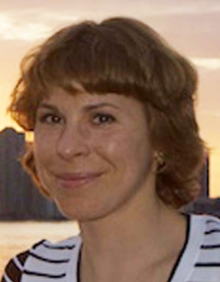
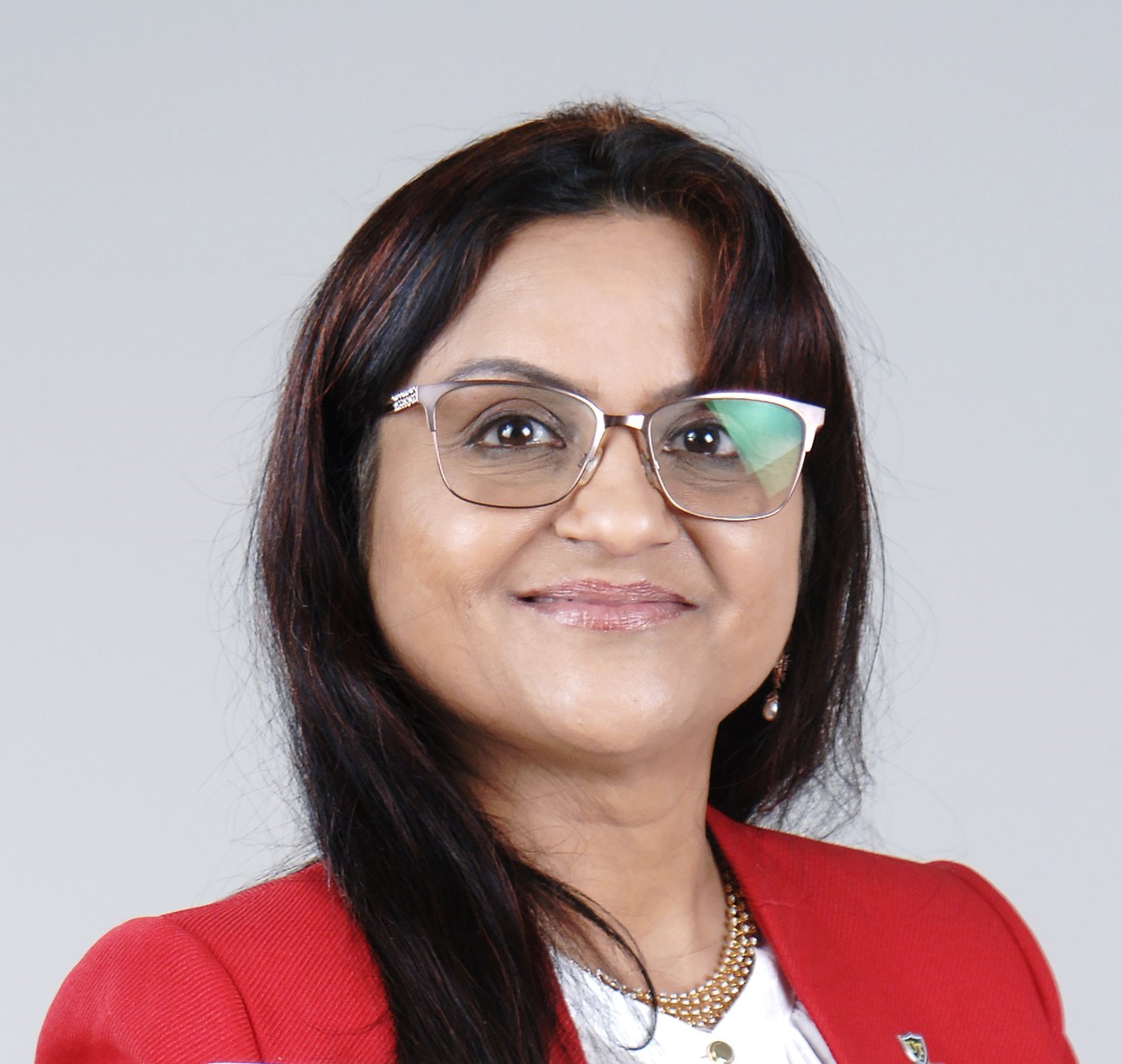
Tatiana Andreyeva, PhD, is Associate Professor and Director of Economic Initiatives at the Rudd Center for Food Policy and Health within the University of Connecticut. She specializes in economic incentives shaping food choices, price elasticity, and taxation policies related to sugar-sweetened beverages, with notable development of the Rudd Center Revenue Calculator for beverage taxes. PhD in Policy Analysis, Pardee RAND Graduate School (2006) MPhil in Policy Analysis, Pardee RAND Graduate School (2003) MA in Economics, National University Kiev-Mohyla Academy (2000) BA in Economics, International Solomon University (1997, with honors) Her research spans food policy economics, focusing on federal nutrition assistance programs (WIC, SNAP), obesity prevention strategies, and health disparities. Recent studies examine breastfeeding trends post-formula shortages, CACFP implementation challenges, and the intersection of maternal employment with infant feeding practices. She has served as Principal Investigator for grants from NIH, USDA Economic Research Service, and Robert Wood Johnson Foundation. Previously, she worked at RAND Corporation on health policy issues including obesity, mental health, and retirement behavior.
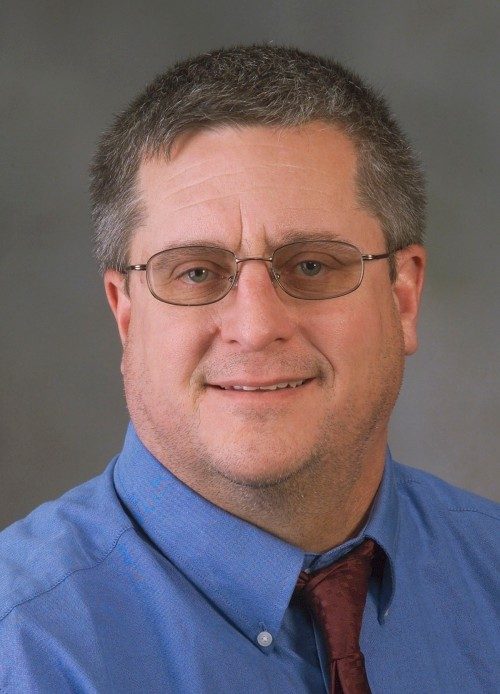
W. Cully Hession is a Professor and Graduate Program Director in the Biological Systems Engineering (BSE) department at Virginia Tech , where he has served since 2012. He directs the StREAM Lab , focusing on ecological engineering , stream restoration , and human-natural system interactions . His career spans roles at the University of Vermont and the Academy of Natural Sciences of Philadelphia. Education : PhD in Biosystems Engineering (Oklahoma State), MS & BS in Agricultural Engineering (Virginia Tech) Licensure : Professional Engineer (VA), Certified Ecological Designer (AEES) Research Interests center on stream channel processes , floodplain connectivity , UAV applications , and climate resilience . Current projects include Beaver Dam Analogs for stream restoration, drone-based LiDAR for floodplain mapping, and virtual watershed exhibits to bridge community-scientist dialogue. His work integrates hydrology , ecological design , and interdisciplinary education . Scientific Contributions include 15 recent articles on topics like UAV monitoring , streambank erosion , and antibiotic resistance in soils . He has secured over $278,911 in USDA funding for undergraduate research training and leads NSF-REU initiatives involving 14 faculty across 5 colleges. Awards : Fellow of the American Ecological Engineering Society (2024), UCOWR Education & Public Service Award (2021), and VT-BSE Faculty of the Year (2006, 2019). Teaching & Outreach includes directing BSE design projects and co-developing Virtual Watershed exhibits. As Graduate Program Director, he expanded BSE enrollment from 40 to 70 students and secured $50k+ for graduate recruitment. The StREAM Lab engages 14+ classes across 4 colleges with real-time monitoring data.
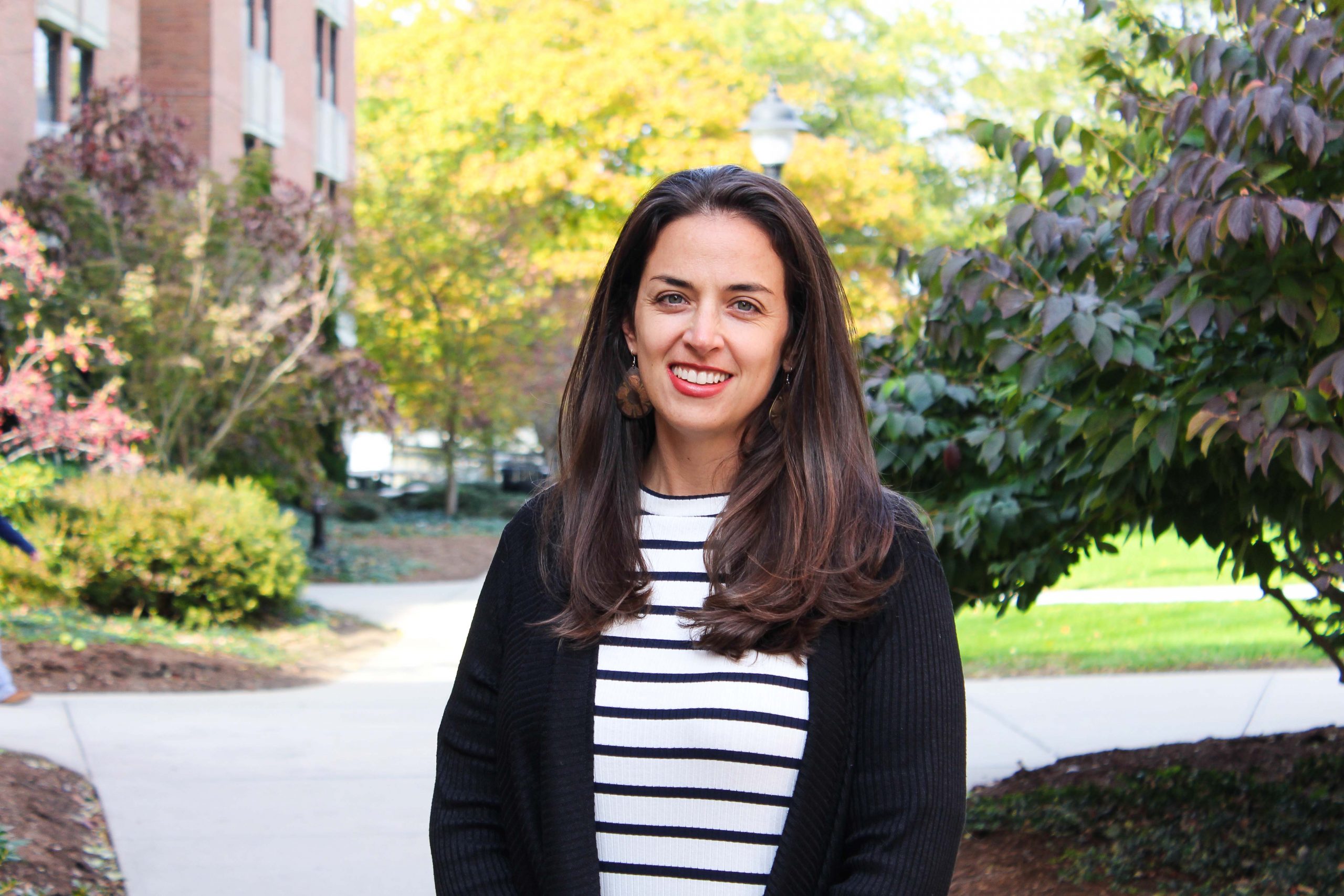
Lisa Eaton is a Professor in the Department of Human Development and Family Sciences at the University of Connecticut. Her research focuses on health and well-being development across the lifespan, advanced quantitative methods for social sciences, ecological approaches to disease prevention, health disparities interventions, and community-based programs. She holds a PhD from the University of Connecticut (2009) and completed a Post Doctoral Fellowship at Yale University (2010). Education: PhD, University of Connecticut (2009) Post Doctoral Fellowship, Yale University (2010) Dr. Eaton’s recent publications emphasize HIV prevention, stigma reduction, health disparities among sexual and gender minorities, mental health, and intersectional approaches to public health challenges. She explores topics such as PrEP uptake, syndemic theory, structural stigma, and the impact of social determinants on biomedical outcomes. Her work often employs advanced statistical methods like latent profile analysis and geometric intersectional stigma scales. Her articles highlight interventions addressing HIV prevention among Black and Hispanic/Latino populations, including studies on medication adherence, substance use interactions, and the effects of stigma on healthcare engagement. She also investigates broader public health issues like the anti-vaccination movement, pandemic-related healthcare disruptions, and LGBTQ+ youth well-being. Dr. Eaton can be contacted via email at lisa.eaton@uconn.edu .
Linda S Ehrlich-Jones serves as Research Professor in the Department of Physical Medicine and Rehabilitation at Northwestern University's Feinberg School of Medicine, with primary affiliation at the Shirley Ryan AbilityLab. She maintains dual institutional connections through the Institute for Public Health and Medicine (IPHAM) - Center for Health Services & Outcomes Research and the Northwestern University Clinical and Translational Sciences Institute (NUCATS). Her educational foundation includes a PhD from the University of Illinois, Chicago (2001). Dr. Ehrlich-Jones specializes in behavioral interventions for chronic illness management, particularly developing motivational interviewing protocols to enhance physical activity and nutrition among arthritis and spinal cord injury patients. Her research bridges clinical rehabilitation with public health outcomes, emphasizing patient-centered approaches to lifestyle modification in vulnerable populations. Recent publication trends reveal concentrated expertise in spinal cord injury adaptation (37% of recent works), orthopedic rehabilitation trials (25%), and employment/vocational support systems (21%), with consistent application of mixed-methods approaches. Her work increasingly incorporates patient lived experience perspectives alongside clinician insights. Major recognitions include: Addie Thomas Service Award, Association of Rheumatology Health Professionals (2014) Fellow, American Congress of Rehabilitation Medicine (2023) Fellow, American Academy of Nursing (2021) She directs active clinical trials including the Parkinson's Disease physical activity study (NCT03329833) testing motivational interviewing against digital tracking tools. Professional leadership spans presidential roles in the Association of Rheumatology Health Professionals (2009-2011) and current chair positions in ACRM's Awards Committee and Measurement Special Interest Group. Her industry collaborations with NIH, Paralyzed Veterans of America, and Movement is Life demonstrate translational research impact. Based at the Shirley Ryan AbilityLab's 14th floor facility, she leads interdisciplinary teams integrating rehabilitation psychologists, occupational therapists, and biostatisticians to develop evidence-based lifestyle interventions for chronic conditions.
Katherine Alaimo is an Associate Professor at Michigan State University's College of Agriculture & Natural Resources , directing the Sustainable Agriculture and Food Systems Minor and Specialization. She works in the Department of Food Science and Human Nutrition , focusing on nutritional epidemiology and community-based participatory research. PhD in Community Nutrition (minor fields: Epidemiology and Government/Ethics), Cornell University, 2000 MS in Community Nutrition, Cornell University, 1997 BS with Honors in Nutritional Sciences, Cornell University, 1991 Her research explores food justice , urban agriculture , school nutrition policies , and pro-environmental behaviors . Recent publications examine compost amendments' microbial impacts, pandemic gardening trends, and randomized trials on community gardening's health benefits. Key article trends include interdisciplinary studies of soil-human microbiome interactions , behavioral interventions in schools , and social-emotional wellbeing through gardening . She contributes to journals like Lancet Planetary Health and Urban Forestry & Urban Greening . She teaches courses including HNF 150 – Introduction to Human Nutrition and CSS 826 – Sustainable Agriculture Capstone Seminar . Her outreach includes the Community Activation for Prevention Study and Keep Growing Detroit Storytelling Project .
Tess Killpack is an Associate Professor in the Department of Biology at Salem State University. She specializes in biology education, focusing on skill-building in introductory courses, active and inclusive pedagogy, and faculty professional development for inclusive practices. Lead Faculty for Biology Secondary Education Biological Systems (BIO105) Course Coordinator Her research emphasizes pedagogical innovation, including equity-focused lab course redesign, scaffolding experimental design skills, and integrating inclusive teaching practices. She collaborates on projects involving DNA barcoding, remote-learning frameworks, and curriculum interventions for anti-racism in biology education. Her publications span biology education, ecological immunology, and environmental science, with recent work centered on inclusive teaching tools like First-Day Info Sheets and Deep Teaching Residency workshops. Key presentations include invited webinars and practitioner workshops at institutions like Howard Hughes Medical Institute and DePauw University. Scientific Awards : Editor’s Choice, Journal of Avian Biology (2013) She has delivered numerous refereed and invited presentations on inclusive pedagogy, including collaborations with Bryan Dewsbury on the Deep Teaching Residency program. Her teaching portfolio includes courses in DNA barcoding, biology internships, and methods of teaching secondary science.
Laura Forastiere is an Associate Professor of Biostatistics at Yale School of Public Health and affiliated faculty at the Yale Institute for Global Health. Her research focuses on causal inference methods for complex clustered and network data, addressing challenges in global health, environmental health, and social epidemiology. Ph.D. in Statistics, University of Florence (2015) Postdoctoral training at Harvard University Former Postdoctoral Associate at Yale Institute for Network Science Research domains include: Methodological development for causal inference under network interference Behavioral interventions leveraging social networks Applications in low/middle-income countries (malaria, HIV, maternal/child health) Environmental exposure modeling (PM2.5, pollution transport) Her 15 most recent publications (2023-2025) span journals in biostatistics, epidemiology, and network science. Key themes involve network interference modeling (6/15), global health applications (5/15), and environmental health impacts (3/15). Scientific awards: Yale Global Health Spark Award (2023), Young Protagonist Researchers (2016) Collaborations: Yale Institute for Network Science, Center for Methods in Implementation and Prevention Science Active in public health practice across Africa and Latin America
Raphael Tiziani is a Fixed-term Researcher (RTDa) at the Faculty of Agricultural, Environmental and Food Sciences, Free University of Bolzano, Italy, where he has been employed since 2021. His teaching portfolio includes Analytical Chemistry for Agricultural, Food and Mountain Environmental Sciences, and Wood Chemistry/Laboratory for Wood Technologies programs. He earned a Bachelor's Degree in Agricultural and Environmental Sciences (2015), followed by a PhD in Food Engineering and Biotechnology (2021) from the Free University of Bolzano, and a Master's in Agri-Food Biotechnology (2017) from the University of Verona. Dr. Tiziani's research focuses on plant adaptation to abiotic stresses, particularly nutrient deficiencies (iron/phosphorus) and microplastic contamination. He investigates root exudation dynamics, rhizosphere interactions, and carbon fractionation in plants, with applications in soil carbon sequestration (SCOOP project) and innovative root exudate mapping techniques (DGT EXUDATES project). His work extends to extreme environments including the Galápagos Islands. Analysis of his 2021-2025 publications reveals strong thematic continuity in microplastic-plant-soil interactions, nutrient stress physiology, and soil health assessment. Key trends include methodological innovations in root exudate sampling, cross-species stress response comparisons, and translational applications for sustainable agriculture. He actively contributes to major research initiatives: DGT EXUDATES : Development of millimeter-resolution root exudate mapping SCOOP : Soil carbon sequestration in apple orchards via cover cropping HuMUS (Horizon Europe): Soil health fact sheets and land management frameworks ECHO (Horizon Europe): Citizen-engaged soil toolkit development Committed to the university's third mission, he translates complex research for policymakers and young citizens through science communication initiatives focused on soil health and climate change mitigation.
Emily S. Gurley is a Professor at the Bloomberg School of Public Health , Johns Hopkins University . She holds primary affiliations with the Department of Epidemiology (Division of Infectious Disease Epidemiology) and Center for Global Health . Her work spans research, teaching, and field operations in Bangladesh , where she has led initiatives in outbreak detection and disease surveillance since 2003. Education: PhD, Johns Hopkins Bloomberg School of Public Health (2012) MPH, Emory University (2002) BA, Oglethorpe University (1996) Research Focus centers on emerging infectious diseases , particularly Nipah virus and arboviruses , using a One Health framework. She emphasizes disease surveillance , outbreak investigation , and transmission dynamics at the human-animal-environment interface. Her projects include CHAMPS (Child Health and Mortality Prevention Surveillance) in Bangladesh and collaborations with the US CDC . Notable Trends in Research include the intersection of zoonotic spillover , genomic epidemiology , and public health policy , with a focus on Bangladesh and South Asia . Her work addresses pandemic preparedness , vaccine trials , and antimicrobial resistance in low-resource settings. Scientific Awards include: Excellence in US COVID-19 Public Health Practice (Coursera, 2021) Coursera Innovation Award for Contact Tracing Course (2021) Shikani/El-Hibri Prize for Discovery (2020) Inaugural Abe Lilienfeld Student Award (2011) Advising and Collaborations highlight her mentorship of junior scientists and leadership in interdisciplinary studies. She serves on the WHO Nipah Virus Taskforce and contributes to global CHAMPS and Global Disease Detection programs.
Joanne Bradbury serves as Senior Lecturer in Evidence-Based Healthcare within the Faculty of Health at Southern Cross University. Her interdisciplinary expertise bridges clinical practice, nutritional science, and biostatistics, with a focus on translating research into patient-centered care through innovative methodologies like N-of-1 clinical trials. Her academic credentials demonstrate remarkable breadth: Bachelor of Arts (Psychology/History) from University of New South Wales (1983-1985) Bachelor of Naturopathy (Honours) from Southern Cross University Graduate Certificate in Academic Practice from Southern Cross University Graduate Diploma in Biostatistics from University of Sydney PhD in Nutritional Pharmacology from University of Queensland Dr. Bradbury's research program centers on the nexus between nutrition and mental health, particularly examining how dietary patterns, omega-3 fatty acids, and complementary medicine interventions influence psychological stress and positive mental health outcomes. Her methodological specialization in clinical trials analysis—especially N-of-1 designs—enables personalized evidence generation for chronic conditions. Current projects investigate diet-mood relationships, probiotics for pain management, and trauma-informed yoga interventions, all emphasizing patient self-management and integrative care models. Analysis of her 15 most recent publications reveals strong interdisciplinary trends: 60% address mental health applications of nutrition/complementary medicine, 25% focus on methodological innovation (particularly N-of-1 trials), and 15% examine healthcare system integration. Key thematic clusters include dietary patterns in depression, non-invasive diagnostics for chronic conditions, and workforce capacity in public health—with consistent emphasis on Australian population contexts and patient-centered outcomes. Dr. Bradbury has secured nearly $1 million in research funding through multi-disciplinary collaborations that collectively sought $3.5 million. She currently supervises six higher degree research students across topics including diet-mental health relationships, probiotics for chronic pain, and yoga for psychological wellbeing—building on her track record of successfully guiding two PhD and one Masters student to completion. She co-founded the SCU N-of-1 Clinical Trials Unit through industry partnerships, establishing Australia's first dedicated training program for practitioner-researchers in personalized trial methodology. This initiative has conducted three annual cohort training cycles and positioned her as a regular contributor to the International Collaborative Network for N-of-1 Clinical Trials Network through evidence-based blog content.
Bhibha Mayee Das is an Associate Professor in the Department of Kinesiology at East Carolina University's College of Health and Human Performance. With a translational research focus bridging practice and research, she develops sustainable physical activity interventions for chronic disease management among college students, workplaces, and underserved populations. Member of American College of Sports Medicine Active in National Association of Chronic Disease Directors (2016-2023) Recipient of multiple ECU teaching and research awards Her research emphasizes type 2 diabetes prevention , community-based health programs , and workplace wellness initiatives , particularly for African American women and university staff. Recent publications highlight innovative interventions involving music therapy for caregivers and digital health promotion strategies. Awardees include: 2018-2019 Scholar-Teacher Award 2018 Campus Living Honored Instructor 2017 Pioneer Spirit Award 2016 Mentor Award Nominee She has secured multiple NIH and foundation grants for interventions including Project MOMS , Soul FOOD , and MY CARE programs targeting Parkinson's caregivers. Her teaching integrates service-learning models with community partnerships, particularly involving shelter dogs for student wellness programs.
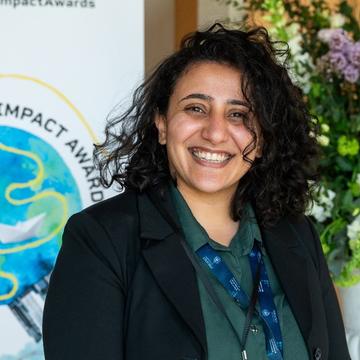
Dr Mona Ibrahim is a Research Fellow at the University of Oxford's Department of Social Policy and Intervention and an Associate Fellow of Nuffield College, serving as Strategic Policy Lead for high-impact collaborations with UN agencies, governments, and civil society in fragile and conflict-affected contexts. Her work focuses on evidence-based policy to strengthen social protection and public health systems across sub-Saharan Africa, with recent leadership in re-imagining humanitarian-development-peace nexus programming. Her educational foundation includes a medical degree from Sudan, providing frontline clinical experience in conflict zones that directly informs her research approach. This background enables unique integration of clinical insights with policy design for vulnerable populations. Dr Ibrahim's research centers on building age-sensitive, gender-transformative social protection systems in crises, with six core pillars: Community-led mutual aid models for social assistance Adolescent-friendly health services integration Cash 'plus' interventions for HIV and food security Violence prevention in welfare systems Gender-responsive programming in conflict settings Health system resilience during political transitions Her Sudan-focused portfolio navigates fragmented governance to develop ground-up protection mechanisms. Analysis of her 15 most recent publications reveals consistent emphasis on social protection as a cross-cutting enabler for health and development goals in conflict zones, particularly highlighting how food security interventions reduce HIV vulnerability among adolescents and how community-based surveillance systems function amid health system collapse. Key geographic focus remains Sudan and sub-Saharan Africa with strong methodological diversity including capture-recapture mortality studies and systematic reviews of HIV responses. Recognition for her contributions includes: Two departmental awards for excellence (2024) Highly commended for the 2025 Social Science Impact Awards She leads a major funded portfolio on Sudanese social protection systems through the Centre for Evidence-Based Intervention, convening high-level dialogues with the African Union and WHO to reframe social assistance in conflict zones. Her partnerships with WFP, WHO, and UNDP translate research into regional frameworks for adolescent health and cash programming. Based at Oxford's Centre for Evidence-Based Intervention, Dr Ibrahim co-leads the CEBI research groups on Child and Family Welfare, Public Health, Social Inequality, and Violence Prevention. She actively shapes global policy through advisory roles in the WHO Partnership for Maternal, Newborn and Child Health, Inter-agency Task Team on HIV in Emergencies, and African Union’s Calestous Juma Executive Dialogues.
Donna Roberson is a Professor in the Advanced Nursing Practice and Education department at East Carolina University's College of Nursing. She maintains an active research and scholarly profile with numerous publications spanning gerontology, dementia care, HIV/AIDS nursing, and bariatric surgery. Her work demonstrates a strong commitment to addressing healthcare disparities, particularly for rural populations and older adults. College of Nursing, East Carolina University Member, North Carolina Nurses Association (2024) Member, Association for Gerontology in Higher Education (2016-2018) Member, Omicron Delta Kappa, Leadership Honor Society (2016) Dr. Roberson's research interests center on geriatric nursing, with particular emphasis on dementia care interventions, HIV prevention in aging populations, and bariatric surgery outcomes. Her work integrates simulation-based education approaches to enhance clinical understanding of complex conditions like dementia. She has pioneered research on rural healthcare access, urinary tract infection detection in long-term care facilities, and the psychosocial aspects of weight loss surgery. Her scholarship bridges clinical practice with educational innovation, focusing on improving outcomes for vulnerable populations including older adults, rural residents, and women at risk for HIV. Analysis of Dr. Roberson's recent publications reveals a strong trajectory in dementia care research, particularly examining simulation-based interventions to improve caregiver understanding. Her work also shows consistent focus on HIV prevention across the lifespan, with growing attention to aging populations living with HIV. The research demonstrates methodological diversity, employing qualitative, quantitative, and integrative review approaches to address complex healthcare challenges in gerontology and rural health settings. Peoples Choice Award Student Research Doctorate Poster (2023) Daisy Award recipient (2022) Treasured Pirate (2021) Roberson Red Ribbon Reviewer (2020) Red Ribbon Reviewer (2020) College of Nursing Hall of Fame (2010) Dr. Roberson serves as Principal Investigator for the Carolina Geriatrics Workforce Enhancement Program (CGWEP), funded by the University of North Carolina Chapel Hill (2024-2026) and previously led the Carolina Geriatric Workforce Enhancement Program (2019-2024) funded by HRSA. She has received multiple grants from the Robert Wood Johnson Foundation for HIV prevention research. Her professional service includes membership on the Association of Nurses in AIDS Care Nominations Committee (2022-2024) and serving as a reviewer for the Journal of Advanced Nursing (2024). Dr. Roberson leads interdisciplinary teams focused on geriatric workforce development and dementia care innovation. Her Carolina Geriatrics Workforce Enhancement Program involves collaboration across multiple institutions to improve care for older adults in Eastern North Carolina. She has developed educational programs for Parkinson's Disease caregivers and implemented community-based initiatives like the SLAM DUNC Brainiac Bootcamp to engage seniors in brain health activities.
Bina Joe , Ph.D., is a Distinguished University Professor and Chair of the Department of Physiology and Pharmacology at the University of Toledo College of Medicine and Life Sciences. She serves as the Founding Executive Director of the Center for Hypertension and Precision Medicine and Principal Investigator of the Program in Physiological Genomics. With appointments at the University of Toledo since 2004 and current roles in leadership and research, her work bridges genetic, physiological, and microbiome-based mechanisms in cardiovascular diseases. Research areas include hypertension genetics, gut microbiome-cardiovascular links, and precision medicine Key methodologies: systems biology, CRISPR engineering, and microbiome profiling Scientific Awards & Honors Fellow of the American Heart Association (FAHA, 2010) Distinguished University Professor (2017) President’s Awards for Excellence in Grantsmanship (2019, 2017, 2015) Ernest Starling Distinguished Lectureship (2022) Over 20 national/international awards and fellowships Her research team utilizes rat models to dissect genetic and microbiotal contributions to hypertension, with translational applications in human disease. Recent work emphasizes gut microbiota-diet-host interactions, epigenetic mechanisms (e.g., histone β-hydroxybutyration), and novel therapeutic targets for metabolic and cardiovascular disorders. Publications span top-tier journals like Cell , Nature Communications , and Physiological Genomics , with recurring themes of sex-specific regulation and microbiome engineering.
Professor Michael Hamlin serves as a full Professor in the Department of Tourism, Sport & Society at Lincoln University, New Zealand, where he directs the Sport and Exercise Science Laboratory and chairs the Environment, Society and Design Research Committee. His academic leadership spans over two decades with continuous appointments since 1999. Hamlin specializes in exercise physiology with world-renowned expertise in altitude/hypoxic training applications. His interdisciplinary research bridges elite athletic performance (including work with British & Irish Lions rugby and Olympic triathletes) and health outcomes for sedentary populations and chronic disease patients. Key research domains include concussion mechanisms in rugby, blood flow restriction training, and physiological adaptations to hypoxic environments. His work directly informs altitude training guidelines for elite sporting organizations globally. As a triple Fellow of the American College of Sports Medicine, European College of Sport Science, and Sport and Exercise Science New Zealand, Hamlin maintains significant editorial roles including Frontiers in Sports and Active Living. His research impact extends through media engagement with major publications and broadcasts, plus strategic partnerships with High Performance Sport New Zealand and national sporting bodies. Current projects examine hypoxic basketball training, concussion biomechanics, and protein supplementation effects on aging populations. Fellow of the American College of Sports Medicine Fellow of the European College of Sport Science Fellow of Sport and Exercise Science New Zealand Hamlin actively supervises PhD candidates investigating blood flow restriction, rugby head impacts, and pediatric physical activity while maintaining robust industry partnerships including the Asia Pacific Football Academy development. His leadership in negotiating the Athlete Friendly Tertiary Network memorandum demonstrates commitment to balancing elite athletic and academic development. Current research directions focus on hypoxic conditioning mechanisms, rugby safety innovations, and translational applications of exercise physiology across the human performance spectrum.