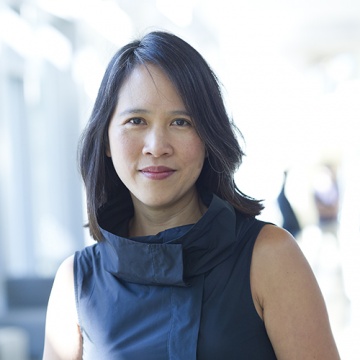
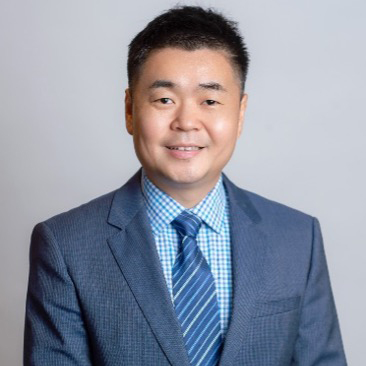
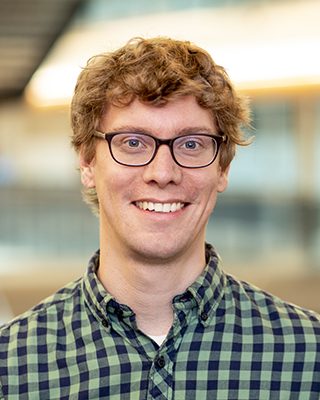
Lily L. Tsai is the Ford Professor of Political Science at the Massachusetts Institute of Technology (MIT) and founder/director of the MIT Governance Lab (MIT GOV/LAB). She previously chaired the MIT Faculty and focuses her research on governance, accountability, and political participation in developing contexts, particularly Asia and Africa. Her research explores how decentralization, democratic reforms, informal institutions, and economic development influence public goods provision. She also investigates the dual impacts of social capital and civil society on political outcomes, and analyzes political behavior in authoritarian and transitional systems through surveys, interviews, and field experiments. Recent publications span topics including collective governance, vaccine compliance in Uganda, anticorruption strategies in China, and the role of informal institutions in rural China. Tsai’s work appears in journals like American Political Science Review and World Development . Dogan Award for best book in comparative research (2007-08) She leads interdisciplinary projects such as the Compass Initiative (SHASS Education Innovation Fund) and The Science of Respect with MIT’s Brain and Cognitive Sciences department. MIT GOV/LAB, which she founded in 2014, emphasizes real-time empirical collaboration between researchers and practitioners to address governance challenges.
Verdiana Grace Masanja is a Tanzanian mathematician and the first woman from Tanzania to earn a Doktor-Ingenieur (Doctor of Engineering) in mathematics. She holds the rank of Full Professor of Applied and Computational Mathematics at the Nelson Mandela African Institute of Science and Technology (NM-AIST). Born in 1954, she pursued her education at the University of Dar es Salaam (BSc and MSc in Mathematics) and earned her doctoral degree from the Technical University of Berlin. Her research focuses on fluid mechanics, optimal control theory, and mathematics education advocacy. She has been a leading advocate for girls' and women's participation in STEM, serving in prominent roles such as Vice-President for Eastern Africa on the African Mathematical Union's executive committee and chairperson of the Tanzania Education Network. Education: BSc (Mathematics & Physics, UDSM, 1976); MSc (Mathematics, UDSM, 1981); Doktor-Ingenieur (Technical University of Berlin, 1986). Research interests include applied mathematics with a focus on education equity. Her recent work combines optimal control methods with biological systems modeling, as seen in studies on disease dynamics and nanofluid behavior. Awards: 2011 UDSM Golden Outstanding Award for contributions to mathematics education. Leadership roles include coordinating initiatives like Female Education in Mathematics in Africa and serving on commissions such as the Commission on Women in Mathematics in Africa.
David Noyce is a Professor and Executive Director of the Traffic Operations and Safety (TOPS) Laboratory at the University of Wisconsin-Madison's Department of Civil & Environmental Engineering. He also serves as Associate Director of the Safety Research Using Simulation (SaferSIM) Center, a University Transportation Center. His work focuses on transportation safety, traffic operations, and automated/connected vehicle systems. Key roles include leading over $35M in research since 2003 through the TOPS Lab and advancing technologies like V2V/V2I communication, winter maintenance strategies, and work zone safety. Education: PhD (Texas A&M, 1999), MS (Civil Engineering, UW-Madison, 1995), MBA (UW-Whitewater, 1994), BS (UW-Madison, 1984). Research interests span traffic control devices, driver behavior analysis, crash reconstruction, and multi-modal transportation systems. He pioneered the national implementation of flashing yellow arrow signals and developed the Wisconsin Connected and Automated Transportation Consortium. Current projects include C-V2X localization frameworks, automated vehicle safety testing, and winter maintenance efficiency. Recognized with 20+ awards, including ITE and ASCE Fellowships and the Dr. Arthur F. Hawnn Professorship. His labs offer full-scale driving simulators and field-testing capabilities for real-world validation of innovations.
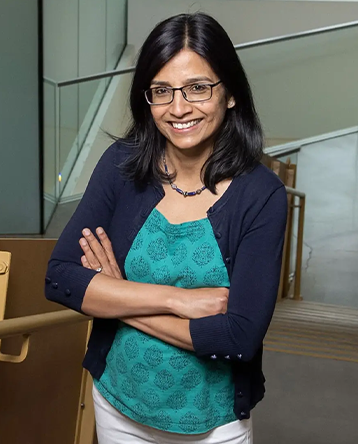
Aarti Singh is a Professor in the Machine Learning Department at Carnegie Mellon University and Director of the NSF AI Institute for Societal Decision Making. She leads research at the intersection of machine learning, statistics, and decision making, with applications to scientific and societal domains. Her work focuses on designing principled interactive algorithms for learning and decision making under uncertainty. Education: Ph.D. in Electrical Engineering, University of Wisconsin-Madison (2008) M.S. in Electrical Engineering, University of Wisconsin-Madison (2003) B.E. in Electronics and Communication Engineering, University of Delhi (2001) Research Interests: Professor Singh's research centers on developing interactive machine learning algorithms that go beyond finding input-output associations to make higher-level decisions about the most informative data and actions. Her work spans autonomous decision making, including active sampling, stochastic optimization, bandits, and reinforcement learning that are statistically optimal, computationally tractable, and robust. She also investigates human factors in decision making, designing algorithms that model and leverage human feedback while accounting for bias, memory effects, and calibration. Her research has applications in material science, cosmology, and peer review systems. Research Trends: Professor Singh's recent publications demonstrate a strong focus on reinforcement learning, particularly in developing more efficient and robust algorithms for decision making under uncertainty. Her work bridges theoretical foundations with practical applications, spanning from fundamental algorithm development to real-world implementation in scientific domains. There's a clear trajectory toward integrating human factors into decision-making algorithms, with significant contributions to peer review systems and preference learning. Scientific Awards: NSF Career Award United States Air Force Young Investigator Award A. Nico Habermann Faculty Chair Award Harold A. Peterson Best Dissertation Award Multiple paper awards Advising and Grants: Professor Singh has advised numerous PhD and master's students, many of whom have gone on to faculty positions or research roles at leading institutions. Her research is supported by prestigious grants from ONR, Simons Foundation, AFRL, ARL, and NSF. She serves as General Chair (2025) and Program Chair (2020) for the International Conference on Machine Learning (ICML) and has held leadership roles in multiple professional organizations. Research Team: Professor Singh leads a vibrant research group within the Machine Learning Department at CMU, with current PhD students working on topics including reinforcement learning, human-AI collaboration, and decision making under uncertainty. She also directs the NSF AI Institute for Societal Decision Making, which brings together researchers from multiple disciplines to develop AI systems that support human decision making in societal contexts.
Dr. Carolyn Emery is a Professor in the Faculty of Kinesiology at the University of Calgary, with joint appointments in Pediatrics and Community Health Sciences at the Cumming School of Medicine. She holds leadership roles as Chair of the Sport Injury Prevention Research Centre (an International Olympic Committee Research Centre) and the Alberta Children’s Hospital Research Institute. Her affiliations include the McCaig Institute for Bone and Joint Health, Hotchkiss Brain Institute, and O’Brien Institute for Public Health. Dr. Emery’s education includes a BScPT from Queen’s University (1988), MSc in Epidemiology from the University of Calgary (1999), and PhD in Epidemiology from the University of Alberta (2004). Her research focuses on injury prevention in youth sports, concussion, and pediatric rehabilitation, aiming to reduce long-term health consequences such as osteoarthritis and post-concussion syndrome. She leads major grants including CIHR’s “SHRed Injuries” and NFL-funded concussion surveillance programs. Her research interests emphasize practical interventions for injury prevention, including neuromuscular training and policy changes. Recent work explores concussion outcomes in adolescents, biomechanical injury mechanisms, and global sport safety initiatives. She has published extensively on topics like sport-related musculoskeletal injuries, concussion management, and the epidemiology of youth sports. Dr. Emery has received over 20 awards, including the Royal Society of Canada Fellowship, Killam Professorship, and CIHR Canada Research Chair. Her work bridges clinical practice, policy, and community engagement to enhance public health outcomes in sports and youth recreation. Her lab, the Sport Injury Prevention Research Centre, collaborates internationally to develop evidence-based strategies for injury prevention. Current projects include evaluating the impact of tackle laws in rugby, head acceleration in wrestling, and long-term consequences of pediatric concussions.
Andrew Mitchell is a Professor at the Faculty of Law, Monash University, and a member of the WTO Dispute Settlement Panelists Indicative List. He has extensive legal practice experience with Allens Arthur Robinson and consults for governments, international organizations, and the private sector. Mitchell has taught law in Australia, Canada, Indonesia, Singapore, and the US. He holds law degrees from the University of Melbourne, Harvard Law School, and a PhD from the University of Cambridge. His research focuses on international economic law, public international law, and digital trade governance, with a particular emphasis on the intersection of trade law and public health. Mitchell has secured six major grants, including an Australian Research Council Future Fellowship, and has authored over 170 books and articles. He serves as an editor for Edward Elgar’s International Economic Law Series and multiple journal editorial boards. Recent projects include 'Safeguarding Health in International Investment Agreements' (2022–2025) 'Maritime Cooperation for a Sustainable Indo-Pacific' (2021–2022) 'Global E-Commerce and Cottage Industries in India' (2020–2021) He has contributed to policy submissions on bilateral investment treaties and delivered lectures on data sovereignty and digital trade. His awards include editorial leadership roles at journals like the Journal of World Investment and Trade and Asia Pacific Law Review .
Jared M. Trujillo is an Associate Professor of Law at the CUNY School of Law. He teaches Constitutional Law, legal writing, and courses focused on the criminal and juvenile legal systems. Previously, he served as Senior Policy Counsel at the New York Civil Liberties Union, President of the Association of Legal Aid Attorneys, and as a criminal defense attorney at the Legal Aid Society NYC. He also taught as an adjunct professor at Hofstra University School of Law from 2016 through 2021. CUNY School of Law - Associate Professor New York Civil Liberties Union - Senior Policy Counsel Legal Aid Society NYC - Juvenile Defense Attorney Hofstra University School of Law - Adjunct Professor His research and advocacy focus on sentencing reform , bail policy , solitary confinement , policing of LGBTQ+ communities , Communications Decency Act Section 230 , foster care , and decriminalization of sex work . His publications analyze legislative impacts, systemic inequalities, and policy advocacy within criminal and juvenile legal systems. Jared's recent law review article on sentencing reform (2023) explores multigenerational poverty reduction through legal system changes. His 2022-2023 essays address solitary confinement ethics, policing reform, and bail system critiques, reflecting ongoing engagement with media and policy debates.
Adriana Kovashka is an Associate Professor at the University of Pittsburgh , affiliated with the School of Computing and Information and serving as Department Chair . Her academic journey began with BA degrees in Computer Science and Media Studies from Pomona College (2008) and a PhD in Computer Science from The University of Texas at Austin (2014). Joined Pitt’s faculty in January 2015 NSF CAREER awardee (2021) Google Faculty Research Award recipient Dr. Kovashka’s research spans Computer Vision , Machine Learning , and Natural Language Processing , focusing on visual rhetoric, weak multimodal supervision, and domain adaptation. She pioneered techniques for analyzing political imagery, developing robust object detection frameworks, and exploring the intersection of visual and textual persuasion through large-scale annotated datasets. Her recent work emphasizes geographic diversity in vision-language systems, audio-visual fusion for domain generalization, and shape-texture bias mitigation in CNNs. Key publications include groundbreaking studies on symbolic reasoning, multimodal dialogue systems, and ethical AI applications in education. Scientific honors include: NSF CRII Award (2016) NSF CAREER Award (2021) Pitt CRDF Award (2016, 2018) Best Paper at ECV Workshop (2021) Google Faculty Research Award (2016, 2018) Dr. Kovashka actively mentors students in multimodal learning projects and collaborates with interdisciplinary teams on NSF-funded initiatives. She co-organizes workshops like the first CVPR workshop on advertisement understanding and leads research groups exploring human-AI co-learning systems.
Sean Cao serves as Associate Professor (with tenure) at the Robert H. Smith School of Business, University of Maryland, where he is Director and Co-founder of the AI Initiative for Capital Market Research. He also holds an affiliation as professor at Harvard Business School's D 3 Institute. His academic journey began with a Ph.D. from the University of Illinois at Urbana-Champaign. Dr. Cao's research focuses on the intersection of artificial intelligence and capital markets, with particular expertise in how machine learning transforms financial analysis, corporate disclosure practices, and investment decision-making. His work examines the evolving relationship between human analysts and AI systems, blockchain applications in financial reporting, and the strategic adaptation of corporate communications for machine readership. He has pioneered research on the "AI divide" among investor groups and developed frameworks for human-AI collaborative stock analysis. His publication portfolio spans top journals including Journal of Financial Economics, Review of Financial Studies, Journal of Accounting Research, and Management Science. The research demonstrates consistent thematic progression toward increasingly sophisticated AI applications in finance, with recent work exploring distributed ledger technologies for auditing, machine learning for extracting private information from disclosures, and the economics of greenwashing in ESG funds. His studies frequently combine textual analysis with traditional financial metrics to uncover novel market insights. Fama-DFA Prize from Journal of Financial Economics for best paper in capital markets and asset pricing Michael J. Brennan Award from Review of Financial Studies Deloitte Initiative for AI and Learning award for developing trustworthy AI for social equity PanAgora Asset Management's Dr. Richard A. Crowell Memorial Prize Multiple best paper awards from Midwest Finance Association, Global AI Finance Conference, and Asian Finance Association Dr. Cao has delivered over 200 invited research talks at major institutions including the Central Bank of Japan, Central Bank of Thailand, and U.S. Securities and Exchange Commission. He serves as Guest Associate Editor for Management Science and has co-chaired Review of Financial Studies conferences on FinTech and Machine Learning. His educational initiatives include a widely adopted free AI textbook for finance and accounting that has been implemented at universities worldwide including Indiana University, UT Dallas, and University of Minnesota. As Director of the AI Initiative for Capital Market Research, Dr. Cao leads a multidisciplinary team exploring practical AI applications in finance. The initiative has secured significant funding including a $150,000 grant from GRF CPAs & Advisors. His research group maintains strong industry connections through partnerships with regulatory bodies, financial institutions, and technology companies, facilitating the translation of academic research into practical financial applications.
Darryl Jones is Professor at Griffith University's Centre for Planetary Health and Food Security, specializing in behavioral ecology and human-wildlife interactions. His research examines urban ecosystems, wildlife conflict resolution, and conservation strategies, with particular emphasis on bird ecology and road infrastructure impacts. Professor Jones has authored influential books including 'Feeding the Birds at Your Table' and 'A Clouded Leopard in the Middle of the Road' that bridge scientific research and public engagement. His work explores: Wildlife responses to urbanization Bird feeding practices and consequences Road ecology and mitigation design Human dimensions of conservation Koala-vehicle collision patterns Recent publications document COVID-19's impact on global bird feeding behaviors, analyze 20-year trends in koala road mortality, and evaluate LED streetlight effects on urban wildlife. He leads research on dingo population viability in Fraser Island and develops innovative wildlife monitoring technologies like the open-source WildWID RFID system. Professor Jones collaborates extensively with government agencies on conservation policy and has secured funding for projects examining wildlife crossing infrastructure effectiveness. His research informs evidence-based approaches to human-wildlife coexistence in rapidly changing landscapes.
Dr. Kaya de Barbaro is an Associate Professor in the Department of Psychology at the University of Texas at Austin (College of Liberal Arts). She holds a Ph.D. from the University of California San Diego. Her research focuses on bridging computer science and developmental/clinical psychology, particularly maternal mental health and infant social-emotional development. She directs the Daily Activity Lab, which uses mobile/wearable sensors and machine learning to analyze real-world interactions, aiming to develop just-in-time interventions for new mothers. Key research areas include maternal-infant dynamics, physiological synchronization, and the impact of environmental chaos on development. She has pioneered methods for analyzing high-density data, such as Granger causality and machine learning algorithms to detect behaviors like crying and holding. Recent work emphasizes leveraging ecological momentary assessment surveys and 24-hour LENA audio recordings to understand proximal mechanisms of development. Dr. de Barbaro teaches Psychology 333D (Introduction to Developmental Psychology) and has developed curricula for both in-person and online formats. She is actively involved in training students through the Eureka program at UT Austin. Her lab collaborates on tools like chatbots for postpartum mental health and has published extensively on sensor-based methodologies in developmental science.
Tijana Gajić is a researcher at Singidunum University in Belgrade, Serbia. She holds a Ph.D. in Philology (2020), an MA in English Language and Literature (2009), and a BA in the same field (2007) from the University of Belgrade. Her work focuses on the intersection of language education, digital tools, and critical pedagogy. Doctoral Studies: Philology , University of Belgrade (2017-2020) Master Studies: English Language and Literature , University of Belgrade (2008-2009) Bachelor Studies: English Language and Literature , University of Belgrade (2003-2007) Dr. Gajić’s research explores the impact of digital technologies on language acquisition, critical thinking development, and the sociopolitical dimensions of English language learning. She has published extensively on mobile applications like Duolingo, HelloTalk, and WordUp, analyzing their efficacy in modern pedagogy. Her recent publications (2024-2025) examine digital tools’ influence on language education, critical pedagogy in Serbian classrooms, and AI-driven language learning innovations. Earlier works (2020-2016) established her expertise in tandem learning, vocabulary enhancement via apps, and affective factors in language acquisition. Notable collaborations include partnerships with researchers like N. Maenza , A. Gagić , and J. Nikolić . While no specific grants or awards are mentioned, her involvement in conferences such as Sinteza and ELTA Serbia underscores her active role in advancing language education. Her 2022 book, Nastava stranih jezika i razvoj kritičkog mišljenja u eri neoliberalizma , synthesizes her critical pedagogy framework. Current projects likely continue her focus on digital transformation in language teaching.
Hauke Smidt is a Personal Professor at Wageningen University & Research, affiliated with the Molecular Ecology group within the Faculty of Veterinary Medicine and Animal Sciences. His research focuses on microbial ecology, particularly gut microbiota dynamics, antibiotic resistance, environmental microbiology, and the One Health framework. Smidt has supervised over 50 PhD students and contributed to 519 publications, including studies on microbiome resilience, fermented food impacts, and bioremediation strategies. Education and affiliations include leadership roles in projects addressing antimicrobial resistance, pig health, and drinking water microbiology. His work spans collaborations across Europe and Asia, with notable contributions to understanding microbial community responses to environmental stressors and dietary interventions. Smidt is actively involved in public outreach, as seen in media contributions discussing microbiome research and health benefits. Key projects include aquifer treatment for drinking water, microbiome simulation models, and combating plant pathogens. His awards and recognition are not explicitly listed, but his extensive publication record and project leadership highlight significant academic impact.
Dimitrios Skalkos serves as a Professor at the Department of Chemistry, University of Ioannina, holding the specific title of Professor of Innovation Management in Food Businesses. His office is located in building X2, room X2-206c on the Ioannina Campus (45110 Ioannina), and he leads the Food Chemistry Laboratory. He earned his Basic Degree in Chemistry from the University of Ioannina (1980-1985) followed by a Doctoral Degree from the University of Toledo, USA (1986-1989) with dissertation research on "Di- and Tetrahydroporphyrins: Syntheses and Antitumor Activities". Skalkos's research spans Food Business Management, Food Innovation, and Innovation Management, with specialized focus on Innovation & Entrepreneurship, Aromatic Plants, Innovative Foods, and Strategic Marketing. His work bridges academic research with industry applications in food systems, emphasizing Greek agricultural products and pandemic-era consumer behavior. His 36 publications (2020-2024) reveal strong trends in post-pandemic food innovation, consumer perception of traditional Greek foods, functional food development (particularly olive oil, cheese, and grape by-products), and sustainable agri-food supply chains. Key thematic clusters include traceability systems, bioactive properties of novel foods, and economic impacts on food choices. He has actively supervised Master's and PhD students through departmental presentations, directed 23 research programs, and organized 15 seminars and conferences. His laboratory website ( https://foods.chem.uoi.gr ) showcases ongoing food chemistry innovations.
Tim Althoff is an Associate Professor at the Paul G. Allen School of Computer Science & Engineering, University of Washington, specializing in Artificial Intelligence and Human-Centered Computing. His research focuses on behavioral data science, combining Data Science Natural Language Processing Social Computing Human-Centered AI Ethics & Fairness to extract insights about health and well-being. Recent publications highlight advancements in: Mental health support through AI Wearable sensor health monitoring Online community analysis Reproducibility in data science Public health interventions with notable papers in ACL, Nature Machine Intelligence, and NeurIPS. Scientific recognition includes: ACL 2023 Outstanding Paper Award WWW 2021 Best Paper Award Double ICWSM 2021 Best Paper Awards SIGKDD Dissertation Award 2019 Fulbright Scholarship German National Merit Foundation Actively mentoring postdoctoral researchers and seeking PhD students in areas like neural representation learning, NLP applications to psychology, and mobile health technologies through his Behavioral Data Science Group .