Islam BorincaView profile
Assistant Professor
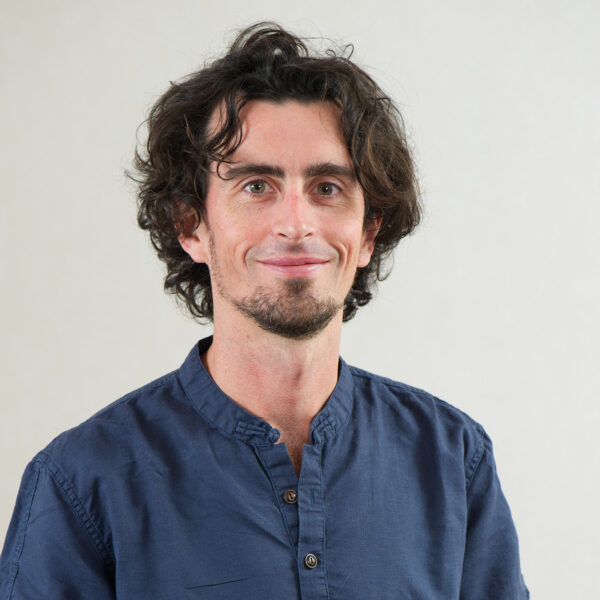
Islam Borinca is an Assistant Professor of Social Psychology at the University of Groningen, Netherlands, within the Faculty of Behavioural and Social Sciences. His research focuses on conflict dynamics, intergroup relations, and reconciliation mechanisms in post-conflict settings. He investigates how techniques like apologies, meta-humanization, and intergroup contact reduce dehumanization and foster social cohesion. Borinca holds a PhD from the Universities of Geneva and Lausanne (2016–2021) and has held academic roles at University College Dublin, University of Limerick, and Université Libre de Bruxelles. He is an Associate Editor of Peace and Conflict: Journal of Peace Psychology and contributes to UNESCO’s Inclusive Policy Lab. Education: PhD in Social Psychology (Geneva/Lausanne, 2016–2021) M.Sc. Counseling & School Psychology (University of Pristina, 2013–2015) B.A. Psychology (University of Pristina, 2008–2012) Research Interests: Conflict resolution, intergroup reconciliation, dehumanization reduction, post-conflict societies, and the psychological underpinnings of collective victimhood. His work emphasizes applying interventions in diverse contexts, such as Kosovo and Northern Ireland. Publications: Over 30 peer-reviewed articles in journals like Journal of Experimental Social Psychology , Personality and Social Psychology Bulletin , and Peace and Conflict . Recent work explores meta-humanization’s role in reconciliation and normative apologies’ impact on victimhood dynamics. Awards: OBRSS Research Support Scheme (UCD, 2022–2025) Heymans Small Collaborative Research Grant (2023) Swiss Federal PhD Scholarship (2016–2020) Grants & Collaborations: Leads projects on societal transitions, reimagining masculinities, and adversity in organizations. Collaborates with interdisciplinary networks like the STAB consortium and UNESCO’s Inclusive Policy Lab. Labs/Teams: Co-leads the Societal Transitions and Behavior Change (STAB) network in the Netherlands, focusing on just societal transitions and behavioral change.