Yuliya Bolotova is an Assistant Teaching Professor (classified as Teaching Professor) in Economics at Iowa State University, with expertise in agricultural economics and industrial organization. She holds a PhD from Purdue University and LL.M. from University of Chicago Law School. Her research analyzes market power, price behavior, and competition in agricultural industries including dairy, beef, pork, and peanuts. She has taught courses in farm business management, agricultural markets, and applied industrial organization at Iowa State, Clemson University, and University of Idaho. Her 15 most recent publications focus on antitrust issues in food manufacturing industries, market structure analysis, and pedagogical methods in agricultural economics education.
Pierre-Olivier Gourinchas is a Professor of Economics and the Angela Chan Professor of Global Management at the University of California, Berkeley's Haas School of Business. He holds dual appointments in the Department of Economics and the Haas School, reflecting his expertise in both academic and applied economic analysis. Previously, he taught at Stanford Graduate School of Business and Princeton University before joining Berkeley in 2003. He earned his PhD from MIT in 1996. His research focuses on international macroeconomics, global imbalances, monetary policy, and financial crises. He explores topics such as exchange rate dynamics, capital flows, sovereign debt, and the implications of geopolitical shifts on global economic stability. His work bridges theoretical models with real-world policy challenges, particularly in addressing issues like the 'exorbitant privilege' of the US dollar and the euro area's institutional reforms. Gourinchas is an editor of the IMF Economic Review and serves on the editorial boards of leading journals. He has received prestigious awards, including the 2007 Bernacer Prize for best European economist under 40 and the 2008 prize for best French economist under 40. His policy-oriented research influences global institutions like the IMF and central banks. His articles since 2020 highlight themes like post-pandemic economic recovery, geopolitical fragmentation's impact on trade, and the challenges of high debt and slow growth. He emphasizes the need for coordinated fiscal and monetary policies to address global economic vulnerabilities. His recent work also examines energy transition dynamics and SME resilience in crises.
Ku'ulei Lewis is a PhD Researcher at the School of Business and Management, Queen Mary University of London. Her research, supervised by Martha Prevezer and Liam Campling, focuses on comparative analysis of biodiversity efforts in Ghana's cocoa and shea production networks. Research interests include sustainable agriculture and biodiversity conservation in West African supply chains Active in studying actor scale impacts on environmental initiatives in commodity production
Dr. Markus Giger is an Associated Senior Research Scientist at the Centre for Development and Environment (CDE) of the University of Bern. His work focuses on global change impacts, sustainable land management, climate adaptation, and land investments. He leads major initiatives like the Land Matrix and contributes to international frameworks such as the UNCCD. Research Interests : - Global environmental and socio-economic changes - Sustainable land use and desertification prevention - Climate change adaptation strategies - Large-scale land acquisitions and agricultural investments - Food security and rural development Key Projects : - Land Matrix Initiative: Global database on land deals - AFGROLAND: Agro-food-energy dynamics in Africa - WOCAT: Knowledge platform on sustainable land management Publications Trends : Recent work analyzes socio-economic, environmental, and pandemic risks linked to land acquisitions. Emphasizes participatory approaches and policy coherence for sustainability. Affiliations : - UNCCD Science-Policy Interface - SDC Agriculture & Food Security Network - Swiss Society for Agricultural Economics
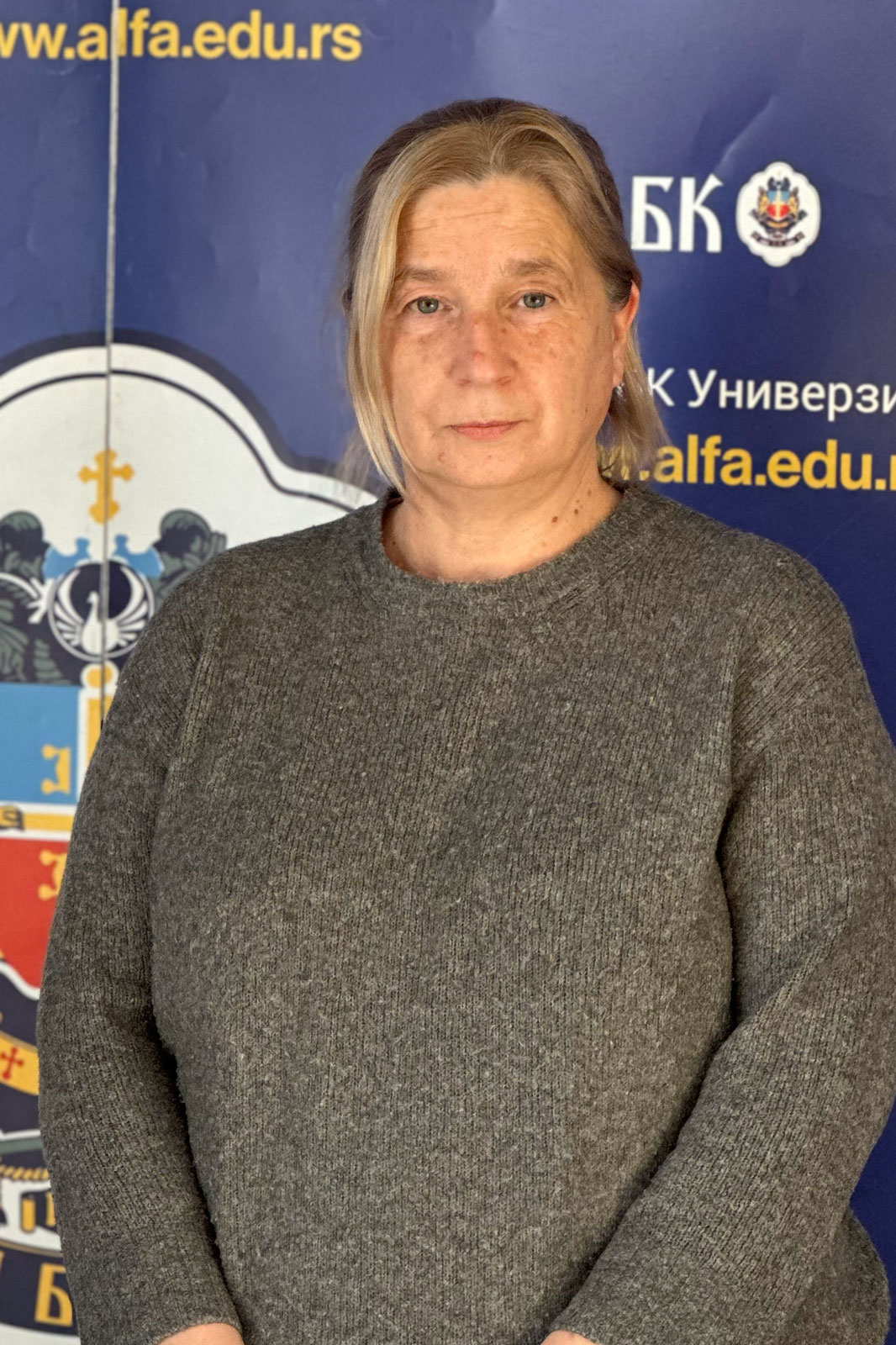
Jelena Krpić is a Lecturer at Alfa BK University, affiliated with the Faculty of Finance, Banking and Auditing. She holds a PhD in Economic Sciences from the Faculty of Finance, Banking, and Auditing at Alfa BK University (2021), a Master's in Economic Sciences from the Faculty of Economics in Belgrade (1998), and a Bachelor's in Economics from the same institution (1992). Her professional experience spans over three decades, including roles in accounting and finance sectors (1992-2007) and as an authorized licensed auditor since 2007. Her research focuses on financial reporting standards, risk management strategies, and sustainability disclosures. Key areas include the application of IPSAS in governmental accounting, materiality concepts in financial statements, and commodity risk mitigation for metal and mining companies. She has also explored professional judgment in IFRS compliance and climate risk disclosure practices. Her work bridges academic research with practical applications, particularly in mining and metal industries. Notable contributions include studies on hedging techniques, foreign currency risk management, and the role of financial statements in corporate decision-making processes.
Catia Cialani is an Associate Professor of Economics at Dalarna University's School of Culture and Society, holding a dual appointment as Senior Lecturer. She previously worked as an economist at the Italian National Agency for New Technologies (ENEA) and the National Council of Economy and Labor (CNEL), and managed projects like ITSdalarna and SAILOR (ERA-NET TRANSPORT). She earned a Ph.D. in Economics from Umeå University, MSc degrees from both Dalarna University and the University of Rome 'La Sapienza', and completed visiting research at UC Berkeley and the University of Florida. Her research focuses on environmental and energy economics, economic growth, applied econometrics, and circular economy. Key interests include sustainable consumption patterns, policy evaluation, SME sector dynamics, and waste management. Teaching responsibilities include intermediate macroeconomics, advanced microeconomics, and supervision of bachelor's and master's theses. Recent work explores topics such as material footprint analysis in circular economies, governance impacts on African growth, and macroeconomic factors affecting EU SMEs. Her studies often employ panel data techniques and policy impact assessments across European regions. Cialani collaborates on EU-funded projects and serves as Programme Director for four master's programs in economics and tourism.
Małgorzata Bombol is a Professor at the SGH Warsaw School of Economics, serving as Deputy Dean of the Doctoral School and Director of the Institute of Value Management within the Collegium of Business Administration. Her expertise centers on consumer behavior, digital consumption trends, and market dynamics of the Polish upper class. She advises international companies and consultancies, specializing in start-up market potential analysis and advanced market research methodologies. Her research spans over 140 publications, covering topics like experience marketing, Web 3.0 impacts, sustainable consumption, and elite consumer behavior. She lectures at universities in Genoa, Munich, Porto, and Lisbon, and actively engages in media commentary on economic and social issues. Research interests include digital transformation of consumer practices, leisure economics, and the socio-economic dimensions of Poland’s emerging upper class. Her work bridges theoretical frameworks with practical applications in marketing strategy and public policy.
Marije Schaafsma is an Associate Professor in the Environmental Economics department at the Institute for Environmental Studies (IVM) of Vrije Universiteit Amsterdam, where she has served as head since 2023. Her research focuses on analyzing the well-being and welfare effects of ecosystem services changes, employing both monetary and non-monetary valuation methods. She is particularly interested in deliberative valuation approaches and environmental justice, alongside integrating environmental factors into poverty statistics. Her work emphasizes interdisciplinary research to advance sustainable development. Education: PhD (Environmental Economics), Vrije Universiteit Amsterdam (2011) MSc (Environment and Resource Management), Vrije Universiteit Amsterdam (2005) MSc (Economics), Vrije Universiteit Amsterdam (2004) Research Interests: Marije’s expertise includes ecosystem service valuation, poverty-environment linkages, and sustainable development goals. She leads projects on climate adaptation pathways, coastal ecosystem management, and biodiversity policy. Her recent work highlights inequities in conservation costs and benefits, advocating for more just valuation frameworks. She co-authored influential studies on global biodiversity hotspots and the transformative role of valuation methods in policy. Projects: Green adaptation pathways for resilient basin futures (2024–2027) Sand nourishment strategies for coastal ecosystems (2024–2029) Planning land use strategies for biodiversity and climate goals (2023–2027) Awards & Activities: Marije serves as a Lead Author for IPBES assessments and Editor-in-Chief at Taylor & Francis. Her research frequently addresses global environmental justice and policy, with over 80 publications in peer-reviewed journals. Collaborations span international institutions, focusing on Africa, Southeast Asia, and Latin America. Labs/Teams: She leads the Environmental Valuation and Sustainability group at IVM, fostering interdisciplinary teams to address complex environmental challenges. Her work intersects with global initiatives like the UN SDGs and IPBES assessments.
Professor Paul Mizen is a Research Professor in Economics and Vice Dean at King’s Business School, King’s College London. Previously, he held roles as Professor of Monetary Economics at the University of Nottingham and Visiting Professorships at leading institutions like Princeton University and the European Central Bank. His research focuses on economic statistics for policy guidance, corporate investment, and productivity, with over 120 publications in top journals. He leads the ESRC Decision Maker Panel and has secured £13m+ in grants. Awards include Fellowships at the Royal Society of Arts and Academy of Social Sciences. Research interests center on monetary/fiscal policy impact, firm behavior during crises, and business survey methodologies. He pioneered the Decision Maker Panel, tracking UK business expectations since 2016. Recent work addresses remote work’s socioeconomic effects, inflation dynamics, and pandemic-driven economic shifts. His advisory roles include the Bank of England, HM Treasury, and the ONS Management Survey board. Grants & Leadership: Principal investigator for ESRC Decision Maker Panel (£13m+ grants), co-founder of Working From Home Survey. Policy Impact: Advised 10 Downing St, Bank of England, and COBRA on economic policy using DMP data. Professional Roles: Chair of Money Macro and Finance Society, member of National Statistician’s Committee, and Productivity Institute Data Lab panel. His work bridges academic research and practical policymaking, emphasizing actionable insights from firm-level data. Current projects include analyzing climate investment strategies and post-pandemic labor market transformations.
Verina Ingram is an Associate Professor at the Wageningen School of Social Sciences (WASS), specializing in Forest and Nature Conservation Policy at Wageningen University. Her research focuses on deforestation dynamics, value chain sustainability, and community forestry governance, particularly in Cameroon, Colombia, and Central Africa. She leads projects addressing the EU Deforestation Regulation, digital traceability in cocoa production, and transformative change pathways for biodiversity and equity. She co-supervises multiple PhD candidates exploring topics like forest restoration, community enterprise viability, and governance of sacred forests. Her work integrates transdisciplinary methods, including participatory action research and multi-stakeholder engagement, as seen in initiatives like the 'Restoration Education' curriculum and the 'TC4BE' project. She has published 188+ research outputs, with recent emphases on palm oil traceability, bushmeat hunting impacts, and the socio-economic performance of community forest enterprises. Ingram actively participates in international conferences and collaborates with organizations like the Wageningen Social & Economic Research institute. Media contributions include expert commentary on deforestation policies and refugee-driven environmental challenges in Cameroon.
Mary Menton is an Assistant Professor in Climate Change and Sustainability at Heriot-Watt University's School of Energy, Geoscience, Infrastructure and Society. She holds affiliations with the University of Glasgow's GALLANT Project and the Guardians Under Pressure initiative. Her research focuses on environmental justice, climate change, and the protection of environmental defenders, particularly in Latin America and Southeast Asia. Joined Heriot-Watt University in 2024, following roles at Sussex University, US institutions, think-tanks, and NGOs. Expertise includes policy analysis, political ecology, and the intersection of environmental conflicts with human rights. Current projects include Glasgow's environmental challenges via the GALLANT Project and Southeast Asian environmental defender support through Guardians Under Pressure. Her research explores violence against environmental defenders, Indigenous rights, and the complicity of NGOs (BINGOs) in resource conflicts. Recent work highlights the impact of climate change on marginalized communities and the role of decolonial frameworks in addressing environmental inequities. Her award-winning Another Sky project combines Indigenous art and activism to document rights violations. Mary's publications emphasize the nexus between environmental policy, social justice, and global trade dynamics. She actively contributes to policy briefs and collaborates with organizations like Not1More to combat environmental conflict root causes. Ongoing work integrates whole-system approaches to urban sustainability and climate resilience.
Peter Luetchford is a Senior Lecturer in Anthropology at the University of Sussex's School of Media, Film and Music. He holds a PhD in Social Anthropology from Sussex (2003), an MA in Anthropology and Sociology from the University of Aberdeen (1986), and has taught in the Department since 2002. Research Interests: His work focuses on Fair Trade, ethical consumption, and the intersection of political/economic anthropology with agrarian change. He has conducted extensive fieldwork in Costa Rica and Andalusia, Spain, examining coffee cooperatives, organic farming, and the politics of food systems in Europe. Publication Trends: His publications span 2005-2021, with recent work analyzing just pricing in organic cooperatives, ethical consumption frameworks, and ESRC-funded studies on European alternative food networks. Earlier works include ethnographies of Fair Trade coffee and bananas in Costa Rica. Research Grants: He has secured funding from the ESRC, Leverhulme Trust, and British Academy for studies on coffee crises, alternative food provision, and violence's impact on agrarian economies. Teaching: He leads modules on political economy, economic anthropology, and food anthropology at undergraduate and MA levels.
Satya Sahoo is an Assistant Professor of Shipping Management and Finance at World Maritime University in Sweden. He specializes in teaching modules including Quantitative Methods and Market Analysis, Maritime Financial Management, and Derivatives & Risk Management for postgraduate, MBA, and executive programs. His research focuses on shipping finance, economic analysis of shipping markets, freight derivatives, and maritime asset management. Key themes include market dynamics, risk assessment methodologies, and economic modeling in maritime contexts. Recent publications demonstrate a consistent focus on shipping market economics, particularly empirical analyses of freight markets, port competition patterns, and innovative risk management approaches. His work frequently employs quantitative methods to model market behaviors.
Valeria Giacomin is an Assistant Professor at the Department of Social and Political Sciences at Bocconi University. Her research focuses on the global history of commodity markets in Southeast Asia, historical entrepreneurship, and business history in emerging markets since the 19th century. She holds a PhD from Copenhagen Business School, with a thesis on the palm oil cluster in Southeast Asia. Prior to Bocconi, she held postdoctoral fellowships at Harvard Business School and the Marshall School of Business (USC). Research Interests: Her work examines clusters in historical contexts, entrepreneurial ecosystems, and the interplay between business and global history. Recent projects explore historical entrepreneurship across diverse regions and time periods. Publications: Her articles address topics ranging from palm oil cluster dynamics to philanthropy in emerging markets. She contributes to journals like Business History , Enterprise & Society , and Journal of Global History . Awards: No awards explicitly mentioned in the text. Professional Activities: Valeria’s research bridges historical analysis with contemporary business challenges, emphasizing the role of global networks and institutional frameworks in shaping economic outcomes.
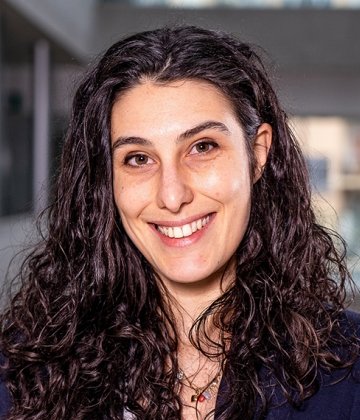
Dr Linda Familusi is a Lecturer at York St John University 's London Campus, specializing in business management, project management, and agricultural economics. With over a decade of experience across the UK and Africa—including Nigeria, Malawi, Mozambique, and South Africa—she focuses on sustainability, leadership, and quantitative research methodologies. Education: PhD in Project Management (2024), University of Northampton MSc in Agricultural Economics (2022), Lilongwe University of Agriculture and Natural Resources (Malawi) Dissertation in Agricultural Marketing (2016), Universidade Eduardo Mondlane (Mozambique) Research Interests: Her work spans business strategy, sustainable agriculture, and the socio-economic impacts of agricultural practices. Key areas include organic farming adoption, poverty analysis, and climate change adaptation among rural communities. Professional Activities: She serves as an abstract reviewer for the Agricultural and Applied Economics Association (USA) and reviews for journals like the Journal of Development and Agricultural Economics . Her conference presentations address topics such as pandemic impacts on forests and agricultural resilience in conflict zones. Teaching: She instructs modules in the MBA and MSc International Project Management programs, emphasizing practical applications of business and project management principles.




/prod01/yorksjacuk/media/content-assets/staff-profile-images/LInda-Photo-2-(1).jpg)