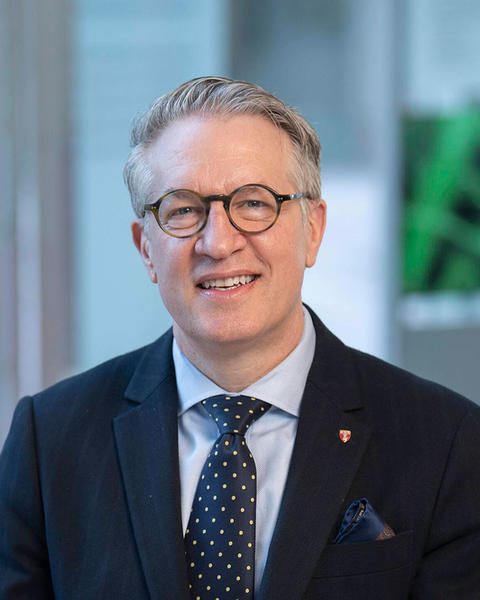
Prof. Dr. Alex Hall is an Associate Professor at the Department of Environmental Systems Science and Head of the Institute of Integrative Biology at ETH Zürich , Switzerland. He holds a PhD from the University of Edinburgh (2008), followed by postdoctoral work at the University of Oxford and ETH Zürich, including prestigious SNSF Ambizione and Marie Curie Intra-European fellowships. Research Focus: The Hall lab investigates Microbial interactions in human microbiomes Antibiotic resistance evolution Horizontal gene transfer dynamics Computational and in vitro modeling of microbial communities Evolutionary medicine applications Scientific Contributions: His recent studies analyze probiotic treatments for Staphylococcus aureus decolonization, strain-specific ecological success in gut microbiomes, and CRISPR-Cas system roles in plasmid conflicts. The lab employs computational frameworks combined with experimental validations. Scientific Awards: SNSF Ambizione fellowship Marie Curie Intra-European fellowship He also serves on the SNSF PRIMA fellowship evaluation panel and the ETH Zürich Coordination Council Medicine .
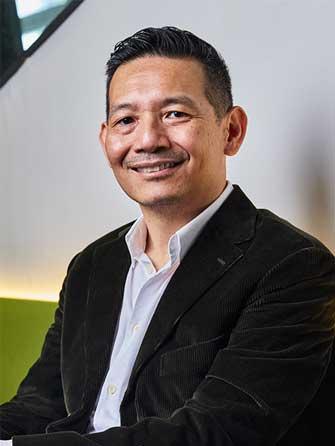
Dr Francis Maravillas is a Senior Lecturer and Programme Leader of the BA (Hons) Art Histories and Curatorial Practices: Asia and the World at LASALLE College of the Arts, Singapore. His academic work bridges art historical research, curatorial practice, and interdisciplinary teaching with a focus on contemporary Asian art contexts. His educational background includes a PhD in Humanities and Social Sciences from the University of Technology Sydney and a First Class Honours BA in Politics from Macquarie University, Australia. Maravillas' research centers on modern and contemporary Asian art, with particular expertise in curatorial practices, exhibition histories, and socially engaged/performatory art forms. His current projects investigate the aesthetics and politics of food in contemporary Asian art, examining how food functions in performance, installation, and community-based practices within post-colonial and global contexts. This research explores intersections between alimentary practices, political economies of survival, and post-colonial histories across Asia. His publication record reveals consistent engagement with Southeast Asian contemporary art worlds, food-art practices, and diasporic visual cultures. Key projects include the co-edited World Art special issue on Southeast Asian art publics (2020) and the forthcoming Routledge anthology 'Tastes of Justice' (2025), which examines food, art, and justice politics in Asian-Australian contexts. Maravillas has secured significant research funding including a SGD 20,000 LASALLE College of the Arts grant for 'Tastes of Justice' (2024) and an AUD 49,526 Creative Australia grant for related art, performance, and symposia activities in Sydney and Singapore (2024). He actively collaborates internationally through co-curated exhibitions like 'Bruised Food: A Living Laboratory' (2019) and the symposium 'Shifting Grounds, New Horizons' (2022), demonstrating commitment to building transnational networks in contemporary Southeast Asian art.
Jonathan Conway is an Assistant Professor in the Department of Chemical and Biological Engineering at Princeton University and an associated faculty member of the High Meadows Environmental Institute (HMEI). He leads the Conway Lab, which focuses on engineering plant-microbe interactions for applications in bioagriculture, bioenergy, and biochemical industries. Education: B.S. Chemical Engineering, University of Notre Dame (2011) M.S. Chemical Engineering, North Carolina State University (2013) Ph.D. Chemical Engineering, North Carolina State University (2017) Postdoctoral Fellow, University of North Carolina Chapel Hill & Howard Hughes Medical Institute (2017-2021) Research Interests: The Conway Lab develops genetic engineering approaches for non-model bacteria at plant-microbe interfaces. Key research areas include: chemical signaling between plants and microbes, microbiome impacts on plant immunity, environmental stress responses in agricultural systems, and enzymatic degradation of lignocellulosic biomass using thermophilic bacteria. The lab employs bacterial genetics, systems biology, and biomolecular engineering to create technologies for sustainable bioindustries. Publication Trends: Recent work demonstrates strong emphasis on molecular mechanisms of plant-microbe communication (2020-2024), enzyme characterization in biomass degradation (2024-2025), and development of synthetic microbial communities for climate resilience (2024). Earlier research focused on extremophile enzymology and metabolic engineering (2012-2019). Student Advising: Currently mentors 4 graduate students and 8 undergraduates. Alumni include 9 former advisees who graduated between 2022-2024. The lab actively recruits students through Princeton's Chemical Engineering graduate program and undergraduate research initiatives. Laboratory: The Conway Lab develops microfluidic systems for root microbiome studies and genetic tools for engineering plant-associated bacteria. Current projects include designing thermophilic microbial consortia for consolidated bioprocessing and characterizing bacterial immune evasion strategies.
Dr. William V. Giannobile serves as the Dean and A. Lee Loomis, Jr. Professor of Oral Medicine, Infection, and Immunity at Harvard School of Dental Medicine (HSDM). He leads the institution as its chief academic and administrative officer while maintaining an active research program and clinical practice in periodontics and implant dentistry at the Harvard Dental Center in Cambridge, MA. Dr. Giannobile received his DDS and MS in oral biology from the University of Missouri, followed by a certificate in periodontology and Doctor of Medical Sciences (DMSc) in oral biology from Harvard School of Dental Medicine. He completed postdoctoral training in molecular biology at the Dana-Farber Cancer Institute and Harvard Medical School. With over 30 years of continuously NIH-funded research, Dr. Giannobile's work focuses on oral and periodontal regenerative medicine, tissue engineering, and precision medicine. He serves as principal investigator of the NIDCR U-Award Harvard Clinical Practice-based Research Program for Dental Students (H-CREDENT), which evaluates the genomics of oral pain in a multi-institutional academic setting. His research has produced over 300 manuscripts, textbook chapters, and patents focused on periodontology, regenerative medicine, and oral health research. He has edited or co-edited over 10 books in clinical and translational research, periodontology, and regenerative medicine. His publications demonstrate consistent focus on periodontal regeneration, biomaterials, tissue engineering, and the molecular mechanisms underlying oral diseases. ADA Gold Medal Award for Excellence in Dental Research (2024) International Association for Dental Research Distinguished Scientist Research in Periodontal Disease Award (2022) Norton M. Ross Clinical Research Award from the American Dental Association (2018) William J. Gies Award (2014) Jan Lindhe International Periodontology Research Award (2011) As an educator and mentor, Dr. Giannobile completed a 10-year term as editor-in-chief for the Journal of Dental Research, the official journal of the International Association for Dental Research. He has served as a consultant to the U.S. Food and Drug Administration for Dental Devices and as an associate editor for the NIDCR Report on Oral Health of the U.S. in 2021. His laboratory continues to advance research in periodontal regeneration and precision medicine approaches to oral health, with ongoing NIH funding supporting innovative translational research.
Eileen A. Lacey is the Class of 1933 Chair in Biological Sciences and Professor in the Department of Integrative Biology at UC Berkeley. She leads the Lacey Lab based at the Museum of Vertebrate Zoology, focusing on vertebrate social behavior and population biology. Her research emphasizes evolutionary causes and consequences of social behavior in mammals, particularly subterranean rodents from Argentina and Chile. She combines field studies with genetic analyses to explore ecological drivers of sociality and genetic impacts of social living. Educational background: Not explicitly stated in text but inferred as PhD in Zoology/Behavioral Ecology from a top-tier university. Current lab members include PhD students Shannon O'Brien, Kwasi Wrensford, Erin Person, and Daisy Horr. Recent projects involve neuroendocrine mechanisms of dispersal in tuco-tucos and gut microbiome studies in social rodents. Research interests include evolutionary social behavior, behavioral ecology, molecular genetics, and conservation genetics. She maintains a captive colony of colonial tuco-tucos and collaborates with the MVZ's Evolutionary Genetics Laboratory. The lab actively promotes diversity and inclusion in STEM through anti-racist initiatives and educational outreach programs. Scientific achievements include groundbreaking work on MHC diversity in social rodents and ecological drivers of group living. Recent recognition includes NSF postdoctoral fellowships for lab members and awards like the Ford Foundation Dissertation Fellowship. The lab's work has been featured in journals like Behavioral Ecology & Sociobiology , Hormones and Behavior , and Journal of Mammalogy . Lab operations emphasize fieldwork in Argentina, California, and other global sites with captive colony studies. Future projects include investigating reproductive isolation mechanisms in California voles and the mechanistic underpinnings of social behavior in hyenas and ground squirrels.
Lisa Heldke is a Professor in the Department of Philosophy at Gustavus Adolphus College and an affiliated faculty member in Gender, Women and Sexuality Studies. She has been a longstanding contributor to the academic community, teaching courses such as Modern Philosophy, American Philosophy, Feminist Philosophy, Critical Race Theory, and specialized seminars on food and eating. Her interdisciplinary work bridges philosophy with social justice, education, and culinary ethics. B.A. in Music and Philosophy from Gustavus Adolphus College M.A. and Ph.D. in Philosophy from Northwestern University Her research centers on American Philosophy , Feminist Philosophy , Critical Race Theory , and most notably, the Philosophy of Food . She critically examines food adventuring, colonialist attitudes in cuisine, and the ethical dimensions of eating. Her work explores how food shapes identity, community, and moral responsibility. Her recent and forthcoming publications reveal a deepening inquiry into biological interdependence—particularly parasitism and mutualism—suggesting a novel ontological framework rooted in eating relationships. This innovative direction reflects her ability to connect everyday practices with profound philosophical questions. Lisa Heldke’s scholarly contributions include influential books such as Exotic Appetites: Ruminations of a Food Adventurer and Philosophers at Table: On Food and Being Human , as well as co-editing Oppression, Privilege and Resistance . She is also on the editorial board of The Encyclopedia of Food and Agriculture Ethics (Springer). While specific details about student advising are not listed, her long-standing teaching career and mentorship through seminars suggest active engagement with students. She has no listed scientific awards in the provided texts, but her sustained publication record and editorial roles indicate significant recognition in her field. She is deeply involved in experiential learning, combining her philosophical inquiries with hands-on activities like baking bread in a backyard mud oven and studying sustainable agriculture. Her current research promises to expand the boundaries of philosophical thought by integrating ecological and biological realities into metaphysical and ethical frameworks.
Hans Steenackers is an Associate Professor at the Faculty of Bioscience Engineering, KU Leuven, where he leads the MICA Lab within the Department of Microbial and Molecular Systems. His research focuses on innovative antimicrobial strategies targeting microbial communities, including socio-active, anti-resistance, and observation-guided approaches. Key research areas include biofilm dynamics antimicrobial resistance evolution in situ microbial monitoring Salmonella Typhimurium pathogenesis anti-virulence therapies His recent publications highlight advancements in biofilm inhibition, triggered antimicrobial release systems, and evolutionary robustness of probiotics. The majority of his work involves interdisciplinary collaborations, particularly in projects like TARDIS, ULTiMatE-MS, and MICROTUNe, with a focus on translating fundamental research into clinical applications. As an educator, he teaches advanced courses in microbial physiology, biofilm research, and applied biotechnology. The MICA Lab actively partners with academic and industrial stakeholders in initiatives such as the Flemish Scientific Research Network on Biofilms and the Bioclean H2020 project.
Massachusetts Institute of TechnologyUnited States
Harikesh S. Wong is an Assistant Professor of Biology and Core Member at the Ragon Institute of MGH, MIT, and Harvard. His research focuses on understanding how immune responses are controlled in tissues to balance host protection against threats like pathogens and tumors while avoiding excessive damage. He combines immunology, microscopy, computational methods, and gene manipulation to study immune response regulation in intact tissues. Education: PhD in 2016 from University of Toronto; BSc in Biochemistry from McMaster University (2010) His lab investigates mechanisms of immune homeostasis, including regulatory T cell feedback circuits and mesoscale T cell antigen discrimination. Recent work explores autoimmune disease susceptibility linked to IL-2 feedback circuit fragility and the role of commensal bacteria in liver immune zonation. Key findings include demonstrating how local regulatory T cells prune self-activated T cells and how interleukin 2 circuitry variations influence autoimmune risk. Articles highlight interdisciplinary approaches to dissect immune system control mechanisms. No scientific awards explicitly mentioned. Grants and advising details are not provided in the text. Labs/Teams: Wong Lab at the Ragon Institute focuses on immune system design principles and disease-related breakdowns in control mechanisms.
Indian Institute of Technology Hyderabad (IITH)India
Dr. Shiv Govind Singh is a Professor in the Department of Electrical Engineering at the Indian Institute of Technology Hyderabad (IITH). His research spans interdisciplinary areas at the intersection of Micro/Nanotechnology , Biomedical Devices , and Wireless Communications , with a focus on advanced electronics and sensing systems. Education: PhD (IIT Bombay, 2008), MTech (IIT Kanpur, 1999) Research Interests: Dr. Singh’s work emphasizes cutting-edge technologies such as 3D-ICs , Nano-Biosensors , RF MEMS , and Lab-on-Chip systems , alongside applications in Biomedical diagnostics , Energy Harvesting , and Semiconductor Device Modeling . Advising: He has supervised or is currently supervising 25+ PhD students across diverse topics in Microelectronics , Nanotechnology , and Healthcare Devices , including both current and graduated scholars.
Anna Seekatz is an Assistant Professor in the Department of Biological Sciences at Clemson University, affiliated with the College of Science. Her research focuses on the gut microbiome, particularly its role in health and disease, with emphasis on Clostridioides difficile infection (CDI) and fecal microbiota transplantation (FMT). She received her PhD from the University of Maryland School of Medicine and completed postdoctoral training at the University of Michigan. Education : PhD, Molecular Microbiology and Immunology, University of Maryland School of Medicine, 2013 BS, Cellular and Molecular Biology, Western Washington University, 2006 Research Interests : Dr. Seekatz studies microbial interactions within the gut microbiota, including CDI pathogenesis and FMT mechanisms. Her lab investigates how microbial communities contribute to disease resistance and recovery, with a focus on identifying key species and metabolites involved in CDI clearance. Current projects include characterizing commensal Clostridia and their functional dependencies in the gut environment. Techniques employed include bioinformatics, animal models, and traditional microbiology. Lab & Advising : Her research group includes PhD students Sophie Millard, Clara Flores, Christine Woelfel-Monsivais, and postdoctoral fellow Disha Bhattacharjee. She teaches Pathogenic Bacteriology and a creative inquiry course on commensal Clostridia characterization. Lab Locations : Life Sciences Building 157A (Office), 160F and 172 (Labs).
Andrew L. Goodman, PhD, is the C.N.H. Long Professor and Chair of the Department of Microbial Pathogenesis at Yale School of Medicine. He is also Director of the Yale Microbial Sciences Institute. His research focuses on understanding how gut microbes influence human health, particularly in drug metabolism, host-pathogen interactions, and microbiome ecology. Goodman earned his BA in Ecology and Evolutionary Biology from Princeton University, his PhD in Microbiology from Harvard University, and completed postdoctoral training at Washington University. His lab develops innovative tools such as transposon insertion sequencing (INSeq) and personalized microbiota culture collections. Key contributions include discovering microbiome-driven drug metabolism pathways, mechanisms of bacterial resilience during infection, and bacterial competition strategies. His work has been recognized with awards including the NIH Director’s New Innovator Award and the Presidential Early Career Award in Science and Engineering. Recent research highlights include studies on GPCR-targeted drug modulation by gut microbes (2025), protein-folding mechanisms in bacterial competition (2025), and microbiome responses to time-restricted feeding (2023). Goodman collaborates with institutions like the Diabetes Research Center and Yale Cancer Center, advancing translational microbiome research. Awards: ASPET John J. Abel Award, HHMI Faculty Scholar, Pew Foundation Labs/Teams: Goodman Lab, Yale Microbial Sciences Institute Grants: NIH, Burroughs Wellcome Foundation, HHMI
Univ.-Prof. Dr. med. Martin A. Kriegel serves as full Professor and Department Head of the Department of Translational Rheumatology and Immunology at the Institute of Musculoskeletal Medicine, University of Münster, while maintaining an active laboratory at Yale School of Medicine. He leads the Section for Rheumatology and Clinical Immunology (SRKI) at Medical Clinic D, where his team integrates clinical care with cutting-edge microbiome research. His department operates from Röntgenstraße 21 and Von-Esmarch-Str. 54 in Münster, Germany, with extensive collaborations including the "Cells in Motion" research initiative and the CiM-IMPRS graduate program. Dr. Kriegel's research program focuses on the critical interface between host immunity and microbiota, particularly investigating how gut commensals translocate to host tissues and trigger autoimmune responses. His laboratory pioneered the discovery that specific pathobionts like Enterococcus gallinarum and certain Lactobacillus strains can translocate from the gut to mesenteric lymph nodes, liver, and other sites, driving autoimmune responses through molecular mimicry of human autoantigens. His work has established fundamental mechanisms by which microbiota influence rheumatic diseases, cutaneous autoimmunity, and cancer immunology, with particular emphasis on Ro60 autoantigen mimicry, TLR7-dependent pathways, and diet-microbiome interactions. The laboratory employs advanced techniques including gnotobiotic mouse models, humanized systems, and detailed molecular characterization of host-pathobiont interactions. Analysis of Dr. Kriegel's publication record reveals a consistent trajectory of high-impact research connecting microbiome dynamics to autoimmune pathogenesis. His most recent work (2023-2025) demonstrates increasingly sophisticated understanding of how specific bacterial strains influence disease phenotypes across multiple autoimmune conditions, with notable advances in identifying shared microbiome signatures across lupus and inflammatory bowel disease. The publications show progressive refinement from initial observations of microbial translocation to detailed mechanistic insights into tryptophan catabolism pathways, structural basis of molecular mimicry, and diet-sensitive microbial triggers. Dr. Kriegel's scientific recognition includes US Patent No. 11,058,756 B2 for compositions treating autoimmune diseases by reducing enterococcus, reflecting the translational potential of his research. His laboratory receives substantial funding, most notably a $3 million award from the Lupus Research Alliance for the TransLuMi project investigating gut pathobiont translocation in systemic lupus erythematosus. As an educator and mentor, Dr. Kriegel directs a substantial research team including multiple postdocs (Drs. Marcia Pereira, Nathalie Becker), PhD candidates (Anna Brinkhege, Carina Brune, Helen Fuhrmann), and laboratory specialists. He participates in the CiM-IMPRS graduate program and supervises medical students through the MedK program. His laboratory currently manages multiple significant research projects including: (A) intestinal wall permeability and pathobiont translocation in autoimmunity; (B) diet-environment-microbiome interactions; (C) microbiota disruption of immunological tolerance; and (D) microbiome roles in lymphoma development. The Kriegel laboratory maintains state-of-the-art facilities at both Münster and Yale, with specialized capabilities in gnotobiotic research, microbiome analysis, and immune profiling. His team collaborates with international partners including Dr. Eran Elinav at Weizmann Institute, Dr. Nissan Yissachar at Bar-Ilan University, Prof. George Tsokos at Harvard, and Prof. Ilana Brito at Cornell University. The laboratory's website (https://www.medizin.uni-muenster.de/mikrobiom/startseite/) details ongoing projects and research opportunities.
Kerry M. Oliver is a Professor and Director of Graduate Studies in the Department of Entomology at the University of Georgia's College of Agricultural & Environmental Sciences. Her research focuses on defensive symbiosis, particularly examining how heritable microorganisms protect insects against various biotic and abiotic threats. She leads a research laboratory that takes a multidisciplinary approach to understanding ecological and evolutionary consequences of these symbiotic relationships. Dr. Oliver's research primarily centers on aphids and their symbiotic bacteria, especially Hamiltonella defensa , which protects aphids against parasitoids through bacteriophage-encoded toxins. Her work spans organismal studies, molecular and genomic analyses, and field research to track the impact of defensive symbionts from molecular to ecosystem levels. She's particularly interested in how climate change affects these symbiotic relationships and the eco-evolutionary dynamics that maintain diversity in natural populations. Her laboratory's recent publications reveal trends in understanding how defensive symbionts provide protection against diverse threats including parasitoids, pathogens, and environmental stressors. Current research directions focus on thermal resilience of symbiotic defenses under climate change and the eco-evolutionary dynamics where evolution and ecology operate on similar timescales. This work has significant implications for ecosystem management and species conservation in rapidly changing environments. Current Students: Roy Kukuk, Kenedie Jones, Ben Trendle (PhD), Alina Makarenko (MS) Former Students: Clesson Higashi, Nicole Lynn-Bell, Stephanie Weldon, Adam Martinez, Matt Doremus, Laura Kraft, Hannah Dykstra Courses Taught: ENTO 4000/6000 (General Entomology), First-Year Odyssey seminars on insect evolution and symbiosis Dr. Oliver leads a research team studying defensive symbiosis, with Dr. Vilas Patel serving as Lab Manager and Research Professional. Their work combines laboratory experiments with field studies to investigate how symbionts like Hamiltonella defensa provide protection against parasitoids through phage-encoded toxins, and how these relationships respond to environmental challenges like climate change.
Jamal Lewis, Ph.D., is an Associate Professor in the J. Crayton Pruitt Family Department of Biomedical Engineering at the University of Florida, within the Herbert Wertheim College of Engineering. His Immuno-modulatory Biomaterials Laboratory focuses on developing biomaterial systems to manipulate the immune system for treating autoimmune diseases, allergies, and transplant rejection. His work integrates biomaterials engineering, drug delivery, and immunology. Education: Ph.D. in Biomedical Engineering, University of Florida (2012) M.S. in Biomedical Engineering, North Carolina State University (2007) B.S. in Chemical Engineering, Florida A&M University (2004) Research interests include immunoengineering, biomaterials design for controlled immune responses, and drug delivery systems targeting dendritic cells. His lab explores how mechanical forces and biochemical cues influence immune cell behavior, with applications in vaccines and immunotherapies. Recent publications emphasize biomaterial-based strategies for immunomodulation, including polymeric particle therapies and sustained-release systems. His work spans topics like lactate modulation of immune cells, fungal pathogen interactions, and anti-inflammatory treatments for osteoarthritis. Notable awards include the University of Florida 40 Under 40 (2021), recognition as a 1000 Inspiring Black Scientist in America (2021), and Biomaterial Science RSC Emerging Investigator (2021). He has contributed to over 50 publications and holds multiple patents related to immunomodulatory materials. Dr. Lewis leads interdisciplinary collaborations, bridging engineering and immunology. His lab focuses on translating biomaterial innovations into clinical applications for autoimmune diseases and regenerative medicine. Current projects include developing nanoparticle-based vaccines and microfluidic fabrication methods for precision medicine.
Prof. Friedrich Götz is a Senior Professor and Head of the Department of Microbial Genetics at the University of Tübingen, Germany. He has held this position since 2015, following his tenure as a full professor from 1987 to 2015. He is also a Visiting Professor at the Shiraz University of Medical Sciences (SUMS, 2020–present) and a member of the Cluster of Excellence - CMFI (2018–present). His academic journey includes a Ph.D. in Microbiology from Ludwig Maximilians University (LMU) Munich (1974–1978) and Habilitation at TU Munich (1985). His research focuses on microbial genetics, particularly the physiology of staphylococci, lipoprotein roles in immune responses, and bacterial-host interactions. Recent studies highlight microbiota-derived neurotransmitters influencing host cells and the development of novel antimicrobial compounds. His work has led to groundbreaking insights into skin microbiota's role in wound healing and neurochemical signaling. Prof. Götz has been awarded the DECHEMA Award (1989), DGHM Award (1991), and DGHM Lecturer Award (2009). He has served as President and Vice President of the VAAM (2003–2009), and has held leadership roles in major initiatives, including the DFG Graduate College 685 (2010–2011) and the Transregio SFB (2006–2013). He actively contributes to scientific publishing as an editor for journals like Molecular Microbiology and Medical Microbiology and Immunology, and advises international research institutions. His research spans over 380 peer-reviewed publications, with an h-index of 99, and has mentored over 120 PhD students and postdocs, many of whom have become professors. His lab, part of the Interfaculty Institute for Microbiology and Infection Medicine (IMIT), collaborates globally on microbial genetics and infection biology.