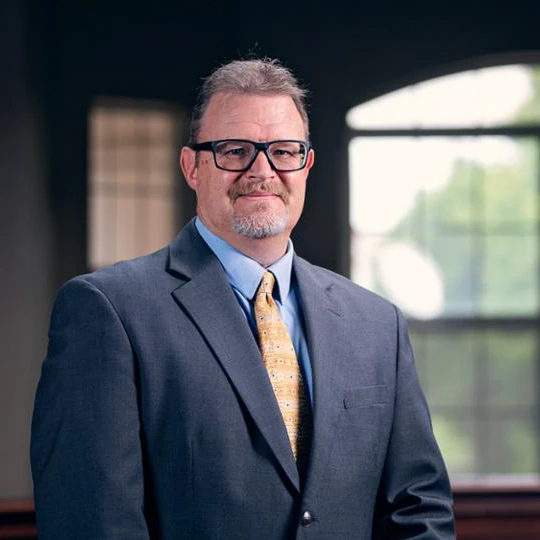
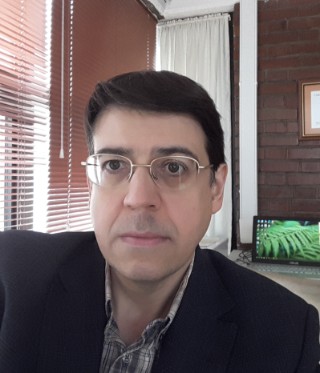
Emilio Jose Armaza Armaza serves as Professor of Criminal Law at the University of Deusto's Law School within the Public Law Department. His academic journey began as a pre-doctoral researcher at the Interuniversity Chair of Law and the Human Genome (2006), culminating in a doctoral thesis under Professor Carlos María Romeo Casabona (2011, Outstanding cum laude). His international research includes stays at Fordham University, Tulane University, University of Coimbra, University of Pau, and Ukraine's National Academy of Legal Sciences. His research focuses on the intersection of criminal law with bioethics, biotechnology, and emerging societal challenges. Key areas include transgender legal protections, cybercrime regulation, public health law during pandemics, and genetic technology governance. His work consistently addresses the tension between individual rights and collective security, particularly regarding dangerous offenders, bioterrorism, and digital society challenges. Analysis of his recent publications reveals an evolving trajectory from traditional criminal law topics toward contemporary challenges: increasing focus on cybercrime (30% of 2022-2023 publications), bioethical dilemmas (25%), and gender/trans rights (20%). His scholarship demonstrates strong international engagement through collaborations with institutions in Peru, Brazil, Philippines, and Spain. Ramón y Cajal Research Grant (2016) Six-year research period recognition by CNEAI Triple accreditation by UNIBASQ (PhD Professor, Associate Professor, Adjunct Professor) Professor Armaza actively supervises doctoral theses and coordinates major research initiatives, including the UNIJES Bioethics Group and International Congress on Law and the Human Genome. His grant portfolio includes Spain's most competitive individual research funding. He leads the University of Deusto's efforts in organizing international academic events on bioethics and criminal law, maintaining strong institutional partnerships across Latin America and Europe. His laboratory work centers on the Interuniversity Chair of Law and the Human Genome, where he investigates biotechnological applications in criminal contexts. Current team projects examine AI's role in criminal risk assessment, legal frameworks for neurotechnology, and pandemic response protocols. Future research directions include transnational regulation of genetic doping and legal responses to emerging bioweapon threats.