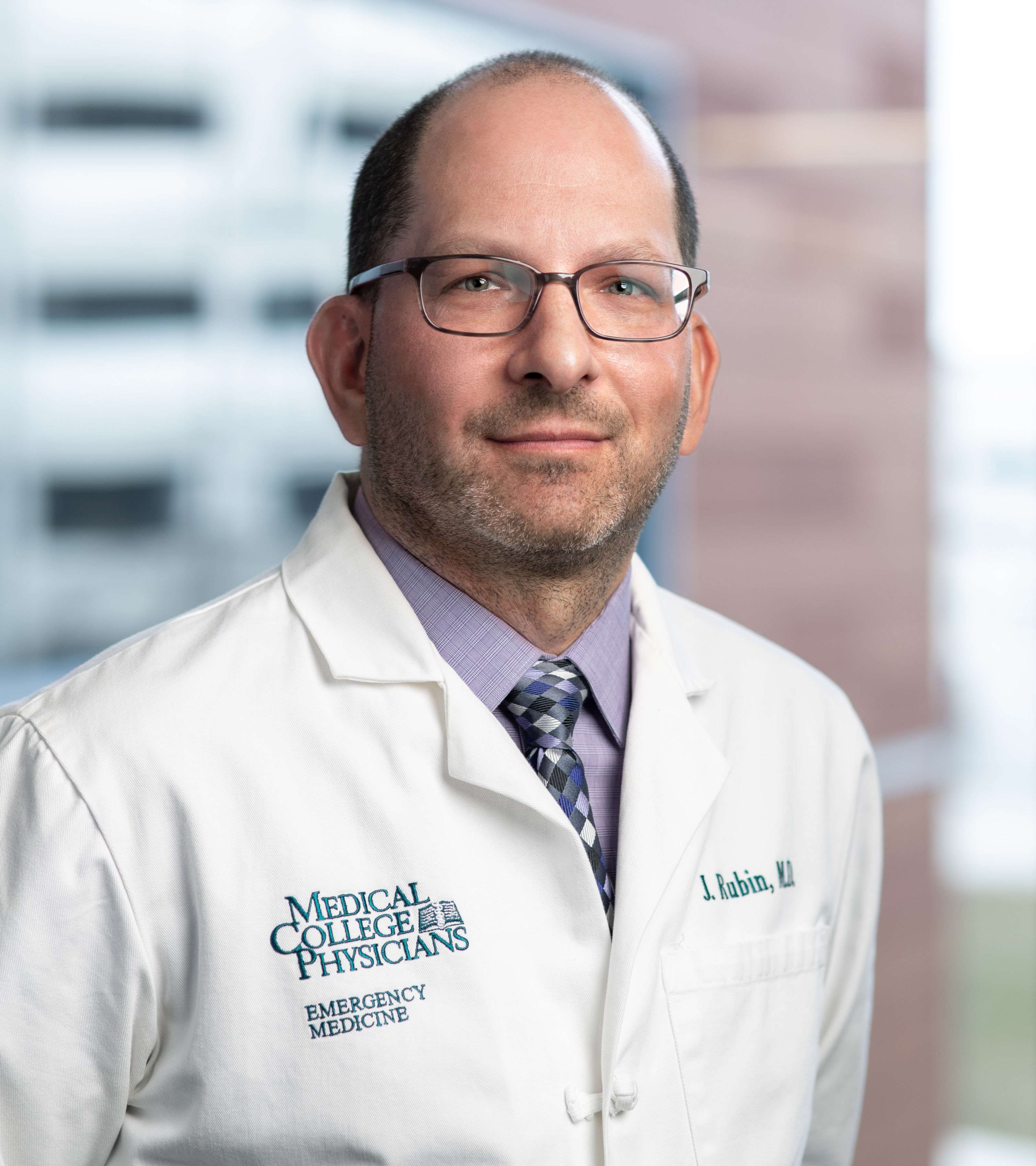
Jonathan Rubin, MD is a Professor and Division Chief of System Informatics and Analytics at the Medical College of Wisconsin's Department of Emergency Medicine. His work focuses on clinical informatics, emergency care optimization, and public health interventions. He has contributed to studies on prehospital care protocols, EMS system efficacy, and community-based health initiatives. Research interests include geospatial analysis of trauma outcomes, asthma management strategies, fire safety interventions, and EMS system performance. His work bridges clinical practice with data-driven solutions for emergency medicine challenges. Publications span emergency medicine innovations, from asthma treatment protocols to evaluating the impact of fire safety programs during EMS calls. Rubin's interdisciplinary approach addresses both acute care delivery and long-term public health strategies.
Dr. Daniel Joyce is a Senior Lecturer in the School of Psychology and Wellbeing at the University of Southern Queensland. His research focuses on biological psychology, particularly the interplay between light and human behavior, circadian rhythms, sleep, and color vision. He holds a PhD in Biopsychology from Queensland University of Technology (2016) and has held postdoctoral positions at Stanford University (2016–2019) and the University of Nevada, Reno (2020–2022). Joyce is affiliated with the Centre for Health Research and collaborates globally on light-related health interventions. Educations: BA Philosophy (University of Queensland, 2010) BSc Psychology (University of Queensland, 2010) BBehSc(Hons) Psychology (Queensland University of Technology, 2011) PhD Biopsychology (Queensland University of Technology, 2016) Research Interests: Joyce investigates how light influences health, cognition, and well-being, with a focus on circadian misalignment, sleep disorders, and light-based therapies. His work spans applied lighting design, biomarker development, and the neurobiology of light perception through melanopsin pathways. Recent studies include optimizing light flashes for circadian phase shifting and addressing sleep irregularities in ADHD children. Grants & Advising: Joyce recruits students for Honours, Masters, and PhD programs in psychology. Current supervision includes a 2024 Masters project on lighting’s impact on cognitive-emotional processing in sleep-deprived populations. His research aligns with interdisciplinary efforts to standardize light health policies and improve lighting for vulnerable populations. Labs/Teams: Collaborates with the Ladenburg Roundtable and institutions like Stanford University on light-related health initiatives.
Janis E. Winters is an Associate Professor of Optometry at the Illinois College of Optometry (ICO) since 1995. She practices in the Primary Care and Low Vision clinics and teaches color vision curriculum. As Medical Director of the Vision of Hope Health Alliance, she coordinates eye and primary medical care for low-income uninsured populations. Dr. Winters completed her OD at ICO (1991) and a residency in Geriatrics and Rehabilitative Optometry at the Birmingham Veterans Affairs Medical Center (1995). Her research focuses on low-income populations’ eye care access, color vision deficiencies, and ocular conditions in elderly patients. Education: BS, University of Illinois at Urbana-Champaign (1987) OD, Illinois College of Optometry (1991) Residency in Geriatrics & Rehabilitative Optometry (1995) Research Interests: Low-income uninsured populations’ eye care, acquired/inherited color vision deficiencies, motion sickness in visually impaired individuals, and long-anterior zonules/smoking associations. Her work emphasizes public health, geriatric optometry, and integrated healthcare models. Publications: Over a decade of studies on geriatric optometry and public health, including eye care access for seniors, pigment dispersion in African-American populations, and clinical techniques in optometry education. Her work highlights systemic health connections, such as diabetes and cardiovascular outcomes in optometric patients. Awards: 2008 Excellence in Education Award (American Academy of Optometry). Labs/Teams: Vision of Hope Health Alliance, a collaborative effort providing comprehensive care to underserved communities.
Junko Shirogane is an Associate Professor in the Department of Computer Science and Engineering at Waseda University's School of Fundamental Science and Engineering. With over 25 years of academic research spanning from 1998 to 2024, she has established herself as a prominent researcher in human-computer interaction, accessibility, and user interface design. Her extensive publication record demonstrates consistent contributions to the fields of software engineering and human-computer interaction. Dr. Shirogane's research interests focus on Human-Computer Interaction, Accessibility, User Interface Design, Web Accessibility, Software Engineering, and Requirements Engineering. Her work particularly emphasizes designing systems that accommodate users with visual impairments and developing methods to evaluate and improve software usability. She has pioneered approaches for analyzing webpage layouts, visualizing importance areas, and converting color schemes for color-impaired users. Her research bridges theoretical software engineering concepts with practical applications that directly impact user experience. Her publication trends reveal a strong focus on accessibility challenges, with recent work (2020-2024) concentrating on supporting visually impaired users through innovative techniques like reading voice modification, webpage validation visualization, and text highlighting methods. Earlier work (2014-2019) focused more on GUI consistency, scenario generation, and requirements engineering. The breadth of her research spans from fundamental software engineering principles to applied user interface solutions. Dr. Shirogane has maintained a long-standing research collaboration with Yoshiaki Fukazawa (27 joint publications), Hajime Iwata (22 joint publications), and other researchers at Waseda University. This collaboration network has produced numerous publications in prestigious venues including IEICE Transactions on Information Systems, IEEE Access, and major conferences like JCKBSE, ICSOFT, and IUI.
Tomas Akenine-Möller is a Professor in the Department of Computer Science at Lund University, affiliated with the Faculty of Engineering (LTH). He is also part of ELLIIT, the Linköping-Lund initiative on IT and mobile communication. His research focuses on real-time rendering, computer graphics algorithms, and human vision modeling, contributing to UN Sustainable Development Goals through technological advancements. Education details are not explicitly provided in the text, but his expertise stems from a strong academic background in computer science and engineering. His research interests include algorithms optimization, ray-tracing techniques, graphic hardware performance, and visual perception models. Recent work trends involve temporal edge detection in human vision, neural compression of material textures, and luminance-preservation in graphics. His projects emphasize practical applications of graphics algorithms in real-world scenarios. No scientific awards are explicitly listed. However, he has supervised doctoral research, including the project 'Evaluating and Improving Rendered Visual Experiences' (2019-2024), where he acted as an assistant supervisor. This project explores enhancing visual rendering quality and user experience. No specific lab or team affiliations are mentioned, but his collaborative networks span multiple countries, reflecting interdisciplinary research partnerships.
Peter Bex is Chair and Professor of Psychology at Northeastern University's College of Science, leading the Translational Vision Lab. His research bridges basic visual neuroscience and clinical ophthalmology, focusing on sensory processing under real-world conditions and developing diagnostic/therapeutic tools for blinding diseases like AMD, Glaucoma, and Amblyopia. He holds a PhD in Visual Neuroscience and has pioneered adaptive vision testing methods like AIM (Angular Indication Measurement). His lab collaborates with institutions like the Boston Museum of Science to advance eye movement and attention research. Research interests include: 1) Real-world vision modeling using dynamic natural scenes, 2) Neurological basis of visual deficits in amblyopia and cerebral visual impairment, 3) Development of tablet-based diagnostic tools for color vision and stereopsis. Recent work explores how event knowledge influences gaze patterns and the neural correlates of visual search in impaired populations. Over 50 peer-reviewed articles span vision science, neuroscience, and clinical ophthalmology. Notable contributions include discovering how peripheral optical quality predicts myopia development and demonstrating dorsal/ventral stream differences in CVI patients. His lab's innovations include fusion-range testing via eye tracking and gaze-contingent paradigms for studying scotoma effects. Grants and collaborations support translational research, with emphasis on maximizing residual vision in visually impaired populations. Active projects include developing brain-vision diagnostic systems and exploring tactile-augmented perception for low-vision rehabilitation.
Prof. George Tsekouras is a Professor in the Department of Cultural Technology and Communication at the University of the Aegean since 2002. His research focuses on artificial intelligence, cultural informatics, and expert systems, with over 100 publications in journals and conferences. He has contributed to projects involving machine learning fairness, blockchain sustainability, healthcare monitoring systems, and cultural heritage preservation. Research interests include AI applications in cultural heritage (e.g., 3D asset quality, art recoloring for color blindness), ethical AI in criminal justice systems, energy-efficient blockchain technologies, and environmental monitoring via machine learning. His work bridges computational methods with societal challenges, emphasizing interdisciplinary approaches. Notable trends in his publications include leveraging graph neural networks for healthcare (e.g., Parkinson’s disease monitoring), exploring ChatGPT for hospitality personalization, and developing hybrid machine learning models for disaster prediction. His contributions span technical innovation and social impact, such as improving accessibility through image recoloring algorithms and reducing blockchain’s environmental footprint. No scientific awards are listed. Advising and grants details are unavailable, but his extensive publication record indicates active research collaboration. His work often integrates cultural data with computational tools, reflecting his department’s mission at the University of the Aegean.
Krzysztof Palczewski is a Donald Bren Professor and Distinguished Professor at the University of California, Irvine (UCI), School of Medicine, with joint appointments in Pharmacology, Ophthalmology, and Chemical Biology. His research focuses on the molecular mechanisms of vision, retinal diseases, and structural biology of G protein-coupled receptors (GPCRs). Education: Ph.D., Biochemistry, Technical University of Wrocław, Poland (1986) M.S., Chemistry, University of Wrocław, Poland Research Interests: His laboratory investigates photoreceptor function, visual signaling pathways, and retinal disease mechanisms. Key areas include: Genome editing for inherited retinal disorders Structure-function relationships of rhodopsin and GPCRs Chromophore recycling (visual cycle) Development of small molecule therapies for age-related macular degeneration Grants & Awards: NIH R01 grants (EY030873, EY09339, EY030912) Member of National Academy of Sciences (2022) and National Academy of Medicine (2019) Paul Kayser International Award for Retina Research (2018) Professional Roles: Director of the UCI Center for Translational Vision Research. Previously held leadership roles at Case Western Reserve University (Chair of Pharmacology) and the University of Washington (Professorships in Ophthalmology and Pharmacology). Labs & Collaborations: Leads a multidisciplinary team integrating structural biology, genetics, and pharmacology. Collaborates with the Infrared Neuroimaging (INP) and Chemical Biology programs at UCI.
Baskar Pitty Theagarayan is a Senior Lecturer in Optometry at the Department of Optometry and Vision Sciences, School of Applied Sciences, University of Huddersfield, United Kingdom. He is also a member of the Centre for Vision across the Life Span. His research focuses on myopia, color vision defects, binocular vision, and the impact of optical interventions. He currently accepts PhD students for research projects. Academic Role: Senior Lecturer in Optometry Institution: University of Huddersfield Research Affiliation: Centre for Vision across the Life Span Research Interests: Myopia progression and management Color vision deficiency (CVD) impacts on quality of life Binocular vision anomalies Optical lens design and prismatic effects Contact lens-related refractive error correction Visual perception and ocular motor control Publication Trends: Recent works include clinical studies on accommodative response in young adults (2025), cross-sectional analyses of binocular vision in children with disabilities (2025), CVD impact assessments (2023), and systematic reviews of color vision devices (2022). His research spans optical engineering, clinical optometry, and quality-of-life evaluations. Advising: Accepts PhD students for vision-related research projects.
Professor Matthew Simunovic is a leading academic in ophthalmology at the University of Sydney , holding a professorial appointment in the Faculty of Medicine and Health and working at the Save Sight Institute . He serves as a Senior Consultant Ophthalmic Surgeon at Sydney Eye Hospital and Sydney Children’s Hospitals Network, specializing in retinal diseases and vitreoretinal surgery. MB BChir (Cambridge), PhD (Cambridge), FRANZCO First Australian ophthalmologist to receive Foundation Fighting Blindness Career Development Award (USA) Member of prestigious societies: American Ophthalmological Society, Macula Society His research interests span four main areas: laboratory research on gene-independent treatments for retinal diseases and optogenetics; experimental surgery for subretinal drug delivery optimization; functional biomarkers for retinal disease progression; and clinical trials including the ONL Study, Renexus Phase III Trial, and 1,2-SIT comparing subretinal injection techniques. Key projects include retinal bioglue development and international registry initiatives. Recent publications show strong focus on retinal disease treatment (2025: 15+ articles), gene therapy applications (2024), optogenetics for vision restoration (2023), and deep learning in OCT analysis (2022-2023). His work combines cutting-edge biomedical engineering with clinical practice across genetic diseases , macular degeneration , and diabetic retinopathy . Scientific Awards Multiple international fellowships (Wellcome Trust, Foulkes Foundation) Prizes from Royal College of Ophthalmologists Top publications in New England Journal of Medicine , Nature Biomedical Engineering Grants & Collaborations NHMRC Ideas Grant (2021) for optogenetics Macular Disease Foundation Australia grant Collaborations with Oxford, Tübingen, and APIED Network Equipment grants for HD-MEA technology
Jens Rister is an Associate Professor in the Department of Biology at the University of Massachusetts Boston. His research focuses on molecular mechanisms underlying photoreceptor development in Drosophila , with broader implications for human retinopathies and cancer. He is an Associate Member of the Dana Farber/Harvard Cancer Center Cancer Genetics program since 2017. PhD in Genetics and Neurobiology from University of Würzburg Postdoc training at New York University with EMBO, DFG, and NIH/NEI K99 fellowships Research Interests Dr. Rister’s lab investigates: Development of color-sensing photoreceptors in Drosophila Role of conserved regulators (e.g., Hippo pathway) in retinal degeneration and cancer Impact of vitamin A deficiency on retinal transcriptome/lipidome/proteome Synthetic regulatory DNA to reconstruct rhodopsin expression patterns Molecular logic of tumor suppressor gene regulation in post-mitotic neurons Article Trends Recent work spans 2012–2024, focusing on: Gene regulatory motifs (e.g., palindromic sequences) controlling rhodopsin expression Hippo pathway interactions in photoreceptor subtype specification Proteomic and lipidomic changes during vitamin A deprivation Evolutionary conservation of sensory neuron regulatory mechanisms Scientific Awards NIH/NEI R01 grants (2019–2023) NIH/NEI Pathway to Independence Awards (K99/R00) UMass Boston Endowed Career Faculty Development Award (2018) EMBO and DFG fellowships Advising & Grants Mentored over 30 students in REU, McNair, SPARC, U54, and CSM programs Collaboration with Hamad-Schifferli lab for nanoparticle-based eye drug delivery Co-director of Cold Spring Harbor Labs course 'Drosophila Neurobiology: Genes, Circuits, and Behavior'
Ryan Renslow serves as a Chemical Engineer at Pacific Northwest National Laboratory (PNNL) and holds a Research Associate Professor position at Washington State University's Gene and Linda Voiland School of Chemical Engineering and Bioengineering. His interdisciplinary work bridges computational modeling, advanced imaging, and experimental biology to address complex challenges in metabolomics and microbial systems. Education BS in Chemical Engineering, Washington State University MS in Chemical Engineering, Washington State University PhD in Chemical Engineering, Washington State University Linus Pauling Distinguished Postdoctoral Fellowship, Pacific Northwest National Laboratory Renslow's research centers on identifying novel metabolites in complex biological samples, deciphering microbial community structure-function relationships, and understanding emergent properties in multispecies systems. He employs computational mathematics, machine learning, and high-resolution imaging techniques including mass spectrometry and nuclear magnetic resonance. His work spans diverse applications from human health diagnostics and bioenergy production to ecological monitoring and national defense solutions, with particular emphasis on biofilm dynamics and metabolite characterization in challenging environments. Analysis of his recent publications reveals a strong trend toward integrating ion mobility spectrometry with computational modeling for metabolite identification, developing in silico libraries for small molecule annotation, and applying machine vision to biological systems. His work consistently demonstrates cross-cutting applications across energy, environmental science, and biomedical research through sophisticated data analysis frameworks. Scientific Awards: No awards listed in available documentation. Renslow's collaborative research program involves extensive partnerships across PNNL's Environmental Molecular Sciences Laboratory and Washington State University. His work receives institutional support through DOE-funded initiatives focused on chemical biology and exposure science, with emphasis on developing advanced analytical capabilities for complex sample analysis. While specific grant details aren't provided, his publication record indicates consistent funding for interdisciplinary projects combining experimental and computational approaches. At PNNL, Renslow contributes to the Chemical Biology and Exposure Science group within the Biological Sciences division. He leverages specialized facilities including high-field mass spectrometers, nuclear magnetic resonance microimaging systems, and biofilm reactors to investigate microbial community dynamics. His research team integrates expertise from chemical engineering, microbiology, and computational science to develop novel approaches for characterizing complex biological systems at multiple scales.
Dr. Monika Formankiewicz serves as Associate Professor in the Department of Vision and Hearing Sciences within the School of Psychology, Sport and Sensory Science at Anglia Ruskin University's Faculty of Science and Engineering. A registered optometrist, she specializes in vision science with emphasis on binocular processing and clinical vision testing. Her educational credentials include: Postgraduate Certificate in Teaching and Learning from Anglia Ruskin University PhD from the University of Cambridge Bachelor of Optometry (First Class Honours) from the University of New South Wales, Sydney, Australia Her research investigates fundamental mechanisms of spatial vision, binocular integration, amblyopia development, contour interaction phenomena, and color perception physiology. Employing psychophysical methodologies, she examines how visual systems combine information across eyes and respond to optical distortions, with significant focus on clinical applications for vision impairment detection. Analysis of her 2010-2013 publications reveals consistent investigation into contour interaction effects under varying visual conditions, particularly comparing luminance-modulated versus contrast-modulated stimuli. Her work demonstrates how factors like blur, eccentricity, and noise impact visual acuity measurements, with direct implications for pediatric amblyopia screening protocols and clinical vision assessment tools. Professional recognition includes: Fellow of the Higher Education Academy While specific grant funding details aren't provided, her active research output and membership in the Vision and Hearing Sciences Research Group indicate ongoing scholarly activity. She teaches in BOptom (Hons) Optometry and BSc (Hons) Ophthalmic Dispensing programs. She contributes to the Vision and Hearing Sciences Research Group, which advances understanding of sensory perception mechanisms and develops clinical applications for vision and hearing disorders.
João Manuel Maciel Linhares serves as an Assistant Professor in the Department of Physics at the University of Minho's School of Sciences, Portugal. He conducts research at the Colour Science Laboratory within the Center of Physics of University of Minho and Porto (CF-UM-UP), with prior academic appointments at Anglia Ruskin University's Department of Vision and Hearing Sciences. His academic qualifications include: Undergraduate degree in Optometry and Vision Sciences (2002, University of Minho) MPhil in Optometry and Neurosciences (2006, University of Manchester) PhD in Sciences (2011, University of Minho) Dr. Linhares specializes in human color perception research, focusing on colorimetry, spectral imaging, and visual deficiencies. His work bridges physics and vision science through experimental studies on dichromats and hyperspectral applications, advancing methodologies for color vision assessment and imaging technology development. His professional recognition includes: Fellowship of the Higher Education Academy (2013) He maintains active research through the Colour Science Laboratory, which integrates interdisciplinary approaches from physics, neuroscience, and clinical optometry to address fundamental questions in color vision science and develop practical imaging solutions for color-deficient populations.