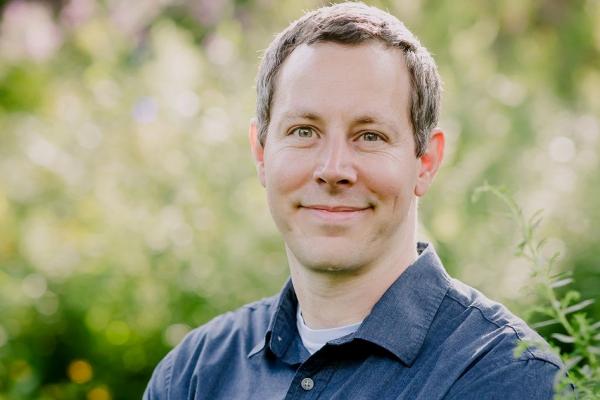
Andreas Kautt is Assistant Professor of Biology at Washington University in St. Louis, investigating evolutionary mechanisms driving biological diversity through integrative approaches combining genomics, behavioral experiments, and fieldwork. Research focuses on two primary systems: North American deer mice and Missouri crayfish. Research themes include: Genomic basis of behavioral divergence and sensory evolution Molecular mechanisms of speciation in cichlid fish radiations Genetic assimilation in morphological evolution Development of novel genomic tools for speciation research Recent work explores olfaction genetics in deer mice, parallel evolution in pigmentation, and hybrid speciation mechanisms. Publications demonstrate expertise in evolutionary genomics, behavioral ecology, and molecular evolution across diverse vertebrate systems.
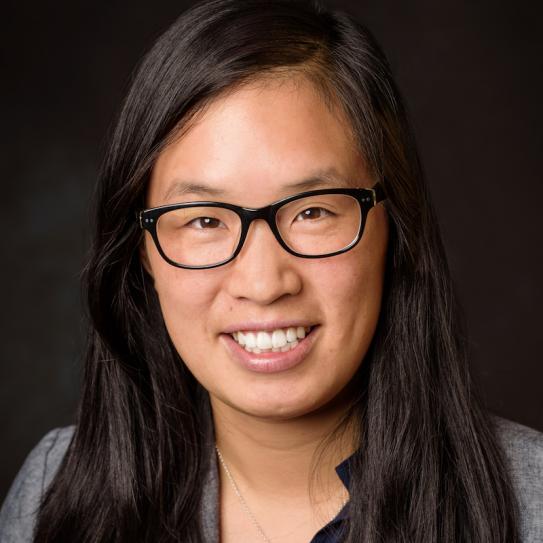
Stephanie Lee is an Associate Professor of Chemistry at New York University, affiliated with the College of Arts & Science. Her research focuses on materials and solid-state chemistry, with emphasis on organic and hybrid semiconductors for optoelectronics and solar energy applications. She leads the Lee Research Lab, which engineers crystals to address climate change and energy sustainability. Education: B.S. in Chemical Engineering (MIT), Ph.D. in Chemical Engineering and Materials Science (Princeton University), followed by a Provost Postdoctoral Fellowship at NYU. Research interests include crystal engineering, semiconductor materials, x-ray diffraction, and nanoconfined systems. Her lab explores twisted crystals, perovskite nanowires, and scaffold-directed crystallization to enhance optoelectronic device performance. Key Awards: NSF CAREER Award (2019), Stevens Early Career Award (2019) Publications emphasize crystal growth mechanisms and material stability, with recent work on chiral perovskites and self-patterning crystalline films. She advises multiple graduate students and collaborates on projects funded through interdisciplinary grants. Labs/Teams: Director of the Lee Research Lab within NYU’s Department of Chemistry, contributing to the Molecular Design Institute.
Mar Sobral Bernal is a Professor at the Department of Geography, University of Santiago de Compostela, Spain, affiliated with the Faculty of Geography and History. She holds a PhD from the same institution (2010) focusing on selection pressures on fruit traits in Crataegus monogyna . Her work emphasizes evolutionary ecology of plant-animal interactions and global change impacts on biodiversity, particularly carbon cycling. She has conducted research at CNRS (France) and Stanford University (USA), and collaborates with groups like ANTE and EcoPast. Research interests include plant defense mechanisms, transgenerational plasticity, functional diversity effects on soil carbon, and science outreach addressing gender equity. Key findings explore how mammal biodiversity influences soil organic matter composition and how herbivory shapes plant phenotypic traits across generations. Publications span plant-animal interactions, climate impacts on ecosystems, and biodiversity-carbon links. Her recent work highlights the role of functional traits in carbon dynamics and transgenerational effects of herbivory. She advocates for equitable science through outreach and policy engagement.
Peter Brown is an Associate Professor in the School of Life Sciences at Anglia Ruskin University (ARU), Faculty of Science and Engineering. His research focuses on ladybird ecology, invasive species, and citizen science, with strong collaborations across the UK (especially the UK Centre for Ecology & Hydrology and University of Hull), Europe, and Chile. Education: PhD: The spread of the harlequin ladybird Harmonia axyridis (Coleoptera: Coccinellidae) in Europe and its effects on native ladybirds – Anglia Ruskin University (2010) BSc (Hons) Ecology and Conservation – Anglia Ruskin University (2004) Peter's research interests include ladybird ecology, the impacts of non-native species on native biodiversity, intraguild predation among arthropods using molecular tools, and the use of citizen science in ecological research, particularly through the UK Ladybird Survey and COST Action CA17122. He investigates the global spread and ecological effects of the harlequin ladybird (Harmonia axyridis) and evaluates the benefits and risks of exotic biological control agents. As director of the Citizen Science Research Group and member of the Applied Ecology Research Group, he emphasizes public engagement in science. His recent publications reveal a consistent focus on citizen science, invasive species monitoring, and conservation biology. Themes include volunteer motivations, digital tools for data collection, policy implications of alien species, and recovery strategies for native ladybirds. This body of work demonstrates a strong integration of field ecology, molecular techniques, and public participation. Scientific Awards and Memberships: Fellow, Royal Entomological Society Honorary Fellow, British Naturalists' Association Co-leader, UK Ladybird Survey Editorial board, Nature in Cambridgeshire Member, British Ecological Society Peter supervises postgraduate research in ladybird and insect ecology and welcomes PhD applications. He has secured collaborative research opportunities and leads projects involving citizen science data. He has also contributed to policy and management frameworks for invasive species in Europe. Peter leads the undergraduate module 'Invertebrate Biology' and postgraduate modules in conservation and biodiversity, including field-based learning. He directs the Citizen Science Research Group and is actively involved in public outreach, having appeared on BBC programs such as The One Show, Countryfile Diaries, and The Today Programme, enhancing public understanding of ecology and invasive species.
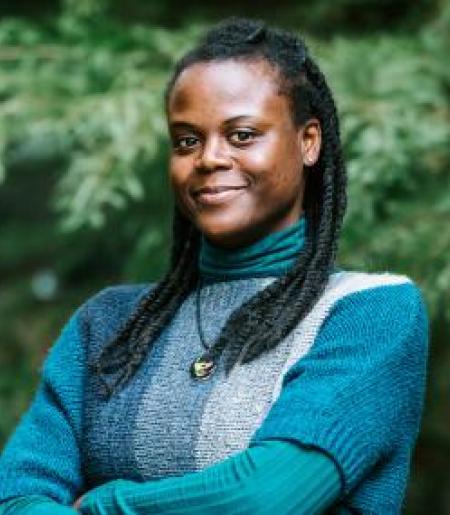
Dr. Swanne Gordon is an Assistant Professor and the CALS Graduate Diversity and Inclusion Lead at Cornell University's Ecology and Evolutionary Biology Department within the College of Agriculture and Life Sciences. She specializes in evolutionary patterns and processes, organismal biology, and academic diversity initiatives. Her research focuses on how organisms adapt to environmental changes, particularly in Trinidadian guppies and Lepidoptera, integrating behavioral, ecological, and neuroplasticity perspectives. Education: Ph.D., University of California Riverside, Biology M.S., McGill University, Biology B.Sc., Michigan State University, Biology Her lab explores topics such as rapid evolution in novel environments, warning color polymorphism, urban ecology, and eco-evolutionary dynamics. Recent publications emphasize neuroplasticity, sexual selection, and the role of light in mating behaviors. She actively promotes diversity in STEMM fields and decolonizes academic research. Courses taught include Special Topics in Ecology and Evolutionary Biology (BIOEE 4940) and Advanced Ecology (BIOEE 3610). Labs/Teams: Her lab emphasizes interdisciplinary collaboration and outreach to enhance diversity in evolutionary and ecological research. Affiliations include the Cornell Stable Isotope Laboratory and the Museum of Vertebrates.
James Mallet is a Professor of Organismic and Evolutionary Biology at Harvard University's Faculty of Arts and Sciences. His research focuses on evolution, hybridization, and speciation in butterflies, particularly Heliconius species. He leads the Mallet Lab, which combines fieldwork (e.g., Amazon rainforest studies), population genetics, and genomics to explore mechanisms of species divergence and introgression. Notable projects include examining hybrid sterility in Heliconius, genomic analysis of hybrid zones, and the ecological impacts of anthropogenic pressures on biodiversity hotspots. The lab collaborates internationally, with members including Tianzhu Xiong, Shuzhe Guan, and Fernando Seixas. Mallet has advised students like Nate Edelman, whose thesis explored hybridization's evolutionary effects. His work bridges theoretical and empirical approaches, emphasizing the dynamic nature of species boundaries. Research interests span evolutionary genetics, speciation mechanisms, and biodiversity conservation. Key methods include genomic sequencing, field experiments, and phylogenetic modeling. Recent publications emphasize hybridization’s role in adaptation, the collapse of genetic incompatibilities, and the genomic architecture of mimicry traits. The lab’s work has implications for understanding species resilience in changing environments and the genetic basis of evolutionary innovations. Lab activities include organizing thesis defenses (e.g., Edelman's 2020 defense on hybridization effects) and maintaining a team focused on computational genomics and field studies. While no explicit awards are listed, his contributions to evolutionary biology are widely cited. The Mallet Lab’s interdisciplinary approach integrates ecology, genetics, and computational biology to address fundamental questions about life’s diversity and adaptation.
Dr. Darren Irwin is a Professor in the Department of Zoology at the University of British Columbia (UBC), affiliated with the Biodiversity Research Centre. His research focuses on understanding speciation mechanisms, hybrid zones, and the evolutionary processes shaping biodiversity. Central to his work is an integrative approach combining genomic analysis, field observations, and computational modeling. Key research systems include passerine birds (e.g., warblers, woodpeckers) and salamanders, with studies spanning Asia, Europe, North America, and the Pacific Northwest. His lab explores topics such as hybrid zone stability, genomic differentiation patterns, cytonuclear interactions, and migratory behavior evolution. Research Highlights: Analysis of hybrid zones in yellow-rumped warblers, flameback woodpeckers, and other avian species. Development of the Hybrid Zone with Assortative Mating (HZAM) simulation tool in Julia. Discovery of cryptic species, such as the Pacific wren, now recognized taxonomically. Investigation of migratory divide genetics in Swainson’s thrushes and Wilson’s warblers. Publications emphasize genomic approaches to study speciation, with recent work on three-way hybrid zones in Sri Lankan flamebacks and Z-chromosome-driven plumage divergence in yellowhammers. His lab actively trains graduate students and postdocs, fostering interdisciplinary research in evolutionary biology.
Anne Filppula is a Senior University Lecturer at the Faculty of Science and Engineering , Department of Pharmacy Solutions for Health at Åbo Akademi University. She holds a PhD and a Docent title in translational drug research from the University of Helsinki. Her research focuses on drug metabolism, pharmacogenetics, and innovative drug delivery systems, particularly involving CYP enzymes and drug-drug interactions. Key research areas include Clopidogrel pharmacokinetics , metabolism of CYP2C8 substrates , and hydrogel-based therapies . She has contributed to projects like the Nordic Pharmaceutical Translation and Innovation (2024–2028) and Nordic POP (2018–2025), emphasizing patient-oriented pharmaceutical solutions. Her recent publications highlight advancements in extrusion-based drug formulation , mitochondrial transplantation , and hydrogel-responsive biomaterials . She actively participates in academic activities such as the 1st Helsinki Organ-on-a-chip meeting and serves on examination boards for doctoral defenses. Education: PhD in Pharmacy, Docent in Translational Drug Research (University of Helsinki) Projects: Co-PI in Nordic-funded pharmaceutical innovation initiatives Grants: NordForsk-supported research programs Labs/Teams: Involved in Pharmacy Solutions for Health research groups
Dr. Nicholas Matzke is a Senior Lecturer at the School of Biological Sciences , University of Auckland, New Zealand. His research revolutionizes biogeography by integrating extinction, fossils, organismal traits, and paleogeography into computationally efficient frameworks. Education: PhD in Integrative Biology (2013), University of California, Berkeley MA in Geography (2003), University of California, Santa Barbara Double BSc in Biology and Chemistry (1998), Valparaiso University Dr. Matzke's research spans three major domains: phylogenetic biogeography (developing methods to model trait-dependent dispersal), bacterial flagellum evolution (collaborating on experimental and bioinformatic analyses), and macroevolutionary modeling (integrating fossils and morphological data). His work on the FBD-MSC model and trait-dependent dispersal has transformed divergence time estimation and biogeographical inference. Recent publications show consistent focus on: Integrating molecular and fossil data in phylogenies Quantifying trait-dispersal interactions in rails and crocodiles Modeling historical biogeography using BioGeoBEARS Reconstructing evolutionary timelines with Bayesian methods His 2021 work on Caninae phylogeny demonstrates the power of combined MSC-FBD approaches, while 2019 studies on crocodilian range expansion revealed unexpected trait-dispersal correlations. Scientific Recognition: 2015-2018: Discovery Early Career Researcher Award (DECRA) Fellow at Australian National University 2017: Associate Fellow of The Higher Education Academy As an accredited PhD supervisor with active Marsden Grant projects, Dr. Matzke trains students in phylogenetics, computational modeling, and paleogeographic reconstruction. His lab combines custom software development with empirical studies across diverse taxa, from Rana frogs to Crocodylus crocodiles.
Dr. Rafet Al-Tobasei serves as an Associate Professor in the Department of Computer Science at Middle Tennessee State University (MTSU), where he applies computational methodologies to solve complex biological problems in aquaculture species. His research bridges computer science and genomics to address critical challenges in fisheries science and genetic improvement programs. His academic credentials include: Ph.D. in Computer Science, Middle Tennessee State University (2017) M.A. in Computer Science, Middle Tennessee State University (2011) M.S. in Computer Science, Middle Tennessee State University (2011) B.S. in Computer Science, Tennessee State University (2007) Dr. Al-Tobasei's research program focuses on developing and implementing bioinformatics tools for aquaculture genomics, with particular emphasis on rainbow trout and Nile tilapia. His expertise spans RNA sequencing analysis, Genome-Wide Association Studies (GWAS), Single Nucleotide Polymorphism (SNP) discovery, Long non-coding RNA (lncRNA) characterization, DNA methylation profiling, and Chromatin Immunoprecipitation Sequencing (ChIP-Seq) data interpretation. He investigates molecular mechanisms underlying economically important traits including muscle growth, fillet quality, disease resistance, and stress response. Analysis of his publication record reveals consistent thematic progression in aquaculture genomics: early work established foundational genomic resources for rainbow trout, followed by sophisticated GWAS applications for trait mapping, and recent integration of multi-omics approaches (transcriptomics, epigenomics, and lipidomics). His research increasingly emphasizes practical breeding applications, with significant contributions to genomic selection methodologies using reduced-density SNP panels and advanced statistical models. While specific awards and grants aren't documented in the source material, his extensive publication record in high-impact journals like BMC Genomics and Scientific Reports demonstrates substantial scholarly impact. His collaborative network spans multiple institutions and includes frequent co-authorship with leading aquaculture geneticists, indicating active participation in the research community and likely involvement in mentoring graduate students through research projects.
Jonas Waldenström is a Professor of Microbiology at Linnaeus University , focusing on disease ecology within the Department of Biology and Environment and the Faculty of Health and Life Sciences. Since 2022, he has served as Head of the Department of Biology and Environment. His work bridges avian-borne infectious diseases and their zoonotic potential, particularly influenza viruses, through field surveillance and laboratory characterization. Affiliations : Linnaeus Centre for Ecology and Evolution in Microbial Model Systems (EEMiS), Zoonotic Ecology and Epidemiology (ZEE) research group Leadership Roles : Chairman of Ottenby Bird Station, Editor for Ornis Svecica Research themes include influenza virus evolution , antimicrobial resistance dynamics , and tick-borne pathogen spread in migratory birds. His projects span Global LULC mapping , Baltic-Black Sea disease networks , and Motus radio-tracking collaborations . Publications reveal trends in microbial host-pathogen interactions , environmental drivers of microbiomes , and cross-species disease transmission . He supervises degree projects at all academic levels and contributes to One Health frameworks, emphasizing wildlife-livestock-human interfaces. Recent work explores AMR proximity patterns and influenza host attachment mechanisms . His team employs advanced virology, evolutionary modeling, and field ecology to predict disease emergence.
Anders Forsman is a Professor in the Department of Biology and Environmental Science at Linnaeus University's Faculty of Health and Life Sciences. He serves as the subject coordinator for doctoral education in Ecology, demonstrating his leadership role in academic training. His research spans evolutionary ecology, population dynamics, and conservation biology with a focus on understanding how evolutionary processes contribute to biodiversity across various taxa including insects, fish, amphibians, and mammals. Forsman's research interests center on evolutionary processes that generate diversity in form, color, function, and behavior among living organisms. He investigates how individual variation in functionally important traits affects ecological success of populations and species in changing environments. His work combines behavioral studies, experiments, genetic markers, and theoretical modeling to address fundamental biological questions with applications for conservation biology and sustainable resource management. His research has significant implications for developing more sustainable agricultural, fishing, and forestry practices in the face of climate change. Analysis of Forsman's recent publications reveals a strong focus on climate change impacts across multiple ecosystems. His work spans terrestrial systems (oak forests, moth populations), freshwater environments (riverine fish, pike ecology), and marine contexts (Baltic Sea microbiomes). A recurring theme is examining how biodiversity responds to environmental stressors, with particular attention to spatial patterns, adaptive capacity, and conservation implications. His methodological approach integrates field observations, experimental manipulations, and molecular techniques to provide comprehensive insights into ecological and evolutionary processes. Forsman leads multiple research initiatives including the Evolutionary Ecology group, Fish Ecology research focusing on Baltic coastal predatory fish, and the Linnaeus University Centre for Ecology and Evolution in Microbial model Systems (EEMiS). His current projects address critical environmental challenges such as climate change impacts on coastal ecosystems, adaptation of forest ecosystems to changing conditions, and effects of river fragmentation on fish populations. His collaborative approach is evident in numerous co-authored publications across diverse ecological topics, demonstrating his ability to bridge disciplinary boundaries to address complex environmental questions.
Melanie Brien is a Postdoctoral Researcher at the University of Helsinki, affiliated with the Faculty of Biological and Environmental Sciences and the Organismal and Evolutionary Biology Research Programme. Her research focuses on ecology, evolutionary biology, and genetic mechanisms underlying color polymorphism in insects. Key Research Areas: Warning coloration, genetic variation, phenotypic evolution, aposematism, Heliconius butterflies, wood tiger moths. Selected Publications: Recent work explores genetic correlations in aposematic species, structural color evolution, and color polymorphism mechanisms. Her research combines field observations with genomic analyses to understand adaptation and speciation. Collaborations: Active collaborations with institutions like University of Cambridge and researchers including J. Mappes and C.D. Jiggins.
Professor Terry Burke is a Chair in Molecular Ecology at the School of Biosciences, University of Sheffield (1998–present). He has held leadership roles including Head of the NERC Biomolecular Analysis Facility–Sheffield (1998–present) and Director of the NERC Biomolecular Analysis Facility (UK-wide) (2008–present). BSc (1979), University of Wales, Bangor PhD (1984), University of Nottingham His research focuses on mating systems, sexual selection , and genetic diversity in wild populations , with expertise in avian genetics and conservation genetics . Recent work explores gut microbiome dynamics , telomere inheritance , and supergenes in color polymorphism . His publications span evolutionary biology, genetics , and ecology , with recurring themes in sexual selection , parental care , and genetic adaptation . Awards include NERC, Royal Society, and Leverhulme Trust fellowships. NERC Postdoctoral Research Fellow Leverhulme Trust Research Fellow Chair, Molecular Ecology Prize Committee Editorial roles in journals like Molecular Ecology and Nature Communications
Yusan Yang is an Assistant Professor at the University of South Florida's Department of Integrative Biology, within the College of Arts and Sciences. His research focuses on evolutionary ecology, animal behavior, and visual ecology, particularly examining the evolution of animal coloration and mating strategies in poison frogs and Trinidadian guppies. He holds a Ph.D. in Ecology & Evolution from the University of Pittsburgh (2020) and a B.S. in Biology from National Taiwan University (2013). Dr. Yang's lab investigates how mating behaviors, sexual ornaments, and social learning influence sexual selection, speciation, and diversification. Key projects include studying light's impact on guppy mating tactics, transcriptomic mechanisms of color production, and the role of learning in speciation. Recent publications highlight work on brain morphology evolution, foraging strategies, and eco-evolutionary dynamics. Education: Ph.D., Ecology & Evolution, University of Pittsburgh, 2020 B.S., Biology, National Taiwan University, 2013 His lab includes multiple undergraduate researchers, a master's student, and a PhD student, with active recruitment for diverse roles. Notable collaborations include work with Dr. Diego Santiago-Alarcon. Lab highlights include a featured article in Animal Behaviour and a focus on interdisciplinary approaches combining field experiments, comparative studies, and mathematical modeling.