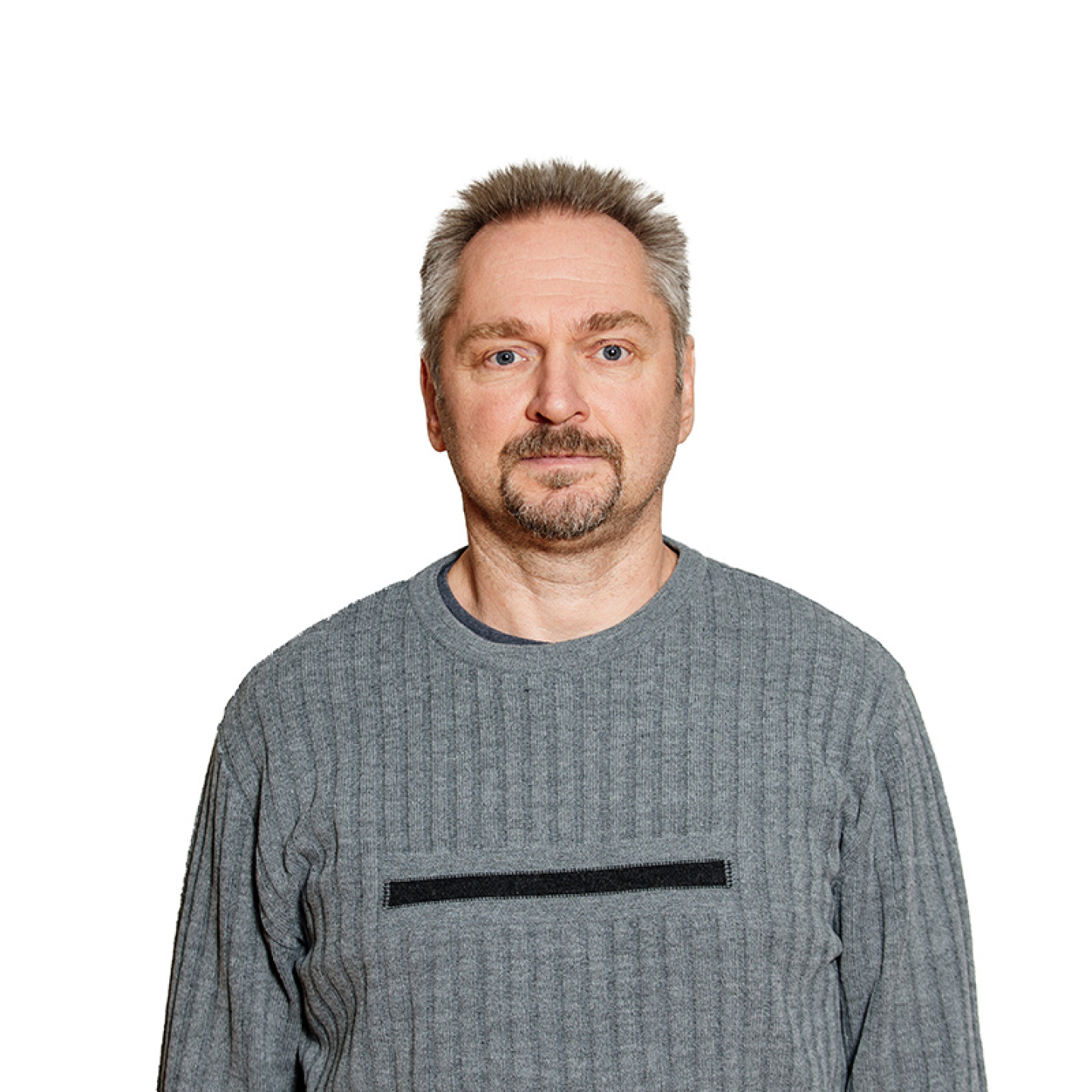
Zackary Graham is an Assistant Professor of Biology at West Liberty University, affiliated with the College of Sciences and Department of Biological Sciences. His research spans ecology, evolutionary biology, and animal behavior, with a focus on crayfish and other invertebrates. Fields of Interest: Biology, Ecology, Evolutionary Biology, Animal Behavior, Zoology, Conservation Biology His recent work examines coloration, claw morphology, burrowing behavior, and communication in crustaceans, alongside human-wildlife interactions in rattlesnake conservation. Common themes include adaptive traits, life history strategies, and biomechanical influences on behavior. From 2025 to 2023, Zackary published 15 studies covering crayfish evolutionary ecology, aggressive signaling, and habitat effects on morphology. These articles highlight interdisciplinary research bridging zoology, behavioral science, and conservation. Contact: zackary.graham@westliberty.edu
Colette M St. Mary is a Professor and Associate Chair in the Department of Biology at the University of Florida. Her research focuses on behavioral and evolutionary ecology, particularly reproductive life history evolution, phenotypic plasticity, and the evolutionary aspects of cancer. She integrates field studies, lab experiments, and mathematical modeling, primarily using fish as model organisms. She actively mentors undergraduate and graduate students, emphasizing open communication and collaborative environments. Courses taught include ZOO 6308: Dynamic Optimization Modeling and PCB 4674: Evolution . Her lab explores evolutionary questions ranging from microevolutionary processes to applications in fisheries management. Research interests include animal personality, domestication, and the ecological context of evolutionary changes. Notable projects involve modeling male reproductive strategies in orb-web spiders and analyzing the impact of urbanization on northern cardinal behavior. She emphasizes undergraduate research opportunities and collaborative work with hobbyists and scientists. Her work often bridges theoretical and applied ecology, with publications addressing topics like stem cell niche dynamics and tumor evolution. Students under her supervision have pursued diverse topics such as life-history evolution, fisheries management, and behavioral ecology. Her lab’s recent work includes studies on autotomy in leaf-footed bugs and the evolutionary implications of small stem cell niches. Despite no explicit awards listed, her extensive publication record highlights her contributions to evolutionary and ecological research.
Silvia Keinath is a postdoctoral researcher at the Museum of Natural History - Leibniz Institute for Evolution and Biodiversity Research in Berlin, Germany. Since 2022, she has been part of the research cluster NaturBerlin , focusing on urban ecological research and the development of a biodiversity index for Berlin. Her academic background includes a Bachelor's and Master's in Biology from Julius-Maximilians-University Würzburg, and a PhD in Biology/Ecology from Humboldt University Berlin (2016-2021), where she worked under PD Dr. Rödel in the Bridging in Biodiversity Science (BIBS) project of the Berlin-Brandenburg Institute of Advanced Biodiversity Research (BBIB). 2009-2013: B.Sc. in Biology (Microbiology, Parasitology) - Julius-Maximilians-University Würzburg 2013-2015: M.Sc. in Biology (Behavioral Physiology, Animal Ecology) - Julius-Maximilians-University Würzburg 2016-2021: Ph.D. in Biology/Ecology via Humboldt University Berlin at Museum für Naturkunde Her research spans urban ecology, evolutionary biology, and environmental stressors, emphasizing long-term ecological changes in urban-rural gradients. Her publications analyze morphological adaptations in insects due to light pollution, color polymorphism in beetles, and conceptual frameworks for ecosystem management in the Anthropocene. She has no explicitly listed scientific awards or advisees. Her work integrates biodiversity metrics with urban planning and global change biology.
Dr. Peter Niewiarowski serves as a Professor in the Biology Department at the University of Akron, conducting interdisciplinary research at the intersection of ecology, evolution, and biomimicry. His work spans population biology of spotted salamanders, physiological ecology of fence lizards, and bio-inspired design, with a current emphasis on gecko adhesion mechanics in collaboration with polymer scientists. His educational foundation includes a PhD in Ecology and Evolutionary Biology from the University of Pennsylvania (1992). Research interests are deeply rooted in evolutionary theory, driving investigations into salamander population dynamics in fragmented landscapes, thermal niche selection in color-polymorphic salamanders, and the biomechanics of lizard adhesion. Recent efforts focus on gecko adhesion for biomimetic applications, exploring how surface roughness, wetness, and claw morphology affect performance, leading to synthetic adhesive systems developed with Polymer Science colleagues. Analysis of his recent publications (2018-2023) reveals a dominant theme in gecko adhesion mechanics, including studies on wet and rough substrates, acid-base interactions, and comparative analyses with anole lizards. This work bridges biology and materials science, yielding insights for synthetic adhesives. Additionally, he explores biomimicry applications in sustainability training and historical political ecology of river systems. Dr. Niewiarowski mentors graduate and undergraduate students through the Integrated Bioscience PhD program and Biomimicry Research and Innovation Center. His collaborations with Polymer Science faculty demonstrate interdisciplinary grant-seeking success, particularly in developing bio-inspired adhesive technologies. He leads research teams within the Biomimicry Research and Innovation Center, focusing on gecko adhesion mechanics, salamander population ecology, and biomimetic design applications. His laboratory integrates biological observation with polymer science to translate natural adhesion systems into sustainable engineering solutions.
Matthias Kropf is a Privatdozent (equivalent to Senior Lecturer) at the Institute of Integrative Nature Conservation Research, Department of Ecosystem Management, Climate and Biodiversity, at the University of Natural Resources and Life Sciences, Vienna (BOKU). His research spans multiple disciplines within botany and conservation biology, with particular expertise in phylogeography, steppe grassland ecology, orchid biology, and invasive species management. He maintains an active research program with numerous ongoing projects and collaborations across Europe. His educational background includes completing his dissertation in Botany (1998-2002), a post-doc at Mainz University's Institute of Special Botany (2002-2003), and habilitation in Special Botany (2008-2010). This strong foundation in plant systematics and ecology has informed his diverse research program. Kropf's primary research interests focus on the phylogeography of Central European steppe plants, particularly studying genetic diversity patterns across geographic ranges. His work on orchid pollination biology, especially color polymorphism in species like Dactylorhiza sambucina, has provided valuable insights into reproductive strategies. He also investigates invasive species like Ambrosia, cave crickets (Orthoptera), and beaver population genetics, often combining molecular techniques with traditional ecological field studies. An analysis of his recent publications reveals a consistent interdisciplinary approach that bridges molecular biology, ecology, and conservation science. His work frequently examines how historical biogeography influences current genetic diversity patterns, with practical applications for conservation management. The publications demonstrate strong collaborations across European institutions and address both fundamental scientific questions and applied conservation challenges. Scientific Awards: Multiple Scientific Awards from the Vienna Environmental Protection Department for Master's theses he supervised (2010, 2016, 2018, 2019) Young Investigator Prizes for Kristina Plenk at the 14th Eurasian Grassland Conference (2017) Early-career Scholarship for Species and Habitat Protection from Rhineland-Palatinate (1995) Kropf has supervised numerous Master's students whose research has been recognized with prestigious awards. His grant portfolio includes multiple projects funded by the Austrian Science Fund (FWF), the City of Vienna, and various federal agencies. Current projects include genetic diversity assessment of steppe plants, DNA barcoding of cave crickets, urban biodiversity studies on public transport areas, and long-term monitoring of orchid populations in Vienna's Lobau National Park. His work often involves interdisciplinary teams combining expertise in botany, entomology, and molecular genetics. He is actively involved in several research networks and teams, including the Lobau National Park conservation initiatives, the European Grassland Conference network, and collaborative projects studying the Pannonian steppe ecosystem. His work with the ABOL (Austrian Barcode of Life) initiative demonstrates his commitment to integrating cutting-edge molecular techniques into biodiversity conservation.
Gillian Moritz, Ph.D., is an Associate Professor at the University of Nevada, Reno (UNR Med), where she teaches human gross anatomy to medical students. Her research focuses on sensory systems in humans and nonhuman primates, particularly the visual system, combining field studies with anatomical, behavioral, and molecular analyses. Education : B.S. in Biology (magna cum laude) from Saint Louis University; Ph.D. in Biological Sciences from Dartmouth College. Dr. Moritz's research explores primate sensory adaptations , with a focus on color vision evolution , nocturnal visual specializations , and comparative anatomical analysis . Her work often intersects with isotope biogeochemistry and retinal topography . Recent publications highlight her contributions to millimeter-wave radar applications in biomedical detection and anatomical variation studies . She actively investigates primate communication in ultrasound and evolutionary implications of opsin genes . Dr. Moritz's teaching philosophy emphasizes anatomy as a diagnostic tool rather than rote memorization, aiming to create engaging learning environments for future clinicians. She has contributed to conservation genetics research and paleodietary analysis through stable isotope studies.
Victor Lagerkvist is an Associate Professor at the Department of Computer Science (IDA) , Linköping University, Sweden. He is affiliated with the Theoretical Computer Science Laboratory (TCSLAB) and the Artificial Intelligence and Integrated Computing Systems (AIICS) division. His research focuses on the algebraic method for analyzing computational complexity , particularly in constraint satisfaction problems (CSPs), SAT, and graph homomorphism problems. PhD in Computer Science (2016, Linköping University) Habilitation (2020, Linköping University) His recent work investigates fine-grained complexity , twin-width , and universal algebra to improve algorithms for NP-hard problems. Publications span topics like propositional abduction, Allen's interval algebra, and semiring-based dynamic programming. His scientific awards include the Swedish Research Council Starting Grant (2020) and the 2017 Young Researcher Prize from the Ruth and Nils-Erik Stenbäck Foundation. He supervises PhD students such as Leif Eriksson and serves as a secondary supervisor for others at Linköping University and Université de Lorraine.
Dr. Joana Isabel Meier is a Royal Society University Research Fellow and Group Leader at the Tree of Life Programme of the Wellcome Sanger Institute. She holds a joint affiliation with the Department of Zoology , University of Cambridge, and previously served as a Branco Weiss Fellow and Bateson Research Fellow at St John’s College, University of Cambridge. Her work focuses on evolutionary genomics, particularly the mechanisms driving rapid speciation and adaptation across diverse taxa. Education: Bachelor of Science in Biology (insigni cum laude) , University of Bern Master of Science in Ecology and Evolution (summa cum laude) , University of Bern PhD in Ecology and Evolution (summa cum laude) , University of Bern Semester abroad, University of Vermont Research Interests: Dr. Meier investigates the genomic underpinnings of rapid speciation and adaptive radiation, emphasizing the roles of hybridization, chromosomal rearrangements, and genetic architecture. Her team studies diverse organisms including ithomiini butterflies, peacock spiders, and cichlid fishes, leveraging whole-genome sequencing to uncover how lineages diversify at accelerated rates. Key questions include the interplay between ecological opportunity and genetic exchange in adaptive radiations. Scientific Awards: Royal Society University Research Fellowship Branco Weiss Fellowship Bateson Research Fellowship Collaborations: Dr. Meier collaborates extensively across institutions, including the University of Berkeley, University of Sydney, and research teams in Ecuador, Colombia, and Brazil. She contributes to large-scale initiatives like the Darwin Tree of Life Project and leads Project Psyche for sequencing European Lepidoptera.
Allan Balmain is a Professor at the University of California San Francisco (UCSF) specializing in cancer genetics and environmental carcinogenesis. His research leverages mouse models to investigate how chemical and radiation exposures interact with genetic susceptibility to drive cancer development, with a focus on translating findings into personalized diagnostic and therapeutic approaches. Education BSc in Chemistry (Honors), University of Glasgow, 1966 PhD in Organic Chemistry, University of Glasgow, 1969 Postdoctoral Fellowship, University of Strasbourg, France (1969-1971) Postdoctoral Fellowship, German Cancer Research Centre, Heidelberg (1971-1972) Research Focus Dr. Balmain pioneers "Systems Genetics" approaches to map mutational landscapes and gene expression networks in carcinogen-exposed tissues. His work reveals critical roles for stem cell fate decisions , immune regulation pathways , and inflammatory responses in tumor progression. Current projects integrate multidimensional data to identify therapeutic targets for combinatorial radiotherapy and immunotherapy, particularly in skin and lung cancers. Publication Trends His 2018-2025 publications demonstrate evolving focus from foundational mouse carcinogenesis models to integrative analyses of mutational signatures and stem cell dynamics. Recent work emphasizes environmental carcinogen impacts (air pollution, radiation), tumor immunology intersections, and computational network approaches to identify critical pathway interactions in squamous cell carcinoma and breast cancer. Scientific Recognition Elected Fellow of the Royal Society (preeminent scientific honor) American Skin Association Achievement Award (2015) John B. Little Award, Harvard School of Public Health (2011) UICC Roll of Honor (2000) Royal Society European Programme Fellowship Research Leadership As principal investigator of an active UCSF laboratory, Dr. Balmain directs multidisciplinary teams developing "Systems Genetics" frameworks for cancer research. His group maintains extensive international collaborations, particularly with European cancer genomics consortia, and trains next-generation scientists in integrative approaches to environmental carcinogenesis.
Marco Rossi is a Researcher at the Department of Social and Economic Sciences , Università degli Studi di Roma "La Sapienza." His academic focus includes Economics, Political Economy, and Public Policy , with a specialization in cannabis legalization, sports betting, aging populations, and welfare economics. His research bridges economic theory with interdisciplinary applications, as evidenced by publications on topics ranging from sustainable materials to archaeological conservation . Key areas include economic policy, resource allocation, and social market dynamics. Scientific awards include the 2023 Best Video at the International Symposium for Testing and Failure Analysis and 3rd place in the False Color Image Category at the same symposium. His work also emphasizes non-invasive analytical techniques, such as Tip-Enhanced Raman Spectroscopy and X-ray Microscopy , for studying both modern and historical materials.
Dr. Stevan Avramov (born April 16, 1967) holds dual appointments as a Professor at the Faculty of Dentistry in Pančevo, University of the Academy of Economics in Novi Sad, and as a Principal Research Fellow at the Department of Evolutionary Biology, Institute for Biological Research 'Siniša Stanković' in Belgrade. His academic journey began at the Faculty of Biology at the University of Belgrade in 1987, where he graduated in 1992 with a degree in Applied Genetics. He completed postgraduate studies in Genetics in 1994 and defended his master's thesis on Iris pumila in 1995, followed by his dissertation on ontogenetic phenotypic plasticity in 2008. Research spans biodiversity, invasion biology, Eco-Evo-Devo, ecophysiology, and environmental protection Involved in four basic research projects funded by the Ministry of Science of Serbia (1993-2019) Current project: 'Conservation of genetic diversity and dynamics of natural populations of endangered plant species: Flower color polymorphism of Iris pumila L.' Dr. Avramov is an active member of multiple scientific societies including the Serbian Biological Society, Society of Geneticists of Serbia, Serbian Medical Society, Society for Plant Physiology of Serbia, and Federation of European Societies of Plant Biology.
Dr. Sanja Manitašević Jovanović is a Senior Research Associate in the Department of Evolutionary Biology at the Institute for Biological Research 'Siniša Stanković', University of Belgrade. Her work bridges ecological and molecular approaches to study plant adaptation mechanisms. Education: Ph.D. in Biology (University of Belgrade, Faculty of Biology, 2010) B.Sc. in Biology (University of Belgrade, Faculty of Biology, 2003) Research Focus: She investigates plant adaptive responses to environmental variability (light, temperature) through biochemical mechanisms like heat shock proteins and antioxidant systems, while also exploring flower trait evolution and biological pest control applications. Notable Projects: Modulation of glucocorticoid receptor function (2004-2005) Psychobiology of PTSD (FP6 project, 2004-2007) Glucocorticoid receptor/HSP expression study (2006-2010) Evolution in laboratory and nature (2011-2020) Thym Protect (2023/24) - bioinsecticide development Professional Affiliations: Serbian Society for Molecular Biology Serbian Plant Physiology Society
Sandra Winters is a Postdoctoral Researcher at the University of Helsinki , affiliated with the Faculty of Biological and Environmental Sciences and the Organismal and Evolutionary Biology Research Programme . Her research is funded by the Academy of Finland project "The evolution of warning signal diversity" from 2022 to 2025. She also serves as a supervisor for the Doctoral Programme in Wildlife Biology. Academic rank: Researcher Email: sandra.winters@helsinki.fi Research Interests: Sandra specializes in evolutionary biology and ecology, with a focus on adaptive coloration, visual ecology, and complex signaling systems. Her work spans predator-prey dynamics, sexual selection, and evolutionary adaptations across diverse taxa including primates, moths, and fruit structures. Key Research Trends: Her recent publications highlight: Ecological drivers of warning signal diversity Mechanisms of protective coloration in mammals Signal evolution in primate societies Interdisciplinary approaches combining computer vision and evolutionary theory Academic Activities: She organized the Oikos Finland 2023 Conference and contributes to multidisciplinary collaborations in wildlife biology.
Eetu Veli Albert Selenius is a Doctoral Researcher at the University of Helsinki, affiliated with the Faculty of Biological and Environmental Sciences and the Organismal and Evolutionary Biology Research Programme. He is also part of the Doctoral Programme in Wildlife Biology and maintains an ORCID profile (0000-0001-6204-8120). His research focuses on evolutionary ecology, particularly examining sexual selection, polymorphism, and communication in moth species. His work investigates how ecological contexts shape mating behaviors and morphological variations in wood tiger moths. He employs both field and laboratory approaches to understand the evolutionary mechanisms driving color morph diversity and pheromone signaling systems in polymorphic moth populations. His field of science is specifically categorized as Ecology and Evolutionary Biology (code 1181). Selenius's publication record demonstrates a focused research trajectory examining the interplay between morphological variation and reproductive behaviors in moths. His work bridges behavioral ecology with evolutionary genetics, investigating how different color morphs experience varying selective pressures in different environments. He has received the Godfrey Hewitt Mobility Award in March 2024, which supported his academic visit to Johannes Gutenberg University of Mainz from November 4-28, 2024. Selenius actively participates in the academic community through conference presentations and organizing scientific events. He has presented at the 6th Conference of the Nordic Society of Oikos and the 33rd LUOVA Spring Symposium, and has been involved in outreach activities such as the Itakeskus peruskoulu visit to Biocenter3 where he served as a presenter. His research is conducted within collaborative networks, as evidenced by his co-authorship with researchers including De Pasqual, Mappes, Hänninen, and others, focusing on the evolutionary ecology of polymorphic moth species.
Associate Professor Geoff While is a behavioral and evolutionary ecologist at the University of Tasmania's School of Natural Sciences, Biological Sciences department. With a focus on understanding the evolutionary origins of social behavior, particularly in lizards, While has established the Egernia lizard system as a model for examining key evolutionary and ecological questions. His research has significant biological and philosophical relevance, addressing fundamental questions about why animals live together and the impacts this has on evolution, environment, and society. While's educational background includes a Bachelor of Science with first-class honors (1999-2002) and PhD (2004-2009), both from the University of Tasmania. He has held prestigious positions including a Marie Curie Fellowship at the University of Oxford and an ARC Discovery Early Career Research Fellowship. His career demonstrates a strong commitment to integrating field studies with experimental approaches to address evolutionary questions. His research spans several interconnected areas: the evolutionary origins of family living and parental care, climate change adaptation in reptiles, social behavior in lizards, kin recognition mechanisms, and maternal effects. A particularly notable finding was documenting how lizards introduced to England from warmer climates rapidly evolved mechanisms to cope with cooler temperatures, demonstrating rapid adaptation to climate change. Analysis of While's recent publications reveals a consistent focus on how environmental factors, particularly temperature, influence evolutionary processes, social behavior, and reproductive strategies in reptiles. His work increasingly integrates genomic approaches with traditional ecological and behavioral methods, reflecting a trend toward more comprehensive, multi-disciplinary research in evolutionary ecology. 2009: Royal Society of Tasmania's Doctoral Award 2009: Nominated for the Faculty 1000 in Biology 2013: Australian Institute of Policy and Science Tall Poppy award While actively supervises numerous doctoral students and has received substantial research funding from organizations including the Australian Research Council, Holsworth Wildlife Research Endowment, and The Hermon Slade Foundation. His current projects focus on climate impacts on sky island reptiles, telomere dynamics in ectotherms, and the evolutionary significance of maternal thermal effects. He also collaborates extensively with researchers from Oxford, Lund, and other international institutions, reflecting the global significance of his work in evolutionary biology.