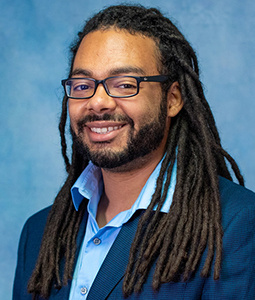
D. Fox Harrell is a Professor of Digital Media and Artificial Intelligence at MIT's Computer Science and Artificial Intelligence Laboratory (CSAIL), leading the Imagination, Computation, and Expression (ICE) Lab. He directs the MIT Center for Advanced Virtuality, pioneering computational media for social impact. His research bridges AI, cognitive science, and digital arts to explore imagination's intersection with technology. He holds a PhD and has authored the seminal book *Phantasmal Media* (MIT Press, 2013), earning an Emmy for his virtual reality initiatives. His work includes the Chimeria Platform (patented), which models social identity in games and media, and Project VISIBLE, using VR to teach behavioral ethics. Key awards include the NSF CAREER Award for identity representation research. His interdisciplinary collaborations span MIT's Institute for Data, Systems, and Society (IDSS) and international initiatives like the QCRI-CSAIL Alliance.
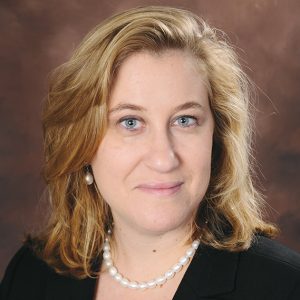
Rebecca A. Kobrin serves as the Russell and Bettina Knapp Associate Professor of American Jewish History at Columbia University, actively contributing to scholarship and pedagogy as of 2025. Her research bridges immigration history, urban studies, and Jewish diaspora studies, with leadership in the award-winning Historical NYC Project that digitally reconstructs New York City's demographic evolution from 1850 to 1940. Her academic credentials include: Ph.D. from the University of Pennsylvania (2002) M.S. Ed. from University of Pennsylvania, School of Education (2000) M.A. from University of Pennsylvania (1995) B.A. from Yale University (1994) Professor Kobrin's research interrogates the socioeconomic dimensions of East European Jewish migration through interdisciplinary lenses, examining financial networks, urban spatial dynamics, and transnational philanthropy. Her work reveals how immigrant communities navigated economic vulnerability while maintaining diasporic connections, particularly through landsmanshaftn (mutual aid societies) and cross-border capital flows. Digital humanities methodologies enhance her analysis of urban settlement patterns and demographic shifts. Her scholarly output demonstrates consistent focus on Jewish immigrant economic agency, with recurring themes of financial failure, gendered household economies, and diaspora responses to geopolitical upheavals like the 1905 Russian Revolution. Publications frequently analyze Yiddish press representations of Eastern European cities and transnational philanthropy during interwar crises. Major recognitions include: Jordan Schnitzer Prize (2012) for Jewish Bialystok and Its Diaspora Columbia University’s Lenfest Distinguished Faculty Award (2015) American Jewish Historical Society’s Wasserstein Prize (2013) Shoah Foundation Teaching Award (2012) National Jewish Book Awards Finalist (2010) Professor Kobrin’s mentorship earned Columbia’s Lenfest Award for graduate student guidance, supported by fellowships from the American Philosophical Society, ACLS, and Fulbright programs. Her current flagship initiative—the Historical NYC Project—secures multidisciplinary funding to visualize urban transformation through interactive cartography. As principal investigator, she directs collaborative research integrating historical archives with spatial analysis. The Historical NYC Project team unites historians, data scientists, and cartographers in creating an acclaimed digital platform mapping New York City’s demographic metamorphosis across 90 years, revealing how immigrant communities reshaped urban landscapes through settlement patterns and institutional development.
R. Kenneth Marcus serves as the Robert Adger Bowen Professor of Chemistry in Clemson University's College of Science Department of Chemistry, where he has maintained an active research program for 38 years. His work bridges analytical instrumentation development and advanced separation science with applications spanning nuclear safeguards to biomedical diagnostics. His academic foundation includes dual Bachelor of Science degrees in Chemistry (with honors) and Physics from Longwood College (1982), followed by a Ph.D. in Chemistry from the University of Virginia (1986). This multidisciplinary training underpins his innovative research approach. Dr. Marcus's research focuses on two synergistic thrusts: (1) plasma-based atomic spectrochemical techniques using glow discharge sources, particularly the liquid sampling-atmospheric pressure glow discharge (LS-APGD) microplasma for optical emission and mass spectrometry; and (2) capillary-channeled polymer (C-CP) fiber stationary phases for high-speed protein and extracellular vesicle separations. Current efforts target field-deployable nuclear safeguards instrumentation and exosome isolation platforms for clinical applications, leveraging commodity polymers like polypropylene and nylon. His 2024-2025 publications reveal a strategic convergence where LS-APGD mass spectrometry enables ultra-high-resolution isotopic analysis for nuclear applications, while C-CP fiber chromatography advances exosome purification across diverse biological matrices. This dual focus positions his work at the intersection of national security needs and emerging biomedical diagnostics. His distinguished recognition includes: Fellow of the Royal Society of Chemistry (2010) Fellow of the American Association for the Advancement of Science (2012) Fellow of the Society for Applied Spectroscopy (2016) Fellow of the National Academy of Inventors (2018) Clemson University Researcher of the Year (2019) South Carolina Governor’s Award for Excellence in Science Research (2001) Dr. Marcus has mentored 44 Ph.D. and 17 M.S. students to completion. His research receives sustained support from the National Nuclear Security Administration (NNSA) through Oak Ridge National Laboratory for nuclear safeguards instrumentation, the National Science Foundation (NSF) for chromatography development, and the Advanced Mammalian Biomanufacturing Innovation Center (AMBIC) for metal speciation studies in bioreactors. His laboratory occupies dedicated spaces (BRC 102, 102A, and 106) within Clemson's AG Biotech/Biosystems Research Complex, housing specialized instrumentation for plasma source development, mass spectrometry coupling, and high-throughput fiber chromatography systems that support collaborative work with nuclear security agencies and biomedical researchers.
João F. Mano is a Full Professor at the Department of Chemistry, University of Aveiro, and Director of the Doctoral Program on Biotechnology. He leads the COMPASS Research Group and serves as Vice-Director at CICECO - Aveiro Institute of Materials. His academic appointments include Invited Professor at University of Lorraine (France), Visiting Professor at KAIST (South Korea), and Adjunct Professor at Ajou University (South Korea). Education: PhD in Chemistry (1996, Technical University of Lisbon); D.Sc. in Tissue Engineering, Regenerative Medicine and Stem Cells (2012, University of Minho) Research Interests focus on Biomaterials for Regenerative Medicine , integrating Nanotechnology , Microtechnology , and Biofabrication . His group develops Bioinspired Materials using polymer chemistry, Decellularized Extracellular Matrix , and 3D Bioprinting to engineer Cell Microenvironments for therapeutic applications. Recent Publications highlight advancements in Human-Derived Hydrogels , Photopolymerizable Scaffolds , Magneto-Responsive Biomaterials , and Programmable Bioinks . Trends show emphasis on Organ-on-a-Chip integration, Smart Living Materials , and Green Bioprinting methodologies. Scientific Awards include: European Research Council Advanced Grants (2015, 2020) Fellow at IUPAC, European Academy of Sciences, and American Institute of Medical and Biological Engineering ERC Proof of Concept Grants Doctor Honoris Causa from University of Lorraine and Utrecht UNESCO Chair on Biomaterials George Winter Award (European Society for Biomaterials) Supervisions & Collaborations encompass 74+ MSc, 26+ PhD students, and 40+ postdocs. He co-founded METATISSUE and CELLULARIS Biomodels , and serves as Editor-in-Chief of Materials Today Bio .
Forest Agostinelli is an Assistant Professor in the Department of Computer Science and Engineering at the Molinaroli College of Engineering and Computing, University of South Carolina, where he is also affiliated with the AI Institute. His research focuses on designing AI algorithms for pathfinding problems, integrating deep learning, reinforcement learning, heuristic search, and formal logic. He holds a Ph.D. in Computer Science from the University of California, Irvine, an M.S. from the University of Michigan, and a B.S. in Electrical and Computer Engineering from The Ohio State University. Research Overview : Agostinelli’s work emphasizes solving pathfinding problems in domains like robotics, theorem proving, and molecular optimization. His group develops explainable AI methods to enable collaboration between humans and machines. Key projects include DeepCubeA (solving the Rubik’s Cube via deep reinforcement learning) and neural activation function research. Funding & Awards : He has secured grants from NSF, NASA EPSCoR, and South Carolina’s ASPIRE and MADE programs. Notable awards include the NSF Graduate Research Fellowship and the Graduate Education for Minority Students Fellowship. Teaching : He teaches courses in Artificial Intelligence (CSCE 580) and Deep Reinforcement Learning and Search (CSCE 790), mentoring over 15 students at undergraduate and graduate levels. Labs & Collaborations : Active in AI-driven education and interdisciplinary projects, his lab contributes to tools like ALLURE for children’s learning and Bioinformatics platforms like CircadiOmics.
Dr Bhishna Bajracharya is an Associate Professor of Urban Planning at Bond University's Faculty of Society & Design. He previously taught at Queensland University of Technology (QUT) for over 12 years and worked as a post-doctoral fellow at the Australian National University. His research focuses on urban sustainability, disaster resilience, and master-planned communities. Education: PhD in Urban Planning, University of Hawaii (200?) MURP in Urban Planning, University of Hawaii BArch in Architecture, Delhi University Research Interests: Smart cities and infrastructure Disaster management and community resilience Transit-oriented development Climate change adaptation Sustainable campus design Knowledge-based regional economies Recent Research Trends: His recent work emphasizes cross-border planning (e.g., Gold Coast Airport integration), megaproject governance, and innovative disaster management frameworks. He frequently collaborates with governments and NGOs to bridge research and policy gaps. Awards & Grants: Australian Research Council (ARC) Linkage Grant for community narratives in urban planning Emergency Queensland grant for disaster governance research Advising & Partnerships: Supervising PhD students in urban planning Collaborations with QUT's Creative Industries faculty Member of Bond University's Sustainability Committee Labs & Teams: Affiliated with the Centre for Comparative Construction Research at Bond University, focusing on global urban challenges.
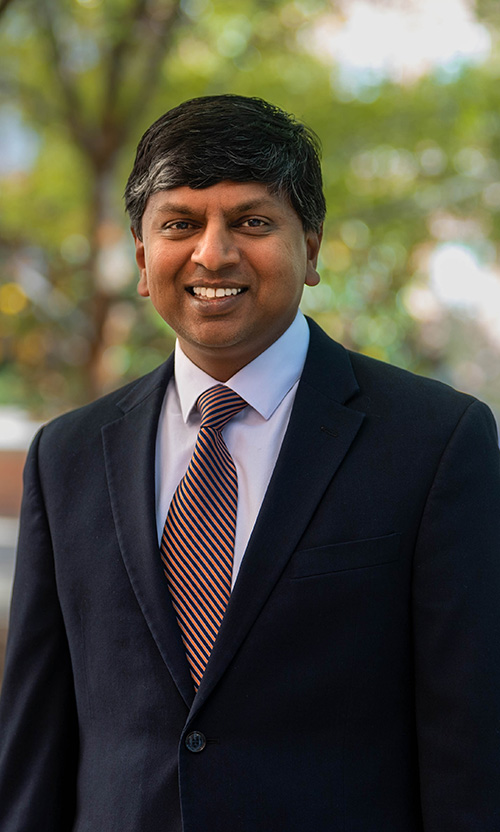
Allan David serves as the John W. Brown Professor of Chemical Engineering and Associate Dean for Research at Auburn University's Samuel Ginn College of Engineering. His leadership extends across academic administration and cutting-edge nanomedicine research, with a focus on translating laboratory discoveries into clinical applications. His educational foundation includes: Ph.D. in Chemical Engineering, University of Maryland B.S. in Chemical Engineering, University of Maryland Dr. David's research program pioneers nanomedicine applications through the development of smart materials for cancer diagnostics and therapy. His work spans nanoparticle-based MRI contrast agents , ocular drug delivery systems , and vaccine delivery platforms , with particular emphasis on optimizing physicochemical properties for targeted biological interactions. Current projects address critical healthcare challenges including safer contrast agents for patients with kidney impairment and precision cancer targeting mechanisms. Analysis of his 15 most recent publications reveals a cohesive research trajectory centered on magnetic nanoparticles and biomimetic delivery systems . The work demonstrates increasing translational focus, evolving from fundamental nanoparticle characterization (2020-2021) to clinically relevant applications like ocular delivery and cancer theranostics (2022-2024), culminating in commercialization efforts through NanoXort, LLC. Dr. David has secured significant research funding including an $184,773 grant from the Alabama Department of Economic and Community Affairs (ADECA) for developing cardiovascular MRI agents. He leads collaborative efforts that bridge chemical engineering with biomedical innovation, notably co-founding NanoXort, LLC to commercialize safer MRI contrast agents addressing gadolinium toxicity concerns for renal-impaired patients. His laboratory operates at the intersection of chemical engineering and medicine, focusing on nanoparticle-cell interactions and targeted delivery systems. The research group maintains strong industry partnerships through the NanoXort startup, which has secured $1 million NSF funding to advance MRI contrast agent technology toward clinical implementation.
Besiki Stvilia is a Professor in the School of Information at Florida State University's College of Communication and Information. He holds a Ph.D. and M.S. in Library and Information Science from the University of Illinois at Urbana-Champaign, along with an M.S. in Applied Mathematics from Tbilisi State University. His research focuses on data quality assurance, digital curation, social informatics, and knowledge organization. He has led projects on research data management, metadata frameworks, and collaborative data practices in scientific communities. Stvilia has taught courses including LIS 6205 (Information Behavior), LIS 5263 (Information Retrieval Theory), and LIS 5787 (Metadata Practices). His funded research includes grants on data quality infrastructure for repositories, researcher identity curation, and mobile wellness application behavior studies. His work emphasizes bridging theoretical models with practical applications in digital libraries and academic systems. His research spans topics like GenAI credibility assessment, ontology development for data repositories, and user engagement with social Q&A platforms. He has advised multiple collaborative projects involving interdisciplinary teams and has published extensively in journals like Journal of Documentation and Information Processing & Management .
Brian Vermeire is an Associate Professor in the Department of Mechanical, Industrial and Aerospace Engineering at Concordia University. His research focuses on computational fluid dynamics, aerodynamics, high-performance computing, turbulence modeling, numerical methods, and optimization. He leads the Computational Aerodynamics Laboratory, emphasizing scale-resolving simulations and high-order numerical techniques. Key interests include large eddy simulation (LES), direct numerical simulation (DNS), and gradient-free optimization. His work often involves developing advanced algorithms for unstructured grids and high-performance computing platforms. Research Interests: High-order numerical methods Implicit/explicit time integration schemes Polynomial adaptation for adaptive meshing Aeroacoustic shape optimization Large eddy simulation (LES) and direct numerical simulation (DNS) Software development for CFD (e.g., PyFR) Recent work trends show strong focus on hybridized flux reconstruction methods, energy-conservative algorithms, and industrial adoption of high-fidelity simulations. Major contributions include scalable implementations for petascale computing and open-source tools like PyFR. His group collaborates on applications such as wind turbine aerodynamics and low-pressure turbine design. Labs/Teams: Computational Aerodynamics Laboratory (website: link )
Dr. Catherine Verrier Piersol is Professor and Chair of the Department of Occupational Therapy at Thomas Jefferson University's Jefferson College of Rehabilitation Sciences, where she also directs Jefferson Elder Care. She holds a PhD from Virginia Commonwealth University, an MS from Boston University, and a BS from Tufts University. Her research focuses on neurocognitive disorders (especially dementia), caregiver support interventions, aging-in-place strategies, and translating evidence-based occupational therapy into real-world settings. Key themes include person-environment-occupation fit, functional capacity appraisal, and non-pharmacological dementia care. Recent publications emphasize practical implementations of dementia care models, technology-enabled aging solutions, and pandemic-era adaptations in long-term care. Methodologies feature randomized trials, mixed-methods designs, and economic evaluations. Awards and honors include: Fellow, National Academies of Practice (2024) Fellow, American Occupational Therapy Association (2015) Stephen Heater Award for Outstanding Achievement (2013) Jeanette Blair Writer’s Award (2013) Multiple service awards from state/national OT associations (1998–2011) She leads Jefferson Elder Care, developing programs to enhance occupational therapy for older adults. Certifications include National Board OT licensure and Pennsylvania/New Jersey practice credentials.
Patrick Skeba is a Teaching Assistant Professor at the University of Pittsburgh's Department of Computer Science within the School of Computing and Information. He holds a PhD in Computer Science from Lehigh University (2022) and bachelor's degrees in Cognitive Science and Computer Science from Johns Hopkins University (2017). His research focuses on internet privacy, AI ethics, and the responsible use of data. He teaches courses in machine learning and programming. Research Interests: Skeba's work bridges technology and societal impact, emphasizing privacy risks in data systems, algorithmic fairness, and user-centric privacy frameworks. His recent studies explore informational friction in data collection, community-based privacy strategies, and lay-expert disparities in understanding privacy-enhancing technologies (PETs). Publications: His articles analyze privacy dynamics in digital spaces, from pandemic-era discourse on r/privacy to methodological approaches for categorizing technology non-use. His earlier work includes breakthroughs in sleep disorder diagnostics, particularly periodic leg movement (PLM) analysis and telemedicine applications for neurological conditions. Awards: No scientific awards listed. Grants and advising details are currently unspecified. Labs/Teams: No specific lab affiliations mentioned in provided materials. His teaching and research emphasize collaboration across computational and social domains.
Christopher Piech is an Assistant Professor (Teaching) in the Department of Computer Science at Stanford University, with a courtesy appointment in the Graduate School of Education. He serves as a Faculty Affiliate at the Institute for Human-Centered Artificial Intelligence (HAI) and is affiliated with the Symbolic Systems Program. Current courses: AI for Social Good (CS 21SI), Introduction to Probability for Computer Scientists (CS 109), Researching Presenting and Publishing Work in AI & Education (CS 220/EDUC 481) Advises 11 Master's students and co-advises 3 Doctoral students His research focuses on computational education, leveraging artificial intelligence to enhance learning analytics, student collaboration detection, and knowledge tracing in programming education. Publications span ACM Technical Symposium on Computer Science Education (SIGCSE) and NeurIPS conferences. Key article trends include: (1) AI-driven educational tools for code analysis, (2) collaboration monitoring in large classes, and (3) probabilistic models for student learning trajectories.
Dr. Rajesh Bhargave is an Associate Professor of Marketing at the Department of Analytics, Marketing and Operations within Imperial Business School, Imperial College London. He holds a B.B.A. from the University of Texas at Austin and a Ph.D. from the Wharton School of the University of Pennsylvania. His research focuses on consumer behavior, particularly how social contexts and digital tools influence decision-making and product evaluations. Dr. Bhargave’s academic journey includes prior faculty positions at the University of Texas at San Antonio before joining Imperial College London. He teaches across programs including MBA, Executive Education, and Pre-experience Masters, emphasizing practical application of marketing principles. His research explores two primary areas: (1) the impact of social environments on product preferences, analyzing shared versus solitary consumption experiences, and (2) how online technologies reshape consumer decision-making processes. Key topics include hedonic judgments, numerical processing in choices, and the psychological effects of digital cues like 'cloud' reminders. His publications span journals such as Journal of Consumer Research and Psychological Science , reflecting a strong focus on behavioral economics and consumer psychology. Notable themes include 'collective satiation,' 'cue-of-the-cloud effects,' and the role of round numbers in consumer perceptions of product longevity. Dr. Bhargave has advised students such as JORGE PENA-MARIN and Nicole Votolato Montgomery. While no scientific awards are explicitly listed, his work contributes significantly to marketing theory and practice. His research and teaching underscore the intersection of technology, social dynamics, and consumer behavior.
Associate Professor LAM Yulin is affiliated with the National University of Singapore (NUS), specializing in bioorganic and medicinal chemistry with a focus on green synthesis methodologies. His research interests include developing anti-cancer, anti-inflammatory, and neurological agents, alongside creating recyclable catalysts for sustainable organic transformations. He holds a Ph.D. (1992) and B.Sc. (1987) from NUS, with prior research fellowships at the Institute of Molecular and Cell Biology (1994–1996) and The Scripps Research Institute (1992–1994). Teaching contributions include courses such as CM2122 Organic Chemistry, CM3225 Biomolecules, and CM5224 Emerging Concepts in Drug Discovery. His research highlights include synthesizing chondroitin sulfate analogs for molecular recognition via surface-enhanced Raman scattering (SERS) and developing fluorous boronic acid catalysts for amide bond formation under eco-friendly conditions. Research focuses on glycosaminoglycan structure-function relationships, novel mycobacterial inhibitors, and autophagy-inducing agents. His work bridges organic synthesis with biomedical applications, emphasizing sustainability and translational potential.
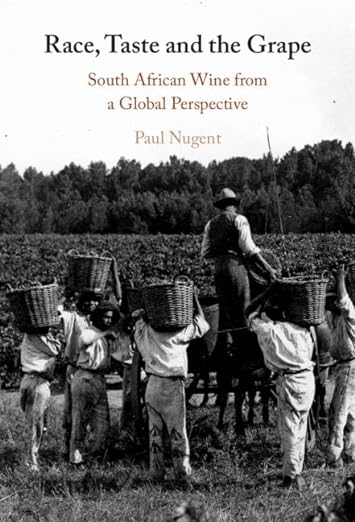
Professor Paul Nugent is a Professor of Comparative African History at the School of History, Classics and Archaeology at the University of Edinburgh, where he also serves as Research Director in History. His work bridges historical scholarship with contemporary policy concerns, particularly regarding African borderlands, wine history, and governance dynamics across the continent. Professor Nugent holds a BA Hons from the University of Cape Town, and MA and PhD from the School of Oriental and African Studies (SOAS) in London. His academic journey began with a temporary lectureship in Comparative Politics at Keele University before joining Edinburgh, where he was promoted to Reader in 2003 and Professor in 2005. Professor Nugent's research primarily focuses on the comparative history of African borderlands, with particular attention to West Africa. His work examines how border regions have shaped state formation, governance, and everyday life, challenging conventional notions of margins and centers. He has also conducted extensive research on the history of the South African wine industry, exploring connections between race, consumption, and economic development. His scholarship spans colonial and postcolonial history, with special attention to Ghana, where he has studied electoral politics and social contracts. Professor Nugent approaches these topics through interdisciplinary frameworks that connect historical analysis with contemporary policy challenges. His scholarly output demonstrates remarkable consistency in exploring the intersections between space, power, and identity in African contexts. Over the past decade, his work has increasingly focused on the governance implications of infrastructure development and border management across the continent, while maintaining his longstanding interest in Ghanaian politics and the cultural history of wine production. ERC Advanced Grant (€2.5 million over 5 years) for "African Governance and Space: Transport Corridors, Border Towns and Port Cities in Transition" (AFRIGOS) Leverhulme Research Fellowship for research on South African wine history British Academy ODA-Challenge grant (2024-2025) for "Living Heritage, Climate Change and Sustainability in South African Agriculture" Fellow of the Stellenbosch Institute of Advanced Study (STIAS) Member of the Institute for Advanced Study (IAS) in Princeton FRHistS (Fellow of the Royal Historical Society) Professor Nugent has supervised 34 successful PhD projects and currently mentors doctoral students including Francesco Longo and Kpanie Addy. His supervisory interests span wine and cultural heritage, African borderlands, regional integration, consumption studies (particularly alcohol), West African politics, and comparative imperial and colonial history. He has received significant research funding including a major ERC Advanced Grant and multiple British Academy grants, demonstrating the impact and relevance of his work to contemporary policy debates. His engagement extends beyond academia through advisory roles with the African Union Border Programme, ECOWAS, and the UNDP African Borderlands Centre. Professor Nugent founded and chairs the African Borderlands Research Network (ABORNE), which has evolved into a major international collaborative platform. He has also led significant research projects including the ERC-funded AFRIGOS project, which examined governance effects of large-scale infrastructure investments across Africa, and currently serves as PI for a British Academy project addressing climate action in the South African wine industry.