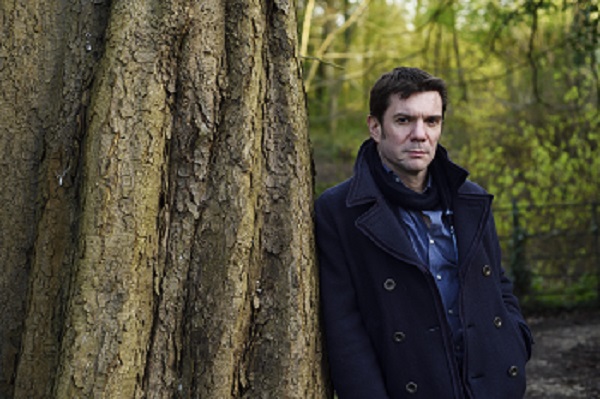
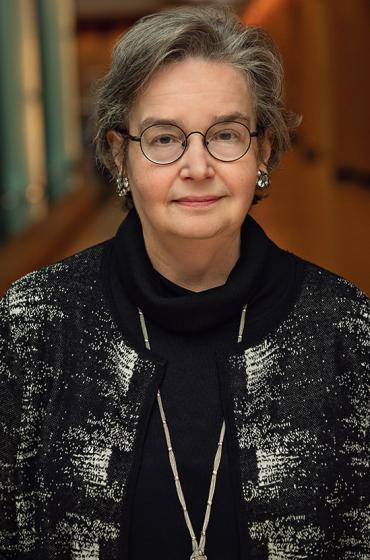
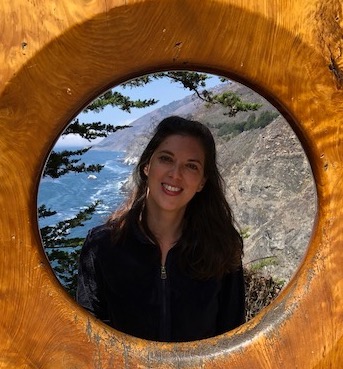
Stein Dankert Kolstø is Professor in the Department of Physics and Technology at the University of Bergen, specializing in science education research with focus areas in critical thinking and inquiry-based learning. Research themes: Dialogic approaches to science teaching Epistemic practices in classroom settings Assessment of practical science work Language-mediated concept development Recent work (2021-2024) examines teacher facilitation of socio-scientific issues discussions, epistemic aspects of classroom discourse, and integration of critical thinking within science curricula. Methodological innovations include video analysis of whole-class dialogues and development of frameworks for characterizing student reasoning. Leads projects funded by the Research Council of Norway, including studies of critical thinking enculturation and dialogic learning in science classrooms. Presents regularly at international conferences including ESERA and NFSUN.
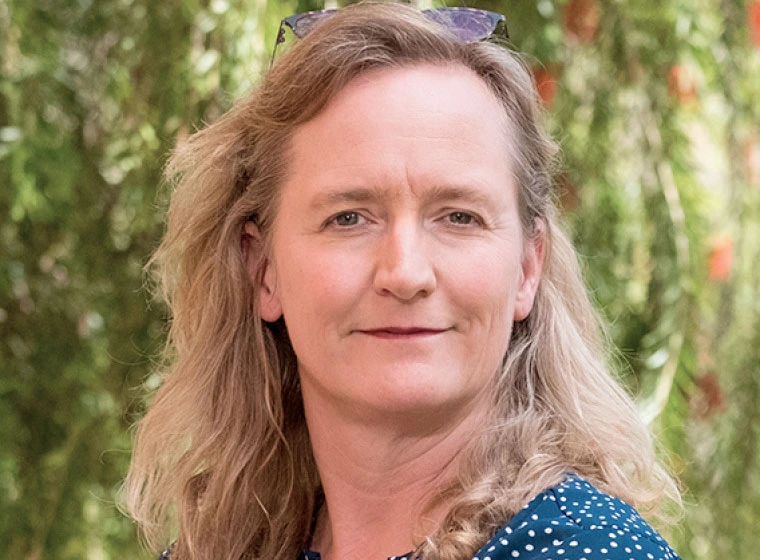
Catherine Brooks serves as Professor and Interim Dean of the College of Information Science at the University of Arizona, having previously held leadership roles as associate director (2016-2018) and director (2019-2023). She founded the Center for Digital Society and Data Studies, establishing herself as a key institutional leader in digital society research. Her academic foundation includes a PhD from the University of California, positioning her at the intersection of communication theory and information science. Research Interests Dr. Brooks investigates day-to-day language use in social contexts with emphasis on instructional communication technologies , online collaboration dynamics , and language-identity relationships . Her work examines how digital environments facilitate co-construction of knowledge, relationships, and identities while exploring science communication challenges. This inherently interdisciplinary research bridges communication studies, information science, and sociology through mixed-methods approaches. Publication Trends Recent scholarship reveals evolving focus from classroom communication (2018) to contemporary societal-technological intersections. Her 2022-2024 work increasingly addresses environmental media narratives (Arizona mining, energy transition), emerging technology ethics (quantum computing, deepfakes), and digital governance (student data privacy, algorithmic bias), demonstrating responsive engagement with urgent socio-technical dilemmas. Research Infrastructure As founder of the Center for Digital Society and Data Studies, she cultivates interdisciplinary collaboration examining digital technology's societal impact. This hub supports research on media discourse, data ethics, and communication innovation while connecting academic work with public discourse through outlets like Scientific American and Wired.
Mette Vinther Larsen is Professor and Head of Department at Aalborg University Business School, specializing in strategic management, relational leadership, and organizational reflexivity. Her research explores sustainability transitions in the textile industry, strategic intuition in crisis management, and reflexive practices in management education. Research Leadership: Leads multiple EU-funded projects including GEARING-Roles, RESISTIRE, and UniSAFE, focusing on gender equality and organizational change. Current initiatives examine circular economy models in Scandinavian workwear and sustainable transitions in Bangladesh's apparel industry. Academic Contributions: Published extensively in journals including Management Learning and Gender, Work & Organization Develops innovative pedagogical approaches through action learning conversations Regular keynote speaker on gender equality programs and unintended consequences Administrative Roles: Former Vice Chancellor for Global Learning Opportunities and Vice Provost for Curriculum Innovation at Aalborg University.
Monica Rolfsen is Pro-Rector for Outreach and Social Responsibility at NTNU since 2025. Previously served as dean of the Faculty of Economics and Management (2017–2025) and head of the Department of Industrial Economics and Technology Management (IØT). Holds a PhD from NTNU’s predecessor, NTH (1993), and has been a professor since 2015. Her research focuses on organizational development, lean management, and the Norwegian labor-management model. Education: Chartered Engineer (1989) and PhD (1993) from NTH/NTNU. Published extensively on management concepts, including books like Lean blir norsk (2014) and Lean organisering i norsk arbeidsliv (2012). Served as senior researcher at SINTEF and visiting fellow at Cornell University. Political/civic roles include advisor to the Norwegian Ministry of Trade, Liberal Party committee member, and board leadership in organizations like Trondheim Jazz Festival and Hospital Pharmacies. Active in higher education governance through roles at Universities Norway (UHR) and NTNU’s Campus Cluster User Group.
Rudi P. Nielsen is an Associate Professor in the Department of Chemistry and Bioscience at the Faculty of Engineering and Science, Aalborg University, Denmark. His research lies at the intersection of chemical engineering, sustainable energy, and materials innovation, with a focus on high-pressure, high-temperature processes, biofuels, pyrolysis, hydrothermal liquefaction, and chemical recycling—particularly of wind turbine blades and polymer waste. Department: Department of Chemistry and Bioscience School: Faculty of Engineering and Science University: Aalborg University (AAU), Esbjerg Campus Email: rudi@bio.aau.dk ORCID: 0000-0001-8820-1445 Phone: +45 9940 3565 Address: Niels Bohrs Vej 8, C2-416, 6700 Esbjerg, Denmark His research interests include sustainable chemical production, carbon capture and storage (CCS), production chemicals in the oil and gas sector, and the development of green fuels. He is actively involved in national and industry-linked projects aiming to decarbonize energy systems and enable circular economy solutions. His work often integrates experimental and process analysis approaches for environmental and industrial applications. The recent publications reflect a strong trend toward sustainability, energy transition, and waste valorization. Topics include carbon capture plant efficiency, repurposing wind turbine blades, hydrothermal lignin depolymerization, and enhancing cement for well abandonment. These works span disciplines such as chemical engineering, materials science, environmental technology, and renewable energy systems, demonstrating interdisciplinary impact. Scientific Awards: Esbjerg Universitetspris (2010) – Recognizing contributions to research, education, and innovation. Advising and Grants: Rudi P. Nielsen has supervised at least one PhD student and served as an external examiner for BSc and MSc projects. He is actively securing research funding, serving as Principal Investigator (PI) or Co-Investigator (CoI) on multiple projects funded by Innovation Fund Denmark, EUDP, Danish Offshore Technology Center, and regional development funds. Key projects include Pyrogreen (pyrolysis for green fuels), CarbonAdapt (CO2 storage infrastructure), and SCBarrier (well abandonment materials). Labs and Research Teams: He is part of the Chemical and Bioengineering research group at AAU Esbjerg, collaborating closely with researchers such as M. E. Simonsen, M. Maschietti, and S. Pedersen. The team engages in experimental and applied research with strong industry partnerships, particularly in offshore technology, energy systems, and sustainable materials.
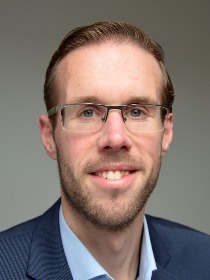
Dr. ir. E.A.J. (Bert) de Groot is an Adjunct Professor at the University of Groningen , holding an Honorary Fellow position within the Faculty of Spatial Sciences , specifically in the Department of Planning . He concurrently serves as a Senior Project Management Consultant for Rijkswaterstaat (Dutch Ministry of Infrastructure and Water Management), focusing on Major Projects and Maintenance. Education: Holds a PhD and engineering degrees (dr., ir.). His expertise centers on project/programme management, collective learning, organisational adaptability, and risk management in infrastructure sectors. He actively contributes to post-growth infrastructure planning strategies and resilience-building frameworks. Research Trends: Recent work emphasizes adaptive governance in public infrastructure projects, collective learning mechanisms within project-oriented organizations, and post-growth paradigms for sustainable development. Key themes include procurement innovation, risk treatment diversity, and knowledge dissemination through consulting. Awards: No specific awards are listed, though his contributions to infrastructure policy and project management are notable. Consulting & Grants: Engaged in applied research bridging academia and public sector practice. His role at Rijkswaterstaat reflects expertise in large-scale infrastructure governance and policy implementation. Teams/Labs: Collaborates with the Faculty Board of Spatial Sciences and contributes to interdisciplinary teams addressing infrastructure challenges.
Xuan Minh Ngo is an Associate Lecturer in International Education and TESOL at the University of St Andrews, UK, affiliated with the Centre for International, Language and Teacher Education within the International Education & Lifelong Learning Institute. He holds a PhD in Applied Linguistics from the University of Queensland and is actively engaged in research and teaching related to language assessment, teacher education, and educational technology. PhD in Applied Linguistics, University of Queensland, Australia (2023) MA in Applied Linguistics (TESOL), University of Queensland, Australia (2014) BA in English Language Teacher Education, Vietnam National University, Hanoi (2009) His research centers on the sociocultural development of teacher language assessment literacy, with strong emphasis on narrative inquiry, teacher cognition, emotions, identity, and agency. He investigates how teachers in Vietnam navigate policy, assessment reforms, and technological integration in their professional lives. His work bridges theory and practice, particularly through concept-based instruction and action research. The analysis of his recent publications reveals a consistent focus on teacher development through qualitative, narrative, and sociocultural lenses. His research spans language assessment literacy, policy enactment, identity formation, and technology use, primarily in Vietnamese EFL contexts. There is a clear trajectory toward understanding the emotional and cognitive dimensions of teaching and assessment. His scientific awards include: UQ Dean's Award for Outstanding HDR Theses (2024) Duolingo Doctoral Research Award (2021) Australian Development Scholarship (2012) Australian Leadership Award (2012) Dean’s Commendation for Research Excellence (2017) Minh supervises eight DProf students and welcomes new postgraduate research inquiries in language teacher education, classroom assessment, language policy, and educational technology. He has served as a peer reviewer for journals such as Professional Development in Education and has been a member of the British Council’s peer review panel. His teaching includes courses on action research, educational technology, and academic skills development. He is actively involved in academic networks and has presented at international conferences such as EuroCALL. He serves on the editorial boards of the Journal of AsiaTEFL and the St Andrews Journal of International and Language Education (SAJILE) .
Federico Faloppa is a Professor in the Department of Modern Languages and European Studies at the University of Reading, where he serves as REF Impact Lead for Modern Languages and Linguistics and Academic Co-coordinator of the University of Sanctuary initiative. He is on research leave during Semester 1 of 2024–2025, reflecting his active engagement in high-impact scholarly projects. Laurea (BA) in Letters and Philosophy, University of Turin (1997) PhD in Italian, University of London (2008) His research focuses on sociolinguistics, discourse analysis, migration, hate speech, and language policy , particularly the linguistic construction of otherness, intercultural communication, and migrant writings. He has authored six monographs, including Razzisti a parole , Sbiancare un etiope , and #Odio , which have received extensive media attention and are used in Italian universities. He is currently writing two new monographs on ecolinguistics and language and power, to be published by Einaudi and Bollati Boringhieri. His recent publications show a consistent trend in analyzing multilingual education, hate speech, borderscapes, and intercultural dynamics . He investigates how language shapes prejudice, migration narratives, and social inclusion, often in collaboration with international bodies like the Council of Europe and Horizon 2020 networks. His work bridges academic research with public policy and civil society engagement. His scientific contributions are recognized through leadership roles: Coordinator of the Italian National Network Against Hate Speech ( retecontrolodio.org ) Consultant to the Council of Europe Member of the board of directors of the global NGO Cospe Former member of the scientific board of Amnesty Italy (2018–2022) Appointed member of the Knowledge Committee for the European Commission’s Citizens’ Panel on Hatred in Society Faloppa supervises PhD students in Italian linguistics, migration, and discourse analysis, including Marina Kracht, Azizah Al Thenyan, and Surya Devkota. He has served as an external examiner at several UK universities. His research is funded by UKRI-GCRF, Erasmus+, Horizon 2020, and the Council of Europe, demonstrating strong international collaboration and impact. He has also been a visiting professor at the Universities of Turin, Catania, Palermo, and Università Cattolica di Milano. He leads and contributes to interdisciplinary research teams focused on hate speech, multilingualism, and migration, often working with institutions across Europe. His work is deeply embedded in both academic and activist networks, aiming to decolonize language and combat discrimination through research, policy, and public engagement.
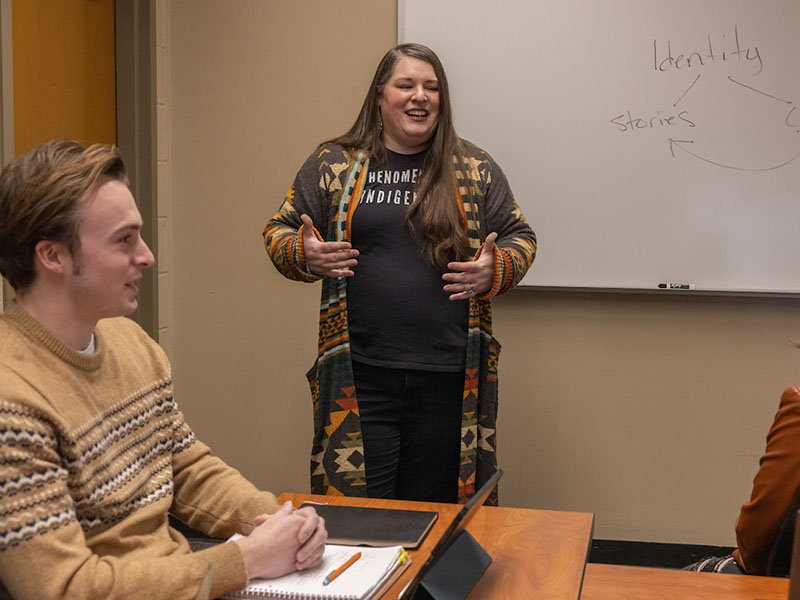
Emily Legg is an Associate Professor in the Department of English at Miami University, College of Arts and Science. A citizen of the Cherokee Nation, she integrates Indigenous epistemologies into her research and teaching, focusing on decolonizing methodologies, storytelling, and intercultural rhetorics. She is deeply committed to relational, reciprocal, and community-based pedagogy. Her research centers on Indigenous rhetorical practices, particularly Cherokee storytelling as a decolonial and materialist research method. She applies these methodologies to archival recovery, digital writing, and professional communication. Her work challenges hierarchical academic structures and promotes inclusivity, equity, and cultural recognition in writing studies. She teaches courses such as Digital Rhetorics, Visual Rhetorics, Intercultural Rhetorics, and Professional Writing at both undergraduate and graduate levels. Emily Legg's publications reflect a strong trajectory in Indigenous and cultural rhetorics, with a focus on historical recovery, decolonial theory, and interdisciplinary collaboration. Her recent and forthcoming works engage with Cherokee educational history, posthuman praxis, and Indigenous UX design, demonstrating a consistent commitment to centering Indigenous voices in rhetoric and composition. Ph.D., English, Purdue University, 2016 M.A., Rhetoric and Composition, Purdue University, 2011 B.A., Literary and Cultural Studies, University of Oklahoma, 2005 She has published in leading journals such as College Composition and Communication and Composition Studies , and her book Stories of our Living Ephemera is forthcoming with Utah State Press. She collaborates with scholars like Adam Strantz and Patricia Sullivan on projects that bridge technical communication and Indigenous knowledge systems. Emily is also developing future research on Cherokee women writers, matriarchal practices, and traditional crafts as rhetorical acts. Emily Legg advises students in rhetoric and composition and fosters inclusive classroom environments where students co-construct knowledge. While no formal list of advisees is provided, her mentorship is evident in her pedagogical philosophy and collaborative scholarship. She is actively involved in curriculum development that centers marginalized voices and promotes participatory learning. She is affiliated with research communities focused on Indigenous methodologies and digital rhetorics, and her work contributes to broader conversations in composition studies, technical communication, and decolonial scholarship. Though not explicitly mentioned, her projects imply engagement with community-based research teams and interdisciplinary networks.
Pamela A. Moss serves as the John Dewey Collegiate Professor of Education at the Marsal Family School of Education, University of Michigan. Her scholarship critically engages methodological pluralism in educational research, examining how diverse methodologies shape validity, evidence use, and knowledge production within evolving educational contexts. Research Focus: Moss's work spans three interconnected domains: (1) Methodological pluralism in educational assessment and validity theory; (2) Evidence-based decision-making in educational policy and practice; (3) Knowledge infrastructures (KIs) with emphasis on epistemic justice. Current research analyzes dynamic relationships among policies, technologies, and social structures in KIs to design alternatives promoting equitable knowledge production. Publication Trends: Recent publications (2016-2021) reveal a strategic shift from assessment validity toward infrastructural studies, integrating platformed knowledge brokerage, research synthesis systems, and participatory design. These works consistently address power dynamics, equity implications, and critical alternatives to conventional research ecosystems. Scientific Recognition: Elected member of the National Academy of Education Fellow of the American Educational Research Association Research Leadership: Moss directs major grants including Reimagining the Education Research Commons: Toward Epistemic Justice (2022-2024) and Prototyping a Living Research Synthesis Infrastructure (2019-2024). Earlier work included revising national testing standards and investigating teacher licensure validity. Her sustained focus on methodological rigor and equity demonstrates commitment to transforming educational research practices through infrastructural innovation.
Camille Lancelevée is a Lecturer in Sociology at the Université de Strasbourg, affiliated with the SAGE laboratory (Sociétés, acteurs, gouvernement en Europe) within the Faculty of Social Sciences. She holds leadership roles as co-responsible for Axis 2 (Environment, Health, Knowledge and Society) at SAGE, co-head of the 'Social Sciences and Health' academic programs (L1 to M2), and Director of the interdisciplinary institute 'Interventions and Social Issues' (INES). Her research focuses on the sociology of mental health, gender, prison systems, and care pathways, using ethnographic methods to explore how mental health is produced and managed in institutional settings, particularly in prisons in France and Germany. She investigates social inequalities in mental health and the epistemological challenges social sciences face when engaging with health domains. The recent publications highlight a strong thematic focus on mental health in carceral settings, the intersection of justice and health, clinical practices in psychiatry, and gendered dimensions of depression. Her work bridges sociology, public health, and penal policy, often employing comparative and interdisciplinary approaches. Camille Lancelevée actively supervises student research, offering thesis topics on prison systems, health inequalities, unconventional care practices, and animal-assisted therapies. She contributes to academic discourse through coordinated journal dossiers and public engagements, such as her upcoming presentation at the Collège de France on the social production of health inequalities. She is involved in institutional leadership and curriculum development, particularly in interdisciplinary health and social sciences education. Her work is embedded in the SAGE laboratory, a key research unit at the Université de Strasbourg focusing on societal actors and governance in Europe.
Marie Bassano is a Professor at Toulouse Capitole University, affiliated with the Toulouse Center for the History of Law and Political Ideas (CTHDIP). She previously served as Professor at the University of Auvergne (2012–2015) and Lecturer at Paris-Descartes University (2009–2012). Her research focuses on the history of law and institutions, particularly medieval legal education, Roman law, canon law, and legal translation. Doctor of Law, Paris II Panthéon-Assas University (2008) Her research interests include the history of legal education, medieval scholarly doctrines, Roman and canon law, and the linguistic and translational challenges in legal history. She explores how legal knowledge was transmitted in medieval universities and how legal language functioned within scholarly and institutional contexts. Her recent publications highlight a strong engagement with digital tools in medieval legal history, the pedagogy of law in Orléans, and the conceptual role of will and normativity in medieval doctrine. She has also co-edited significant works on legal translation, emphasizing the complexity of transferring legal meaning across time and space. « Redéfinir la littérature juridique » (2024): Explores digital futures in medieval legal historiography. De maître à élève (2022): Analyzes legal teaching in medieval Orléans. Justement traduire (2020): Conference proceedings on legal translation challenges. Marie Bassano has organized and contributed to major academic conferences, particularly on legal fictions and translation. She collaborates extensively with scholars across Europe and participates in interdisciplinary projects linking law, history, and language. She has held editorial roles in collective works and serves as a key figure in advancing historical legal studies through innovative methodological frameworks. She is actively involved in research leadership, including directing conference proceedings and contributing to the scholarly infrastructure of legal history. Her work is published by prestigious academic presses such as Brill and Presses de l’Université Toulouse 1 Capitole.
Luisa Siniscalchi is an Assistant Professor (tenure track) in the Department of Applied Mathematics and Computer Science at the Technical University of Denmark (DTU), affiliated with the Cybersecurity Engineering Center and the Center for Quantum Technologies. Her research lies at the intersection of cryptography, cybersecurity, and theoretical computer science. Her research interests focus on secure multiparty computation (MPC) , zero-knowledge proofs , non-malleable and deniable protocols , post-quantum cryptography , and cryptographic primitives . She investigates foundational aspects of secure computation under minimal assumptions, aiming to achieve optimal round complexity and strong security guarantees in both synchronous and asynchronous settings. The recent publications highlight a consistent trend in designing efficient, secure, and practical cryptographic protocols, particularly in MPC and deniable authentication. Her work often appears in top-tier venues such as EUROCRYPT, CRYPTO, and TCC, demonstrating strong theoretical rigor and innovation. Key themes include black-box constructions, post-quantum security, and privacy-preserving mechanisms. Scientific Awards: No awards listed in the provided text. Luisa Siniscalchi is actively supervising PhD students in cutting-edge projects related to proactive post-quantum cryptography, long-term security of protocols, and dynamic graph algorithms. She collaborates with principal investigators such as Claudio Orlandi, Ivan Damgård, and Carsten Baum, indicating integration into major research initiatives at DTU. While specific grants are not detailed, her involvement in multi-year PhD projects suggests active grant funding. Labs and Research Groups: Cybersecurity Engineering Center, DTU Center for Quantum Technologies, DTU Active research in cryptographic protocols and algorithms
Professor Joaquim de Ciurana Gay is a faculty member at the University of Girona in the Department of Mechanical and Industrial Construction Engineering , leading research in Manufacturing Process Engineering since 2009. He heads the Process, Product and Production Engineering Research Group (GREP) , with over 100 peer-reviewed articles and 12 book chapters focusing on biomedical device design, additive manufacturing, and machining optimization. Education: PhD in Industrial Engineering (UPC, 1997); Postdoctoral training at Rutgers University, Cranfield University, and Université du Québec à Trois-Rivières. Research Interests include additive manufacturing , machining process characterization , design methodologies , and industrial collaboration . His recent biomedical projects emphasize cell culture systems and medical device prototyping . Publications highlight trends in hybrid manufacturing , AI-driven process optimization , and sustainable biomedical design . Scientific Awards: Award for Scientific Collaboration with Companies (ASCAMM Centre Tecnològic, 2011) Teaching Innovation: Authored educational materials and led projects integrating industry partnerships into academic training. Labs & Teams: Director of GREP, fostering knowledge transfer through collaboration agreements with industrial partners.
Natalia Meireles Santos da Costa is an Associate Professor at Oslo Metropolitan University, affiliated with the Faculty of Teacher Education and International Studies and the Department of Kindergarten Teacher Education. She serves as Study Leader in Area 1 and is actively involved in multiple research groups, including those focused on Sustainability, Nature, Health and Movement; Cultural Diversity and Multilingualism in a Global Perspective; and Methodological Developments in Kindergarten and Educational Research (MUBU). Her research centers on early childhood education, particularly the transitions of infants and toddlers into educational care settings. Key interests include locomotor development, socio-emotional experiences, outdoor learning, time-space organization in routines, and cultural-historical approaches to pedagogy. She frequently employs qualitative and microgenetic methods, with a strong emphasis on embodied and interactive processes in early development. The analysis of her recent publications reveals a consistent focus on infant agency, movement, and pedagogical responsiveness in ECEC environments. Her work spans Brazilian and Nordic contexts, contributing to intercultural dialogues in early education. Themes such as corporeality, rhythm, inclusion, and spatial experience recur across her research, reflecting a deep commitment to understanding and improving early educational transitions. She has participated in numerous international research events, including symposia and panels on educational transitions, and has delivered guest lectures on human development and inclusive education. Her collaborations extend across institutions in Brazil, Finland, and Norway, particularly through the TRACE research team. Research Groups: Sustainability, Nature, Health and Movement Cultural Diversity and Multilingualism in a Global Perspective Methodological Developments in Kindergarten and Educational Research (MUBU) Though no formal advising or grant information is listed, her extensive dissemination activities and collaborative research suggest active engagement in academic leadership and knowledge exchange. She contributes significantly to both scientific and professional discourse in early childhood education.