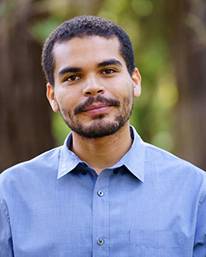
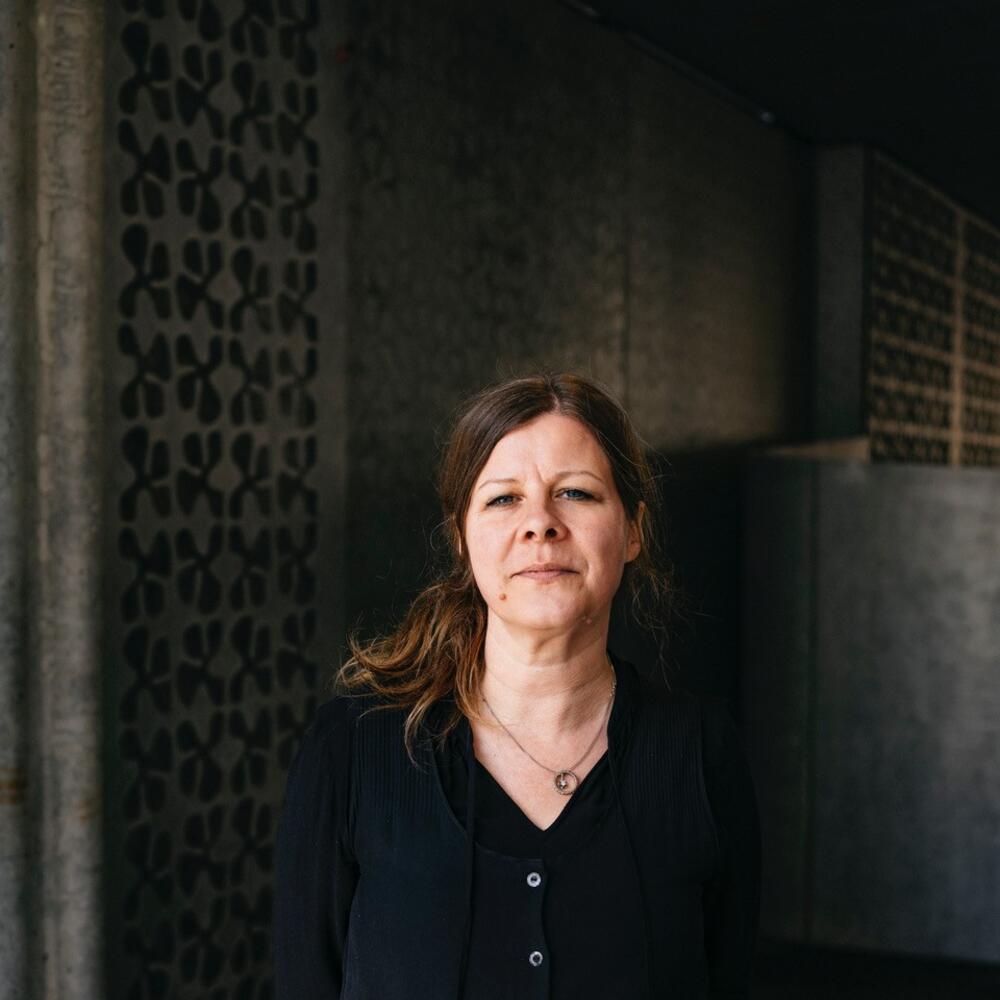
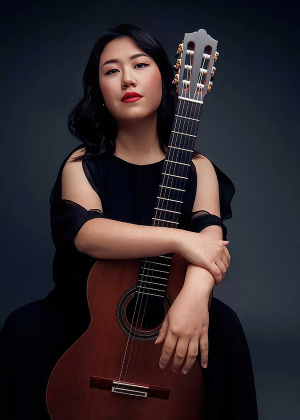
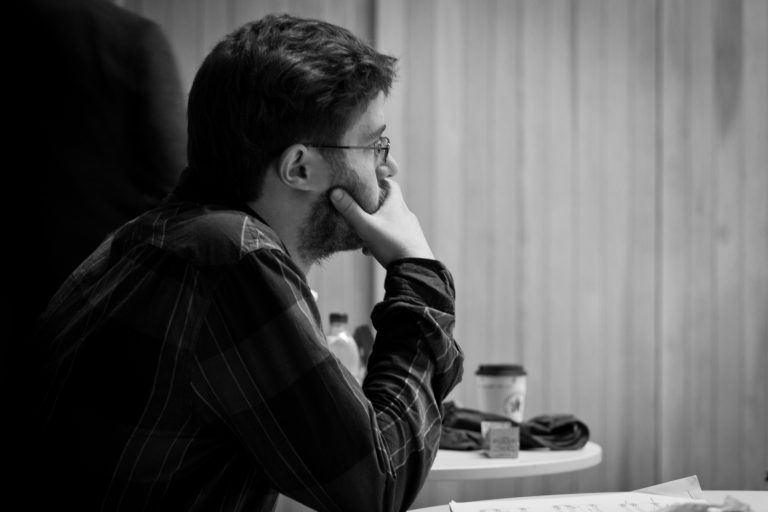
Rebecca Herissone is Professor of Musicology at the University of Manchester and a leading scholar in early modern English music. She co-edits the peer-reviewed journal Music & Letters and serves on editorial boards for the Purcell Society, Musica Britannica, and the Complete Works of John Eccles. Her research focuses on seventeenth-century creativity, material culture, and the ontological dimensions of music notation. Key research areas: Early Modern Music, Creativity, Source Study, Notation, Reception Major awards: Diana McVeagh Prize (2015), Westrup Prize (2007) Her recent work includes digital humanities projects on music preservation and critical editions of Purcell's operas. She has pioneered interdisciplinary approaches connecting musicology with drama, art, and literature, and currently leads research on Purcell's posthumous reception in the eighteenth and nineteenth centuries. Her teaching spans music historiography, performance practices, and advanced source analysis.
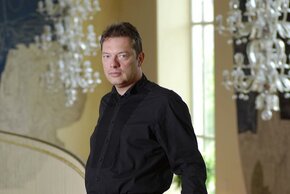
Jacek Greszta is a Professor and current Dean of the Faculty of Vocal Performance and Acting at the Academy of Music in Bydgoszcz, serving the 2020-2024 term. He has taught at the institution since 2006 and was awarded the title of Professor of Art in April 2021 after obtaining his postdoctoral degree in musical arts (vocal studies) in 2016. His academic background includes: Studies at the Academy of Music in Warsaw (Faculty of Vocal Studies and Acting, 1986) under A. Dankowska Transfer to the Academy of Music in Poznań (1989) under M. Moździerz, graduating in 1993 Professor Greszta's research centers on operatic vocal performance and Polish musical heritage. As an internationally recognized bass, he has performed 30+ roles across Mozart, Verdi, Puccini, and Moniuszko repertoire in 15+ countries, with scholarly focus on vocal technique preservation and national opera traditions. His academic work bridges performance practice with pedagogy, emphasizing Moniuszko's contributions to Slavic opera. Key recognitions include: Golden Orpheus award for the DVD recording of Paderewski's Manru (2013) Two honors from the Marshal of Kuyavian-Pomeranian Voivodeship for artistic excellence Administratively, he served as Head of the Vocal Studies Department before his deanship, overseeing curriculum development and faculty coordination. His collaborations span major Polish philharmonics and opera houses, including long-term engagements with Silesian Opera (Bytom) and Opera Nova (Bydgoszcz), where he premiered anniversary productions.
Andreas Stoehr is a renowned Austrian conductor and professor at the Music and Arts Private University of the City of Vienna, leading the conducting department and symphony orchestra since 2013. His career spans prestigious engagements including the Paris Opéra Comique, Deutsche Oper am Rhein, and St. Gallen Theatre, focusing on operatic repertoire from Monteverdi to modernism. He is celebrated for reviving neglected works like Meyerbeer’s Emma di Resburgo and Gluck’s Ezio , emphasizing historical performance practices. His research explores stylistic transitions in music history, blending baroque precision with modern innovation. Education: Trained at Vienna's former Conservatory (now University of Music and Performing Arts), studying piano under Alfred Kremela, conducting with Gennadij Rozhdestvenskij, and musicology at the University of Vienna. Key mentors included David Lutz (accompaniment) and Reinhard Schwarz (conducting). Research Interests: Explores interdisciplinary connections between diverse musical eras, such as Bach’s influence on Schoenberg, and advocates for vocal-orchestral balance in historical repertoires. Projects include CD recordings of Amanda Maier-Röntgen and Andrea Tarrodi’s works, nominated for Swedish Grammis. Awards: Grammy nomination (2016) for Amanda Maier-Röntgen’s Violin Concerto recording. Recognized for innovative stagings of operas like Berg’s Wozzeck and Debussy’s Pelléas et Mélisande . Teaching & Leadership: As professor and symphony orchestra director, Stoehr mentors young conductors. Notable collaborations include the Langenlois Castle Festival (2012–2019) and interdisciplinary projects like Heart and Mouth, and Deed and Life blending Bach with sociological texts. His teaching emphasizes 21st-century conductorship as collaborative architecture, prioritizing emotional engagement over technical authoritarianism. Labs/Ensembles: Leads the MUK Symphony Orchestra, collaborating with ensembles like the Aarhus Symphony Orchestra and Orchestre Philharmonique de Liège. His work bridges academic research with performance practice through projects like the Styriarte Festival’s Schubert revival.
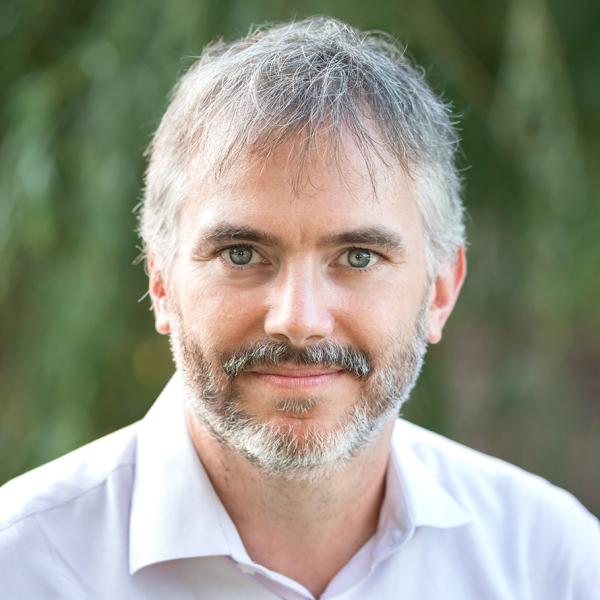
Dr Kevin Hunt is a Lecturer in Piano (Jazz) at the Sydney Conservatorium of Music, University of Sydney. He holds a Doctor of Philosophy (2016) and a Master of Music in Jazz Performance (2004) from the same institution. His academic roles include supervising six research projects (2017) across Honours, Masters, and PhD levels. Education: MMus(Perf) Sydney (2004), PhD in Jazz Studies (2016). Professional training includes studies with Don Burrows, Bill Motzing, and a scholarship in NYC (2001). Research focuses on jazz piano performance, intercultural collaborations with Aboriginal Torres Strait Islander musicians, and the sonic qualities of Australian-made Stuart & Sons pianos. Key projects include the OUR MUSIC workshop-festivals (2012-2016) and the Ancient & New CD project blending ancient Indigenous chants with jazz improvisation. Performance highlights include the ABC FM Listeners Choice Award-winning JS Bach Trio (1998), recordings with Don Burrows and Simon Tedeschi, and collaborations in cabaret theatre such as Prince Bettliegend (2017). Active in education since 2005, he currently leads the Kevin Hunt Trio and performs with Emma Pask and Marie Wilson. Awards include the 2016 PhD and 1998 ABC award. His work bridges jazz innovation with cultural heritage preservation, evidenced by intercultural projects and academic publications on Yiddish theatre and Indigenous music collaboration.
Dr. Siobhán Dowling is a Senior Lecturer in Education at the School of Education, University College Cork (UCC), with expertise in Religious Education, Music Education, and the intersection of The Arts in Education. She earned her PhD from the University of Wales, Trinity St David, Lampeter, UK, in 2011 and has served in both teaching and administrative roles at UCC since 1998, including Director of the Structured PhD in Education. Education: PhD (2011) in Biblical and Musical Reception History, University of Wales, Trinity St David. Current Roles: Senior Lecturer, Tutor, Placement Supervisor, Director of Structured PhD in Education. Her research focuses on the reception history of biblical narratives in music , particularly themes like the Sacrifice of Isaac, Eve, and the Book of Samuel. She explores collaborative learning in teacher education and integrates creative pedagogy in Religious Education. Her work spans interdisciplinary analysis of the Bible’s influence on music, art, and cultural identity. The 15 most recent publications highlight her pioneering work on biblical stories in musical compositions (2025), visual and musical reception of Dives (2024), and peer-reviewed studies on collaborative learning (2023). Her contributions to the Encyclopedia of the Bible and its Reception (2025–2016) cover topics like patriarchs, psalms, and gendered biblical figures. Scientific Awards: Recipient of two book awards in the USA for co-authored work 'The Bible in Music: A Dictionary of Songs, Works and More' (2015). Research Grants and Supervision: Awarded multiple Erasmus+ Staff Mobility Grants (2023, 2014) for international training and a Kurt Weill Foundation Travel Award (2014). Supervised PhD, MEd, and PME students while serving as Internal/External Examiner. Leadership: Coordinated UCC’s Cohort PhD in Education (2001–2014) and led the MAAP in Guidance and Counseling program. Delivered invited seminars at KU Leuven, University of Tuebingen, and Trinity College Dublin.
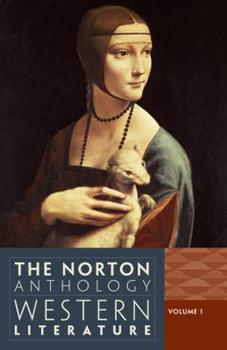
Barbara Fuchs is a Professor in the Department of English at the University of California, Los Angeles, specializing in early modern European literature across Spanish, English, French, and Italian traditions from the 15th to 17th centuries. Her work emphasizes transnational contexts, theater and performance studies, and cultural production within imperial frameworks, with significant contributions to Mediterranean and transatlantic studies. Education Ph.D. in Comparative Literature, Stanford University (1997) B.A./M.A. in Comparative Literature (English, French, Spanish), summa cum laude, Yale University (1992) Research Interests Professor Fuchs' scholarship centers on transnationalism in early modern literature, examining how theater and performance negotiated imperial identities across Mediterranean and transatlantic contexts. Her work critically engages with race and religion in the early modern world, picaresque traditions, and Cervantes studies, revealing how cultural encounters shaped literary production. She bridges historical analysis with contemporary relevance through public humanities initiatives focused on classical Hispanic theater. Publication Trends Her recent publications demonstrate interdisciplinary innovation, merging literary analysis with performance studies and material culture. Recurring themes include transnational exchange mechanisms, racial formation processes, and textual materiality, while recent work addresses pandemic-era digital performance and modern adaptations of classical works. This trajectory highlights her commitment to connecting historical scholarship with current social and artistic practices. Scientific Awards Premio Ñ from the Instituto Cervantes (inaugural award) for promotion of Spanish language and culture Advising and Leadership Professor Fuchs mentors undergraduate and graduate students in early modern studies, translation, and performance. She leads the UCLA "Diversifying the Classics" initiative and LA Escena festival, securing institutional support for these collaborative projects. Her editorial leadership includes serving as articles editor for Renaissance Quarterly and co-editing the Norton Anthology of World Literature , demonstrating field-wide influence. Projects and Teams She directs the "Diversifying the Classics" initiative, which collaborates with theater professionals to adapt Hispanic classical works for contemporary Los Angeles audiences, and founded LA Escena—the biennial festival of Hispanic classical theater. These projects unite scholars, artists, and communities to explore historical texts through modern performance lenses, emphasizing accessibility and cultural relevance.
Steven Rings serves as Associate Professor in the Department of Music and Director of Professional Development at the University of Chicago. His scholarship centers on popular music analysis, vocal studies, and transformational theory frameworks, with significant contributions to understanding Bob Dylan's work and Black experimental music traditions. Education: PhD in Music, Yale University (2006) Rings' research explores the intersection of musical cognition, cultural context, and performance practice. His work bridges theoretical musicology with vernacular traditions, examining vocal expression across genres from Dylan's protest songs to Albert Ayler's free jazz. Current projects investigate tonal hearing models and the relationship between song structures and recorded performances. His publications reveal consistent focus on analytical frameworks for popular music, particularly transformational approaches to vocal delivery and historical performance practices. Rings frequently connects technical music theory with broader cultural narratives, especially regarding racial identity in experimental music. Scientific Awards: 2014 Outstanding Publication Award (SMT Popular Music Interest Group) Society for Music Theory Award for 'Tonality and Transformation' Society for Music Theory Award for 'Oxford Handbook of Critical Concepts in Music Theory' Rings secured Mellon Foundation funding for a collaborative project with Wilco drummer Glenn Kotche, reimagining musical categories of voice and groove. He chairs the University of Chicago Society of Fellows and co-founded City Elementary, a therapeutic school in Hyde Park. His teaching spans undergraduate theory courses, graduate seminars on Black experimental music, and College Core musical interpretation classes. Additional roles include series editor for Oxford Studies in Music Theory and former Professor of Guitar at Portugal's Conservatório Regional de Angra do Heroísmo, where he performed extensively as a classical guitarist prior to his music theory career.
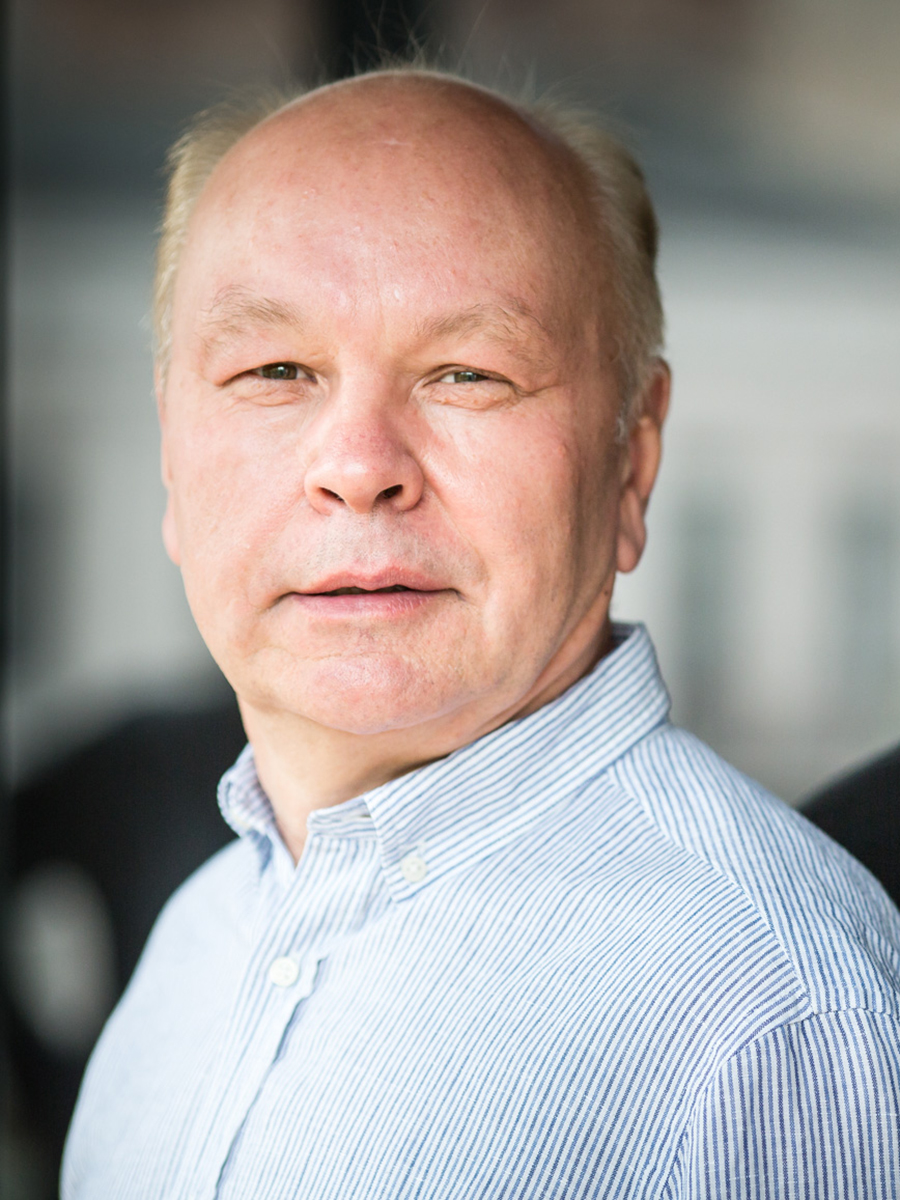
Denise Neary is a Professor and Doctoral Studies Coordinator at the Royal Irish Academy of Music (RIAM), overseeing doctoral supervision and research methods in musicology. Previously, she was Senior Lecturer at Canterbury Christ Church University, UK. She organizes international guest lectures at RIAM and actively participates in academic societies such as the Society for Musicology in Ireland (SMI) and Performance Research Ireland. Her research focuses on 17th- to 19th-century music in Ireland and Britain, particularly church music and artistic research. She has supervised numerous doctoral dissertations, including studies on Beethoven, Schubert, and Irish choral traditions. Affiliations: RIAM (current), SMI (Council Member since 2009), RILM National Committee of Ireland. Educations: Extensive academic background in musicology, with research concentrated on historical performance practices and institutional music history. Her research interests span Irish musical heritage, cathedral music in England, and the evolution of artistic research methodologies. Recent work includes exploring performance as academic practice and the role of music in 17th-century Irish parish churches. She has contributed to major publications like the Encyclopedia of Music in Ireland (2013) and presented at international conferences on topics such as ‘Artistic Research in Music’ (2018). Denise has supervised over 20 doctoral students since 2010, specializing in performance analysis of classical and contemporary works. She also serves on advisory boards for Irish Musical Studies and collaborates internationally on projects like the ‘Doctors in Performance’ conference series. Labs/Teams: Leads the Doctoral Studies Program at RIAM, fostering interdisciplinary research in musicology and performance.
Professor Sławomir Kaczorowski, Ph.D., has been a faculty member at the Grażyna and Kiejstut Bacewicz Academy of Music in Łódź since 1981, where he teaches composition and served as Head of the Department of Composition from 2011 to 2021. He previously held significant leadership roles including Vice-Rector for Artistic and Teaching Affairs (1999-2005) and Vice-Dean of the Faculty of Composition, Music Theory, Music Education and Rhythmics (1996-1999). His educational background includes diplomas in music theory (1981) and composition under Professor Bronisław Kazimierz Przybylski (1981) from the State Higher School of Music in Łódź. Awarded the title of professor by the President of Poland in 2002, he remains an active academic leader currently serving as chairman of the Art Section of the Polish Accreditation Commission. Kaczorowski specializes in contemporary composition with emphasis on instrumental works, chamber music, and choral compositions. His research interests manifest in diverse output featuring piano, accordion, and mixed ensembles, with notable focus on tango-inspired forms and liturgical reinterpretations. He pioneered the MUSICA MODERNA sessions promoting new music through biannual concerts and lectures. Analysis of his 15 most recent compositions reveals consistent exploration of Polish contemporary classical traditions with strong emphasis on instrumental timbre, cross-genre fusion (particularly tango elements), and innovative approaches to sacred music forms. His works demonstrate technical mastery across diverse ensembles from solo piano to full orchestral settings. Silver Medal for Merit to Culture – Gloria Artis (2021) Numerous national composition competition awards Jury membership at international competitions including the T. Baird Young Composers' Competition (Warsaw 2018) and National Association of Composers USA competitions (2017-2018) Professor Kaczorowski has mentored award-winning composers including Grzegorz Duchnowski and Tomasz Szczepanik. His institutional leadership includes directing the Grażyna Bacewicz International Composition Competition (2012, 2015, 2019) and serving as president of the Łódź Branch of the Polish Composers' Union until 2022. He maintains active artistic engagement through premieres across Europe, China, and the United States. His creative work is organized through departmental initiatives including the Department of Composition's performance series and collaboration with the Artur Rubinstein Łódź Philharmonic. Current activities focus on expanding Polish contemporary music's international presence through competitions and cross-border artistic exchanges.
Christopher Castro serves as an Assistant Professor of Composition at Chapman University's College of Performing Arts. A composer and double bassist from Brooklyn, New York, he combines academic rigor with avant-garde experimentation. Ph.D. in Composition and Theory from University of California, Davis Bachelor of Music from Juilliard School (Double Bass & Composition) His research bridges Western Art Music traditions with contemporary innovations , creating works that merge: Johannes Ockeghem's polyphonic complexity John Coltrane's spiritual intensity Modernist structural experimentation Historical reconstruction techniques Jazz-classical hybrid forms Interdisciplinary performance formats Recent compositions demonstrate trends in flexible instrumentation , text-music relationships , and genre synthesis . His output spans chamber works, orchestral pieces, and vocal compositions with equal mastery. Scientific recognition includes: 2023 Fromm Music Foundation Commission (Harvard University) Chamber Music America's 2021 Classical Commissioning Award As a new music advocate , Castro collaborates with ensembles like: Left Coast Chamber Ensemble (artistic advisory board) New Mexico Contemporary Ensemble Los Angeles Philharmonic's Upbeat Live series Lyris Quartet and Sharon Harms
Claudia Lehmann is a University Professor of Film Art & Visual Communication at the Institute for Open Arts, Department of Scenography at Mozarteum University Salzburg. She has been a professor at Mozarteum University since 2019 and previously served as a visiting professor at the Berlin Weissensee Art Academy. As a faculty member, she contributes to the Institute management, teaches as a Teacher, and serves on the Curricular Commission. Dr. Lehmann holds a doctorate in physics (Dr. rer. nat.) with her dissertation "GAUGE COVARIANT MULTISCALE ANALYSIS OF COMPLEX SYSTEMS" published through DESY-Publications in 2004. Her academic journey reflects a unique interdisciplinary trajectory from scientific research to artistic practice. Claudia Lehmann's research interests center around the intersection of art and science, with particular focus on perception, reality, and systemic phenomena. Her work spans documentaries, feature films, music videos, art videos, installations, and performances, constantly searching for new forms and formats. She develops visual concepts, video stage sets, and unique live video performances, often in collaboration with Nicolas Stemann. Through her work, she explores diverse possibilities for new structures, especially in the form of artistic collaboration. Her recent artistic output shows a consistent trend toward interdisciplinary work that blends theater, film, and digital media. Lehmann frequently collaborates with Nicolas Stemann and Konrad Hempel, creating innovative performances that integrate video technology with traditional stagecraft. Her work often addresses social and political themes while experimenting with form and presentation. The Institute for Experimental Affairs (IXA), which she co-founded with Konrad Hempel, serves as a platform for exploring the interfaces between science and art through various projects and research initiatives. Dr. Lehmann has received several prestigious awards for her work: Samsung Smartfilm Award 2013 Shocking Shorts Award 2007 Nomination for German Documentary Film Music Prize 2013 Nomination for Studio Hamburg Young Talent Prize for Best Screenplay As an educator and researcher, Lehmann has developed numerous collaborative projects and performances that have been featured at major international festivals including the Berlin International Film Festival, Leipzig Documentary Film Festival, and various theater festivals. Her work with IXA represents a significant research initiative at the intersection of science and art. Lehmann co-founded the Institute for Experimental Affairs (IXA) with visual artist and composer Konrad Hempel. Through IXA, she conducts research and realizes projects at the interfaces between science and art. Her collaborative work spans theater productions, film projects, and interactive installations that have been presented at venues including the Schauspielhaus Zürich, Münchner Kammerspiele, Opéra Comique Paris, and various international festivals.
Bokyung Byun is an Assistant Professor of Guitar at the University of North Texas's College of Music, Department of Guitar and Strings. She holds a Doctor of Musical Arts from the University of Southern California, along with degrees from The Juilliard School. Her career is marked by prestigious awards including the 2023 Avery Fisher Career Grant and multiple competition victories. Education: Doctor of Musical Arts, University of Southern California Master of Music, The Juilliard School Bachelor of Music, The Juilliard School Research focuses on bridging classical and contemporary repertoire through initiatives like Sounding Board (new music collaboration platform) and Guitarlab (online education platform). Her performances emphasize dynamic programming with modern compositions and traditional works, praised for 'gorgeous tone and sophisticated musicianship.' Notable achievements include acclaimed solo performances with orchestras like the Buffalo Philharmonic and Utah Symphony, and critical acclaim for her recordings (Soundboard Magazine, American Record Guide). Awards reflect her status as a leading figure in 21st-century guitar innovation. Advising & Grants: Recipient of Avery Fisher Career Grant (2023) Co-founder of Sounding Board and Guitarlab initiatives Labs/Teams: Active in Sounding Board (promoting composer-performer collaborations) and Guitarlab (global online music education).
Professor Stephen Broad is a musicologist and educator serving as Director of Research and Knowledge Exchange at the Royal Conservatoire of Scotland. He holds a DPhil from the University of Oxford and has extensive experience in historical musicology, music education, and policy development. His research focuses on Olivier Messiaen, 1930s French music culture, and music practice in Scotland. Broad has authored/co-authored influential reports like What’s Going On? , which informed the Scottish Youth Music Initiative, and chairs the European Platform for Artistic Research in Music (EPARM). Education: DPhil in Historical Musicology, University of Oxford (2001) MA in Music and Physics, University of Glasgow (1997) Research Interests: Historical Musicology: Messiaen’s early career, French musical traditions, and music historiography Music Education: Pedagogy in diverse contexts, policy development, and workforce training Practice-Based Research: Philosophical frameworks and interdisciplinary methodologies Awards & Roles: External Examiner at Royal Academy of Music, Royal College of Music, and others Editorial boards for Music Education Research and Practice-Based Research Journal Recipient of grants including the Scottish Government’s £1m Musical Instrument Fund Advising & Grants: Supervised over 10 doctoral projects in musicology, performance, and education Contributed to policy initiatives like Creative Scotland’s music development programs Labs/Teams: Leads the Sciences, Humanities and Arts Research Exchange (SHARE) and chairs EPARM, fostering international collaboration in artistic research.
Edward Nesbit is Senior Lecturer in Composition at King's College London's Department of Music within the Faculty of Arts & Humanities. He studied at Cambridge University, Guildhall School of Music and Drama, and King's College London under Julian Anderson and George Benjamin. His compositions are regularly performed by major ensembles including the London Sinfonietta, BBC Symphony Orchestra, and Philharmonia Orchestra at venues like Wigmore Hall and Royal Festival Hall. Research interests focus on: Contemporary choral and vocal composition techniques Integration of literary and dramatic elements in musical works Collaborative performance practices Community music engagement methodologies Recent compositions demonstrate diverse approaches to narrative storytelling through music, with frequent exploration of biblical/historical themes and nature-inspired programmatic elements. His work includes collaborations with the Choir of King's College London, resulting in commercial recordings on the Delphian label. Nesbit has secured funding including an AHRC Impact Acceleration Award for community music projects. He leads the 'Singing for Wellbeing' initiative developing choral repertoire for community engagement and directs composition studies at undergraduate/postgraduate levels.
Sylwia Janiak-Kobylińska is a Polish conductor, educator, and artistic leader currently serving as the Dean of the Faculty of Conducting, Composition, and Music Theory at the Stanisław Moniuszko Academy of Music in Gdańsk. She is President of the SAJ Foundation Supporting Young Artists, founder of the Baltic Philharmonic Orchestra of the Youth, and an active participant in international music competitions and festivals. Her work spans symphonic and opera conducting, artistic direction of multidisciplinary projects, and pedagogical leadership. Her research interests focus on Orchestral Conducting Contemporary Music Interpretation Artistic Education for Youth Symphonic and Opera Collaboration Cultural Management in Music Interdisciplinary Art Projects Her recent artistic projects, such as the inUnity. Contemporary Music from Gdańsk album and the Homage to Szymborska concert series, highlight collaborations between classical and jazz composers, youth orchestras, and interdisciplinary teams. These works emphasize themes of unity, cultural heritage, and innovation in music education. Scientific awards and recognitions include Meritorious for Polish Culture badge (2023) Antoni Wit Award at the G. Fitelberg Conducting Competition Multiple Rector’s Awards at the Academy of Music in Gdańsk Pomeranian Artistic Award in 'Artistic Hope' category As an educator, she leads orchestral workshops, mentors students across multiple faculties, and pioneered the 4C’s in Music Art program (Creativity, Collaboration, Critical Thinking, Communication). Her leadership in the SAJ Foundation and Baltic Philharmonic Orchestra of the Youth has fostered over 1000 young musicians since 2011.