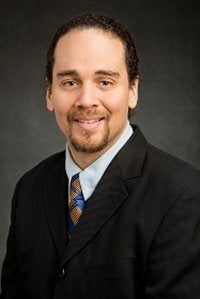
Aspy P. Palia is a Professor of Marketing at the Shidler College of Business, University of Hawaii at Manoa. He has held academic roles since 1984, including visiting professorships at institutions such as Singapore Management University, Chulalongkorn University, and the National University of Singapore. His research focuses on Marketing Decision Support Systems, Countertrade in Asia-Pacific, and experiential learning methodologies. He has published extensively in journals like European Journal of Marketing and Developments in Business Simulation and Experiential Learning , with a recent emphasis on virtual scaffolding and engagement in educational simulations. His work has earned multiple best paper awards and nominations. Dr. Palia's education includes a DBA in International Business from Kent State University (1985), an MBA from the University of Hawaii (1976), and a BS in Mechanical Engineering from the University of Bangalore (1966). His teaching spans global institutions, emphasizing strategic marketing and decision-making tools. Notable awards include the 2017 Marquis Lifetime Achievement Award and the 2011 Fellowship from the Association for Business Simulations and Experiential Learning. His research contributions bridge theoretical marketing frameworks with practical applications, particularly in leveraging technology for pedagogical innovation. Collaborations with organizations like the Japan America Institute of Management Science further underscore his engagement with global academic networks.
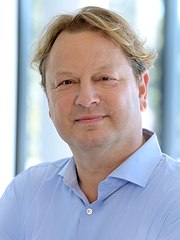
Prof. Jürgen Rühe is a Full Professor of Chemistry and Physics of Interfaces at the Institute of Microsystems Technology, Albert Ludwigs University of Freiburg, within the Faculty of Engineering. He serves as Deputy Coordinator of Research Area C and Principal Investigator for Research Areas A, B, C, and D. His expertise spans polymers at interfaces, metamaterials, biomedical surfaces, and self-healing materials. He leads the Cluster of Excellence liv MatS, focusing on adaptive and energy-autonomous materials systems. Education: Not explicitly stated in text. His research emphasizes programmable materials, 4D printing, and bioinspired design, with projects funded by the German Research Foundation (DFG). Notable contributions include anti-fog coatings, magnetic microactuators for cell stimulation, and hygromorphic materials for adaptive architecture. He supervises doctoral and postdoctoral researchers, advancing fields like tribology and surface functionalization. Key scientific achievements include developing C,H-insertion cross-linking (CHic) for durable polymer networks and exploring smart materials for biomedical and environmental applications. His work bridges fundamental polymer chemistry with practical applications in energy, healthcare, and sustainable architecture. He advises over ten doctoral students and collaborates with industry partners. His lab, part of the Institute of Microsystems Technology, focuses on micro- and nanostructuring, with projects funded by the Cluster of Excellence.
Oliver Shorttle is a Professor of Natural Philosophy at the University of Cambridge, holding a joint position between the Department of Earth Sciences and the Institute of Astronomy. His research focuses on planetary evolution, extrasolar planets, and geochemical cycling, integrating geological and astronomical perspectives. He explores topics such as exoplanet habitability, volcanic processes on distant worlds, and the role of volatiles in planetary systems. Education and Career: Shorttle earned his undergraduate degree in Natural Sciences from Cambridge, followed by a PhD in Earth Sciences. He held postdoctoral positions at Caltech and as a JSPS fellow in Japan before returning to Cambridge as faculty. Research Themes: His work spans planetary chemistry, magma dynamics, and the interplay between planetary interiors and atmospheres. Key projects include analyzing protoplanetary disks, simulating volcanic activity on exoplanets, and investigating phosphorus’s role in prebiotic chemistry. Collaborations: Leads the Planetary Chemistry group, collaborating across disciplines at Cambridge and internationally. Current projects involve modeling exoplanet atmospheres, studying mantle melting processes, and developing geochemical methods to probe planetary formation. Labs/Teams: Directs the Planetary Chemistry research group, fostering interdisciplinary research between geology and astronomy. Active in fieldwork, lab analysis, and computational modeling.
Sam Parkinson is a Research Fellow at Aston University's College of Engineering and Physical Sciences. He holds a PhD in Polymer Chemistry from the University of Leeds (2016–2020). His research focuses on advanced polymer materials, particularly in the areas of self-assembly, nanoparticle synthesis, and continuous flow processes. Key contributions include developing methods for 2D platelet formation via accelerated seed mechanisms and enhancing scalability of crystallization-driven self-assembly using flow reactors. Research interests span polymer synthesis, nanomaterials, and their applications in fields like biomaterials and agriculture. Recent work emphasizes tunable nanoparticle behavior and chemosensor design for biofluid analysis. Parkinson collaborates internationally and actively supervises PhD students in these areas. Publications highlight innovations in polymerization-induced self-assembly, flow chemistry, and material characterization. No scientific awards are explicitly listed, but his work has been cited in high-impact journals like Nature Synthesis and Macromolecules .
Kevin Mackie is Professor and Chair of the Department of Civil, Environmental and Construction Engineering (CECE) at the University of Central Florida’s College of Engineering. He has been a faculty member since 2006, advancing from assistant to full professor, and previously served as associate chair and interim department chair. His leadership includes spearheading departmental improvements in culture, workload policy, and digital accessibility. Education: Ph.D. in Civil Engineering, University of California, Berkeley (2004) M.S. in Civil Engineering, University of California, Berkeley (2000) B.E. in Engineering, Cooper Union, New York (1998) His research focuses on structural engineering , particularly in bridge engineering , performance-based seismic design , nonlinear analysis , and advanced materials for infrastructure repair . He integrates analytical, numerical, and experimental methods to assess and improve the resilience of civil infrastructure under extreme loads. His work addresses critical challenges in soil-structure interaction, seismic retrofitting, and the use of composites and smart materials. The 15 most recent publications reflect a strong emphasis on nonlinear modeling , seismic performance , and computational structural analysis of bridges and tall buildings. Key themes include fiber-based modeling, contact-friction problems, soil-structure interaction, and probabilistic assessment, demonstrating a consistent trajectory toward resilient and sustainable infrastructure systems. Scientific Awards: Faculty advisor of the year (2022, 2021, 2019) – ASCE East Central Branch and Florida Section Technical Contribution Leader Award Winner (2021) – ASCE East Central Branch Distinguished faculty member at UCF (2018) – Department of Housing and Residence Life Arthur N.L. Chiu Award for excellence as faculty advisor (2018) – Chi Epsilon Honor Society Mackie has been a dedicated mentor, supervising 11 doctoral , 18 master’s , and over 30 undergraduate students . His research has been funded by the National Science Foundation , U.S. Department of Transportation , Caltrans , FDOT , and industry partners. He has published nearly 200 papers and been cited over 7,000 times. He led the reaccreditation of CECE’s undergraduate programs and established the accelerated bachelor’s-to-master’s pathway. He leads the Structures Laboratory at UCF and collaborates with multidisciplinary teams on infrastructure resilience. His vision includes expanding graduate programs, strengthening industry partnerships, and diversifying the Senior Design curriculum to reflect real-world engineering challenges.
Katherine Rush is an Assistant Professor in the Department of Chemistry and Biochemistry at Auburn University. Her research focuses on metalloenzyme catalysis, bioinorganic chemistry, and X-ray spectroscopic techniques. She has held academic positions including Visiting Assistant Professor at Reed College (2020–2022) and Postdoctoral Fellow at Oregon Health and Science University (2018–2023). She earned a Ph.D. in Chemical Biology from the University of Michigan (2013–2018) and a B.S. in Chemistry from the University of Tennessee (2010–2013). Research Interests: Rush’s laboratory investigates the molecular mechanisms of metalloenzymes involved in thyroid hormone regulation, oxygen activation, and antimicrobial natural product biosynthesis. A key focus is selenium-containing amino acids as tools for element-specific spectroscopic characterization. Techniques employed include X-ray absorption spectroscopy (XAS), biochemical assays (SDS-PAGE, Western blotting), and analytical methods (ICP-OES, LC-MS). Teaching: She instructs BCHE 7270 – Biochemical Research Techniques, emphasizing hands-on experience with advanced biochemical methodologies. Grants & Advising: While specific grants are not listed, her research reflects significant interdisciplinary collaboration in environmental and biomedical chemistry. No current advisees are explicitly noted. Labs/Teams: The Rush Lab at Auburn University specializes in integrating spectroscopic and biochemical approaches to study metalloenzymes, particularly targeting systems relevant to human health such as copper-dependent monooxygenases and selenium-labeled proteins.
Philippe Christe is an Associate Professor in the Department of Ecology and Evolution at the University of Lausanne (UNIL), Faculty of Biology and Medicine. His research centers on host-parasite interactions, with a focus on bats, birds, and their ectoparasites, integrating behavioral, physiological, and genetic approaches. He leads the Christe Group, which investigates evolutionary and ecological dynamics in host-parasite systems, particularly avian malaria and bat-mite relationships. He is actively involved in conservation initiatives, including the Jorat Peri-Urban Nature Park, and collaborates with KORA on human-wildlife interactions. Bachelor's degree in biology, UNIL (1989) PhD in Zoology and Animal Ecology, UNIL (1994) Philippe Christe’s research interests lie at the intersection of parasitology, evolutionary ecology, and conservation biology. He investigates how host defenses evolve in response to parasitic pressures, examining trade-offs between immunity and life history traits such as reproduction and survival. His work often integrates field studies with experimental and molecular techniques. Key model systems include Parus major (great tit) and Culex pipiens in avian malaria, and bat species with their ectoparasitic mites. He also explores broader ecological interactions, including predator-prey dynamics and wildlife conservation in human-modified landscapes. His recent publications reflect a strong emphasis on disease ecology, wildlife conservation, and molecular methods. Articles span topics such as avian malaria transmission, lynx population dynamics, snow leopard behavior, and habitat fragmentation effects on insects. These works employ advanced techniques like DNA metabarcoding, spatial modeling, and long-term monitoring, demonstrating a trend toward interdisciplinary, data-driven ecological research with direct conservation applications. Dubois Foundation Prize for an educational CD-Rom on bats (2004) Communication Award from the Faculty of Biology and Medicine of UNIL (2017) Philippe Christe has supervised numerous PhD and Master’s students, contributing significantly to training the next generation of ecologists and evolutionary biologists. His group collaborates widely with institutions such as the Museum of Zoology in Lausanne and KORA, and participates in large-scale conservation projects involving snow leopards, lynx, and bats. He has been involved in research grants related to host-parasite coevolution, wildlife monitoring, and conservation strategies. His leadership in establishing the Jorat Peri-Urban Nature Park and involvement in the UNIL Interdisciplinary Center for Mountain Research highlight his commitment to applied science and environmental stewardship. He leads the Christe Group, which conducts research on host-parasite coevolution, with a focus on bats and their ectoparasites, and birds affected by avian malaria. The group combines fieldwork, laboratory experiments, and molecular analyses, and includes post-docs, PhD students, and technical staff. Collaborations extend to researchers in Bern, Paris, and Spain, fostering an international and interdisciplinary research environment.
Distinguished Professor Dayong Jin is a leading academic in nanotechnology and biomedical engineering at the University of Technology Sydney (UTS). He holds roles including Director of the Institute for Biomedical Materials and Devices (IBMD), ARC Laureate Fellow, and Chair Professor at Southern University of Science and Technology (China). His research focuses on photonics, luminescent materials, and their applications in healthcare, including cancer detection, rapid diagnostics, and super-resolution microscopy. Key innovations include 'Nano Torch' technology for disease detection and 'Super Dots' nanocrystals for imaging and anti-counterfeiting. Education: PhD from Macquarie University (2007). Leadership: Established UTS's IBMD and multiple research hubs, including the ARC IDEAL Research Hub and Australia-China Joint Research Centre. Research Interests: Transforming nanophotonics into diagnostic tools, rapid antigen tests (e.g., for COVID-19), and biomedical devices. His work bridges physics, engineering, and biology to address global health challenges. Awards: Australian Museum Eureka Prize (2015), Prime Minister's Prize for Science (2017), ARC Laureate Fellowship (2021), and Fellow of the Australian Academy of Technology and Engineering. Grants: Overseeing funded projects on quantum biotechnology, deep-tissue imaging, and nanoscale thermometry. Active in interdisciplinary collaborations, including with Chinese institutions. Labs/Teams: Leads IBMD, the ARC IDEAL Hub, and the UTS-SUSTech Joint Research Centre, fostering innovation in wearable biomaterials and point-of-care technologies.
Tingliang Huang holds concurrent roles as the Amazon Distinguished Professor of Business Analytics at the University of Tennessee's Haslam College of Business and Honorary Professor at the UCL School of Management. He earned his PhD from Northwestern University's Kellogg School of Management. His research focuses on business analytics, AI-driven strategies, supply chain optimization, and behavioral operations, with notable contributions to Marketing Science, Management Science, and Production and Operations Management. Affiliations: Amazon Distinguished Professor, Haslam College of Business, University of Tennessee Honorary Professor, UCL School of Management Former tenured Associate Professor at Boston College's Carroll School of Management Education: PhD in Management, Kellogg School of Management, Northwestern University (2011) M.S. and B.S. from University of Science and Technology of China (USTC) Research Interests: Huang’s work bridges analytics and operations, exploring topics like opaque selling, bounded rationality in consumer decisions, supply chain dynamics, and sustainable operations. He has pioneered frameworks for probabilistic selling and dynamic pricing under uncertainty. His interdisciplinary approach integrates behavioral economics and big data analytics. Publications: Over 20 peer-reviewed articles in top journals, emphasizing service systems, supply chain strategy, and marketing-operations interfaces. Recent work explores AI's societal impacts and algorithmic targeting in vertical markets. Awards: 2025 Vallett Family Outstanding Researcher Award 2018 POMS Wickham Skinner Early Career Award 2015 POMS Best Paper Award Multiple Meritorious Service Awards (M&SOM, Management Science) Editorial Roles: Senior Editor at Production and Operations Management, Associate Editor at Manufacturing & Service Operations Management, Decision Sciences, and others. He also serves on editorial review boards for leading journals. Teaching & Mentorship: Award-winning educator recognized as Carroll School Teaching Star (2021). Advises doctoral students at UCL, UTK, and Chinese institutions, with placements at top schools like George Mason University and USTC. Labs & Teams: Leads the Business Analytics PhD Program at UTK and collaborates on AI ethics research through cross-institutional projects.
Steven Andrew Culpepper is a Professor of Statistics at the University of Illinois at Urbana-Champaign, holding additional appointments as Professor in the Beckman Institute for Advanced Science and Technology, Psychology, and Educational Psychology. He specializes in quantitative methods for social sciences, focusing on psychometric models, latent class analysis, and statistical computing. Education: PhD, Educational Psychology, University of Minnesota, 2006 BS, Economics, Bowling Green State University, 2001 Research interests include advanced statistical methodologies such as latent class models, high-stakes testing analysis, and applications of Bayesian computing in education and organizational research. His work emphasizes improving large-scale assessment systems through innovative modeling approaches. His publications consistently address latent structure modeling, cognitive diagnosis frameworks, and methodological advancements in educational and behavioral statistics. While no scientific awards are explicitly listed, his contributions to psychometric theory and statistical software development are notable. Steven has grants and consulting projects related to statistical methodologies but specific grant details are not provided in the texts. He has no listed advisees/PhD students in the provided information. He collaborates across disciplines through affiliations with the Beckman Institute and maintains active software development projects, including R packages like 'rrum' and 'pathmodelfit'.
Matthew R. Jones is an Associate Professor in the Department of Chemistry at Rice University and holds the Gene and Norman Hackerman Junior Chair and Norman Hackerman-Welch Young Investigator titles. He joined Rice in 2017 after postdoctoral research at UC Berkeley under Paul Alivisatos and a PhD at Northwestern University under Chad Mirkin. His research focuses on systems-level nanoparticle assembly, plasmonics, and metamaterials, with applications in energy storage and biomedicine. Jones has pioneered techniques like 4D-STEM for catalytic nanoparticles and developed adaptive materials via strain-controlled synthesis. Education: B.S. in Materials Science and Biomedical Engineering (Carnegie Mellon University), Ph.D. in Chemistry (Northwestern University as an NSF Fellow). Key awards include the Packard Fellowship (2018) and NSF CAREER Award (2022). His lab hosts over 20 graduate students and postdocs, with notable advisees including Bukky, Zhihua Cheng, and Saxton. Research emphasizes interdisciplinary approaches: combining in-situ microscopy, ligand engineering, and computational modeling to control nanoparticle behavior. Recent studies include strain-preserved nanocatalysts (2024) and chiral superlattices (2024). Collaborations span Rice’s Center for Nanoscale Imaging Sciences and the Electrochemical Society. Lab: Jones Research Group Grants: NSF CAREER, Packard Fellowship, Rice Seed Award Publications: Over 50 peer-reviewed articles, including Science Advances (2024) and Nature Communications (2023)
Mustafa Akan is an Associate Professor of Operations Management at the Tepper School of Business, Carnegie Mellon University . He holds a Ph.D. in Managerial Economics and Strategy from Northwestern University (2008) and a B.Sc. in Industrial Engineering from Carnegie Mellon University (2004). Research Interests : His work focuses on healthcare operations management , queueing theory , and dynamic pricing strategies . He investigates efficient resource allocation in service systems, equity in organ transplantation, and optimization of remanufacturing processes under uncertainty. His research bridges applied mathematics , computation theory , and business strategy . Article Trends : Recent publications address liver allocation equity (2025), two-sided market pricing (2025), and task allocation in tandem queueing systems (2024). Earlier works explore transplant health disparities (2024), remanufacturing procurement (2023), and fashion product pricing (2021). Common themes include service science , healthcare operations , and policy-driven optimization . Scientific Awards : Best Dissertation Award (INFORMS Aviation Applications Section, 2008) Xerox Faculty Chair (2009) INFORMS Best Paper in Service Science (2009) POMS Healthcare Best Paper Award (2012) Lave-Weil Prize (2013) Gerald L. Thompson Teaching Award (2014) NSF CAREER Award (2014) Mehrotra Research Excellence Award (2024) DEIJ Best Paper Award (2023) Teaching & Grants : He teaches courses like Healthcare Operations , Risk Analytics , and Demand Management & Price Optimization . His NSF CAREER Award (2014) supports research in operational systems. He has served on committees for INFORMS , POMS , and Naval Research Logistics .
Michela Bertolotto is a Professor in the School of Computer Science at University College Dublin (UCD). Her research focuses on spatio-temporal data modeling, GIScience, and applications of geospatial technologies in fields like urban planning and health informatics. She leads a research group and has supervised 19 PhD and 8 MSc students. Her work includes innovations in LiDAR-based flood risk visualization, semantic web quality assurance, and open-source spatial data analysis. Bertolotto has held roles including College Lecturer at UCD (2000–2006) and postdoctoral research positions at the University of Maine and University of Genoa. Education: BSc and PhD in Computer Science from the University of Genoa (1993, 1998). Professional achievements include over 100 publications, 24 grants (e.g., Science Foundation Ireland-funded Urban ARK project), and editorial roles at journals like the International Journal of Geographical Information Science. Awards include the UCD President's Research Award (2001) and NATO Postdoc Fellowship (1998–1999). Research interests span map personalization, volunteered geographic information (VGI), and geospatial data quality. Her lab develops tools like the LAMSkyCam (low-cost sky imaging system) and dynamic flood risk viewers. She chairs international conferences and serves on program committees for GIScience events.
Prof. Michel Clement is a Professor of Marketing & Media at the University of Hamburg Business School, holding the Chair for Marketing & Media since 2006. He previously held academic positions at the University of Passau (2005/2006) and Christian-Albrechts-University Kiel (2002–2005). His research focuses on entertainment media product management, new technologies, and donor/customer management. He has held significant administrative roles including Academic Senate Member (2013–present), Faculty Council Member (2014–present), and Director of the Research Center Media and Communication (2008–present). Education: PhD in Marketing from Christian-Albrechts-University Kiel (mentor: Prof. Sönke Albers), with a Master's in Business Administration focusing on Marketing, Innovation Management, and Psychology. Pre-academic career included management roles at Bertelsmann mediaSystems and Bertelsmann eCommerce Group, where he founded Snoopstar.com GmbH as Vice President. Research interests span digital media economics, prosocial behavior in healthcare donations, platform business models, and consumer decision-making in entertainment industries. He has contributed to understanding blood/plasma donation retention strategies, smart speaker impacts on media consumption, and pandemic-related behavioral changes. Leadership roles include supervisory board memberships at MADSACK Mediengruppe (2018–present), Studierendenwerk Hamburg (2017–present), and Universität Hamburg Marketing GmbH (2015–present). He has directed major initiatives like the Hamburg Graduate School for Media and Communication (2009–2016) and co-developed international MBA programs with Fudan University (2006–2008). Grants and collaborations include state-funded excellence initiatives and industry partnerships. His work integrates academic research with practical applications in media technology scouting, venture consulting, and digital platform governance.
Prof. Nikos Mamoulis is a Professor at the Department of Computer Science & Engineering, University of Ioannina, and a Lead Researcher at Archimedes Research Unit, ATHENA RC. He holds a PhD from Hong Kong University of Science and Technology (HKUST) and a Diploma from the University of Patras. His research focuses on spatial data management, big data analytics, data privacy, and uncertain data systems. Education : Ph.D., Computer Science, Hong Kong University of Science and Technology (2000) 5-year Diploma, Computer Engineering and Informatics, University of Patras (1995) Research Interests : Complex data management (spatial, spatio-temporal, time-series, text, graphs), big data analysis, privacy preservation, and uncertain data systems. He develops scalable algorithms and systems for modern data management challenges, with applications in transportation, social networks, and geospatial analytics. Projects & Grants : MESA: In-memory Spatial Analytics Made Scalable (HFRI-funded, PI) MORE: Real-time Energy Data Management (H2020, Senior Researcher) Smart City Bus Platform (ERDF-funded, PI/Coordinator) Awards : Outstanding Young Researcher Award (2008-2009, HKU) Best Paper Award at SSTD 2015 Test of Time Award at MDM 2022 Labs & Collaborations : Leads the Archimedes Research Unit at ATHENA RC, collaborating with institutions like HKUST and Uppsala University on spatial and big data systems. Active in organizing top-tier conferences like SIGMOD, EDBT, and ICDE.