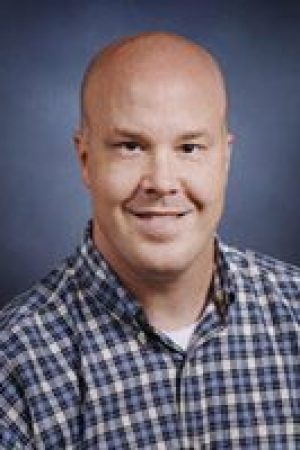
Youngmoo Kim is Professor of Electrical and Computer Engineering at Drexel University, where he directs the Expressive and Creative Interactive Technologies (ExCITe) Center. His leadership extends to the Music & Entertainment Technology Laboratory (MET-lab), focusing on machine listening, robotics for expressive interaction, and STEM education through music technology. Education: PhD, Media Arts & Sciences, MIT (2003) MS, Electrical Engineering, Stanford University MA, Music, Stanford University BS, Engineering, Swarthmore College BA, Music, Swarthmore College Research Focus: Kim's interdisciplinary work bridges audio signal processing, machine learning for music information retrieval, human-robot interaction, and acoustic synthesis. His lab develops novel interfaces including brain-controlled robotics, augmented instruments, and AI-driven music systems, while championing K-12 STEAM education through technological innovation. Publication Trends: Recent articles demonstrate strong convergence of deep learning with music technology, particularly in neural audio synthesis, instrument recognition, and robotic control systems. Emerging themes include differentiable physical modeling of instruments, neuroadaptive interfaces using fNIRS/tDCS, and computational approaches to creative collaboration. Awards & Honors: 2021 College of Engineering Inclusive Excellence Award 2013 Apple Distinguished Educator 2012 Lindback Foundation Distinguished Teaching Award 2012 Philadelphia Geek Awards Scientist of the Year 2007 NSF CAREER Award Leadership & Funding: Kim has secured research support from the National Science Foundation and Knight Foundation. His ExCITe Center serves as an interdisciplinary hub for creative technology development, while MET-lab advances audio-machine intelligence through collaborations across engineering, computer science, and performing arts.
Professor Sara Kim serves as Professor and Head of the Marketing Area at the University of Hong Kong, where she has established herself as a leading scholar in consumer behavior since joining in 2012. Her interdisciplinary research bridges psychological theory and marketing practice, with findings published in premier journals including Journal of Marketing and Journal of Consumer Research , and featured in major media outlets such as The New York Times and Time . Her academic credentials include: Ph.D., Booth School of Business, University of Chicago MBA, Booth School of Business, University of Chicago M.S., KAIST Business School, Korea B.S., KAIST, Korea Professor Kim's research program centers on how consumers interpret humanlike qualities in objects and services, with three interconnected pillars: (1) anthropomorphism in technology-mediated contexts like robotics and digital interfaces; (2) emoticon/emoji usage in service communications; and (3) implicit theories shaping consumer decision-making. Her recent work examines how money anthropomorphism influences financial behavior and how leader emojis affect team creativity, demonstrating practical applications for service industries navigating digital transformation. Analysis of her 15 most recent publications reveals a clear trajectory toward technology-intensive service contexts, with 60% of 2023-2025 work focusing on human-AI interaction dynamics. Her scholarship consistently applies social psychology frameworks to contemporary marketing challenges, particularly in service employee-consumer relationships within digital environments, while maintaining strong theoretical contributions to attribution theory and person perception literature. Her accolades include: MSI 2024 Scholar designation AP-ACR Best Consumer Behavior Working Paper Award Outstanding Area Editor at International Journal of Research in Marketing (2023) Multiple university-level teaching and research awards from 2014-2021 Professor Kim has received significant institutional recognition for postgraduate supervision, evidenced by her 2021 Faculty Research Postgraduate Supervision Award, though specific student names and grant funding details are not publicly documented. Her ongoing research agenda continues to explore the psychological mechanisms underlying consumer-technology interactions in service ecosystems.
Orphée De Clercq is an Assistant Professor at Ghent University, specializing in language technology for educational applications. Her research focuses on leveraging Natural Language Processing (NLP) and Machine Learning (ML) to enhance computer-assisted language learning , readability prediction , and automated writing evaluation . She also explores sentiment analysis , emotion detection , and event coreference resolution in Dutch and multilingual contexts. Education : PhD in 2015 with groundbreaking work in readability prediction and fine-grained sentiment analysis for Dutch. Research Trends in her recent publications emphasize: Readability across domains and languages Emotion Detection using transformers and affect lexica Event Coreference in cross-document news Automated Writing Evaluation through NLP Implicit Sentiment Analysis in user-generated content Cross-Lingual Transfer with multilingual datasets She co-supervises four PhD students and contributes to interdisciplinary projects like Steunpunt Toetsen , SentEMO , and NewsDNA . Her teaching includes courses on digital communication and Computer-Assisted Language Learning .
David M. Smith is a Professor in the Department of Psychology at Cornell University, affiliated with the College of Arts and Sciences. His research focuses on neural systems underlying learning and memory in rodents, employing techniques like neuronal recording, optogenetics, and chemogenetics. He directs the Laboratory of Neurobiology of Memory and Learning, investigating how brain regions contribute to memory formation and retrieval. Academic interests include Neuroscience, Behavioral Neuroscience, and Cognitive Neuroscience. He teaches courses such as PSYCH 4230/6230 on hippocampal function and navigation, and supervises undergraduate and graduate research projects. Notable contributions include studies on retrosplenial cortex roles in spatial navigation and olfactory memory mechanisms. His work integrates experimental and computational approaches, as seen in collaborations leveraging machine learning for clinical prediction (e.g., post-surgical complications). Despite no explicitly listed awards, his research has been highlighted in Cornell’s ‘New Frontier Grants’ initiative for innovative interdisciplinary efforts.
Lindsey Westover, PhD, PEng, serves as an Associate Professor in the Department of Mechanical Engineering and Associate Dean in the Faculty of Engineering at the University of Alberta. Her research and teaching activities are centered in the Biomedical Engineering program, with her laboratory located in the Donadeo Innovation Centre for Engineering (13-224, 9211 116 St, Edmonton, AB T6G 2H5). She maintains an active research profile while contributing to academic leadership through her deanship. Her educational background includes: 2018: Postdoctoral Fellowship in Rehabilitation Medicine, University of Alberta 2016: Ph.D. in Mechanical Engineering, University of Alberta 2011: M.Sc. in Mechanical Engineering, University of Calgary 2007: B.Sc. in Mechanical Engineering, University of Calgary Dr. Westover's research program spans biomechanics and biomedical engineering with emphasis on noninvasive assessment of biological structures, vibration analysis for percutaneous implants, joint biomechanics (ligaments and cartilage), spinal deformity analysis through asymmetry metrics, mechanical testing of biological tissues, and computational modeling of biological systems. Her work integrates laboratory experiments, computational methods, and in vivo studies to develop innovative diagnostic and therapeutic approaches. Analysis of her 15 most recent publications (2018-2020) reveals consistent focus on bone mechanics, implant stability, and symmetry analysis across orthopedics, audiology, and dentistry. Key themes include osseointegration evaluation using ASIST technology, pelvic/spinal deformity quantification, and computational modeling of biological structures. Her work appears in high-impact journals spanning engineering and clinical disciplines, demonstrating strong interdisciplinary collaboration. Scientific recognition includes: Nomination for Ear and Hearing 2018 Editor's Award for bone conduction device research Dr. Westover mentors graduate students through co-authorship on numerous publications and teaches core mechanical engineering courses including MEC E 451 (Vibrations and Sound), MEC E 390 (Numerical Methods), and MEC E 200 (Introduction to Mechanical Engineering). Her research is supported by collaborative grants with clinical partners and engineering colleagues. She leads biomechanics research within the Department of Mechanical Engineering, collaborating extensively with the Faculty of Rehabilitation Medicine and surgical departments. Her laboratory develops advanced testing systems like ASIST for implant stability evaluation across hearing devices and dental applications, while her computational work informs clinical approaches to scoliosis management and fracture reconstruction.
Dr. Tina Cao is a Lecturer in Dietetics and Human Nutrition within the School of Food, Nutrition and Dietetics at La Trobe University. She holds an Honorary position at Baker Heart and Diabetes Institute and collaborates with researchers from Monash University and Northern Health. Her academic journey includes previous Research Fellow positions at Baker IDI Heart and Diabetes Institute and the University of Melbourne. Dr. Cao's educational background spans medical training (MBBS from Jiangsu University, China), public health (MMedSc from Karolinska Institute, Sweden), and epidemiology (PhD from University of Adelaide, Australia). Her diverse academic preparation has positioned her at the intersection of clinical medicine, public health, and nutritional science. Her research interests focus on cardiometabolic disease prevention through nutrition and lifestyle interventions at the population level. Dr. Cao investigates the complex relationships between dietary patterns, physical activity, sedentary behavior, and cardiometabolic outcomes, with particular attention to disadvantaged and culturally diverse populations in Australia. Her work bridges nutritional epidemiology with implementation science, developing evidence-based interventions that address health inequities. Dr. Cao frequently utilizes large-scale datasets like the China Health and Nutrition Survey and the AusDiab study in her research. Dr. Cao's publication record demonstrates consistent productivity with nearly 40 peer-reviewed journal articles and a national report, accumulating over 830 citations since 2019. Her recent work shows increasing focus on health literacy integration into chronic care models, particularly for culturally and linguistically diverse populations with type 2 diabetes. She has made significant contributions to understanding unmet needs in diabetes self-management and the role of digital health solutions during the pandemic. Her scientific recognition includes: Membership in the Australian Diabetes Society (since 2024) Membership on the La Trobe Academic Board (since 2024) Membership in The Nutrition Society of Australia (since 2016) As an educator, Dr. Cao supervises honors and master's students and teaches research-focused subjects including HEA 201 (Integrating Evidence into Practice), DTN 304 (Nutritional Epidemiology and Research Skills), and DTN 306/312 (Nutrition Research projects). She actively collaborates with Professor Brian Oldenburg at Baker Heart and Diabetes Institute and Associate Professor Rebecca Jessup at Northern Health, focusing on culturally diverse populations' health needs. Dr. Cao is committed to translating research findings into practical applications that address health inequities, particularly in the Australian context where cultural diversity presents unique challenges for chronic disease management. Dr. Cao maintains an active research agenda with multiple ongoing projects examining cardiometabolic health in diverse populations, digital health interventions, and implementation strategies for chronic disease management. Her work bridges academic research with practical healthcare solutions, demonstrating her commitment to improving population health outcomes through evidence-based practice.
Håkan Fischer is a Professor of Human Biological Psychology at Stockholm University, where he has served as Head of the Department of Psychobiology and Epidemiology since 2011. He also holds an associate professor position at Karolinska Institutet, is affiliated with the Aging Research Center and Stockholm University Brain Imaging Centre, and is a faculty member at Digital Futures at the Royal Institute of Technology. Since September 2025, he has additionally served as a visiting professor at Linköping University. Fischer has established himself as a leading researcher in emotional and cognitive processing, with particular expertise in socio-emotional aspects across the lifespan. Fischer earned his PhD in psychology from Uppsala University in 1998, followed by postdoctoral research at Harvard Medical School (1999-2001). He then worked at the Aging Research Center at Karolinska Institutet before joining Stockholm University in 2011. His academic journey includes a sabbatical year (2021-2022) at the University of Florida's Department of Psychology. Fischer is actively involved in university governance as a member of the Swedish Research Council's Subject Council for Humanities and Social Sciences (2023-present) and represents Stockholm University in multiple international collaborations. Håkan Fischer's research primarily focuses on investigating intra- and interindividual differences in affective, cognitive, social and perceptual processing, with special emphasis on age-related differences in adults. His laboratory employs advanced neuroimaging techniques including fMRI, PET, and fNIRS to examine brain function, while also utilizing structural imaging methods like T1-weighted imaging, DTI, and perfusion imaging to study brain structure. Fischer advocates for single-subject small-N designs to better understand emotional and cognitive mechanisms. His current research lines include socio-emotional perception and recognition, oxytocin effects on socio-emotional processing across the lifespan, and AI development for interpersonal communication analysis. Analysis of Fischer's recent publications reveals a strong focus on emotion recognition across populations, neurobiological mechanisms of socio-emotional processing, and methodological innovations. His work consistently integrates behavioral testing, neuroimaging, and genetic analysis to provide comprehensive insights. The increasing incorporation of AI approaches demonstrates his adaptation to emerging technological advances in psychological research. Fischer has published 136 peer-reviewed articles with over 12,200 citations and a Google Scholar h-index of 53. Fischer has received consistent funding since 2002 from prestigious sources including the Swedish Research Council, Wallenberg Foundation, STINT, Riksbankens Jubileumsfond, and Konung Gustav V och Drottning Victorias stiftelse. He currently leads nine funded research projects (two as principal investigator totaling 6.9 million SEK, seven as co-applicant totaling 24.8 million SEK) spanning multiple international collaborations in Sweden, Germany, and the USA. As an educator, Fischer leads the basic course in Cognitive Neuroscience and the master's course in Emotion Psychology and Affective Neuroscience. He regularly teaches at both undergraduate and advanced levels, primarily in biological psychology, cognitive neuroscience, and emotion psychology. Fischer currently supervises six doctoral students (one as main supervisor, four as assistant supervisor) and has mentored graduate students since 2002. Håkan Fischer leads a dynamic research laboratory that investigates emotional, social, perceptual, and cognitive processing. The lab examines how intraindividual variations across stimuli and time, as well as interindividual differences in age, gender, genetics, personality, and sleep deprivation affect these processes. His lab maintains active national and international collaborations with researchers at Stockholm University, Uppsala University, Karolinska Institutet, University of Florida, and University of Gothenburg, creating a robust interdisciplinary research environment focused on translating basic neuroscience into practical applications.
Prof. Dr. Manfred Schoch serves as Professor of Business Informatics at Esslingen University of Applied Sciences' Faculty of Computer Science and Information Technology. He concurrently holds leadership roles at Fraunhofer FIT's Business Informatics branch and directs the FIM Research Institute for Information Management. His career bridges academic research with industrial digital transformation projects across sectors including transportation, finance, and manufacturing. His educational foundation includes: Summa cum laude doctorate from University of Hohenheim focusing on digital workplace communication technologies M.Sc. in Information-Oriented Business Administration and B.Sc. in Business Informatics from University of Augsburg Academic exchange at University of Pittsburgh's Joseph M. Katz Graduate School of Business Prof. Schoch's research centers on three interconnected domains: technology implementation in digital workplaces, strategic IT management and enterprise architecture, and data-driven workflow automation. He employs mixed-method approaches combining quantitative network/survey analysis with qualitative interview techniques to examine technology's organizational impact. Recent work investigates pandemic-driven remote work adaptations, AI integration challenges, and behavior change support systems for workplace stress management. His publication trajectory (2022-2025) reveals intensifying focus on generative AI applications, digital workplace resilience, and ethical technology adoption. Key themes include human-AI collaboration models, technostress mitigation, and CSR-guided digitalization. His work appears in premier venues like European Journal of Information Systems and ICIS proceedings. Professional recognition includes: Hohenheim Teaching Prize (2022) for innovative digital management pedagogy He actively supervises student theses through industry-collaborative projects with companies including DB Fernverkehr and Allianz. His research funding stems from Bavarian consortium initiatives like ForDigitHealth and international partnerships with MIT and Microsoft Research. Current grants focus on sustainable hybrid work models and AI-enhanced decision systems. As FIM Research Institute director, he leads cross-disciplinary teams developing practical digital transformation frameworks. The institute maintains strong industry connections through its Digital Leadership Academy and applied consulting projects addressing real-world challenges in workflow automation and IT-business alignment.
Prof. Mehdi Dastani is a Professor and chair of the Intelligent Systems group within the Department of Information and Computing Sciences at Utrecht University's Faculty of Science. He leads the Master's program in Artificial Intelligence and focuses on formal and computational models in AI, particularly multi-agent systems. His research integrates insights from philosophy, psychology, and law to develop autonomous agents that reason about social and cognitive concepts like norms, emotions, and responsibility. Dastani has held academic roles at Utrecht University since 2001, including postdoctoral research and faculty positions. Education: M.Sc. Computer Science (University of Amsterdam, 1991), M.Sc. Philosophy (University of Amsterdam, 1992), Ph.D. in Humanities (University of Amsterdam, 1998). His work spans theoretical and applied projects, including grants for initiatives like Golden Agents (simulating Golden Age creative industries) and traffic control systems using virtual organizations. He is actively involved in academic committees, editorial boards, and organizing international conferences like AAMAS and PRIMA. Research Interests: Multi-Agent Programming, Normative Systems, Autonomous Agents, Cognitive Robotics, and Human-Centered AI. His projects address challenges like norm enforcement, decision-making in complex systems, and ethical AI integration with societal needs. Advising & Grants: Supervised numerous PhD students (e.g., Birna van Riemsdijk, Bas Testerink) and secured grants for projects such as 'Controllable AI: Human-Centered Approach'. His work includes collaborations on urban governance, autonomous driving, and AI tools for literacy support in children. Labs & Teams: Leads the Intelligent Systems group, contributing to agent-based simulations, ethical AI frameworks, and interdisciplinary collaborations with social scientists and urban planners.
Pieter Simoens is an Assistant Professor at Ghent University and affiliated with the imec research institute. He works at the intersection of distributed artificial intelligence, edge computing, and collective intelligence, with a focus on AI applications for resource-constrained environments and robotic systems. His research explores innovative approaches to machine learning deployment in heterogeneous infrastructures, task planning for IoT-integrated robotics, and modeling collective decision-making processes. He has contributed to frameworks like DIANNE for distributed deep learning and developed methods for cognitive modeling in reinforcement learning scenarios. With over 100 publications, his recent work spans adaptive neural networks, privacy-preserving surveillance, UAV hyperspectral data analysis, and computational fairness in AI systems. He leads research initiatives within the Internet Technology and Data Science Lab (IDLab) and contributes to educational programs in software engineering and applied machine learning. Responsible for courses on software engineering, mobile development, system design, and applied machine learning Active in edge computing and neuromorphic algorithms research Develops AI solutions for robotics, surveillance, and industrial IoT applications
Sarah Shomstein is a Professor of Cognitive Neuroscience and Department Chair in the Department of Psychology at George Washington University. She is affiliated with the Neuroscience Institute and Mind-Brain Institute. Her research focuses on understanding the neural and psychological mechanisms of attentional selection, including spatial and object-based attention, and how semantic and sensory information influence perception and memory. Shomstein holds a Ph.D. in Psychology from Johns Hopkins University (2003). Her methodologies include behavioral experiments, eye tracking, functional neuroimaging, and studies with individuals with attentional deficits due to brain damage. She directs the Attention and Cognition Laboratory , exploring how attention modulates sensory processing and memory across the lifespan. Her work highlights interactions between working memory and perception, the role of semantics in visual attention, and the neural basis of attentional control. Recent studies investigate real-world object processing, crossmodal semantic effects, and the impact of reward on attentional allocation. No scientific awards or grants are explicitly mentioned, but her research has been widely published in top journals.
Dr. Michael G. Turner is a Professor and Chair in the Department of Criminal Justice and Criminology at the University of North Carolina at Charlotte. He holds a Ph.D. (2000) from the University of Cincinnati, along with M.S. (1994) and B.S. (1991) degrees from the same institution and Bowling Green State University. His research focuses on three core areas: testing criminological theories (particularly self-control development), analyzing campus-related risky behaviors (e.g., sexual victimization and binge drinking), and studying resiliency mechanisms against delinquency. Recent work includes a U.S. Department of Education grant for an intervention to reduce binge drinking on campuses. His scholarly contributions span over two decades, with a strong emphasis on longitudinal data analysis using the National Longitudinal Survey of Youth. Education: Ph.D. in Criminology, University of Cincinnati (2000) M.S. in Criminal Justice, University of Cincinnati (1994) B.S. in Psychology, Bowling Green State University (1991) Research Interests: Self-control theory: exploring developmental sources and life-course stability Rational Choice perspectives on cheating behaviors among college students Sexual victimization prevalence and intervention strategies on campuses Resiliency pathways influenced by racial/sex disparities in protective factors Grants and Interventions: U.S. Department of Education grant for binge drinking reduction programs Longitudinal studies funded via grants to analyze self-control and desistance Labs/Teams: No specific lab or team name mentioned, though his work involves collaborative research networks focused on criminological theory and applied interventions.
Brenda Rinard is a Continuing Lecturer and Assistant Director of the Writing Across the Curriculum (WAC) Program at the University of California, Davis. She specializes in teaching advanced composition and discipline-specific writing courses, including UWP 101, UWP 104D, and graduate-level writing seminars. Her work focuses on rhetoric, genre pedagogy, multilingual writing, and cross-disciplinary writing initiatives. Rinard has held administrative roles in writing programs at both UC Davis and Stanford University, where she developed curricula for international students. Education : Ph.D. in Education (Language, Literacy, and Culture), UC Davis, 2010 MA in English Composition, San Francisco State University, 2002 BA in English (High Honors), UC Berkeley, 1997 Research Interests : Genre theory, writing transfer to professional contexts, STEM writing instruction, and large-classroom pedagogy. Current projects explore genre awareness as a bridge between academic and workplace writing. Awards : Nominated twice for the ASUCD Excellence in Education Award (2012, 2014) Grants & Service : Principal Investigator on a Spencer-Teagle grant (2008–2010); active in writing program administration, grant-writing consulting, and peer review for Gifted Child Quarterly and NCTE. Labs/Teams : Core contributor to UC Davis’s WAC Program and the Area Three Writing Project.
Heather J. Williams is the Associate Director of the International Security and Defense Policy Program at RAND, a Senior Policy Researcher, and a Professor of Policy Analysis at the RAND School of Public Policy. Her work centers on national and homeland security, intelligence policy, counterterrorism, and Middle East regional dynamics, with a particular focus on Iran and violent extremism. Associate Director, International Security and Defense Policy Program, RAND Senior Policy Researcher, RAND Professor of Policy Analysis, RAND School of Public Policy Education: M.S. in Strategic Intelligence, National Intelligence University B.S. in U.S. Foreign Policy and National Security, Boston University Pat Roberts Intelligence Scholar Her research spans intelligence analysis, domestic and international terrorism, online extremist ecosystems, and the psychological impacts of intelligence work. She has led studies on racially and ethnically motivated violent extremism (REMVE), foreign fighter recruitment, and the role of social media in radicalization. Her recent publications analyze Russian propaganda in the Ukraine war, truth decay in national security, and trauma in the intelligence and law enforcement communities. The body of her work reveals a strong trajectory in understanding how extremist narratives spread online and how U.S. policy can respond effectively while safeguarding civil liberties. Scientific Contributions and Recognition: Testified before the Select Committee to Investigate the January 6th Attack on the U.S. Capitol on extremist use of online spaces. Regular media commentator on U.S.-Iran relations, counterterrorism, and intelligence matters. Contributor to high-impact RAND research on intelligence reform and national security policy. Williams has extensive operational experience, having served as deputy and acting national intelligence officer for Iran at the National Intelligence Council, and in roles at the Defense Intelligence Agency, DHS/TSA, and the Special Operations Intelligence Center. She was a founding member of the Foreign Fighter Task Force and served three overseas tours supporting Special Operations Forces. She advises on policy and mentoring early-career researchers, though no formal students are listed. She has not received explicitly named awards in the text, but her influence is evident through policy engagement and expert commentary. She is affiliated with research teams focused on intelligence innovation, extremism, and national security resilience.
Nicholas Port is a Professor at the Indiana University School of Optometry, where he has served since 2005. He holds a Ph.D. in Neuroscience from the University of Minnesota (1997) and completed postdoctoral training at the National Eye Institute's Laboratory for Sensorimotor Research. His research focuses on concussion/mTBI effects, athlete concussion epidemiology, neurobiology of brain injury, and human eye movement development. He is a key contributor to the NCAA-DoD CARE Consortium, advancing concussion assessment tools like VOMS and SCAT3. Education: Ph.D. in Neuroscience, University of Minnesota, 1997 Postdoctoral Training: National Eye Institute, 1997–2005 Research Interests: Concussion diagnosis and management in athletes Neurobiological mechanisms of TBI Developmental oculomotor systems Epidemiology of sports-related injuries His publications emphasize clinical and neuroimaging approaches to understanding concussion outcomes and athlete brain health. He teaches courses on ocular motility, biomedical systems, and neurobiology of concussion. His work bridges optometry, neuroscience, and sports medicine to address pressing health challenges in athletics. Advising & Grants: As a graduate faculty member with PhD committee leadership, Dr. Port mentors students in optometry and neuroscience. His research leverages interdisciplinary collaborations, such as the CARE Consortium’s large-scale athlete studies. Labs/Teams: Active in IU School of Optometry’s research programs, contributing to sensorimotor and vision science initiatives.