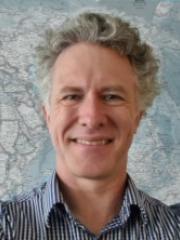
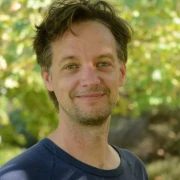
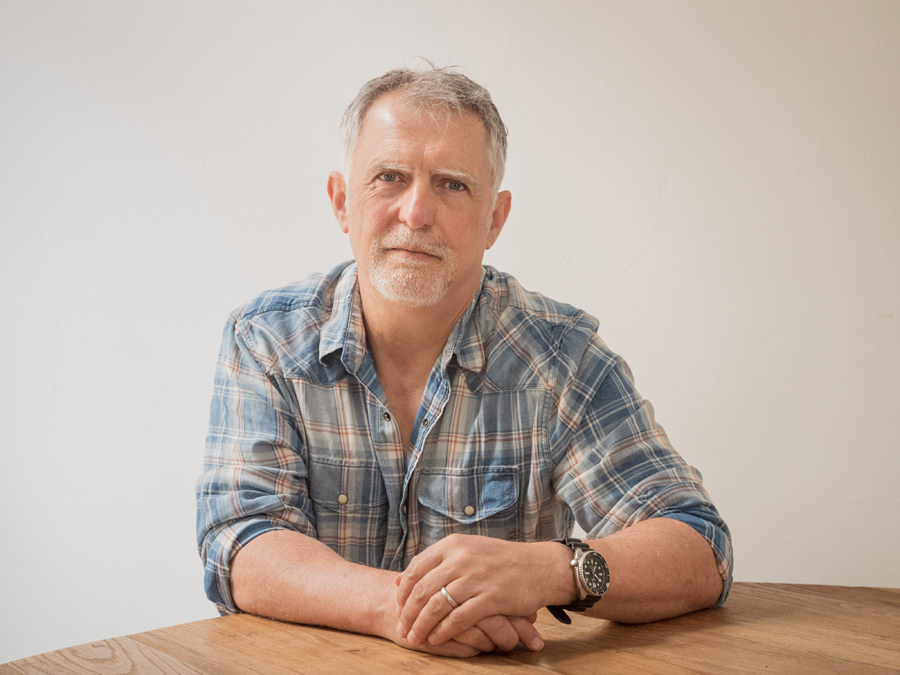
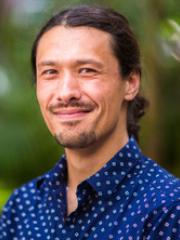
Ajmal Mian is a Professor of Computer Science at the University of Western Australia (UWA), affiliated with the School of Physics, Maths and Computing. He holds an Australian Research Council Future Fellowship (2022) and leads research in Artificial Intelligence, Computer Vision, and Machine Learning. His work focuses on 3D computer vision, adversarial AI defense, and explainable AI. His research interests include 3D point cloud analysis, face recognition, human action recognition, and remote sensing. He has published over 300 papers and secured major grants from ARC, NHMRC, and DARPA, totaling millions in funding. He has supervised 29 PhD students and mentored 12 postdoctoral researchers. Key projects include 3D diffusion models for scene generation, robust 3D vision systems, and defense against AI deception attacks. He serves as a fellow of IAPR, an ACM Distinguished Speaker, and has editorial roles at IEEE Transactions on Neural Networks and Pattern Recognition. Research Awards: HBF Mid-Career Scientist of the Year, West Australian Early Career Scientist of the Year, IAPR Best Scientific Paper Award. Grants: ARC Discovery Projects, National Intelligence & Security Discovery grants, DARPA grants for AI security. His teaching spans computer vision, machine learning, and programming courses. Collaborations include defense, medical, and agricultural applications.
Deborah Richards is a Professor in the School of Computing at Macquarie University, affiliated with the Ethics and Agency Research Centre, Performance and Expertise Research Centre, and Frontier AI Research Centre. She holds roles as Industry and External Relations Director for the School and Director of the Virtual Reality Lab. Her research focuses on Intelligent Virtual Agents, Virtual Reality applications in education and health, knowledge acquisition, and cybersecurity ethics. She has authored over 425 publications and led 19 research projects, including studies on AI in healthcare and ethical AI design. Education: PhD (Artificial Intelligence, Macquarie University), MAppSc (Information Studies), BBus (Computing and MIS), and a Postgraduate Certificate in Higher Education (Leadership and Management). She advises on PhD and MRes students in Intelligent Virtual Agents research. Research interests include virtual agents for health behavior change, AI ethics, and educational technology. Notable projects include the eADVICE web-based management system for urinary incontinence and the development of embodied conversational agents for wellbeing support. Awards include the ABC Science Media Fellowship (2005) and Vice-Chancellor’s Citations for Outstanding Contributions to Student Learning (2017). Grants and collaborations span health informatics, cybersecurity, and AI ethics. She co-leads initiatives like the Respectful Maternity Care study and the Virtual Reality Lab’s immersive learning environments. Future work emphasizes ethical AI integration in education and healthcare.
Professor Guy Wallis is a Professor and Director of Research at the School of Human Movement and Nutrition Sciences, Faculty of Health, Medicine and Behavioural Sciences at the University of Queensland. He is also an Affiliate of the Centre for Sensorimotor Performance. His work bridges visual neuroscience, computational modeling, and applied human factors research, with significant contributions to understanding visual recognition and visuomotor behavior. Education: Bachelor (Honours) of Engineering in Electrical and Electronic Engineering from Imperial College London PhD in Visual Neuroscience from University of Oxford, UK Prof. Wallis's research program combines computational modeling with behavioral studies, many conducted in computer-controlled virtual environments. His work spans visual neuroscience, object recognition, visuomotor control, and simulator-based training. He has made significant theoretical contributions to understanding how visual recognition is achieved in biological systems and how everyday visuomotor tasks are regulated, challenging existing paradigms and offering new insights. His recent publications reveal a strong focus on virtual reality applications, visual-motor integration challenges, and cross-species cognitive studies. There's a clear trend toward investigating how virtual environments can be optimized for training and assessment, with particular attention to visual perception limitations and how humans adapt to these environments across diverse contexts from surgical training to aviation. Scientific Awards and Recognitions: Elected Fellow of the Queensland Academy of Arts and Sciences (2022) ARC Medical Research Advisory Group (2022-2024) ARC College of Experts (2019-2021) CSIRO CSS Human Research Ethics Committee member (2020-2022) UQ Health and Behavioural Sciences Faculty, HDR Supervision Award (2018) ARC Future Fellowship (2011-2014) ARC QEII Fellowship (2003-2007) UQ Postdoctoral Fellowship (2001-2003) Prof. Wallis has successfully secured funding from major organizations including the Australian Research Council, the Human Frontier Science Program, and the Wellcome Trust. His industry partnerships span diverse sectors such as construction training, mining, healthcare, and aerospace. His research has led to the development of novel training programs for health professionals, impacted the design of man-machine interfaces for mining equipment, and informed the design parameters for pilot training systems. As Director of Research, he oversees the research direction of the School of Human Movement and Nutrition Sciences, fostering interdisciplinary collaborations and supporting early-career researchers through his leadership in the Centre for Sensorimotor Performance.
Tom van Laer is an Associate Professor of Marketing and Deputy Head of Discipline, Research at The University of Sydney Business School. He is globally recognized as the leading expert in storytelling and narrative persuasion, currently occupying the top position on Elsevier's SciVal top 100 list for the most-cited researchers in this domain. His academic journey includes a BA and MA from Nijmegen and a PhD from Maastricht University. Dr. van Laer's research explores storytelling, persuasion, and messaging through an interdisciplinary approach that bridges behavioral experiments, quantitative modeling, and interpretive research. His work spans narrative transportation theory, consumer reviews analysis, digital storytelling, and the psychological mechanisms behind how stories influence consumer behavior. He has developed influential frameworks including the Extended Transportation-Imagery Model and narrative agency theory, with particular expertise in analyzing how stories shape responses to climate change communications and social conflict narratives. His publication record features articles in the most prestigious academic journals including the Journal of Consumer Research (where he serves as Area Editor), Journal of the Academy of Marketing Science, Journal of Business Ethics, Journal of Management Information Systems, and International Journal of Research in Marketing. His recent work shows a strong trend toward meta-analyses of narrative effects, climate change communication, and the psychological mechanisms of 'bleed' between fictional experiences and real-world behavior. Dr. van Laer is an active media commentator whose research has garnered extensive global coverage across Australia, France, Germany, the Netherlands, the UK, and the US, including national television and radio interviews. His media engagement focuses on storytelling in political campaigns, social media marketing, and the psychological impact of narratives in consumer contexts. He teaches MKTG3121 Advertising: Persuasive Principles and MKTG6006 Persuasive Advertising: Illuminating Dark Art, and has received recognition for both research and teaching excellence. His professional affiliations include the Association for Consumer Research, Australian Marketing Institute, Australian & New Zealand Marketing Academy, and International Society for the Study of Narrative. Dr. van Laer is a member of several university research centers including the Sydney Centre for Healthy Societies, Sydney Environment Institute, and Charles Perkins Centre, where he contributes his expertise in narrative persuasion to interdisciplinary research on societal challenges.
Dr. Robin Laycock is a Senior Lecturer in the Department of Health and Biomedical Sciences at RMIT University. He leads the Social and Cognitive Neuroscience (SoCoNeuro) Lab, focusing on behavioral and neural mechanisms of social perception in neurotypical and neurodivergent populations, including autism spectrum disorders and the neurocognitive effects of concussion. His research integrates methodologies such as eye-tracking, EEG, and fNIRS to study visual perception, face processing, and the impact of stress/anxiety on cognition. Dr. Laycock holds a PhD from La Trobe University, where he investigated visual processing pathways. His work also includes the BabyFace study, exploring social perception in pre-term infants using fNIRS. He is affiliated with RMIT’s Healthy Foundations Research Group and supervises research projects on topics like concussion neurocognition and social media’s neurobiological effects. Research interests span visual neuroscience, social neuroscience, and clinical applications of neuroimaging. He teaches undergraduate courses in Biological Psychology and supervises postgraduate research in vision science, neuropsychology, and affective neuroscience. His lab’s recent studies examine sex differences in sports-related concussion neuroimaging and the role of deepfakes in emotion perception research. He actively collaborates on projects addressing autism traits, stress effects on visual processing, and neuroimaging advancements.
Professor Gavan McNally is a distinguished behavioral neuroscientist at the University of New South Wales, where he serves as a Professor in the School of Psychology. He is actively engaged in research on the fundamental behavioral and brain mechanisms for learning and motivation, with applications to clinical conditions such as addictions, anxiety disorders, and mood disorders. McNally holds several prestigious editorial positions, including Editor-in-Chief of Neurobiology of Learning & Memory and Senior Editor of The Journal of Neuroscience. He also serves as President-Elect of the European Behavioral Pharmacology Society and is a Member of the Australian Research Council College of Experts. McNally's research interests span behavioral neuroscience, focusing on how fundamental brain mechanisms apply to clinical conditions. He employs a systems neuroscience approach, combining well-controlled behavioral approaches with optogenetics, chemogenetics, in vivo calcium imaging, and whole brain circuit mapping in both normal and transgenic animals. His work bridges basic science with clinical applications through collaborations with colleagues at University of Sydney, Sydney Local Health District, Monash University, and Turning Point. McNally's research particularly examines the cellular, circuit, and systems level mechanisms underlying learning, motivation, and their dysregulation in disorders like addiction. His laboratory investigates how these mechanisms translate to human conditions, with a strong emphasis on developing new treatments for psychological disorders. His extensive publication record demonstrates a clear trajectory in understanding punishment learning, addiction mechanisms, and the neural circuits underlying motivated behavior. Recent work has increasingly focused on the cognitive pathways to punishment insensitivity, the role of specific neural circuits in addiction, and translational approaches to understanding maladaptive behaviors. McNally's research bridges animal models with human studies, creating a comprehensive understanding of the neural mechanisms that govern learning and motivation, with particular attention to how these processes go awry in addiction and other psychological disorders. 2008 QEII Fellow, Australian Research Council 2009 Association for Psychological Science, International Rising Star 2010 Fellow, Association for Psychological Science 2010 UNSW Faculty of Science Staff Excellence Award for Research and Training 2011 Pavlovian Research Award, The Pavlovian Society 2012 Future Fellow (Level 3), Australian Research Council 2016 D.G. Marquis Behavioral Neuroscience Award, American Psychological Association 2017 Fellow, American Psychological Association 2019 Fellow of the Academy of Social Sciences in Australia 2021 D.G. Marquis Behavioral Neuroscience Award, American Psychological Association 2022 Ross Day Plenary Lecturer, Australasian Brain and Psychological Sciences 2023 European Behavioural Pharmacology Society Plenary Lecturer 2024 Elspeth McLachlan Plenary Lecturer, Australasian Neuroscience Society 2024 D.G. Marquis Behavioral Neuroscience Award, American Psychological Association Professor McNally actively supervises several students including Bixuan Lin, Si Yin Lui, Hannah Machet, Bart Cooley, Kelly Zhuang, and Alexandra Gregory. His current research is supported by significant funding including an Australian Research Council Discovery Project (2024-2026) on "Risky choices: From cells and circuits to computations and behaviour," another Discovery Project (2025-2028) on "Multimodal mapping of punishment learning," and NHMRC grants including a Synergy Grant on "Linking clinical and basic science discovery to find new treatments for alcohol-use disorder" and an Ideas Grant on "Novel pathways to abstinence from alcohol seeking." These projects reflect his commitment to both fundamental neuroscience and translational applications for treating psychological conditions. His teaching responsibilities include PSYC2081 Learning & Physiological Psychology and PSYC3051 Physiological Psychology. McNally's laboratory employs advanced techniques including optogenetics, chemogenetics, in vivo calcium imaging, and whole brain circuit mapping to investigate the neural mechanisms underlying learning, motivation, and their dysregulation in disorders. His team works at the intersection of basic neuroscience and clinical applications, with strong collaborations across multiple institutions to translate fundamental findings into potential treatments for addiction and other psychological disorders. The lab has made significant contributions to understanding the role of brain regions like the ventral pallidum, paraventricular thalamus, and nucleus accumbens in addiction, fear learning, and punishment sensitivity.
Nicholas Feltovich is a Professor of Economics at Monash University, specializing in experimental economics, game theory, and behavioral economics. His research focuses on understanding strategic behavior in markets, bargaining institutions, and decision-making under uncertainty, with notable contributions to schizophrenia-related loss aversion studies and experimental political science. He holds a PhD in Economics from the University of Pittsburgh (1997) and a BS in Mathematics from Virginia Tech (1991). Education PhD in Economics, University of Pittsburgh, 1997 BS in Mathematics, Virginia Polytechnic Institute and State University, 1991 Research Interests His work explores experimental investigations of market institutions, bargaining power dynamics, and social norms. Key topics include the effects of communication in strategic interactions, the role of fairness perceptions in pricing, and the application of neuroeconomic methods to study decision-making impairments in schizophrenia. He has conducted influential studies on corporate social responsibility, leadership in public goods provision, and the impact of leniency programs on collusion. Grant Activities Posted prices, bargaining and auctions : ARC-funded project (2014–2019) examining experimental economics of market mechanisms. Effect of bargaining power : ARC project (2013–2018) analyzing institutional and normative influences on bargaining outcomes. Collaborations He collaborates internationally on projects spanning behavioral ethics, experimental game theory, and schizophrenia-related economic behavior. His work contributes to the UN Sustainable Development Goal on Quality Education through applied research in decision-making frameworks.
Professor Peter Godfrey-Smith holds a half-time position in the School of History and Philosophy of Science at the University of Sydney, alongside his role at the CUNY Graduate Center. He earned his undergraduate degree from the University of Sydney and a PhD in Philosophy from UC San Diego. His research spans the philosophy of biology, animal cognition, and consciousness evolution, with notable books like Other Minds and Metazoa . Key awards include the Royal Society of NSW Medal (2017) and the Lakatos Award (2010) for his work Darwinian Populations and Natural Selection . His fieldwork on octopuses has garnered international attention, exploring their intelligence and implications for understanding consciousness. Peter has taught at Stanford, Harvard, and ANU, balancing academic roles with public engagement through media appearances and podcasts. Education: B.A. University of Sydney; PhD in Philosophy, UC San Diego. Research Interests: Evolution of consciousness, animal minds, cephalopod behavior, philosophy of biology, and interdisciplinary studies on cognitive evolution. Awards: Royal Society of NSW Medal (2017), Lakatos Award (2010), multiple fellowships and recognitions in philosophy and biology. Grants and Advising: While no specific grants are listed, his extensive publications reflect sustained research funding. Advises students in history and philosophy of science, though current names are not provided. Labs/Teams: Engages in fieldwork on octopuses, collaborating with marine biologists and philosophers globally. Active in interdisciplinary research groups studying animal cognition.
Dr. Pulin Gong is an Associate Professor in the School of Physics at the University of Sydney. His research focuses on understanding the self-organizing mechanisms of neural circuits' spatiotemporal dynamics and their computational principles. He investigates distributed dynamic computation via propagating neural waves, irregular neural activity variability, and coherent spatiotemporal patterns in large-scale neural data. His work combines experimental and computational approaches to unravel neural coding principles. Research interests include: Distributed dynamic computation (e.g., visual feature integration) Irregular neural dynamics and membrane potential fluctuations Coherent spatiotemporal wave patterns (e.g., spiral waves) Recent projects involve analyzing cortical wave patterns in mice and primates, fractional neural sampling, and Lévy walk dynamics in neural systems. Collaborators include institutions like Fudan University and Kyoto University. Current research student: Andrew LY, working on cortico-cortical loop dynamics and AI applications.
Dr. David Sewell is a Senior Lecturer and Deputy Head of School (Teaching & Learning) at the School of Psychology, The University of Queensland. His research focuses on attention, learning, memory, and decision-making, with a strong emphasis on formal mathematical models of human cognition. He is affiliated with the Centre for Perception and Cognitive Neuroscience within the Faculty of Health, Medicine and Behavioural Sciences. Education: Bachelor (Honours) of Arts and Doctor of Philosophy, both from the University of Western Australia. David's research explores the intersection of cognitive psychology and computational modeling. Key areas include perceptual decision-making, attentional mechanisms, and the application of diffusion models to understand cognitive processes. His work also extends to sustainability and collective self-regulation through cognitive frameworks. The 15 most recent articles highlight his contributions to modeling decision thresholds in memory prioritization, analyzing gaze cueing effects, and investigating neural correlates of confidence in multisensory decisions. Collaborative projects frequently involve interdisciplinary approaches, combining neuroscience, psychology, and computational methods. He has supervised multiple PhD candidates, serving as Principal or Associate Advisor, with research topics ranging from visual categorization to metacognition in children. Current and past funding includes ARC Discovery Projects on collective self-regulation and category learning constraints.
Professor Fernando Calamante is a Professor of Biomedical Engineering at The University of Sydney and Director of Sydney Imaging Core Research Facility. He leads the National Imaging Facility node and focuses on advanced MRI methodologies, particularly Diffusion and Perfusion MRI, to study brain connectivity and neurological disorders. His work includes developing the MRtrix software, widely used in diffusion MRI analysis. He holds extensive funding (~$50M) and has been recognized with awards like ISMRM Fellowship and NHMRC grants. His research spans super-resolution imaging, brain connectomics, and clinical applications in stroke and tumors. Education: BSc (Physics, Argentina), PhD (Magnetic Resonance Imaging, University College London). Career highlights include leadership roles at The Florey Institute and ISMRM presidency (2021-2022). Research interests include: Novel MRI methods for brain connectivity and super-resolution imaging Applications of Diffusion and Perfusion MRI in neurology Integration of structural and functional connectomics Key achievements: Over 200 publications, software innovations, and leadership in global MRI societies.
Associate Professor Fiona O'Leary is affiliated with the University of Sydney's Sydney Nursing School and the Discipline of Nutrition and Dietetics within the Faculty of Medicine and Health. She holds membership in the Charles Perkins Centre's Brain and Body, Biology of Ageing, and Healthy Food Systems research nodes. Her academic qualifications include a PhD, BSc (Hons), and a Graduate Diploma in Nutrition and Dietetics. Her research focuses on dietary assessment, malnutrition, public health nutrition, and evidence translation for healthy ageing. Notable projects include the NHMRC-funded Maintain Your Brain dementia prevention trial and secondary analysis of the Australian National Nutrition Survey. She also leads initiatives in Tanzania and Zambia addressing childhood malnutrition through poultry and crop integration. Current research projects: Maintain Your Brain trial, dietary patterns analysis, COPD supplementation, and food security initiatives in Africa. Dr. O'Leary has 33 peer-reviewed publications, primarily in ageing and dementia. She teaches Medical Nutrition Therapy and coordinates the Dietetic Professional Studies course. Awards include Advanced Accredited Practising Dietitian status. Her advisory roles include associate supervision of PhD and MPhil students in nutrition and cognitive function, oral health, and biomarker panel development.
Suzanne Estaphan is a Senior Lecturer in Medical Science (Physiology and Clinical Pharmacology) at the Australian National University (ANU) School of Medicine and Psychology . She holds qualifications including a Doctorate of Physiology (2015) , MSc in Physiology (2012) , MBBCh (2005) , and Basic Certificate in Medical Education (2018) . Her academic roles span curriculum development, admissions, and assessment committees in the ANU Medical School. Senior Lecturer, ANU (2023–present) Academic Editor, PLOS ONE (2024–present) Review Editor, Frontiers in Physiology (2023–present) Dr. Estaphan's research bridges oxidative stress and inflammation in disease pathology with medical education innovation . Her work explores antioxidant interventions for organ damage and investigates AI/virtual reality applications in education. Recent projects include studying sleep dysfunction in eating disorders and diabetes medication effects on exercise capacity . Between 2023–2025, her 15 most recent publications span oxidative stress , medical education , and molecular pathophysiology . Themes include homeostasis , clinical reasoning , and metabolic disorders , with subfields like MMP-9 biology , pancreatic injury , and VR-based hypoxia training . Scientific accolades include the American Physiological Society Travel Award (2017) and recognition as Senior Fellow of the Higher Education Academy (2023) . She mentors medical students, contributes to national physiology curriculum consensus projects, and has secured approximately $200,000 in research funding .
Associate Professor Ian Johnston is affiliated with the School of Psychology at The University of Sydney. His research focuses on neurocognitive effects of medical treatments, pain management, and behavioral interventions. Notable projects include investigations into chemotherapy-induced cognitive impairments and the psychological impacts of high-fat diets. He has contributed to systematic reviews and guidelines for harmonizing preclinical cancer research. Selected grants include a 2022 study on lifelong neurocognitive effects of adolescent diets and a 2020 grant funded by the Boyd Mervin Wilson bequest. His work spans interdisciplinary collaborations, with publications in journals like CyberPsychology, Behavior, and Social Networking and Neuroscience and Biobehavioral Reviews . Research interests integrate neuroscience, oncology, and behavioral science, addressing translational challenges in clinical and preclinical settings. His lab explores mechanisms linking inflammation, pain modulation, and cognitive decline in disease contexts.
Dr. Emma Axelsson is a Lecturer at the School of Psychological Sciences, University of Newcastle, Australia. Her research focuses on cognitive and social development in typically and atypically developing children, with specific interests in early word learning, sleep-related memory consolidation, screen time effects on development, and infants' social category representations using eye-tracking technology. Doctor of Philosophy, University of East London Bachelor of Arts (Honours in Psychology), University of Queensland Dr. Axelsson's research spans multiple disciplines including cognitive neuroscience, memory and attention, and child development. She explores how sleep patterns interact with learning outcomes, investigates screen time's impact on preschoolers' cognition, and examines visual processing of bodies and faces in developmental contexts. Her recent publications highlight trends in screen time research, with 2025 studies analyzing executive function and sleep interactions, and 2024 work examining cross-species social evaluation mechanisms. Earlier articles (2022-2013) cover temperament effects on word learning, body perception mechanisms, and longitudinal developmental studies. Dr. Axelsson supervises multiple PhD and Masters projects related to screen time, sleep, and neurodevelopmental outcomes. Her research team collaborates internationally through networks like ManyBabies and Healthy Minds (Hunter Medical Research Institute).