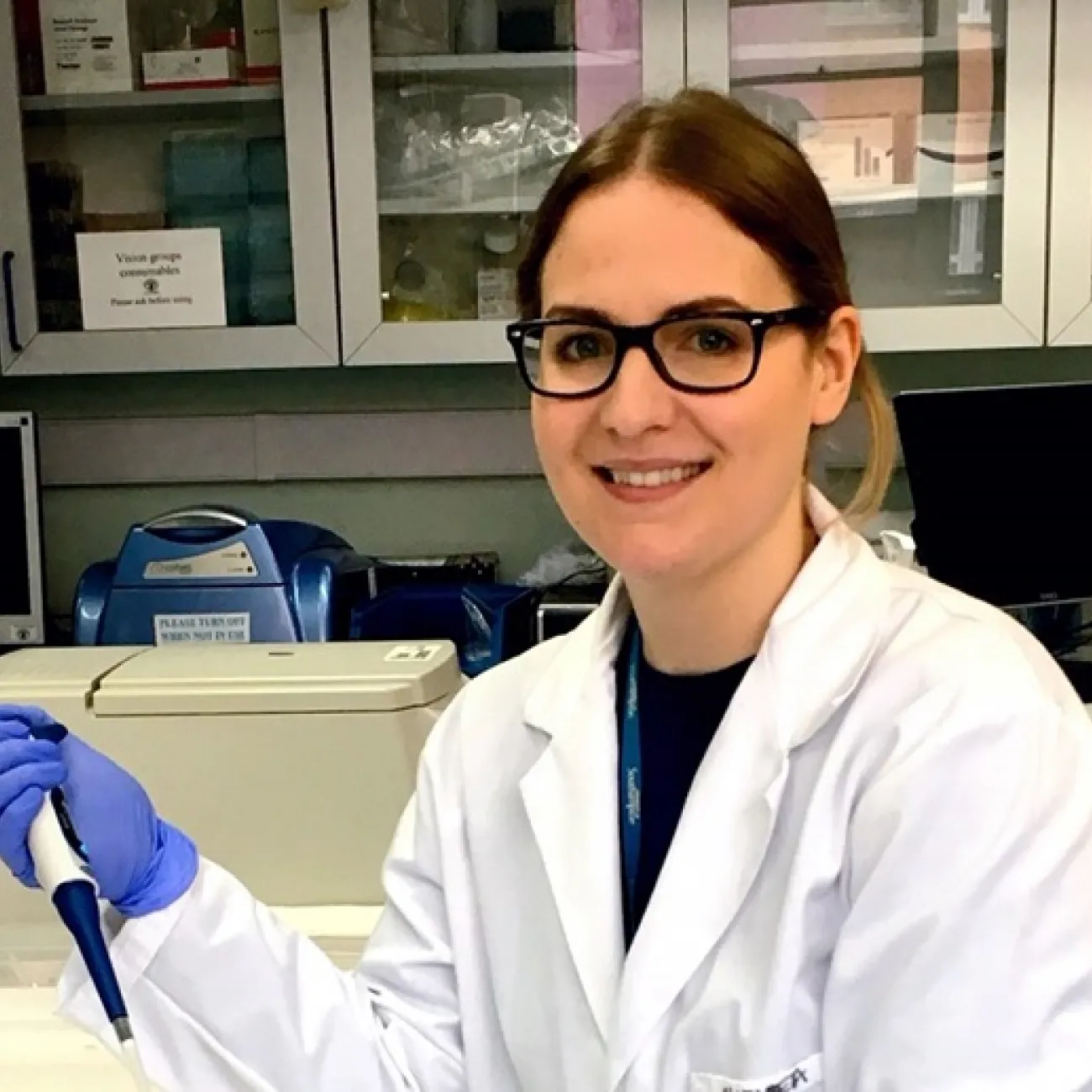
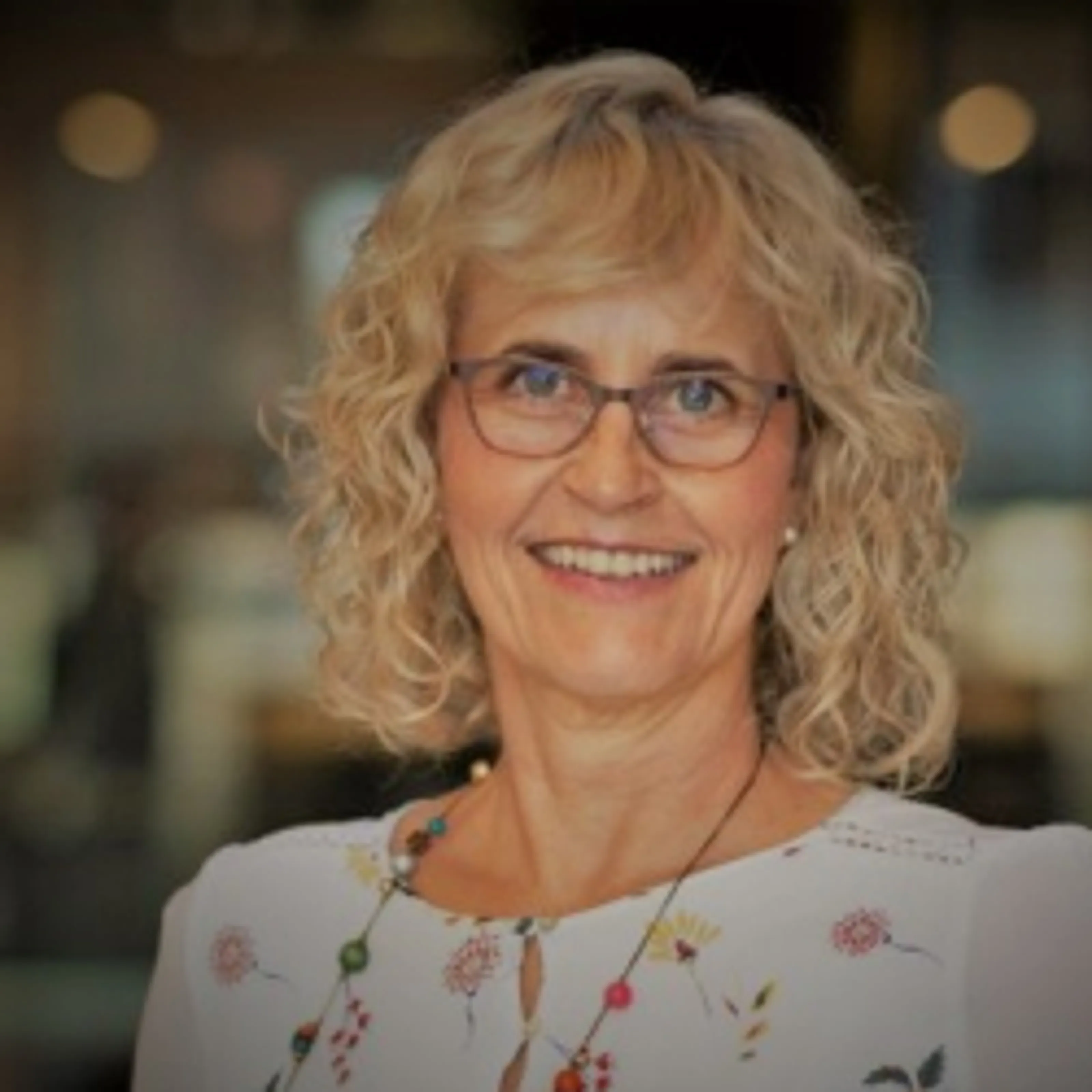
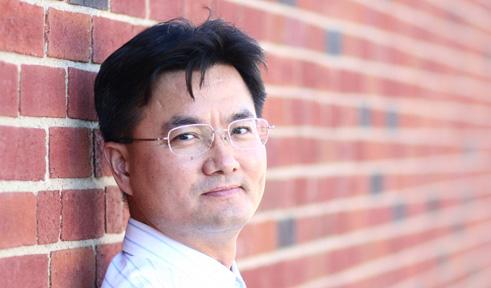
Professor Julie Sanders is the Director of Clinical Research at St Bartholomew’s Hospital (SBH) and Clinical Professor of Cardiovascular Nursing at Queen Mary University of London. She leads the Cardiovascular Outcomes Research Group, focusing on cardiac surgery outcomes, health-related quality of life, morbidity outcomes, and women’s cardiovascular health. Her work emphasizes clinical academic career development for nurses and allied health professionals (APs), with SBH offering internship, MS, and PhD opportunities. She chairs the ACNAP Science Committee and co-founded the CONNECT network for international nursing and allied professional research collaboration. Research interests span postoperative recovery, cardiovascular disparities (e.g., gender differences in surgical outcomes), and infection prevention. She has secured grants from the NIHR, Barts Charity, and industry partners like Medtronic. Awards include Fellow of the European Society of Cardiology (FESC) and membership in Sigma Theta Tau Nursing Honor Society. Collaborators include Professors Mark Griffiths, Aung Oo, and international scholars such as Ben O’Brien (Germany) and Rochelle Wynne (Australia). Key publications address cardiac sarcoidosis, pandemic impacts on cardiac care, and cognitive dysfunction post-surgery.
Meghan Darling-White is an Associate Professor in the Department of Speech, Language, and Hearing Sciences at the University of Arizona, serving as Director of Graduate Studies and Director of the NIH-funded Communication Participation and Adaptive Listening Support (P.A.L.S.) Lab. Her research focuses on applying precision medicine approaches to develop participation-centered interventions for individuals with motor speech disorders, particularly adolescents with neurodevelopmental conditions. Key areas include speech production analysis (acoustic, kinematic, perceptual), speech breathing mechanics, and interdisciplinary rehabilitation frameworks. Dr. Darling-White holds a Certificate of Clinical Competence from the American Speech-Language-Hearing Association and Arizona licensure. She teaches courses such as SLHS 575: Neuromotor Speech Disorders and oversees graduate training programs. Her work integrates quantitative data (e.g., respiratory measurements) with qualitative interview methodologies to address real-world communication challenges. Research emphases include Parkinson’s disease speech biomarkers, speech motor control in cerebral palsy, and longitudinal changes in speech physiology. She has pioneered frameworks for shared decision-making in intervention design and advocates for client-driven rehabilitation outcomes. The P.A.L.S. Lab collaborates on adaptive technologies to enhance communication participation in clinical populations. Key contributions include studies on sentence length effects in neurodevelopmental disorders, respiratory calibration methods, and the impact of loud speech cues in Down syndrome. Her scholarship bridges clinical practice with cutting-edge measurement techniques, aiming to improve speech-language pathology interventions through evidence-based practices.
Dr. Robert Keasley is a Lecturer in Psychology at Swansea University's School of Psychology, within the Faculty of Medicine, Health and Life Science. He teaches statistics, research methods, and academic skills at both undergraduate and postgraduate levels. His current role includes designing and delivering a new final-year Cyberpsychology module. His research focuses on Autism Spectrum Disorders (ASD), memory, and the impact of digital environments on psychology. He collaborates internationally on nursing spiritual assessment and studies the effects of the pandemic on healthcare workers. His recent publications address academic integrity in higher education and executive functioning in neurodivergent children. Research Interests: Cyberpsychology, ASD measurement validation, cross-cultural ASD support networks, and cognitive development in neurodivergent populations. His work bridges clinical psychology with modern technological impacts.
Assoc Prof Nagaendran Kandiah is an Associate Professor of Neuroscience at the Lee Kong Chian School of Medicine, Nanyang Technological University (NTU). He serves as Director of the Dementia Research Centre and holds an appointment as a Clinician Scientist with the National Medical Research Council. His expertise spans cognitive neurology and vascular neurology, with a focus on dementia, healthy brain ageing, and brain disorders associated with ageing. Research interests include biomarker development, vascular contributions to neurodegeneration, and early detection strategies for cognitive impairment. Clinically, he integrates translational research with clinical practice, focusing on mild cognitive impairment (MCI), vascular cognitive impairment (VCI), and dementia. His recent work explores blood-based biomarkers (e.g., GFAP, p-tau181), digital health tools (e.g., ReCOGnAIze app), and the role of vascular risk factors in cognitive decline. He leads studies like the SINgapore GERiatric Intervention Study (SINGER), investigating multidomain lifestyle interventions to mitigate cognitive decline and frailty. His publications emphasize cross-cultural validation of cognitive assessments (e.g., Visual Cognitive Assessment Test), pathophysiological mechanisms linking cerebrovascular disease to neurodegeneration, and novel biomarker applications in Southeast Asian populations. Key themes include the synergy between APOE4 genotype and vascular pathology, and the utility of machine learning for syndrome classification in neurology.
Dr. Amrinder Khosa is a Senior Lecturer in Accounting at the Tasmanian School of Business and Economics, University of Tasmania. He has over 12 years of experience in higher education, having previously taught at Monash University and La Trobe University. His academic work bridges financial accounting and accounting education, with strong ties to industry and professional practice. His research interests include: Corporate governance, particularly ownership structures and related-party transactions in emerging markets PhD supervision, motivation, and well-being in higher education Work-integrated learning, flipped classrooms, and technology in accounting education Climate change and sustainability in accounting curricula The experiences and dignity of casual academic staff Dr. Khosa’s recent publications (2023–2025) reflect a strong trend toward educational scholarship, with a focus on student and academic motivation, supervision dynamics, and curriculum innovation. A significant portion of his work applies self-determination theory and psychological capital to understand performance and well-being in accounting contexts. His earlier work centers on financial accounting and governance in Indian business groups, published in high-impact journals like British Accounting Review and Cambridge University Press . His scientific awards include: Best Paper Award at the 2022 AFAANZ Conference Best Research Interactive Poster Award (AFAANZ, 2016) Dr. Khosa is actively involved in research grants and supervision. He leads and collaborates on funded projects examining work-integrated learning, climate change in accounting education, and curriculum development. He supervises doctoral students, including Jin Tang, and has coordinated major programs such as the Master of Professional Accounting, Graduate Certificate, and Graduate Diploma in Professional Accounting. His teaching emphasizes real-world application, sustainability, and professional readiness.
Dr. Esther Mondragón is a Senior Lecturer in the Department of Computer Science at City St George's, University of London, within the School of Science and Technology. She is a member of CitAI (the Artificial Intelligence Research Centre at City) and directs the virtual Centre for Computational and Animal Learning Research. Her academic leadership includes serving as Chair of the School of Science and Technology Research Degrees Committee and former Director of the MSc in Artificial Intelligence. PhD Psychology, University of the Basque Country, Spain MSc Psychology, University of the Basque Country, Spain BSc Psychology, University of the Basque Country, Spain Dr. Mondragón is a computational cognitive neuroscientist whose research lies at the intersection of artificial intelligence and cognitive neuroscience. Her primary focus is on bio-inspired AI, particularly reinforcement learning models of cognition grounded in associative learning principles. She develops computational frameworks that bridge natural and artificial cognition, including influential models like the Double Error Dynamic Asymptote (DDA) and the Rescorla-Wagner Drift-Diffusion Model (RWDDM). Her work extends to deep learning integration, Hebbian learning, representational learning, and episodic memory in AI. She has also contributed to understanding perceptual learning, rule acquisition in animals, and timing mechanisms in conditioning. The 15 most recent publications reflect a strong trend in computational modeling of learning, with increasing integration of deep learning and neuro-inspired architectures. Her work spans theoretical cognitive science, applied AI, and software development for simulation. Key themes include associative mechanisms in representation, temporal modeling, and biologically plausible neural networks. She frequently collaborates with researchers like Eduardo Alonso and others across disciplines. Member, Spanish Society for Comparative Psychology (SEPC) Member, Cognitive Science Society International Affiliate, Pavlovian Society Member, Division 6: Society for Behavioral Neuroscience and Comparative Psychology, American Psychological Association (APA) Senior member, The Society for the Study of Artificial Intelligence and the Simulation of Behaviour (AISB) Dr. Mondragón actively supervises PhD students including Corina Cătărău-Cotuțau, Alexander Dean, and Mpagi Kironde. She has supervised several to completion, such as Esther Mulwa, André Luzardo, and Niklas Kokkola. She has secured significant research funding as PI/Co-PI on projects like 'INDUSTRIAL PhD SCHOLARSHIP, BOSCH AASS' (£140,000, Innovate UK), 'DEEPSYNC: AUTOMATED VFX FOR VIDEO DUBBING' (£143,000, Innovate UK), and 'FREE ENERGY PRINCIPLE FOR ADAPTIVE COGNITIVE ARCHITECTURES' (£98,000, DSTL). She also serves as a reviewer for the US National Science Foundation, BBSRC, NCN Poland, and numerous high-impact journals. She directs the virtual Centre for Computational and Animal Learning Research, which fosters interdisciplinary collaboration among cognitive scientists, neuroscientists, biologists, mathematicians, and computer scientists. She also leads the Knowledge Graphs Interest Group at The Alan Turing Institute.
Dr. Leah Witt is an Associate Professor in the Department of Medicine at the University of California, San Francisco (UCSF) School of Medicine. She serves as the Pulmonary Associate Chief for Ambulatory Affairs since 2021 and a Fellowship Coach for the Pulmonary & Critical Care Medicine Fellowship Program at UCSF since 2022. Her roles emphasize clinical care, education, and translational research at the intersection of geriatrics and pulmonary medicine. Education and Training: B.A. in Anthropology and Global Health (Northwestern University, 2007) M.D. (University of Minnesota Medical School, 2011) Internal Medicine Residency (University of Chicago, 2014) Pulmonary Medicine Fellowship (University of Chicago, 2017) Geriatrics Fellowship (UCSF, 2018) Completed Diversity, Equity, and Inclusion Champion Training (UCSF) Research interests focus on geriatric care for older adults with chronic lung diseases, including COPD and interstitial lung disease. She explores metabolic pathways in pulmonary fibrosis, frailty biomarkers, and interprofessional education strategies. Her work highlights aging-related respiratory comorbidities and the integration of geriatric principles into pulmonary medicine. Her recent articles address COPD management, metabolic mechanisms in lung fibroblasts, and ethical healthcare rationing. These publications reflect her dual expertise in clinical practice and geriatric research. Awards include the HRSA Geriatric Academic Career Award (2019–2023), UCSF Geriatrics Teacher of the Year (2022), and induction into the Academy for Medical Educators (2024). Dr. Witt’s advising and grant activities include leading the HRSA-funded project on interprofessional geriatrics education. She collaborates with teams in pulmonary medicine, critical care, and geriatrics. Her professional service includes roles in academic senate committees and clinical trial oversight. Labs/Teams: Active member of UCSF’s Pulmonary & Critical Care Medicine and Geriatrics teams. Collaborates with interdisciplinary groups focused on aging-related respiratory diseases and palliative care co-management strategies.
Dr Jennifer Dewing is a Research Fellow in Clinical Neuroanatomy at the University of Southampton. Her work focuses on neurodegenerative diseases, particularly investigating TIMP-3 proteinopathy mechanisms and retinal/brain degeneration. She has contributed to studies on fetal heart development, autism-related synaptic dysfunction, and stem cell models of Sorsby Fundus Dystrophy. Her research bridges molecular biology, clinical pathology, and developmental biology. Notable awards include the British Neuropathological Society's best oral presentation (2025) and recognition for her TIMP-3 proteinopathy work (2023). Dr Dewing collaborates across disciplines, with publications in high-impact journals like PLoS ONE and The Journal of Pathology. Her current projects include exploring age-associated neurodegenerative mechanisms and cardiac cell composition in early fetal development.
Theocharis Ispoglou is a Reader in Nutrition & Muscle Health at the Carnegie School of Sport, Leeds Beckett University, where he has been employed since September 2005. His work bridges the fields of nutrition, exercise physiology, and aging, with a strong focus on muscle health in older adults. Research Interests: Dr. Ispoglou's research centers on sarcopenia, resistance training, appetite regulation, amino acid supplementation, and metabolic and cognitive health in aging populations. His work investigates how nutritional and exercise interventions can mitigate age-related muscle loss and improve functional outcomes. Publication Trends: His recent publications (2020–2024) demonstrate a consistent focus on non-pharmacological strategies for managing sarcopenia, the role of dietary fiber and testosterone in cognitive function, endothelial health in response to exercise, and the efficacy of essential amino acid supplements in older adults. His studies often utilize large datasets like NHANES and employ randomized controlled trials, systematic reviews, and cross-sectional analyses. Scientific Contributions: While no specific awards are listed, his extensive publication record in high-impact journals such as Nutrients , European Journal of Applied Physiology , and Biology underscores his contribution to the field. He has also served as a peer reviewer for numerous journals including Medicine & Science in Sports & Exercise , Nutrients , and Experimental Gerontology . Advising and Grants: Although specific students or grant funding are not mentioned in the provided text, his role as a Reader and principal investigator on multiple studies suggests active involvement in research supervision and project leadership. His collaborations with researchers across institutions indicate strong academic networks. Labs and Teams: While no specific lab or research team name is provided, his affiliation with the Carnegie School of Sport suggests integration within a broader sports science and health research environment focused on human performance and clinical populations.
Rachid Hourizi is a Professor and Director of the Institute of Coding (IoC) at the University of Bath, Department of Computer Science. He plays a leading role in national digital skills education and university-industry collaboration. He is affiliated with the Centre for Networks and Collective Behaviour and the Centre for Death and Society. His research interests span Human-Computer Interaction , collaborative systems , situation awareness , and autonomous systems , with applications in defence, emergency response, aviation, agriculture, and smart energy. He has led significant research projects funded by EPSRC, EU, and Innovate UK, focusing on information exchange, digital pedagogy, and energy efficiency. His recent publications highlight a strong trend in computing education, digital skills policy, and human factors in energy and autonomous systems. These works reflect interdisciplinary collaboration and real-world impact, particularly in workforce development and sustainable technology. Director, Institute of Coding (IoC), University of Bath Contributor to UN Sustainable Development Goals in energy and education Active in national digital skills initiatives and policy Rachid Hourizi has supervised academic work and collaborated on multiple funded research projects, including those with industrial and public sector partners. He has led efforts to certify Bath’s placement scheme and launch digital degree apprenticeships. While no specific grants are detailed beyond project titles, his role as PI and CoI on multiple large-scale projects indicates substantial grant leadership. He is involved in the Centre for Networks and Collective Behaviour and has contributed to projects integrating computing with social and environmental challenges.
Elke D. Reissing is a Full Professor in the School of Psychology at the University of Ottawa, Faculty of Social Sciences. She is actively engaged in research, teaching, and graduate supervision in clinical psychology with a focus on human sexuality and sexual health. Her research interests include: Sexuality and sexual dysfunctions Genito-Pelvic Pain/Penetration Disorder and lifelong vaginismus Pelvic floor function and its relationship to sexuality Gender and health across the lifespan Menopause and sexual well-being Pain, mental health, and neurosciences The most recent publications reflect a strong focus on validating sexual assessment tools, understanding consent dynamics, exploring trauma in marginalized populations, and examining the psychological and physiological underpinnings of sexual well-being. Her work integrates clinical insight with empirical research, often applying self-determination theory and psychophysiological models. Scientific contributions include: Validation of orgasm assessment scales across menopausal stages Exploration of sexual consent perceptions in diverse male populations Investigation of non-consensual experiences among incarcerated men Analysis of pelvic floor muscle dynamics in sexual pain disorders Integration of motivation theory into couple sexual well-being She is currently supervising several graduate students, including Raymond McKie, Billie Mendel, and Anna Rogic. Her teaching portfolio includes undergraduate and graduate courses in human sexuality, sex therapy, cognitive-behavioral therapy, clinical supervision, and internship training. She has no listed scientific awards in the provided text, and there is no indication of part-time or retired status.
Nele Demeyere is Professor of Neuropsychology at the University of Oxford, leading the Translational Neuropsychology Group within the Nuffield Department of Clinical Neurosciences. She holds an NIHR Advanced Fellowship and a Stroke Association Wolfson Lectureship. Her research focuses on cognitive impairments post-stroke and dementia, particularly visuo-spatial neglect and executive dysfunction. She developed the Oxford Cognitive Screen (OCS), a widely used stroke-specific cognitive assessment tool with over 1,100 licensed clinical sites globally. Demeyere’s work bridges fundamental cognitive neuroscience with clinical applications, including lesion-mapping studies and longitudinal cohort analyses of stroke recovery. She leads three NIHR-funded studies and chairs the Cognitive Screening programme at the John Radcliffe Hospital. Her group investigates neuroanatomical correlates of neglect, cognitive trajectories in chronic stroke survivors (OX-CHRONIC study), and mental capacity assessments in dementia. Her academic roles include past coordination of undergraduate admissions across Oxford’s 20 colleges for Experimental Psychology and Psychology courses (2016–2021), and St Anne’s College stipendiary lecturer (2012–2021). Awards include the Stroke Association Wolfson Lectureship and NIHR Advanced Fellowship. PhD in Cognitive Neuropsychology NIHR UK Clinical Research Network Chief Investigator OCS development and international translation efforts
Patricia De Vriendt is a Professor at Vrije Universiteit Brussel (VUB), affiliated with the Faculty of Medicine and Pharmacy's Department of Gerontology. Her research focuses on gerontology, dementia care, frailty management, and occupational therapy innovations. She leads major projects like the ACTIVE-AGE@home initiative addressing community-based frailty intervention. With an h-index of 19 and 1,224 citations, her work spans over 155 publications since 2008. Key research interests include Activities of Daily Living assessment, cognitive dysfunction in elderly populations, and nursing home quality improvement. Her international collaborations emphasize cross-cultural studies, such as evaluating dementia screening tools for Sub-Saharan African migrants in Belgium. Awarded prizes include the 2013 Prijs Beste Poster and 2003 Faculty Dean's Prize, reflecting her contributions to psychogeriatrics and geriatric research. She advises doctoral projects at VUB, UAntwerpen, and UGent, collaborating with institutions like Radboud University (NL). Her work integrates clinical practice and policy, exemplified by contributions to the Primary Care Academy and studies on caregiver-patient dynamics in nursing homes. She maintains active roles in academic organizations and has supervised seven research projects, emphasizing translational geriatric care solutions.
Esten Høyland Leonardsen is a Postdoctoral Fellow in the Department of Psychology at the University of Oslo, specializing in cognitive and clinical neuroscience. His academic background includes a BSc and MSc in Informatics (Programming and Networks) from UiO (2014 and 2016, respectively). His research focuses on applying artificial intelligence, machine learning, and neuroimaging techniques to study brain aging, Alzheimer’s disease, and psychiatric disorders. He collaborates with the Center for Lifespan Changes in Brain and Cognition. Education: MSc in Informatics (Programming and Networks), University of Oslo (2016) BSc in Informatics (Programming and Networks), University of Oslo (2014) Research Interests: Esten’s work bridges AI, neuroscience, and clinical applications. Key areas include machine learning for neuroimaging analysis, brain age prediction, Alzheimer’s genetics, and the intersection of computational methods with mental health. His recent studies emphasize explainable AI in dementia diagnosis and the role of immune dysfunction in psychiatric disorders. Publications: Recent work highlights trends in AI-driven neuroimaging, genetic influences on brain aging, and translational research linking computational models to clinical outcomes. For example, he has explored vaccine hesitancy via mixed methods and applied small CNNs for Alzheimer’s classification. Awards: No scientific awards explicitly mentioned in the text. Advising/Grants: Collaborates on projects involving brain imaging, genetics, and computational modeling. No specific grants or advisees listed. Labs/Teams: Active in the Center for Lifespan Changes in Brain and Cognition, leveraging interdisciplinary approaches to study neurodevelopment and aging.
Daewoo Lee is a Professor in the Department of Biological Sciences within the College of Arts and Sciences at Ohio University. His research is centered on molecular and cellular mechanisms underlying neurodegenerative diseases, particularly Parkinson's and Alzheimer's diseases. He is based in the Life Sciences Building on the Athens campus, where he leads a research laboratory focused on protein propagation, synaptic signaling, and neuroprotection. Research Interests: Dr. Lee's lab investigates the prion-like spread of pathogenic proteins such as alpha-Synuclein and tau, with a focus on how neuronal activity drives their release and propagation. His work integrates Drosophila models and human neural cell lines to study activity-dependent protein release, mitochondrial dysfunction, dopamine signaling, and olfactory learning. He employs advanced techniques including optogenetics and primary neuronal cultures to dissect molecular pathways involved in neurodegeneration and neuroprotection. The recent publications reflect a strong trend in understanding the cellular and molecular basis of Parkinson’s and Alzheimer’s diseases, with emphasis on protein aggregation, neurotransmitter signaling, and neuronal excitability. His research bridges model organisms and human disease mechanisms, offering translational insights. Scientific Mentoring: Dr. Lee actively mentors both graduate and undergraduate students, many of whom have co-authored publications from his lab. His teaching includes courses such as Drugs and the Brain , Principles of Physiology , and Biological Chemistry , reflecting his expertise in neurobiology and cellular biochemistry. Laboratory: The Lee Lab operates in Life Sciences Building 210J, utilizing Drosophila primary neuronal cultures, ReNcell human neural progenitor cells, and optogenetic tools to study neurodegenerative processes in a controlled and reproducible manner.