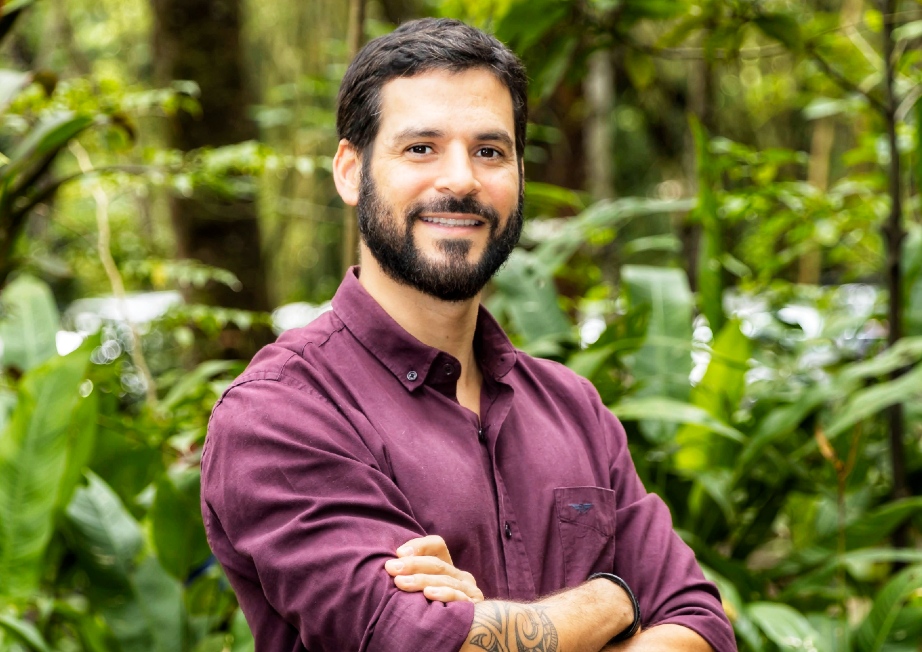
Dr. Bruce R. Maxim is a Professor at the University of Michigan-Dearborn , affiliated with the College of Engineering and Computer Science and the Dearborn Artificial Intelligence Research (DAIR) Center . He also leads the Search Based Software Engineering (SBSE) Laboratory and co-founded the Game and Multimedia Environment (GAME) Laboratory . Education : PhD, MA, and BS in Computer Science from the University of Michigan, Ann Arbor. Research Interests span Software Engineering , Game Design , Machine Learning , Optimization , and Intelligent Systems . He explores User Interface Design , Virtual Reality , and Social Media in educational contexts, with a focus on Computer Science Education and Knowledge-Based Systems . Recent Publications highlight applications of Multi-Objective Optimization in Web Services and Code Smell Detection , Active Learning Tools in Software Verification , and Service Learning integration with Virtual Worlds . His work bridges Game Design and Software Engineering pedagogy. Awards : UMD Distinguished Digital Education Award (2020) UM Distinguished Faculty Governance Award (2018) Campus Distinguished Teaching Award (2015) Outstanding Young Man of America (1988) Teaching includes coordinating courses like CIS 375 Software Engineering I , CIS 488 Computer Game Design II , and Senior Design Seminars . He emphasizes student projects , peer reviews , and industry-aligned processes for game and software development.
Martin Monperrus is a Professor of Software Technology at KTH Royal Institute of Technology in Stockholm, Sweden, working within the School of Electrical Engineering and Computer Science, specifically in the Department of Computer Science and Operations Research. He conducts cutting-edge research on software engineering with a focus on program repair, software supply chain security, blockchain technologies, and WebAssembly. His research interests span automated software maintenance, program analysis, software security, and the development of tools to improve software quality and reliability. Monperrus focuses on creating practical solutions for real-world software engineering challenges, particularly in the areas of automated program repair, dependency management, and supply chain security. His work often bridges theoretical concepts with practical applications, resulting in tools and techniques that directly impact software development practices. The publication trends reveal a strong emphasis on modern software challenges including software supply chain security (with works like Dirty-Waters and Software Bills of Materials), program repair evolution (RepairLLaMA and RepairBench), blockchain security (On-Chain Analysis and SoliDiffy), and the application of large language models to software engineering problems. His research has evolved from traditional program analysis to incorporate AI/ML techniques while maintaining a strong foundation in software engineering principles. Monperrus actively collaborates with PhD and Master's students as mentioned on his website where he states he "researches with brilliant PhD and Master's students to do hard, fun and significant experiments on cool topics." His work appears in top software engineering venues and demonstrates consistent productivity with numerous publications each year across multiple research areas. He maintains an active research group (referred to as "my crew" on his website) that focuses on developing practical tools and conducting empirical studies in software engineering. His contact information shows he's based in Office 1524, Level 5 - E-Huset at KTH, with open door policy and preference for email communication.
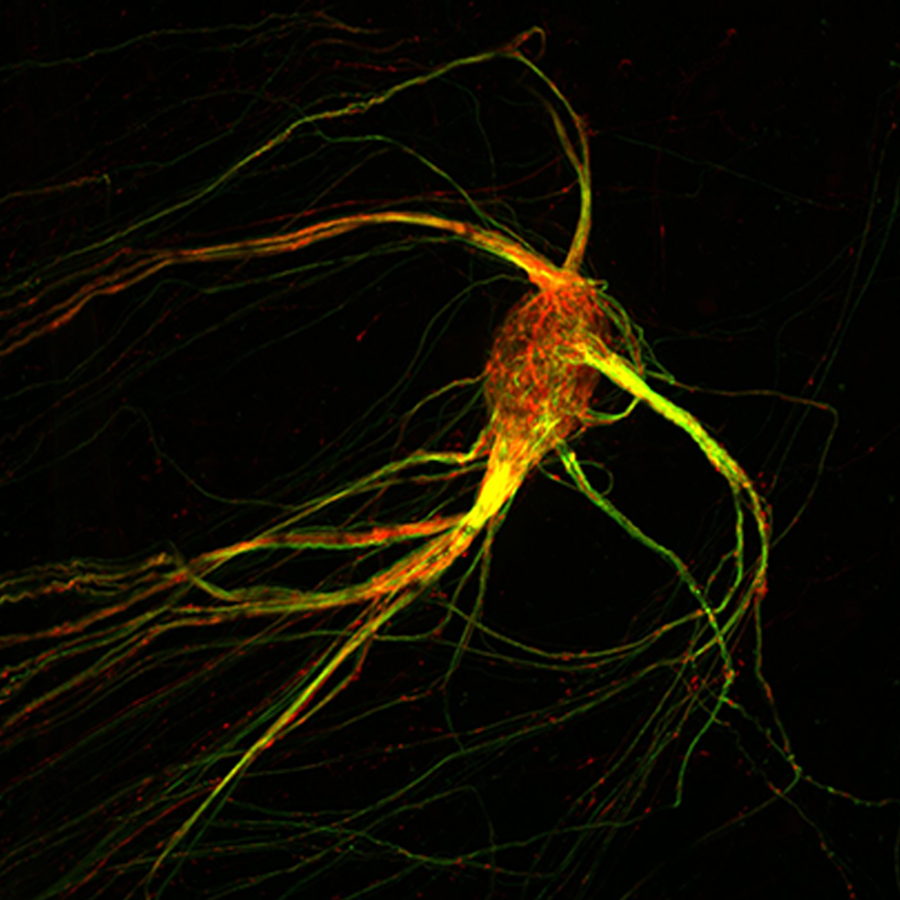
Stavros Lomvardas, PhD is the Roy and Diana Vagelos Chair of Biochemistry and Molecular Biophysics, Herbert and Florence Irving Professor at the Zuckerman Institute, and Professor of Biochemistry and Molecular Biophysics and Neuroscience at Columbia University's Vagelos College of Physicians and Surgeons. He serves as Chair of the Department of Biochemistry and Molecular Biophysics and is a Training Faculty member in the Doctoral Program in Neurobiology and Behavior. Dr. Lomvardas' research focuses on understanding the molecular mechanisms of olfaction, particularly how olfactory receptor neurons achieve their remarkable diversity. His work investigates how the hundreds of odor-decoding genes in humans are selectively expressed, with only one gene activated per neuron. This research extends beyond sensory biology to explore connections between the olfactory system and neurodegenerative disorders like Alzheimer's disease, where anosmia (loss of smell) is often an early indicator. His laboratory examines how epigenetic mechanisms, chromatin organization, and nuclear architecture regulate gene expression in neuronal development and function. Analysis of Dr. Lomvardas' recent publications reveals a strong focus on the intersection of neuroscience, epigenetics, and molecular biology, with particular emphasis on olfactory receptor gene regulation, chromatin dynamics, and neural development. His work consistently explores how spatial organization within the nucleus influences gene expression patterns in neurons, with implications for understanding both normal sensory processing and neurological disorders. His scientific achievements have been recognized with numerous prestigious awards: Howard Hughes Medical Institute Faculty Scholar (2016-present) Blavatnik Foundation National Award Finalist (2017) Association for Chemoreception Sciences Young Investigator Award (2014) Vilcek Prize for Creative Promise in Biomedical Science (2014) NIH EUREKA Award (2010) McKnight Scholar Award (2010) NIH Director's New Innovator Award (2009) As a principal investigator at the Zuckerman Institute, Dr. Lomvardas leads a research program that bridges molecular biology and neuroscience, with potential implications for understanding neurodegenerative diseases and sensory processing disorders. His work has been supported by major funding from the NIH, Howard Hughes Medical Institute, and other prominent organizations in the biomedical research field. Dr. Lomvardas maintains an active research laboratory focused on the molecular mechanisms of olfaction and neural development, where his team employs cutting-edge techniques in genomics, imaging, and molecular biology to unravel the complexities of sensory neuron development and function.
Marcos Kalinowski is an Associate Professor at the Department of Informatics, Pontifical Catholic University of Rio de Janeiro (PUC-Rio), where he has served as a faculty member since 2017. He is the co-founder and coordinator of the ExACTa PUC-Rio laboratory, General Chair of the International Conference on Software Engineering (ICSE) 2026, and Associate Editor of the Journal of Systems and Software. His academic affiliations also include membership on the steering committees of ICSE and the Ibero-American Conference on Software Engineering (CIbSE), as well as being a Senior Advisor and Lead Appraiser for the Brazilian Software Quality Program (MPS.BR). Dr. Kalinowski earned his Ph.D. and M.Sc. in Software Engineering from COPPE/UFRJ under advisor Guilherme Travassos, and his B.Sc. in Computer Science from UFRJ. His academic career includes previous faculty positions at Fluminense Federal University (UFF) from 2014-2017 and the Federal University of Juiz de Fora (UFJF) from 2012-2014. His research focuses on bridging software engineering and data science, with particular emphasis on developing reliable and maintainable AI/ML systems through rigorous engineering practices. His work addresses critical challenges in requirements engineering for ML-enabled systems, investigating how to effectively specify quality attributes and functional requirements for complex AI applications. His research on software process and product quality emphasizes agile methods adapted to modern data-intensive development contexts. Through experimental software engineering approaches, he validates these methods through empirical studies in both academic and industrial settings. His work has significantly contributed to establishing Software Engineering for Data Science as a distinct discipline, including creating Brazil's first extension course on the subject in 2021. His publication record demonstrates a strong focus on the intersection of software engineering and artificial intelligence, with recent work addressing technical debt in ML systems, requirements engineering for AI, and lean methodologies for industry-academia collaboration. His research shows a clear trajectory toward making AI development more systematic, reliable, and aligned with software engineering best practices, evidenced by his over 160 scientific publications and multiple books including the Jabuti Acadêmico award-finalist 'Engenharia de Software para Ciência de Dados' (2023). Dr. Kalinowski has received numerous prestigious awards including: CNPq Research Productivity Grant (Level 1D, 2024-2028) FAPERJ Scientist of Rio de Janeiro State Distinction (2024) Multiple best paper awards at international conferences including SWQD 2025 and CAIN 2024 Recognition as advisor of multiple award-winning Ph.D. and M.Sc. theses SBES 2024 Advisor of the Best Brazilian Software Engineering Ph.D. Thesis As an academic leader, Dr. Kalinowski has supervised numerous doctoral and master's students, many of whom have received national awards for their research. He has secured significant research funding from Brazilian Research Council (CNPq) and Rio State Agency (FAPERJ), as well as industry collaborations with major organizations including CEPEL, Eletrobras, Galp, Petrobras, and Stone. His laboratory, ExACTa PUC-Rio, has established successful industry partnerships through its Lean R&D approach, creating a robust pipeline between research and practical application. Dr. Kalinowski leads the ExACTa PUC-Rio laboratory which focuses on applying lean R&D methodologies to industry-academia collaboration projects. He also created and coordinates PUC-Rio's specialization courses in Software Engineering and Full Stack Development through CCEC PUC-Rio, demonstrating his commitment to bridging academic research with industry needs. His leadership in bringing ICSE 2026 to Brazil represents a significant milestone for the software engineering community in Latin America.
Nuno Gonçalo Coelho Costa Pombo is an active researcher and faculty member at the University of Beira Interior, Portugal, where he works in the School of Technology and Management within the Department of Computer Science. His academic career spans over a decade with consistent publication output from 2014 through 2025, demonstrating sustained research productivity and evolving expertise across multiple domains. Dr. Pombo's research interests center on the intersection of computer science and healthcare applications. His work prominently features ECG signal processing for medical diagnostics, with significant contributions to sleep apnea detection systems and clinical decision support systems . He has pioneered approaches in activities of daily living recognition using sensor data from mobile devices, which has important applications in elderly care and chronic disease management. His research methodology often combines machine learning techniques with Internet of Things (IoT) frameworks to create healthcare monitoring solutions that balance effectiveness with user privacy concerns. Recent work has expanded into educational technology applications, including augmented reality for programming instruction and futuristic thinking development in education. An analysis of Dr. Pombo's publication trends reveals a natural progression from foundational research in activity recognition to increasingly sophisticated healthcare applications. His early work focused on basic activity recognition frameworks, while more recent publications demonstrate advanced applications in specific medical conditions including diabetes management, mental health support, and cardiovascular diagnostics. The interdisciplinary nature of his research is evident in his extensive collaborations across engineering, medical, and social science domains, reflecting a holistic approach to healthcare technology development. Dr. Pombo maintains an active supervision role, with numerous publications featuring co-authors who appear to be students or early-career researchers. His work has been supported by research initiatives focused on healthcare technology innovation, though specific grant details are not evident from publication records. The consistent output across reputable venues including IEEE Access, Sensors, and international conferences demonstrates sustained research impact in his field.
Prof. Dr.-Ing. André van Hoorn was a distinguished academic at the University of Hamburg , leading the Software Development and Construction Methods group in the Department of Computer Science since 2023. His research focused on quantitative analysis of performance and quality attributes in complex distributed systems, contributing significantly to software engineering and architecture communities. He held leadership roles in SPEC Research and organized ICPE and ECSA conferences. Education and Career: He previously worked at Oldenburg, Kiel, and Stuttgart universities. His academic rank was Professor, reflecting his expertise and leadership in software systems research. Research Interests: His work emphasized resilience engineering, microservices, cloud computing, and performance optimization. He developed tools like Kieker for performance monitoring and frameworks like Radon for serverless computing analysis. Teaching and Outreach: He actively mentored students and pioneered the SeaSchool project to introduce students to non-programming aspects of computer science. His pedagogical innovations included tablet-based e-exams in large courses. Legacy: His contributions span academic leadership, impactful research, and community engagement. Condolence books are available at the University of Hamburg’s Department of Computer Science, and a fundraising campaign supports his family.
Rocco Oliveto is a Professor in the Department of Computer Science at the University of Salerno, Italy, with a distinguished research career spanning over two decades in empirical software engineering. His work bridges theoretical software engineering principles with practical applications, with recent expansion into healthcare informatics and machine learning applications. His research interests focus on code quality assessment, software maintenance practices, developer behavior analysis, and empirical studies of software engineering phenomena. He has made significant contributions to understanding code smells, bug prediction, API compatibility issues, and more recently, container technologies and smart contract analysis. His recent work demonstrates a strategic expansion into healthcare applications, leveraging software engineering techniques for medical diagnostics and rehabilitation systems. Oliveto's publication pattern shows consistent productivity with multiple high-impact publications each year across top venues including IEEE Transactions on Software Engineering, ACM Transactions on Software Engineering and Methodology, and Empirical Software Engineering journal. His recent articles (2023-2025) reveal a growing interest in applying software engineering techniques to healthcare domains while maintaining strong contributions to core software engineering topics. The research demonstrates sophisticated methodological approaches combining empirical studies with machine learning techniques. His collaborative network includes prominent researchers such as Simone Scalabrino, Gabriele Bavota, and Andrea De Lucia, with whom he has co-authored numerous high-impact publications. This collaboration spans both traditional software engineering topics and emerging interdisciplinary applications in healthcare.
Fabio Palomba is an Associate Professor at the Department of Computer Science , University of Salerno, Italy. He earned a European PhD in Management & Information Technology (2017), funded by University of Salerno and University of Molise, under advisor Prof. Andrea De Lucia. His research spans software maintenance and evolution , empirical software engineering , and ML systems quality . Recipient of IEEE Computer Society Best PhD Thesis Award (2017) Multiple Distinguished Paper Awards from ACM/SIGSOFT and IEEE/TCSE Recipient of prestigious SNSF Ambizione grant (2019) and IEEE Rising Star Award (2023) His work investigates fairness-aware practices in ML , technical debt in AI systems , and LLM applications in software engineering . Recent studies focus on automated requirements generation via RECOVER, quantum software engineering , and socio-technical community smells in ML-enabled systems, with empirical analyses across large datasets. Key editorial roles include Elsevier's Information and Software Technology Journal (2022-), Springer's Empirical Software Engineering Journal (2021-), and IEEE Transactions on Software Engineering (2020-). He has served as program co-chair for SANER 2024 , ICPC 2021 , and multiple conference tracks. 16 Distinguished Reviewer Awards for his refereeing work Co-authored 80+ journal papers , 100+ conference papers , and advised 300+ theses
Mohammad Masudur Rahman is an Associate Professor in the Faculty of Computer Science at Dalhousie University. His research focuses on intelligent automation of software maintenance and evolution , combining Artificial Intelligence (AI) and Software Engineering (SE) to address challenges in bug detection, diagnosis, and reproducibility. He leads the RAISE Lab , which aligns with Dalhousie’s strategic goals in Advanced AI & Digital Innovation , particularly Sustainable Software Innovation and Sustainable AI . Dr. Rahman earned his PhD in Computer Science/Software Engineering from the University of Saskatchewan (2019), advised by Prof. Dr. Chanchal Roy, and completed a postdoc at Polytechnique Montreal under Prof. Dr. Foutse Khomh. He has published 50+ papers in top venues like ICSE , ESEC/FSE , ASE , and TOSEM , with research funded by NSERC Discovery Grant, Mitacs Accelerate International, and Dalhousie Startup Fund. His work investigates the challenges of software bugs, crashes, vulnerabilities, and technical debt , particularly in AI-driven systems like Large Language Models and Deep Learning frameworks. He develops tools to automate bug diagnosis, leveraging code structures and neural machine translation. Recent articles analyze deep learning bug reproducibility , fault diagnosis in attention models , and code smell impacts . Scientific Awards : Governor General's Gold Medal, U of S Doctoral Thesis Award, Dalhousie Belong Research Fellowship, President Gold Medal (Bangladesh). Grants : $475K+ (PI) and $4.3M+ (Co-PI) from NSERC, Mitacs, Climate Action Fund, and Dalhousie.
Petar Jovanovic is a researcher at the Department of Service and Information Systems Engineering within the Barcelona School of Computer Science at Polytechnic University of Catalonia (UPC). His work focuses on Big Data management , data governance , and user-centered data integration platforms . PhD (2016) from UPC and Université Libre de Bruxelles Software Engineering degree from University of Belgrade Jovanovic created the Quarry platform, enabling non-technical users to perform data analysis for global health initiatives like WHO disease eradication programs. His 2017 SCIE/BBVA award recognized innovations in applying Big Data to combat diseases such as Chagas in underprivileged countries. Recent research emphasizes: Knowledge graph-based data governance frameworks (2024) Web API evolution prediction models (2024) Automated FAIR data lifecycle systems (2023-2024) He has co-authored 15+ high-impact publications and holds one patent as primary innovator. His work spans European Union research programs and WHO collaborations.
Felix Dobslaw is a Senior Lecturer and Associate Professor at Mid Sweden University , affiliated with the Department of Communication, Quality Technology and Information Systems (KKI). He leads the cross-disciplinary Software Engineering and Education (SEE) research group, focusing on the intersection of technology and human use in software development, with a particular emphasis on Generative AI applications.
Hasan Sözer is a Professor at the Department of Computer Science , Ozyegin University , where he has worked since 2011. His research focuses on software engineering , particularly in software architecture recovery , fault tolerance , and distributed systems . Education: B.Sc. in Computer Engineering , Bilkent University (2002) M.Sc. in Computer Engineering , Bilkent University (2004) Ph.D. in Computer Science , University of Twente (2009) Research Interests include software architecture design , test automation , and self-adaptive systems . His work often combines genetic algorithms and heuristics for architecture recovery, with applications in blockchain security and embedded systems . Scientific Projects funded by the Scientific and Technological Research Council of Turkey include topics like automated web application testing , blockchain-based security solutions , and serverless function deployment . He collaborates with industry partners such as Turkcell Technology , Vestel , and Fibabanka . Students under his supervision include Hüseyin Yapıcı , who defended a thesis on evolutionary coupling metrics . He leads the Ozyegin University Software Research Lab (SRL) , which focuses on modular architecture recovery and test model refinement .
Giacomo Garaccione is a Ph.D. candidate in Computer and Systems Engineering at the Polytechnic University of Turin , affiliated with the Department of Control and Computer Engineering (DAUIN) and the SOFTENG - Software Engineering Group . He holds an MSc in Computer Engineering (Software) from the same institution. Current Role : Ph.D. candidate (38th cycle, 2022-2025) Teaching : External lecturer and teaching assistant for Information Systems and Software Engineering courses in Engineering and Management and Computer Engineering programs (2022-2025). His research focuses on applying gamification to software engineering education , with emphasis on conceptual modeling and GUI testing . He develops gamified tools like UMLegend and GERRY , integrating artificial intelligence and natural language processing for automated model validation and feedback. Publications analyze gamification’s impact on student productivity and perception in UML/BPMN education. Scientific recognition : Nominated for merit awards (2025). Collaborator on multiple studies involving large language models and gamified IDE plugins , with ongoing work to create a comprehensive gamified environment for software modeling and requirements training.
Ivan Polášek is a part-time Associate Professor at the Department of Applied Informatics within the Faculty of Mathematics, Physics and Informatics at Comenius University in Bratislava. His institutional affiliations include membership in the Division of Theory and System Design. His research explores: Software modeling and visualization techniques Virtual/augmented reality applications in software engineering AI-driven optimization of software design and refactoring Collaborative development methodologies Design pattern analysis and anti-pattern detection Recent publications (2017-2024) demonstrate strong focus on VR-supported collaborative design, executable software models, and communication methodologies in team-based development environments. He teaches undergraduate courses in agile development and software architectures, while leading research seminars. No awards or supervised students are documented in available sources. Polášek contributes to the INNOVAITE research project and maintains collaborations with European institutions including researchers from the Netherlands, France, and Sweden.
Peter Rosso is a Doctor of Philosophy researcher at the University of Bristol's School of Electrical, Electronic and Mechanical Engineering, specializing in Computer-Aided Design (CAD) systems and product development methodologies. His work bridges software engineering principles with mechanical design practices. His educational background includes a BEng in Mechanical Engineering from the University of Bristol (awarded July 19, 2017). Research focuses on addressing technical debt in CAD modeling , improving CAD editability and usability , and exploring graph database applications for design intent preservation. Key methodologies include adapting object-oriented programming principles to CAD systems and investigating variability impacts on model reusability. Current research trends show strong interdisciplinary connections between software engineering and mechanical design, particularly in applying version control concepts from software development to physical product lifecycles through digital twin paradigms. His work demonstrates significant citation impact with 15+ Scopus citations across recent publications. Scientific Recognition: No major awards or fellowships explicitly documented in source materials As Principal Investigator for the active CAD Refactoring project (since September 2018), he leads research on improving CAD model editability with collaborators including Prof. B.J. Hicks and Dr. S.C. Burgess. The project has generated notable academic engagement with 14 Mendeley readers and social media mentions. His research group maintains active collaborations across mechanical engineering and software domains, with particular emphasis on translating software engineering best practices to CAD environments and developing integrated version control systems for virtual-physical artifact management in product development cycles.