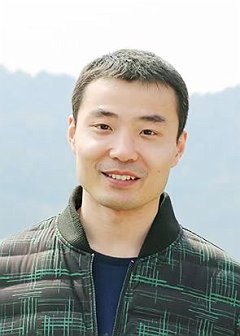
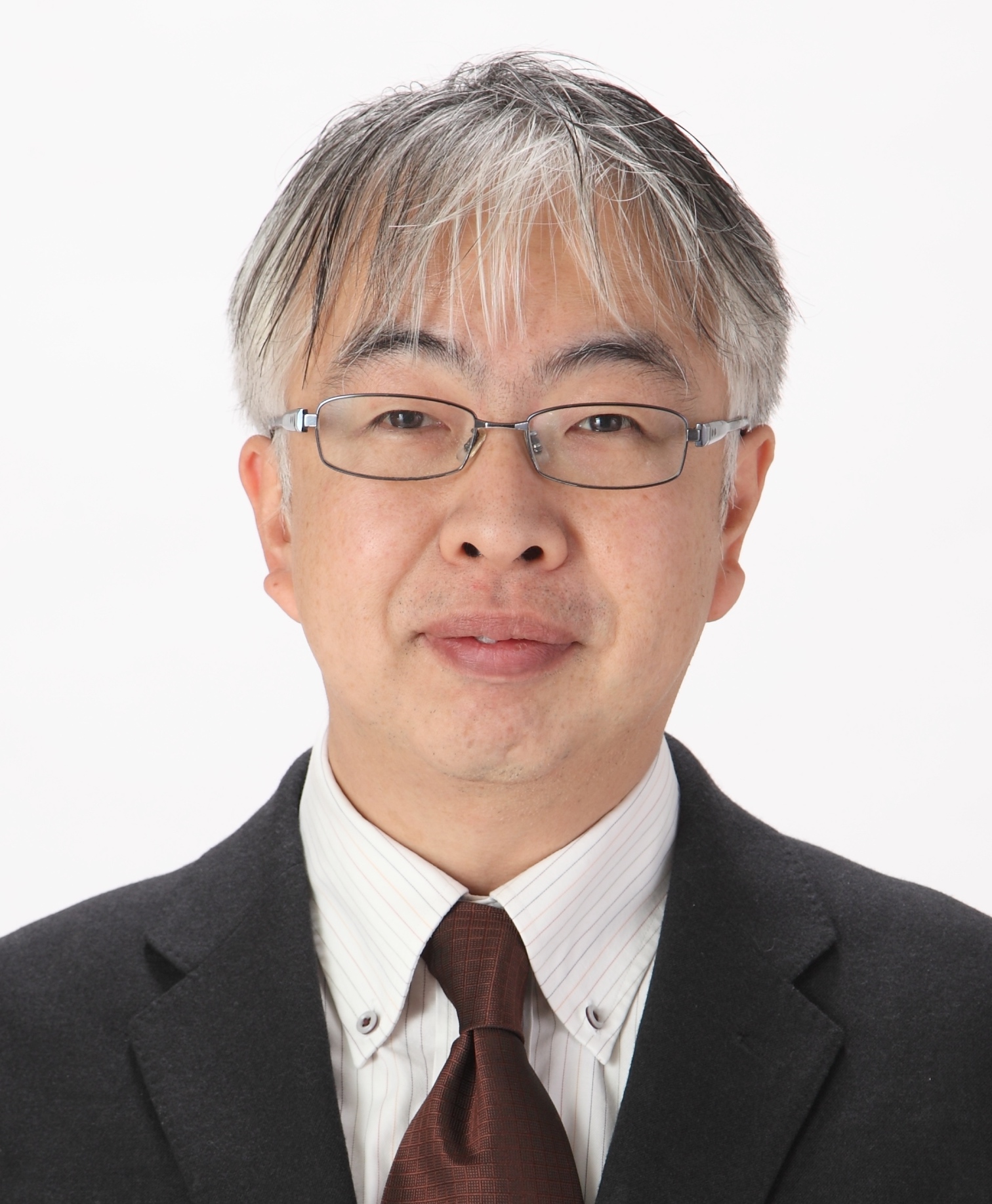
Matthias KaschubeView profile
Professor
Matthias Kaschube is a Professor in the Faculty of Computer Science and Mathematics at Goethe University Frankfurt and a Senior Fellow at the Frankfurt Institute for Advanced Studies (FIAS). His research group focuses on understanding how the brain forms efficient representations of sensory environments and internal states through dynamic neural processes. He maintains active collaborations with leading neuroscience institutions including the University of Minnesota, Max Planck Florida Institute for Neuroscience, and Technion. Dr. Kaschube completed his physics studies at Goethe University Frankfurt and Georg-August-University Göttingen, graduating in 2000 and earning his doctoral degree in physics in 2005. His doctoral work was conducted at the Max Planck Institute for Dynamics and Self-Organization under Fred Wolf and Theo Geisel. He then held a Bernstein Fellowship before becoming a Theory Fellow at Princeton University's Lewis Sigler Institute from 2006-2011. In 2011, he joined Goethe University as Professor for Computational Neuroscience. His research spans four primary areas: the developmental emergence of cortical representations, flexible representations underlying learning and creativity, cognitive maps and representational spaces, and analysis methods for neural data. His group combines dynamic models of neural circuit function with neural data modeling techniques in close collaboration with experimental groups, creating an interdisciplinary interface between computer science, physics, biology, and AI. Notably, his work has revealed highly structured cortical networks prior to sensory experience that share similar architectural principles across sensory and association cortices. Analysis of his recent publications shows a consistent focus on understanding how endogenous neural activity patterns develop into reliable cortical representations through experience. His work spans multiple scales from molecular and cellular mechanisms to whole-brain functional organization, with particular emphasis on developmental processes in visual and auditory cortices. His methodological contributions include advanced techniques for analyzing chronic imaging data, tracking chromatophores in cuttlefish, and characterizing latent spaces in deep neural networks. Lewis Sigler Theory Fellowship (2006-2011) Bernstein Fellowship (2005) Professor Kaschube actively mentors a large group of PhD students including Lorenzo Butti, Jonas Elpelt, Santiago Galella, Deyue Kong, Maurycy Miekus, Ana Pamela Osuna Vargas, and Sigrid Trägenap. His research has been supported by multiple grants including NIH grants EY011488 and EY026273, Bernstein Focus Neurotechnology grant 01GQ0840, and BMBF project D-USA-Verbund: SpontVision. His group currently pursues three major research directions: the origin of distributed modular activity in neocortex, quantitative growth models for cuttlefish based on physical models, and the role of self-organization in linking endogenous cortical networks to sensory input.