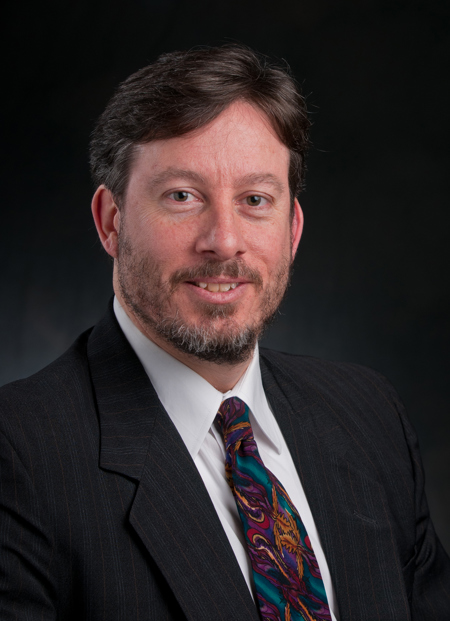
Mireia Llinas Grau is a Professor at the Department of English Philology and German Studies at the Autonomous University of Barcelona (UAB). She holds a PhD in Anglo-German Philology and has held multiple leadership roles including Department Director (2008–2011), Vice Dean (1995–1997), and Coordinator of the Master's in Advanced English Studies (2018–2020). Her research focuses on syntax, second language acquisition, bilingualism, and aphasia, with particular attention to Catalan and English language dynamics. Education: PhD (UAB, 1990), MA in Linguistics (UCL, 1988), Degree in English Philology (UB, 1986). Research Interests: L2 learner syntax, bilingual language processing, aphasia-related syntactic deficits, and generative grammar. She leads the GReLA research group on English linguistics in multilingual contexts. Projects: PI of projects on language acquisition, code-switching, and syntactic development. Recent work includes task-based peer interaction in language learning (2020–2024). Supervised Work: Advised 22 supervised works, reflecting her mentorship in linguistic research. Labs/Teams: Active in the Research Group in English Linguistics (GReLA), focusing on multilingual language use and acquisition.
Prof. Yonatan Loewenstein is a Professor in the Department of Neurobiology at the Hebrew University of Jerusalem. His research focuses on computational neuroscience and cognition, particularly the neural mechanisms underlying decision-making, reinforcement learning, and sensory processing. He leads an interdisciplinary laboratory exploring how learning principles govern behaviors in both biological and artificial systems. Key contributions include studies on somatosensory cortex organization, neuronal homeostasis, and human-machine synergy in decision-making. He co-authored the book Computational Models in Cognition , blending theoretical frameworks with empirical findings. Education details are not explicitly provided in the text, but his affiliations suggest advanced training in neurobiology and computational sciences. Research interests span decision-making biases, reinforcement learning dynamics, and the interplay between brain structure and function. His recent work addresses topics like idiosyncratic choice stability, value modulation in impulsivity, and abstract reasoning in neural networks. Publications highlight collaborations in fields ranging from cognitive dissonance to schizophrenia diagnostics. While no specific awards are listed, his involvement in high-impact journals and interdisciplinary projects underscores his academic contributions. The lab’s work is housed in the Goodman Faculty building, with active group members and experimental facilities.
Leon Derczynski is a researcher at the IT University of Copenhagen with a focus on Natural Language Processing and computational linguistics. His work spans multiple NLP subfields including temporal information extraction , misinformation detection , and social media analysis . He has contributed to the development of NLP resources for Danish and Nordic languages, and created frameworks like garak for model security probing. Research interests include: Temporal relation classification and time expression modeling Social media analysis and misinformation detection Model efficiency and resource-aware NLP Scandinavian language processing Ethical considerations in NLP Publications highlight trends in transformer architecture optimization , set-to-sequence modeling , and abusive language detection . His work frequently appears in top venues like Transactions of the Association for Computational Linguistics , EMNLP , and COLING . Key collaborations include work with Kalina Bontcheva on rumor evaluation, Manuel R. Ciosici on efficient NLP methods, and Erick Galinkin on model security. He has also contributed to datasets like the Danish Gigaword Corpus and evaluation frameworks like Risk Cards for model deployment assessment.
Amey Karkare is a Professor in the Department of Computer Science and Engineering at the Indian Institute of Technology Kanpur (IIT Kanpur). He holds a PhD from IIT Bombay and has been affiliated with IIT Kanpur since 2010, progressing through academic ranks to his current role since 2021. Education: PhD, IIT Bombay (2003-2008); B.Tech., IIT Kanpur (1994-1998) Research Interests: His work spans compilers , functional programming , program analysis , code optimization , and programming education . He focuses on improving compiler error messages, automated error repair, and educational tools like Prutor for programming courses. Recent Publications highlight advancements in pedagogical error repair , intelligent problem indicators , error localization , and GPU energy optimization . Notably, his 2023 paper on automated error repair received a Best Paper Award. Awards & Recognitions: Poonam and Prabhu Goel Chair Fellowship (2022) IIT Kanpur 1989 Batch Faculty Award for innovative teaching (2019) Best Faculty of the Year by Computer Society of India (2018) P. K. Kelkar Young Faculty Fellowship (2013-2016) Teaching & Advising : He supervises PhD, M.Tech, and B.Tech students, offering courses like Advanced Compiler Optimizations and Principles of Programming Languages . His projects integrate AI and functional programming in education.
Changho Suh is a Professor in the Department of Electrical Engineering at Korea Advanced Institute of Science and Technology (KAIST), College of Engineering. His research spans information theory, machine learning, and data science with significant contributions to matrix completion, fairness in AI, and network communications. Dr. Suh's research interests focus on the theoretical foundations of information processing and machine learning. He has pioneered work in matrix completion with graph side information, developing efficient algorithms that leverage hierarchical structures and similarity graphs. His recent work emphasizes fairness in machine learning systems, addressing correlation shifts and developing methods for fair training and generative modeling. He has also made significant contributions to information theory, particularly in interference channels, network coding, and quantum key distribution. Analysis of his recent publications reveals a strong trend toward addressing fairness challenges in AI systems while maintaining theoretical rigor. His work bridges information theory with practical machine learning applications, particularly in recommender systems and community detection. Suh's research demonstrates how graph structures can enhance data recovery and how theoretical insights from information theory can improve modern machine learning systems. Dr. Suh has received recognition for his scholarly contributions through numerous publications in top-tier venues including IEEE Transactions on Information Theory, NeurIPS, ICML, and AAAI. His work has influenced both theoretical understanding and practical implementations in data science. As an academic advisor, Suh has mentored numerous graduate students who have gone on to publish significant research in their own right. His collaborative approach is evident in the diverse range of co-authors across his publications, indicating strong research partnerships both within KAIST and internationally. His laboratory work appears to focus on information-theoretic approaches to machine learning problems, with particular emphasis on structured data analysis, fairness considerations, and efficient algorithm design for large-scale data processing tasks.
Dr. Susana Ortiz-Urda is an Associate Professor of Dermatology at the University of California, San Francisco (UCSF) School of Medicine. As co-director of the UCSF Melanoma Center , she specializes in treating patients with early and advanced melanoma, while leading a research lab that investigates cancer signaling at the genetic level to identify novel transcripts and drug resistance mechanisms. Education: MD and PhD in Biology, University of Vienna (1998) Postdoctoral Fellowship in Epithelial Biology, Stanford University (2005) MBA in Business Administration, New York University (2014) Her research focuses on Melanoma and Epithelial Neoplasia , with a particular emphasis on genetic sequencing to uncover biomarkers and therapeutic targets. Recent publications highlight her work on long non-coding RNAs , kinase inhibition strategies , and drug resistance mechanisms , reflecting a blend of Molecular Biology , Genetics , and Translational Oncology . She explores innovative approaches like gold nanoparticle-based therapies and combined pathway inhibition to improve treatment outcomes. Dr. Ortiz-Urda has received accolades such as the Kardinal-Innitzer Award and Unilever Award for her contributions to dermatology and melanoma research. Her lab at UCSF (http://cancer.ucsf.edu/research/ortiz-lab) integrates human models and phosphoproteomic analyses to advance melanoma treatment strategies.
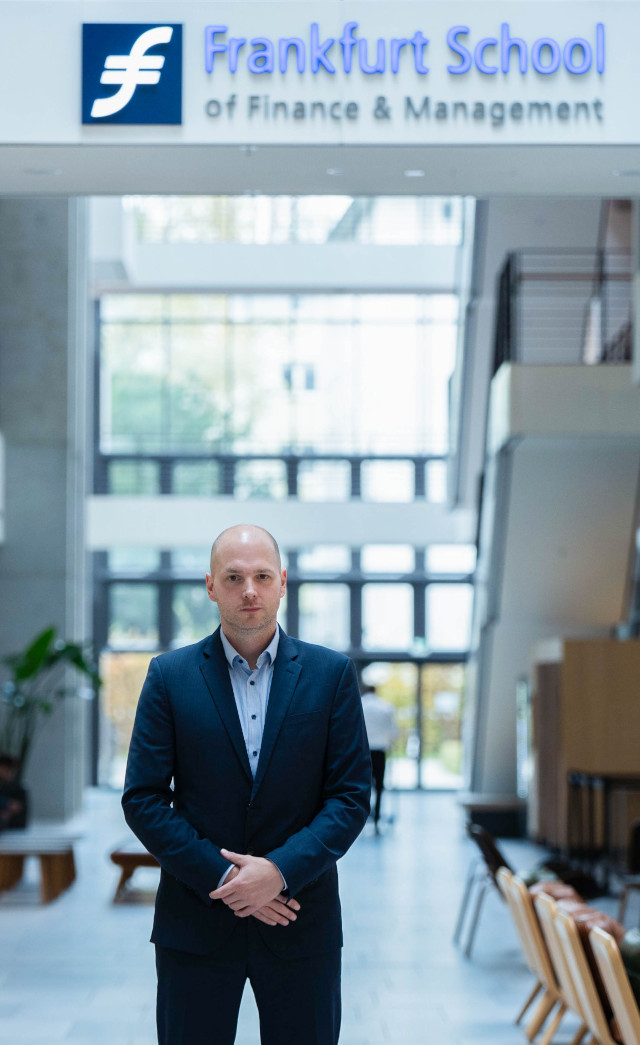
Co-Pierre Georg is a Professor at the Frankfurt School of Finance & Management and Director of the Frankfurt School Blockchain Center. His research spans financial technology, blockchain, systemic risk, and network theory. He previously held the DSI-NRF SARChI Chair in Blockchain Research at the University of Cape Town and worked at the Deutsche Bundesbank's Research Centre. Education: PhD in Economics (Friedrich Schiller University Jena), MSc (Karlsruhe Institute of Technology) Affiliations: Research Associate at Columbia University's Center for Global Legal Transformation and Oxford Martin School Research Interests: Georg specializes in financial networks, systemic risk, and regulatory complexity. He applies network theory to analyze contagion in banking systems, vaccine allocation during pandemics, and software vulnerability propagation. His interdisciplinary work bridges economics, computer science, and complex systems theory. Scientific Awards: No awards explicitly mentioned in the text. Advising: Georg has mentored numerous PhD students and postdocs including Changyeop Lee, Xueying Zhao, and Gideon du Rand. His advisees hold positions at institutions like Oxford, Groningen, and the Bank for International Settlements.
Prof. Dr.-Ing. habil. Dr. hc Sahin Albayrak is a distinguished academic and entrepreneur at the Technical University of Berlin , where he founded and directs the Distributed Artificial Intelligence Laboratory (DAI Laboratory) . He leads the Agent Technologies in Business Applications and Telecommunications research group and serves as founding member of Deutsche Telekom Laboratories (2004) and European Center for ICT (EICT) (2005). As initiator of Connected Living e.V. (2009) and managing director of German-Turkish Advanced Research Center for ICT (2012), he bridges international collaborations. He also founded IOLITE GmbH (2014) and other startups. Research Focus: Agent technology, autonomous driving, smart cities, cyber security, machine learning, and AI applications in energy systems Awards: Federal Cross of Merit (2014), multiple Best Paper Awards Leadership: Director of DAI Laboratory, head of research group at TU Berlin His 20+ recent publications (2022-2025) demonstrate expertise in agent-based architectures , smart mobility solutions , context-aware computing , and AI-driven security systems . Notable trends include integrating large language models into database interfaces, optimizing multi-agent coordination for logistics, and advancing explainable AI through feature attribution frameworks. Scientific Contributions: Recipient of Germany's Bundesverdienstkreuz for German-Turkish cooperation Best Paper Award at Smart Grid Architectures conference
Karl Meinke is a Professor at KTH Royal Institute of Technology, where he serves as Head of the Computer Science Department and Head of the Division of Theoretical Computer Science within the School of Electrical Engineering and Computer Science. His research focuses on applying machine learning techniques to software testing, particularly for safety-critical systems like autonomous vehicles and embedded systems. His research interests span machine learning, software testing, safety critical systems, embedded systems, autonomous driving, digital pathology, and graph neural networks. Meinke has developed innovative approaches like Learning-Based Testing that combine machine learning with formal methods for system validation. His work bridges theoretical computer science with practical applications in automotive systems and medical diagnostics. His recent publications show a strong trend toward applying graph neural networks to diverse domains including program analysis, digital pathology, and autonomous vehicle testing. His research demonstrates a consistent focus on solving the test oracle problem and generating meaningful test cases for complex systems where traditional testing approaches fall short. Meinke actively collaborates with Karolinska Institutet (KI), indicating interdisciplinary work between computer science and medical research. He is responsible for Masters level education in software testing at KTH and serves as examiner for several advanced courses including Degree Projects in Computer Science and Software Reliability. His research group has developed tools like LBTest for learning-based testing of reactive systems, and he has secured funding for projects such as the ITEA3 Testomat Project focused on next-level test automation. His work has significant implications for validating autonomous systems where safety is paramount. Meinke leads research in using machine learning to address fundamental challenges in software testing, particularly for systems where traditional test oracles are unavailable or impractical. His approach of combining active learning with formal specifications has created new pathways for validating complex cyber-physical systems.
John Verboncoeur is a Professor in the Department of Computational Mathematics, Science and Engineering at Michigan State University . His research spans plasma physics , radio frequency discharge modeling , and computational simulation methods , with a focus on: Multipactor breakdown mechanisms Electromagnetic and space charge effects Particle-in-cell (PIC) and PIC-MCC simulations Similarity and scaling laws for plasma systems Machine learning for RF device optimization Terahertz modulator design Recent publications highlight trends in: Non-sinusoidal RF field interactions Dielectric surface dynamics Microscale and high-pressure plasma discharges Algorithm development for self-consistent modeling Harmonic generation in plasma breakdown No further details on education, awards, students, or laboratory affiliations were extracted from available texts.
Nicole Borth is Associate Professor (associate Univ.Prof.) at the University of Natural Resources and Life Sciences, Vienna (BOKU) and Deputy Head of the Institute of Animal Cell Technology and Systems Biology . Her work sits at the intersection of cell engineering, systems biology and biopharmaceutical manufacturing, with CHO and HEK293 cells as primary platforms. Research in a nutshell: Genome-wide CRISPR/Cas deletion and activation screens to map essential loci and boost recombinant protein titres. Epigenetic and synthetic-biology toolboxes (dCas9-DNMT, synthetic promoters, RNA devices) for multiplexed gene-control. Glyco-engineering and biomarker discovery to optimise critical quality attributes of monoclonal antibodies. Low-cost, animal-component-free media design and microfluidic single-cell cloning to shorten development timelines. Between 2022-2025 her group released a rapid succession of papers exploiting nanopore Cas9-targeted sequencing to pinpoint transgene integration sites, unveiled novel stress-biomarkers for difficult-to-express mAbs, and provided public-domain glyco-analytics for the NIST CHO reference line. Parallel projects apply similar tool-chains to AAV production in HEK293 and characterise human diamine oxidase biopharmaceuticals. Awards & funding: Specific prizes not enumerated in supplied text; however, the volume and recency of high-impact publications indicate sustained competitive funding. Contact: nicole.borth@boku.ac.at | Tel +43 1 47654-79064 | Muthgasse 11, 1190 Vienna, Austria.
Dejan Gjorgjevikj is a Full Professor at the Faculty of Computer Science and Engineering, Ss. Cyril and Methodius University in Skopje. He joined the Department of Computer Science and Engineering in 1992, progressing from Assistant Professor (2004) to Associate Professor (2009) before attaining full professorship in 2014. His international academic engagements include research visits to institutions in Austria, Bulgaria, the Czech Republic, and the UK. Education: Bachelor's and Master's degrees from the Faculty of Electrical Engineering, Skopje (1992, 1997); PhD from the same institution (2004). Research Focus: His primary research explores pattern recognition, machine learning, and software engineering. Recent work emphasizes applications in industrial diagnostics (fault detection in machinery), blockchain security (Ponzi scheme detection), environmental monitoring (air pollution prediction), and human-computer interaction (sensor-based activity recognition). Methodologies frequently involve deep learning architectures like autoencoders, LSTMs, and adversarial networks. Publication Trends: Gjorgjevikj has authored over 90 publications, with recent works demonstrating increased focus on neural network applications in cross-domain problems (mechanical engineering, finance, IoT) and NLP tasks like sarcasm detection. His articles frequently appear in IEEE, Springer, and Elsevier journals. Awards: AAIA’15 Data Mining Competition Award (2015) Projects & Service: Involved in 10+ international/domestic research projects IEEE member since 1991, ACM member since 1997 Program committee member for multiple international conferences
Rimantas Kybartas , Associate Professor at Vilnius University's Faculty of Mathematics and Informatics , specializes in machine learning and software systems architecture . His research focuses on multi-class classification methodologies, including pair-wise classifiers and fuzzy template systems. Current academic affiliation: Vilnius University Key research domains: Neural Networks, Ensemble Learning, Pattern Recognition Teaching focus: Software Systems Architecture and Design His publication record from 2010-2012 demonstrates expertise in solving multi-classification challenges through innovative ensemble architectures and similarity feature engineering. Notably, he has developed frameworks for mineral recognition and generalized multi-category neural network systems. Recent publications reveal emphasis on: Optimizing pair-wise classifier ensembles Addressing complexity in neural network design Domain adaptation techniques for classification tasks Statistical learning in multi-class contexts
Hans Op de Beeck is a full professor at KU Leuven's Faculty of Psychology and Educational Sciences. He chairs the Brain and Cognition research unit within the Laboratory for Biological Psychology and is a member of the KU Leuven Brain Institute. His work bridges cognitive neuroscience, visual perception, and computational modeling approaches to understand human visual cognition. Professor Op de Beeck's research focuses on visual cognition, particularly object recognition, category selectivity, and the neural organization of the visual system. His work combines multiple methodologies including fMRI, computational modeling, and behavioral experiments to investigate how the brain processes visual information. His research spans basic visual neuroscience to applied domains like aesthetic appreciation and social scene processing. His recent publications demonstrate a strong trend toward integrating computational approaches with human neuroscience. The research spans visual category representation, social cognition, aesthetic processing, and cross-modal plasticity. A notable pattern is the increasing use of artificial neural networks to model and understand human visual processing, as well as the exploration of visual expertise in various domains including Braille reading and chess expertise. Professor Op de Beeck is actively involved in numerous research projects as both promotor and co-promotor, with ongoing work spanning from 2022 to 2030. His laboratory, the Brain and Cognition unit, investigates the fundamental principles of visual processing and their applications in understanding both typical and atypical cognitive functioning.
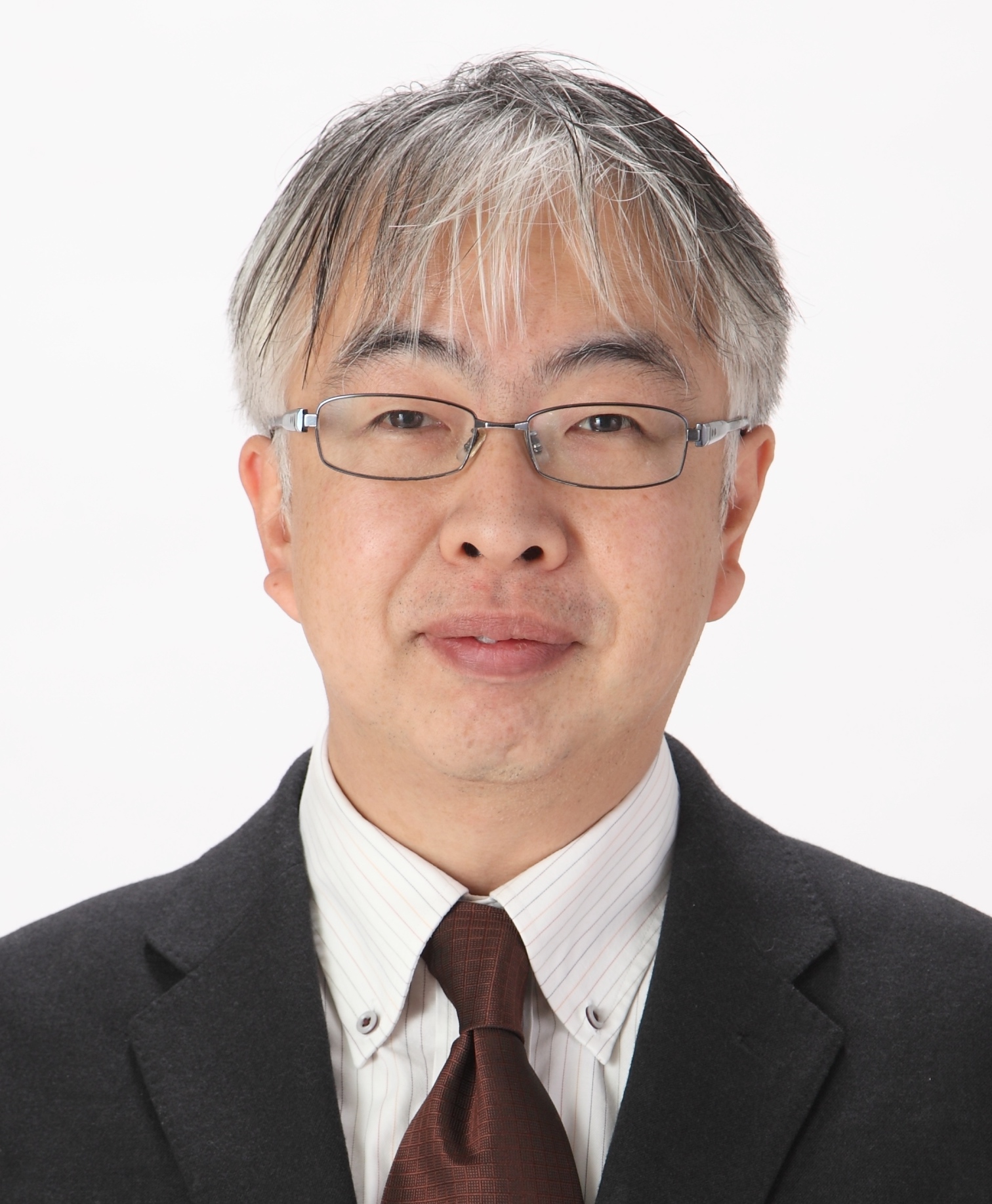
Professor Tadashi Wadayama serves in the Department of Computer Science within the Faculty of Engineering at Nagoya Institute of Technology. He holds a full professorship position and leads research initiatives in coding theory, signal processing, and deep learning applications for next-generation communication systems. Professor Wadayama received his B.E., M.E., and D.E. degrees from Kyoto Institute of Technology in 1991, 1993, and 1997 respectively. He began his academic career at Okayama Prefectural University in 1995 as a research associate and spent 1999-2000 as a visiting researcher at Essen University in Germany. He joined Nagoya Institute of Technology as an associate professor in 2004 and was promoted to full professor in 2010. He maintains active memberships in IEEE and the Institute of Electronics, Information and Communication Engineers (IEICE). His research spans multiple interconnected domains with primary focus on Coding Theory , Signal Processing for Wireless Communications , and Deep Learning applications . Professor Wadayama has made significant contributions to LDPC codes, MIMO signal detection, and the emerging field of deep unfolding techniques that bridge neural networks with traditional signal processing algorithms. His work increasingly incorporates physics-aware modeling of communication channels governed by partial differential equations. Recent research demonstrates strong interdisciplinary integration between information theory, machine learning, and communication engineering principles. Analysis of his recent publications reveals a clear trajectory toward developing foundational technologies for post-Shannon communication architectures. His work emphasizes ultra-large-scale coding, goal-oriented communication, digital homeostasis mechanisms, physics-embedded signal processing, and dual-process learning systems that combine fast reactive processing with deliberative meta-learning using LLM orchestrators. Fundamentals Review Best Author Award, IEICE, 2022 SRC 2010 Paper Award, Storage Research Promotion Organization, 2011 Professor Wadayama has successfully led multiple competitive research grants including JSPS Grant-in-Aid projects. He currently serves as Principal Investigator for the JST CRONOS project "Digital Cybernetics: Towards Next-Generation Communication Architecture" (2025-2031), which aims to develop foundational technologies supporting autonomous, adaptive, and robust large-scale AI systems. As IEEE Information Theory Workshop General Co-chair (2020-2021) and former chair of IEICE's Information Theory Research Committee (2020-2022), he maintains active leadership roles in the academic community. He leads the Wadayama Group at Nagoya Institute of Technology, which focuses on digital cybernetics and communication physics. The group develops physics-aware signal processing implementations, dual-process learning systems, digital homeostasis mechanisms, and system integration for next-generation communication architectures. His team collaborates with researchers from Kyoto University, Hiroshima University, Institute of Science Tokyo, and Tokyo University of Science, creating a robust research ecosystem focused on post-Shannon communication frameworks.