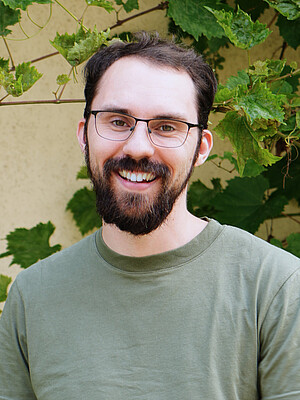
Jieshan Chen is a Researcher at CSIRO's Data61 , Australia, and a Dieter Schwarz Fellow at the Institute for Advanced Study (TUM-IAS) under the mentorship of Prof. Chunyang Chen. His research bridges software engineering and human-AI interaction , focusing on dark pattern detection , UI design automation , and mobile accessibility enhancement . Education: PhD in Computer Science from Australian National University. His work leverages LLM-based agents to address challenges in responsible software development by design , with publications in top-tier venues like ICSE , ASE , and UIST . Notable awards include the CSIRO SCS Early Career in Science Award (2024) and Women in Science Career Award (2023) . His research trends highlight advancements in AI-assisted mobile app development and ethical user interface design , contributing to fields like software security and human-centered AI . Scientific Awards: CSIRO SCS Biannual Awards - Early Career in Science Award 2024 CSIRO SCS Biannual Awards - Women in Science Career Award 2023 ACM SIGSOFT Distinguished Paper Award (ICSE2020)
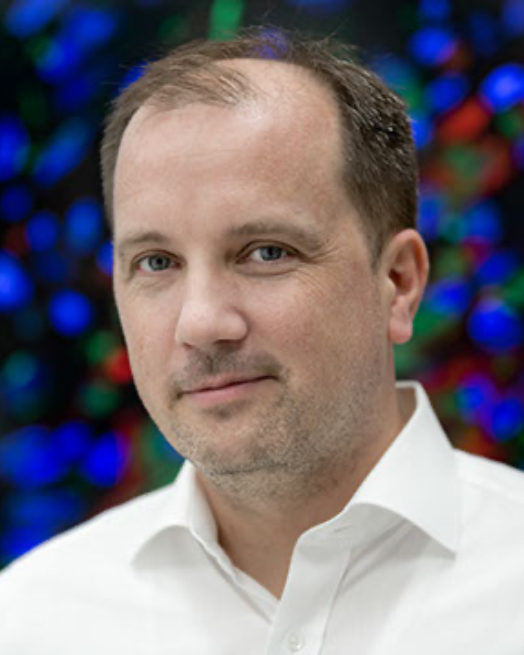
Mattis Beckmannshagen serves as a Researcher at the German Institute for Economic Research (DIW Berlin), where he has been a research associate with the Socio-Economic Panel (SOEP) since October 2022. His work bridges empirical labor economics and socioeconomic policy analysis within one of Europe's premier longitudinal survey infrastructures. Beckmannshagen completed his doctoral studies at Freie Universität Berlin as part of the PhD program in Public Economics and Inequality. His academic foundation centers on rigorous quantitative methods applied to socioeconomic disparities. His research program critically examines labor supply determinants through three interconnected lenses: income inequality dynamics in evolving labor markets, health-work interdependencies including shock absorption mechanisms, and preference-driven working time patterns . He pioneers methodological innovations for analyzing censored administrative data while investigating minimum wage impacts and gender-specific labor market responses. His empirical approach leverages SOEP's unique longitudinal design to capture causal pathways in socioeconomic behavior. Analysis of his publication trajectory reveals consistent focus on labor market frictions, with recent work intensifying examination of health-related employment disruptions and methodological solutions for top-coded earnings data. His output demonstrates growing engagement with policy translation, evidenced by frequent DIW Weekly Report contributions addressing German labor market trends. Beckmannshagen leads critical data infrastructure initiatives including SOEP-RV (linking with German Pension Insurance records) and SOEP-CMI-ADIAB (integration with employment research databases). These projects significantly expand analytical possibilities for studying life-course socioeconomic trajectories through enhanced administrative linkages while maintaining strict privacy protocols.
Andreas Reich is a Researcher at the University of Hohenheim's Department of Communication Science, focusing on media research and media use. He works on the 'DeLLFi' project and holds a Master's degree from Furtwangen University. His research interests include artificial intelligence, machine learning, augmented reality, and network analysis applied to media and communication contexts. He has received notable awards for his master's thesis on automated programming using node trees and an AR smart mirror project in interaction design. Key research contributions include developing benchmark datasets for video-slide alignment, studying AI-driven conversational agents' ethical frameworks, analyzing protest movements' digital organization on Telegram, and exploring onboarding strategies for educational chatbots. His technical work spans program synthesis via reinforcement learning and neural networks, as well as 3D object generation using node-based systems. Awards: Media Prize (2021) - Furtwangen University Master's Prize (2020) - Furtwangen University Expertise Areas: Program synthesis, augmented reality applications, network analysis, educational chatbots, multimodal data alignment, and generative AI. Consultation hours are available by appointment via email.
Prof. Dr. Björn Scheffler is a leading researcher in translational neuro-oncology at the University of Duisburg-Essen (UDE), affiliated with the Medical Faculty and the West German Cancer Center (WTZ). His lab operates as an extramural division of the German Cancer Research Center (DKFZ) in Heidelberg under the German Cancer Consortium (DKTK), emphasizing a strong bridge between basic research and clinical application. His research focuses on human brain tumors, particularly glioblastoma, using stem cell biology and patient-derived models. Key areas include phenotypic plasticity of treatment-resistant cancer cells, the role of the immune system in cancer progression, development of novel anticancer therapeutics, and biomarker discovery for early-phase clinical trials. The lab fosters interdisciplinary collaboration with clinical neuro-oncology units at University Hospital Essen and national/international academic and industry partners. The most recent publications highlight groundbreaking work in tumor-immune interactions, such as the discovery of cranioencephalic lymphoid units in glioblastoma and mechanisms of immune evasion. Other studies explore subclone dynamics, drug repurposing (e.g., niclosamide), and advanced 3D tumor modeling. Collectively, these works reflect a consistent trajectory toward understanding tumor heterogeneity, resistance mechanisms, and innovative therapeutic strategies in neuro-oncology. Helmholtz Doctoral Prize awarded to Dr. Celia Dobersalske, a researcher in Prof. Scheffler's group, for work published in Nature Medicine on skull bone immunity in brain tumors. Research has led to new insights into pseudoprogression in glioblastoma and melanoma brain metastases using advanced PET imaging techniques. Prof. Scheffler mentors a dynamic team of clinician scientists, medical researchers, and students. His lab receives funding through DKFZ, DKTK, and national research programs, supporting a robust pipeline from bench to bedside. The team operates within a specialized research environment at the Zentrum für Molekulare Biomedizin (ZMB), equipped with advanced facilities for molecular and cellular oncology.
Prof. Dr. Lewis Doney is a leading scholar in Tibetology and Buddhist Studies, currently serving as Professor of Tibetology at the University of Bonn's Department of Mongolian and Tibetan Studies. His academic career includes roles such as Associate Professor at the Norwegian University of Science and Technology (NTNU), Research Fellowships at LMU Munich and the Free University of Berlin, and temporary Professorial Chair at the University of Bonn. His research focuses on the history of the Tibetan cultural region, Old Tibetan literature, and Indo-Tibetan Buddhism, with particular emphasis on Dunhuang manuscripts and the intersection of religion and kingship. Education: PhD (Study of Religions) from SOAS, University of London (2011), MA from SOAS (2004). His work bridges textual analysis, material culture, and historical context, producing influential publications like The Zangs gling ma: The First Padmasambhava Biography (2014) and Bringing Buddhism to Tibet: History and Narrative in the dBa’ bzhed Manuscript (2021). He serves on editorial boards for journals such as Zentralasiatische Studien and chairs the University of Bonn Translation Group under the 84000 initiative. His recent research explores Buddhist texts in ninth-century Tibet, scribal culture in Dunhuang, and dependencies in pre-modern religious systems. He actively engages in international conferences and has curated panels on topics like Padmasambhava’s legacy and Tibetan imperial historiography.
Prof. Axel Michaels is a Senior Professor of Classical Indology at the University of Heidelberg, affiliated with the Department of Cultural and Religious History of South Asia. He leads the Cluster of Excellence 'Asia and Europe' and previously directed the Department of Cultural and Religious History (1996-2016). His research focuses on Nepal's cultural and legal history, Hindu ritual theory, and life-cycle rites, with notable works including Nepal: A History from the Earliest Times to the Present (2024) and Homo ritualis (2016). He chairs the von Portheim-Stiftung and founded the Centre for Asian and Transcultural Studies (CATS). Michaels' research integrates ethnographic, archival, and theoretical approaches to explore ritual dynamics and cultural hybridity in South Asia. Director, Cluster of Excellence 'Asia and Europe' Former Director, Department of Cultural and Religious History (1996-2016) Chairman, von Portheim-Stiftung (since 2020) His research interests bridge historical documentation and contemporary ritual practices, emphasizing Nepal's legal codes (e.g., the 1854 Mulukī Ain) and pre-modern religious texts. Michaels collaborates with global institutions like the Arcadia Foundation on heritage preservation projects. His work challenges Eurocentric historiography through transcultural methodologies, analyzing ritual innovations and their sociopolitical implications in Hindu contexts. Recent publications (2017-2024) highlight interdisciplinary approaches to ritual studies, including emotion in rituals, symbolic systems, and the digitization of cultural heritage. Michaels' advisory roles include the German Research Foundation's Collaborative Research Centre 619 on ritual dynamics (2002-2013). His research extends to Sanskrit manuscripts, legal documents, and oral traditions, reflecting a commitment to preserving and contextualizing South Asian cultural legacies.
Prof. Dr. Alexander Asteroth is a Professor of Computer Science at the Department of Computer Science , Hochschule Bonn-Rhein-Sieg (H-BRS). His work bridges Machine Learning , Surrogate Modeling , and Aerodynamic Analysis through interdisciplinary collaborations with the Institute of Technology, Resource Conservation, and Energy Efficiency (TREE) . Project leadership roles in GARRULUS (drone-based reforestation), eTa (sustainable mobility), and ELaBoR (EV charging infrastructure). Research themes: Quality Diversity Algorithms for design exploration, Bayesian Optimization , and AI in Sports Science . His publications (2017–2025) demonstrate expertise in evolutionary computation , generative models , and human-AI co-creativity . Collaborations with industry partners like GKN Driveline and academic peers (Houben, Sebastian; Hagg, Alexander) underscore his applied research focus on energy-efficient systems and sports performance modeling.
Simon Worthington is a leading researcher in future publishing systems, focusing on free and open source technologies, economic models, and the politics of Open Science. He serves as Editor-in-Chief at Generation Research, an editorial platform for open scholarship under the Leibniz Association Research Alliance Open Science, and works in R&D at the Open Science Lab, TIB - German National Library of Science and Technology. Board Member of FORCE11 (2019-2022) Co-founder of Mute magazine (1994) Executive Member of LIBER Citizen Science Working Group (2019-2021) Co-founder of Open Climate Knowledge (2019-ongoing) His research emphasizes creating platform-independent, interoperable publications to democratize research access. Key areas include open access publishing, semantic web applications for climate science, decentralized web technologies for academia, and innovative software citation practices. He has contributed to projects like AGATE (European academies digital integration) and Hybrid Publishing Lab. Recent publications highlight intersections between Free and Open Source Software (FOSS) and Open Scholarship, climate science open knowledge platforms, and infrastructure remixing for citizen science. His work often challenges traditional publishing norms while developing practical open systems. Simon studied media art at the Slade School (UCL, UK) and CalArts (USA), bringing interdisciplinary perspectives to his academic roles. He maintains active involvement in editorial and community-driven research initiatives across Europe.
Prof. Dr. Frank Hardtke is a full-time Professor of Business Law specializing in Tax and Corporate Law at Wismar University of Applied Sciences (since 2003), affiliated with the Faculty of Economics. He concurrently holds an honorary professorship at the University of Greifswald (since 2005). His academic career includes previous positions as a research assistant at Ernst-Moritz-Arndt University (1993-1996), lecturer at the Federal Finance Academy (since 1997), and teaching assignments at multiple institutions. Hardtke's research focuses on the intersection of tax law, corporate regulations, and criminal law, with specialized expertise in: Tax criminal law and evasion mechanisms Corporate compliance and fiscal liability Money laundering and financial crime Fiscal court procedures and tax administration Legal ethics in tax representation His publication record demonstrates consistent focus on tax fraud, criminal liability in fiscal matters, and corporate tax compliance, with works spanning academic journals, legal commentaries, and specialized handbooks. Recent themes include tax assessment corrections, statutory limitations in tax crimes, and legal implications of hidden profit distributions.
Markus Gumbel is a full-time Professor of Medical Informatics at the Faculty of Computer Science, Mannheim University of Applied Sciences, since 2008. His work integrates computer science with biomedical research through software development, data modeling, and bioinformatics. Expertise: Software development in medical/scientific contexts, Life Science bioinformatics, cell simulation modeling, and secure distributed healthcare systems. Professional Background: Studied Medical Informatics (1993–1998), earned Dr. sc. hum. at the German Cancer Research Center (1998–2001), then held leadership roles in software architecture for LION bioscience AG and ICW AG's e-Health Infrastructure (2002–2008). Advising: Supervises student theses in medical informatics, databases, bioinformatics, and software development (Java/Scala/Python/R). Contact: Office hours: Wednesdays 11:15–12:00 and by appointment. Room 007b, Building A. Phone: +49 621 292-6246.
Thorsten Gromes is a Senior Researcher and Project Leader at the Peace Research Institute Frankfurt (PRIF), within the Research Department Intrastate Conflicts. His research centers on post-civil war societies and humanitarian military interventions, with a regional focus on the Balkans, particularly Bosnia and Herzegovina, Kosovo, and Macedonia. He has held academic positions as a deputy professor at the Universities of Leipzig and Erfurt and has been affiliated with PRIF in various research capacities since 2002. Fields of Interest: His research spans democratization after civil wars, peacekeeping effectiveness, exit strategies for international missions, legitimacy of interventions, and data reliability in conflict studies. He has developed datasets on humanitarian military interventions and post-conflict power-sharing, contributing to both academic and policy debates. Recent Publication Trends: His recent articles (2023–2025) reflect a strong engagement with contemporary conflicts, especially the wars in Afghanistan, Mali, and Ukraine. He critically analyzes mission failures, public discourse on war, election platforms, and the feasibility of peace referendums. A recurring theme is the complexity of causal explanations in conflict termination and the dangers of oversimplification in policy learning. Scientific Awards: No awards are mentioned in the provided text. Advising and Grants: While no specific students or doctoral advisees are listed, Gromes leads research projects and frequently collaborates with colleagues such as Matthias Dembinski and Florian Ranft. His work is supported by PRIF and appears in policy-oriented publications like PRIF Spotlights and Reports, indicating institutional funding and research leadership. He contributes to major German peace policy assessments (Friedensgutachten), suggesting involvement in nationally significant research initiatives. Labs and Teams: He is a key member of PRIF’s Research Department on Intrastate Conflicts, contributing to interdisciplinary teams focused on conflict analysis, peacebuilding, and security policy. His work integrates qualitative and quantitative methods, including QCA (Qualitative Comparative Analysis), and he is involved in creating research datasets that support comparative studies.
Alistair Moffat is a prominent faculty member at the University of Melbourne's School of Computing and Information Systems, with an extensive publication record spanning over four decades from 1980 to the present. His career demonstrates sustained contributions to information retrieval, data compression, and evaluation metrics within the field of computer science. Moffat's primary research interests encompass: Information Retrieval and Search Engine Technologies Data Compression Algorithms and Indexing Techniques Development and Analysis of Evaluation Metrics Process Mining and Event Log Analysis User Modeling in Information Seeking Behavior Theoretical Foundations of Search Effectiveness His recent work (2023-2025) reveals a continued focus on refining search evaluation methodologies, with particular attention to user-oriented metrics, rank-biased quality measurement, and the relationship between query variations and experimental consistency. Moffat has also expanded into process mining applications, developing entropy-based metrics like Entropia for measuring log representativeness. His publications consistently appear in top-tier venues including SIGIR, ACM Transactions on Information Systems, and Information Processing & Management. Moffat maintains extensive research collaborations, most notably with Justin Zobel (70 joint publications), J. Shane Culpepper (35), and Matthias Petri (32), demonstrating a strong network within the information retrieval research community. His work bridges theoretical computer science with practical applications in search technology, medical information retrieval, and process analysis. As evidenced by his continuous publication output through 2025, Moffat remains an active and influential researcher in his fields of expertise, contributing both to foundational theories and practical implementations in information access systems.
Jörg Denzinger is a Professor at the University of Calgary, Canada, specializing in artificial intelligence, multi-agent systems, and automated testing. His work bridges evolutionary computation, cybersecurity, and game-based simulations, with a focus on emergent behavior and cooperative strategies. Key Research Areas: Multi-Agent Systems, Evolutionary Algorithms, Automated Theorem Proving, Game AI, Data Mining, Cybersecurity, Distributed Systems. Recent Trends: He has concentrated on applying exploratory evolutionary testing to security policy optimization, using deep learning for medical imaging, and modeling emergent coordination in self-organizing systems. Scientific Contributions: Developed frameworks for combining security mechanisms and testing multi-agent systems. Explored decentralized control in water distribution networks and adaptive risk management. Contributed to code reuse tools like Jigsaw and structural correspondence analysis.
Rocco Oliveto is a prominent researcher in software engineering with extensive contributions across multiple domains including code quality assessment, smart contracts, Docker configuration analysis, and healthcare applications of AI. His collaborative work spans numerous institutions, with frequent co-authorship with researchers such as Simone Scalabrino, Gabriele Bavota, and Emanuela Guglielmi. Dr. Oliveto's research interests focus on practical software engineering challenges with emphasis on code readability, API compatibility, bug prediction, and smart contract maintenance. His work bridges theoretical research with practical applications, particularly evident in recent projects applying machine learning to healthcare diagnostics and video game quality analysis. His research demonstrates a consistent trajectory toward addressing real-world software engineering problems with innovative methodological approaches. Analysis of his recent publications reveals a strong trend toward interdisciplinary research, particularly at the intersection of software engineering and healthcare applications. His work shows increasing focus on practical applications of AI in medical diagnostics, rehabilitation technology, and patient monitoring systems, while maintaining strong contributions to core software engineering topics like code quality and developer productivity. The diversity of publication venues—from top software engineering journals like Empirical Software Engineering and ACM TOSEM to healthcare conferences like BIOSTEC—demonstrates the breadth of his research impact. Dr. Oliveto has demonstrated significant research leadership through numerous collaborative projects, particularly evident in his participation in the QualAI project focused on continuous quality improvement of AI-based systems. His work shows consistent funding support through collaborative research initiatives that bridge academic and practical software engineering concerns.
Holger Pirk is a researcher at Imperial College London , UK, focusing on database systems and data science. His work bridges hardware-aware query optimization, in-memory processing, and machine learning integration. He collaborates with institutions like MIT, TU Delft, and VU Amsterdam. Affiliation: Imperial College London, UK Key Collaborators: Samuel Madden (MIT), Martin Kersten (CWI), Georgios Theodorakis (Imperial), Stefan Manegold (CWI) Research Interests include: Hardware-conscious database optimization Stream/window aggregation algorithms Portable execution models via homoiconicity Compiler-database system integration Efficient tree/index structures Recent Publications (2023-2025) address topics like database kernel composition (BOSS), LLM-generated text compression, hardware-efficient data imputation, and fault-tolerant stream processing. His work emphasizes CPU/cache efficiency, parallelism, and cross-domain system design.