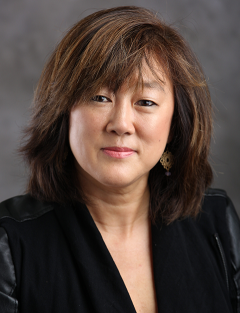
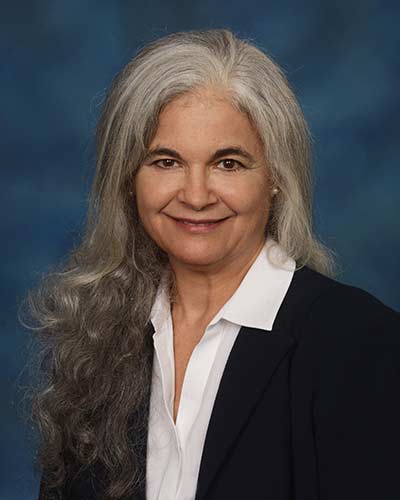
Steven Rogak is a Professor in the Department of Mechanical Engineering at the University of British Columbia's Faculty of Applied Science. He holds a P.Eng. license and degrees including a B.A.Sc. in Mechanical Engineering from UBC, and M.Sc. and Ph.D. from Caltech. P.Eng., University of British Columbia B.A.Sc., University of British Columbia M.Sc., Ph.D., California Institute of Technology His research focuses on aerosol science, particularly solid nanoparticles from combustion processes, their climate and health impacts, and mitigation strategies. Key areas include: Soot morphology and transport properties Engine emission reduction via fuel injectors Indoor air filtration systems Membrane-based energy exchangers Atmospheric particulate analysis The 15 most recent articles span experimental and theoretical studies on soot characterization, membrane technologies, and aerosol dynamics, with applications in climate modeling, healthcare ventilation, and sustainable materials. Collaborations include Westport Innovations and interdisciplinary teams. Rogak leads the Aerosol Laboratory at UBC, where he applies fluid mechanics and heat transfer fundamentals to address environmental and health challenges. He emphasizes experimental rigor and welcomes graduate students with expertise in these areas.
Associate Professor Arnold Lining Ju is a biomedical engineer at the University of Sydney's School of Biomedical Engineering, affiliated with multiple institutes including the Heart Research Institute and Sydney Nano Institute. He holds academic positions in both the Faculty of Engineering and Faculty of Medicine & Health. Education: BSc from Peking University, PhD from Georgia Tech and Emory University (USA). Honors include Snow Fellowship, Heart Foundation Future Leader Fellowship, and multiple awards for cardiovascular research innovation. Research focuses on mechanobiology and biomechanics of thrombosis, developing microfluidic devices and organ-on-chip systems. Key projects include AI-driven single-cell nanotools, 3D biofabrication, and anti-thrombotic peptide design. Leads interdisciplinary teams and collaborates internationally with institutions like Harvard and University of Texas. Teaching roles include coordinating advanced cellular biomechanics courses and supervising PhD/Masters students in biomedical engineering and physiology. Over 50 peer-reviewed publications, with contributions to Nature Materials, Nature Communications, and other top journals.
Gary M. Shaw is the Rosemarie Hess Professor and Professor (Research) at Stanford University , with courtesy appointments in the Department of Epidemiology and Population Health and Department of Obstetrics & Gynecology - Maternal Fetal Medicine . He serves as Co-PI of the March of Dimes Prematurity Research Center at Stanford and PI of the California Center for Finding Causes and Preventives of Birth Defects . His research focuses on the Epidemiology of birth defects Gene-environment interactions in perinatal outcomes Nutritional factors in reproductive health . He has developed machine learning approaches for precision parenteral nutrition and predictive models for preterm birth, while investigating persistent metabolomic signatures following hypertensive pregnancy disorders. Shaw's recent work explores Climate change impacts on reproductive health Maternal-fetal immune interactions Epigenetic mechanisms in perinatal disease with applications of multiomics to neonatal intensive care units. As a member of Bio-X and the Maternal & Child Health Research Institute , he contributes to translational research networks while serving as Associate Editor for Birth Defects Research and American Journal of Medical Genetics . He supervises Med Scholar Project student Richard Liang Doctoral co-advisor for Saskia Comess and Richard Liang Master's advisor for Lenae Joe while leading the Division of Neonatology as Associate Chair for Clinical Research (2012-2025). His laboratory work integrates Metabolomic profiling Proteomic analysis Computational modeling Machine learning for biomedical data to advance neonatal care through precision medicine approaches.
Scott L. Diamond is the Arthur E. Humphrey Professor of Chemical and Biomolecular Engineering and Bioengineering at the University of Pennsylvania's School of Engineering and Applied Sciences. He serves as Director of the Penn Center for Molecular Discovery, Director of the Penn Biotechnology Masters Program (one of the largest in the country with over 130 students), and Associate Director of the Institute for Medicine and Engineering (IME). His laboratory is located in the Roy and Diana Vagelos Laboratories at 3340 Smith Walk, 1020 Vagelos Research Laboratories, Philadelphia, PA. Diamond's research spans multiple interconnected fields in blood biology and biotechnology. His work focuses on mechanobiology, thrombolysis, coagulation, bioadhesion, gene therapy, drug/device development, proteomics, drug discovery, systems biology, and microfluidics. His laboratory has developed numerous specialized microfluidic devices for studying blood clotting under various flow conditions, including 8-channel devices for high-throughput clotting assays, side-view devices for clot structure analysis, stenosis devices for high shear clotting assays, and impingement-post devices for studying von Willebrand factor fibers. Diamond's research group has pioneered approaches to model and predict blood function using systems biology principles. His team has developed computational models that integrate reaction-transport phenomena with platelet signaling networks to predict thrombus formation under flow. These models have enabled the development of 'virtual blood' computer simulations that can predict the effectiveness of anticoagulation drugs for individual patients, contributing significantly to personalized medicine approaches in hemostasis and thrombosis. His extensive publication record demonstrates a consistent focus on understanding the fundamental mechanisms of blood clot formation and dissolution. Recent work has emphasized microfluidic approaches for point-of-care diagnostics, patient-specific modeling of platelet function, and the development of novel therapeutic strategies for thrombotic disorders. His research bridges engineering principles with clinical hematology to address significant challenges in cardiovascular medicine. NSF National Young Investigator Award NIH FIRST Award American Heart Association Established Investigator Award AIChE Allan P. Colburn Award George Heilmeier Excellence in Research Award Elected Fellow of the Biomedical Engineering Society (BMES) Diamond has secured significant research funding, including a $2.8 million NIH grant for 'Blood Systems Biology' and a $9.5 million NIH grant for the Penn Center for Molecular Discovery. His laboratory has developed numerous microfluidic devices for blood analysis and has collaborated extensively with clinicians and industry partners. Diamond has served on advisory committees for NSF, NIH, AHA, and NASA, and has consulted extensively for industry and government. With over 180 publications and patents, his work has significantly advanced the understanding of blood clotting mechanisms and the development of diagnostic and therapeutic approaches for thrombotic disorders.
Professor Bruce Jefferson is a Professor of Water Engineering at Cranfield University's Water Science Institute. He holds visiting positions at RMIT and the University of New South Wales in Australia. With a BEng and PhD from Loughborough University, he joined Cranfield in 1997, progressing through roles including Senior Research Fellow (2003) and Senior Lecturer (2006). His research focuses on optimizing water and wastewater treatment technologies, particularly resource recovery, anaerobic processes, and advanced oxidation. Key interests include low-energy nutrient removal, control of NOM and algae, and sustainable water production techniques like slow sand filter skimming. Education: BEng (Chemical Engineering) and PhD from Loughborough University. Research spans innovative treatment methods, such as microbubble applications in ozonation and coagulation strategies for PFAS removal. He collaborates with major water utilities (e.g., Anglian Water, Thames Water) and agencies like the EPA. Current projects include NextGen circular water solutions, pollution resilience in rivers, and phosphorus removal via wetlands. Advises six doctoral students and oversees research teams at Cranfield's Water Institute. Labs/Teams: Cranfield Water Science Institute, leading research groups in wastewater treatment, resource recovery, and environmental engineering.
Dr. Beata Gorczyca is a Professor in the Department of Civil Engineering at the University of Manitoba, affiliated with the Price Faculty of Engineering. Her research focuses on potable water treatment, with expertise in solid/liquid separation, chlorine disinfection by-products control, and fractal analysis of materials. She leads a research group collaborating with Canadian water utilities like Portage la Prairie and Pembina Valley Water Co-op. Education: PhD in Chemical Engineering (2000, University of Toronto), M.Sc. in Civil Engineering (1992, University of Toronto), B.Sc. in Geological Engineering (1986, AGH University, Poland). Active roles: Member of the Particle Specialist Group at the International Water Association, keynote speaker at conferences. Research interests include water purification processes, membrane filtration, and bioremediation. Her work addresses challenges in high-DOC and high-hardness water treatment, with contributions to nanofiltration fouling mechanisms and microbial remediation solutions. She has supervised numerous graduate students and is involved in advancing water treatment technologies through interdisciplinary collaborations.
Mehmet Karahan is an Associate Professor in the Department of Cardiovascular Surgery at Gaziantep University Faculty of Medicine. He specializes in cardiovascular surgery with a focus on mechanical circulatory support, left ventricular assist devices (LVAD), heart transplantation, and endovascular procedures. His clinical and research work centers on innovative approaches to treating complex cardiac conditions. His educational background includes: Medical License (English Program): Hacettepe University Faculty of Medicine (2004-2011), Turkey Specialization in Cardiovascular Surgery: Health Sciences University, Ankara High Specialized Health Application and Research Center (2012-2017), Turkey Dr. Karahan's research interests span multiple areas within cardiovascular medicine. He has made significant contributions to the field of mechanical circulatory support, particularly focusing on left ventricular assist devices (LVAD) and their applications in both adult and pediatric patients. His work explores minimally invasive approaches to LVAD implantation, management of complications, and integration with other cardiac procedures. Additionally, he has expertise in endovascular aortic repair techniques, including complex cases involving traumatic injuries and challenging anatomies. His research also extends to heart transplantation, anticoagulation management, and thrombophilia in vascular disease. Analysis of Dr. Karahan's recent publications reveals a strong focus on advancing mechanical circulatory support technologies, particularly LVAD systems. His work addresses critical challenges in the field including pediatric applications, minimally invasive techniques, management of complications like pump thrombosis, and integration with other cardiac procedures. He has also made significant contributions to endovascular aortic repair, developing innovative techniques for complex cases. His research demonstrates a multidisciplinary approach that bridges surgical innovation with patient-centered outcomes. Dr. Karahan is an active member of several professional organizations: European Association for Cardio-Thoracic Surgery (EACTS) - Member since 2024 International Society for Heart and Lung Transplantation (ISHLT) - Member since 2023 National Association of Vascular and Endovascular Surgery - Member since 2020 Turkish Cardiovascular Surgery Association - Member since 2014 He has served as an editor for The Turkish Journal of Thoracic and Cardiovascular Surgery (2025). His clinical work involves complex cardiovascular procedures, with a particular emphasis on innovative approaches to mechanical circulatory support and endovascular interventions. Dr. Karahan has presented his research at numerous national and international conferences, contributing to the advancement of cardiovascular surgical techniques. His professional experience includes positions at Gaziantep University, Ankara Bilkent City Hospital, and Turkey High Specialization Hospital. He has also gained international experience through observer positions at Paracelsus Medical University-Nuremberg Clinic, Hannover Medical School, University of Geneva, and Harvard University.
Dr. Edoardo Bertone is a Senior Lecturer at Griffith University's School of Engineering and Built Environment - Architecture and Design. He holds a PhD in Water Resources Engineering from Griffith University and Bachelor/Master degrees in Civil Engineering from the Polytechnic University of Turin. His research focuses on data-driven modeling, Bayesian Networks, and System Dynamics applied to water resources management, climate change adaptation, and the water-energy nexus. He is affiliated with Griffith's Cities Research Institute and Australian Rivers Institute, collaborating on projects with water utilities, governments, and private entities. Dr. Bertone has received awards such as the 2024 PVC Science Excellence in Teaching and the JSPS Fellowship (2022). He supervises doctoral and master's students in areas like water quality management and climate change impacts. Education: PhD in Engineering (Griffith University, 2015); MEng and BEng in Civil Engineering (Polytechnic University of Turin, 2009-2011). Research Interests: Water quality modeling, drinking water optimization, data-driven prediction, climate change adaptation, and sustainable development goals. He leads over 25 funded research projects, including initiatives on reservoir water quality management in Thailand, real-time nutrient monitoring, and cyanobacteria bloom modeling. Dr. Bertone’s work integrates advanced sensors, machine learning, and Bayesian networks to address environmental challenges. Awards: Listing includes PVC Excellence Awards (2024, 2017), JSPS Fellowship, and recognition as a Rising Star in Queensland Science (2015). Grants & Supervision: Principal supervisor for 10+ doctoral candidates and collaborator on projects funded by Seqwater, CSIRO, and the Ian Potter Foundation. Key grants include $745k for biofertilizer combatting eutrophication and $269k for coagulation optimization models. Dr. Bertone’s contributions extend to urban sustainability, co-editing the book *SeaCities: Urban Tactics for Sea-Level Rise* and developing frameworks for integrating SDGs into architectural education.
David Latulippe is a Professor in the Department of Chemical Engineering at McMaster University. He joined McMaster in 2012 after postdoctoral work at Cornell University and a PhD at Penn State University, focusing on membrane filtration for DNA purification. His industrial experience includes roles at ZENON Environmental (now GE Water) in hollow-fiber membrane design for water treatment. Research interests include Membrane science and technology Bioprocessing of therapeutic viruses Microscale systems for biological applications Environmental engineering solutions for water treatment Current projects involve collaborations with industry partners like Ceapro and Aevitas, and the development of a biomanufacturing automation lab with Sartorius. Recent publications highlight advancements in Nanofiltration and microfiltration for viral vectors Conductive membranes for electrochemical applications Microfluidic systems for DNA analysis Environmental monitoring of biocides and microplastics Scientific recognition includes the Young Membrane Scientist Award (2014). Teaching activities focus on Fluid Mechanics (CHEMENG 2O04) and Industrial Separation Processes (CHEMENG 4M03).
University of Texas Southwestern Medical CenterUnited States
Vanessa Nomellini, MD, PhD is an Associate Professor in the Division of Burn, Trauma, Acute and Critical Care Surgery at UT Southwestern Medical Center. She joined UT Southwestern in 2023 as the director of research for her division and leader in the Critical Care Outcomes Research Translation (CORT) group. Education: Dr. Nomellini earned her MD and PhD in Cellular and Molecular Biochemistry from Loyola University. She completed her general surgery residency at the University of Wisconsin and Surgical Critical Care fellowship at the University of Pennsylvania. Research Interests: Her work focuses on immune dysfunction in critically ill patients, particularly sepsis and trauma-induced immunosuppression. She leads studies on immune recovery mechanisms and develops the ICU Recovery Program for long-term patient management. Her NIH-funded research (R35 NIGMS) investigates immune suppression through both animal models and human observational studies. Publications Trends: Her recent work emphasizes sepsis pathophysiology, coagulopathy management, and clinical improvements in critical care. Key areas include immunomodulatory therapies, biomarker utility, and optimizing ICU protocols. Scientific Awards: Recipient of NIGMS R35 grant (2019-current) Advising & Grants: Leads a multi-institutional research team and holds leadership roles in CORT. Her grants focus on translational immunology and critical care outcomes. Labs & Teams: Directs research at UT Southwestern's Critical Care Division, collaborating with Drs. Levi and Carlson in CORT initiatives.
Helen Suh is a Professor at Tufts University, jointly appointed in the departments of Civil and Environmental Engineering and Community Health . As an internationally-recognized expert in air pollution health effects, she combines environmental epidemiology , exposure science , and data analytics to investigate how pollutants impact human health. Sc.D. , Harvard University (1993) M.S. , Harvard University (1990) S.B. , Massachusetts Institute of Technology (1985) Her research focuses on three areas: air pollutant impacts on cognitive performance and child development , multi-pollutant health effects , and GIS-based spatio-temporal modeling for epidemiological studies. Recent publications highlight her work on PM2.5 measurement error correction , hormonal disruptions in pregnancy , and machine learning applications in environmental health analysis. Current trends include: Advanced statistical methods for exposure assessment Multi-omics approaches to cardiometabolic health International comparative studies (e.g., Tehran, Puerto Rico) Long-term mortality analysis in Medicare populations Pollution-immune system interactions in vulnerable groups Policy-relevant modeling for air quality standards Helen Suh has served as an Associate Editor for the Journal of Exposure Science and Environmental Epidemiology and advised major U.S. and international health organizations. Her work spans over 150 publications and integrates multidisciplinary team leadership in environmental health science. Her laboratory develops large-scale data analytics tools and spatio-temporal exposure models to support population-level health research. Current projects include air pollution and aging cohorts , urban environmental noise measurement , and epigenetic responses to pollutants .
Stuart Allan is Professor of Neuroscience at the University of Manchester's Faculty of Life Sciences, Division of Neuroscience. His research focuses on neuroinflammation mechanisms in stroke and neurodegenerative diseases, with particular expertise in cytokine signaling (especially IL-1) and neuronal injury pathways. He leads projects targeting interleukin-1 for acute brain injury treatment and investigates stroke-immune mediated pathways in cognitive trajectory. Research Interests: Neuroinflammatory responses, cytokine-mediated neuronal injury, stroke pathophysiology, Alzheimer's disease mechanisms, and neurovascular coupling. His work bridges experimental paradigms (in vitro and in vivo) with clinical applications. Education: PhD Biomedical Sciences (University of Aberdeen, 1990-1993) BSc Pharmacology (University of Dundee, 1986-1990) Professional Appointments: Professor of Neuroscience (2012-present) Senior Lecturer (2008-2012) Lecturer (2002-2008) Postdoctoral Research Associate (1993-2002) Research Beacons & Institutes: Dementia@Manchester, Manchester Regenerative Medicine Network, Lydia Becker Institute, Christabel Pankhurst Institute, Manchester Institute for Collaborative Research on Ageing. Scientific Output: 179 research outputs including articles on cerebrovascular health, neurovascular coupling, and cytokine mechanisms in stroke models. Research demonstrates consistent focus on translational neuroscience and neuroinflammatory pathways.
Toni M. Antalis, PhD, is a Professor in the Department of Pharmacology & Physiology at the University of Maryland School of Medicine. She serves as Associate Director of Training and Education for the Marlene and Stewart Greenebaum Comprehensive Cancer Center and Director of the Program in Molecular Medicine. Her research bridges vascular biology and cancer, focusing on membrane-anchored serine proteases and their role in tumor metastasis, inflammation, and coagulation. Doctorate in Biochemistry from Rice University Postdoctoral training in Cell Biology at Baylor College of Medicine Her laboratory investigates how protease-activated receptors (PARs) and the plasminogen activation system influence vascular disease and ovarian cancer progression. Current projects include studying fibrinolysis in thrombus resolution and developing protease-targeted therapies for metastatic ovarian cancer. Recent publications highlight roles of matriptase, testisin, and PAI-2 in tumor dissemination and vascular permeability. Dr. Antalis' research is funded by the National Institutes of Health (NIH), the Department of Defense, and a VA Merit Award. She has previously received support from the Lance Armstrong Foundation and Rivkin Center. She co-directs NIH-funded T32 and PREP programs for cancer training. Mentored numerous PhD students and postdoctoral fellows Developed engineered anthrax toxin prodrugs for ovarian cancer therapy (patents 10,568,929 and 11,013,784)
Craig Morrell is a Professor at the University of Rochester School of Medicine and Dentistry , with joint appointments in the Departments of Medicine , Microbiology and Immunology , and Pathology and Laboratory Medicine . He serves as Associate Director of the Aab Cardiovascular Research Institute . Education: Sc.B. in Biology, Brown University (1995) D.V.M. , Tufts University School of Veterinary Medicine (2000) Ph.D. in Pathobiology, Johns Hopkins University (2005) His research examines the interface between platelets, vascular biology, and immune cells , focusing on platelet roles in thrombosis, inflammation, and immune regulation. Using advanced mouse models , his lab investigates platelet-derived mediators like β2M and PF4 in diseases such as malaria, stroke, and myocardial infarction. Article trends highlight platelets' dual roles in thrombosis and immune modulation , with recurring themes in vascular inflammation , ERK5 signaling , and age-related immune dysfunction . Scientific Awards: Kenneth M. Brinkous Young Investigators Prize (2008) Deans Gift research award (2006) Multiple travel scholarships and fellowships (2003-2005) Pathology Award-Excellence in Pathology (2000) Mentoring and Teaching : He has mentored 8 doctoral students , 7 undergraduates , and 6 postdoctoral fellows , with a focus on diversity. He serves on thesis committees and the URMC MSTP (MD/PhD) admissions committee . Labs and Collaborations : Leads the Morrell Lab at the Aab Cardiovascular Research Institute, collaborating with institutions like Johns Hopkins and Medical College of Wisconsin.
Professor Muttucumaru Sivakumar is a faculty member at the University of Wollongong (UOW), holding the rank of Professor and serving as Academic Program Director for Environmental Engineering (ENVE) within the School of Civil, Mining, Environmental and Architectural Engineering. He has been with UOW since 1984, progressing through roles such as Lecturer, Senior Lecturer, and Associate Professor before becoming a full Professor in 2025. His academic career includes visiting positions at institutions worldwide, including the University of Minnesota, University of Heidelberg, and Indian Institutes of Technology. Education: He earned a BSc Eng from the University of Peradeniya (Sri Lanka, 1970–1974), an MEng from the Asian Institute of Technology (Thailand, 1976), and a PhD from the University of Newcastle (Australia, 1977–1981). Research Interests: His work focuses on water quality modeling of coastal reservoirs, sediment transport, membrane distillation for wastewater treatment, and environmental hydraulics. Current projects include coastal reservoir development for Jakarta, solar-powered desalination, and wastewater-based epidemiology for pathogen monitoring. Grants: Key funding includes the KONEKSI grant for Jakarta’s coastal reservoir development (2023–2024) and internal grants for geopolymer research and anaerobic co-digestion. He also secured equipment grants for nanopore sequencing platforms and low-vacuum electron microscopy. Advising & Students: He has supervised over 15 HDR completions since 1990, including notable PhD graduates such as San Rathviboon (2011) and Debashis Raha (2006). Current students focus on topics like methane control in wastewater systems and coastal reservoir sediment transport. Labs & Teams: His research groups collaborate on interdisciplinary projects involving water resource management, environmental engineering, and sustainable infrastructure development. He leads initiatives in the International Association for Coastal Reservoir Research (IACRR).