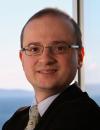
Associate Professor Arnold Lining Ju is a biomedical engineer at the University of Sydney's School of Biomedical Engineering, affiliated with multiple institutes including the Heart Research Institute and Sydney Nano Institute. He holds academic positions in both the Faculty of Engineering and Faculty of Medicine & Health. Education: BSc from Peking University, PhD from Georgia Tech and Emory University (USA). Honors include Snow Fellowship, Heart Foundation Future Leader Fellowship, and multiple awards for cardiovascular research innovation. Research focuses on mechanobiology and biomechanics of thrombosis, developing microfluidic devices and organ-on-chip systems. Key projects include AI-driven single-cell nanotools, 3D biofabrication, and anti-thrombotic peptide design. Leads interdisciplinary teams and collaborates internationally with institutions like Harvard and University of Texas. Teaching roles include coordinating advanced cellular biomechanics courses and supervising PhD/Masters students in biomedical engineering and physiology. Over 50 peer-reviewed publications, with contributions to Nature Materials, Nature Communications, and other top journals.
Michael Krisinger is an Associate Professor of Teaching in the Department of Biochemistry & Molecular Biology at the University of British Columbia . He began his teaching career in 2010, transitioning to full-time in 2013. He lectures Biochemistry 202 (Introductory Medical Biochemistry) and Biochemistry 303 (Molecular Biochemistry) while serving as a tutor in the Faculty of Medicine's Case Based Learning program. Krisinger co-developed the department's two-course summer program for international students and mentors postdoctoral fellows in teaching. He also manages the department's CANVAS digital learning platform. Krisinger's research focuses on the molecular mechanisms of coagulation and complement system regulation , particularly their evolutionary relationship and functional interplay. His work has explored thrombin's role in complement activation, polyphosphate-mediated complement suppression, and nanoparticle surface interactions with proteolytic cascades. He previously co-supervised graduate students at UBC's Centre for Blood Research before prioritizing education. Publications highlight his expertise in protease-substrate dynamics , lipoprotein-phospholipid interactions , and hemostasis-immunity crosstalk . He remains engaged in public science through community environmental initiatives and local outreach activities.
Gary M. Shaw is the Rosemarie Hess Professor and Professor (Research) at Stanford University , with courtesy appointments in the Department of Epidemiology and Population Health and Department of Obstetrics & Gynecology - Maternal Fetal Medicine . He serves as Co-PI of the March of Dimes Prematurity Research Center at Stanford and PI of the California Center for Finding Causes and Preventives of Birth Defects . His research focuses on the Epidemiology of birth defects Gene-environment interactions in perinatal outcomes Nutritional factors in reproductive health . He has developed machine learning approaches for precision parenteral nutrition and predictive models for preterm birth, while investigating persistent metabolomic signatures following hypertensive pregnancy disorders. Shaw's recent work explores Climate change impacts on reproductive health Maternal-fetal immune interactions Epigenetic mechanisms in perinatal disease with applications of multiomics to neonatal intensive care units. As a member of Bio-X and the Maternal & Child Health Research Institute , he contributes to translational research networks while serving as Associate Editor for Birth Defects Research and American Journal of Medical Genetics . He supervises Med Scholar Project student Richard Liang Doctoral co-advisor for Saskia Comess and Richard Liang Master's advisor for Lenae Joe while leading the Division of Neonatology as Associate Chair for Clinical Research (2012-2025). His laboratory work integrates Metabolomic profiling Proteomic analysis Computational modeling Machine learning for biomedical data to advance neonatal care through precision medicine approaches.
Scott L. Diamond is the Arthur E. Humphrey Professor of Chemical and Biomolecular Engineering and Bioengineering at the University of Pennsylvania's School of Engineering and Applied Sciences. He serves as Director of the Penn Center for Molecular Discovery, Director of the Penn Biotechnology Masters Program (one of the largest in the country with over 130 students), and Associate Director of the Institute for Medicine and Engineering (IME). His laboratory is located in the Roy and Diana Vagelos Laboratories at 3340 Smith Walk, 1020 Vagelos Research Laboratories, Philadelphia, PA. Diamond's research spans multiple interconnected fields in blood biology and biotechnology. His work focuses on mechanobiology, thrombolysis, coagulation, bioadhesion, gene therapy, drug/device development, proteomics, drug discovery, systems biology, and microfluidics. His laboratory has developed numerous specialized microfluidic devices for studying blood clotting under various flow conditions, including 8-channel devices for high-throughput clotting assays, side-view devices for clot structure analysis, stenosis devices for high shear clotting assays, and impingement-post devices for studying von Willebrand factor fibers. Diamond's research group has pioneered approaches to model and predict blood function using systems biology principles. His team has developed computational models that integrate reaction-transport phenomena with platelet signaling networks to predict thrombus formation under flow. These models have enabled the development of 'virtual blood' computer simulations that can predict the effectiveness of anticoagulation drugs for individual patients, contributing significantly to personalized medicine approaches in hemostasis and thrombosis. His extensive publication record demonstrates a consistent focus on understanding the fundamental mechanisms of blood clot formation and dissolution. Recent work has emphasized microfluidic approaches for point-of-care diagnostics, patient-specific modeling of platelet function, and the development of novel therapeutic strategies for thrombotic disorders. His research bridges engineering principles with clinical hematology to address significant challenges in cardiovascular medicine. NSF National Young Investigator Award NIH FIRST Award American Heart Association Established Investigator Award AIChE Allan P. Colburn Award George Heilmeier Excellence in Research Award Elected Fellow of the Biomedical Engineering Society (BMES) Diamond has secured significant research funding, including a $2.8 million NIH grant for 'Blood Systems Biology' and a $9.5 million NIH grant for the Penn Center for Molecular Discovery. His laboratory has developed numerous microfluidic devices for blood analysis and has collaborated extensively with clinicians and industry partners. Diamond has served on advisory committees for NSF, NIH, AHA, and NASA, and has consulted extensively for industry and government. With over 180 publications and patents, his work has significantly advanced the understanding of blood clotting mechanisms and the development of diagnostic and therapeutic approaches for thrombotic disorders.
Patrick M. Gillevet is a Professor and Director of the Microbiome Analysis Center at George Mason University, with a primary appointment in the Biology Department and affiliate faculty status in the School of Systems Biology. His career focuses on integrating genomics, bioinformatics, and molecular ecology to study microbiome interactions in human health and environmental systems, including the development of multitag sequencing for high-throughput microbial analysis. Education: Ph.D., Biochemistry, University of Manitoba (1982) B.S., Microbiology, University of Toronto (1976) His research explores dysbiosis in the human microbiome (gut, mouth, urogenital, respiratory tracts) and its role in diseases, cognitive function, and social behavior. He pioneered the concept of the "metabiome" to describe host-microbiome interactions in systems biology. Key projects include analyzing multitag sequencing for evolutionary studies and microbial community characterization in ecosystems. Recent publications highlight collaborations on gut microbiome trends in cirrhosis, alcohol use disorder, and antibiotic resistance, with a focus on cross-sectional and longitudinal analyses. His work spans clinical trials (e.g., griffithsin gel), dietary interventions, and environmental microbiome studies.
Antti Poso is a Professor of Drug Design at the University of Eastern Finland (Kuopio), affiliated with the School of Pharmacy under the Faculty of Health Sciences. His research focuses on computer-aided molecular design, particularly targeting anti-cancer drugs and anti-microbials. Key projects include the EDCMET project (2019–2024) and the GeneCellNano Flagship (2020–2028). He leads the Molecular Modeling and Drug Design Research Group, specializing in QSAR analysis, kinase inhibition profiling, and systems-level drug response modeling. Recent work includes studies on SARS-CoV-2 inhibitors, endocrine disruptors, and bacterial pathogenesis. His findings bridge chemical structure with biological outcomes, leveraging computational tools like CCA and molecular dynamics simulations. Collaborations span medicinal chemistry, pharmacology, and systems biology, contributing to both academic and applied drug discovery efforts. Education: Not explicitly stated in texts; assumed to hold advanced degrees in pharmacy or chemistry. Research Themes: Drug design, molecular modeling, QSAR, computational biology, and anti-infective agents. Key Contributions: Over 150+ publications, including influential works on chemoinformatics-driven drug response analysis and structure-based inhibitor design. Publications highlight advancements in kinase inhibitors, anti-microbial strategies, and viral hijacking mechanisms. His work emphasizes translating computational insights into therapeutic solutions for cancer, infectious diseases, and metabolic disorders.
Suzanne Estaphan is a Senior Lecturer in Medical Science (Physiology and Clinical Pharmacology) at the Australian National University (ANU) School of Medicine and Psychology . She holds qualifications including a Doctorate of Physiology (2015) , MSc in Physiology (2012) , MBBCh (2005) , and Basic Certificate in Medical Education (2018) . Her academic roles span curriculum development, admissions, and assessment committees in the ANU Medical School. Senior Lecturer, ANU (2023–present) Academic Editor, PLOS ONE (2024–present) Review Editor, Frontiers in Physiology (2023–present) Dr. Estaphan's research bridges oxidative stress and inflammation in disease pathology with medical education innovation . Her work explores antioxidant interventions for organ damage and investigates AI/virtual reality applications in education. Recent projects include studying sleep dysfunction in eating disorders and diabetes medication effects on exercise capacity . Between 2023–2025, her 15 most recent publications span oxidative stress , medical education , and molecular pathophysiology . Themes include homeostasis , clinical reasoning , and metabolic disorders , with subfields like MMP-9 biology , pancreatic injury , and VR-based hypoxia training . Scientific accolades include the American Physiological Society Travel Award (2017) and recognition as Senior Fellow of the Higher Education Academy (2023) . She mentors medical students, contributes to national physiology curriculum consensus projects, and has secured approximately $200,000 in research funding .
Mehmet Karahan is an Associate Professor in the Department of Cardiovascular Surgery at Gaziantep University Faculty of Medicine. He specializes in cardiovascular surgery with a focus on mechanical circulatory support, left ventricular assist devices (LVAD), heart transplantation, and endovascular procedures. His clinical and research work centers on innovative approaches to treating complex cardiac conditions. His educational background includes: Medical License (English Program): Hacettepe University Faculty of Medicine (2004-2011), Turkey Specialization in Cardiovascular Surgery: Health Sciences University, Ankara High Specialized Health Application and Research Center (2012-2017), Turkey Dr. Karahan's research interests span multiple areas within cardiovascular medicine. He has made significant contributions to the field of mechanical circulatory support, particularly focusing on left ventricular assist devices (LVAD) and their applications in both adult and pediatric patients. His work explores minimally invasive approaches to LVAD implantation, management of complications, and integration with other cardiac procedures. Additionally, he has expertise in endovascular aortic repair techniques, including complex cases involving traumatic injuries and challenging anatomies. His research also extends to heart transplantation, anticoagulation management, and thrombophilia in vascular disease. Analysis of Dr. Karahan's recent publications reveals a strong focus on advancing mechanical circulatory support technologies, particularly LVAD systems. His work addresses critical challenges in the field including pediatric applications, minimally invasive techniques, management of complications like pump thrombosis, and integration with other cardiac procedures. He has also made significant contributions to endovascular aortic repair, developing innovative techniques for complex cases. His research demonstrates a multidisciplinary approach that bridges surgical innovation with patient-centered outcomes. Dr. Karahan is an active member of several professional organizations: European Association for Cardio-Thoracic Surgery (EACTS) - Member since 2024 International Society for Heart and Lung Transplantation (ISHLT) - Member since 2023 National Association of Vascular and Endovascular Surgery - Member since 2020 Turkish Cardiovascular Surgery Association - Member since 2014 He has served as an editor for The Turkish Journal of Thoracic and Cardiovascular Surgery (2025). His clinical work involves complex cardiovascular procedures, with a particular emphasis on innovative approaches to mechanical circulatory support and endovascular interventions. Dr. Karahan has presented his research at numerous national and international conferences, contributing to the advancement of cardiovascular surgical techniques. His professional experience includes positions at Gaziantep University, Ankara Bilkent City Hospital, and Turkey High Specialization Hospital. He has also gained international experience through observer positions at Paracelsus Medical University-Nuremberg Clinic, Hannover Medical School, University of Geneva, and Harvard University.
Vanessa Nomellini, MD, PhD is an Associate Professor in the Division of Burn, Trauma, Acute and Critical Care Surgery at UT Southwestern Medical Center. She joined UT Southwestern in 2023 as the director of research for her division and leader in the Critical Care Outcomes Research Translation (CORT) group. Education: Dr. Nomellini earned her MD and PhD in Cellular and Molecular Biochemistry from Loyola University. She completed her general surgery residency at the University of Wisconsin and Surgical Critical Care fellowship at the University of Pennsylvania. Research Interests: Her work focuses on immune dysfunction in critically ill patients, particularly sepsis and trauma-induced immunosuppression. She leads studies on immune recovery mechanisms and develops the ICU Recovery Program for long-term patient management. Her NIH-funded research (R35 NIGMS) investigates immune suppression through both animal models and human observational studies. Publications Trends: Her recent work emphasizes sepsis pathophysiology, coagulopathy management, and clinical improvements in critical care. Key areas include immunomodulatory therapies, biomarker utility, and optimizing ICU protocols. Scientific Awards: Recipient of NIGMS R35 grant (2019-current) Advising & Grants: Leads a multi-institutional research team and holds leadership roles in CORT. Her grants focus on translational immunology and critical care outcomes. Labs & Teams: Directs research at UT Southwestern's Critical Care Division, collaborating with Drs. Levi and Carlson in CORT initiatives.
Helen Suh is a Professor at Tufts University, jointly appointed in the departments of Civil and Environmental Engineering and Community Health . As an internationally-recognized expert in air pollution health effects, she combines environmental epidemiology , exposure science , and data analytics to investigate how pollutants impact human health. Sc.D. , Harvard University (1993) M.S. , Harvard University (1990) S.B. , Massachusetts Institute of Technology (1985) Her research focuses on three areas: air pollutant impacts on cognitive performance and child development , multi-pollutant health effects , and GIS-based spatio-temporal modeling for epidemiological studies. Recent publications highlight her work on PM2.5 measurement error correction , hormonal disruptions in pregnancy , and machine learning applications in environmental health analysis. Current trends include: Advanced statistical methods for exposure assessment Multi-omics approaches to cardiometabolic health International comparative studies (e.g., Tehran, Puerto Rico) Long-term mortality analysis in Medicare populations Pollution-immune system interactions in vulnerable groups Policy-relevant modeling for air quality standards Helen Suh has served as an Associate Editor for the Journal of Exposure Science and Environmental Epidemiology and advised major U.S. and international health organizations. Her work spans over 150 publications and integrates multidisciplinary team leadership in environmental health science. Her laboratory develops large-scale data analytics tools and spatio-temporal exposure models to support population-level health research. Current projects include air pollution and aging cohorts , urban environmental noise measurement , and epigenetic responses to pollutants .
Anne-Mette Hvas is Professor and Dean at the Faculty of Health, Aarhus University, Denmark, where she leads academic and administrative initiatives in health sciences. Her role places her at the forefront of institutional strategy, research development, and interdisciplinary collaboration within clinical and translational medicine. Research Interests: Her work spans hematology, coagulation, platelet biology, neonatal hemostasis, and endocrinology. She investigates thrombotic and bleeding disorders in clinical contexts such as nephrotic syndrome, pregnancy, cancer surgery, and stroke. Her research integrates physiological, pharmacological, and clinical perspectives to improve patient outcomes. The recent publications reflect a strong focus on thrombin generation, platelet reactivity, endothelial dysfunction, and red blood cell behavior in acute and chronic conditions. These studies often involve multicenter collaborations and contribute to evidence-based practices in thromboprophylaxis, surgical safety, and stroke management. Scientific Contributions: Active research in hemostasis and thrombosis across diverse patient populations Leadership in clinical studies on anticoagulation, HIPEC, and neonatal platelet function Investigations into hormonal and cardiovascular aspects of Turner syndrome Advising and Grants: While specific advisees are not listed, her leadership in multiple funded research projects suggests mentorship of junior researchers and clinicians. She has led projects on platelet function in preterm neonates and coagulation in surgical oncology, indicating grant acquisition and team coordination capabilities. Labs and Teams: Though specific lab names are not mentioned, her work implies collaboration with clinical research teams in hematology, neonatology, oncology, and obstetrics at Aarhus University Hospital and affiliated centers.
Xiaoyu Che is an Assistant Professor of Biostatistics at Columbia University's Mailman School of Public Health, where he serves as the principal biostatistician in the Center for Infection and Immunity (CII) at Columbia University Irving Medical Center. His work bridges statistical methodology with biomedical research, focusing on complex disease mechanisms through advanced data analysis approaches. Dr. Che received his academic training at prestigious institutions: BS in Mathematics from Zhejiang University (2006) PhD in Mathematics from Claremont Graduate University (2013) Dr. Che's research program centers on the development and application of statistical methods for multi-omics analyses, with particular focus on understanding the pathogenesis of chronic and neurodevelopmental conditions. His work spans multiple domains including Autism Spectrum Disorder (ASD), Myalgic Encephalomyelitis/Chronic Fatigue Syndrome (ME/CFS), and Gulf War Illness (GWI). He employs sophisticated biostatistical approaches to integrate diverse biological data types, revealing novel insights into disease mechanisms. His methodological expertise includes Bayesian statistics, metabolomic analysis, immune signature identification, and microbiome characterization, all aimed at translating complex biological data into meaningful clinical insights. Analysis of Dr. Che's publication record reveals a strong thematic focus on applying advanced statistical methods to understand complex disease mechanisms. His work consistently bridges biostatistical innovation with biomedical discovery, particularly in the areas of neurodevelopmental disorders and chronic fatigue conditions. The publications demonstrate progression from foundational methodological work to increasingly sophisticated multi-omics integration approaches, reflecting both technical growth and expanding research impact. His collaborative approach is evident through numerous high-impact publications with interdisciplinary teams across Columbia University and beyond. Dr. Che teaches BIST P8104: Probability in the Biostatistics MS degree program at Columbia, demonstrating his commitment to training the next generation of biostatisticians. While specific grant information isn't detailed in the provided materials, his extensive publication record across multiple high-impact journals suggests successful grant funding supporting his research program. As principal biostatistician in the Center for Infection and Immunity, Dr. Che plays a critical role in the analytical framework of the center's research initiatives. His work supports the center's mission to understand the relationship between infectious agents and human health through rigorous quantitative analysis. The collaborative nature of his research is evident in the diverse range of co-authors spanning immunology, virology, microbiology, and clinical medicine.
Stuart Allan is Professor of Neuroscience at the University of Manchester's Faculty of Life Sciences, Division of Neuroscience. His research focuses on neuroinflammation mechanisms in stroke and neurodegenerative diseases, with particular expertise in cytokine signaling (especially IL-1) and neuronal injury pathways. He leads projects targeting interleukin-1 for acute brain injury treatment and investigates stroke-immune mediated pathways in cognitive trajectory. Research Interests: Neuroinflammatory responses, cytokine-mediated neuronal injury, stroke pathophysiology, Alzheimer's disease mechanisms, and neurovascular coupling. His work bridges experimental paradigms (in vitro and in vivo) with clinical applications. Education: PhD Biomedical Sciences (University of Aberdeen, 1990-1993) BSc Pharmacology (University of Dundee, 1986-1990) Professional Appointments: Professor of Neuroscience (2012-present) Senior Lecturer (2008-2012) Lecturer (2002-2008) Postdoctoral Research Associate (1993-2002) Research Beacons & Institutes: Dementia@Manchester, Manchester Regenerative Medicine Network, Lydia Becker Institute, Christabel Pankhurst Institute, Manchester Institute for Collaborative Research on Ageing. Scientific Output: 179 research outputs including articles on cerebrovascular health, neurovascular coupling, and cytokine mechanisms in stroke models. Research demonstrates consistent focus on translational neuroscience and neuroinflammatory pathways.
Igor Rudan is Professor of International Health and Molecular Medicine at the University of Edinburgh, serving as Co-Head of the Centre for Global Health within the Usher Institute, part of the College of Medicine and Veterinary Medicine. His academic position is described as a 'Personal Chair of International Health & Molecular Medicine' at the Deanery of Molecular, Genetic and Population Health Sciences. His research interests include: Genome-Wide Association Studies Genetics and Genomics Genetic Divergence Meta-Analysis Single Nucleotide Polymorphism research Systematic Reviews in global health Epidemiology of respiratory diseases Health inequalities and social determinants of health Professor Rudan's recent publications reveal a strong focus on the intersection of molecular medicine and population health. His work spans genetic epidemiology, pandemic response research, and health equity studies, with particular emphasis on understanding how genetic, social, and environmental factors interact to influence health outcomes across diverse populations. His research frequently employs large-scale genomic analyses combined with population health approaches to address global health challenges. His scientific recognition includes: NIHR Impact Prize (2025) for respiratory disease research RSE Mary Somerville Medal (2023) Professor Rudan leads and collaborates on numerous international research projects including EQUI-RESP-AFRICA (improving respiratory health outcomes in Africa), the NIHR Global Health Research Unit on Respiratory Health (RESPIRE-2), and documentation of the EQUIST tool's global impact. His work often involves large-scale data analysis and international collaborations across multiple continents, positioning him at the forefront of global health research that bridges molecular medicine with population-level health interventions.
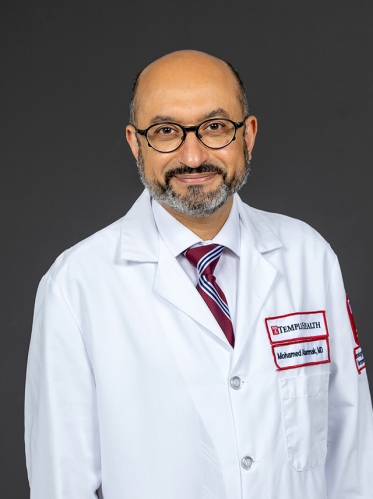
Mohamed S. Alsammak, MD, is an Associate Professor in the Department of Clinical Pathology & Laboratory Medicine at the Lewis Katz School of Medicine, Temple University. He also serves as Director of the Blood Bank/Transfusion Medicine at Temple University Hospital, where he practices in the fields of Hematologic Pathology, Blood Banking, and Transfusion Medicine. His clinical and research interests include: Transfusion medicine Therapeutic apheresis Thrombotic thrombocytopenic purpura Sickle cell disease and red cell exchange Patient blood management Hematopathology Coagulation disorders The trend in his publications reflects a strong focus on clinical applications of apheresis, transfusion support in complex medical and surgical settings, coagulation abnormalities, and laboratory-based clinical research. His work often addresses rare hematologic conditions and perioperative challenges, with increasing attention to physician well-being and transplant-related desensitization protocols. Scientific awards and distinctions include: MD with Medal of Distinction, Arabian Gulf University Competitive Scholarships for Medical School, Sponsored by The Ministry of Education in Bahrain Dr. Alsammak has been actively involved in multidisciplinary clinical research, frequently collaborating with teams in hematology, critical care, transplantation, and obstetrics. His publications suggest engagement in national surveys and case-based reporting, contributing to best practices in apheresis and transfusion medicine. While formal grant information is not available, his leadership role and scholarly output indicate active participation in clinical innovation and education. He is affiliated with key professional organizations such as the American Society for Apheresis, AABB, and the College of American Pathologists, underscoring his commitment to advancing standards in blood banking and transfusion safety.