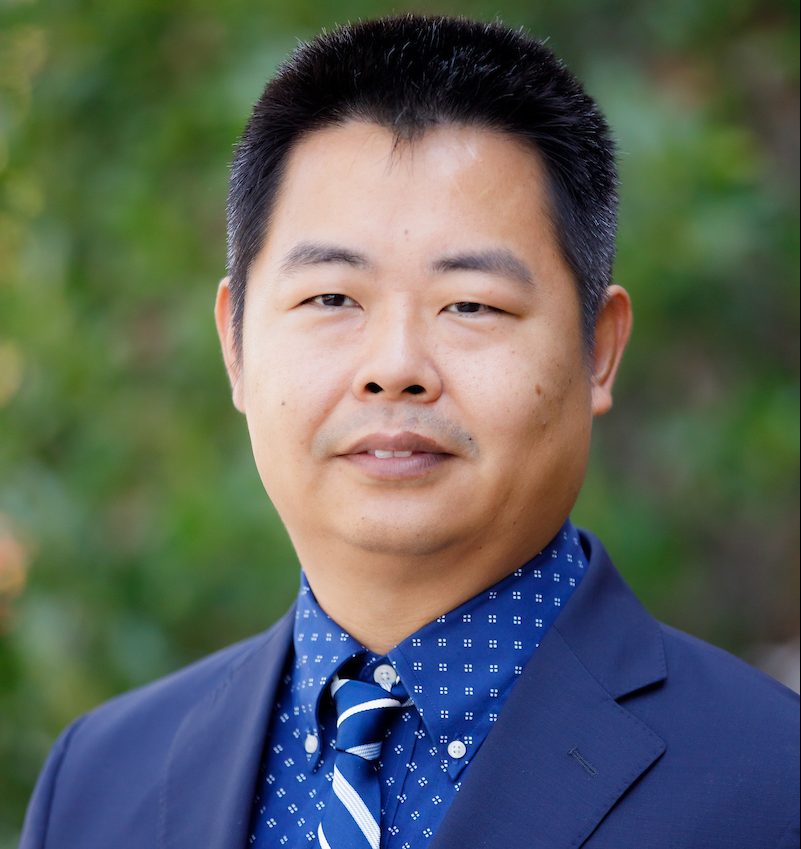
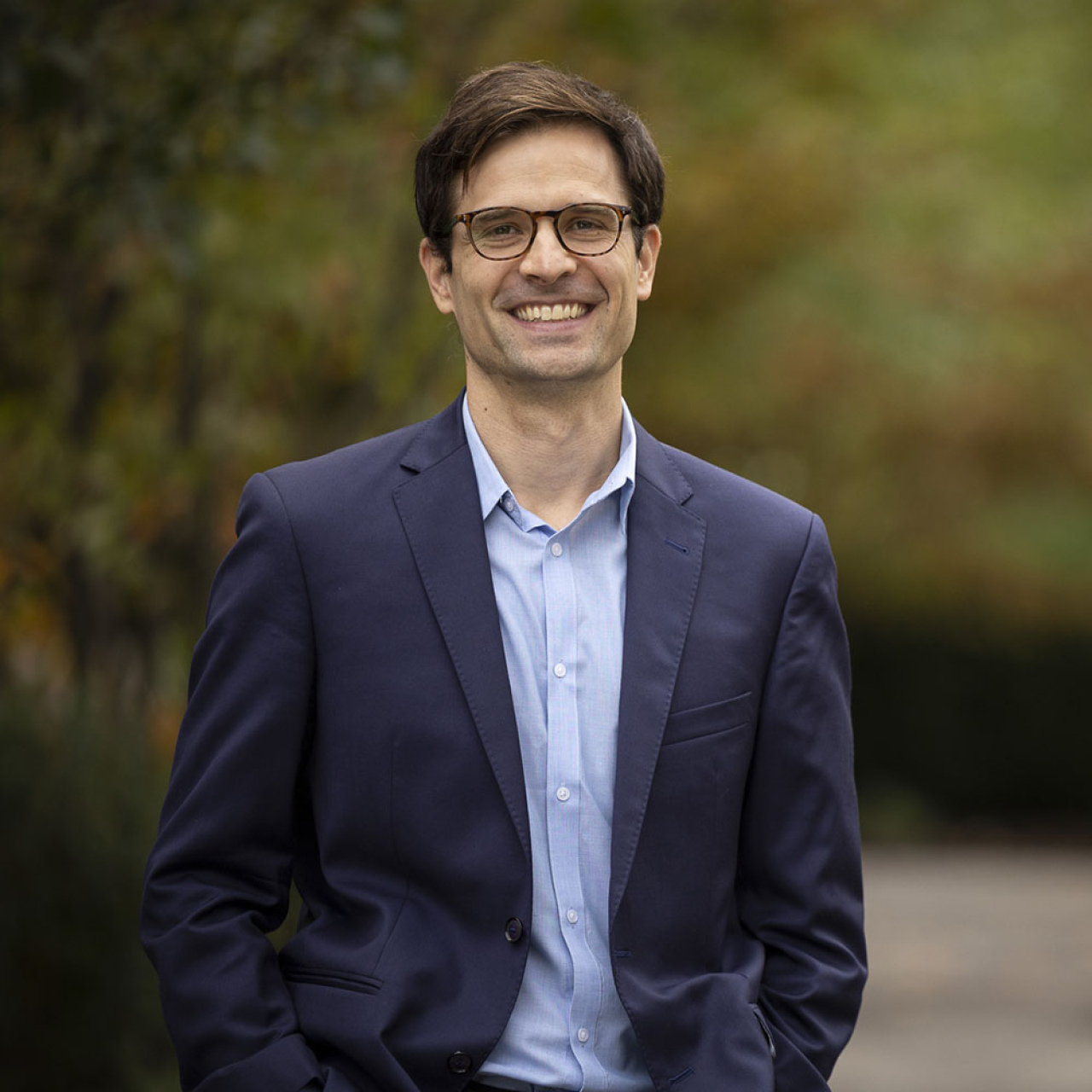
Juliana Cohen is a Professor in Nutrition and Public Health at Merrimack College’s School of Nursing and Health Sciences. Her research focuses on school nutrition policies, health disparities, and dietary interventions to improve child health outcomes. She founded the NOURISH Lab , which evaluates policies to reduce diet-related disparities in children, funded by NIH and foundations. Her work has influenced USDA school meal standards and the Community Preventive Services Task Force recommendations. Education : Sc.D. in Nutrition (Harvard), M.Sc. in Human Development and Health (Harvard), B.A. in Italian Studies (Emory) Research Areas : School nutrition, behavioral economics, health disparities, diet-cognition links Her recent publications analyze universal free school meals, chemical exposure in meals, and pandemic impacts on food programs. Awards include NIH K01 funding and Obesity Society fellowship.
Deborah Richards is a Professor in the School of Computing at Macquarie University, affiliated with the Ethics and Agency Research Centre, Performance and Expertise Research Centre, and Frontier AI Research Centre. She holds roles as Industry and External Relations Director for the School and Director of the Virtual Reality Lab. Her research focuses on Intelligent Virtual Agents, Virtual Reality applications in education and health, knowledge acquisition, and cybersecurity ethics. She has authored over 425 publications and led 19 research projects, including studies on AI in healthcare and ethical AI design. Education: PhD (Artificial Intelligence, Macquarie University), MAppSc (Information Studies), BBus (Computing and MIS), and a Postgraduate Certificate in Higher Education (Leadership and Management). She advises on PhD and MRes students in Intelligent Virtual Agents research. Research interests include virtual agents for health behavior change, AI ethics, and educational technology. Notable projects include the eADVICE web-based management system for urinary incontinence and the development of embodied conversational agents for wellbeing support. Awards include the ABC Science Media Fellowship (2005) and Vice-Chancellor’s Citations for Outstanding Contributions to Student Learning (2017). Grants and collaborations span health informatics, cybersecurity, and AI ethics. She co-leads initiatives like the Respectful Maternity Care study and the Virtual Reality Lab’s immersive learning environments. Future work emphasizes ethical AI integration in education and healthcare.
Martha Ann Bell is a University Distinguished Professor of Psychology and College of Science Faculty Fellow at Virginia Tech. She leads the Cognition, Affect, and Psychophysiology (CAP) Lab, focusing on developmental cognitive neuroscience and the integration of emotion and cognition in early development. Her work examines EEG/ECG biomarkers, executive function, temperament, and maternal-child interactions. Dr. Bell holds a PhD in Human Development from the University of Maryland (1992), an MS in Child and Family Studies from the University of Tennessee (1983), and a BS in Home Economics from Carson-Newman College (1978). She has held progressive roles from Assistant Professor (1996) to her current distinguished title. Her research interests include developmental changes in brain-behavior relations, neurophysiological correlates of emotion regulation, and longitudinal predictors of child development. Recent work explores maternal emotion coaching, EEG neuromarkers of ADHD, and the neurodevelopmental impacts of nutrition. Key awards include the Virginia Tech University Distinguished Professorship (2021) and College of Science Faculty Fellowship (2019–2025). Her publications span developmental psychobiology, neuroimaging methods, and temperament-behavior links. Dr. Bell’s advising and grants focus on interdisciplinary developmental science. The CAP Lab collaborates on projects involving infant neuroimaging, maternal-child physiology, and early childhood interventions.
Sjanne Marie van den Groenendaal is an Assistant Professor at the Department of Human Resource Studies, Tilburg School of Social and Behavioral Sciences, Tilburg University. Her research focuses on sustainable employability of self-employed workers and inclusive Human Resource Management (HRM), with a particular interest in freelancers' employment relationships, organizational needs, and psychological contracts. She has been recognized with multiple awards, including the Best Paper Award (2016) and Best Teacher Awards (2014-2016). Her work bridges HRM practices with societal policies, emphasizing inclusive labor markets and strategic HRM approaches. Education: Master of Science (MSc) External Roles: Founder/Consultant at van den Groenendaal Consultancy since 2020. Her research explores topics such as triad employment relationships, technological impacts on HR education, and the interplay between social security policies and strategic HRM. She actively engages in academic activities, including workshops on qualitative data analysis and invited talks on career development in turbulent contexts. Awards: Best Paper Award (second place), 2016 Best Teacher Award (2014-2016) Societal Impact Competition Award, 2019 Professional Contributions: Advises on inclusive HRM strategies, delivers courses on coaching and development in the Bachelor of Personeelwetenschappen program, and collaborates internationally on research projects.
Dr. Rene Ferdinands is a Lecturer at the University of Sydney's School of Health Sciences, specializing in sports biomechanics, particularly in cricket and golf. He leads research programs focused on optimizing techniques and minimizing injury risks, such as lumbar load analysis in fast bowlers and spin bowling biomechanics. His work includes developing 3D models for analyzing bowling actions and spin delivery mechanics. Education: MSc and PhD from the University of Waikato. Research Themes: Cricket biomechanics, golf swing dynamics, equine biomechanics, and injury prevention. Professional Roles: Editor of the Cricket Coaching Information service for the International Society of Biomechanics in Sports, Honours Committee Member. His research interests span biomechanical analyses of sports techniques, including the development of smart cricket balls for performance assessment and injury mitigation. Key contributions include refining bowling action legality criteria and advancing understanding of lumbar kinetics in elite athletes. He actively supervises Honours and PhD students in biomechanics research across cricket, golf, and other sports. Notable grants include studies on hydration status in cricket performance (2008), lumbar injury prevention (2013), and biomechanical modeling of fast bowling (2009). His work bridges applied research with practical applications in sports technology and athlete development. Dr. Ferdinands collaborates with the Biomechanics Research Team at the University of Sydney, focusing on innovative tools like smart balls and advanced motion analysis techniques to improve sports performance and safety.
Brent W. Roberts is a Professor of Psychology at the University of Illinois , affiliated with the Social-Personality-Organizational Division. He serves as Chair of the Social and Behavioral Sciences Research Initiative and holds the Edward William and Jane Marr Gutgsell Professorship. Education: Ph.D. in Personality Psychology (1994), University of California, Berkeley Research focuses on personality development across adulthood, personality assessment (especially conscientiousness ), and personality-health relationships . Methodologically, he emphasizes IRT and contextualized assessments. Scientific contributions include: Over 235 research outputs Highly Cited Researcher (Thomson Reuters 2016-2017) Key publications on BESSI, CONIC model, and longitudinal personality analysis Award-winning scholar: J. S. Tanaka Dissertation Award (1995) Carol & Ed Diener Mid-Career Award Theodore Millon Mid-Career Award Henry Murray Award Honorary Doctorate, University of Basel As academic advisor, he has mentored numerous graduate students and postdoctoral fellows in personality psychology, with lab alumni now at institutions like University of Houston and Carleton University.
Dr. Jiaqi Gong serves as Associate Professor in Computer Science and Adjunct Associate Professor in Mechanical Engineering at The University of Alabama's College of Engineering, while directing the Alabama Center for the Advancement of Artificial Intelligence. His academic foundation includes: B.S. in Engineering, China University of Geoscience (2004) Ph.D. in Engineering, Huazhong University of Science and Technology (2010) Dr. Gong's research pioneers human-AI convergence through cyber-physical systems and smart health technologies, developing mobile/wearable platforms to enhance human perceptual, cognitive, and physical capabilities. His work spans artificial intelligence, machine learning, computer vision, and IoT with applications in healthcare, environmental monitoring, and education. The Sensor-Accelerated Intelligent Learning (SAIL) laboratory he founded drives innovation in behavior change interventions, human movement modeling, and educational data mining. Recent publications reveal strong interdisciplinary trends: healthcare AI dominates with medication adherence prediction and surgical classification systems, while environmental applications feature flood-risk communication and drought analysis. His work increasingly integrates generative AI and LLMs across domains, demonstrating methodological innovation in federated learning, knowledge graphs, and explainable storytelling frameworks. Notable recognitions include: Best Student Paper Award, IEEE/ACM Connected Health Conference (2022) Best Student Paper Award, Body Sensor Networks Conference (2019) Data Challenge Win, IEEE Biomedical Health Informatics (2018) Best Paper Award, Body Area Networks Conference (2014) Best Demonstration Award, IEEE Wireless Health Conference (2014) Dr. Gong leads significant funded projects including a $2M CDC/NIOSH grant for first responder safety and $3M NSF funding for hydrologic research. As SAIL laboratory director, he mentors students in developing clinically deployed technologies for multiple sclerosis, dementia, and mental health. Future work focuses on scaling AI applications in chronic disease management and climate resilience through the Alabama AI Center. The SAIL laboratory (founded 2017) operates as a multidisciplinary hub developing wearable/mobile systems for health applications, with active collaborations across medical clinics and engineering departments for real-world deployment of behavior change interventions and movement analysis tools.
Professor Paweł Chmura is a Full Professor at Wrocław University of Health and Sport Sciences, specializing in Sports Sciences with a focus on football performance analysis. He serves in the Department of Individual and Team Sports, where he conducts research on exercise physiology, training load monitoring, and physical activity analysis in soccer players. With over 130 publications, Professor Chmura is a recognized expert in sports science and also holds a UEFA A coaching license. Professor Chmura's research interests center on exercise physiology, particularly in the context of team sports. His work extensively examines repeated maximum effort capabilities, physical activity analysis in soccer players, and monitoring training loads. He has developed innovative concepts such as the Psychomotor Fatigue Threshold and investigates how environmental factors like temperature and air quality affect athletic performance. His research bridges the gap between theoretical sports science and practical coaching applications, making significant contributions to football performance optimization. Professor Chmura's extensive publication record demonstrates a consistent focus on soccer performance analysis, with recent work expanding into multidisciplinary approaches including physiological, psychological, and tactical aspects of the game. His research shows increasing sophistication in methodology, incorporating advanced monitoring technologies and comprehensive analysis frameworks that consider multiple performance indicators simultaneously. This evolution reflects broader trends in sports science toward integrated, holistic approaches to athlete performance. Professor Chmura actively supervises the Motosoccer Student Research Club and invites master's and doctoral students to collaborate on research projects related to football, exercise physiology, game analysis, and motor preparation. His mentorship extends beyond formal academic supervision to practical coaching guidance, leveraging his UEFA A coaching certification to provide students with both theoretical knowledge and practical field experience. As a UEFA A-licensed football coach and tennis instructor, Professor Chmura maintains strong connections between academic research and practical sports applications. He leads the Motosoccer Student Research Club, which provides hands-on research opportunities for students interested in sports science. His dual expertise in academic research and practical coaching creates a unique environment for applied sports science research that directly impacts coaching methodologies and athlete development.
Gail E. Joseph is a Professor in the College of Education at the University of Washington, with affiliations in Early Childhood & Family Studies and Learning Sciences & Human Development. She teaches courses, advises students, and conducts research on early care and education, focusing on child care quality, social-emotional learning, teacher education, and technology integration. Ph.D., University of Washington Her research projects include statewide surveys on early childhood workforce conditions, studies on digital professional learning tools like Circle Time Magazine, and evaluations of coaching interventions (e.g., FIND in Childcare) to improve teacher-child interactions. She co-created resources such as Teacher Time and the EarlyEdU Alliance, which aims to enhance early childhood education through accessible bachelor’s degrees. Her publications span topics like social-emotional curricula, behavioral interventions, and inclusive education frameworks. She has held leadership roles as Principal Investigator (PI) of the Head Start Center for Inclusion and Co-PI of the National Center for Quality Teaching and Learning (NCQTL). 2018 David R. Thorud Leadership Award (University of Washington) She currently serves as Executive Director of Cultivate Learning at the University of Washington, advancing professional development and quality improvement initiatives nationwide.
Bertrand Schneider is an Associate Professor of Education at Harvard University's Graduate School of Education (GSE). He holds a Ph.D. in Learning Sciences and Technology Design from Stanford University (2015) and previously served as a postdoctoral researcher at Stanford's Transformative Learning Technologies Laboratory. His research focuses on educational interfaces (e.g., augmented reality, tangible tools) and multimodal learning analytics, particularly in collaborative and informal learning environments. He investigates how technologies like gaze-tracking and motion sensors can assess student learning trajectories and improve instructional strategies in makerspaces and remote teaching contexts. Education : Ph.D., Learning Sciences and Technology Design, Stanford University (2015) Postdoctoral Researcher, Transformative Learning Technologies Laboratory, Stanford University Research Interests : Educational technologies (AR, tangible interfaces, multitouch) Multimodal data analysis (gaze, body movement, speech) Collaborative learning in formal/informal settings Remote teaching strategies using shared gaze visualizations AI applications in personalized feedback and misinformation discernment Key Contributions : Developed methodologies for capturing joint visual attention in collaborative learning Advocated for ethical implementation of multimodal learning analytics Explored AR's dual-edged impact on student engagement and collaboration Labs/Teams : Current research aligns with GSE's focus on innovative learning technologies Prior affiliation with Stanford's Transformative Learning Technologies Lab
Prof. Daniel Memmert is a Professor at the German Sport University Cologne, leading research in Sport Informatics and Sports Games within the Institute of Exercise Training and Sport Informatics. His work focuses on cognitive aspects of sports performance, decision-making, and data-driven analysis in football (soccer) and other sports. He has published extensively on topics like penalty kick strategies, home advantage dynamics, artificial intelligence applications in coaching, and route-setting in climbing. Memmert's research bridges sports science, computer science, and psychology, with over 550 publications and 41 projects to his name. He frequently engages with media, explaining complex sports phenomena to the public. Key Research Areas: Football analytics, cognitive psychology in sports, sports technology, decision-making under pressure Media Contributions: Over 50 media features discussing topics such as AI in coaching, referee bias, and athlete creativity Projects: Includes initiatives on sports data visualization, performance metrics, and prevention of sports betting addiction His work emphasizes translating academic findings into practical tools for athletes, coaches, and sports organizations, combining rigorous data analysis with real-world applications.
Dr. Ben Clarke is an Associate Professor and Department Head of Special Education and Clinical Sciences at the University of Oregon’s College of Education. His research focuses on mathematical development, assessment systems, and school-based interventions to support student achievement. He has led over 20 federally funded grants totaling ~$55 million, emphasizing early numeracy interventions and multi-tiered instructional models. Clarke’s work bridges theory and practice, with publications on mathematics instruction, assessment, and RTI frameworks. Education: PhD (2002), MA (2001) in School Psychology/Special Education from University of Oregon; BS (1997) in Psychology from Wabash College (Phi Beta Kappa). Research Interests: Mathematics intervention design and efficacy Early numeracy assessment Multi-tiered systems of support (MTSS) Technology in education Equity in mathematics education Publications highlight his focus on intervention fidelity, tiered models, and outcomes for students with learning difficulties. Awards include the AERA Special Education SIG Research Award and recognition for academic excellence. Grants and Advising: Principal Investigator on ~$55M in federal grants; advises graduate students in School Psychology and Special Education. His lab develops evidence-based tools like the KinderTEK iPad program and contributes to national practice guides (e.g., IES RTI for Mathematics). Labs/Teams: Leads research teams focused on early mathematics intervention and MTSS implementation, collaborating with schools and policymakers to scale effective practices.
Sarah A. Soule is the Philip H. Knight Professor and Dean of Stanford Graduate School of Business and Morgridge Professor of Organizational Behavior. She has been a faculty member at Stanford since 2008 and previously taught at the University of Arizona and Cornell University. As of June 2025, she serves as the first woman dean of Stanford GSB, marking the school's centennial year. Her educational background includes a PhD and MA in Sociology from Cornell University (1995, 1991) and a BA in Sociology from the University of Vermont (1989). She has held significant leadership roles including Senior Associate Dean for Academic Affairs (2016-2023) and Director of the Center for Advanced Study in the Behavioral Sciences (2023-2025). Soule's research focuses on organizational theory, social movements, and political sociology, examining how social movements impact organizational and policy change. Her work bridges sociology and business, analyzing how protest influences corporate decisions and how organizations respond to social movement pressures. She has made significant contributions to understanding tactical innovation in social movements and the diffusion of protest strategies. Her scholarly output shows a consistent trajectory examining the intersection of social movements with business and policy. Early work focused on protest policing and movement tactics, while more recent research explores corporate activism, DEI initiatives, and the role of design thinking in organizational contexts. Her publications span top sociology and management journals, demonstrating interdisciplinary impact. Hank McKinnell-Pfizer Inc. Faculty Fellow, Stanford GSB, 2014 James and Doris McNamara Faculty Fellow, Stanford GSB, 2011 GSB Trust Faculty Fellow, Stanford GSB, 2010 Member, Sociological Research Association, 2009 Fellow, Michelle R. Clayman Institute for Gender Research, 2009 Magellan Circle Award for Excellence in Graduate Teaching, University of Arizona, 2006 Soule has served on multiple editorial boards including Sociological Science (founding team), Stanford University Press, and Cambridge University Press. She has advised numerous PhD students and has been actively involved in curriculum development, particularly in diversity, equity, and inclusion education. Her leadership extends to nonprofit boards including the Hasso Plattner Institute of Design (Stanford d.school) and the international advisory board to the president of the Stockholm School of Economics. She co-directs the Stanford LEAD Online Business Program and has developed executive education programs focused on coaching skills and diversity leadership.
Dr. Iro Armeni is Assistant Professor of Civil and Environmental Engineering at Stanford University, leading the Gradient Spaces research group. Her interdisciplinary research bridges architecture, civil engineering, and computer vision to develop data-driven methods for sustainable and adaptive built environments. Professor Armeni's work focuses on creating gradient environments that blend physical and digital realities through mixed reality technologies. She develops computational methods for 3D scene understanding, generative design, and adaptive spaces that respond to human needs. Her research integrates AI with architectural design to improve sustainability, inclusivity, and reusability of built spaces. Current projects include 3D scene graph representations, automated BIM modeling from visual data, and neuro-symbolic approaches for design optimization. She has developed tools like HoloLabel (AR semantic labeling) and SemSpray (VR annotation) for construction information management. Professor Armeni holds a PhD from Stanford University, supported by a Google PhD Fellowship, and completed postdoctoral research at ETH Zurich with an ETH Fellowship. She teaches courses on Computer Vision for the Built Environment and Mixed Reality applications.
Ahmed Hassoon is an Assistant Research Professor at the Johns Hopkins Bloomberg School of Public Health, with a primary appointment in the Department of Epidemiology and joint appointments in the Department of Neurology at the School of Medicine and the School of Engineering. He is affiliated with several key research centers, including the Welch Center for Prevention, Epidemiology and Clinical Research, the Center for Diagnostic Excellence, and the Center for Humanitarian Health. MPH, Johns Hopkins Bloomberg School of Public Health, 2014 MD, Baghdad College of Medicine, 2004 Dr. Hassoon’s research is centered on leveraging data science and artificial intelligence to improve healthcare quality and safety, particularly in diagnostic accuracy. His work spans applications in lung cancer, stroke, and emergency medicine, with a strong emphasis on reducing diagnostic errors using frameworks like symptom-disease pair analysis (SPADE). He is deeply engaged in developing AI models that reason across multiple clinical modalities to enhance patient outcomes. His recent publications highlight a strong trend in diagnostic safety, AI-driven interventions, and epidemiological analysis of misdiagnosis harms. Key themes include the validation of computable phenotypes, measurement of diagnostic error burden, and the impact of mental health on acute care diagnostics. Hubert Humphrey Fellowship Award, U.S. Department of State (2010) US President Appreciation Certificate, The White House (2011) Atlas Corps Award (2012) Sommer Scholarship Award (2013) State of Maryland Cigarette Restitution Fund Faculty and Translational Research Awards (2016–2017) Institute for Healthcare Improvement (IHI) Fellowship (2024) Dr. Hassoon is a recipient of the AHRQ K08 Career Development Award focused on improving cancer diagnostic safety at Johns Hopkins Hospital. He co-instructs graduate-level courses in data science and AI with Professor Brian Caffo, contributing to the training of the next generation of public health data scientists. He has not formally advised students listed in the provided texts. His collaborative research spans multiple institutions and has been widely disseminated through policy, news, and social media, indicating significant real-world impact. His work is deeply integrated with the Welch Center and the Center for Diagnostic Excellence, where he contributes to translational research initiatives aimed at improving clinical decision-making and patient safety through innovative data-driven approaches.