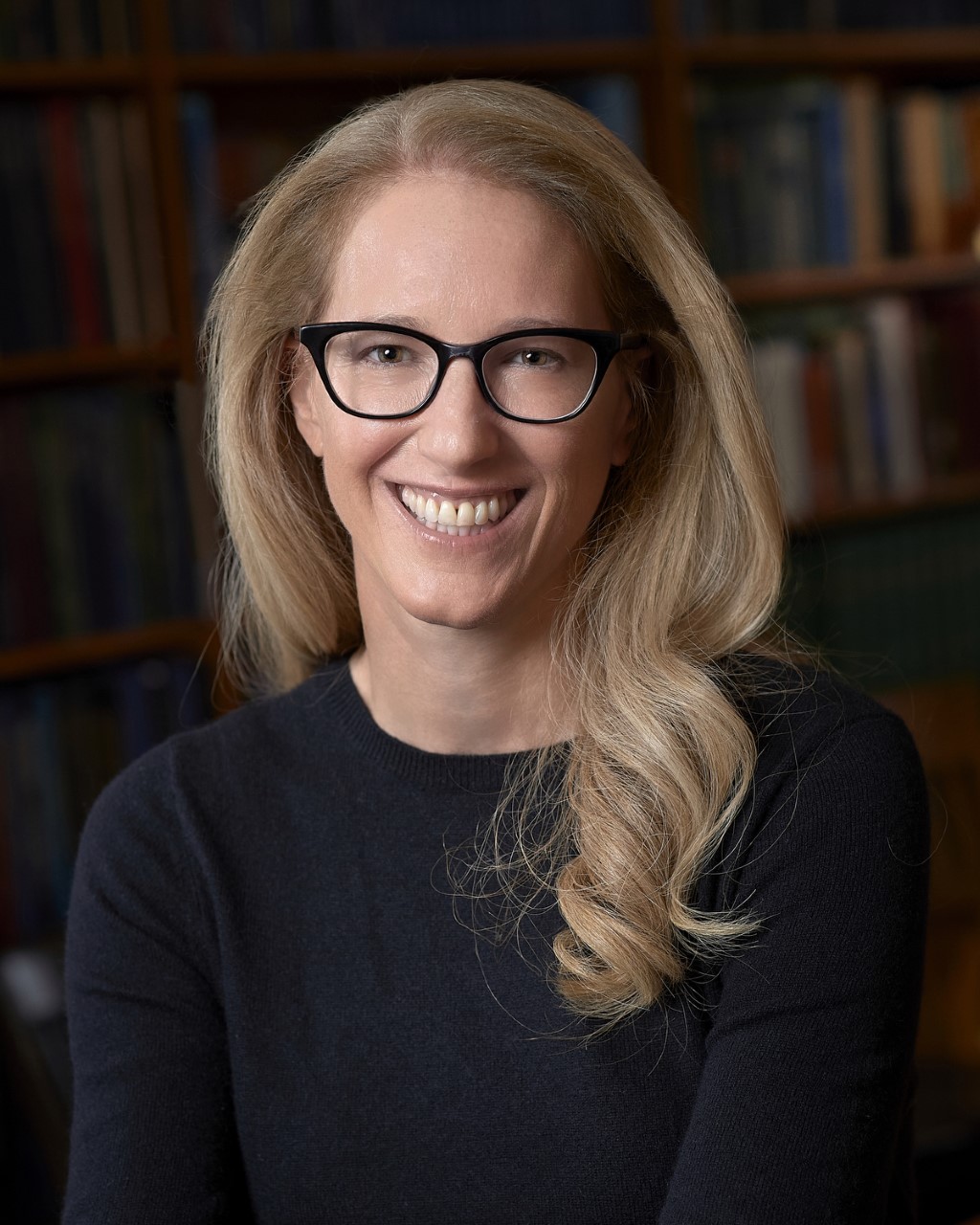
Elizabeth J. Davidson is a Professor of Information Technology Management at the Shidler College of Business, University of Hawaii at Manoa, where she also serves as the W. Ruel Johnson Distinguished Professor and Interim Associate Dean for Academic Affairs. Her research focuses on the social implications of information technologies in organizational settings, health information technology, health data governance, and digital innovation in healthcare. Education : PhD in Management (Massachusetts Institute of Technology), MBA and BS in Mathematics (Clark University) Davidson's work explores the intersection of digital governance, grand challenges in healthcare, and social media's role in organizational transformation. Her publications address critical issues such as patient-generated health data regulation, big data ethics, and the evolution of technology discourse in new media environments. Selected scientific awards include: Lifetime Achievement Award, Academy of Management OCIS Division (2017) Best Senior Editor, Journal of the Association of Information Systems (2018) Best Paper Award, Journal of the Association of Information Systems (2017)
Assoc. Prof. Dr. Yasemin CEYHAN is an accomplished academic in nursing, currently serving as an Associate Professor at Kırşehir Ahi Evran University's Faculty of Health Sciences, Department of Nursing. She has been a full-time faculty member since 2013, initially as a Research Assistant (2013-2020) and subsequently as a Doctoral Teaching Member (2020-present). She holds multiple administrative positions including Head of Department (2020-present), Faculty Council Member (2022-present), and Quality Committee Member (2024-present). Dr. CEYHAN completed her Bachelor's Degree in Nursing at Ahi Evran University (2007-2011), followed by a Master's Degree in Nursing at Erciyes University (2012-2015), and earned her Doctorate in Internal Medicine Nursing from Erciyes University (2015-2019). She has completed numerous specialized courses in statistical analysis, meta-analysis, and healthcare research methodology. Her research primarily focuses on Internal Medicine Nursing with particular expertise in Chronic Obstructive Pulmonary Disease (COPD) management, cultural competency in nursing practice, and patient self-management in chronic diseases. She has developed significant expertise in psychometric evaluation of nursing instruments and has contributed substantially to understanding the relationship between cultural sensitivity and nursing care effectiveness. Her work bridges nursing practice with psychological, cultural, and physiological aspects of patient care. Analysis of her publication record reveals a clear evolution from descriptive studies to sophisticated analytical research employing structural equation modeling and randomized controlled trials. Her recent work demonstrates increasing methodological rigor with a focus on mediation and moderation effects in complex patient care scenarios, particularly in COPD management where she examines intricate relationships between symptoms, psychological factors, and self-management behaviors. Poster Presentation 3rd Prize (2014) from Eskişehir Osmangazi University Dr. CEYHAN has successfully supervised multiple Master's theses and currently mentors additional graduate students. She has secured and led several significant research projects funded by TÜBA, TÜBİTAK, and university research funds, focusing on chronic disease management, cultural competency assessment tools, and COPD patient care. Her research portfolio demonstrates a strong commitment to evidence-based nursing practice and instrument development. As an active member of the Turkish Respiratory Research Association (since 2018) and the Turkish Nurses Association (since 2015), Dr. CEYHAN maintains a robust collaborative research network that spans multiple Turkish universities, particularly Erciyes University. Her work reflects a team-oriented research approach with numerous co-authored publications demonstrating interdisciplinary collaboration.
Eugene Y. Park is a historian specializing in East Asia, currently serving as Professor in the Department of History at the University of Nevada, Reno. He has previously held faculty positions at Harvard, UC Irvine, University of Pennsylvania, and Seoul National University. Education: Ph.D., East Asian Languages and Civilizations, Harvard University (1999) A.M., Regional Studies East Asia, Harvard University (1993) B.A., History, University of California, Los Angeles (1991) His research explores political power structures, social status dynamics, and family history narratives in early modern Korea (1392–1894), with comparative analysis of global historical patterns. Current projects examine animal symbolism in state formation and human-wild felid interactions. Key Contributions: Editor of The Routledge Handbook of Early Modern Korea (2025) Author of Korea: A History (2022) and A Genealogy of Dissent (2018) Co-chaired the Eighth Biennial World Congress of Korean Studies (2016) Teaching: HIST 209: World History II HIST 306: History of Korea HIST 448A/648A: Korea and Empires, 1864–1945
Raina Plowright serves as the Rudolf J. and Katharine L. Steffen Professor of Veterinary Medicine at Cornell University's College of Veterinary Medicine, where she leads the Department of Public & Ecosystem Health. She is also a Cornell Atkinson Scholar at the Cornell Atkinson Center for Sustainability. Previously, she was a Professor of Epidemiology at Montana State University (2022-present), Associate Professor (2020-2022), and Assistant Professor (2014-2020) in the same department. Plowright earned her B.V.Sc. Hons I (DVM equivalent) from the University of Sydney in 1997, followed by an M.S. in Epidemiology (2005) and Ph.D. in Ecology (2007) from the University of California, Davis. She completed postdoctoral training as a David H. Smith Fellow in Conservation Research at Pennsylvania State University's Center for Infectious Disease Dynamics (2009-2014). Her research program integrates evolutionary biology, ecology, environmental science, immunology, virology, and social sciences to understand and prevent zoonotic spillover—the critical first step in pandemic emergence. She leads transdisciplinary collaborations focused on WHO-priority pathogens originating in bats, with work spanning from sub-cellular to landscape scales. Her team investigates how land-use change, climate variation, and social vulnerability drive pathogen emergence, identifying practical strategies for prevention. Her Plowright Lab and Bat One Health Research Group conduct field studies, laboratory experiments, and predictive modeling to generate actionable insights for public health strategies. Analysis of her recent publications reveals a consistent focus on understanding the ecological and physiological mechanisms driving viral spillover from bats to other species. Her work increasingly emphasizes practical interventions and policy recommendations for pandemic prevention, moving beyond simply understanding spillover mechanisms to implementing ecological countermeasures. Recent research has particularly examined the role of bat nutrition and metabolism in viral shedding dynamics, the spatial and temporal patterns of viral excretion in reservoir hosts, and the development of comprehensive frameworks for primary pandemic prevention. Elected to the National Academy of Medicine (2023) Elected as Fellow of the American Association for the Advancement of Science (2022) Charles and Nora Wiley Award for Meritorious Research (2022) Rudolph J. and Katharine L. Steffen Professorship (2023) DARPA Young Faculty Award (2016) David H. Smith Fellowship in Conservation Research (2009) Plowright co-chairs the Lancet Commission on Prevention of Viral Spillover and serves on the NSF Advisory Committee for Environmental Research and Education. Her research has received significant funding from organizations including DARPA, NSF, and the Morris Animal Foundation. She leads the Plowright Lab and Bat One Health Research Group, which conduct interdisciplinary research spanning field studies, laboratory experiments, and modeling approaches to understand and prevent zoonotic disease emergence. Her laboratory maintains active collaborations with researchers across multiple institutions and countries, working closely with wildlife managers, public health officials, and communities to develop practical strategies for pandemic prevention. The lab's approach emphasizes the integration of ecological knowledge with public health practice through the One Health framework.
Peter Pal Zubcsek serves as Senior Lecturer of Marketing at Tel Aviv University's Coller School of Management, previously holding an Assistant Professor position at University of Florida. His academic work bridges marketing, network science, and consumer psychology through rigorous quantitative analysis. His educational background includes: Ph.D. in Management from INSEAD M.Sc. in Informatics from Budapest University of Technology and Economics Zubcsek's research investigates how social network structures shape consumer behavior, with special focus on mobile advertising effectiveness, customer relationship management, and innovation diffusion. His work employs advanced network analysis to model consumer interactions and predict market responses. His publication trajectory from 2011-2017 reveals evolving expertise: starting with foundational network diffusion models (2011), progressing through mobile advertising frameworks (2016), and culminating in connected consumer intelligence systems (2017). This progression demonstrates increasing sophistication in integrating real-world network data with consumer behavior prediction. Key recognitions include: Journal of Interactive Marketing Best Paper Award (2016) MSI Research Grants totaling over $70,000 for mobile consumer behavior projects International Mathematical Olympiad silver medal (1998) He has secured significant research funding including MSI's $40,000 'Ideas Challenge' grant and leads the 'mLab' mobile research initiative, though specific student mentorship details remain undisclosed. His editorial role at Journal of Interactive Marketing underscores disciplinary leadership. The 'mLab' research initiative represents his current focus on mobile consumer behavior, leveraging collaborative frameworks to study real-time advertising response and device ecosystem interactions.
Lars Boje Mortensen is a Professor at the Department of Culture and Language, University of Southern Denmark. His work spans Latin literature, Nordic medieval studies, and the history of textual heritage, with a particular focus on classical reception in medieval Europe and the transformation of cultural knowledge through manuscript studies. Key Research Areas: Latin literature; Nordic medieval literature; Cultural heritage; Manuscript transmission; Historical periodization; Digital humanities applications Awards: Recipient of Dronning Margrethes Romerske Pris (2016), Fyns Stifttidendes Forskerpris (2014), Jarl Gallén Prize (2013), and Københavns Universitets guldmedalje (1985) His recent publications emphasize book historical perspectives, comparative analysis of medieval literatures, and the materiality of textual traditions. He co-edited A Companion to Saxo Grammaticus (2024), exploring Denmark's national epic through cross-cultural lenses. Active in public humanities, Mortensen contributes to the Mægtige Middelalder podcast, challenging traditional period labels like 'Middle Ages' in episodes such as Hvornår er middelalderen? (2025). His projects include CODICUM (2025-2031), examining medieval book networks, and AntCom (2023-2026), bridging classical heritage with modern citizen humanities.
John T. McGreevy, an acclaimed historian and Notre Dame alumnus, serves as the Charles and Jill Fischer Provost at the University of Notre Dame. As the chief academic officer, he leads strategic initiatives to advance the university's mission while sustaining its Catholic identity. Prior to his provost role, he held the Francis A. McAnaney Professorship of History and served as Dean of the College of Arts and Letters from 2008 to 2018. Education B.A. in History (magna cum laude, Phi Beta Kappa), University of Notre Dame (1986) M.A. and Ph.D. in History, Stanford University McGreevy specializes in American and global religious history, particularly Catholicism's intersection with politics and social change. His research spans topics like Vatican II, Catholic responses to totalitarianism, gender and sexuality controversies, and the globalization of Catholicism. He has contributed to major publications including the Journal of American History and New York Review of Books , and co-authored the award-winning PBS documentary God in America . His recent publications focus on Catholicism's global evolution, with a 2022 book translated into three languages. Articles emphasize Catholicism's adaptation to modernity across political, social, and theological domains. Scientific Awards George E. Ganss, S.J., Award (2015) Kaneb Teaching Award Organization of American Historians Distinguished Lecturer (2004) McGreevy held leadership roles in Notre Dame's academic governance and core curriculum review. He received major fellowships from the Mellon Foundation, American Council of Learned Societies, Louisville Institute, and Erasmus Institute. As a historian, his work examines Catholicism's role in shaping global modernity while maintaining its core identity.
Maricela De la Torre Castro is a Professor of Natural Resource Management at Stockholm University , affiliated with the Department of Physical Geography . Her research focuses on coastal and ocean governance through a social-ecological systems lens, emphasizing gender dynamics , seagrass conservation , and climate change adaptation in tropical coastal communities. BSc in Oceanology (Universidad Autonoma de Baja California) MSc, PhD, and Docent in Natural Resource Management (Stockholm University) Her work examines seagrass ecosystem services , small-scale fisheries governance , and gendered impacts of marine protected areas . Recent studies analyze: 2025: Habitat loss risks from seaweed cultivation 2024: Gender-poverty dynamics in Zanzibar MPAs 2022: Adaptive capacity differences between genders 2021: Blue Justice frameworks for fisheries governance Active projects include SEAgender (Swedish Research Council) analyzing gendered effects of MPAs . She supervises PhD candidates in tropical marine systems and has extensive experience with EU Erasmus programs and UNDP collaborations . Research emphasizes hybrid methods , cultural value mapping , and interdisciplinary monitoring of coastal initiatives.
David Blakesley is Professor of Rhetorics, Communication, and Information Design and Campbell Chair in Technical Communication at Clemson University's College of Arts and Humanities, Department of Interdisciplinary Studies. He currently serves as President of the Faculty Senate for 2023-2024. His academic career spans over three decades with significant contributions to rhetorical theory, digital publishing, and technical communication. Blakesley earned his PhD in Rhetoric, Linguistics, and Literature from the University of Southern California (1990), an MA in English from San Diego State University (1986), and a BA in English from the same institution (1983). His research spans multiple interconnected fields including rhetorical theory, history of rhetoric, digital and visual rhetorics, print and digital publishing, film theory and production, technical communication, and digital humanities. He has focused particularly on Kenneth Burke's rhetorical theory and its applications across various media. His scholarly work demonstrates a consistent trajectory from traditional rhetorical theory toward digital applications and publishing innovations. Over the past decade, his research has increasingly focused on the intersection of digital technologies with rhetorical practices, particularly examining how digital platforms transform scholarly communication and publishing. His 2022 TUGboat article on production versus distribution in publishing exemplifies his ongoing interest in how technological shifts impact academic and professional communication. Fellow, Rhetoric Society of America George Yoos Distinguished Service Award (RSA) Charles Moran Award for Distinguished Contributions to the Field of Computers and Composition Blakesley has secured significant funding including the $11 million Clemson-Adobe Partnership for Campus-Wide Creative Cloud implementation. He serves as Editor of KB Journal, Co-Editor of WAC Journal, and General Editor of The Writing Instructor. His editorial work has been instrumental in shaping scholarly communication in rhetoric and composition studies, particularly through his leadership in digital publishing initiatives.
Anthony TUNG Kum Hoe is a Professor in the Department of Computer Science at the National University of Singapore (NUS), where he has established himself as a leading researcher in database systems and data mining. He is also affiliated with the NUS Graduate School for Integrative Sciences and Engineering and serves as a SINGA supervisor. His educational background includes a Ph.D. in Computer Science from Simon Fraser University (2001), an M.Sc. in Information Systems & Computer Science from NUS (1998), and a B.Sc. with 2nd Class Upper Honours in Information Systems & Computer Science from NUS (1997). Professor Tung's research spans several interconnected areas within database systems and data mining. His primary focus is on developing efficient methods for indexing and searching complex data structures including time series, trajectories, trees, graphs, and high-dimensional objects. He has pioneered work in visual query processing, keyword search, and ranking systems. His GENIE (Generic Inverted Index) and LAMP (semi-Lazy Mining Paradigm) projects represent significant contributions to big data analytics, particularly in handling the 'variety' aspect of big data by providing unified frameworks for processing diverse data structures while preserving semantic meaning. His research bridges theoretical database concepts with practical applications in visual data mining, collaborative analytics, and just-in-time model construction. His recent publications reveal a clear evolution from traditional database research toward more complex analytics on diverse data types. While maintaining his core expertise in database indexing and query processing, his work has expanded to incorporate machine learning techniques, particularly in areas like nearest neighbor search, anomaly detection, and predictive analytics. There's a noticeable trend toward interdisciplinary applications, with publications spanning computer vision, natural language processing, transportation systems, and social computing. His research group consistently publishes in top-tier venues including SIGMOD, VLDB, ICDE, and KDD, demonstrating both theoretical rigor and practical relevance. 2005 Best Paper Award for 'Indexing DNA Sequences Using q-grams' 2007 Invited panel speaker on 'Advice for a successful database researcher career in Asia' at SIGMOD 2010 Guest Lecturer for VLDB Database School 2012 VLDB 2012 Research PC Co-chairs 2015 10 Years Best Paper Award, DASFAA 2015 Invited to SIGMOD 2008 and SIGKDD 2008 Program Committees Professor Tung has supervised numerous PhD students and research associates throughout his career, including notable researchers like Zhang Zhenjie (recipient of the 2007 President Graduate Fellowship) and Wang Nan (published in SIGMOD'08). His research group has been consistently productive, with students publishing in top conferences including SIGMOD, ICDE, and VLDB. His professional service is extensive, having served as PC Chair for COMAD'06, Research PC Co-chair for VLDB 2012, and on program committees for virtually all major database and data mining conferences over the past two decades. His research has been supported by various grants that have enabled significant contributions to database technology. His GENIE and LAMP projects represent a cohesive research direction focused on developing systematic approaches to big data analytics. GENIE provides a unified platform for storage and retrieval of big data with various structures, while LAMP introduces a novel paradigm for predictive analytics that combines the strengths of lazy and eager learning approaches. These projects have evolved to incorporate GPU acceleration and parallel processing capabilities, reflecting his commitment to addressing real-world scalability challenges in data-intensive applications.
Brian Solan is a Lecturer in Foundation Engineering at the Belfast School of Architecture & the Built Environment, Ulster University. His expertise spans foundation engineering, structural engineering, and environmental resilience, with particular focus on infrastructure stability under extreme conditions. Dr. Solan received his education at: Regional Technical College Dundalk (now Institute of Technology) - Civil Engineering studies beginning in 1986 Queen's University Belfast - BEng Honours (1st Class) in June 1991 Queen's University Belfast - PhD in Structural Engineering in 1996 Dr. Solan's research interests center on foundation engineering and infrastructure resilience. His work examines working platform design, traffic loading of infrastructure structures, implementation of Eurocode 7 standards, and the impact of extreme weather flooding on historic arch structures. He has expanded his research into environmental engineering, particularly wastewater treatment and sustainable methods for removing contaminants from water systems. His interdisciplinary approach bridges traditional civil engineering with contemporary environmental challenges, addressing critical infrastructure needs in the face of climate change. Dr. Solan's recent publications demonstrate a shift toward environmentally focused research while maintaining his foundation in structural engineering. His work increasingly addresses the intersection of infrastructure engineering and environmental sustainability, with particular attention to wastewater treatment technologies, emerging contaminants, and climate change adaptation for built heritage. This evolution reflects broader trends in engineering research toward more sustainable and resilient infrastructure solutions. Dr. Solan has received recognition for his work, including: Adrian Long Award (December 3, 2020) Royal Society Travel Scholarship for collaborative work with Professor Robert Ettema at the University of Colorado Dr. Solan has been actively involved in research funding and collaboration. He served as Principal Investigator for the 'Short-span bridge scour under submerged flood flow conditions' project (2015-2017) and was a Co-Investigator on the 'Infrastructure Compromise Avoidance' project (2018-2020). His research has attracted funding supporting both structural engineering and environmental sustainability initiatives. He contributes to the academic community through peer review activities, including for the Proceedings of the Institution of Civil Engineers - Ground Improvement journal. Dr. Solan maintains professional affiliations with the Institution of Engineers of Ireland and is a graduate member of the Institution of Structural Engineers. His work contributes to UN Sustainable Development Goals related to clean water and sanitation, sustainable cities and communities, and climate action. His research bridges traditional engineering disciplines with contemporary environmental challenges, positioning him at the intersection of infrastructure resilience and sustainable development.
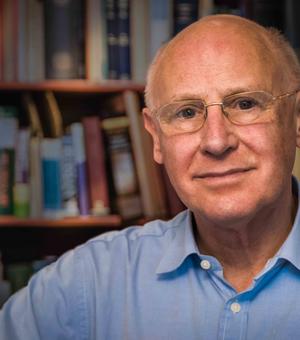
Simon Brewster serves as Senior Research Fellow and Consultant Urological Surgeon at the University of Oxford's Hertford College, where he has been Clinical Tutor since 2002 after serving as Lecturer (2002-2011). His clinical work focuses on prostate cancer at Oxford University Hospitals NHS Trust, delivering exam-focused bedside teaching for Years 4-6 medical students. Education: BSc in Anatomy (1st class), Charing Cross Hospital Medical School, 1983 MBBS (Hons. Pathology), Charing Cross Hospital Medical School, 1986 FRCS exams and MD research, Bristol (1988-1998) Brewster's research program demonstrates sequential evolution from basic science (1998-2007) investigating IGF1R targeting and Wnt signaling in prostate cancer to clinical translation (2011-2022) evaluating multiparametric MRI integration in diagnostic pathways and active surveillance protocols. His work bridges laboratory discoveries with patient-centered outcomes, particularly examining how imaging advancements impact treatment decisions and quality of life. The multidisciplinary nature of his clinical research involves close collaboration between urologists, oncologists, radiologists, and pathologists to optimize prostate cancer management. Analysis of his 15 most recent publications reveals three dominant themes: (1) MRI-driven diagnostic refinement including pre-biopsy MRI implementation and active surveillance reclassification, (2) comparative treatment efficacy studies evaluating focal therapy versus radical prostatectomy, and (3) national guideline development through NICE recommendations. His work consistently addresses real-world clinical challenges in prostate cancer management, with strong emphasis on patient satisfaction metrics and practical implementation within the UK healthcare system. Scientific Awards: BJUI Article of the Week (November 18, 2018) for MRI impact on active surveillance As an educator, Brewster has co-supervised four higher research degrees and served as Clinical Supervisor for junior surgical trainees since 1998, including Intercollegiate ISCP Educational Supervisor role since 2009. His grant portfolio includes the UK PART trial (focal therapy vs radical prostatectomy, PI Prof Richard Bryant) and Oxfordshire MRI implementation study (2015-2019). He chairs the Hertford College/Vaughan Williams Prize for Excellence in Clinical Medicine. He leads a multidisciplinary research consortium including Dr. Val Macaulay (basic science) and Prof. W. Bodmer (Wnt pathway research), while coordinating clinical activities through Oxford University Hospitals NHS Trust. His work directly informs national prostate cancer pathways through British Association of Urological Surgeons committees and NICE guideline development.
Stathis Kalyvas is the Gladstone Professor of Government at the University of Oxford, specializing in conflict studies, civil wars, and political violence. He holds a BA, MA, and PhD, and is a Fellow of the British Academy. Current Affiliation: University of Oxford, Politics and International Relations Past Roles: Arnold Wolfers Professor at Yale University (2003–2017), University Academic Fellow (2018–present) Visiting Appointments: Universidade de São Paulo (2014), Lingnan University (2014), Columbia University (2009), Northwestern University (2009), European University Institute (1997–1998) His research focuses on the dynamics of civil wars, insurgencies, and the formation of political cleavages and collective identities. He has directed the Program on Order, Conflict and Violence at Yale and co-directed the Hellenic Studies Program there. Recent publications include analyses of the Greek Civil War, Islamist conflict, and the 'Marxist Paradox,' emphasizing micro-level violence patterns and ideological influences. His work bridges historical case studies with broader theoretical frameworks. Scientific Recognition: Fellow of the British Academy (FBA) Kalyvas has advised numerous PhD students and collaborated on interdisciplinary projects examining state failure, insurgency, and post-conflict governance.
Michael C. A. Macdonald is a Research Associate at the Khalili Research Centre , Faculty of Asian and Middle Eastern Studies , University of Oxford . He is also an Honorary Fellow at Wolfson College, Oxford , and a Fellow of the British Academy . His work centers on the languages, scripts, and inscriptions of ancient Syria, Jordan, and Arabia, with a particular focus on pre-Islamic epigraphy and nomadic cultures. Research Interests: Macdonald's research spans a wide range of disciplines including epigraphy, linguistics, archaeology, and social history. His primary areas of expertise include: Ancient North Arabian scripts (e.g., Safaitic, Nabataean, Dadanitic, Hismaic) Literacy and the use of writing in pre-Islamic Arabia Rock art and iconography of ancient Arabia History of nomadic tribes in the Syro-Arabian desert Domestication and use of camels and equids in antiquity He has led or co-directed several major epigraphic and archaeological projects, including the Online Corpus of the Inscriptions of Ancient North Arabia (OCIANA) and the Badia Epigraphic Survey in Jordan. These initiatives involve extensive fieldwork, digital archiving, and collaborative international research. Scientific Recognition: Among his accolades, Macdonald has been elected Fellow of the British Academy , one of the highest honors in the humanities and social sciences in the UK. Advising and Collaboration: While no specific PhD students are named, Macdonald collaborates closely with scholars such as Professor Ahmad Al-Jallad and has co-directed projects with researchers from Saudi Arabia, Germany, and Jordan. His work has been supported by major grants, including from the UK’s Arts and Humanities Research Council (AHRC) . Labs and Teams: Macdonald is the founder and co-academic director of OCIANA , now based at Ohio State University. He also leads the UK section of the Saudi-British-German Epigraphy and Landscape in the Hinterland of Taymāʾ project.
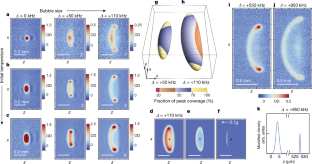
Smitha Vishveshwara is a Professor in the Department of Physics at the University of Illinois at Urbana-Champaign. She holds affiliations with the university’s Materials Research Laboratory and Beckman Institute. Her interdisciplinary work bridges quantum condensed matter theory, biophysics, and artistic expression. PhD in Theoretical Physics (University of California, Santa Barbara, 2002) Postdoctoral Researcher (2002–2005) in the Department of Physics at UIUC Her research focuses on quantum systems, including: Strongly correlated systems in low dimensions (Luttinger liquids, induced superconductivity in nanotubes) Topological order and Majorana fermions in superconductors Quench dynamics in spin chains and optical lattices Microgravity Bose-Einstein condensates and quantum bubbles Biophysics applications (protein networks via percolation theory) Gravitational parallels in quantum Hall systems Recent publications reveal trends in quantum Hall interferometry, Majorana detection schemes, and microgravity condensate dynamics. Awards include the NSF CAREER Award, Simons Fellowship, and APS Fellowship. She teaches courses like “Where the Arts Meets Physics” and has co-created art-science projects such as Quantum Voyages and Quantum Rhapsodies .