Wei ChenView profile
Professor
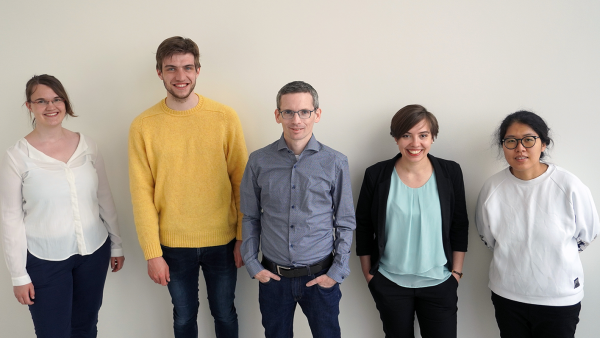
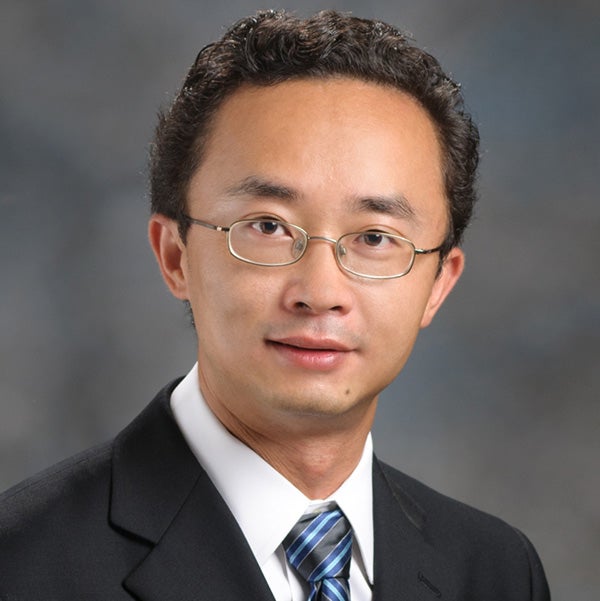
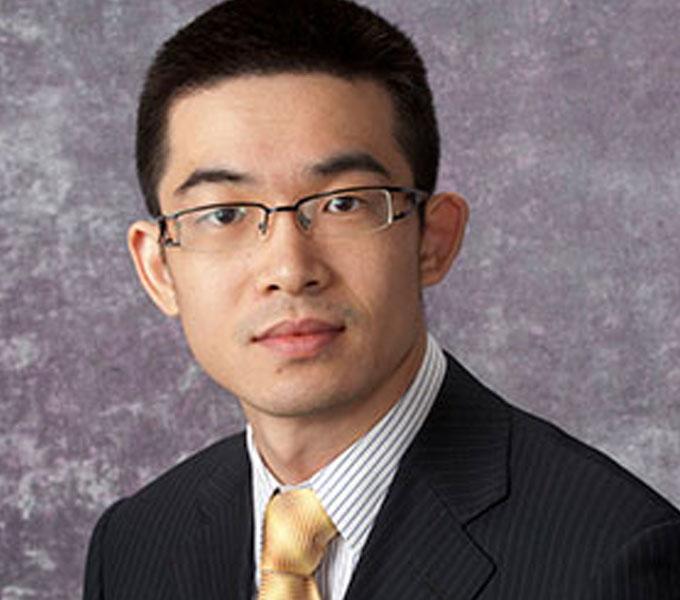
Wei Chen serves as Professor of Pediatrics (primary appointment) with secondary appointments in Biostatistics and Human Genetics at the University of Pittsburgh, where he leads the Chen Lab focused on statistical genomics and computational biology. His research develops innovative methods for analyzing high-throughput genomic data to study complex diseases including childhood asthma, age-related macular degeneration, and COPD. Dr. Chen earned his PhD in Biostatistics from the University of Michigan, MS in Mathematics from Michigan State University, and BS in Mathematics from Nanjing University. His expertise bridges mathematical theory with biomedical applications through rigorous statistical modeling. His research program centers on creating computational frameworks for single-cell and spatial multi-omics data integration, with particular emphasis on developing novel algorithms for doublet detection, spatial transcriptomics super-resolution, and longitudinal disease progression modeling. Current projects leverage bulk and single-cell multi-omics (DNA-seq, RNA-seq, methylation, ATAC-seq, Spatial Transcriptomics) to uncover disease mechanisms in pediatric asthma and macular degeneration. Recent publications demonstrate consistent leadership in statistical genomics, with 2024-2025 work advancing spatial transcriptomics transformer models and pediatric asthma endotype characterization published in Nature Communications and JAMA. His research shows increasing focus on multi-modal data integration and clinical translation of genomic findings. Pediatric Discovery Award from Department of Pediatrics (2025) Secretary of Chinese-American Lung Association (2024) Chapter Representative, Pittsburgh Chapter American Association Society (2024) Dr. Chen actively mentors 6 current PhD students and has guided over 20 trainees to successful careers in academia and industry. His lab secures substantial external funding including NIH R01 grants from NEI, NHGRI, NHLBI, NIAMS, and NIDDK, plus support from NSF, Scleroderma Research Foundation, Helmsley Charitable Trust, and UPMC. Recent grants include an NIAMS R01 for scleroderma subgroup identification and DoD funding for pediatric scleroderma multi-omics studies. The Chen Lab operates within the Rangos Research Building at Children's Hospital of Pittsburgh, maintaining a collaborative environment with biostatisticians, geneticists, and clinicians. Current projects integrate spatial transcriptomics with histology imaging and develop AI-driven models for disease progression prediction, supported by active partnerships with NIH institutes and disease-specific foundations.