Xiao Dong is an Assistant Professor at the University of Minnesota in the Genetics, Cell Biology and Development (TMED) department. Their research focuses on aging biology, somatic mutations, and cancer mechanisms, with significant contributions to understanding cellular senescence and its therapeutic implications. Research Interests: Aging and longevity mechanisms Genetic variants in age-related diseases Senolytic drug discovery Computational biology applications Recent Publications highlight advancements in: Machine learning for transcriptome analysis Somatic mutation profiling via single-cell sequencing Senomorphic microRNA identification TREM2 macrophage roles in metabolic liver disease Current collaborative projects include: Genetic variant-based drug discovery (NIH-funded) Cardiovascular regeneration with pioneer factors Exogenic organ development in gene-edited pigs
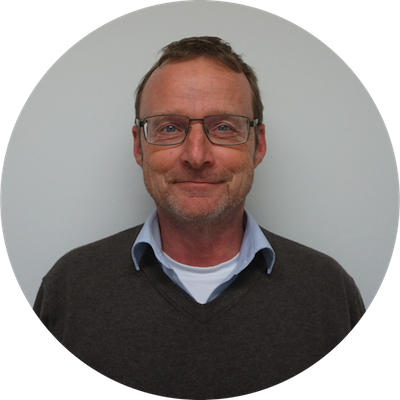
Arndt von Haeseler is a Full Professor for Bioinformatics at the Center for Molecular Biology and Department for Computer Sciences at the University of Vienna, as well as at the Department for Medical Biochemistry at the Medical University of Vienna. He serves as the Scientific Director of the Center for Integrative Bioinformatics Vienna (CIBIV) and was previously Dean of the Center of Molecular Biology at the University of Vienna and Head of the Center for Medical Biochemistry at the Medical University of Vienna from 2017-2020. His research focuses on phylogenetic inference, phylogenomics, neural networks, sequence evolution, and complex patterns of evolution. With expertise spanning mathematics, biology, and computer science, he has made significant contributions to computational biology through the development of algorithms and software tools for phylogenetic analysis. His work bridges theoretical approaches with biological applications, particularly in evolutionary biology and genomics. Dr. von Haeseler's recent publications demonstrate a strong trend toward integrating machine learning approaches with traditional phylogenetic methods, while expanding into single-cell RNA sequencing analysis and organoid modeling. His research spans computational methodology development, evolutionary analysis, and biomedical applications, with a consistent focus on improving analytical frameworks for biological sequence data. Visiting Professor at Division of theoretical Genetics, National Institute of Genetics, Mishima, Japan (since 2012) WWTF Science Chair Award, Vienna, Austria (2005) Honorary Professor for Theoretical Biology, University of Leipzig, Germany (since 1999) PhD scholarship, Studienstiftung des Deutschen Volkes, Germany (1985-1988) He mentors numerous PhD students and researchers, including Heiko A. Schmidt, Alina Leuchtenberger, and Cassius Manuel. His laboratory develops computational methods that have found widespread application in evolutionary biology and genomics research. The Center for Integrative Bioinformatics Vienna (CIBIV), which he directs, serves as a hub for interdisciplinary research bridging computational approaches with biological questions.
Sophia Tsoka is a Reader in Bioinformatics at King's College London specializing in computational genome analysis, network reconstruction, and machine learning applications in cancer immunology and microbiome research. She leads the 'Algorithms for Antibodies' project funded by the Royal Society and serves as Co-Investigator on multiple research projects including 'Understanding the significance of patient B cells and expressed antibodies in melanoma' supported by the British Skin Foundation. Dr. Tsoka's research focuses on computational genome analysis, genome data mining, network analysis and reconstruction, metabolic networks, protein interaction networks, and the evolution of genome properties and dynamics. Her work bridges bioinformatics, machine learning, and immunology, with particular emphasis on applying computational approaches to understand antibody mechanisms, tumor microenvironments, and microbiome dynamics. She has developed innovative algorithms for network analysis, classification, and multi-omics data integration that have advanced our understanding of complex biological systems. Her recent publications demonstrate a strong trajectory in applying computational methods to cancer immunology, with multiple high-impact papers in 2025 spanning IgE antibody therapeutics, tumor microenvironment analysis, and machine learning approaches for biomedical data. These works reveal a consistent focus on developing interpretable computational models that can translate complex biological data into clinically relevant insights. Best paper award (2022) Best Paper Award (2020) Dr. Tsoka supervises numerous research projects and has secured significant grant funding from prestigious organizations including the Royal Society and British Skin Foundation. Her collaborative work spans multiple disciplines, connecting computational scientists with immunologists and clinicians to advance cancer therapeutics. She has established herself as a key contributor to the field of computational immunology with over 4,800 citations to her work. Her laboratory focuses on developing and applying advanced computational methods for analyzing complex biological networks, with particular emphasis on cancer immunology applications. The team combines expertise in algorithm development, machine learning, and biological data analysis to address challenging problems in antibody engineering and tumor microenvironment characterization.
Dr. Harish Vasudevan is a physician scientist at the University of California San Francisco (UCSF), holding joint appointments in the Departments of Radiation Oncology and Neurological Surgery. His research focuses on neurofibromatosis and nervous system tumors, particularly investigating oncogenic growth factor signaling through receptor tyrosine kinases and the Ras pathway to identify novel therapeutic strategies. Education: PhD in Medicine/Neuroscience from Mount Sinai School of Medicine (2017), MD, and BS in Biology from Caltech (2009) Research highlights include molecular profiling of melanoma brain metastases, epigenetic reprogramming in schwannomas, and spatial genomic analysis of meningiomas. Current projects supported by the Department of Defense and Children's Tumor Foundation aim to clarify Ras GAP specificity and develop NF1 reconstitution therapies. Selected Awards: SNO Adult Basic Research Abstract Award (2017), Roentgen Resident/Fellow Research Award (2022-2025), Francis Collins Scholar Award (2022) Dr. Vasudevan's collaborative work spans brain metastasis atlases, radiation-immunotherapy synergy, and neurogenetic imaging-genomics correlations. His publications demonstrate expertise in genomic analysis, spatial transcriptomics, and clinical outcomes research.
Rike Stelkens is an Associate Professor in the Department of Zoology at Stockholm University, where she leads the Stelkens Lab. Her research focuses on evolutionary biology, particularly using yeast as a model system to study how populations adapt to environmental stress and change. Dr. Stelkens' research interests center on evolutionary adaptation, with particular emphasis on: Genetic and phenotypic responses to environmental stress Adaptation in deteriorating or poor quality environments Hybridization and its role in evolutionary processes Population genetics of adaptation Thermal performance curve evolution Genetic architecture of adaptive traits Her research group uses baker's yeast (Saccharomyces cerevisiae) and its wild relatives as model systems, employing experimental evolution, whole genome sequencing, transcriptomics, and phenotyping. They work with populations ranging from clonal (genetically identical) to extremely diverse hybrid swarms, propagating them for hundreds of generations to observe evolution in action. Their work combines time-series analysis of fitness and genomic data from frozen 'fossil records' to parse the contributions of mutation, genetic drift, recombination, and selection to adaptation dynamics. Analysis of Dr. Stelkens' recent publications (2022-2025) reveals a strong thematic focus on thermal adaptation, hybrid evolution, and genomic approaches to understanding evolutionary processes. Her work spans both fundamental evolutionary questions and applied research with implications for climate change adaptation and industrial applications like brewing. Dr. Stelkens has received funding from multiple prestigious sources: Vetenskapsrådet (Swedish Research Council) Knut and Alice Wallenberg Foundation Carl Tryggers Stiftelse Science for Life Laboratories Erik Philip-Sörensens Stiftelse Wenner Gren Foundations Stockholm University Royal Physiographic Society of Lund She actively mentors Master's students and has advertised for postdoctoral researchers to join her lab. Her research group, the Stelkens Lab, is an international team of evolutionary biologists investigating how populations evolve to adapt to environmental stress, with a particular focus on yeast as a model system that provides powerful genetic tools and high-quality reference genomes.
Alexander Papadopulos is a Senior Lecturer and Reader in Molecular Ecology and Genomics at Bangor University's School of Environmental & Natural Sciences. His research focuses on evolutionary biology, specifically studying the genetics of adaptation and speciation in island plants and animals. He leads the Molecular Ecology and Evolution research group (MEFGL) and contributes to modules such as BSX-3139 (Molecular Ecology and Evolution) and BSX-3150 (Life in a Changing Climate). He is affiliated with the Labadopulos lab and actively collaborates on projects like the PANDORA initiative. His work integrates genetics, genomics, and ecological experiments to understand adaptation to environmental pressures, with a particular interest in speciation processes in island systems. He has contributed to over 40 research outputs since 2009, including studies on palm domestication, genomic responses to metal contamination, and biogeographic reconstructions in regions like Wallacea and Madagascar. Dr. Papadopulos serves on editorial boards for journals such as Plant Ecology & Diversity and the Botanical Journal of the Linnean Society , and participates in NERC peer review activities. His research aligns with UN Sustainable Development Goals related to biodiversity conservation and climate action. He supervises PhD students exploring topics like rapid adaptation in the Anthropocene and biodiversity forecasting in Wallacea. His recent projects include nanopore sequencing applications in fisheries management and chromosome-level genome studies in Mongolian gerbils.
Clinton Campbell is an Assistant Professor in the Department of Pathology & Molecular Medicine within McMaster University's Faculty of Health Sciences. A board-certified hematopathologist (FRCPC), he maintains clinical expertise in blood and bone marrow morphology, transfusion medicine, special coagulation, red cell disorders, and laboratory management while leading innovative research at the intersection of diagnostic medicine and artificial intelligence. Education: B.Sc from McMaster University M.D from McMaster University Ph.D from McMaster University / Dalhousie University Residency in Hematological Pathology (2012-2016) Dr. Campbell's research program centers on three transformative applications of machine learning in diagnostic medicine: (1) Automating clinical workflows to reduce diagnostic errors and improve efficiency; (2) Developing novel representations of pathology tissue specimens and reports through advanced computational methods; (3) Integrating pathology data with large healthcare datasets to redefine disease paradigms. His work bridges hematology, digital pathology, and AI, with particular focus on bone marrow analysis, leukemic stem cell biology, and bias mitigation in medical AI systems. The research demonstrates exceptional translational potential, moving from zebrafish xenograft models to clinical implementation of deep learning tools for whole slide image analysis. Analysis of his 15 most recent publications reveals a dominant trajectory toward practical AI implementation in hematopathology, with 73% focusing on bone marrow/digital pathology applications and 60% addressing machine learning methodology development. Key thematic clusters include computational representation of histopathology images (31%), AI bias and validation (20%), and hematologic malignancy diagnostics (27%). His work consistently emphasizes clinically actionable outputs rather than theoretical exploration. Dr. Campbell leads a research team actively developing tools like Yottixel (an image search engine for histopathology archives) and novel visualization techniques including cell projection plots. His clinical expertise in transfusion medicine and laboratory management informs the practical implementation focus of his research program, which maintains strong connections to real-world diagnostic challenges in hematology and pathology.
Lu Tian is a Professor of Biomedical Data Science in the School of Medicine at Stanford University, with a courtesy appointment as Professor of Statistics. He has been at Stanford since 2008, progressing from Assistant Professor to his current full Professor position in the Department of Biomedical Data Science. Sc.D. in Biostatistics, Harvard University (1998-2002) M.S. in Mathematics, Nankai University, Tianjin, P.R. China (1995-1998) B.S. in Mathematics, Nankai University, Tianjin, P.R. China (1991-1995) Professor Tian's research spans several critical areas in biostatistics and data science. His work focuses on developing innovative statistical methodologies with direct clinical applications. He has made significant contributions to survival analysis, particularly in restricted mean survival time methods, which offer clinically interpretable alternatives to traditional hazard ratios in clinical trials. His research in meta-analysis addresses limitations of existing methods, especially for studies with sparse data or few studies. In personalized medicine, he develops statistical frameworks for identifying patient subgroups that benefit most from specific treatments. His recent publications demonstrate a clear trend toward developing statistically rigorous methods with direct clinical interpretability. Rather than focusing solely on theoretical advances, his work emphasizes practical applications in oncology and cardiology clinical trials, where he develops methods that provide clear, actionable insights for clinicians. His research bridges the gap between complex statistical theory and real-world clinical decision-making, with particular emphasis on survival analysis techniques that clinicians can readily interpret and apply. Wangkechang Scholarship, Nankai University (1991-1998) Howard Hughes Fellowship (1999-2002) Robert B. Reed Award for Excellence in Biostatistics, Harvard (2000) Distinction in Teaching Award, Harvard School of Public Health (2000-2002) Professor Tian has served as Associate Editor for several prominent journals including Biometrics, Statistics in Medicine, and Biostatistics and Epidemiology, and as Book Editor for Advanced Medical Statistics. He was a Board Director of the International Chinese Statistical Association (2015-2018). His methodological contributions have been widely adopted in clinical research, particularly his work on restricted mean survival time which has changed how treatment effects are reported in oncology trials. His development of exact inference methods for meta-analysis has provided more reliable approaches for combining evidence from small studies.
Arina Buzdalova is a Lecturer in Computer Science at the Department of Computer Science, Aberystwyth University. Her research focuses on evolutionary algorithms, reinforcement learning, and optimization techniques, particularly in the context of dynamic selection of auxiliary objectives and runtime analysis. She has authored over 27 research outputs since 2011, with notable contributions to theoretical and applied aspects of evolutionary computation. Her work explores hybridization of clonal selection algorithms with local search, analysis of mutation rate control in evolutionary algorithms, and the use of reinforcement learning to enhance algorithmic efficiency. Key research themes include adaptive systems, stochastic optimization, and theoretical bounds on algorithm performance. Collaborations span international conferences in computational intelligence and evolutionary computation. Publications span topics such as re-optimization under frequent changes, fixed-target runtime analysis, and trade-offs in heuristic search. Her research bridges theoretical foundations with practical applications in optimization and artificial intelligence.
Jorge Duitama is an Assistant Professor at the Universidad de los Andes in Bogotá, Colombia, where he has been employed since 2018. He previously held a Visiting Professor position at the same institution from 2016 to 2018. His academic and professional journey includes roles as a Researcher in Bioinformatics at the International Center for Tropical Agriculture (CIAT) (2012–2016) and a Postdoc in Bioinformatics at Katholieke Universiteit Leuven (2011–2012). He completed a Ph.D. in Computer Science at the University of Connecticut (2007–2010), a Magister in Systems Engineering (2003–2004), and a Bachelor of Systems and Computing Engineering (1998–2002) at Universidad de los Andes. Research Interests : Bioinformatics, genomics, and computational biology with applications in plant genetics, structural variant analysis, and tropical disease pathogens. His work integrates machine learning and algorithm development for genotyping-by-sequencing data. Recent Publications : His 15 most recent articles focus on structural variants in rice genomes, transposable elements in lima beans, genome assembly algorithms (NGSEP 4), lipidomic profiling in cocoa, and genomic resources for crop improvement. Peer Review : Active reviewer for journals including Advanced Science , Communications Biology , and Nature Communications .
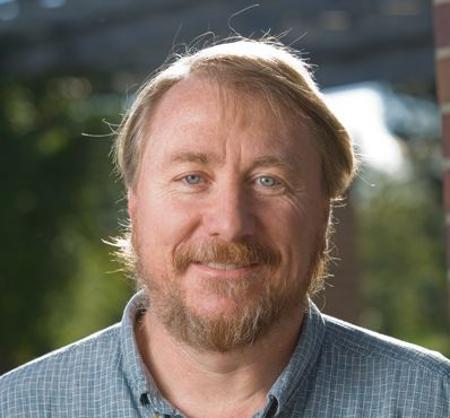
Richard Eimer Lenski is the Hannah Distinguished Professor at Michigan State University, holding joint appointments in Integrative Biology, Microbiology & Immunology, and the Ecology, Evolution & Behavior Program. Since 1988 he has directed the Long-Term Evolution Experiment (LTEE) with 12 populations of Escherichia coli that have surpassed 75 000 generations, creating an unprecedented living fossil record of adaptation. He also co-founded MSU’s BEACON Center for the Study of Evolution in Action, uniting biologists, computer scientists, engineers, and philosophers to explore real-time evolution. Research interests center on experimental and digital evolution. Lenski uses both living microbes and self-replicating computer programs ( Avida ) to dissect the genetic basis of adaptation, the repeatability of evolution, the origin of novel traits, and the architecture of fitness landscapes. His group combines whole-genome sequencing, competition assays, and computational modeling to quantify how mutations interact across ecological and evolutionary timescales. Recent publications reveal sustained fitness gains coupled with pervasive pleiotropy, the emergence of cross-feeding ecological interactions after a key citrate-using innovation, and the impact of historical contingency on antibiotic-resistance evolution. Parallel work with digital organisms demonstrates how complex traits arise through cumulative selection and how evolutionary algorithms can solve engineering problems. Honors & Awards MacArthur Fellowship Guggenheim Fellowship Member, National Academy of Sciences Fellow, American Academy of Arts and Sciences Fellow, American Philosophical Society Advising & Grants: Lenski has mentored ~30 graduate students and post-doctoral scientists who now occupy faculty positions worldwide. His research has been supported continuously by NSF, NIH, and DOE, including the flagship BEACON Science and Technology Center grant that integrates evolutionary biology with computational and engineering disciplines. Laboratory & Resources: The Lenski lab maintains the LTEE freezer archive—an irreplaceable collection of ancestral and intermediate genotypes that enables “time-travel” assays. Facilities include robotic liquid-handling systems for high-throughput fitness assays, Illumina sequencing capacity, and dedicated computational clusters for Avida evolution experiments.
Tatiana Tatarinova is an Associate Professor of Biology and Fletcher Jones Endowed Chair in Computational Biology at the University of La Verne, part of the College of Arts and Sciences. Her research focuses on computational biology, genome annotation, and epigenetic modifications, with applications in plants (oil palm, rice, arabidopsis), animals (pigs), and human health (cancer and cardiovascular diseases). She holds a PhD in Applied Mathematics from the University of Southern California, an MSc in Physics from the University of Utah, and a Bachelor's in Theoretical Physics from the Moscow Engineering Physics Institute. Her work emphasizes developing algorithms for genomic analysis, including promoter prediction and regulatory element identification. Key contributions include TransPrise—a machine learning tool for eukaryotic promoter prediction—and studies on histone modifications in oil palm. She collaborates globally on projects integrating genomics with plant breeding and human disease research. Research interests span computational genomics, population genetics, and epigenetic regulation. Her recent work explores genetic ancestry's role in disease susceptibility and prehistoric human migrations linked to language families. She also investigates sex-based differences in cardiac regulatory networks and climate adaptation genetics. Notable collaborations include studies on ancient DNA from Bronze Age Khazar burials and postglacial Eurasian foragers. Her lab's interdisciplinary approach combines statistical methods, bioinformatics, and experimental biology to address complex questions in agrigenomics and human health.
Sara Rodrigues Passos Rocha is a Researcher at the University of Vigo, Spain, affiliated with the Faculty of Biology, Department of Biochemistry, Genetics and Immunology, and the Marine Research Center. She leads the XB2 EVOLUTIONARY GENETICS AND BIODIVERSITY CONSERVATION research group, focusing on genetic mechanisms underlying biodiversity and evolutionary processes in marine and island ecosystems. Her research spans evolutionary genetics, biodiversity conservation, marine genomics, phylogeography, and speciation. She investigates genetic diversity patterns in marine species (e.g., European hake, cockles), island biogeography of reptiles (particularly geckos), and transmissible cancers in marine invertebrates. Her work integrates genomic, transcriptomic, and phylogeographic approaches to study adaptation, population declines, and conservation needs under climate change pressures. Analysis of her recent publications reveals dominant themes in marine cancer evolution (especially transmissible leukemias in bivalves), reptile dispersal mechanisms across oceanic barriers, and conservation genetics of vulnerable marine populations. Her research frequently employs next-generation sequencing to address speciation history, inbreeding effects, and human-mediated species invasions, with strong emphasis on Western Indian Ocean and European coastal ecosystems. Dr. Rocha actively contributes to the Marine Research Center of the University of Vigo through the XB2 research group, which conducts field and genomic studies on evolutionary adaptation and biodiversity conservation. Her collaborative projects span international teams studying marine genomics, island biogeography, and conservation strategies for threatened species.
Prof. Dr. Nilüfer YURTAY is a distinguished faculty member at Sakarya University's Faculty of Computer and Information Sciences, Department of Computer Engineering. Her academic career spans over three decades, beginning as a Research Assistant in 1992 and advancing to her current position as Professor. Current Courses: Computer Engineering Design, Optimization, Medical Statistics and Medical Informatics, Graduation Projects, Data Mining Applications, and Specialization Areas Previously Taught: Discrete Operational Structures, Data Mining, Applied Engineering Experience Training Professor YURTAY's research spans multiple domains of computer science with a focus on practical applications. Her work demonstrates consistent excellence in machine learning, data mining, and artificial intelligence, particularly applied to medical informatics, traffic safety analysis, and assistive technologies for visually impaired individuals. She has made significant contributions to feature selection algorithms, metaheuristic optimization techniques, and medical diagnosis systems. Her publication record reveals a strong trajectory of high-impact research, with recent works focusing on real-time object detection (AYOLO), traffic accident analysis using decision trees, binary chaotic optimization algorithms, and voice-assisted systems for visually impaired students. These publications appear in reputable journals including IEEE ACCESS, Applied Sciences, and Engineering Science and Technology. Professor YURTAY has supervised numerous graduate students, guiding research in data mining applications in healthcare, Turkish text-to-speech synthesis, pattern recognition in bioinformatics, and demand prediction for ATMs. Her academic leadership extends to developing educational resources, including her textbook 'Ayrık İşlemsel Yapılar' (Discrete Operational Structures). Her research group maintains active projects in medical informatics, traffic safety analysis, and assistive technologies, reflecting her commitment to solving real-world problems through computational methods. Professor YURTAY's work bridges theoretical computer science with practical applications that address societal challenges in healthcare, transportation, and accessibility.
Samuel B Fernandes is an Assistant Professor of Agricultural Statistics and Quantitative Genetics at the University of Arkansas, affiliated with Bumpers College's Crop, Soil, and Environmental Sciences department. He serves as Director of the Experiment Station (DREX) and oversees the Center for Agricultural Data Analytics (CADA). His research focuses on integrating statistical methodologies with genetic and environmental data to improve crop resilience, particularly in rice, soybean, and bioenergy crops. Key areas include herbicide tolerance mechanisms, cover crop impacts on weed management, and genomic selection strategies for climate-resilient varieties. Fernandes leads the Agricultural Statistic Laboratory, emphasizing data-driven approaches to address agricultural challenges such as nighttime temperature stress and disease resistance. His work bridges computational tools like machine learning with traditional plant breeding, contributing to sustainable agricultural practices. Research interests emphasize statistical genetics, crop-weed interactions, and precision agriculture. He collaborates on projects involving genomic prediction models, hyperspectral trait analysis, and antimicrobial food safety protocols. Fernandes' interdisciplinary approach spans plant physiology, soil science, and computational biology, with applications to both row crops and emerging bioenergy systems. Advising and grant activities involve mentoring students through the Agricultural Statistic Laboratory and securing funding for large-scale field trials and genomic studies. His lab serves as a hub for innovative solutions to global agricultural challenges, including climate adaptation and food security.