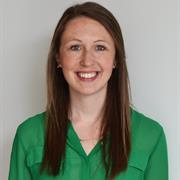
Katie Houlahan is an Assistant Professor in the Department of Biochemistry and Biomedical Sciences at McMaster University , affiliated with the Faculty of Health Sciences . Her research focuses on cancer genetics, genomics, and epigenetics, particularly in prostate and breast cancers. Canada Research Chair recipient Specializes in tumor heterogeneity, germline-somatic interactions, and 3D genomic architecture Key contributions to cancer immunotherapy and genomic biomarker discovery Her work spans computational biology, biomedical data visualization, and mechanisms of cancer initiation and progression. She leads studies on DNA methylation landscapes, extrachromosomal DNA profiling, and combinatorial immunotherapy strategies. Scientific Awards : Canada Research Chair (CRC) Appointment
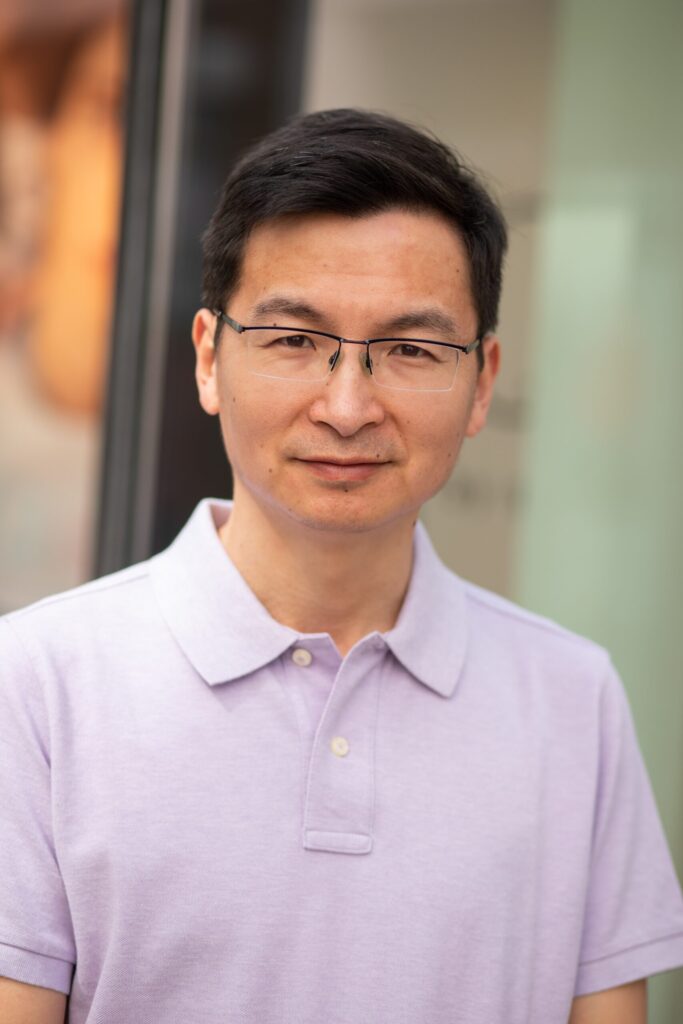
Professor Shuqing Xu is a full Professor of Evolutionary Plant Sciences at the Institute of Organismic and Molecular Evolution (IOME) of Johannes Gutenberg University Mainz (JGU) . He leads the 'Real-time (co)evolution in a multitrophic community under current and future climates' project, funded by a EUR 2 million ERC Consolidator Grant to investigate ecological community responses to climate change. Current affiliation: JGU, Mainz Previous positions: W2 Professor at University of Münster, Max Planck Institute for Chemical Ecology Education: PhD (2011) at ETH Zurich, studies in Cell Biology & Genetics in China Xu's research focuses on multitrophic interactions , transgenerational adaptation , and genetic responses to climate change . His team uses duckweed-aphid-water flea systems to study coevolution in heated and control mesocosm ecosystems , combining genomic sequencing with microscopy analysis . Recent publications analyze plant-insect dynamics (2025), epigenetic interactions (2025), metabolic adaptation (2024), and genomic mechanisms in Spirodela polyrhiza (2024). His work explores transgenerational plasticity , niche choice evolution , and chemical defense systems . Scientific recognition includes: ERC Consolidator Grant Marie Skłodowska-Curie Fellowship International Society of Chemical Ecology - Early Career Award The Evolutionary Plant Sciences lab at JGU studies ecosystem evolution , plant-animal interactions , and genetic adaptation using experimental ponds, transcriptomics, and CRISPR-based genome editing.
Dr. Sindy Burgold-Voigt is a Scientist at the Leibniz Institute of Photonic Technology (Leibniz IPHT) in the Optical Molecular Diagnostics and System Technology department. Her research focuses on microbial genetics, molecular diagnostics, and biosensor development. Molecular characterization of Staphylococcus aureus virulence factors Development of label-free diffractometric biosensors Genomic analysis of antibiotic resistance evolution Her recent work demonstrates advancements in impedance-based buffer monitoring and antigen microarray platforms for SARS-CoV-2 antibody detection. She contributes to understanding prophage dynamics, host-pathogen interactions, and cross-species transmission in Staphylococci. Key research trends show expertise in: DNA microarray technology Next-generation sequencing (NGS) Transmission electron microscopy (TEM) Multiplexed diagnostic systems Horizontal gene transfer mechanisms Host-specific pathogenesis
Dr. Stefan Monecke is a Researcher at the Leibniz Institute for Photonic Technologies (Leibniz-IPHT) in the Research Department Optical Molecular Diagnostics and System Technology . His work focuses on molecular diagnostics, antibiotic resistance, and genomic analysis of bacterial pathogens. Specializes in Staphylococcus aureus and carbapenemase detection Developed AssayBLAST for in silico primer/probe validation Created CarbaScan LyoBead for rapid resistance gene detection Active in One Health surveillance and bacteriophage research Research Interests : Dr. Monecke investigates antibiotic resistance mechanisms in Enterococcus and Salmonella , develops rapid diagnostic assays using PCR/RPA, and explores phage-mediated virulence gene transfer in Staphylococcus species. His work addresses hospital infection control and zoonotic transmission across Germany, UAE, Rwanda, and Australia. Scientific Contributions : Recent publications highlight advancements in: Protein microarray serotyping of Salmonella (2024) Methylation error correction for Nanopore sequencing (2024) Global MRSA epidemiology in UAE post-COVID (2025) Human-animal interplay of S. aureus in Rwanda (2025) Equine-specific toxin prophages characterization (2025) Collaborative Networks : Works with international teams across Germany, United Arab Emirates, Rwanda, and Australia. Collaborates on antibiotic resistance surveillance , diagnostic assay development , and genomic epidemiology projects.
Ismail Elbaz Younes serves as an Assistant Professor in the Department of Laboratory Medicine and Pathology at the University of Minnesota Medical School. His academic work focuses on hematologic malignancies with particular emphasis on myeloid neoplasms, leukemias, and lymphomas. Dr. Younes maintains an active research program analyzing molecular mechanisms, diagnostic criteria, and therapeutic approaches for various hematologic disorders. Dr. Younes' research interests center on precision medicine in hematologic malignancies, with specific expertise in myeloproliferative neoplasms, chronic neutrophilic leukemia, and lymphoma subtypes. His work bridges laboratory medicine with clinical applications, particularly examining genetic insights that inform diagnosis and treatment strategies. He has made significant contributions to understanding DDX41 mutations, clonal hematopoiesis, and molecular markers in myeloid disorders. His publication record demonstrates a clear trend toward increasingly sophisticated molecular analysis of hematologic malignancies, with recent work focusing on precision medicine approaches for polycythemia vera, essential thrombocythemia, and primary myelofibrosis. Dr. Younes' research spans both original investigations and comprehensive review articles that synthesize current knowledge in specialized areas of hematopathology. While specific awards aren't documented in the available information, Dr. Younes' work has gained recognition through citations and social media mentions, with several publications generating significant academic discussion. Dr. Younes collaborates with a network of researchers across institutions, with frequent co-authorship patterns suggesting strong working relationships with colleagues including Mroz, Tashakori, Hamed, and Sen. His research appears to be supported through institutional academic channels, though specific grant information isn't detailed in the available materials. Based on publication patterns and research focus areas, Dr. Younes appears to be part of a hematology/oncology research team at the University of Minnesota that specializes in molecular diagnostics and precision medicine approaches for hematologic malignancies, with particular expertise in myeloid neoplasms.
Professor Andres Floto is the University Professor of Respiratory Biology at the University of Cambridge and Co-Director of both the Cambridge Centre for AI in Medicine and the Cambridge Infectious Diseases Interdisciplinary Research Centre. He serves as Director of the UK Cystic Fibrosis Innovation Hub and Research Director at the Cambridge Centre for Lung Infection, Papworth Hospital. His research bridges innate immunity, bacterial pathogenesis, and machine learning applications in biomedicine, with a focus on mycobacterial infections and cystic fibrosis. Scientific awards highlight his contributions: European Respiratory Society Gold Medal (2022), Royal College of Physicians Weber-Parkes Medal (2017), and Fellow of the Academy of Medical Sciences (2022). His work spans antibiotic discovery for Mycobacterium tuberculosis , M. abscessus , and Pseudomonas aeruginosa , integrating structural biology and computational methods. European Respiratory Society Gold Medal 2022 Weber-Parkes Medal, Royal College of Physicians 2017 Fellow of the Academy of Medical Sciences 2022 Vertex Innovation Award 2016 Rosetrees Foundation Interdisciplinary Prize 2015 BUPA Foundation Researcher of the Year 2010 Floto leads an international team at the Victor Phillip Dahdaleh Heart & Lung Research Institute, mentoring PhD students in antibiotic development, AI-driven drug discovery, and bacterial evolution. Collaborations span computational biology, structural genomics, and clinical translational research.
Dr. Matt Hoare is an Assistant Professor of Hepatology at the University of Cambridge, affiliated with the Early Cancer Institute and Addenbrooke's Hospital. His work bridges clinical hepatology with fundamental research on liver carcinogenesis, focusing on cellular senescence, somatic mutations, and tumor microenvironment dynamics in hepatocellular carcinoma (HCC). Department of Oncology, University of Cambridge Department of Medicine, University of Cambridge Early Cancer Institute, Cambridge Biomedical Campus Addenbrooke's Hospital, Cambridge University Hospitals NHS Foundation Trust Research explores how senescent cell secretomes drive liver disease progression, with key discoveries in NOTCH1 and COX2 regulation of tumor initiation. Recent work deciphers genomic consequences of chronic liver disease, revealing clonal expansion patterns and cancerisation field effects. Publications highlight mechanistic studies on RAS titration, LGR5 targeting, and metabolic-genomic interactions in liver pathology. Clinical contributions include the East of England HCC service and trials in HCC management.
Dr. Olivier Restif is a Lecturer in Epidemiology at the University of Cambridge, Department of Veterinary Medicine, and a Fellow at his college. His research focuses on the intersection of infectious diseases, ecology, and evolution, utilizing mathematical and computational models to understand pathogen dynamics. He teaches Mathematical Biology in Part IA and Dynamics of Infectious Diseases in Part II of the Natural Sciences Tripos. His recent work explores epidemiological modelling in health crises, zoonotic spillover mechanisms, and antimicrobial resistance dynamics. Key projects include viral surveillance in bat populations, optimal Bayesian model design, and genomic analysis of AMR transmission. Scientific honors include recognition as a Fellow, reflecting his contributions to disease dynamics research. His publications emphasize bat-borne pathogens, mathematical frameworks for infection tracking, and computational tools for experimental design.
Prof. Zlatko Šatović, PhD, is a Full Professor at the University of Zagreb's Faculty of Agriculture, Division for Plant Sciences, Department of Plant Biodiversity. His career spans over 30 years at the university, with expertise in molecular diversity analysis, phylogenetics, and conservation of plant genetic resources. He leads the Centre of Excellence for Biodiversity and Molecular Plant Breeding (CoE CroP-BioDiv) and serves as Editor-in-Chief of Agriculturae Conspectus Scientificus . Education: PhD (1999), MS (1995), BS (1990) in Plant Sciences from University of Zagreb and CIHEAM-IAMZ Zaragoza. Research: Focuses on molecular plant breeding, medicinal/aromatic plants, and genetic diversity studies using SSRs, SNPs, and DArT markers. Key Projects: Coordinator of Horizon 2020, Croatian Science Foundation, and EU structural fund initiatives targeting plant biodiversity. His recent publications analyze genetic and morphological variability in wild/cultivated plant populations, essential oil diversity, and biostimulant effects on germination. He has developed microsatellite markers for species like Dalmatian pyrethrum and Sage, contributing to conservation strategies. Grants: Led 8+ projects funded by Croatian Ministry of Science, European Regional Development Fund, and Horizon 2020. Teaching: Courses in molecular plant breeding, genetic diversity analysis, and applied multivariate statistics. International Collaborations: Partnerships with Spanish and US institutions including Universidad de Córdoba and Cornell University.
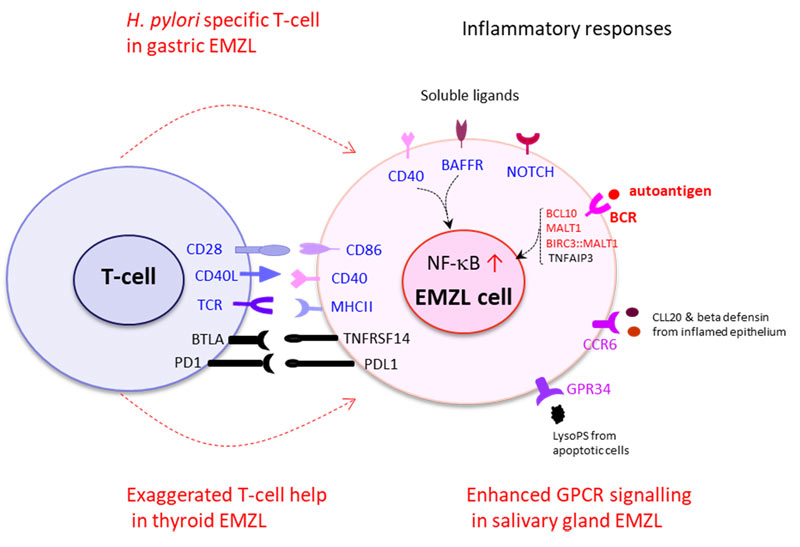
Professor Ming-Qing Du is a leading academic in the field of Molecular Pathology at the University of Cambridge , affiliated with the Department of Pathology and its Cellular and Molecular Pathology Division . His research focuses on the genetics and molecular mechanisms of B and T-cell lymphomas , particularly MALT lymphoma , splenic marginal zone lymphoma , and diffuse large B-cell lymphoma , aiming to improve diagnostic and therapeutic approaches.
Dr Kourosh Saeb-Parsy serves as a University Reader in the Department of Surgery at the University of Cambridge and holds an Honorary Transplant Consultant position. His research focuses on cellular and humoral immune responses in organ transplantation, with emphasis on improving graft survival through regenerative medicine and immunomodulation strategies. He is actively affiliated with the Anne McLaren Laboratory for Regenerative Medicine and the NIHR Blood and Transplant Research Unit. His research spans Transplantation Immunology , Organ Preservation , and Cellular Therapy Development , utilizing advanced multi-omics and single-cell technologies. Key interests include cholangiocyte organoid therapies for biliary diseases, CAR-Treg applications in transplantation, and immune monitoring during organ storage. His work bridges laboratory discoveries with clinical translation to address critical challenges in transplant medicine. Analysis of recent publications reveals strong emphasis on multi-omics integration for understanding cellular responses during organ preservation, immune regulation in transplantation, and organoid-based therapeutic development. His group pioneers techniques in spatial transcriptomics and mutagenesis analysis to characterize tissue niches and immune dynamics in transplant recipients. Dr Saeb-Parsy contributes to the Department of Surgery's postgraduate research programs and collaborates extensively through the NIHR Blood and Transplant Research Unit. His laboratory operates within the Cambridge Regenerative Medicine ecosystem, focusing on translating mechanistic insights into clinical applications for improving transplant outcomes and developing novel cellular therapies.
Dr. Fernando Camargo is a Principal Investigator at Boston Children's Hospital and Professor of Stem Cell and Regenerative Biology at Harvard University. His laboratory investigates adult stem cell biology, organ size regulation, and cancer mechanisms through Hippo/YAP pathway research. Harvard University Department of Stem Cell and Regenerative Biology Boston Children's Hospital Stem Cell Program Research Background: Dr. Camargo received his Ph.D. from Baylor College of Medicine under Dr. Margaret Goodell, followed by Whitehead Fellowship research on stem cell regulation. His work established the Hippo pathway's role in stem cell biology and tissue regeneration. Scientific Contributions: His lab developed groundbreaking tools for in vivo hematopoietic stem cell lineage tracing and CRISPR-Cas9 models for simultaneous gene expression analysis. Key discoveries connect organ size regulation to stem cell activity and tumor suppression. Awards & Honors: 2022 Regenerative Biology Endowed Chair Howard Hughes Medical Institute Scholar Vilcek Prize for Creative Promise in Biomedical Science ISSCR Susan Lim Award NIH New Innovator Award PEW Biomedical Scholar Current Projects: Ongoing research focuses on hematopoietic stem cell dynamics during aging, embryonic development, and cancer progression, while exploring Hippo pathway's role in tissue regeneration and metabolic regulation.
Steven DuBois, MD, MS is an Associate Professor of Pediatrics at Harvard Medical School and serves as the Director of Experimental Therapeutics at the Dana-Farber/Boston Children's Cancer and Blood Disorders Center. His clinical practice focuses on pediatric oncology with specialization in treating children and young adults with solid cancers, particularly Ewing sarcoma and neuroblastoma. Harvard Medical School - Faculty Position Dana-Farber/Boston Children's Cancer and Blood Disorders Center - Director of Experimental Therapeutics Children's Oncology Group - Active Researcher and Committee Member Dr. DuBois received his medical degree from UCSF School of Medicine in 2000. He completed his pediatric internship and residency at the University of California, San Francisco, School of Medicine in 2001 and 2003, respectively. His fellowship in Pediatric Hematology-Oncology was completed at Boston Children's Hospital/Dana-Farber Cancer Institute in 2007. He is board certified by the American Board of Pediatrics in Hematology-Oncology. Dr. DuBois's research primarily focuses on developing new targeted agents for childhood cancer treatment. His work spans several key areas including Ewing sarcoma therapeutic development, neuroblastoma treatment strategies, molecular radiotherapy approaches, and precision medicine applications in pediatric oncology. He has made significant contributions to understanding tumor biology, developing novel therapeutic approaches, and addressing health disparities in pediatric cancer outcomes. His research integrates clinical trials with molecular profiling to advance personalized treatment approaches for children with solid tumors. Analysis of Dr. DuBois's recent publications (2024-2025) reveals a strong emphasis on precision oncology approaches for pediatric solid tumors. His work spans multiple domains including molecular characterization of tumors, development of targeted therapies, optimization of radiotherapy approaches, and addressing health disparities in cancer outcomes. A significant portion of his research involves Children's Oncology Group studies, demonstrating his leadership in collaborative multi-institutional research. His publications highlight expertise in both Ewing sarcoma and neuroblastoma, with increasing focus on molecularly targeted therapies and precision medicine approaches. Dr. DuBois leads a research team dedicated to developing new targeted agents for childhood cancer treatment. His work involves extensive collaboration with the Children's Oncology Group and participation in numerous clinical trials focused on novel therapeutic approaches for pediatric solid tumors. His leadership as Director of Experimental Therapeutics at Dana-Farber/Boston Children's positions him at the forefront of translating laboratory discoveries into clinical applications for children with cancer.
Christopher Seet is a researcher at the University of California, Los Angeles (UCLA), affiliated with the Department of Microbiology, Immunology & Molecular Genetics and the School of Medicine. His work focuses on cancer immunotherapy, stem cell engineering, and mechanisms of viral persistence. Research interests include: Engineering allogeneic CAR-NKT and CAR T cells from hematopoietic and pluripotent stem cells Understanding HIV latency reversal and reservoir dynamics Epigenetic regulation in leukemia stem cells Artificial thymic organoid systems for T cell differentiation Recent publications highlight advancements in: CRISPR-based correction of immunodeficiencies Epigenetic and cytokine-driven modulation of immune cell therapies Targeting alternative splicing-derived neoantigens in cancer Seet collaborates extensively with the Crooks, Kohn, and Ribas labs at UCLA, contributing to clinical translation of stem cell-derived immunotherapies.
Paul Spellman is a Professor in the Department of Human Genetics at the David Geffen School of Medicine, University of California, Los Angeles (UCLA). His research program focuses on applying genomic and computational technologies to improve human health, with particular emphasis on improving outcomes for cancer patients. His laboratory's work spans the entire spectrum from technology and method development, to application of these technologies to answer critical questions in cancer biology, to population studies examining the impact of genetic variation on disease, and to implementation trials that directly impact patient health. Dr. Spellman's research interests prominently include Cancer Biology, Genetics, Genomics, Precision Medicine, and Computational Biology. His laboratory is currently engaged in systematic analysis of genetic and gene regulation information in clinical cohorts as part of the Genome Data Analysis Network, and a clinical trial implementing genetic health screening for hereditary breast and ovarian cancer and Lynch syndromes. Additional areas of active investigation include polygenic risk implementation and modeling, precision medicine approaches, and understanding the molecular biology of cellular replication. Analysis of Dr. Spellman's recent publications reveals a strong focus on cancer genomics, with particular emphasis on tumor heterogeneity, liquid biopsy technologies, and computational approaches to understanding cancer evolution. His research spans multiple cancer types including breast, prostate, pancreatic, and renal cancers, with significant contributions to The Cancer Genome Atlas project. His work increasingly integrates population health perspectives with molecular analysis to bridge the gap between basic science discoveries and clinical implementation. Dr. Spellman has made significant contributions to the field through his leadership in large collaborative projects and his extensive publication record. His research has been consistently funded, supporting both basic science investigations and translational clinical applications. As a mentor, Dr. Spellman has advised numerous students and postdoctoral fellows who have gone on to establish their own research programs. His laboratory provides training in both computational and experimental approaches to cancer genomics, preparing the next generation of researchers to tackle complex problems at the intersection of biology and data science.