Jean-Yves Le BoudecView profile
Professor
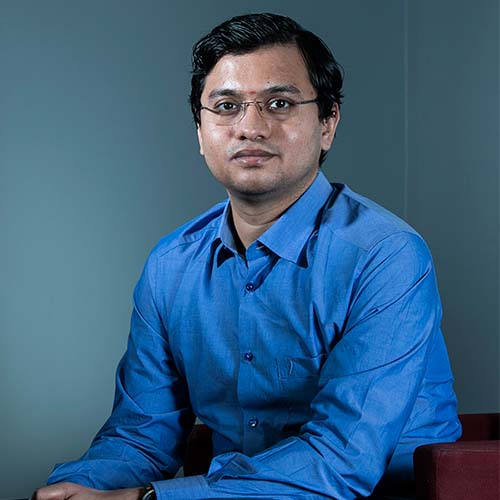
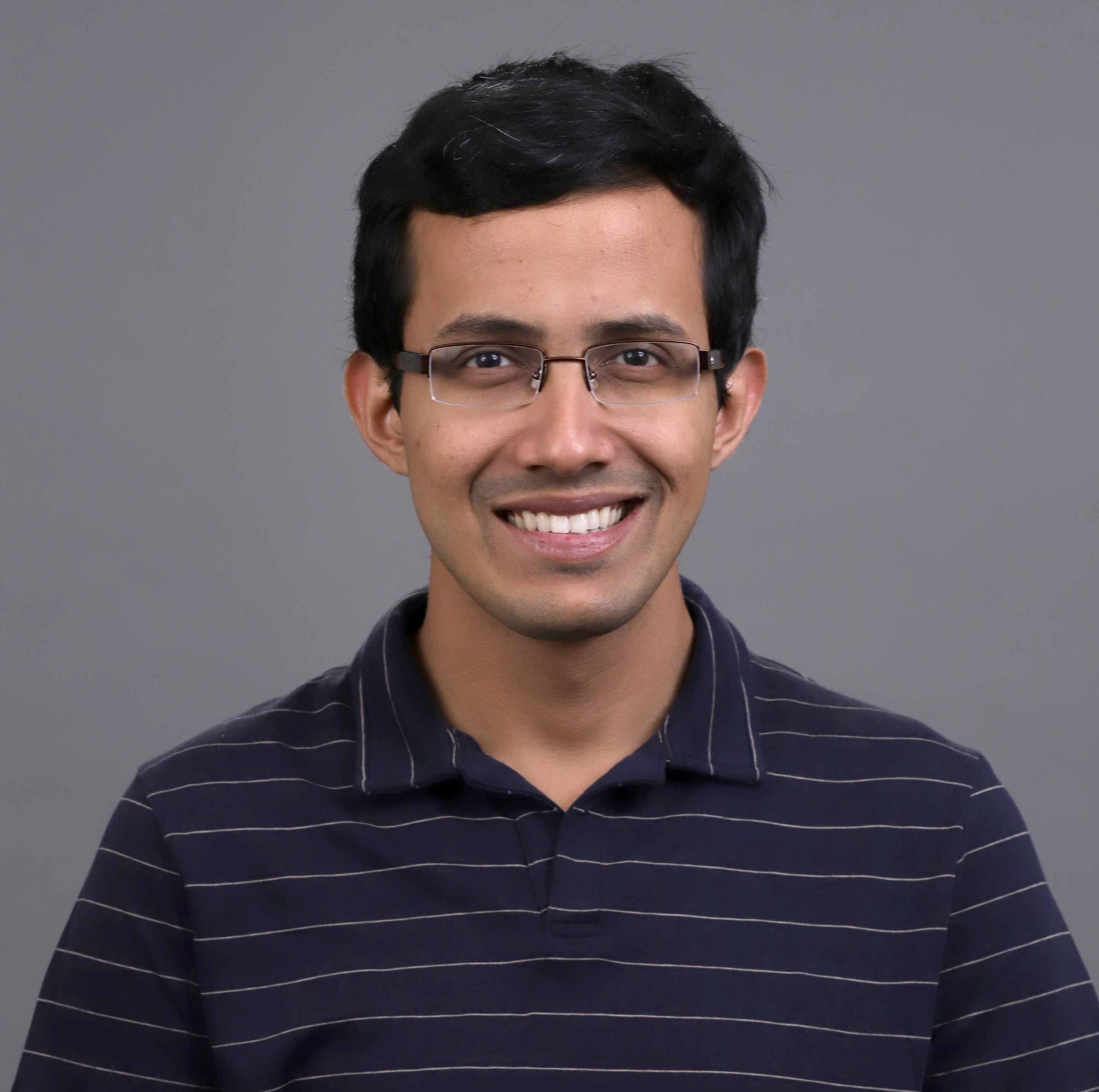
Jean-Yves Le Boudec is a Professor at École Polytechnique Fédérale de Lausanne (EPFL), affiliated with the School of Computer and Communication Sciences and the Institute of Electrical Engineering. He has been a key figure in advancing the theory and application of network calculus and deterministic networking, contributing significantly to standards such as IEEE Time-Sensitive Networking (TSN) and IETF DetNet. His research focuses on network calculus , time-sensitive and deterministic networking , traffic regulation , worst-case delay analysis , and cyber-physical systems , with cross-cutting applications in smart grids , real-time communication , and network security . He has co-authored foundational texts on network calculus and developed theoretical frameworks for traffic regulators, service curves, and delay bounds in complex networked systems. The recent publications highlight a strong trend in analyzing and improving performance guarantees in deterministic networks, including scheduling mechanisms like Deficit Round-Robin and Cyclic Queuing and Forwarding, traffic shaping via interleaved regulators, and security against time-synchronization attacks in power systems. The work spans theoretical modeling using stochastic and min-plus/max-plus algebra, practical algorithm design, and application to critical infrastructure. IEEE Fellow Le Boudec has advised numerous researchers and PhD students, including Ehsan Mohammadpour, Ludovic Thomas, and Seyed Mohammadhossein Tabatabaee. His collaborative projects often involve grants related to European and Swiss research initiatives in networking and smart grid technologies. He leads a research group focused on networked systems at EPFL, contributing to both theoretical advances and real-world implementations in industrial and energy-critical networks. His lab work centers on modeling and verification of time-sensitive network behaviors, integrating formal methods with practical experimentation. The team investigates regulators, shapers, and synchronization mechanisms, aiming to ensure robustness, predictability, and security in next-generation communication infrastructures. Future work continues to explore the interplay between communication, control, and energy systems in highly reliable environments.