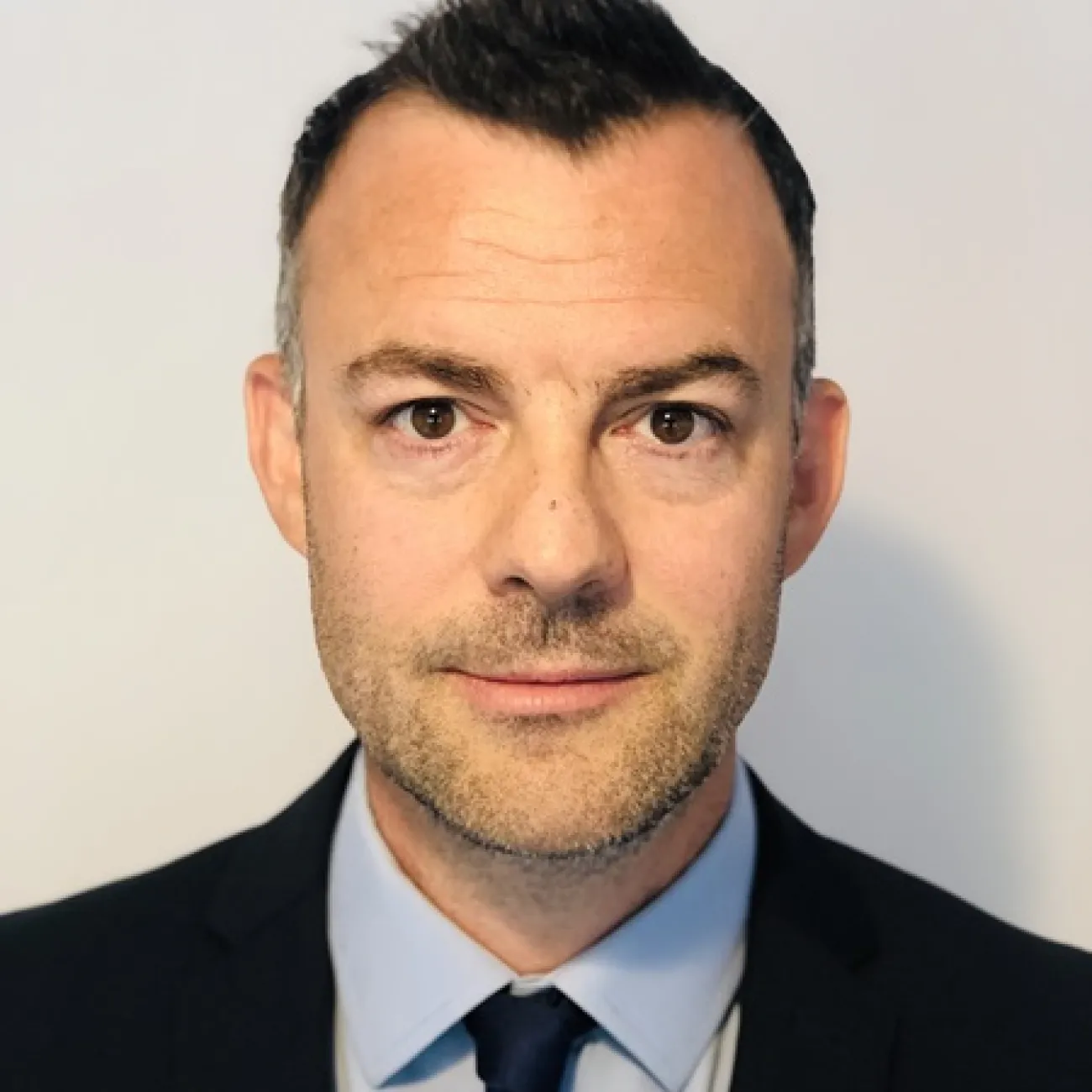
Cherie Armour is a Professor of Psychological Trauma and Mental Health at Queen's University Belfast's School of Psychology. She holds leadership roles, including Director of the Research Centre for Stress Trauma and Related Conditions (STARC), and is actively involved in global trauma-related research and policy. Her work focuses on understanding mental health outcomes in trauma-exposed populations, including military veterans, emergency workers, and victims of domestic violence. She has led over 8 funded projects, including studies on PTSD mechanisms, veteran mental health, and pandemic mental health impacts. Academic Roles: Module convenor for 'Real World Applications of Psychology' and 'Forensic Psychology & Crime'. Education: PhD from Ulster University (2010), MSc in Forensic Psychology (part-time). Research Interests: PTSD, resilience, sleep-mental health links, child maltreatment, and domestic violence. She explores biological, psychological, and social factors influencing trauma outcomes across populations. Awards: Belfast Ambassador Award (2019), Ulster University Distinguished Fellowship (2015), Excellence in Research Supervision (2015). Advising & Grants: Supervises multiple PhD students and leads projects funded by MRC, ESRC, and the Royal British Legion. Her work addresses veteran family wellbeing, youth mental health tech solutions, and global PTSD models. Labs/Teams: Directs STARC and collaborates internationally on trauma studies, including projects in Colombia, South Africa, and Cambodia.
Alexander N. Fedenko, MD, is an Associate Professor of Clinical Pathology at the University of Southern California. His research focuses on sarcomas, particularly soft tissue and visceral sarcomas, alongside oncology and immunotherapy. He contributes to ESMO clinical practice guidelines and leads clinical trials evaluating novel therapies like immunocytokines and targeted drug combinations. Expertise: Sarcoma treatment protocols, immunotherapy, clinical trial design Affiliations: USC Keck School of Medicine (implied), World Sarcoma Network Research emphasizes rare tumors like epithelioid sarcoma and alveolar soft part sarcoma, with studies on pazopanib, olaratumab, and trabectedin efficacy. Collaborates internationally on multidisciplinary sarcoma care and publishes extensively in oncology journals. Recent work includes 2025 Phase Ib trials combining simlukafusp alfa with pembrolizumab for melanoma, and 2022 studies on PALB2 mutation-driven pancreatic adenocarcinoma treatment. His articles span 1985-2025, with a focus on therapeutic advancements and diagnostic pathology improvements.
Dr. Kaitlin Mayne is a Clinical Lecturer in Renal Medicine at the School of Cardiovascular & Metabolic Health, University of Glasgow. Her research focuses on chronic kidney disease (CKD), cardiovascular complications, and the effects of pharmacological agents like empagliflozin and vicadrostat. She leads analyses in major trials such as EMPA-KIDNEY and EASi-KIDNEY, exploring drug efficacy in CKD populations. Her work spans fluid management, biomarker discovery, and guideline-informed clinical practices. Notably, she investigates post-COVID-19 multisystem syndromes and socioeconomic disparities in healthcare outcomes. Dr. Mayne collaborates widely, contributing to high-impact journals in nephrology and cardiology. Research interests include SGLT2 inhibitors’ role in CKD progression, bioimpedance technologies, and frailty in renal patients. Her recent studies highlight empagliflozin’s benefits in reducing uric acid levels and cardiovascular risks, alongside exploring aldosterone synthase inhibitors for cardio-renal protection. She also examines sex/gender differences in CKD management and hemodialysis outcomes through inflammatory biomarkers. In 2025–2023, her articles emphasize drug mechanisms, subgroup analyses (e.g., Japanese CKD patients), and long-term trial results. Collaborations with groups like the EMPA-KIDNEY Collaborative Group underscore her role in large-scale clinical research. While no awards are listed, her prolific peer-reviewed output reflects her academic standing. Dr. Mayne’s advising and grants are not detailed here, but her publications suggest involvement in collaborative grants supporting CKD and post-COVID research. She contributes to interdisciplinary teams, such as those investigating renal MRI advancements and post-infectious illness trajectories.
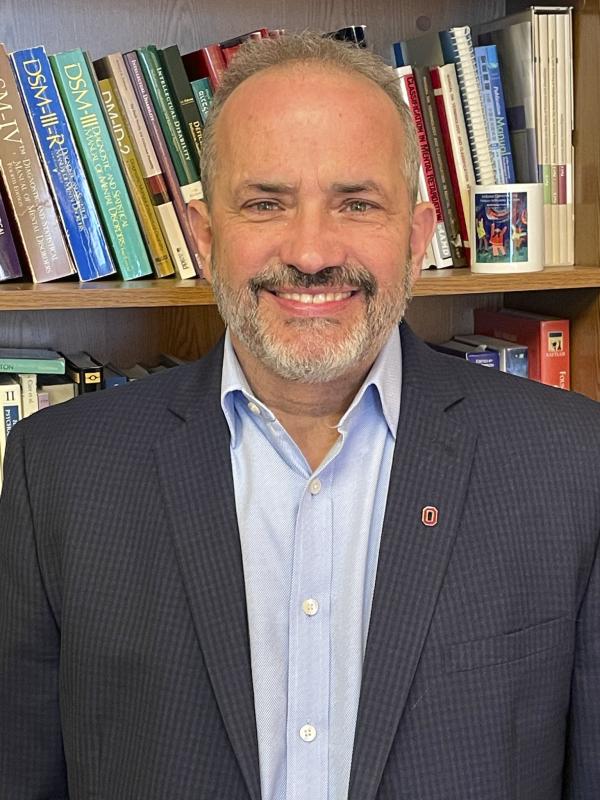
Marc J. Tassé is a Professor in the Department of Psychology and Department of Psychiatry and Behavioral Health at The Ohio State University, where he also serves as Director of the Ohio State Nisonger Center, a University Center for Excellence in Developmental Disabilities. With over 30 years of experience, Dr. Tassé specializes in intellectual disability (ID), autism spectrum disorder (ASD), and related neurodevelopmental disorders. His educational background includes a PhD from Université du Québec à Montréal (1994) and a BA from Concordia University (1985). Dr. Tassé has developed several standardized assessment tools including the Diagnostic Adaptive Behavior Scale, Supports Intensity Scales, and Nisonger Child Behavior Rating Form. Dr. Tassé's research focuses on the co-occurrence of ID/ASD with psychiatric disorders, adaptive behavior measurement, test development, and technology applications for enhancing health and independence. His clinical work includes diagnosis of intellectual disability, assessment and treatment of problem behaviors, and forensic evaluations in capital cases involving intellectual disability. His recent publications demonstrate a strong emphasis on measurement validation, mental health assessment adaptations, and policy implications for individuals with developmental disabilities. His scientific achievements have been recognized through numerous awards: Research Award, AAIDD (2025) Presidential Award, AAIDD (2024) John W. Jacobson Award, American Psychological Association (2017) Multiple Exceptional Service Awards from AAIDD (2021, 2011, 2009, 2007) Fellowships in major professional associations including AAIDD, APA, and IASSIDD Dr. Tassé has mentored numerous graduate students and postdocs, many of whom appear as first authors on his publications. His work has received substantial research funding supporting his development of assessment tools and investigations into health disparities and service accessibility for individuals with developmental disabilities. As past President of the American Association on Intellectual and Developmental Disabilities (2012-2013), he has significantly influenced policy and practice in the field. His leadership at the Nisonger Center has established it as a premier institution for research, training, and service delivery for individuals with developmental disabilities and their families, with particular emphasis on improving assessment methodologies and expanding access to quality care.
Megan Schliep, PhD, CCC-SLP, MPH, is an Assistant Professor in the Department of Communication Sciences & Disorders at MGH Institute of Health Professions (IHP). She holds a clinical appointment as a speech-language pathologist at Spaulding Rehabilitation Hospital within the Mass General Brigham Network. Her research focuses on post-stroke aphasia, implementation science, and improving clinical practices through standardized assessments. She completed her PhD in Rehabilitation Sciences at MGH IHP (2020) and a postdoctoral fellowship under Dr. Prue Plummer in the Cognitive-Motor Behavior Lab. Education: PhD in Rehabilitation Sciences (MGH IHP), MPH (Northwestern University), MA in Communication Sciences & Disorders (Northwestern University), BA in English (Gustavus Adolphus College). Her research interests include language/cognitive assessment after stroke, implementation of standardized practices across care settings, and predicting patient recovery patterns. She leads a Precision Rehabilitation initiative with Johns Hopkins Medicine as a 2022 LeaRRn Scholar, focusing on scalable cognitive measurement methods. She previously directed the Online Prerequisites program for MGH IHP's Health Professions Program. Awards: LeaRRn Scholar (2022), Tedy’s Team Center Research Fellow (2023). Her work bridges clinical and research settings, emphasizing interdisciplinary collaboration and real-world application. Current projects address aphasia recovery, health literacy, and reducing research-to-practice gaps through frameworks like Quality Implementation and Theoretical Domains Framework.
Kathryn Thomas is an Instructor in Psychiatry and Core Faculty at the SEICHE Center for Health and Justice at Yale School of Medicine. She holds dual expertise as a licensed psychologist and attorney, focusing on the intersection of psychology and the criminal legal system. Her research addresses health disparities among incarcerated populations, including the psychological impacts of wrongful convictions and incarceration-related moral injury. She adapts evidence-based PTSD treatments for formerly incarcerated individuals and provides clinical services through Yale Law School’s clinics, including the Challenging Mass Incarceration Clinic. Education: PhD in Counseling Psychology (University of Wisconsin-Madison), JD (Loyola University Chicago School of Law), and postdoctoral research fellowships at Yale Law School’s Justice Collaboratory and the SEICHE Center. Research interests include legal epidemiology, health equity, forensic psychology, and mental health interventions for justice-involved populations. Notable work examines maternal mortality linked to substance use policies and the psychological trauma of wrongful convictions. Recent awards include the 2025 YCCI Scholar Award, supporting her project to develop trauma-informed treatments for formerly incarcerated individuals. She collaborates with interdisciplinary teams and community stakeholders to bridge clinical practice, legal advocacy, and policy reform.
Jørn Østvik is an Associate Professor at the Institute of Mental Health within the Faculty of Medicine and Health Sciences at NTNU (Norwegian University of Science and Technology). He holds dual roles in research and education, leading the research group 'Communication, Interaction and Early Intervention in a Lifespan Perspective.' His work focuses on disability studies, alternative and augmentative communication (AAC), and inclusive education. Østvik has been affiliated with Statped (Norway’s special education service) since 1996, contributing to research and policy development in special needs education. Education background includes a Ph.D. in Health Sciences (2017) and a Master of Science in Psychology (1996), both from NTNU. His expertise spans qualitative research methods, social relationships among AAC users, and mental health challenges faced by individuals with communication disabilities. He actively participates in international networks like Citizen Network Norway and the ISAAC Research Committee. Research interests emphasize improving social inclusion, mental well-being, and educational access for people with disabilities. Notable projects include a scoping review on mental health among AAC users (2024) and studies on inclusive education policies in Norway. His teaching responsibilities include courses in psychology, pedagogy, and AAC communication for nursing and mental health master’s programs. Østvik’s publications highlight themes such as AAC’s role in fostering friendships, barriers to inclusion in higher education, and early intervention strategies for children with communication needs. His work bridges academic research with practical applications, advocating for systemic changes to support marginalized groups.
J. Andrew Orr-Skirvin is a Clinical Professor in the Department of Pharmacy and Health Systems Sciences at Northeastern University's Bouvé College of Health Sciences. He serves as Director of the Pharmaceutical Industry Fellowship Program. His expertise spans oncology pharmacy practice, with a focus on supportive care for cancer patients, including pain management, nausea/vomiting control, neutropenic fever, and growth factor support. Education: PharmD, University of Texas at Austin BS in Pharmacy, Oregon State University His research emphasizes improving patient outcomes through evidence-based pharmacotherapy in oncology settings. Key publications explore drug interactions in elderly cancer patients, antineoplastic agent pharmacokinetics, and pain management protocols. He holds Board Certification in Oncology Pharmacy (BCOP). Publications highlight advancements in chemotherapy safety, pharmacokinetic optimization, and supportive care strategies. His work bridges clinical practice and academic rigor, addressing real-world challenges in oncology pharmacotherapy. Community Service: Engages in direct clinical service to cancer patients through practice-based initiatives.
Dr. Bulat A. Ziganshin is an Associate Research Scientist in the Department of Surgery (Cardiac Surgery) at Yale University School of Medicine and Research Director at the Aortic Institute at Yale-New Haven Hospital. He holds dual degrees: an MD from Kazan State Medical University (2007) and a PhD in Pharmacology (2016), along with residency training in Cardiovascular Surgery. His research focuses on aortic diseases, genetics, pharmacology, and global health, with over 200 peer-reviewed publications and 19 textbook chapters. He serves as Associate Editor of AORTA Journal and has contributed to drug reference books. Key research interests include thoracic aortic aneurysms, genetic overlaps with intracranial aneurysms, beta-blocker efficacy in aneurysm management, and somatic variants in disease pathogenesis. Collaborations with experts like Dr. John Elefteriades and Sandip Mukherjee highlight his interdisciplinary work. Recent studies explore patient-specific surgical criteria and JAK2 mutations in aneurysms. Dr. Ziganshin’s work bridges clinical research and global health, addressing both cardiovascular pathophysiology and agricultural engineering (e.g., tractor efficiency). He actively publishes in Genes , European Heart Journal , and Aorta , emphasizing translational insights from genetic and molecular studies. His contributions span drug development, surgical protocols, and diagnostic methodologies in diverse fields.
Professor Simon Lewis is a Consultant Neurologist and Professor of Cognitive Neuroscience at the University of Sydney's Brain and Mind Centre within the Faculty of Medicine and Health. He serves as Clinical Director of the Ageing Brain Clinic and Director of the Parkinson's Disease Research Clinic, while also heading the NSW Movement Disorders Brain Donor program. With over 200 peer-reviewed publications, 2 books, and 8 book chapters to his name, Professor Lewis has secured more than $10 million in research funding from prestigious sources including the NHMRC, ARC, and Michael J Fox Foundation. Professor Lewis's research primarily focuses on dementia and Parkinson's disease, with particular expertise in cognitive neuroscience, movement disorders, and REM sleep behavior disorder. His work spans from basic neuroimaging studies to clinical trials investigating novel interventions for neurodegenerative conditions. He has pioneered research on freezing of gait in Parkinson's disease, visual hallucinations in Lewy body disorders, and the relationship between circadian rhythms and neurodegeneration. His laboratory employs a multidisciplinary approach combining clinical assessment, neuroimaging (structural and functional MRI), neurophysiological measurements, and innovative computational methods to understand disease mechanisms. The trajectory of Professor Lewis's recent publications reveals a growing emphasis on biomarker discovery for early diagnosis and disease progression, with increasing integration of artificial intelligence and machine learning approaches to analyze complex movement and sleep data. His work increasingly bridges basic neuroscience with clinical applications, particularly in developing targeted interventions for non-motor symptoms of Parkinson's disease. The collaborative nature of his research is evident in the international authorship patterns across his publications. Among his notable accolades is the Leonard Cox Award (2014) from ANZAN recognizing his significant contributions to neuroscience as an early career neurologist. Professor Lewis serves on multiple editorial boards including Movement Disorders, Translational Neurodegeneration, and Journal of Neurology, Parkinson's and Related Disorders. He actively contributes to international committees such as the Movement Disorders Society Asian Oceanian Section Executive Committee and the International REM Sleep Behaviour Study Group. Professor Lewis leads the world-leading Parkinson's and Related Diseases Research Group at the Brain and Mind Centre, which attracts PhD students interested in understanding disease mechanisms, developing biomarkers, and creating novel treatment modalities for Lewy body-related diseases. His international collaborations span institutions in the Netherlands (Radboud UMC), United Kingdom (King's College London, Cambridge, Newcastle), and other global centers of excellence in Parkinson's research. His work exemplifies a translational approach from bench to bedside, with particular focus on improving quality of life for patients with neurodegenerative conditions.
Joost Breeksema is a researcher at the University of Groningen's Faculty of Medical Sciences, specializing in Psychiatry and Psychopharmacology. He holds a postdoctoral position and serves as Executive Director of the OPEN Foundation. His work focuses on psychedelic-assisted therapies, qualitative research, and phenomenological analysis of mental health treatments, particularly for depression, PTSD, and terminal illness patients. Affiliations: Postdoctoral Researcher, Department of Psychiatry, University of Groningen Executive Director, OPEN Foundation Research interests include psychedelic treatments (e.g., psilocybin, MDMA, esketamine), clinical pharmacology, and patient experience analysis in mental health interventions. His studies explore therapeutic potential, adverse events, and systematic reviews of psychedelic applications in depression, anxiety, and existential distress. Key contributions include systematic reviews on psychedelic reporting quality, patient experiences with psilocybin, and MDMA policy analysis. His work bridges clinical practice and innovative therapies, emphasizing rigorous qualitative and mixed-methods approaches. Publications span over 20 peer-reviewed articles and book chapters, focusing on psychedelic therapies' efficacy, safety, and ethical implications. He collaborates with leading researchers in neuropsychopharmacology and mental health policy.
Dr James Self is an Associate Professor at the University of Southampton with a focus on improving clinical outcomes for children with visual disorders. His research integrates genetics, bioinformatics, and clinical trials to address conditions like albinism, nystagmus, and amblyopia. PhD in Ophthalmic Molecular Genetics (MRC Clinical Research Training Fellowship) Higher specialist training in Paediatric Ophthalmology (Southampton, Manchester) Research Interests span: Genetic eye disorders Neuro-ophthalmology Translational medicine Machine learning in diagnostics Publications highlight: Neurodegenerative retinal pathology in mouse models Portable diagnostics for albinism Machine learning biomarkers for retinal morphology Scientific Awards : Technology Advancement Award (2025) Advising & Grants includes supervision of 5 PhD students across institutions and mentorship leading to a GW4 WELLCOME PhD award. Externally, he chairs the NIHR paediatric and neuro-ophthalmology Clinical Study Group and has held leadership roles in genomics and research ethics.
Alana Fisher is a Research Fellow and Consumer Engagement Manager at Macquarie University, working with the eCentreClinic and MindSpot digital mental health services. Her research focuses on consumer decision-making in online mental health treatment, integrating qualitative and quantitative methods to design patient-centered resources. She holds a PhD from the University of Sydney (2015–2018) and is an Honorary Associate at the University of Sydney’s Matilda Centre and School of Psychology. Education: PhD in Psychology, University of Sydney (2015–2018) Research Interests: Her work spans shared decision-making, patient decision aids, depression/anxiety treatment, co-occurring substance use, digital interventions, and mixed-methods research. She explores how to enhance evidence-based care aligned with individual needs. Projects: Leading initiatives on loneliness in chronic conditions (2024–2028) Developing perinatal mental health programs (2023–2025) Addressing health literacy barriers in digital mental health (2024–2025) Integrating physical/psychological care for low back pain (2024–2025) Labs/Teams: She collaborates with MQ Health’s MindSpot and Macquarie’s eCentreClinic, advancing scalable mental health solutions.
Prof. Ate van der Zee is a Professor of Gynecologic Oncology and Chairman of the Board of Directors at University Medical Center Groningen (UMCG). He leads the Department of Gynecologic Oncology and is a global authority in vulvar and ovarian cancer research. His work focuses on clinical trials, translational research, and improving patient care through managed clinical networks. He holds leadership roles in multiple national/international organizations, including the Dutch Federation of University Medical Centers and the European Society of Gynaecological Oncology (past president). His research spans prognostic biomarkers, sentinel node procedures, and cancer treatment protocols. Prof. van der Zee has authored >270 peer-reviewed publications and supervised 40 PhD students. He combines administrative leadership with active clinical practice, surgical expertise, and mentoring.
Professor Woosung Sohn is Chair of Population Oral Health at the University of Sydney School of Dentistry, where he leads research and teaching in population oral health and collaborates with NSW Health and local health districts. He previously served as Director of the Advanced Specialty Education Program in Dental Public Health and Associate Professor at Boston University Goldman School of Dental Medicine, where he maintains an adjunct appointment. His education includes DDS, MS, and PhD in Preventive Dentistry from Yonsei University, Seoul, Korea, and Doctor of Public Health (DrPH) in Epidemiology from the University of Michigan School of Public Health. He is a Diplomat of the American Board of Dental Public Health. Sohn's research primarily focuses on reducing oral health disparities through understanding factors related to oral disease and improving access to dental care, particularly for underserved populations. His work involves analysis of large datasets including dental claims databases and national surveys, evaluation of state-level oral health policy, and research on children's water consumption patterns related to water fluoridation. His early publications provided key evidence for the 2015 adjustment of USPHS recommendation of optimum fluoride concentration in drinking water to 0.7 ppmF. His recent publications (2023-2025) demonstrate continued focus on health disparities, with particular attention to Indigenous populations in Australia, culturally and linguistically diverse communities, rural health access issues, obesity-related dental care challenges, and antibiotic prescribing patterns in dentistry. His work spans epidemiological studies, policy evaluations, and intervention development. Fellow, ADEA Leadership Institution, American Dental Education Association (2009) IADR Aubrey Sheiham Award for Distinguished Research in Dental Public Health Sciences (2009) Research Fellowship, Oak Ridge Institute for Science and Education (ORISE), CDC (2008) Sohn has directed Advanced Education Programs in Dental Public Health including Residency programs, Masters' in Science (MS), and Doctor of Science in Dentistry (DScD). In 2015, he received a $2.8 million HRSA grant for a combined DPH-Pediatric Dentistry residency training program. He serves as Editor of the Journal of Evidence-Based Dental Practice and on the editorial board of the Journal of Public Health Dentistry. His teaching includes Oral Epidemiology, Dental Public Health, and Evidence-based Dentistry, with a focus on critical thinking and evidence-based practice.