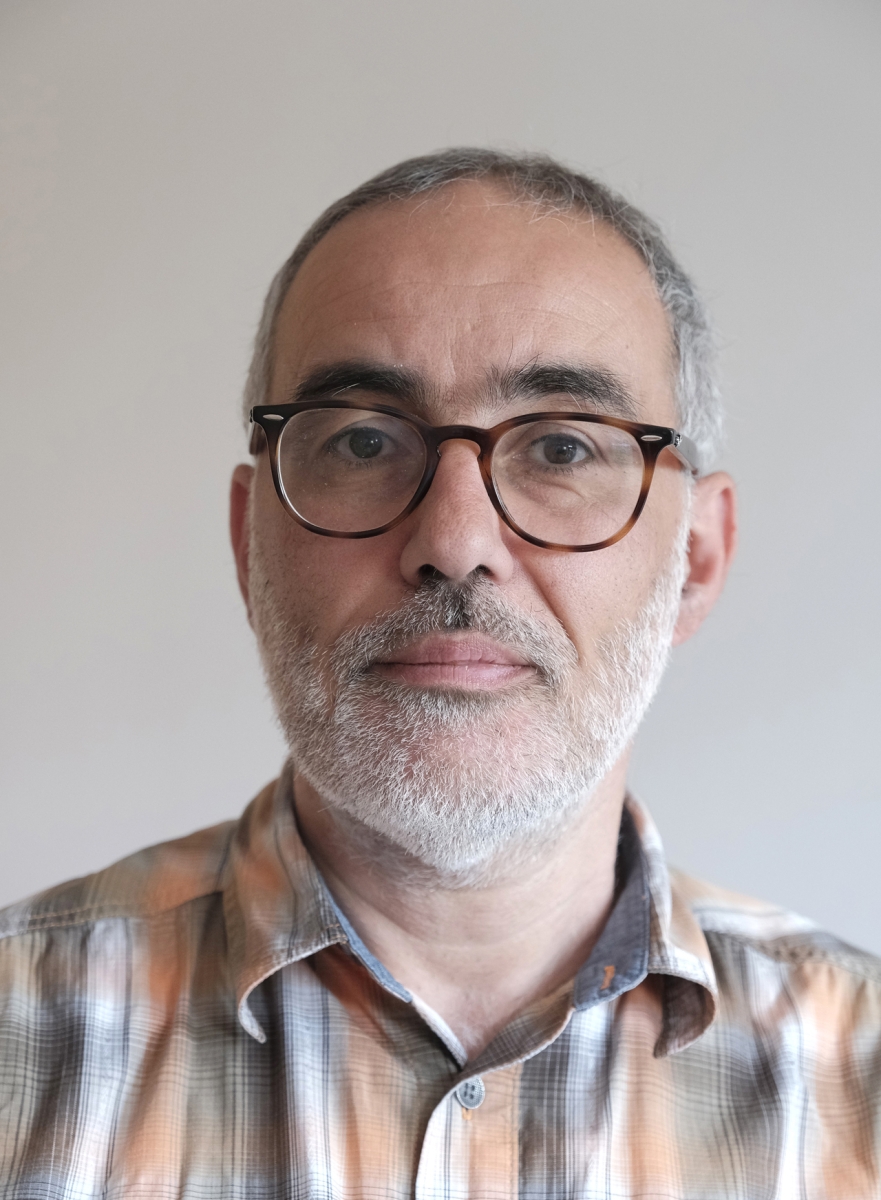
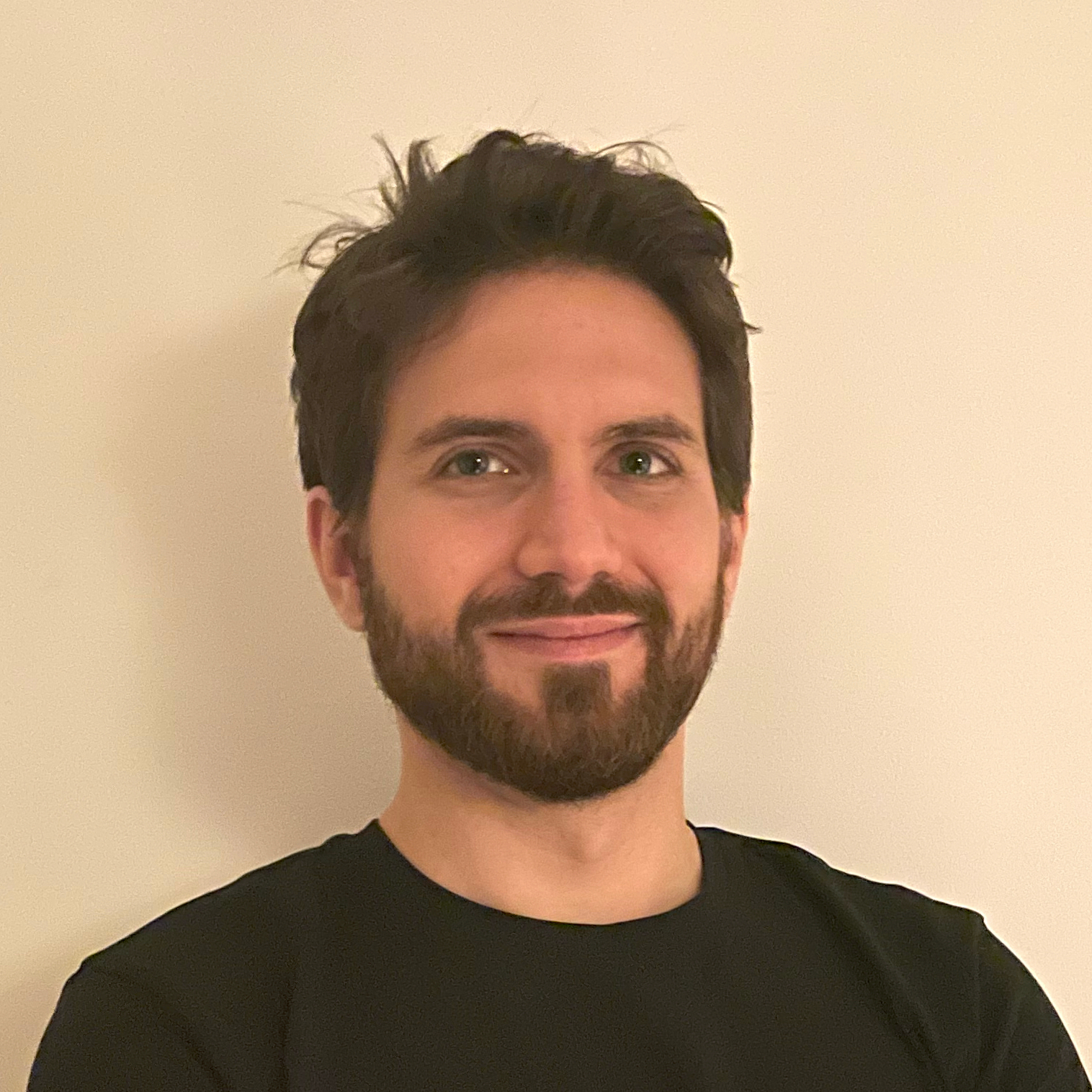
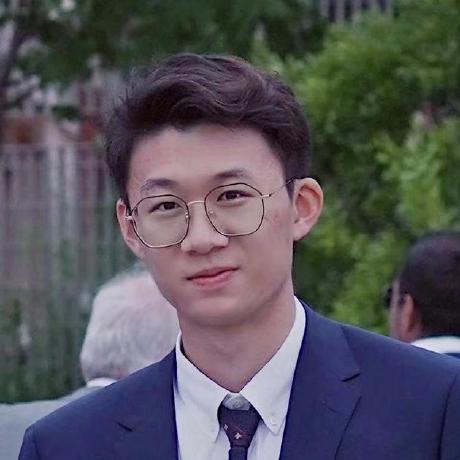
Dr. Paul Brindley is a Senior Lecturer at the School of Architecture and Landscape , University of Sheffield, specializing in geospatial analysis of human-landscape interactions. His work combines GIS, statistics, and digital data to address urban greenspace equity, rural-urban classification, and health-environment linkages. Senior Lecturer in GIS and Spatial Analysis Key researcher in the NERC-funded Improving Wellbeing through Urban Nature (IWUN) project Co-author of official Rural-Urban Classification for England and Wales Research focuses on: Urban Greenspace Accessibility using GPS and social media data Health Inequality Mapping through epidemiological GIS studies Vague Geographic Objects modeling of subjective spatial boundaries Computational Neighborhood Mapping via web data mining Project leadership includes: 2016-2019: IWUN Work Package 1 (Sheffield health-green space analysis) 2013-2014: Rural-Urban Classification updates for 2011 Census 2015: Real-Time Bus Data Mapping system development Teaching modules: LSC119: The Changing Landscape LSC336: Landscape Planning Toolkits LSC5020: Rural Landscape Planning GIS Workshops Professional contributions: Co-developer of Crime Map Analyst toolkit for non-GIS experts Joint Director of Learning and Teaching Links Member of Creative Spatial Practices initiative
George M. Church is a Professor of Genetics at Harvard Medical School and affiliated with MIT, where he directs PersonalGenomes.org, providing open-access genomic, environmental and trait data. His laboratory focuses on transformative technologies for reading and writing 3D/4D biological structures with attention to ethics, safety, and equitable access. Church has co-initiated major scientific initiatives including the BRAIN Initiative (2011) and multiple Genome Projects (GP-Read-1984, GP-Write-2016, PGP-2005). Church's research spans multiple cutting-edge domains including genome engineering, synthetic biology, aging reversal, and space genetics. His lab pioneered foundational methods for direct genome sequencing, molecular multiplexing and barcoding in 1984, leading to the first genome sequence in 1994. His innovations contributed to nearly all next-generation DNA sequencing methods and companies. Current research directions include machine learning for protein engineering, tissue reprogramming, organoids, gene therapy, and in situ 3D DNA/RNA/protein imaging. His work bridges fundamental biology with therapeutic applications across diverse fields from Alzheimer's disease to de-extinction biology. Church's recent publications reveal a remarkable breadth of scientific inquiry, spanning from fundamental genome editing techniques to applications in aging research, neuroscience, and space biology. His work increasingly integrates artificial intelligence with biological systems, as seen in papers on machine-guided cell-fate engineering and automation of systematic reviews with large language models. His research maintains a strong translational focus, with numerous papers addressing therapeutic applications in cancer immunotherapy, gene therapy, and diagnostics. The consistent theme across his diverse publications is the development and application of transformative technologies to address fundamental biological questions and medical challenges. National Academy of Sciences (NAS) membership National Academy of Engineering (NAE) membership Franklin Bower Laureate for Achievement in Science Co-initiator of the BRAIN Initiative (2011) Director of multiple NIH Centers for Excellence in Genomic Science (2004-2020) Church directs numerous research centers including the NIH-CEGS, Personal Genome Project (PGP), Lipper Center for Computational Genetics, and Wyss Institute Synthetic Biology center. His laboratory has trained PhD students across multiple Harvard and MIT programs including Biophysics, BBS, Biomedical Informatics, ChemBio, Chemistry, SSQB, MCO, Virology, HST, EE/CS, Physics and Applied Math. His commercial impact is extensive through companies spanning medical diagnostics (Knome/PierianDx, Alacris, Nebula, Veritas) and synthetic biology/therapeutics (AbVitro/Juno, Gen9/enEvolv/Zymergen/Warpdrive/Gingko, Editas, Egenesis). Church also pioneered new privacy, biosafety, ELSI, environmental and biosecurity policies. The Church Lab operates across multiple research domains including molecular multiplexing, next-generation sequencing, nanopore technology, and genome engineering. The lab maintains strong connections with the Personal Genome Project, Wyss Institute, and multiple commercial ventures. Current research directions include the Spatial Atlas of Human Anatomy (SAHA), human skin rejuvenation via mRNA, and space genetics research through the Consortium for Space Genetics and BioAstra. The lab's mission focuses on transformative technologies for reading and writing 3D/4D structures at any scale, inspired by but not limited by biology.
Arnoldo Frigessi is Professor of Statistics at the University of Oslo, where he leads the Oslo Center for Biostatistics and Epidemiology and serves as director of BigInsight—a Centre of Excellence for Research-Based Innovation. This consortium unites industry, business, public actors, and academia to develop model-based machine learning methodologies for big data, with strong emphasis on health applications. His research centers on statistical methodology driven by real-world scientific challenges, specializing in stochastic models for complex dependence structures and computationally intensive inference algorithms. Core application domains include: Genomics and personalized cancer therapy (particularly breast and lung cancer) Infectious disease modeling (including pandemic response) eHealth, sensor data analysis, and recommender systems Personalized marketing and viral diffusion dynamics Analysis of his 15 most recent publications (2024-2025) reveals dominant themes in cancer systems biology , where he integrates multi-omics, single-cell transcriptomics, and computational modeling to decode tumor evolution under therapy. Parallel work advances infectious disease epidemiology through time-varying reproduction number estimation and mobility-based transmission modeling, while methodological innovations span synthetic data generation (TVineSynth), causal inference via target trial emulation, and Bayesian ranking models for recommender systems. Scientific Awards: No specific awards mentioned in source materials Frigessi actively supervises graduate students, including a Department of Informatics project on "Utilizing covariate information in recommender systems." His leadership of BigInsight—funded as a Research-Based Innovation Centre by the Research Council of Norway—secures major grants supporting interdisciplinary collaborations with industrial partners (e.g., Telenor, DNB) and public health institutions. Current projects integrate real-world clinical data with mechanistic models for treatment optimization. He directs BigInsight's multidisciplinary team of statisticians, computer scientists, and domain experts, while leading the Oslo Center for Biostatistics and Epidemiology's efforts in developing statistical frameworks for complex health data. These initiatives drive Norway's national strategy for data-driven health innovation.
Deborah Rhodes is a Professor in General Internal Medicine at the Yale School of Medicine , with a focus on clinical informatics, breast cancer research, and health equity. She serves as the Enterprise Chief Quality Officer for Yale Medicine, Northeast Medical Group, and Yale New Haven Health System. MD (1992) from Weill Cornell Medical College BA (1986) in History and Literature from Harvard College Her research integrates clinical pathways for alcohol use disorder management and breast cancer screening accessibility, particularly for underserved populations. Recent work includes randomized trials on breast density notification impacts and electronic care pathway implementation. Key collaborations include studies with Benjamin Judson , David Fiellin , and Luming Li , focusing on interdisciplinary applications of clinical informatics and quality improvement initiatives.
Denis Mestivier serves as a Professor of Bioinformatics at the University of Paris-Est Créteil, where he leads the bioinformatics platform of the Mondor Institute of Biomedical Research (IMRB) under the Faculty of Health. His multidisciplinary expertise bridges computational and biological sciences, with a career-long focus on health-related applications of data-intensive methods. Education: Master's degree in Molecular Genetics PhD in Biomathematics Research Interests: Mestivier develops computational models and bioinformatics pipelines for large-scale biological datasets, specializing in microbiome-cancer interactions and molecular biomarker discovery. His work integrates statistical analysis, metagenomics, and epigenetic modeling to address clinical health problems, particularly in gastrointestinal and liver diseases, through active collaboration with experimental research teams. Publication Trends (2011-2021): His research demonstrates a clear trajectory from metabolic modeling (2011) to translational microbiome studies in colorectal cancer (2019-2021), emphasizing bias mitigation in metagenomics and epigenetic mechanisms linking microbiota to oncogenesis. All works showcase applied bioinformatics in health contexts, with consistent focus on clinical biomarker identification and computational solutions for complex biological systems. Scientific Awards: No awards, fellowships, or medals are documented in the provided text. Teaching and Leadership: Since the 1990s/2000s, Mestivier has pioneered biology-computing curriculum development at the university level, intensifying health-focused teaching after his Faculty of Health appointment. He directs IMRB's bioinformatics platform but specific advising roles or grant funding details are not disclosed. Labs and Teams: As head of IMRB's bioinformatics platform, he oversees computational infrastructure for biomedical research, facilitating cross-disciplinary projects with experimental teams at the Mondor Institute while specializing in health data analysis.
Pierre Monnin is a Junior Fellow in AI at Université Côte d'Azur , conducting research within the Wimmics team at the I3S Laboratory . He also teaches within the EFELIA Côte d'Azur program. His work spans multiple institutions through funded projects like SHACKLE (EU Horizon), ECLADATTA and AT2TA (ANR), with collaborations at Télécom Paris , Università di Bari , and INESC-ID in Lisbon. Previous roles include temporary lecturer at TELECOM Nancy (2023-2024) and researcher at Orange (2020-2023). Research Interests focus on the knowledge graph lifecycle (construction, matching, refinement, mining, discovery) from neurosymbolic AI and analogical reasoning perspectives. He explores Domain knowledge injection into ML models Symbolic-semantics for graph embeddings Zero-shot bootstrapping techniques Context-aware semantic annotation Link prediction with constraint enrichment Life sciences applications Recent scientific awards include: Best Paper Award at ESWC 2024 (Student & Resource Papers) Best Thesis Award from French Association EGC (2022) 1st Prize (Accuracy Track) at Semantic Web Challenge (2021) His teaching portfolio covers AI fundamentals for foreign languages, marketing, and adult education programs, with specialized courses in Semantic Web technologies NoSQL databases XML tools Compiler implementation He supervises multiple PhD students and interns on topics involving neurosymbolic refinement , knowledge reconciliation , and analogical reasoning . Key software contributions include: KGPrune - Web application for thematic Wikidata subgraph extraction PyGraft - Synthetic knowledge graph generation tool DAGOBAH UI - Semantic table interpretation interface He also maintains datasets like PGxLOD and YAGO4-LP for pharmacogenomics and link prediction.
Katarzyna Wac is a researcher at the University of Geneva affiliated with the Faculty of Economics and Management and the Information Science Institute . Her work bridges Digital Health , Mobile Computing , and Human-Computer Interaction , focusing on leveraging wearable devices, smartphones, and AI for health and quality of life (QoL) quantification. Research Themes: Digital biomarkers for Alzheimer's and migraines, QoL assessment via ubiquitous computing, peer- and self-reported behavioral data, and QoE of mobile applications. Labs: Leads the mQoL Lab , a platform for interactive, mobile, and wearable-based studies. Her recent publications explore Transformer models for health data analysis, social robots in homecare, and ethical frameworks for digital mental health. She has contributed to standards for proxy-reported QoL measures and personalized drug delivery systems in digital health. The multimodal integration of emotional signals and context-aware QoS/QoE provisioning for m-health services are recurring technical themes. Key collaborations include the MobiHealth project and COPD24 , translating future internet technologies into telemonitoring solutions. Her work spans from foundational studies on mobile cognition to applied ambulatory assessment of affect and health risks.
Claudia Hanson is a Senior Lecturer (Docent) at Karolinska Institutet and Professor of Implementation Science and Perinatal Epidemiology at the London School of Hygiene and Tropical Medicine. She is also a visiting researcher at the Aga Khan University in Nairobi. Her career integrates clinical expertise in obstetrics/gynecology, epidemiology, and implementation science. MD, MSc in International Health (Charité, Germany), MSc in Epidemiology, and PhD in Epidemiology (LSHTM) Specializes in maternal and newborn health in LMICs, with fieldwork in East Africa Principal Investigator for ALERT, QUALI-DEC, and SISTer’s Care projects Her research focuses on implementation science, health systems strengthening, quality of maternal care, and perinatal mortality reduction. Recent publications address vaccine confidence, stillbirth prevention, anaemia management, and climate change impacts on birth outcomes. Scientific awards include the SIGHT award (2019), WHO and FIGO advisory roles, and leadership in the Doctoral Programme in Biology of Infections and Global Health (BIGH). She has supervised 10 PhD students (4 main, 8 co-supervised) and leads the Sweden–Tanzania PhD training program in reproductive health.
Rahul Siddharthan is a computational biologist at The Institute of Mathematical Sciences (IMSc), Chennai , with research interests spanning bioinformatics algorithms, regulatory genomics, chromatin structure, evolutionary biology, and machine learning applications in clinical outcomes. He holds a PhD in Physics from the Indian Institute of Science, Bangalore, and transitioned to biology during a postdoc at the Rockefeller University, New York. At IMSc, he has led the Computational Biology group since 2013 and contributed to a new PhD program in this field. PhD: Physics, Indian Institute of Science, Bangalore Postdoc: Rockefeller University, New York Current Affiliation: IMSc, Chennai Leadership: Computational Biology group (since 2013) Research Interests include: Bioinformatics Algorithms Regulatory Genomics Chromatin Structure Evolutionary Biology Machine Learning in Clinical Data His recent publications focus on machine learning for fetal growth prediction , clustering methods for clinical data , and evolutionary analysis of fungal pathogens . He actively supervises PhD students and collaborates with medical institutions like Apollo Hospitals and Warwick Medical School. Rahul also organizes interdisciplinary workshops such as 'Machine Learning for Health and Disease' at ICTS Bengaluru and 'Aspects of Gene and Cellular Regulation' at IMSc. Advising and Collaborations involve mentoring current PhD students Sankarsan Dutta and Akash Sivaraman, with past advisees including Pavitra S (defended 2025), Chandrani Kumari (submitted 2024), and Rakesh Netha Vadnala (PhD 2023). Key collaborators include Dr. Uma Ram (Seethapathy Clinic), Leelavati Narlikar (IISER Pune), and Ponnusamy Saravanan (Warwick). Technical Contributions include developing algorithms like THiCweed for ChIP-seq motif discovery and ClaID for Candida auris clade identification. His group engages in projects related to chromatin organization , transcription factor interactions , and genomic data analysis .
Dr. Nai-Ching Chi is a tenured Associate Professor at the University of Iowa College of Nursing. She is a nurse scientist and informaticist conducting pioneering research at the intersection of data science, technology, and health, focusing on dementia care, multimorbidity management, pain management, family caregiving, and healthy aging. PhD in Biobehavioral Nursing and Health Informatics (University of Washington) MS in Clinical Informatics and Patient-Centered Technologies (University of Washington) MSN (University of California, San Francisco) BSN (Tzu Chi University, Taiwan) Dr. Chi's research integrates advanced data science and AI to develop digital interventions for vulnerable populations. Notable projects include the PACE-app for dementia caregiver pain management, AI-powered nursing communication tools, and NIH-funded studies on multimorbidity patterns in Alzheimer's patients. Her work informs clinical guidelines and leverages predictive modeling for early risk detection. Recent publications focus on AI-driven pain assessment, machine learning in multimorbidity analysis, usability of caregiving apps, and rural age-friendly ecosystems. Her work spans comorbidity indices, geriatric pain, and health informatics innovations. National Academy of Medicine Emerging Leader Forum nomination NIA Butler-Williams Scholar NIA Aging Initiative MCCs Scholar Hospice and Palliative Nurses Association Emerging Leader Award Dr. Chi mentors students in aging research and technology-driven healthcare. She serves on editorial boards, grant review panels, and university committees, while volunteering in nursing homes and international medical missions.
Walter Roberts is an Assistant Professor in the Psychiatry Department at Yale School of Medicine with a secondary appointment in Biomedical Informatics & Data Science. A licensed clinical psychologist specializing in substance use treatment, particularly alcohol and tobacco use disorders, he combines clinical expertise with technological innovation in his research program. Dr. Roberts received his PhD in Clinical Psychology from the University of Kentucky in 2016. His research program employs multiple methodologies to identify the causes and consequences of substance use in humans, with a focus on developing mobile biosensor platforms that can passively detect and predict substance use behaviors. These systems, built using machine learning and informatics techniques, aim to improve assessment and targeted delivery of interventions in clinical and research settings. He also investigates risk factors for hazardous alcohol use using clinical and epidemiological data and maintains an active interest in research ethics related to substance use research. Dr. Roberts' publication record reveals a strong focus on alcohol use disorders, with increasing integration of digital phenotyping and AI technologies in recent years. His work spans from traditional clinical studies to cutting-edge investigations using wearable technology and machine learning. The research shows a clear trajectory toward developing objective, real-time assessment methods for substance use behaviors, with particular attention to sex and gender differences in alcohol-related outcomes. Recent publications demonstrate growing interest in ethical considerations surrounding digital technologies in substance use research. MD2K Training Institute Summer Scholar (2023) Early Career Scientist Award from CHADD (2015) Enoch Gordis Award Finalist from Research Society on Alcoholism (2013) Dr. Roberts serves as a Sub Investigator on multiple clinical trials related to alcohol addiction and mental health, including studies examining the effects of acute stress and inflammation on drinking behavior, combining varenicline and guanfacine for smoking cessation, and investigating whether propranolol attenuates stress-induced drinking. His collaborative network includes frequent co-authors such as Sherry McKee, Terril Luce, MacKenzie Peltier, Yasmin Zakiniaeiz, and Bubu Banini. His research has been featured in YaleNews, highlighting work on using smartwatches to better understand psychiatric illness.
Haoyu Wang is a Researcher in the Computer and Information Science department at the University of Pennsylvania . He previously held research positions at Shanghai Jiao Tong University and interned at Google DeepMind , Amazon AWS , ByteDance , AI2 , Tencent AI Lab , and Goldman Sachs . Education : PhD in Computer and Information Science (2021–Present), MS in Computer and Information Science (2019–2021), BS in Computer Science (2015–2019). His research focuses on Event-Centric NLP/NLU , LLM Reasoning and Planning , Knowledge Graph , and Pose Estimation in Computer Vision . His work includes event causality identification, semantic classification in context, and synthetic control for temporal reasoning. He has contributed to multimodal hallucination analysis and safety in reasoning models through projects like RESIN-11 and Devil's Advocate . His publications span venues like EMNLP , EACL , and ACL . His recent articles analyze LLM limitations in NP-hard problems , clinical trial prediction , event causality , and hallucination in vision-language models . He has served as PC Member for conferences including ACL , NAACL , NeurIPS , and EMNLP since 2019.
Jason Shahin is an Assistant Professor at the Department of Medicine , Faculty of Medicine and Health Sciences , McGill University . He serves as an Investigator at the Research Institute of the McGill University Health Centre (RI-MUHC) , specifically within the Translational Research in Respiratory Diseases Program . His academic and clinical work bridges critical care medicine and respiratory medicine at the McGill University Health Centre (MUHC) . Research Focus: Dr. Shahin specializes in risk prediction in intensive care units (ICU) , with particular emphasis on prediction tools for complex populations , including the chronic critically ill and potential organ donors . His work integrates clinical data science with translational approaches to improve ICU outcomes. Article Trends: His publications span critical care medicine , sepsis , mechanical ventilation , and organ donation . Recent studies focus on machine learning applications , probiotics in infection prevention , and blood conservation strategies in ICU settings. Key Collaborations: He contributes to large-scale trials like the LOVIT , PROSPECT , and FORECAST studies, collaborating with networks such as the Canadian Critical Care Trials Group and REVA Network .
Darko Etinger is an Associate Professor and currently serves as the Dean of the Faculty of Informatics at Juraj Dobrila University of Pula in Croatia. His academic career spans over two decades with significant contributions to the fields of information systems, educational technology, and artificial intelligence. He teaches undergraduate courses including Artificial Intelligence, Business Information Systems, Business Process Management, ICT Fundamentals, Information Systems, Introduction to Artificial Intelligence, and Multimedia Systems. At the graduate level, he teaches Development of IT Solutions, IT Management, Modelling and Simulation, and Project Management. He also supervises doctoral research in Management of Information Technologies in Education. Dr. Etinger's research interests span several key areas in computer science and education technology. He has made significant contributions to understanding how information and communication technologies can support children with special educational needs, as evidenced by his 2024 and 2025 books on the topic. His work also focuses on business process management, educational data mining, and the application of artificial intelligence in educational contexts. His 2024 book 'Introduction to R and RStudio' demonstrates his commitment to data science education. Analysis of his recent publications shows a strong focus on practical applications of technology in education and business. His work spans educational robotics, learning management systems analysis, business process modeling, and the application of large language models in healthcare. He has a particular interest in how technology can be made accessible and beneficial for diverse learner populations, including those with special needs. His research often takes a human-centered approach, examining not just the technology itself but how it's adopted and used by end users. His 2025 bibliometric analysis of metaverse security demonstrates his ability to tackle emerging technological challenges. Associate Professor at Faculty of Informatics, Juraj Dobrila University of Pula Current Dean of Faculty of Informatics Author of multiple publications on educational technology and information systems Supervisor for numerous graduate theses on educational technology topics Active participant in EDIH Adria project as evidenced by 2025 publications Researcher in educational robotics implementation in Croatian schools Dr. Etinger has advised numerous students completing their theses, with a focus on educational technology applications. His research has been published in various international conferences and journals including IEEE Engineering Management Review, Procedia Computer Science, and System Dynamics Review. His current research appears to be heavily focused on the EDIH Adria project, which is a European Digital Innovation Hub initiative focusing on technology transfer and business innovation. He maintains an active research program with publications spanning from 2003 to the present, demonstrating sustained scholarly contribution to his fields of expertise.
Daniel Hale is a Professor in the Department of Pediatrics and Chief of the Division of Endocrinology. His work focuses on pediatric endocrine abnormalities, particularly in children with genetic syndromes, growth disorders, and pubertal disorders. He is also active in medical student, resident, and provider education. Education: MD, University of Texas McGovern Medical School (1977) Pediatrics Residency, Medical University of South Carolina (1980) Pediatric Endocrinology Fellowship, Children's Hospital of Philadelphia (1983) Research Trends: Type 2 Diabetes in Youth Genetic Syndromes and Endocrinology Impact of CNS Stimulants on Pediatric Growth Glycemic Control and Complications in Diabetes Chromosome 18 Syndromes Collaborations: Extensive cross-institutional collaborations in diabetes, genetics, and child development. Grants: National Children's Study, GH Trial for Chromosome 18q- Syndromes, DM2 Risk in Mexican Youth, Telehealth Network Grants.