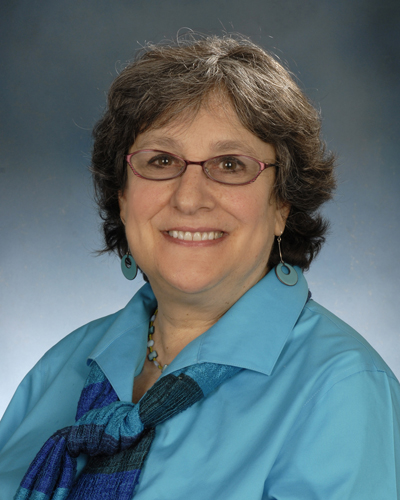
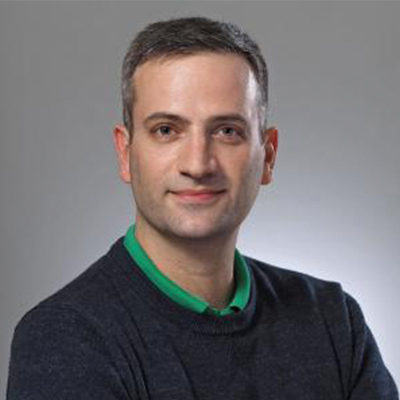
Jennifer Blossom is an Assistant Professor in the Department of Psychology at the University of Maine , where she directs the Clinical Child and Adolescent Psychology (C–CAP) Lab . Her research focuses on leveraging implementation science to enhance community capacity for identifying and addressing youth mental health concerns through evidence-based interventions (EBIs) in pediatric primary care and community settings. Research Interests : Effectiveness and implementation of EBIs, public health impact of mental health programs, suicide prevention in adolescents, trauma interventions, and identification of modifiable risk/protective factors for youth internalizing problems. Collaborations : Partnerships with academic institutions (University of Washington, Indiana University School of Medicine, University of Miami) and community stakeholders (integrated behavioral health clinicians, pediatricians, school personnel). Publications : Focus on multidisciplinary selective mutism treatment, suicide prevention models, technology-enabled interventions, and depression prevention strategies during high school transitions.
Jennifer Thibodeau, M.D., M.S.C.S., is a Professor in the Division of Cardiology at UT Southwestern Medical Center , where she serves as Medical Director of the Heart Failure Program and ECMO . Her clinical and research focus spans heart failure , left ventricular assist devices (LVADs) , and cardiac transplantation . Board-certified in cardiovascular disease and advanced heart failure/transplant cardiology , she joined the faculty in 2011 and mentors medical students, residents, and fellows in heart-failure rotations. Education: M.D. from University of Maryland School of Medicine, Chief Residency at University of Maryland Medical Center, Fellowships in cardiology and advanced heart failure/transplant cardiology at UT Southwestern M.S.C.S. from UT Southwestern B.S. in biochemistry from Georgetown University Research Interests: Encompasses clinical investigations in heart failure , LVADs , and cardiac transplantation , with a focus on symptom characterization (e.g., bendopnea) , cardiopulmonary diagnostics , and telehealth applications . Her work includes developing machine learning tools for post-transplant renal outcomes and analyzing discordance in patient-physician prognosis perceptions . Scientific Awards: 2012 finalist, American Heart Association’s Samuel A. Levine Young Clinical Investigator Award 2015 recipient, Journal of the American College of Cardiology: Heart Failure Young Author Achievement Award 2015–2017 Texas Rising Star 2018 Super Doctor, Texas Monthly Professional Affiliations: Member of the American College of Cardiology , American Heart Association , International Society of Heart and Lung Transplantation , and Heart Failure Society of America .
Joseph T Ferrucci is a distinguished Professor of Radiology at UMass Chan Medical School's T.H. Chan School of Medicine, specializing in Abdominal Imaging within the Department of Radiology. With over four decades of academic and clinical experience, Dr. Ferrucci has established himself as a leading authority in gastrointestinal radiology, particularly in CT colonography and virtual colonoscopy techniques. His educational foundation includes an AB in Liberal Arts from Harvard University, an MD from Tufts University School of Medicine, Radiology Residency at Massachusetts General Hospital, and a Teaching Fellowship in Radiology at Harvard Medical School. This rigorous training provided the foundation for his subsequent contributions to abdominal imaging and interventional radiology. Dr. Ferrucci's research interests focus on advancing gastrointestinal imaging techniques, with particular emphasis on CT colonography, virtual colonoscopy, and interventional approaches to abdominal conditions. His work has significantly influenced clinical practice guidelines for colorectal cancer screening and the standardization of CT colonography reporting. Analysis of his publication history reveals consistent scholarly output with particular concentration on virtual colonoscopy development between 1998-2006, where he contributed to establishing both technical standards and clinical applications of this important screening modality. His most impactful publications include the highly cited 2003 colorectal cancer screening guidelines (611 citations) and the 2005 CT colonography reporting standards consensus (156 citations), demonstrating his leadership in shaping clinical practice in gastrointestinal radiology. Dr. Ferrucci's work spans both technical innovations in imaging methodology and practical clinical applications, with particular strength in translating research findings into clinical practice. Throughout his career, Dr. Ferrucci has maintained active involvement in both the academic and clinical aspects of radiology, contributing to the education of future radiologists while advancing the field through his research. His collaborative approach is evident in the numerous multi-institutional studies he has participated in, particularly in establishing consensus guidelines for colorectal cancer screening and CT colonography implementation.
Karen Kotloff, MD, is a Professor in the Department of Pediatrics at the University of Maryland School of Medicine. She serves as Head of the Division of Infectious Disease and Tropical Pediatrics and Associate Director of Clinical Studies at the Center for Vaccine Development and Global Health (CVD). Her work spans clinical practice, research leadership, and international public health initiatives. Education: BA in Psychology (Washington University, 1975), MD (Temple University School of Medicine, 1979) Secondary Appointments: Medicine, Epidemiology & Public Health Dr. Kotloff specializes in pediatric infectious diseases and vaccine development. Her research focuses on global child mortality reduction through clinical trials and epidemiological studies, particularly in developing countries. Key projects include the GEMS, VIDA, CHAMPS, and SANTE studies, addressing diarrheal diseases, pneumonia, and maternal-infant mortality prevention. Her scientific contributions have earned international recognition, including the Knight of the National Order of Mali (2005), Temple University Alumni Achievement Award (2019), and Founders' Day Research of the Year (2018). She leads multiple NIH- and Gates Foundation-funded initiatives, including Phase 3 COVID-19 vaccine trials and azithromycin distribution programs. Selected Awards Chevalier de l’Ordre National du Mali (2005) Distinguished Professor (2021) Temple University Alumni Achievement Award (2019) Founders' Day Research of the Year (2018) Baltimore Magazine’s Best Doctors (2013-2014) Alexander I. Shaeffer Teaching Award (1987-1988) Dr. Kotloff participates in international advisory committees for the Bill & Melinda Gates Foundation and the World Health Organization, advancing vaccine implementation strategies in Africa and Asia.
Miriam K. Laufer, MD is an Adjunct Professor in the Department of Pediatrics at the University of Maryland School of Medicine, with secondary appointments in Medicine, Epidemiology and Public Health, and Faculty of the graduate program in Microbiology and Immunology. She directs the Malaria Research Program at the Center for Vaccine Development and Global Health, serves as Director of the Office of Student Research for the School of Medicine, and is Associate Director of the Institute for Global Health at the University of Maryland. Dr. Laufer received her medical degree from the University of Pennsylvania and completed her pediatric residency at Babies and Children's Hospital of New York (now New York Children's Hospital) of Columbia University. She completed fellowships in pediatric infectious diseases at Johns Hopkins University and in malaria research at the Center for Vaccine Development at the University of Maryland. She earned her MPH from the Bloomberg School of Public Health at Johns Hopkins University. As a pediatric infectious disease specialist, Dr. Laufer has dedicated nearly two decades to malaria research in Malawi. Her primary research focuses on the impact of infections including malaria and HIV during pregnancy on infant immunity and early childhood development, the interaction between HIV and malaria, and identifying reservoirs of malaria transmission. Her laboratory applies molecular epidemiology tools to address critical issues related to malaria pathogenesis, disease burden, and drug resistance. She uses clinical and laboratory research to develop and evaluate interventions to decrease the malaria burden in sub-Saharan Africa. Dr. Laufer's recent publications demonstrate a strong emphasis on malaria prevention strategies, particularly for vulnerable populations. Her work explores school-based interventions, comparative effectiveness of antimalarial drugs during pregnancy, molecular mechanisms of malaria transmission, and HIV-malaria co-infections. Her research has significantly contributed to understanding the role of school-age children as malaria reservoirs and has informed malaria prevention policies across sub-Saharan Africa. Joseph Augustine LePrince Award (American Society of Tropical Medicine and Hygiene) J. Tyson Tildon Award for Pediatric Research Alpha Omega Alpha Teaching Commendation (Host Defenses and Infectious Diseases) Global Health Faculty Award (Center for Global Health Initiatives) American Society of Tropical Medicine and Hygiene LePrince Medal As Principal Investigator for clinical trials, epidemiological studies, and a Fogarty training grant, Dr. Laufer leads collaborative research across the US, Europe, and Africa. She is deeply committed to training the next generation of scientists through the Malaria Research Program, which focuses on building research capacity in both the US and malaria-endemic countries. She also serves as Director of the Office of Student Research, promoting hands-on research training for all medical students. Dr. Laufer directs the Malaria Research Program at the Center for Vaccine Development and Global Health, which develops innovative scientific tools to eliminate malaria. She serves on the World Health Organization's Malaria Vaccine Advisory Committee and Global Malaria Programme Guidelines Development Committee, and is active in the American Society of Tropical Medicine and Hygiene and Pediatric Infectious Diseases Society.
Prof. dr. Jeroen de Mast is a faculty member at the University of Amsterdam (UvA) , affiliated with the Faculty of Economics and Business and the Section Business Analytics . His research focuses on Lean Six Sigma , statistical engineering , and diagnostic problem solving , with applications in healthcare operations and industrial processes. He has authored numerous publications on topics such as variation reduction, measurement systems, and quality improvement frameworks. Academic Rank: Professor Contact: j.demast@uva.nl Research Trends (2019–2025): His work spans operational excellence , appointment scheduling optimization , and statistical validation , emphasizing interdisciplinary collaboration between statistics, healthcare, and business analytics. Key methodologies include DMAIC , DAPS diagrams , and adaptive polynomials .
Nicole Hackman is a Professor in the Department of Pediatrics , with expertise in Breastfeeding Medicine , Antimicrobial Stewardship , and Maternal-Child Health . Her work focuses on improving breastfeeding outcomes, neonatal care, and clinical decision-making in pediatric infectious diseases. Dr. Hackman’s research includes telehealth lactation support , Cesarean section impacts on child development , and antimicrobial guidelines for otitis media . Her recent articles highlight pandemic-era healthcare adaptations and physician collaboration in Breastfeeding Medicine . She received the Dean’s Award for Excellence in Teaching (2022) and has published extensively on first-time mother support , hospital lactation policies , and neonatal abstinence syndrome . Her work aligns with UN Sustainable Development Goals in public health and maternal-child welfare.
Prof. Dr. med. dent. Stefan Zimmer is Chair for Conservative and Preventive Dentistry and Head of the Department of Conservative and Preventive Dentistry at the University of Witten/Herdecke, Germany. Since 2021 he also serves as Dean of the Faculty of Health. His clinical and research activities centre on the prevention of caries and non-carious hard-tissue lesions, evidence-based fluoride programmes, occupational dental prevention and public-health implementation. Education & Academic Career 1988 – Dr. med. dent., Free University of Berlin 1994 – Specialist training (Fachzahnarzt) 2000 – Habilitation & Privatdozent, FU Berlin 2005 – Extraordinary Professor, Heinrich-Heine-University Düsseldorf 2008 – Full Professor & Chair, University of Witten/Herdecke 2021 – Dean, Faculty of Health, University of Witten/Herdecke Research Interests Prof. Zimmer’s work spans basic laboratory science , clinical intervention trials and public-health implementation research . Key themes include: Caries prevention through fluoride toothpastes, varnishes, salt and rinses Occupational dental prevention programmes in workplace settings Surface degradation and erosion from acidic beverages and bleaching agents Effectiveness of manual, sonic and powered oral-hygiene devices Development of evidence-based guidelines for vulnerable age groups (children, elderly, HIV patients) Scientific Awards Gesundheitspreis NRW (2015) Ehrenzeichen des Bundesverbandes der Zahnärzte im Öffentlichen Gesundheitswesen in Silber (1998) Tholuck Medaille der Gesellschaft für Zahnhygiene (2013) Gesundheitspreis NRW – 2nd place (2008) Hufeland-Preis (2006) Advising & Grants Prof. Zimmer currently mentors numerous doctoral and master’s students in clinical and public-health dentistry. His projects receive funding from the German Research Foundation, Federal Ministry of Health, European regional programmes and industry partners. He leads the interdisciplinary Research Group on Occupational Dental Prevention and coordinates several multi-centre clinical trials on fluoride delivery systems. Laboratories & Teams He directs the Laboratory for Preventive Dentistry and Public Health and is scientific director of the University Centre for Dental Prevention , which houses pre-clinical simulation units, microbiological and materials-testing labs, and a clinical trial outpatient clinic.
Professor Jon Friedland serves as Vice-President (Research & Innovation) at City St George's, University of London, a position he assumed in January 2025 following the merger of City University and St George's. Previously, he was Deputy Vice-Chancellor (Research and Enterprise) and Professor of Infectious Diseases at St George's, University of London. His extensive leadership experience includes Director (initially Dean) of the Hammersmith Campus at Imperial College London (2010-18), Head of Infectious Diseases, and Lead Clinician for Clinical Infection (2004-13). Beyond academia, he serves as a non-executive board member of the UK Health Security Agency, chairing the Science & Research Committee and serving on the Audit & Risk Committee. Friedland's research spans two primary domains: the innate inflammatory immune response to tuberculosis (TB), with particular focus on matrix metalloproteinases driving tissue destruction in pulmonary and central nervous system tuberculosis; and migration and infection, examining active/latent TB in migrants, healthcare barriers, and neglected tropical diseases. His work on host-directed therapies for TB, prevention of long-term fibrosis, and the immunopathology of neurocysticercosis has resulted in over 250 publications. His research methodology emphasizes collaborative international work across five continents, with longstanding partnerships at Johns Hopkins University and Universidad Cayetano Heredia Peruan in Lima, Peru. The analysis of Professor Friedland's most recent publications reveals a sustained focus on TB immunopathology, particularly the role of matrix metalloproteinases in tissue destruction. His work increasingly examines the intersection of TB with migration, mental health, and co-infections, reflecting a growing emphasis on social determinants of health. The publications demonstrate methodological diversity spanning basic science, clinical research, systematic reviews, and implementation studies, with significant contributions to clinical guidelines and policy recommendations through organizations like ESCMID and TBnet. Weber-Parkes Prize Medal for research in tuberculosis (2005) Fellow of the Academy of Medical Sciences (2008) Fellow of the Royal College of Physicians of Ireland (2010) Inaugural Fellow of the European Society of Clinical Microbiology and Infectious Diseases (2017) President of the British Infection Society (2007-2009) Professor Friedland has chaired significant committees including the MHRA Expert Working Group on COVID-19 Therapeutics and the Commission for Human Medicines Expert Working Group. His leadership extends to the European Society for Clinical Microbiology and Infectious Diseases (ESCMID), where he currently serves as President-elect and Secretary General after previously serving as Scientific Affairs Officer. His work with international collaborators has secured substantial research funding for studies on TB immunopathology and migrant health, with particular emphasis on translating basic science discoveries into clinical applications through host-directed therapies. His research program operates through an international collaborative network spanning five continents, with particularly strong partnerships in Peru through Universidad Cayetano Heredia and in the United States with Johns Hopkins University. This global network enables studies on TB in diverse epidemiological settings and facilitates research on migrant health across different healthcare systems. The collaborative approach has been instrumental in advancing understanding of TB immunopathology across different populations and settings.
Professor Stewart Vella serves as an Associate Professor at the University of Wollongong's School of Psychology and holds significant leadership roles as Director of the Global Alliance for Mental Health and Sport and Mental Health and Sport Research Advisor at Movember. According to Scopus, he is the most published researcher globally on mental health and sport topics, with expertise spanning mental health programs, mental health guidelines, psychological safety, and mental fitness. His groundbreaking work includes developing the 'Ahead of the Game' program, which Movember is scaling globally, and leading the development of Australia's first National Mental Health Guidelines for Community Sport. Professor Vella has secured over $14 million in research funding across numerous projects focused on mental health in sports contexts. His academic journey at the University of Wollongong includes progression from Research Fellow (2012-2018) to Senior Lecturer (2018-2021) and currently Associate Professor (2021-present). He earned his PhD from the University of Wollongong between 2010-2012. His research interests focus broadly on mental health and sport/physical activity , with specific emphasis on mental health interventions in sport, mental health guidelines, and psychological safety. Vella's work bridges applied research with practical implementation, particularly through community sport settings where he has developed evidence-based programs that are making significant impact nationally and internationally. Professor Vella's research outputs reveal a strong focus on youth mental health in sport contexts, mental health literacy interventions, psychological safety frameworks, and the development of evidence-based guidelines. His work spans both qualitative and quantitative methodologies, often employing systematic reviews and meta-analyses to establish evidence bases for mental health interventions in sport. Key themes include mental health promotion for adolescents, particularly girls and young men, psychological aspects of elite performance, and the relationship between sport participation and mental wellbeing. He actively supervises numerous PhD candidates working on diverse projects related to mental health in sport, including suicide prevention for adolescent females, mental health literacy for adolescent girls, mindfulness for elite athletes, and clutch performance theory. His supervision portfolio reflects his commitment to developing the next generation of researchers in this critical field. Director of the Global Alliance for Mental Health and Sport Mental Health and Sport Research Advisor at Movember Recipient of over $14 million in research funding Developer of the 'Ahead of the Game' mental health program Lead developer of Australia's first National Mental Health Guidelines for Community Sport Professor Vella's work has significant real-world impact through partnerships with major organizations like Movember, which is scaling his research into global implementation. His research directly informs policy and practice in community sport settings, creating tangible improvements in mental health outcomes for sport participants across Australia and internationally.
Leanne Sakzewski is an Associate Professor at the Queensland Cerebral Palsy and Rehabilitation Research Centre, Faculty of Medicine, The University of Queensland. She serves as a Principal Research Fellow at the Child Health Research Centre and is affiliated with the Queensland Cerebral Palsy Rehabilitation and Research Centre. Her research is primarily focused on randomized clinical trials in cerebral palsy and childhood brain injuries, with particular emphasis on upper limb rehabilitation and motor training interventions. Dr. Sakzewski's research interests include upper limb training approaches for infants and children with unilateral cerebral palsy; intensive models of motor training to improve gross motor and manual abilities for children with bilateral cerebral palsy; participation-focused interventions to increase physically active leisure for children with cerebral palsy; and social skills group-based programs for adolescents with brain injuries. Her work demonstrates a strong commitment to evidence-based rehabilitation approaches that translate into practical clinical applications. Her recent publications show a consistent focus on intervention efficacy, with numerous randomized controlled trials examining various therapeutic approaches for children with cerebral palsy. The research spans multiple domains including motor function, social skills development, physical activity promotion, and early intervention strategies. Her collaborative work with multidisciplinary teams demonstrates the comprehensive nature of her research program. Dr. Sakzewski has received recognition for her research, including a Dean's Commendation for outstanding Research Higher Degree following completion of her PhD in 2010 from The University of Queensland. Her work has been published extensively in high-impact journals across rehabilitation science, pediatrics, and neurology. With over 100 journal articles to her name, Dr. Sakzewski has established herself as a leading researcher in pediatric rehabilitation for children with cerebral palsy. Her research bridges clinical practice and scientific investigation, with a focus on developing and testing interventions that can be readily implemented in clinical settings to improve outcomes for children with neurological conditions.
Gary Weissman, MD, MSHP, serves as an Assistant Professor of Medicine with a research program centered at the intersection of clinical medicine and advanced informatics. His work bridges critical care practice with data science to develop innovative solutions for patient care improvement, focusing on clinical research informatics, natural language processing, acute care clinical decision support, population health management, and health informatics policy. Dr. Weissman's research program addresses fundamental challenges in acute care delivery through sophisticated analysis of electronic health record data. He has pioneered methods for identifying patients with acute respiratory distress syndrome (ARDS) and sepsis using natural language processing of clinical notes, developed standardized data frameworks like the Common Longitudinal Intensive Care Unit (CLIF) format, and investigated health equity implications of clinical algorithms. His work on goal-concordant care measurement and ventilator management optimization demonstrates commitment to both technical innovation and ethical healthcare delivery. Current investigations examine social determinants of health impacts on respiratory outcomes and biases in pulmonary function test interpretation. Analysis of his 2022-2025 publications reveals a cohesive research trajectory focused on critical care informatics with three dominant themes: 1) Development and validation of machine learning models for retrospective identification of critical conditions (ARDS, sepsis); 2) Standardization of ICU data formats and ventilator management protocols; 3) Rigorous evaluation of health equity dimensions in clinical algorithms and diagnostic criteria. His multi-center studies consistently address real-world implementation challenges while advancing methodological approaches for EHR-based research. While specific details regarding teaching appointments, grant funding, and advising responsibilities are not documented in available sources, Dr. Weissman's prolific publication record (over 50 papers since 2022) indicates an active research program with significant implications for critical care practice, health policy, and medical informatics infrastructure development. His work exemplifies the integration of computational methods with clinical expertise to solve pressing healthcare challenges.
Dr. Robbie J. Marsh serves as an Associate Professor of Teacher Education in the College of Education at Mercer University, where he teaches graduate courses in special education and teacher preparation. With a Ph.D. in Special Education from the University of Nevada, Las Vegas (2016), his academic career builds on extensive practical experience as a behavior consultant in Clark County School District. His educational background includes a Ph.D. in Special Education (2016), M.Ed. in Special Education (2010), and B.A. in Psychology (2007), all from the University of Nevada, Las Vegas, along with Board Certified Behavior Analyst (BCBA) certification. Dr. Marsh's research focuses on school connectedness for students with disabilities, particularly those with Emotional and Behavioral Disorders and Autism Spectrum Disorder. His scholarship examines mental health service provision in schools, classroom behavior management using Applied Behavior Analysis, and strategies for improving school climate. His work demonstrates consistent scholarly productivity with publications spanning from 2016 through 2024 across leading special education journals. His extensive publication record reveals strong emphasis on evidence-based practices, school connectedness measurement, and interventions for students with emotional and behavioral challenges. His research shows particular interest in culturally responsive approaches, virtual learning adaptations, and interdisciplinary collaboration between special educators and social workers. Nominated for Cathryn Futural Excellence in Teaching Award (2025, 2024) Nominated for Edward L. Bouie Excellence in Research & Scholarship Award (2024, 2023) Top 3 cited article in Intervention in School and Clinic (2022) William O. Lacefield Excellence in Service Award (2021) Must Read Manuscript of the Year, Council For Learning Disabilities (2021) Dr. Marsh serves as Editor for Intervention in School and Clinic (2023-present) and sits on multiple editorial review boards. He has advised numerous doctoral students and participated in significant research collaborations, including co-authoring the book 'School Connectedness for Students with Disabilities: From Theory to Evidence-based Practice' (2017). His leadership extends to professional organizations, having served as President of the Council for Children With Behavioral Disorders, Georgia chapter (2018-2019).
Bradi Bartrug Granger is a Research Professor at Duke University School of Nursing, Director of the Duke Heart Center Nursing Research Program, and adjunct faculty at the University of Gothenburg. She holds core faculty status at the Duke-Margolis Center for Health Policy. With doctorate in nursing from the University of North Carolina at Chapel Hill, an MSN from Duke University, and a BSN from the University of Tennessee at Knoxville, her expertise spans implementation science, heart failure care, workforce stability, hypertension management, and health equity. 2004 - Ph.D., University of North Carolina at Chapel Hill 1991 - M.S.N., Duke University 1988 - B.S.N., University of Tennessee at Knoxville Her recent publications focus on nurse retention strategies, virtual reality rehabilitation for ICU patients, hypertension control in Black populations, and palliative care integration in heart failure management. Key grants include NIH/NINR-funded Nurse LEADS program (2024-2029), NSF research on XR rehabilitation games (2025-2027), and NHLBI-funded urine output tracking studies (2024-2026). She actively promotes evidence-based practice through clinical decision support tools and workforce analytics, maintaining affiliations with Duke's Science & Society initiative and Margolis Center for Health Policy.
Dr. Yvonne Lin serves as Assistant Dean for Academic Affairs and Associate Professor within the Department of Pharmaceutics at the University of Washington School of Pharmacy. Her academic appointments span multiple units including the Obstetric-fetal Pharmacology Research Unit (OPRU) and Pharmaceutics Faculty. She maintains active research and teaching roles while providing academic leadership across the institution. Dr. Lin's educational background includes a BA in Biophysics from the University of California at Berkeley and a PhD in Pharmaceutical Sciences from the University of Washington. She completed postdoctoral training at St. Jude Children's Research Hospital, establishing her foundation in pediatric pharmacology and drug metabolism. Her research program focuses on pharmacokinetics and pharmacogenomics with particular emphasis on natural product-drug interactions and the regulation of drug metabolizing enzymes in vulnerable populations. Dr. Lin investigates enzyme regulation in children and pregnant women, exploring how developmental and physiological changes impact drug metabolism. Her work utilizes metabolomics approaches to discover endogenous biomarkers related to drug metabolism and transport, with significant contributions to understanding vitamin D pharmacokinetics and CYP enzyme function. Analysis of her recent publications reveals consistent focus on developmental pharmacology, particularly in pediatric and pregnancy populations. Her work bridges basic mechanistic studies with clinical applications, often examining special populations that are historically underrepresented in pharmacological research. The research demonstrates strong methodological diversity including in vitro systems, clinical pharmacokinetic studies, biomarker development, and physiologically based pharmacokinetic modeling. Dr. Lin actively teaches multiple courses including PHARBE 506, PHARBE 510, PCEUT 507, and PCEUT 537. She serves as a research mentor with her laboratory accepting students, though specific advisees are not listed in available materials. Her research has received support through institutional resources including the Mass Spectrometry Center and Bioanalysis and Pharmacokinetics Lab. Her laboratory maintains focus on translational pharmacokinetic research with particular attention to vulnerable populations. Current work investigates drug metabolism in cystic fibrosis patients, vitamin D clearance mechanisms, and the impact of bariatric surgery on drug disposition. The research integrates pharmacogenomic, metabolomic, and clinical pharmacokinetic approaches to address critical gaps in therapeutic optimization for special populations.