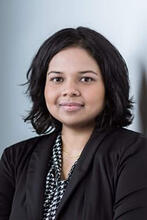
Laura Robinson is a Senior Lecturer at the School of Psychology , University of Wollongong. She holds a Doctor of Philosophy in Psychology and extensive teaching experience in behavioral sciences, statistics, and applied psychology. Education : PhD in Psychology (2017), Postgraduate Diploma in Psychology (2010), Bachelor of Psychology (2009), and Bachelor of Aviation (2004) Her research focuses on vulnerable populations, particularly women and youth, with expertise in substance use disorders, eating disorders, mental health comorbidity, and health equity. She has published extensively on residential treatment outcomes, continuing care interventions, and stigma reduction in mental healthcare. Recent publications highlight longitudinal analyses of psychological distress, weight stigma, and integrated approaches to substance use and physical health. She supervises PhD students on topics like veterans' mental health, methamphetamine use, and suicide prevention. Laura has received funding from internal and external sources, including grants for stimulant use interventions and health literacy studies. She serves on committees like the Australasian Professional Society for Alcohol and Drugs and contributes to peer-reviewed journals as a reviewer.
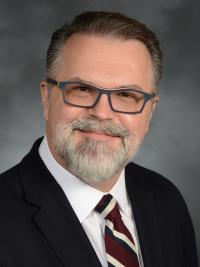
Dr Virginia Hagger is a Senior Lecturer in Nursing at Deakin University's School of Nursing & Midwifery, part of the Faculty of Health and the Institute for Health Transformation. She specializes in diabetes education, self-management, and psychological wellbeing. Her research focuses on structured education programs, diabetes distress, and workforce development. She holds a PhD and Master of Public Health from Deakin University. Dr Hagger has led numerous national and international studies, including interventions targeting diabetes distress, insulin therapy barriers, and telehealth support. She is affiliated with the Quality and Patient Safety (QPS) Strategic Research Centre and the Australian Centre for Behavioural Research in Diabetes . Awards include the 2019 Alfred Deakin Medal and 2017 Vice-Chancellor's Award for Teaching Excellence. Her teaching spans undergraduate and postgraduate nursing, including units on diabetes pathophysiology and psychosocial contexts. Current doctoral students focus on diabetes distress, social support in Ethiopia, and autonomy in insulin management. Over 30 peer-reviewed articles and grants (e.g., MRFF-funded HypoPAST and LISTEN trials) underscore her contributions to diabetes care innovation and workforce training.
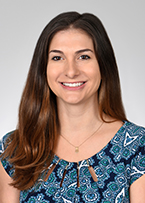
Hima Lakkaraju is an Assistant Professor at Harvard University with dual appointments in the Harvard Business School and the Department of Computer Science. Her research focuses on trustworthy AI, including machine learning interpretability, fairness, privacy, and safety. She holds a PhD from Stanford University and has received accolades such as the Alfred P. Sloan Fellowship and NSF CAREER Award. Her work bridges algorithmic foundations and societal implications of AI, with applications in healthcare, policy, and business. Education: PhD in Computer Science from Stanford University (2013-2017). Academic background includes roles at IBM Research, Microsoft Research, and Adobe. Research Interests: Algorithmic Foundations of AI Interpretability and Explainable AI Fairness and Bias Mitigation Privacy-Preserving ML Generative Models and LLMs Ethical AI Policy and Regulation Key Achievements: Over 100 publications in top venues like NeurIPS and ICML; co-founder of the Trustworthy ML Initiative; featured in MIT Tech Review, Forbes, and Harvard Business Review. Current projects include the AI4LIFE research group and work on regulatory frameworks for AI. Advising and Grants: Supervises over 30 students across PhD, master's, and postdoc levels. Research supported by NSF, Sloan Foundation, Schmidt Sciences, Google, Amazon, and others. Initiatives include the Regulatable ML workshop and NeurIPS ethics co-chair roles. Labs and Collaborations: Leads Harvard's AI4LIFE group and collaborates with industry partners like Fiddler AI. Active in policy discussions on AI regulation and societal impact.
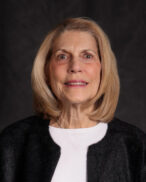
Dr. Thomas Chen is an Assistant Professor in the Department of Medicine-Hospital Medicine at the University of Chicago. He serves as Co-Director of the Personalized Therapeutics Clinic, focusing on integrating pharmacogenomics into clinical practice. Dr. Chen's primary research interests include pharmacogenomics, medical education, and hospital medicine. He has particular expertise in the medication reconciliation process, prescribing practices, and quality improvements that decrease healthcare costs while improving patient outcomes. His work bridges the gap between genomic medicine and practical clinical applications in hospital settings. Dr. Chen has made significant contributions to the implementation of pharmacogenomics in inpatient care. His research demonstrates how pharmacogenomic information can be effectively integrated into routine hospital practice to improve patient care, with a focus on care team dynamics, applicability for minority populations, and outcomes of various medication regimens in hospitalized patients. His work shows a clear trend toward practical implementation of pharmacogenomics in real-world clinical settings, with publications spanning from diagnostic methods (2012) to current cutting-edge research on care team attributes predicting successful pharmacogenomic implementation (2025). Dr. Chen holds dual training in pharmacy and medicine, providing him with a unique perspective on medication management and pharmacogenomics. His research has been published in high-impact journals including Clinical and Translational Science, Pharmacogenetics and Genomics, and Journal of Personalized Medicine.
Dr. Lucian Sulica is the Sean Parker Professor of Laryngology and Director of the Sean Parker Institute for the Voice at Weill Cornell Medical College. He is an attending Otolaryngologist at NewYork-Presbyterian Hospital with a clinical practice exclusively focused on voice disorders. Dr. Sulica served as the 2023 President of the American Laryngological Association and is a Fellow of the American Laryngologic, Rhinologic and Otologic Society (the Triologic Society). His educational background includes: A.B. from Dartmouth College (1989) M.D. from Georgetown University School of Medicine (1993) Residency at Georgetown University Medical Center Fellowship at New York Center for Voice & Swallowing Disorders, St. Luke's-Roosevelt Hospital Center Dr. Sulica's research focuses on evidence-driven principles for treating voice conditions, with particular emphasis on vocal fold injuries from voice use (especially in performers), neurologic voice disorders (including vocal fold paralysis, spasmodic dysphonia, and tremor), and in-office procedures for voice disorders that don't require general anesthesia. His work has addressed critical aspects such as gender differences in vocal fold injury, pathophysiology of laryngeal nerve injury, and diagnostic accuracy in voice disorders. Analysis of Dr. Sulica's recent publications reveals a strong focus on advancing diagnostic techniques through artificial intelligence, improving surgical outcomes for vocal fold lesions, understanding performers' unique voice care needs, and developing evidence-based protocols for vocal fold hemorrhage and other voice disorders. His research increasingly incorporates technology-driven approaches while maintaining a strong clinical focus on patient-centered outcomes. Dr. Sulica has received numerous prestigious awards including: Casselberry Award of the American Laryngological Association (2021) Felix Semon Lectureship in Laryngology, Royal Society of Medicine (2022) American Academy of Otolaryngology – Head & Neck Surgery Honor Award (2008) Consistent recognition as one of "Best Doctors in America" (2005-2024) Designation as one of "America's Top Physicians in Voice Disorders/Laryngology" (since 2006) Inclusion in "New York Magazine Best Doctors" list annually since 2013 As an educator, Dr. Sulica has authored more than 110 journal articles and 40 book chapters, and has edited three books including "Vocal Fold Paralysis," "Classics in Voice and Laryngology," and "Patologia Laringea y Fonocirugia" (in Spanish). He is passionate about teaching and has lectured extensively across the United States, Europe, Latin America, and Australia. His clinical work at the Sean Parker Institute for the Voice represents a comprehensive approach to voice care, incorporating innovative in-office procedures that have helped establish new standards in laryngology.
Sapha Barkati, MD, MSc is an Assistant Professor at the Department of Medicine, Faculty of Medicine and Health Sciences, McGill University , and an Investigator at the RI-MUHC Glen site . Her work bridges clinical practice and research in tropical medicine, focusing on parasitic diseases affecting vulnerable populations. Affiliations: Assistant Professor, McGill University Investigator, Research Institute of the McGill University Health Centre (RI-MUHC) McGill International Tuberculosis Centre Research Focus: Specializes in neglected tropical diseases like strongyloidiasis and tegumentary leishmaniasis, particularly among migrants and immunocompromised individuals. Studies include: Physician awareness of Strongyloides screening Prevalence patterns in non-endemic countries HTLV-1 co-infection treatment response Cost-effective screening strategies Scientific Contributions: Key publications address tropical disease management in non-endemic settings, mpox outbreak dynamics, and SARS-CoV-2 immunity patterns. Her work emphasizes evidence-based guidelines for: Parasite screening in transplant recipients Leishmaniasis treatment protocols Traveler disease prevention Collaborative Networks: Partners with institutions like Universidad Peruana Cayetano Heredia and participates in GeoSentinel surveillance. Leads studies on: Covid-19 health disparities Vaccine effectiveness against variants Remote patient monitoring systems
Emily D. Gottfried, PhD, is an Associate Professor at the Medical University of South Carolina (MUSC) in the Department of Psychiatry and Behavioral Sciences, College of Medicine. She serves as Director of the MUSC Sexual Behaviors Clinic and Lab (SBCL) and CPSPD Student Education & Research, conducting forensic evaluations, physiological sexual arousal assessments, and mentoring students. She is licensed in South Carolina and Georgia, and a National Register Health Service Psychologist. Bachelor’s in Psychology, San Diego State University Master’s in Psychology, Teachers College, Columbia University PhD in Clinical Psychology, Florida State University Her research focuses on sex offender risk assessment , malingering detection (PPG/VPP technology), female offender psychology , and forensic evaluation validity . Recent work includes dimensional personality models and QAnon-related threat analysis . She has published extensively on psychopathy , penile/vaginal plethysmography , and mental health court outcomes . Notable publication trends include Forensic validity of symptom detection tools Psychopathy in female offenders Technology's role in sexual behavior assessment Telehealth adaptation during pandemics MMPI-2-RF applications in correctional settings Psychological factors in civil commitment She leads ongoing funded studies on female sexual arousal and police officer behavioral outcomes , operating at the intersection of forensic science and clinical psychology .
Eileen Klein is an Associate Professor of Social Work and Convener of the BSW Program at Ramapo College of New Jersey's School of Social Science and Human Services. Her work focuses on LGBTQ mental health treatment , community support systems , and policy reform for marginalized populations. Klein has presented extensively at international conferences on topics like cultural competency in social work education and LGBTQ health disparities . Ph.D., M.S., and M.S.W. from New York University and SUNY Buffalo Key research areas: LGBTQ Mental Health, Community Health Disparities, Forensic Social Work Published 15+ works (2013-2021) on topics ranging from polypharmacy to support programs for LGBTQ clients Active in professional development: Delivered presentations at conferences across the U.S. and Italy on topics including integrated treatment and supervision of student interns
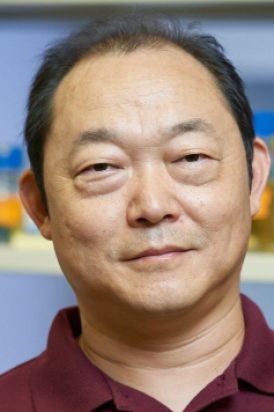
Ping He is a Professor in the Department of Molecular, Cellular, and Developmental Biology (MCDB) at the University of Michigan in Ann Arbor. His research focuses on plant immunity mechanisms, particularly using Arabidopsis as a model system to study pathogen defense activation, signaling pathways, and the interplay between immunity and environmental stress responses. He also leads the Molecular, Plant-Microbe Interaction Laboratory, applying interdisciplinary approaches (genetics, biochemistry, cellular biology) to enhance crop resilience through foundational plant science discoveries. His work bridges plant biology and computational biology, with recent contributions to AI-driven medical imaging applications such as bladder cancer treatment response assessment, lung cancer early detection, and breast tomosynthesis denoising. These efforts emphasize integrating machine learning into clinical workflows and establishing best practices for AI in healthcare. Research Highlights: Plant immunity signaling and environmental stress crosstalk Radiomics and deep learning for cancer diagnosis/prognosis AI model validation and multi-institutional clinical trials Medical imaging artifact correction (e.g., motion blur, noise) Publications emphasize AI applications in oncology imaging, radiologist decision support systems, and multimodal data fusion. He has contributed to AAPM task group guidelines for AI in computer-aided diagnosis and advocates for rigorous quality assurance frameworks in medical AI deployment.
Professor David Alldred is a Professor of Medicines Use and Safety at the University of Leeds' School of Healthcare, within the Faculty of Medicine and Health. His expertise spans medicines optimisation, patient safety, deprescribing, and care home medication management. He leads key research initiatives such as the NIHR Yorkshire and Humber Patient Safety Research Collaboration's 'Decluttering Safely for Safety' theme and co-leads the School of Healthcare's Quality and Safety research theme. Education: PhD (clinical research on care home medication review), MSc in Clinical Pharmacy, PGCert in Learning and Teaching, and BPharm (Hons). Professional memberships include Fellowships of the Royal Pharmaceutical Society and the Higher Education Academy. Research focuses on improving medication use for older adults in care homes and underserved populations, employing systematic reviews, qualitative studies, and RCTs. Notable projects include the CHUMS study (Department of Health-funded medication error analysis in care homes) and leadership roles in NIHR Programme Grants like CHIPPS and CHARMER. He collaborates with NHS England to implement medicines optimisation programs and co-designed multilingual medication review resources to reduce health inequalities. Awards include the Pharmacy Practice UK Research Award (2015) and NIHR Senior Investigator status (2025). His work emphasizes translating evidence into clinical practice, with over 150 publications and supervising NIHR-funded doctoral students in critical care, diabetes, cystic fibrosis, and geriatrics. Led the Care Homes' Use of Medicines Study (CHUMS), contributed to NICE guidelines for care home medicines management, and developed interventions like the Medicines at Transitions Intervention (MaTI) for heart failure patients. His research themes address polypharmacy reduction, medication safety across care transitions, and pharmacist-led deprescribing strategies.
Jeffrey T. Jensen, M.D., M.P.H., is the Leon Speroff Professor and Vice Chair for Research in the Department of Obstetrics and Gynecology at Oregon Health & Science University (OHSU). He holds joint appointments as Professor of Public Health and Preventive Medicine and serves as a Core Scientist at the Oregon National Primate Research Center (ONPRC). Dr. Jensen completed his medical degree at Emory University, a Master of Public Health at the University of Washington, and residency training at OHSU. Research Focus: Dr. Jensen leads translational and clinical research programs focused on contraceptive innovation. His work emphasizes nonhuman primate models to develop: Novel contraceptive agents targeting oocyte-specific pathways Non-surgical permanent contraception methods Optimized emergency contraception for diverse populations He directs OHSU's Women’s Health Research Unit and the Gates Foundation-funded Oregon Permanent Contraception Research Center (OPERM). Recent Publications: His 15 most recent articles (2023-2025) demonstrate concentrated expertise in: Advanced hormonal contraceptive formulations (IUDs, vaginal rings, oral agents) Weight-adjusted dosing strategies for emergency contraception Biomarker validation for contraceptive efficacy monitoring Real-world assessment of bleeding pattern management Leadership & Collaboration: Dr. Jensen is Principal Investigator of the NICHD Contraception Clinical Trials Network and collaborates with global health organizations (CONRAD, FHI360, Population Council). He serves as Deputy Editor for the journal Contraception and consults for multiple pharmaceutical companies on product development.
Dan Lizotte is an Associate Professor jointly appointed to the Department of Computer Science in the Faculty of Science and the Department of Epidemiology and Biostatistics in the Schulich School of Medicine & Dentistry at Western University. Additional affiliations include the Schulich Interfaculty Program in Public Health and a cross-appointment to the Department of Statistics and Actuarial Sciences. Based in Middlesex College, London, Ontario, his contact email is dlizotte@uwo.ca. His research centers on machine learning and biostatistics for health decision support, with emphasis on sequential decision-making in chronic disease management where evolving patient health status and preferences inform adaptive interventions. Core contributions involve adapting reinforcement learning frameworks to model dynamic health decisions in public health and primary care settings, addressing methodological challenges in personalized medicine and risk prediction. Analysis of his publication record reveals consistent focus on healthcare applications of machine learning, particularly in chronic disease risk modeling using electronic medical records, intersectionality frameworks in public health AI, and Bayesian methods for dose personalization. His work bridges reinforcement learning with clinical decision support systems, advancing dynamic treatment regimes and statistical methodologies for evolving patient data. No scientific awards were mentioned in the provided text. The text does not specify any advisees, grant funding, or educational background details. Lizotte leads a research laboratory focused on machine learning applications in health, as evidenced by the dedicated lab site referenced in his contact information. His team likely explores intersections of statistical methodology, AI ethics, and clinical implementation for personalized health interventions.
Dr. Kenji Fujita is a Research Fellow at the Kolling Institute, University of Sydney, specializing in ageing, pharmacology, and pharmaceutical care quality. He holds a PhD, MScMed (ClinEpid), and BPharm from the University of Sydney. Previously a pharmacist in Japan, he leads international initiatives in the Pharmaceutical Care Network Europe (PCNE) and the International Pharmaceutical Federation (FIP). His work focuses on deprescribing strategies, polypharmacy, and developing quality indicators for healthcare services. Dr. Fujita’s research integrates big data analysis, statistical modeling, and machine learning to address challenges in geriatric pharmacotherapy. Current projects include validating frailty indices, evaluating deprescribing interventions in older adults, and developing NLP tools for clinical documentation analysis. He has also contributed to assessing organizational readiness for guideline implementation in community pharmacies. Awards include the 2023 Outstanding Poster Presentation Award at the IAGG Asia/Oceania Congress and 2022 Best Poster at the Japanese Society of Social Pharmacy. He has secured grants such as the 2024 electronic frailty index project and the 2021 systems-approach to medication review initiative. Dr. Fujita collaborates with global networks like J-HOP (Japan Home Visiting Pharmacy Association) and leads multidisciplinary teams across Australia and Europe. His lab focuses on translating data-driven insights into actionable clinical practices to improve medication safety and quality in ageing populations.
Nashwa Masnoon is a Postdoctoral Research Fellow in Geriatric Pharmacotherapy at the Kolling Institute, part of the Faculty of Medicine and Health at the University of Sydney. She is also a hospital pharmacist at the Royal North Shore Hospital. Her academic background includes a BPharm(Hons) and a PhD from the University of South Australia, where her doctoral work focused on identifying risks of adverse outcomes from polypharmacy in older adults with multimorbidity. Dr Masnoon’s research interests span geriatric pharmacology, deprescribing practices, pharmacoepidemiology, and quality use of medicines. Her current projects include developing stewardship programs for anticholinergic/sedative deprescribing, optimizing medication use in hospitals for older patients, and educating hospital pharmacists using the Drug Burden Index intervention bundle. She has co-supervised Honours students in 2022 and 2023, focusing on deprescribing in hospital settings and patient-reported experiences post-intervention. Research Themes: Healthy Ageing Key Approaches: Systematic reviews, clinical interventions, pharmacoepidemiological analysis Dr Masnoon has received notable awards including the 2023 FMH Showcase Travel Award, Royal North Shore Hospital Travel Fellowship (2023), and a 2017 People’s Choice Award for her 3 Minute Thesis presentation. Her work emphasizes improving medication outcomes through evidence-based deprescribing and precision medicine approaches. She is affiliated with the Australasian Pharmaceutical Science Association (APSA), International Pharmaceutical Federation (FIP), and Australian Deprescribing Network (ADeN). Her grants include the 2024 electronic frailty index project and a 2022 travel award-funded initiative.
Professor Heiko Spallek is Head of School and Dean at the University of Sydney’s Sydney Dental School, leading the school’s integration with the Faculty of Medicine and Health. He also serves as Academic Lead for Digital Health and Health Service Informatics at the faculty level. His research focuses on advancing dental informatics, teledentistry, and evidence-based practice, while advocating for improved oral health policy and public health initiatives. He holds roles including director at Community Connections Australia and membership in the Charles Perkins Centre. Education: DMD, Dr. med. dent., MSBA(CIS), FACD, FAIDH Leadership: Oversees Sydney Dental School’s academic and clinical programs, emphasizing interprofessional education and digital health innovation. Research interests include leveraging big data and machine learning in dentistry, improving access to oral healthcare through teledentistry, and addressing systemic issues in dental education and policy. He has led projects on laser dentistry applications, dental caries prevention, and healthcare workforce regulation. Notable contributions include the OpenWide conference series, the BigMouth dental data repository, and advocacy for equitable dental funding in Australia. Grants include initiatives on oral hygiene in aged care and analysis of healthcare advertising perceptions. Media engagements highlight his role in public discourse on dental access and policy, including commentary on Australia’s dental crisis and aged care reforms. He actively promotes interdisciplinary collaboration through platforms like the Dental Informatics Online Community. Labs/Teams: Directs the Sydney Dental School’s research programs in informatics and public health, collaborating with national and international networks such as the National Dental PBRN.