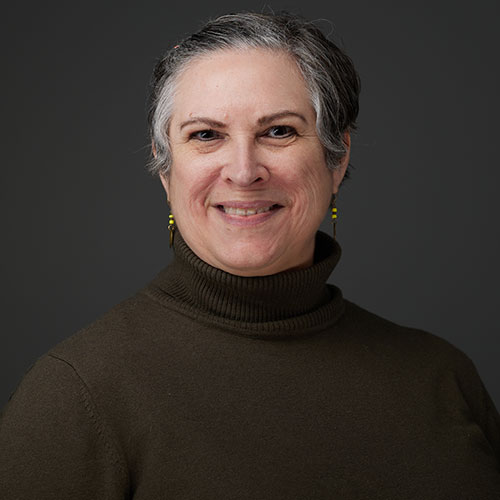
Dr. Liz Rogan is an Associate Professor and Assistant Director in the Graduate Nursing Program at Clarkson College, where she has served since 2017. She holds interdisciplinary expertise in history and nursing education, with degrees from the University of Nebraska-Lincoln (BA History, 1989), Tulane University (MA History, 1993), Nebraska Methodist College (BSN 1998, MSN 2007), and an EdD in Health Professions Education from the College of Saint Mary (2014). Her academic roles include guiding DNP students in completing program requirements and advancing nursing education curricula. Research interests focus on nurse educator competencies, continuing professional development, and clinical empathy cultivation. Her work bridges historical perspectives with modern nursing practices, emphasizing reflective learning. She has held diverse clinical and academic roles, including ICU clinical faculty, nursing program leadership, and operational analytics coordination. Publications highlight nursing education trends, preceptor preparedness, and care communication in long-term settings. While no formal awards are listed, her contributions to nursing pedagogy and interdisciplinary collaboration are evident through her scholarly output and program leadership.
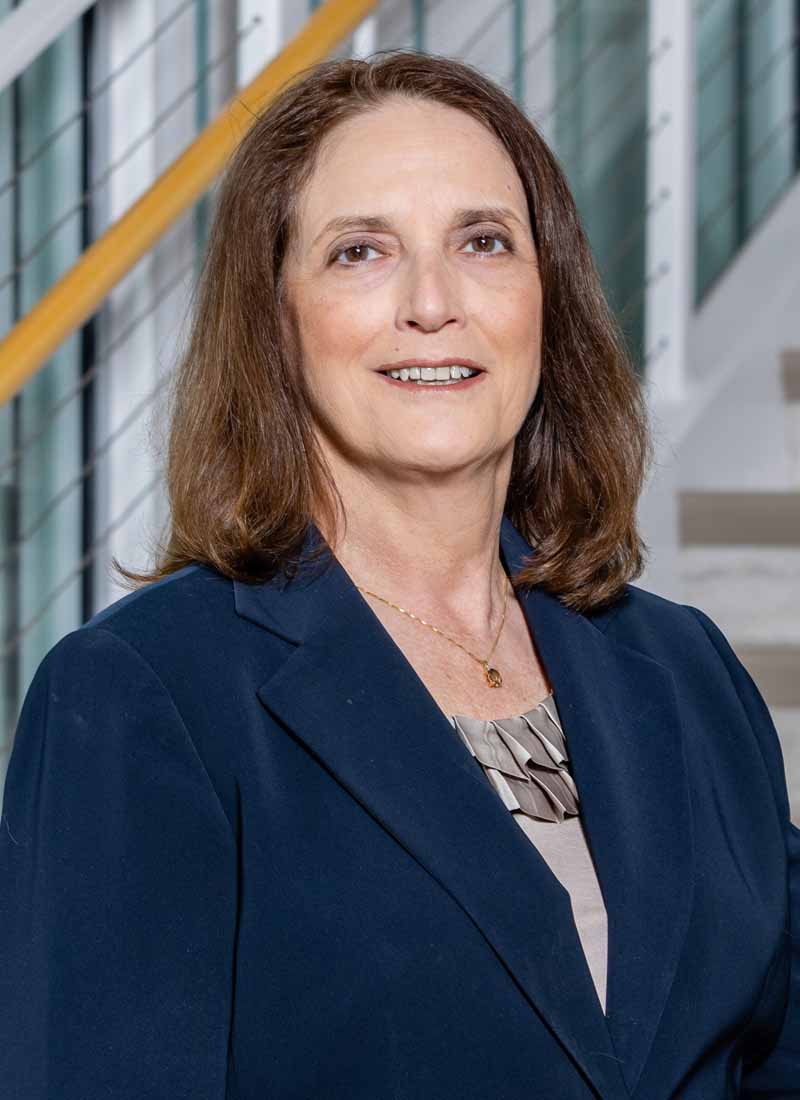
Rita Ferrari D'Aoust serves as an Associate Professor at Johns Hopkins University School of Nursing with additional affiliations at the JHU Center for Equity in Aging. She holds multiple professional certifications including ACNP, APN-BC, APRN, CNE, FAAN, FAANP, and FNAP. Her research focuses on critical intersections of nursing education, workforce development, and health policy. Key areas include aging populations, palliative care, military/veteran health services, interprofessional education, and chronic disease management. She has pioneered program development initiatives addressing nursing faculty shortages and advanced practice readiness. Analysis of her recent publications reveals strong emphasis on: Veteran healthcare systems and family support structures Competency-based nursing education models Workforce diversity and immigrant healthcare contributions Palliative care for chronic/neuromuscular conditions Policy impacts of full practice authority for nurse practitioners Scientific recognition includes: Fellow of the American Academy of Nursing (2018) National Academies of Practice Fellow (2012-present) Maryland Nurse Support Program II Appreciation Award (2021) Edward Peck Curtis Award for Teaching Excellence (2002) Dr. D'Aoust directs significant grant-funded initiatives including the $3.5M Cohen Graduate Nurse Faculty Cohort Mode (2020-2025) and the PRIME Model for DNP-NP Education ($1M, 2019-2022). She serves as Principal Investigator for the Nurse Faculty Loan Program ($2.29M) and Co-PI for the Nurse Practitioner Compensation Study with the American Association of Nurse Practitioners. Her leadership extends to national mentorship through Sigma Theta Tau and the American Academy of Nurse Practitioners, with specialized expertise in gerontology developed through the UCLA Geriatrics Mini-fellowship.
David Cordell is a Clinical Professor in the Department of Management at the Naveen Jindal School of Management, University of Texas at Dallas, where he also serves as Director of Finance Programs. He holds a Ph.D. in Financial Management and Investment Theory from the University of Texas at Austin and has over four decades of experience in academia and financial services. His educational background includes: Ph.D. in Financial Management and Investment Theory, University of Texas at Austin (1980) MBA in Finance, University of Texas at Austin (1976) B.A. in Plan II, University of Texas at Austin (1974) Dr. Cordell's research centers on personal financial planning, behavioral aspects of financial decision-making, retirement strategies, insurance planning, and investment management. His work bridges academic rigor with practical application for financial advisors. He has published extensively in leading practitioner and academic journals such as the Journal of Financial Planning and Journal of Business and Psychology . The recent publications reflect a strong focus on real-world financial challenges—assessing financial planner competence, understanding risk tolerance consistency, optimizing retirement strategies, and managing life insurance and health care savings accounts. His work emphasizes the integration of psychological factors, financial theory, and practical planning techniques. Dr. Cordell holds several prestigious professional certifications: Chartered Financial Analyst (CFA), 1984–present Certified Financial Planner® (CFP®), 1987–present Chartered Life Underwriter (CLU), 1992–present Registered Investment Adviser, 1991–1998 He has played significant roles in academic governance and professional service. At UT Dallas, he has served as Secretary of the Faculty Senate, member of the Academic Council, and Faculty Advisory Council representative to the UT System. He has chaired dissertation committees, advised numerous master’s papers, and contributed to curriculum development across institutions. His grant involvement includes the ING Alliance for Diversity in Financial Planning. He has also consulted with major financial firms including Merrill Lynch, Smith Barney, Vanguard, and State Farm. Dr. Cordell has been actively involved in professional organizations such as the American Finance Association, Financial Management Association, Academy of Financial Services, and Financial Planning Association. He has held leadership roles in the CFP Board of Examiners, served on award selection committees, and contributed to standard-setting for the CFA exams.
Gerard Baxter is a Lecturer in Nursing at the School of Nursing and Paramedic Science, Ulster University. He works within the Faculty of Life & Health Sciences and can be contacted at the Magee Campus in Londonderry, United Kingdom. His research focuses on Person-Centered Care , Student Experience , and Interpersonal Relationships in nursing education. His work explores mentorship dynamics, decision-making frameworks, and feedback mechanisms in clinical training environments. Gerard has published on nursing mentorship programs, student-led clinical vignettes, and biomedical sciences education. His publications span 1996-2022 with a focus on improving clinical training through feedback and empowerment. Scientific Awards: Distinguished Collaborative Education Excellence Fellowship Award (2020) Contributions to Royal Academy of Medicine in Ireland biomedical sciences proceedings (1996) Gerard's work also addresses healthcare education equity through SDG-aligned research. He has contributed to nursing education through innovative teaching methods and student experience enhancement.
Nina Strongylou is an Adjunct Senior Lecturer in the Counseling Psychology department at the California Institute of Integral Studies . She is a Licensed Marriage and Family Therapist (LMFT 32723), CAMFT Certified Supervisor, Registered Drama Therapist, Board Certified Trainer, and Registered Nurse. Her work spans over 30 years in psychiatric hospitals, private practice, and academic training. Education: M.A. in Clinical Psychology with Concentration in Drama Therapy, Antioch University, San Francisco Campus MSN in Nursing, California State University, Sacramento Diploma in Professional Directing Training, Drama Studio London, Berkeley Campus Her research and practice focus on Counseling Psychology , Drama Therapy , and Trauma-Informed Approaches , particularly in cross-cultural contexts. She has published on topics integrating cultural identity, gender dynamics, and creative therapeutic methods. Her recent publications (1987-2004) highlight applications of drama therapy in trauma recovery, gender studies, and bicultural identity. Themes include Family Systems , Cultural Competency , and Creative Arts Therapy . Scientific Awards: Board Certified Trainer (BCT17) Registered Drama Therapist (RDT106) CAMFT Certified Supervisor She has supervised MFT interns, drama therapy trainees, and served on the North American Drama Therapy Association board. Her clinical work includes developing therapeutic programs at Saint Francis Memorial Hospital and training in the Therapeutic Spiral Model for trauma survivors.
Santiago Martínez Isasi is a Professor in the Faculty of Nursing at Universidade de Santiago de Compostela, affiliated with the Department of Psychiatry, Radiology, Public Health, Nursing and Medicine. His research focuses on clinical nursing, emergency preparedness, simulation-based training, and telehealth. He holds a PhD from the University of A Coruña (2013) with a thesis analyzing socio-health conditions of elderly telecare users. His work emphasizes innovation in emergency response training, including BLS education for schoolchildren, lifeguards, and emergency responders. He pioneers low-cost solutions like the ICalled-DIY device for emergency call training and investigates optimal CPR techniques in challenging environments (e.g., nighttime, aquatic settings). His recent studies explore augmented reality smart glasses for resuscitation training and barriers to wound care knowledge among nursing students. Martínez Isasi has collaborated with multidisciplinary teams on projects like the DESLIVES adolescent BLS program and teleassistance protocols. His research consistently bridges clinical practice with educational innovation, prioritizing accessibility and cost-effectiveness. Notable contributions include 8-year longitudinal studies on school-based CPR training and comparative analyses of PPE use during resuscitation. His academic activities include directing the CLINURSID research group (Clinical Nursing, Emergencies, Simulation, and Teaching Innovation) and contributing to nursing curriculum development. He has supervised studies on telecare user health profiles and physiological demands of lifeguards during resuscitation.
Catherine O'Neill is Principal Lecturer (Research and Knowledge Exchange) in Psychology at Teesside University's School of Social Sciences, Humanities and Law. She is a HCPC-registered Clinical Psychologist and course leader for the BSc (Hons) Psychology with Clinical Psychology programme. Her work bridges academic research, clinical practice, and community engagement, with a focus on co-produced and place-based interventions. Research Interests: Catherine's research centers on community psychology and community-based mental health interventions, particularly in suicide prevention, loneliness, emotional wellbeing, and post-traumatic growth. She applies Asset Based Community Development principles and place-based approaches to enhance community resilience. Her work explores the role of meaning in life, masculinity, crisis interventions, and the mental health needs of refugees, asylum seekers, and ethnic minorities. Research Trends: Her recent publications emphasize participatory and co-produced methodologies, with strong themes in peer support, lived experience, and systemic evaluation of mental health services. The articles reflect interdisciplinary work across clinical psychology, public health, and social care, often using qualitative and systematic review methods to inform policy and practice. Member of the National Suicide Prevention Alliance Member of the Tees Valley Suicide Prevention Task Force Lead of the ImpactLab Social Sciences Clinic Facilitator of a biannual 'suicide community of practice' with over 130 UK organizations Supervision and Grants: Catherine supervises multiple PhD and professional doctorate students on topics including masculinity and suicide, therapist experiences, crisis interventions, and access to mental health services. She leads externally funded projects such as 'Time To Care: Self Harm Systemic Evaluation' (PI), 'Stories of Hope' (PI), and the 'National Civic Impact Accelerator Programme' (Co-PI). Her work involves partnerships with local and national organizations including Humankind, CAB, Mens Minds Matter, and public health networks. Labs and Teams: She founded and leads the ImpactLab Social Sciences Clinic, which connects students and community partners for meaningful research. She also co-leads the 'South Tees Wellbeing Network' and is developing a Disability Community Research Network with CLIP and Hartlepower.
Nathalie Fontaine is a Professor at the Université de Montréal, affiliated with the Faculté des arts et des sciences and the École de criminologie. She leads the Centre d’étude sur le développement et l’adaptation des jeunes (CEDAJ) , focusing on developmental psychopathology, behavioral problems in youth, and emotional insensitivity. Her research emphasizes interventions for at-risk youth and mental health promotion. Research Interests: Psychopathologie développementale Facteurs de risque/traitement d'insensibilité émotionnelle Prévention et intervention auprès des jeunes en difficulté Différences de sexe dans les troubles de comportement Her work integrates longitudinal data analysis and lab-based experiments, such as emotion recognition tasks. Current projects include studying the role of emotions in sexual violence exposure and mentoring programs for socio-judicial youth. Key Awards: Chercheuse-boursière, Fonds de recherche du Québec, Junior 2 Grants & Projects: Leading a CRSH-funded study on mentoring for socio-judicial youth (2024-2027) FRQS-funded research on emotional competence and mental health (2022-2025) She supervises master's and doctoral students in criminology, psychology, and social work programs, with recent advisees including Victoria Gabriel, Mélanie Arsenault, and Vicky Raymond.
Dr. Shuangyu Li is a Reader in Clinical Communication & Cultural Competency at King's College London, affiliated with the Department of Interdisciplinary Humanities (Faculty of Arts & Humanities). He holds a PhD from the University of Leeds, an MA from the University of Huddersfield, and a BA from Yunnan University. His research focuses on cultural competency, clinical communication, and applied linguistics, particularly in interpreter-mediated healthcare interactions. As Director of King’s Cultural Competency, he leads initiatives to foster inclusive education and research across the university. Dr. Li’s work integrates conversation analysis and interdisciplinary methods to address healthcare diversity challenges. He has contributed to key projects like the BEME systematic review on cultural competence frameworks and co-leads the King’s Cultural Competency Co-Creation Group. His recent awards include the Invitational Visiting Scholar Fellowship in Japan (2025) and a King’s award for equality in healthcare education (2020). He actively collaborates internationally, including roles in the International Association of Healthcare Communication and the UK Diversity in Medicine and Health. His publications span clinical communication models, cultural competency education, and healthcare equity. Dr. Li oversees projects such as the ‘Attainment Gaps Research Group’ and ‘Transcending Multilingualism and Multiculturalism,’ aiming to bridge healthcare disparities. He advises on medical education curricula and global cultural competency training, with involvement in workshops in India and collaborations across Europe and the Middle East.
Sandra Parisi is a Professor of Global and Planetary Health at Fulda University of Applied Sciences, Faculty of Health Sciences. She leads the Professorship of Global and Planetary Health and teaches in the areas of global health, planetary health, public health strategies, and population health challenges. Her work bridges academic research, clinical practice, and international public health initiatives. Education: PhD in Tropical Medicine, Julius-Maximilians-Universität Würzburg (2023) Master of Science in International Health, Charité Universitätsmedizin, Berlin (2021) Diploma in Tropical Medicine and Public Health, Charité Universitätsmedizin, Berlin (2014) MD, Georg-August-Universität Göttingen and Universitätsklinikum Hamburg-Eppendorf (2010) Her research focuses on neglected tropical diseases (NTDs), participatory and mixed-methods research, social and ecological determinants of health, planetary health education, and primary care. She has conducted fieldwork in Latin America, including Bolivia, Colombia, Brazil, and Paraguay, and has led projects on Chagas disease, leprosy, and schistosomiasis. Her work emphasizes community engagement, peer support, and inclusive development. The trends in her recent publications show a strong commitment to planetary health education, with several studies evaluating curricula and student engagement in Germany. She also investigates patient and healthcare provider experiences during the COVID-19 pandemic, particularly in primary care settings. Her scholarship combines qualitative, quantitative, and mixed-methods approaches to address global health inequities and improve health outcomes in marginalized populations. Scientific Awards and Recognition: While specific awards are not listed, her PhD, leadership in funded research projects, and publication record in high-impact journals reflect significant professional recognition. Advising and Grants: Dr. Parisi has co-supervised or collaborated with numerous researchers and students, particularly in interdisciplinary and international projects. She is involved in research grants related to Chagas disease (Corazón en Acción), planetary health education, and NTDs. Her work is often funded by public health institutions and international partnerships. Labs and Research Teams: She leads the research group on Global and Planetary Health at Fulda University of Applied Sciences and collaborates with teams at the University of Würzburg, Charité Berlin, and international institutions in Latin America. Her projects often involve community-based participatory research and interdisciplinary collaboration across medicine, public health, and social sciences.
Tiffany Stoner-Harris is an Assistant Professor and Clinical Training Director in the Department of Clinical Mental Health Counseling at Adler University's Chicago campus. She is a licensed clinical professional counselor (LCPC), licensed mental health counselor (LMHC), and a nationally certified counselor (NCC), deeply committed to integrating multicultural and social justice competencies into counseling education and practice. Her research and expertise focus on trauma-informed care, crisis response, child and adolescent counseling, and multicultural counseling. She emphasizes counselor development through innovative pedagogical practices and supervision models. Her work supports the growth of future counselors who are ethically grounded, socially conscious, and clinically skilled. The recent publications and presentations reflect a strong commitment to addressing systemic inequities, particularly in educational and mental health settings. Her scholarly output centers on trauma recovery, race-related stress, play therapy applications, and the prevention of the school-to-prison pipeline, especially among marginalized youth. These contributions highlight interdisciplinary engagement across psychology, education, and social justice domains. Dr. Stoner-Harris is actively involved in several professional organizations, including the American Counseling Association, Association for Counselor Education and Supervision, Association for Multicultural Counseling and Development, and Chi Sigma Iota, where she serves as a Chapter Faculty Advisor. She also contributes to the Association for Play Therapy, underscoring her integrative approach to clinical training. She supervises and mentors students through clinical training and professional development activities, although specific names of advisees are not listed. There are no mentions of externally funded grants in the provided text, but her leadership in clinical training indicates administrative and academic oversight responsibilities. Her teaching philosophy emphasizes inclusivity, equity, and holistic student development, creating safe and transformative learning environments. While no formal lab or research team is explicitly mentioned, her involvement in conferences and publications suggests active participation in scholarly communities and collaborative research efforts focused on advancing counseling practices through creativity, cultural responsiveness, and social advocacy.
Dr. La Cena L Jones is an Assistant Professor in the Marriage & Family Therapy Department at The Chicago School of Professional Psychology in Los Angeles, CA . She holds a Doctorate in Social Work (DSW) and dual Master’s degrees in Marriage & Family Child Counseling and Public Administration, with a Bachelor’s in Criminology, Sociology, and English. Education: B.A. in Criminology, Sociology, and English (2005) – Upper Iowa University M.S. in Marriage Family Child Counseling (2012) – University of Phoenix MPA in Public Administration (2017) – University of Phoenix DSW in Doctoral Social Work (2022) – California Baptist University Dr. Jones specializes in trauma-informed, culturally competent approaches to family therapy, child welfare systems, and adolescent mental health. She is actively researching the use of artificial intelligence to improve mental health access for GenZ populations. Her work integrates clinical expertise with administrative leadership, emphasizing experiential learning and organizational efficacy. She is also the Head of Adolescent Counseling at Jeeva Health, a digital platform addressing GenZ mental health challenges through science and AI. Licenses: LMFT – California, Texas, Nevada Dr. Jones champions innovative pedagogy, prioritizing flexibility, inclusivity, and the alignment of learning/communication styles with student needs.
Professor David Napier is the Chair of Medical Anthropology at University College London (UCL), where he leads the Centre for Applied Global Citizenship and the Science, Medicine and Society Network. A cross-sectoral collaborator in the Cities Changing Diabetes Programme since 2013, he focuses on Type-2 diabetes prevention in urban environments. His academic career spans prestigious institutions including Harvard, Oxford, and Johns Hopkins. Doctor of Philosophy (University of Oxford, 1980) Master of Literature (University of Oxford, 1978) Diploma (University of Oxford, 1977) Bachelor of Philosophy (Katholieke Universiteit Leuven, 1971) His research examines vulnerability assessment, primary health-care delivery, and the cultural dimensions of medical practice, particularly for marginalized populations. Current projects explore creativity in scientific practice, new technologies in healthcare, and the Lancet Commission Report on the role of culture in health. His work addresses migration, trafficking, homelessness, immunology, and cross-cultural health systems. Recent publications analyze pandemic vulnerability mapping, migrant healthcare barriers, and transnational health practices. Scientific awards include the Beacon Fellowship in Public Engagement and the Burma Coalition’s Human Rights Award. He has contributed to policy development and consulted for organizations like the UN and International Organization for Migration. Beacon Fellowship in Public Engagement Burma Coalition’s Human Rights Award As Senior Tutor and Course Director, he teaches medical anthropology at PhD, MSc, and undergraduate levels. He developed online training programs for the Network for Student Activism and created new recruitment streams for medical anthropology students. His work integrates artistic expression through short films on homelessness and vulnerability.
Jennifer Cocohoba is a Professor in the Department of Clinical Pharmacy at the University of California San Francisco (UCSF) School of Pharmacy , where she holds the McKesson Professorship of Pharmaceutical Technology . As Vice Chair of Faculty Development , she mentors early-career faculty and promotes professional development opportunities. Her dual role as Clinical Pharmacist at the Women’s HIV Program focuses on optimizing antiretroviral therapy, adherence strategies, and opioid stewardship. Education: PharmD (2001, UCSF) MAS in Clinical Research (2008, UCSF) Certificate in Implementation Sciences (2012, UCSF) Certificate in Geographic Information Sciences (2013, Cal Poly Pomona) HIV Expert certification (2008, American Academy of HIV Medicine) Her research spans HIV treatment and prevention , with emphasis on medication adherence , health disparities , pharmacoepidemiology , and implementation science . She investigates sex-related disparities in HIV care, Filipina-American health behaviors, and pharmacy-based interventions for chronic disease management. Recent studies focus on integrase inhibitor-related weight gain , long-acting injectable therapies , and telemedicine for alcohol use disorders . Scientific recognition includes: Fellow of the California Society of Health-System Pharmacists (2012) Endowed chair appointments at UCSF (2022) Honors from the UCSF Academy of Medical Educators (2021) She actively contributes to pharmacy education reform and policy analysis , including work on expanding pharmacist prescribing authority for HIV pre-exposure prophylaxis (PrEP) . Her community engagement with Mabuhay Health Center and research in pharmacist-patient communication reflect her commitment to equitable healthcare delivery.
Helén Olsson is an Associate Professor of Social Work with a PhD in Health Sciences at Mid Sweden University's Department of Health Sciences in Sundsvall. Her academic career spans forensic psychiatric care research to specialized work on honor-based violence and intimate partner violence, with significant contributions to understanding violence prevention and intervention strategies in Swedish social services. Dr. Olsson's research focuses on critical areas including: Honor-based violence and its impact on women and young people Collaborative approaches between social services and police in addressing intimate partner violence Violence reduction strategies in forensic care settings Recovery processes for individuals in forensic psychiatric care Implementation of evidence-based practices in strained social service systems Cultural dimensions of violence and social service responses Her publication trajectory reveals a strategic evolution from general violence reduction in forensic settings (2011-2017) toward increasingly specialized work on cultural contexts of violence, particularly honor-based violence (2019-2024). Recent publications demonstrate growing emphasis on implementation science, examining how research findings can be effectively translated into practice within overstretched social service systems. Her work consistently bridges academic research and practical application, with strong focus on both victim experiences and professional practices. Dr. Olsson actively contributes to national efforts through research projects like 'Enhanced support for older people with suspected or confirmed risk or abuse' and systematic mappings of preventive work regarding intimate partner violence and honor-related violence. Her involvement in numerous conferences, both nationally and internationally, demonstrates ongoing engagement with the academic community and practical implementation of findings in Swedish social services.