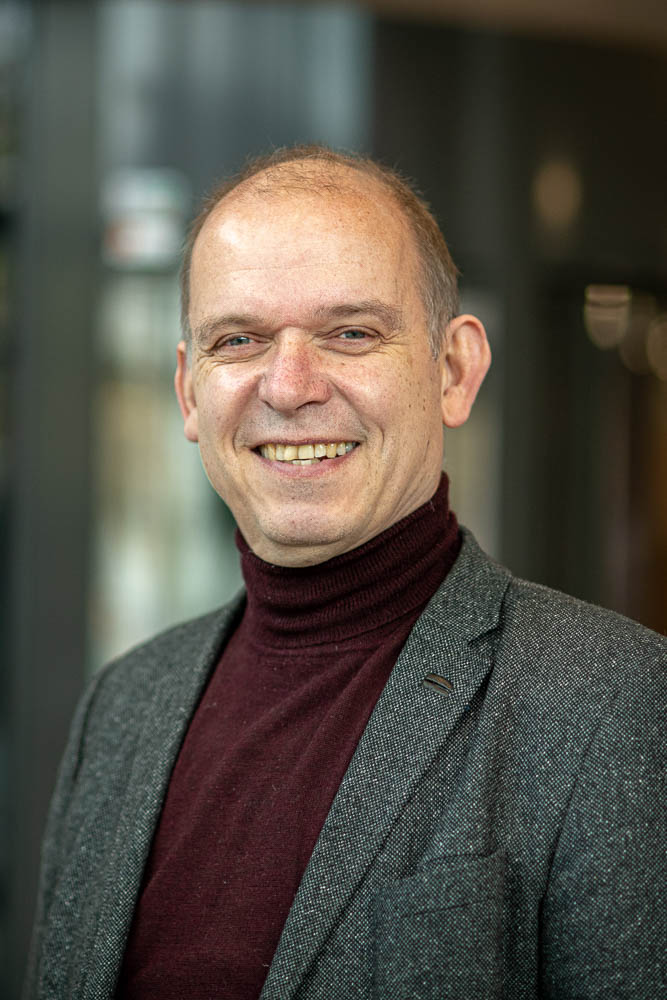
William W. BrahamView profile
Professor
William W. Braham is the Andrew Gordon Professor of Architecture at the University of Pennsylvania’s Stuart Weitzman School of Design, where he also directs the Master of Science in Design – Environmental Building Design (MSD-EBD) program and the Center for Environmental Building + Design (CEBD). He previously served as Department Chair and Chair of the Faculty Senate, reflecting his longstanding leadership within the institution. His education includes a B.S.E. in civil and mechanical engineering from Princeton University, followed by a Master of Architecture and PhD in Architecture from the University of Pennsylvania. He also holds a Certificate in Traditional Chinese Architecture from Tsinghua University, underscoring his global perspective on sustainable design. Braham’s research lies at the intersection of architecture, energy, and ecological systems. His work applies systems ecology and building performance modeling to address climate change, energy efficiency, and urban sustainability. Key themes include responsive building envelopes, urban morphology, embodied carbon, and regenerative architecture. He has pioneered the use of emergy synthesis in architectural analysis and has led energy and carbon planning for institutions like the University of Pennsylvania Health System and the Chautauqua Institution. His recent publications reveal a strong focus on smart building technologies, thermal comfort modeling using AI, indoor air quality, and sustainable materials. Collaborations with the Thermal Architecture Lab and international partners highlight the interdisciplinary nature of his work. The articles span topics from blockchain-based environmental accounting to bioclimatic design pedagogy, indicating both scholarly depth and educational innovation. 2021 Best Paper Award, Building and Environment Fellow, American Institute of Architects (FAIA) Braham has advised numerous graduate students and researchers in environmental building design and urban sustainability. His research has been supported by collaborations with PennPraxis, DOE, and industry partners such as Daikin. He continues to lead high-impact research initiatives through the CEBD, including campus energy analysis and building energy modeling tools. He leads the Center for Environmental Building + Design, a hub for interdisciplinary research on energy, climate, and sustainable design. The center fosters collaborations across engineering, architecture, and environmental science, supporting innovative projects in urban metabolism, low-carbon materials, and smart building systems.