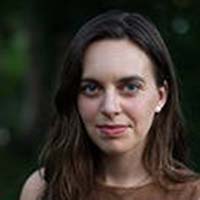
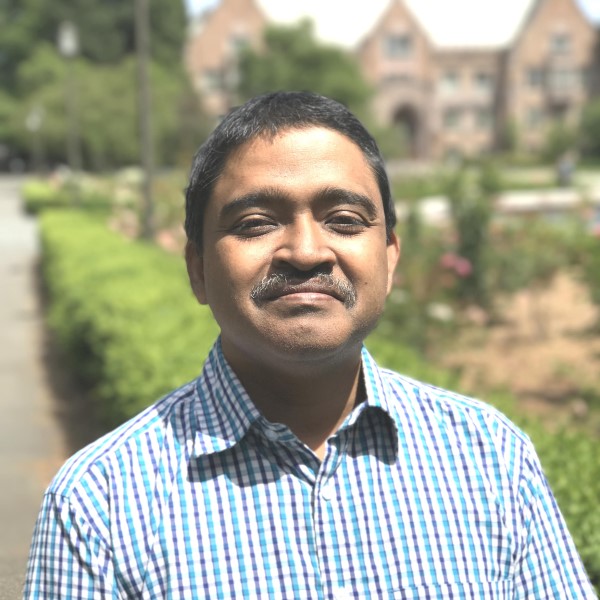
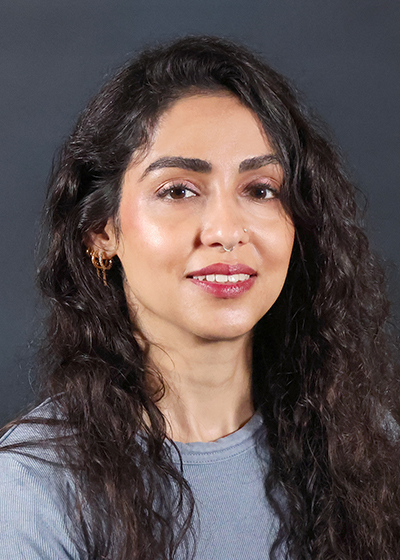
Morgan Edwards is an Assistant Professor at the University of Wisconsin-Madison's La Follette School of Public Affairs, specializing in human-centered energy responses to the climate crisis. Her work bridges policy analysis, systems modeling, and equity considerations across global, national, and local scales. Education: PhD in Engineering Systems (MIT), SM in Technology and Policy (MIT), BS in Environmental Science and Economics (UNC Chapel Hill) Research focuses on: Equity implications of energy transitions Systems modeling for climate policy Natural gas leak detection and mitigation Coal power phaseout strategies Negative emissions technology assessment Her lab develops tools connecting global climate goals with local action, emphasizing partnerships with underserved communities. Recent publications analyze methane mitigation, corporate climate-tech investments, and equity challenges in electrification.
Prof. Dr. Sabine Rumpf is a faculty member in the Department of Environmental Sciences at the University of Basel . Her research focuses on environmental influences on biotic systems, particularly in alpine and arctic ecosystems, with expertise in paleoecology, climate-driven range dynamics, and ecological modeling. Key research areas: Alpine ecology, biogeography, climate change impacts, environmental reconstruction Current projects: Ultra-high-resolution climate change assessments in Swiss mountain lakes, ecosystem development studies, spring ecology monitoring She serves as an associate editor for Diversity and Distributions and guest editor for Journal of Vegetation Science . Active in interdisciplinary collaborations through the Zurich-Basel Plant Science Center and Swiss Commission for Polar Research. 2020: Doc.Award (City of Vienna/University of Vienna) 2019: PhD Award (Ecological Society of DACH region) 2018: Austrian State Prize for Dissertations
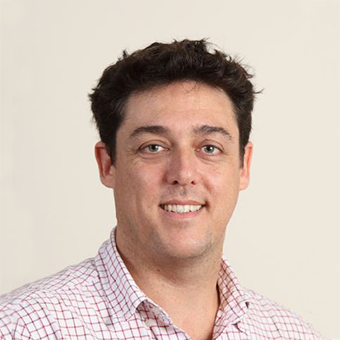
Professor Stuart James Khan is an Adjunct Professor in the School of Civil & Environmental Engineering at the University of New South Wales (UNSW). He previously served as Director of the Australian Graduate School of Engineering (AGSE). His research focuses on sustainable urban water management, water treatment processes, and chemical contaminant analysis. Khan holds a PhD in Environmental Engineering from UNSW (2003) and a BSc (Hons 1 in Organic Chemistry) from the University of Sydney (1995). His research interests include water recycling, desalination, disinfection byproduct formation, and the safe management of chemical contaminants. He has advised over 15 PhD students on topics ranging from advanced treatment technologies to risk assessment frameworks. Khan has published extensively, with over 200 journal articles and 18 book chapters, emphasizing interdisciplinary approaches to water quality challenges. Key contributions include advancing membrane bioreactor performance, optimizing water recycling systems, and assessing risks associated with emerging contaminants. His work bridges fundamental science and practical engineering solutions, addressing global water security challenges. Current projects explore wastewater-based epidemiology, PFAS remediation, and climate-resilient water infrastructure. Khan collaborates internationally on water reuse strategies and has contributed to policy frameworks for safe water management. His teaching spans courses like Water & Wastewater Treatment and Environmental Risk Analysis, reflecting his commitment to educating future engineers in sustainable practices.
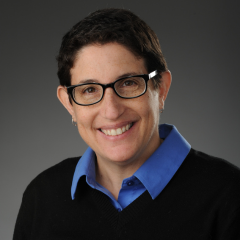
Laura Wernick is an Associate Professor at Fordham University's Graduate School of Social Service. Her academic background includes a PhD and MA from the University of Michigan, an MSW and MPA from Columbia University, and a BA from UC Berkeley. Dr. Wernick specializes in transformative community organizing models addressing intersectional power dynamics, with a focus on LGBTQ+ youth, domestic worker movements, and disability justice. She employs participatory action research methods to co-create solutions with marginalized communities. Her research explores how organizing models combat ableism, white supremacy in academia, and systemic oppression. Notable areas include youth-led advocacy, wealth mobilization for social justice, and employer-employee dynamics among domestic workers. Dr. Wernick's work bridges theory and practice through youth-adult partnerships and institutional reform initiatives. She maintains an active blog and public scholarship presence at www.laurawernick.com . Recent scholarship highlights include dismantling ableism in social work education and analyzing pandemic-related stigma. Her 2024 publications emphasize disability justice pedagogy and intersectional approaches to youth organizing. Methodologically, she advocates for participatory action research that disrupts traditional academic hierarchies. Leveraging over 20 years of practice experience, Dr. Wernick collaborates with community organizations to design interventions that foster healing and systemic change. Her current projects address racial disparities in school discipline and the mental health benefits of youth activism. She teaches courses on community organizing, social justice pedagogy, and marginalized populations.
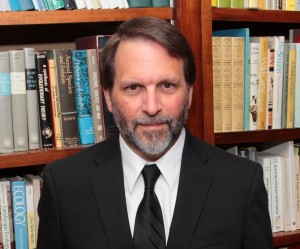
Ferran Garcia-Pichel is a Regents Professor and Center Director at Arizona State University’s School of Life Sciences, affiliated with the Biodesign Center for Fundamental & Applied Microbiomics, Center for Biodiversity Outcomes, Water Institute, and Global Drylands Center. He holds a PhD in Microbiology from the University of Oregon (1999) and has been a faculty member at ASU since 1999. His research focuses on microbial adaptations in arid environments, including biogeochemical cycling, soil crust formation, and sustainable land restoration. Key interests include cyanobacterial sunscreen compounds (scytonemin), carbonate dissolution mechanisms, and hydrogen production. Teaching responsibilities include advanced microbiology, microbial ecology, and geomicrobiology courses such as MBB 495 Undergraduate Research and BIO 493 Honors Thesis. Awards span from the 2021 Regents Professor distinction to the 2023 Sperry Award for restoration science. His lab explores interdisciplinary approaches to study microbial communities in desert soils, marine intertidals, and atmospheric dust, with applications in climate resilience and biomedicine. Research highlights include biocrust restoration strategies, microbial nitrogen fixation networks, and the role of GABA/Glu signaling in spatial organization. Collaborations address global challenges like fugitive dust mitigation and carbon sequestration. The lab is based at the Biodesign Building B on ASU’s Tempe campus.
Craig A. Bond is a Professor at the RAND School of Public Policy, a Senior Economist at RAND Corporation, and Editor-in-Chief of the RAND Journal of Economics. His work bridges military resource allocation and environmental economics through advanced econometric modeling. Current Roles: Research QA Manager (RAND Arroyo Center), Senior Economist Methodological Expertise: Stochastic dynamic programming, discrete choice modeling, non-market valuation Key Research Themes: Military readiness, coastal resilience, green infrastructure, post-disaster recovery Research Interests: Craig Bond specializes in natural resource economics , environmental economics , and applied welfare economics , with recent work focusing on: Risk modeling for defense acquisitions and personnel strategy Resilience dividend valuation frameworks Green infrastructure cost-benefit analysis Climate adaptation in coastal communities Publication Trends: His 15 most recent works (2017-2025) show interdisciplinary focus across: Military Economics: Recruiting optimization, training requirements, economic multipliers Environmental Policy: Coastal land loss, invasive species impact, water management Resilience Modeling: Disaster recovery frameworks, adaptive systems
Bryan Watts is the Director of the Center for Conservation Biology and holds the Mitchell A. Byrd Research Professorship in Conservation Biology at William & Mary. He has a B.S. in Biology from Virginia Tech, an M.A. in Biology from William & Mary, and a Ph.D. in Ecology from the University of Georgia. His research focuses on avian conservation, wetland ecosystems, and the impacts of environmental changes on bird populations, particularly in coastal regions. He leads long-term monitoring programs for species like ospreys, red knots, and black rails, emphasizing habitat conservation and population dynamics. His work integrates citizen science, toxicology assessments, and climate adaptation strategies for vulnerable species. Watts collaborates with federal agencies and NGOs to inform policy decisions and habitat management. His projects include the Virginia Marshbird Survey, Whimbrel migration tracking, and assessments of contaminants in apex predators like peregrine falcons and bald eagles. Key areas of focus include the demographic responses of birds to fluctuating fish stocks, the effects of human activity on nocturnal roosting behaviors, and the development of conservation strategies for coastal wetlands under climate change. His research outputs span over three decades, addressing both applied and theoretical questions in conservation biology. Watts also advises on wildlife management policies, such as landfill use by bald eagles and wind energy siting to minimize bird collisions.
Prof. Fatih Terzi is a faculty member in the Department of Urban and Regional Planning at Istanbul Technical University's Faculty of Architecture. His research focuses on sustainable urban development, resilience, ecology, GIS applications, and smart cities. He has held visiting researcher positions at Clemson University (USA), University College London, and Technical University Berlin. He has led projects supported by EU, TÜBİTAK, and others, addressing ecological planning, risk reduction, and urban regeneration. His work bridges academic research with practical urban planning, including projects with municipalities and the Ministry of Environment. He has received multiple awards for research and design, including the Best Paper Award (2025) and TÜBİTAK recognitions. Education: PhD in Urban and Regional Planning from Istanbul Technical University (2010), MSc in Urban Planning (2004), BSc in Urban and Regional Planning from Yıldız Technical University (2000). Research interests include spatial strategic planning, ecological cities, and climate-sensitive urban design. He uses urban modeling and GIS to address sustainability challenges. His recent projects include Istanbul's flood risk analysis, green space strategies, and sustainable city planning in Kayseri and Malatya. Notable awards include the 2024 TÜBİTAK award for urban resilience projects and the 2023 Istanbul Technical University Academic Performance Award. He has also been recognized for design competitions, including the İzmir Ecological Living Area Project (2021) and the 2017 Balkan Architectural Biennale Urbanism Grand Prix. Prof. Terzi holds administrative roles at Istanbul Technical University, including Merkez Danışma Kurulu Üyeliği (2023–present). He oversees academic projects on urban resilience, smart cities, and ecological planning, contributing to both national and international initiatives.
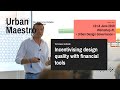
Dr. Tommaso Gabrieli is an Associate Professor in Real Estate at the Bartlett School of Planning, University College London (UCL), where he has been employed since September 2015. His academic career spans multiple institutions including the University of Reading, City University London, University of Warwick, and the Catholic University of Milan. His educational background includes: PhD in Economics from the University of Warwick (2009) MSc in Economics from the London School of Economics and Political Science (2003) Fellowship of the Higher Education Academy from the University of Reading (2013) As a theoretical economist trained in the ambrosian tradition of social welfare, Gabrieli's research focuses on the economic analysis of urban policy issues. His expertise encompasses economic modeling of real estate markets, financial viability of urban projects, multi-dimensional value measurements, and value-capture mechanisms. He has developed novel interdisciplinary methods bridging urban planning and design with economics, making him one of few economists actively collaborating with urban planning scholars in the UK. His work addresses Sustainable Development Goals including No Poverty, Good Health, Decent Work, Reduced Inequalities, Sustainable Cities, and Climate Action. His recent publications demonstrate a strong focus on urban design governance, value capture mechanisms, and the interface between economic theory and urban planning practice. The research spans theoretical explorations of post-growth planning and practical applications in land value recovery, particularly examining implications for housing affordability, wealth distribution, and community wellbeing in both urban and rural contexts. His work often integrates behavioral economics with spatial planning considerations. Professional recognition includes: Fellow of the Higher Education Academy Gabrieli has extensive experience supervising PhD and MSc dissertations across multiple institutions. His teaching portfolio includes Real Estate Appraisal and Valuation at UCL, where he leads relevant modules for both undergraduate and graduate programs. He has contributed to significant research projects including 'Street Appeal' commissioned by Transport for London and the Horizon 2020-funded 'UrbanMaestro' project worth 1 million Euros. His research impact has been formally recognized by Transport for London. Currently, he leads the 'Future Urban Growth Lab' project, funded by UCL Knowledge Exchange and Innovation Funding, in partnership with the Royal Town Planning Institute and Politecnico of Turin. This project aims to operationalize an urban growth model prototype for use by local authorities in planning future city development, bridging academic research with practical planning applications.
Maria Navarro is a Teaching Professor at the University of Georgia's College of Agricultural & Environmental Sciences, specifically within the Department of Agricultural Leadership, Education & Communication. She holds a Ph.D. in Agricultural Education from Texas A&M University (2004) and a BS/MS equivalent in Agricultural Engineering from Universitat Politècnica de Catalunya, Spain (1992). Ph.D., Agricultural Education, Texas A&M University (2004) BS/MS, Agricultural Engineering, Universitat Politècnica de Catalunya (1992) Her research focuses on High-Impact Practices (HIPs), interdisciplinary education, and integrating STEM with social sciences to create globally conscious curricula. She has led transformative projects in curriculum operations, faculty development, and student equity, with recent work emphasizing sustainable food systems and biocultural diversity. 2018 Fellow, Association for International Agricultural and Extension Education 2017 D.W. Brooks Faculty Award for Excellence in Teaching 2016 Outstanding Graduate Faculty Mentor Award 2014 UGA Richard B. Russell Award for Excellence in Undergraduate Teaching Dr. Navarro has secured competitive grants totaling over $1.1 million from USDA-NIFA-HEP for projects like 'Interdisciplinary graduate research and education in sustainable food systems' and 'Integrating humanistic studies into engineering education.' Her teaching includes international study-abroad programs, graduate seminars, and first-year courses, with a focus on experiential learning and curriculum innovation.
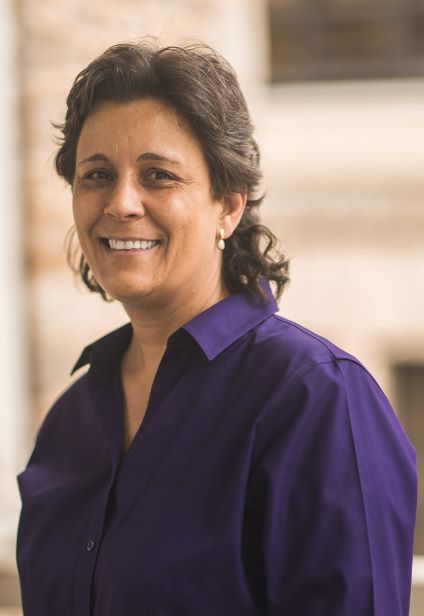
Kishalay Mitra is a Professor at the Indian Institute of Technology Hyderabad , with affiliations to the Department of Chemical Engineering , Department of Climate Change , and Department of Artificial Intelligence . He also holds visiting professorships at Washington University in St. Louis and University of Washington, Seattle . His work in the Global Optimization & Knowledge Unearthing Laboratory (GOKUL) spans interdisciplinary optimization, machine learning, and their applications in industrial-scale engineering problems. Education : Ph.D. from IIT Bombay. Research Interests : Mitra's research focuses on optimization under uncertainty , surrogate modeling , multi-objective optimization , and integrating machine learning with physics-based models . His work addresses real-world challenges in wind energy , bioenergy supply chains , chemical process control , nanoscience , and environmental modeling (e.g., PM10 spatiotemporal analysis, forest fire prediction, and carbon capture). Article Trends : His recent publications emphasize wind energy systems (layout optimization, yaw control, forecasting), materials science (precipitate growth prediction, polymerization), and industrial processes (crystallization, grinding circuits). Techniques include neural operators , Bayesian optimization , generative adversarial networks (GANs) , and explainable AI .
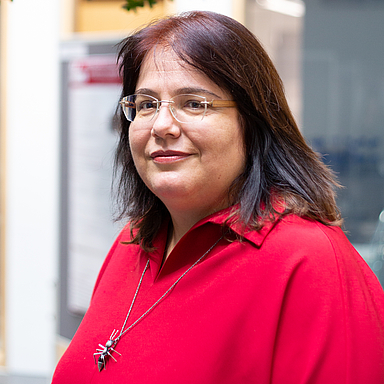
Prof. Dr. Susanne Foitzik is a Professor of Evolutionary Biology at Johannes Gutenberg University Mainz since 2010, where she leads the Evolution & Behavioral Ecology of Ants research group at the Institute of Organismic and Molecular Evolution (IOME). Previously, she was Professor in Behavioral Ecology at LMU Munich (2004-2010) and Assistant Professor in Zoology at the University of Regensburg (2000-2004). She earned her PhD in Biology from Julius Maximilian University, Würzburg in 1998. Her research integrates approaches from behavioral ecology through genomics to epigenetics, focusing on ants as model organisms to study complex social behaviors. Host-parasite coevolution and social parasitism in ants Molecular mechanisms underlying division of labor Reversal of the fecundity-longevity trade-off in social insects Gene regulation in phenotypic plasticity Evolution of chemical communication systems Analysis of her recent publications (2022-2025) reveals a strong focus on molecular mechanisms of social behavior, with particular emphasis on host-parasite interactions, epigenetic regulation of behavior, and genomic adaptations in social insects. Her work increasingly combines transcriptomic, proteomic, and functional genomic approaches to understand the molecular basis of social evolution. Among her notable scientific achievements: Speaker of Research Training Group 2626 GenEvo: Gene Regulation in Evolution (2019-present) Speaker of EES Master Program funded by VW foundation (2007-2010) DAAD Fellow at State University of New York (1992-93) Prof. Foitzik has supervised numerous PhD students and postdocs, including Maide Macit, Tom Sistermans, and Marcel Caminer. Her research is supported by multiple DFG-funded projects investigating host-parasite coevolution, the role of gene regulation in division of labor, and parasite interference in host gene expression. She serves as Handling Editor for Biology Letters and previously served on the editorial board of Insectes Sociaux. Her research group operates within the Institute of Organismic and Molecular Evolution (IOME) at Mainz, with laboratory facilities at the Biozentrum I. The group collaborates extensively with researchers across Germany and internationally, including partnerships with institutions in Frankfurt, Freiburg, Bristol, and Tel Aviv.
Dr. Kai Li serves as Professor of Finance at the University of British Columbia's Sauder School of Business, holding the Canada Research Chair in Corporate Governance and W. Maurice Young Endowed Chair in Finance. Elected Fellow of the Royal Society of Canada (2022), she is Managing Editor of the Journal of Financial and Quantitative Analysis and previously served on editorial boards of Review of Financial Studies, Management Science, and Journal of Finance. Her academic foundation includes a BSc from Jiaotong University, MA from Concordia University, and PhD from the University of Toronto. Dr. Li's research examines corporate governance through three interconnected lenses: gender dynamics in finance (board diversity, analyst performance), corporate culture quantification (using generative AI and machine learning), and green innovation (environmental governance). Her methodology pioneers computational approaches to analyze textual data from corporate disclosures, bridging finance, computer science, and social sciences. Analysis of her recent publications reveals a distinct trajectory toward interdisciplinary research, increasingly integrating artificial intelligence with traditional finance to study culture and sustainability. This shift demonstrates growing emphasis on empirical measurement of intangible governance factors through NLP and generative models. Her accolades include: Fellow of the Royal Society of Canada (2022) UBC Killam Research Award Sauder Research Excellence Award (junior/senior) Barclays Global Investors Canada Research Award John L. Weinberg/IRRCi Best Paper Award (2024) Best Paper Award at 2024 China International Conference in Finance While the provided materials confirm her editorial leadership and research impact, specific details regarding graduate student supervision and grant funding portfolios were not disclosed. Dr. Li maintains affiliations with the Asian Bureau of Finance and Economic Research (Senior Fellow), European Corporate Governance Institute (Research Member), and FinTech at Cornell Initiative (Research Fellow).
Joost de Moor is an Assistant Professor in Political Science at Sciences Po’s Centre for European Studies and Comparative Politics (CEE) . His research bridges Environmental Politics , Social Movements , and Political Participation , with a focus on climate activism, lifestyle politics, and post-political strategies. He holds a PhD in Social Sciences: Political Science from the University of Antwerp (2016) and has held postdoctoral positions at Keele University (2016-2018) , Stockholm University (2018-2021) , and Leiden University (2021) . A visiting scholar at the University of Mannheim (2015) , his work spans urban environmentalism, climate summit dynamics, and strategic movement adaptation.
Nazanin Tajik is an Assistant Professor in the Department of Industrial and Systems Engineering at Mississippi State University (MSU). She holds a Ph.D. from the University of Oklahoma, an M.S. from the University of Tehran, and a B.S. from Sharif University of Technology. Her research focuses on integrating artificial intelligence, machine learning, and social science concepts to develop cross-disciplinary frameworks for infrastructure resilience, smart transportation systems, and disaster management. Her academic journey includes a Ph.D. at the University of Oklahoma where she contributed to the Risk-Based Systems Analytics Laboratory. At MSU, she established a research center bridging AI/ML tools with socio-technical systems. Key research domains include cyber-physical-social infrastructure resilience, search-and-rescue planning, and game-theoretic robotic designs. Tajik's work emphasizes optimization algorithms for network vulnerability assessment, resource allocation in disaster scenarios, and adaptive recovery strategies. She is actively involved with professional organizations such as INFORMS, ISE, and POMS, reflecting her commitment to advancing operations research and systems engineering methodologies.