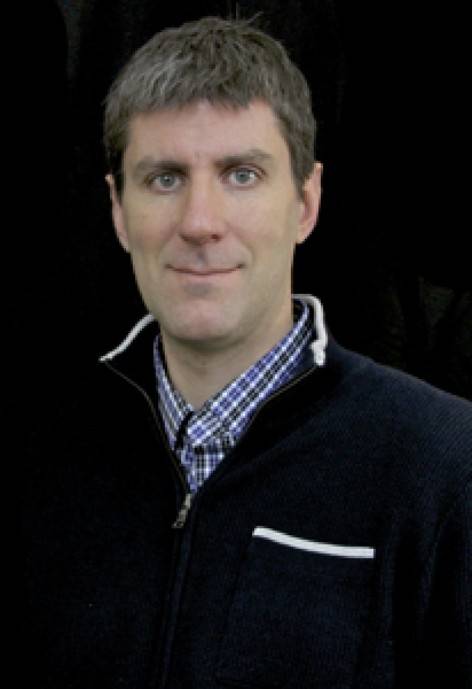
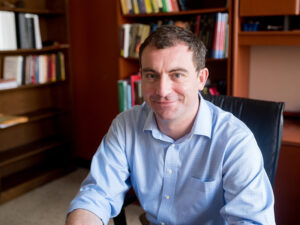
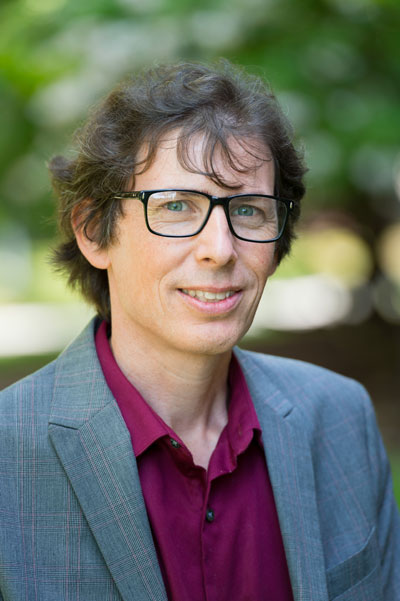
Claire Bowern is Professor of Linguistics at Yale University specializing in historical linguistics, language documentation, and Australian Indigenous languages. Her research employs computational phylogenetics to study language evolution and supports language revitalization through digital archives and fieldwork methodologies. Recent publications address: Phylogenetic signal in lexical evolution across language families Digital infrastructure for endangered language documentation (FLEx software analysis) Decolonizing linguistics pedagogy and research practices Her work consistently integrates linguistic, anthropological, and computational approaches to analyze language diversity and change. She contributes to global databases including Grambank and D-PLACE, examining links between linguistic, cultural, and environmental patterns.
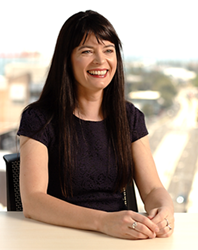
Katherine Brickell is Professor of Human Geography at Royal Holloway, University of London (RHUL), where she serves as Research Lead for the Department of Geography. She is editor of the journal Gender, Place and Culture and former Chair of the RGS-IBG Gender and Feminist Geographies Research Group. Her work spans social, political, development, urban and legal geography with a feminist orientation. Brickell's research centers on three interconnected themes: home and home unmaking, labor precarity, and feminist legal geographies. Her longstanding interest in the domestic sphere and home unmaking aims to reaffirm the home as a political entity. Her monograph Home SOS: Gender, Violence and Survival in Crisis Ordinary Cambodia brings together 15 years of research on domestic violence and forced eviction. Since 2017, she has conducted collaborative work in London and Dublin on modular housing for homeless families. She has also led significant research on labor conditions in Cambodia, including the ESRC-DFID funded 'Blood Bricks' project (2016-2019) studying climate change impacts on rural families migrating to brick kilns. Her recent publications reveal a strong focus on debt, microfinance, and climate vulnerability in Cambodia, with multiple 2022-2024 articles examining how over-indebtedness intersects with social reproduction and climate adaptation. Her work consistently applies feminist lenses to understand spatial dimensions of power, particularly in Southeast Asia. Brickell has published in top journals including Transactions of the Institute of British Geographers , Progress in Human Geography , Antipode , and Annals of the American Association of Geographers . Gill Memorial Award (2014) Philip Leverhulme Prize (2016) Times Higher Education Research Project of the Year (2020) Brickell has supervised numerous doctoral students and mentored postdoctoral fellows working on topics including remittances during COVID-19, climate mobilities, moral geographies of garment work, and women's experiences with domestic violence. Her research has been funded by ESRC-DFID, UKRI GCRF, and the Urban Studies Foundation, among others. She collaborates extensively with colleagues in Cambodia and across Europe, with current projects examining climate resilience, credit-taking, and nutrition in Cambodia and South India, as well as the economic impacts of the pandemic on Cambodian garment workers.
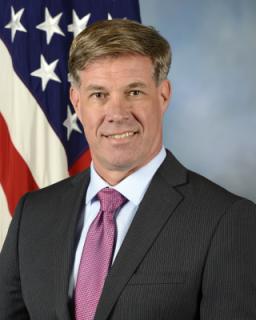
Prof. Dr. Ana Bastos is a Research Professor and Group Leader at the Max Planck Institute for Biogeochemistry (MPI-BGC) in Germany, affiliated with Leipzig University's Institute for Earth System Science and Remote Sensing. She holds a PhD in Geophysical and Geoinformation Science (2015, U. Lisbon) and a BSc+MSc in Environment and Energy Engineering (2011, U. Lisbon). Her research bridges atmospheric science, ecology, and biogeochemistry to study carbon-cycle dynamics, climate extremes, and ecosystem disturbances. She leads major projects such as the ERC Starting Grant-funded ForExD initiative and contributes to global carbon cycle assessments like RECCAP-2. Key roles include membership in the World Climate Research Programme's Safe Landing Climates initiative and leadership in the ICOS-RI Drought Task Force. She has over 40 international conference presentations and organizes sessions at AGU and EGU meetings. Her awards include the EGU Outstanding Early Career Scientist Award (2022) and the Beutenberg Campus Award (2021). She actively mentors early-career researchers through PhD and postdoc programs focused on forest disturbance modeling and remote sensing applications.
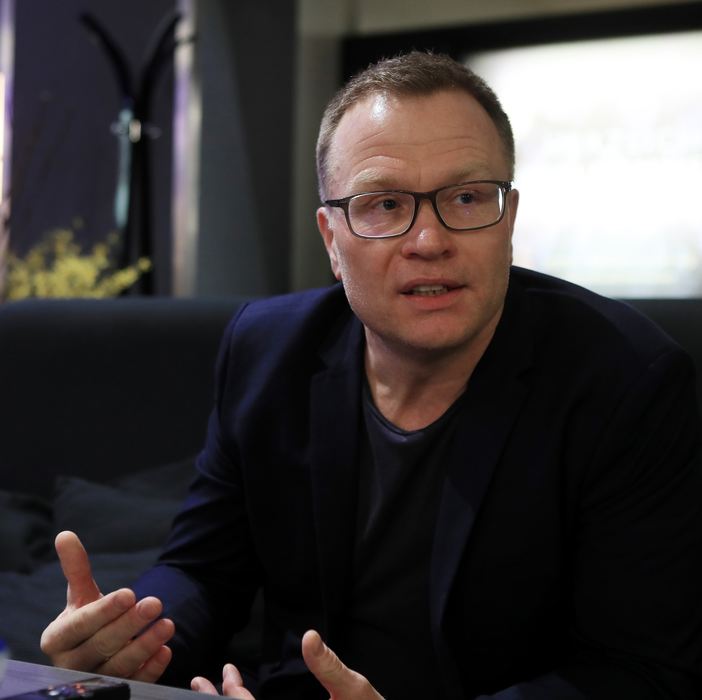
John Oakey is a Professor and Graduate Coordinator in the Department of Chemical and Biomedical Engineering at the University of Wyoming, with additional affiliations to the INBRE Program, Molecular and Cellular Life Sciences Program, and Materials Science and Engineering Program. Education Postdoctoral Fellow, Center for Engineering in Medicine, Massachusetts General Hospital & Harvard Medical School (2007–2010) Ph.D. Chemical Engineering, Colorado School of Mines (2003) M.S. Chemical Engineering, Colorado School of Mines (1999) B.S. Chemical Engineering, Penn State University (1997) Research Interests Oakey’s laboratory integrates fluid dynamics, colloidal science and materials science to understand how biological systems behave under flow, on surfaces and within complex 3-D geometries. A unifying theme is the use of microfabrication and microfluidics to create new diagnostic, prognostic and therapeutic platforms. Current thrusts include: Heterogeneous biomaterials: self-assembled particulate tissue scaffolds whose mechanical and transport properties can be temporally programmed. Inertial microfluidics: exploiting lift forces for membrane-free particle sorting, enrichment and diagnostics. Multi-temporal analysis by flow cytometry: development of closed-loop, high-throughput microfluidic cytometers for longitudinal single-cell studies. Publication Trends From 2025 back to 2010, Oakey’s articles reveal a consistent trajectory that marries fundamental physics (microtubule mechanics, inertial focusing) with translational applications (cell encapsulation, tissue scaffolds, drug delivery). Recent work (2023-2025) increasingly targets injectable granular hydrogels, single-cell therapeutic delivery and sustainable carbon-sequestering living materials, demonstrating an evolution from microscale transport phenomena to macroscopic biomedical and environmental impact. Scientific Awards No named awards are listed in the supplied text. Advising & Coordination Roles As Graduate Coordinator for the Department of Chemical and Biomedical Engineering, Professor Oakey oversees graduate program development and student mentoring. While no individual students are named, his role implies active supervision of M.S. and Ph.D. advisees in chemical and biomedical engineering. Laboratory & Teams The Oakey Research Group operates from the Energy and Environmental Research Building (EERB 435A) at the University of Wyoming. The lab enjoys R1-level research infrastructure and collaborates broadly with the Wyoming INBRE network, the Molecular and Cellular Life Sciences Program, and the Materials Science and Engineering Program.
Sıtkı Egeli is an Associate Professor at the Department of Political Science and International Relations at İzmir University of Economics since 2015. With a PhD in International Relations from Bilkent University, an MA in Security Studies from University of Chicago, and a BA in Political Science from Boğaziçi University, he specializes in defense policy, security studies, and military technology. PhD: Bilkent University, International Relations (1993-1999) MA: University of Chicago, Security Studies (1988-1991) BA: Boğaziçi University, Political Science (1983-1988) His research focuses on weapons of mass destruction proliferation , air and missile defense , nuclear deterrence , space security , and disruptive military technologies . His publications analyze Turkish defense industrialization, Arctic geopolitics, and strategic stability in aerospace warfare contexts. Recent collaborative work (2017-2025) spans: • Balancing defense autarky (2025) • Arctic region involvement (2022) • Historical air power development (2021) • Military space operations (2021) • Turkish missile defense (2019) • Ballistic missile programs (2017)
Shanique Brown serves as Assistant Professor of Management at the Zicklin School of Business, City University of New York (CUNY), where she investigates cognitive processes impacting organizational team dynamics and decision-making. Her research bridges industrial-organizational psychology with practical applications in extreme environments. Her academic foundation includes: Ph.D. in Industrial-Organizational Psychology from DePaul University M.A. in Industrial-Organizational Psychology from Southern Illinois University, Edwardsville B.Sc. in Psychology from the University of the West Indies Dr. Brown's research centers on decision-making mechanisms and team cognition within organizational contexts, with specialized focus on extreme environments like space missions. She examines how cognitive styles, working memory, and team composition influence performance in isolated, confined, and high-stakes settings. Her work integrates psychological theory with actionable frameworks for optimizing team effectiveness across virtual and physical workspaces. Analysis of her publication history reveals evolving expertise in team science, particularly regarding virtual team leadership, polycultural organizations, and NASA-relevant analog research. Recent work emphasizes selection-optimization-compensation models for team performance and psychosocial factors in extreme environments, demonstrating consistent contribution to organizational psychology literature. Her scientific recognition includes: Editorial Fellowship from Group Dynamics (2022) Wayne State University Faculty Accessibility Fellowship (2022) Teaching Innovation Development Excellence Award (2020) Faculty Teaching Award (2020) University Research Grant (2019) Robert A. Daugherty Memorial Award (2011) Dr. Brown actively collaborates on NASA-funded research through the Human Research Program, developing crew composition models for long-duration space missions. She serves on Baruch College's PhD Admissions and Interdisciplinary Business Major committees while maintaining leadership roles in the Society of Industrial-Organizational Psychology, including Task Force Chair and Conference Committee positions. Her grant work focuses on translating team dynamics research into operational frameworks for extreme environments. She leads interdisciplinary collaborations with NASA researchers and international scholars on projects including virtual escape room studies for team performance assessment and CREWS (Crew Recommender for Effective Work in Space) development, demonstrating commitment to solving real-world team challenges in high-consequence settings.
Professor Amy Maguire is a leading academic in human rights and public international law at the University of Newcastle, Australia. She holds roles as Deputy Head of the School of Law and Justice (2021-2024) and co-founder Director of the Centre for Law and Social Justice. Her research focuses on human rights accountability, Indigenous rights, climate change displacement, and refugee rights. She has secured over $2.7 million in grants, including an ARC Mid-Career Industry Fellowship (2024-2028) for national human rights reform initiatives. Maguire advises the Queensland Parliament on human rights compliance and collaborates with global institutions like the Australian Human Rights Commission. Her work has influenced policy, including Australia’s death penalty abolition strategy and Indigenous rights frameworks. She has been awarded multiple accolades for research and teaching excellence, including the 2020 Leadership Excellence Award and 2016 Early Career Researcher of the Year. Maguire’s education includes a BA, LLB (Hons), and PhD from the University of Newcastle. Her interdisciplinary approach bridges law and social justice, addressing issues like climate migration and legal responses to global crises. She leads projects such as the Hunter Region climate displacement study and the Human Rights Measurement System. Maguire’s public engagement includes over 70 articles for The Conversation, reaching 920,000+ readers, and expert media commentary globally. She advocates for inclusive education through initiatives like early entry programs for Indigenous and refugee students, earning a 2021 Senior Fellowship from Advance HE. Her research outputs span 60+ publications, with key works on MH17 litigation, climate justice, and Indigenous legal frameworks. Grants include a 2021 stimulus grant to establish the Centre for Law and Social Justice, supporting postdoctoral research and international collaborations. Maguire’s leadership extends to global networks, including the UN Human Rights Council evaluation project and the Human Rights for NSW Alliance. She remains committed to translating research into policy, education, and community impact through clinics, youth forums, and law reform advocacy.
Joseph Felter is a Research Fellow at the Hoover Institution (Stanford University) and the William J. Perry Fellow at the Center for International Security and Cooperation. His career bridges academia, military service, and policy advising, with expertise in counterinsurgency, national security, and US-China relations. He coauthored the influential book Small Wars, Big Data: The Information Revolution and Modern Conflict (2018) and developed the Hacking for Defense curriculum to connect military needs with Silicon Valley innovation. Military Background: Former US Army Special Forces officer with combat deployments in Panama, Iraq, and Afghanistan. Served as commander of the COMISAF Counterinsurgency Advisory and Assistance Team. Academic Roles: Assistant Professor at West Point’s Department of Social Sciences, Adjunct Associate Professor at Columbia University’s School for International and Public Affairs, and current codirector of Stanford’s Empirical Studies of Conflict Project. Research Focus: Politically motivated violence, economic development in conflict zones, and defense innovation. His work appears in top journals like American Economic Review and Journal of Conflict Resolution . Policy Engagement: Key advisor on US defense strategy (2017–2019) and founder of BMNT, a Silicon Valley defense technology incubator. Currently serves on Spirit of America’s board. Scientific Awards: Recognized as a William J. Perry Fellow and US Army War College Fellow. His empirical conflict research informs both academic and policy debates.
Tapio Schneider is the Theodore Y. Wu Professor of Environmental Science and Engineering at the California Institute of Technology. His research focuses on atmospheric dynamics across Earth and other planets, climate modeling innovations, and geophysical turbulence analysis. He contributes to the Climate Modeling Alliance (CliMA) and develops advanced computational tools for climate prediction. Albert-Ludwigs-Universität Freiburg (Vordiplom, 1993) Princeton University (M.Sc. 1997, Ph.D. 2001) University of Washington, Seattle (Visiting Graduate Student, 1994-1995) His research spans climate dynamics , atmospheric turbulence , and AI-enhanced climate modeling , addressing challenges in cloud dynamics, extreme weather patterns, and planetary climate systems. Current work emphasizes hybrid machine learning-physical models and computational acceleration for high-resolution simulations. Recent publications highlight trends in AI integration for climate science, with applications in hydrology , cloud microphysics , ocean circulation , snowpack modeling , and climate tipping points . His team develops open-source tools like ClimateMachine for GPU-accelerated simulations. Scientific Recognition: Fellow, American Geophysical Union (2022) Rosenstiel Award (2019) World Economic Forum Young Scientist (2012) David and Lucile Packard Fellow (2005-2010) Alfred P. Sloan Research Fellow (2004-2006) Tapio leads climate dynamics research at Caltech, directs the Linde Center for Global Environmental Science (2011-2012), and serves as Editor for the Journal of Advances in Modeling Earth Systems . His group collaborates with NASA Jet Propulsion Laboratory (2016-2024) and Google Research (2022-present).
Gregg M. Garfin is a Professor and Specialist in Climate, Natural Resources, and Policy at the University of Arizona’s School of Natural Resources and the Environment, and Deputy Director for Science Translation and Outreach at the Arizona Institute for Resilience. He holds a Ph.D. in Geosciences from the University of Arizona (2003), an M.S. in Geology and Geography from the University of Massachusetts (1997), and a B.S. in Geology and Geography from the same institution (1993). His work bridges science and societal decision-making, focusing on climate adaptation, drought management, and climate services. He directs the Water, Society, and Policy M.S. Program and has led interdisciplinary projects on climate resilience, including contributions to the Fourth National Climate Assessment. Roles: Professor, Deputy Director, Program Director Affiliations: Arizona Institute for Resilience, School of Natural Resources and the Environment Research Interests His research emphasizes climate adaptation strategies, climate policy, and the co-production of knowledge between scientists and decision-makers. Key areas include: Climate impacts on water resources and ecosystems Extreme heat and drought resilience in urban and border communities Climate change communication and education Awards & Recognition Garfin has received multiple accolades, including AAAS Fellowship (2020), University of Arizona Service Awards (2020, 2015), and the Global Initiative for Academic Networks (GIAN) Visiting Fellowship (2018). His work has been featured in peer-reviewed journals and media outlets, emphasizing actionable science for climate resilience. Grants & Contributions He has led federal and transnational projects, including binational climate resilience initiatives in the U.S.-Mexico border region and flood risk assessments in Seoul, South Korea. His work integrates participatory governance approaches to enhance community preparedness.
Professor Martin Doevenspeck is a distinguished scholar of Political Geography at the University of Bayreuth, where he holds a professorship in the Department of Political Geography within the Faculty of Biology, Chemistry & Earth Sciences. Since 2019, he has served as a Principal Investigator in the Cluster of Excellence "Africa Multiple" and as Spokesperson of the Research Section Mobilities. Previously, he was Managing Director of the Institute of Geography at the University of Bayreuth (2018-2022) and a member of the Executive Board of the Institute of African Studies Bayreuth. Professor Doevenspeck earned his "Diplom" in Geography from the University of Bonn and completed his PhD thesis entitled "Migration in rural Benin – Studies in social geography at an African border" at the University of Bayreuth in 2004. His academic journey includes positions as a Teaching and Research Assistant at the University of Bayreuth (2005-2011), Post-doc at the University of Bonn (2004), and various research and teaching roles focused on African geography and development. At the intersection of migration studies and political geography, Professor Doevenspeck's research focuses on (forced) im/mobilities, conflict, and border studies, with particular emphasis on African contexts. His current work centers on the project "Oil movements: the production and government of petro-(im)mobilities in East Africa" within the Bayreuth Cluster of Excellence "Africa Multiple," where he serves as Spokesperson of the Research Section Mobilities. His research spans West Africa (particularly Benin), Central Africa (Democratic Republic of Congo, Rwanda), and East Africa, examining how borders, conflicts, and resource extraction shape human mobility and territorial control. Analysis of Professor Doevenspeck's recent publications reveals a consistent focus on migration, borders, and conflict in African contexts, with increasing attention to environmental factors and resource extraction. His work demonstrates interdisciplinary approaches combining political geography, migration studies, and African studies. Recent publications particularly emphasize petro-mobilities, terrorism impacts on education, and migration control in West African borderlands, reflecting evolving research interests in the interplay between infrastructure development, security concerns, and human mobility. Professor Doevenspeck has supervised numerous doctoral and master's students, including Jaana M. Janßen, Fabian Liedl, Clemens Romankiewicz, Morgane Anziani-Vente, Muhire Blaise Mwanga, and Daniela Boß. His academic leadership extends to serving as Vice Dean of the Bayreuth International Graduate School of African Studies (BIGSAS) from 2012-2021, where he played a significant role in shaping graduate education in African studies. As a Principal Investigator in the Cluster of Excellence "Africa Multiple," Professor Doevenspeck leads research initiatives examining diverse manifestations of "Africa" across the continent and diaspora. His work involves collaboration with researchers from multiple disciplines and institutions, focusing particularly on mobilities as a key research section within the cluster. This collaborative research environment has produced significant insights into migration patterns, border dynamics, and conflict resolution in African contexts.
Michael Baldea is an Associate Professor in the Department of Chemical Engineering at the University of Texas at Austin . He holds a Ph.D. in Chemical Engineering from the University of Minnesota (2006), with prior degrees from 'Babeş-Bolyai' University in Romania (M.Sc. 2001, Diploma 2000). His research group develops theoretical and computational methods for Process and Energy Systems Engineering , focusing on integrated decision-making, performance optimization, and process intensification with industrial validation. Education: Ph.D., Chemical Engineering, University of Minnesota (2006) M.Sc., Interface Process Engineering, 'Babeş-Bolyai' University (2001) Diploma, Chemical Engineering, 'Babeş-Bolyai' University (2000) Research Thrusts: Integrated decision-making in chemical/energy supply chains Process performance monitoring and optimization Process integration and intensification Key applications include grid-responsive chemical plants, intensified distillation/column designs, and renewable energy integration for building systems. Scientific Awards: Frank A. Liddell, Jr. Fellowship NSF CAREER Award (2015-2020) Moncrief Grand Challenges Faculty Award (2014) AIChE Outstanding Young Researcher Award (2017) Implementation : His group has translated research into commercial tools through partnerships with industrial test beds and is working to integrate methods into commercial simulators. They explore predictive approaches for building energy management and strategic capital investment analysis in next-generation energy systems.
Martin Jakobsson is a Professor of Marine Geology and Geophysics at Stockholm University's Department of Geological Sciences. His career spans international research expeditions and leadership roles, including Dean of Earth Science (2021) and Head of Department (2012-2018). A key member of the Marine Geology group, he studies Arctic and Antarctic glacial history through sediment analysis and seafloor mapping. PhD from Stockholm University (2000) Academy Fellow, Royal Swedish Academy of Sciences (2004-2009) Professor II position at University Centre of Svalbard (2011-) His research focuses on marine geological archives to reconstruct glacial cycles, ice-ocean interactions, and bathymetric mapping. As GEBCO Vice-Chair (2013-2020), he led initiatives for global seabed mapping through the Seabed 2030 project. Recent publications reveal expertise in: Arctic Ocean paleocirculation Methane release from thawing permafrost Ice sheet sensitivity to oceanic warming High-resolution bathymetric analysis Scientific recognition includes: Election to Royal Swedish Academy of Sciences (2012) 1st Vice President, Royal Swedish Academy of Sciences (2016-2019) Membership in Norwegian Scientific Academy for Polar Research (2016) He leads international collaborations on polar research vessels, with over a year of cumulative ship time and multiple Co-Chief Scientist roles on Arctic expeditions.
Stephen Billings is an Associate Professor of Finance at the Leeds School of Business, University of Colorado Boulder, where he holds the Global Real Estate Capital Markets Chair position. He serves as the faculty director of the MS in Real Estate program and research director for the CU Real Estate Center. His work spans multiple research centers including the Center for Research on Consumer Financial Decision Making and the Michael A. Klump Center for Real Estate. Billings received his PhD in Economics from the University of Colorado, a MS in urban planning from the University of North Carolina, and a BS in economics from Georgetown University. Prior to joining CU Boulder in 2016, he was faculty at the University of North Carolina Charlotte with appointments in both economics and public policy, where he also served as faculty director for the real estate center. His research focuses on the intersection of housing, schools, neighborhoods and crime, addressing critical policy issues including the impact of public investment in light-rail transit on neighborhoods, school segregation's influence on academic achievement and crime, neighborhood gentrification causes, lead-based paint in low-income housing, and the effects of sea level rise and natural disasters on neighborhood sorting and household finances. Billings employs sophisticated analysis of large micro-datasets with studies based on data and policies in Charlotte, NC and Denver, CO. His work connects urban economics with public policy, demonstrating how neighborhood environments shape individual outcomes across multiple dimensions. Billings' recent publication record demonstrates a consistent focus on neighborhood effects, school choice impacts, crime economics, and housing market dynamics. His work frequently examines the intersection of race, housing, and economic outcomes, with particular attention to policy implications. He has developed innovative methodological approaches to studying residential amenities and neighborhood spillovers, with increasing attention to climate change impacts on housing markets. His research appears in top journals including The Quarterly Journal of Economics, American Economic Review: Insights, and Journal of Urban Economics. As an educator, Billings teaches undergraduate and masters classes in real estate finance and economics, as well as doctoral and masters level courses on cost-benefit analysis and statistical methods. He has extensive consulting experience conducting economic impact studies, including assessments of North Carolina's public higher education system, affordable housing needs in Colorado communities, and the economic effects of marijuana legalization on property markets. His practical policy work complements his academic research, creating a bridge between theoretical insights and real-world applications. Billings leads significant research initiatives through the CU Real Estate Center, where he directs studies examining the impact of business improvement districts and other urban development policies. His work bridges academic research with practical policy applications, making substantial contributions to our understanding of how housing, education, and neighborhood environments shape individual outcomes and community development. His December 2023 memo on the HUD Officer Next Door Program exemplifies his engagement with current housing policy issues.
Steven Rogak is a Professor in the Department of Mechanical Engineering at the University of British Columbia's Faculty of Applied Science. He holds a P.Eng. license and degrees including a B.A.Sc. in Mechanical Engineering from UBC, and M.Sc. and Ph.D. from Caltech. P.Eng., University of British Columbia B.A.Sc., University of British Columbia M.Sc., Ph.D., California Institute of Technology His research focuses on aerosol science, particularly solid nanoparticles from combustion processes, their climate and health impacts, and mitigation strategies. Key areas include: Soot morphology and transport properties Engine emission reduction via fuel injectors Indoor air filtration systems Membrane-based energy exchangers Atmospheric particulate analysis The 15 most recent articles span experimental and theoretical studies on soot characterization, membrane technologies, and aerosol dynamics, with applications in climate modeling, healthcare ventilation, and sustainable materials. Collaborations include Westport Innovations and interdisciplinary teams. Rogak leads the Aerosol Laboratory at UBC, where he applies fluid mechanics and heat transfer fundamentals to address environmental and health challenges. He emphasizes experimental rigor and welcomes graduate students with expertise in these areas.