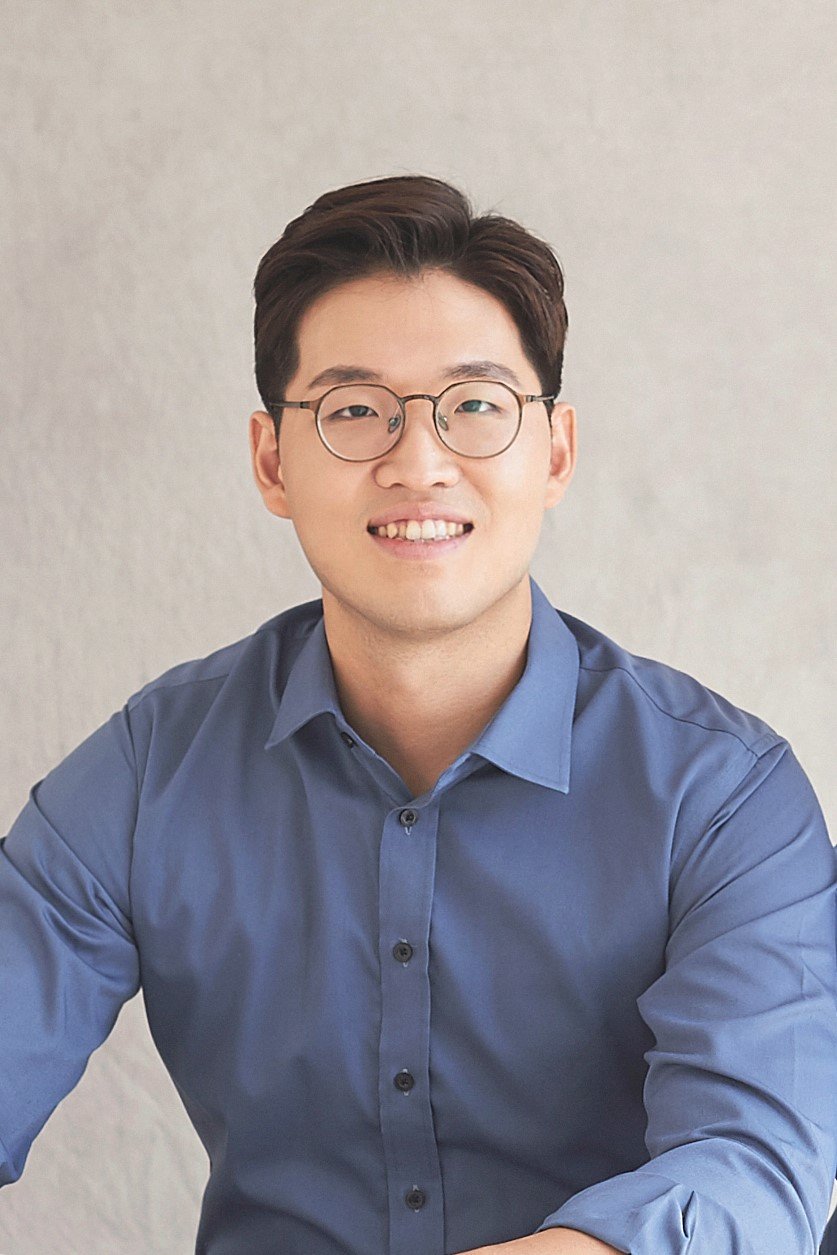
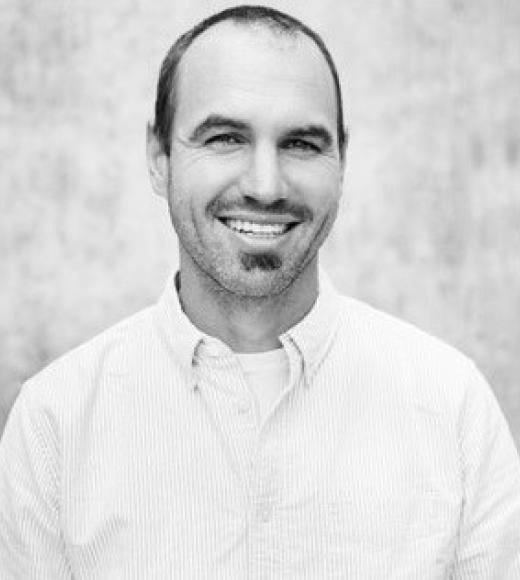
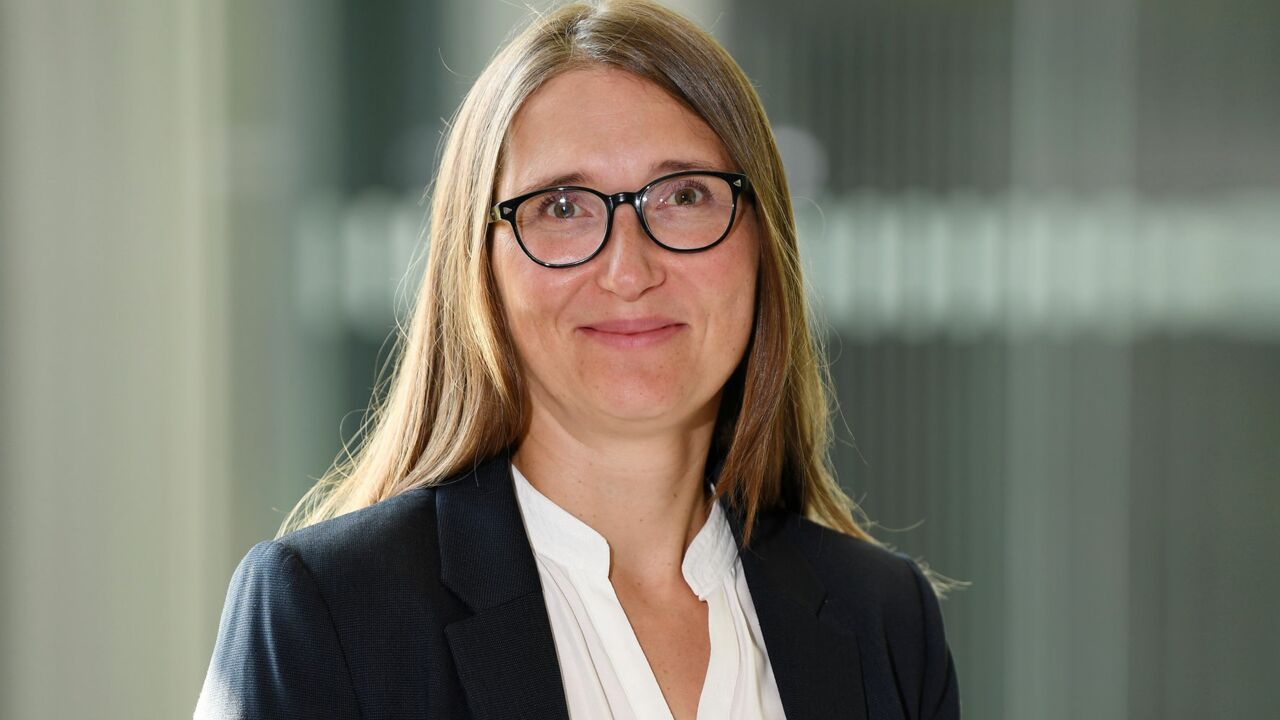
David M Evans holds the position of Chair in Pure Mathematics at the Department of Mathematics, Faculty of Natural Sciences, Imperial College London. His academic career spans several decades with continuous research contributions in mathematical logic and its interdisciplinary applications. Professor Evans' research focuses on the theoretical foundations and practical applications of Model Theory, with particular emphasis on: Stability theory and its generalizations within model-theoretic frameworks Hrushovski constructions and their geometric properties Interactions between model theory, algebra, and combinatorics Automorphism groups of infinite structures Ramsey properties in sparse graphs and metric spaces His publication record demonstrates consistent innovation in geometric model theory, with recent work exploring amalgamation properties in measured structures, simplicity of automorphism groups, and EPPA (Extension Property for Partial Automorphisms) in various mathematical structures. His research bridges abstract model-theoretic concepts with concrete combinatorial and algebraic applications, particularly in the study of homogeneous structures and their automorphism groups. Professor Evans has supervised numerous doctoral students including D. G. D. Gray, Reinhold Konnerth, Herwig Nuebling, Marco Antonio Semana Ferreira, Yibei Li, and Robert Sullivan. His research has been supported by grants such as 'Model theory of generic structures and simple theories' and the 'Workshop on Pure Model Theory,' reflecting the significance of his contributions to the field.
Seongjin Choi is an Assistant Professor in the Department of Civil, Environmental, and Geo-Engineering at the University of Minnesota, Twin Cities , where he began his role in January 2024. His research bridges Urban Mobility Data Analytics , Spatiotemporal Modeling , and Deep Learning to advance transportation systems. Affiliated with the Center for Transportation Studies , Minnesota Robotics Institute , and Data Science Initiative , he leads the Choi Research Group . Education: Ph.D., Civil and Environmental Engineering, Korea Advanced Institute of Science and Technology (KAIST), 2021 M.S., Civil and Environmental Engineering, KAIST, 2017 B.S., Civil and Environmental Engineering, KAIST, 2015 His research focuses on Urban Mobility Data Analytics and Deep Learning to optimize transportation systems. Key areas include: Spatiotemporal Data Modeling for forecasting and imputation Generative AI applications in transportation data Reinforcement Learning for Connected Automated Vehicles (CAV) Cooperative Intelligent Transport Systems (C-ITS) Recent publications in Transportation Science and Transportation Research Part C highlight his work on probabilistic traffic forecasting , deep generative models , and vision-language-action frameworks for autonomous systems. His methodologies often combine AI-driven analytics with real-time mobility optimization . Dr. Choi serves as: Associate Editor of The Journal of the Korean Society of Transportation (JKST) , 2023–Present Guest Editor for Journal of Advanced Transportation special issue on "Advanced Data Intelligence Theory and Practice in Transport 2023", 2023–2024 He actively seeks PhD students/postdocs for 2025 cohorts focused on machine learning for transportation challenges. Current projects include AI-enhanced traffic forecasting, CAV control, and urban air mobility (UAM) integration studies.
Renaud Crespin serves as a CNRS Junior Professor at Sciences Po's Centre for the Sociology of Organisations (CSO), where his research integrates the sociology of public action, science and technology studies, and labor sociology to examine how health and environmental policies are rationalized through technical instruments and scientific expertise. His work critically analyzes the transnational circulation of policy instruments like screening tests across domains including blood donation, HIV/AIDS response, road safety, and drug policy. His academic credentials include: PhD in Political Science from Pantheon-Sorbonne University (2003), with dissertation on "Appropriation and public regulation of a biological tool: The social career of HIV tests, a comparative study (France, USA, Canada, Netherlands)" DEA (M.Phil) in Organisations and Public Policy from Pantheon-Sorbonne University (1995) Master's degree in Political Science from Pantheon-Sorbonne University (1994) Crespin's research reveals how seemingly neutral technical tools become embedded in complex power relations that shape professional practices and policy outcomes. His comparative studies demonstrate how instruments like workplace drug testing technologies travel across national contexts while being adapted to local organizational practices. Recent work examines pandemic response models, environmental risk assessment, and the ecosystemic approach to workplace addiction prevention, highlighting tensions between scientific evidence and political decision-making. As co-leader of the CSO's Knowledge, Science and Expertise research program since 2017, Crespin has fostered interdisciplinary dialogue on expertise in governance. His leadership extends to the CNRS' Institute for Humanities and Social Sciences scientific board (since 2014) and the CNRS' interdisciplinary commission on Methods, practices, and communications of science and techniques (since 2017). He has significantly contributed to public policy through appointments to the Observatory on Health Care Professionals' Quality of Life at Work (2018-2020) and the ANSES Environment-Health-Work national research programme's scientific committee (2014-2018).
Isabella "Izzi" Hinks serves as a Teaching Assistant Professor in the Computer Science Department at the University of North Carolina at Chapel Hill. She completed her Ph.D. in Geospatial Analytics at NC State University's Center for Geospatial Analytics in 2024, where she was advised by Dr. Josh Gray. Her academic journey began with dual B.Sc. degrees in Computer Science and Environmental Science, along with a minor in Statistics and Analytics, all earned at UNC Chapel Hill. Dr. Hinks' research focuses on developing innovative algorithms to estimate the adaptive potential of small-scale agriculture in poverty-affected regions. Her work combines computer science expertise with environmental applications, particularly in using remote sensing technologies and deep learning techniques to monitor smallholder farming systems. She has made significant contributions to understanding how smallholder farmers can enhance their climate resilience through strategic adaptations, leveraging both satellite data and field observations. Her publication record demonstrates a consistent focus on applying advanced computational methods to agricultural monitoring challenges. The most recent articles show a progression from basic field boundary mapping using deep learning toward more sophisticated analyses of climate adaptation impacts on smallholder resilience. Her work increasingly integrates multiple data sources, including satellite imagery, household surveys, and on-the-ground measurements, to create comprehensive assessment frameworks for agricultural systems in developing regions. Among her notable recognitions is the Gladys West Award from the Center for Geospatial Analytics' fourth annual CGA Awards, received in January 2023. Her research on deep learning-based smallholder field delineation was featured in an NC State University News article in April 2023, highlighting the practical significance of her work. Dr. Hinks has been actively involved in several research initiatives, including work with the RESCuE Consortium in Thailand monitoring coastal ecosystem rehabilitation and supporting underserved communities during the Covid-19 pandemic through Curamericas Global. She was also a founding member of Acta Solutions, a tech start-up focused on helping local governments optimize decisions using constituent data. Her presentations at major conferences like the AGU Fall Meeting demonstrate her growing prominence in the field of geospatial analytics for agricultural applications.
Brian W. Halpin is a Continuing Lecturer in the Department of Sociology at the University of California, Davis within the College of Letters and Science . He earned his PhD and MA in Sociology from UC Davis in 2016 and 2010, respectively, and a BA in Sociology with high honors from UC Berkeley in 2007. Research Interests: Low-wage work and labor markets Reproduction of social and economic inequality Sociological theory and ethnography Political sociology and capitalism Scientific Awards: 2023 College of Letters and Science Teaching Award 2020 ASUCD Excellence in Education Award 2016 Distinguished Student Paper Award (ASA) 2015 Outstanding Graduate Student Teaching Award 2015-2016 Provost's Dissertation Year Fellowship 2012 Graduate Student Research Fellowship (UC Davis Center for Poverty Research) 2011 Mayhew Award for Best Qualifying Paper His work on low-wage labor markets has been featured in prominent media outlets and policy briefs, including Theory and Society , Working in America , and the UC Davis Center for Poverty Research. Halpin's publications explore workplace control, flexible employment, and labor policy, with a focus on marginalized workers. Teaching: Halpin instructs courses such as Introduction to Sociology, Social Problems, Qualitative Research Methods, and Social Policy. His teaching emphasizes labor, political sociology, and organizational dynamics.
Soraya de Chadarevian serves as Professor in the Department of History and the Institute for Society and Genetics at the University of California, Los Angeles, where she bridges historical scholarship with contemporary bioscience through rigorous analysis of material practices and cultural contexts in the life sciences. Her academic trajectory spans over three decades with significant contributions to understanding molecular biology's development and human heredity's evolution from the nineteenth century to present. Her educational foundation includes a PhD in Philosophy from the University of Konstanz, Germany, and an Advanced degree (Diplom) in Biology from the University of Freiburg, Germany, providing unique interdisciplinary perspective. These qualifications enabled her dual expertise in scientific practice and philosophical inquiry that defines her scholarly approach. De Chadarevian's research centers on the intricate relationship between scientific practice and cultural context in the life sciences, with particular emphasis on visual and material dimensions of molecular biology and chromosome research. She examines how laboratory techniques, archival practices, and data systems shape biological knowledge, exploring themes like the microscope's role in heredity studies, genetic evidence in historical narratives, and pandemic responses. Her work reveals how scientific concepts like the double helix or human genome emerge through complex negotiations between technical possibilities, institutional frameworks, and societal concerns. Analysis of her recent publications shows a decisive shift toward contemporary scientific challenges including pandemic responses, data-intensive biology, and ethical dimensions of genetic research. While maintaining deep historical perspective, her scholarship increasingly engages with urgent present-day issues such as biobanking, forensic genetics, and the societal implications of genomic databases, demonstrating how historical understanding informs current scientific controversies. Her scientific recognition includes: National Science Foundation Scholar Award (2015-2021) Walther Rathenau Program Fellowship Max Planck Institute for History of Science Fellowship Fellowship at La Villette Fellowship at École des Hautes Études en Sciences Sociales Hamburg Institute for Social Research Fellowship Churchill College Cambridge Fellowship Institute for Advanced Studies in the Humanities Fellowship Research funding has been consistently secured through competitive grants, most notably the six-year NSF award supporting her chromosome history project. She actively mentors students through UCLA's graduate programs in History and the Institute for Society and Genetics, teaching specialized courses on genetics and society while supervising research on science-society intersections. Her collaborative approach extends to co-editing special journal issues and organizing international research networks. Through sustained engagement with institutions like the Max Planck Society and Cambridge University, de Chadarevian maintains active participation in global scholarly communities. Her current work involves interdisciplinary teams examining data practices in contemporary biology and historical dimensions of pandemic responses, positioning her at the forefront of science studies' engagement with pressing societal challenges.
Prof. Dr. Paula Wellmann is Professor of Taxation and Auditing and Head of the RSW – Tax and Auditing program at the Baden-Württemberg Cooperative State University (DHBW) Villingen-Schwenningen, Faculty of Business. She also serves as Deputy Equal Opportunities Officer for the faculty. Education: 2003–2007: Business Administration, European University Viadrina 1999–2005: International Relations, Adam Mickiewicz University Poznań 2011: Doctorate (Dr. rer. pol.), European University Viadrina – Dissertation: "The structure of direct investments by German investors in Poland" 2013: Certified Tax Advisor (Steuerberaterin) Research & Teaching Focus Prof. Wellmann’s expertise lies at the intersection of international and corporate taxation . Her work systematically analyses cross-border tax structures, the tax treatment of hybrid entities, permanent establishments, and corporate transformation transactions. She teaches courses on corporate income tax, trade tax, individual income tax, tax accounting, financial accounting, and balance-sheet analysis. Publication Profile Over the past decade she has published extensively on cross-border fiscal issues , with a clear trajectory from early work on German-Polish structures to recent high-impact analyses of final losses from EU permanent establishments after key ECJ judgments (Bevola, Memira, Holmen). Her collaborative output addresses both domestic German and comparative international tax dimensions, often combining empirical data with normative policy recommendations. Professional Roles & Grants Since 2020 she has led the RSW program at DHBW Villingen-Schwenningen, shaping curriculum and research agendas. Between 2008 and 2013 she was a research assistant at the Chair of Business Administration, especially Business Taxation and Auditing, at the European University Viadrina. She then practiced corporate tax law with leading German firms Ebner Stolz Mönning Bachem (Cologne) and Flick Glocke Schaumburg (Bonn) before returning to academia. Laboratory & Research Teams While no specific laboratory is named, Prof. Wellmann conducts her research within the academic environment of the DHBW Villingen-Schwenningen Faculty of Business, collaborating with colleagues across Germany and Poland on joint publications and policy-oriented projects.
Tania Lombrozo serves as the Arthur W. Marks ’19 Professor at Princeton University, leading the Concepts and Cognition Lab where she investigates the psychological and philosophical dimensions of human reasoning. Her work uniquely integrates empirical methods from cognitive science with conceptual frameworks from analytic philosophy. Her academic background includes a Ph.D. from Harvard University, establishing her foundation in interdisciplinary research approaches. Lombrozo's research centers on the human drive to explain, examining why we seek explanations for certain phenomena but not others, how explanation-seeking affects learning, and whether explanatory processes serve epistemic goals or introduce reasoning errors. She explores connections between causal reasoning, moral responsibility, and intuitive theories of knowledge, drawing from cognitive, social, and developmental psychology alongside philosophy of science and moral philosophy. Her methodology emphasizes experimental rigor while addressing normative questions about ideal reasoning. Analysis of her 2024-2025 publications reveals dominant themes in explanation evaluation across scientific and moral contexts, with significant attention to jargon in science communication, simplicity principles (Ockham’s razor), and moral responsibility in collective action. Her work increasingly addresses AI-human interaction, particularly how explanations influence trust in large language models and the cognitive effects of chain-of-thought reasoning. Notable honors include: Arthur W. Marks ’19 Professorship Excellence in Mentoring Graduate Students Award Lombrozo actively mentors graduate students including Sarah Joo, Casey Lewry, and Sebastian Montesinos, with research supported by interdisciplinary grants spanning cognitive science, ethics education, and technology policy. Her Concepts and Cognition Lab functions as a collaborative hub where philosophical questions are tested through behavioral experiments, contributing to both theoretical advances and practical applications in science communication and AI design.
Ming Lei is a Professor of Physiology and Pharmacology at the University of Oxford. His research focuses on cardiac electrophysiology, signal transduction, and molecular mechanisms of arrhythmias. He leads the Lei Group , also known as the Cardiac Signalling Group , which explores novel therapeutic targets for cardiovascular diseases. Education: BM, MD, D.Phil Professional Recognition: Fellow of the Royal Society of Biology (FRSB) Recent publications highlight his work on: PAK Kinases as targets for arrhythmias Anti-arrhythmic drug classification and clinical applications Isoform-specific glycosylation of ion channels Optical mapping techniques in preclinical cardiac models Stem cell-derived cardiomyocytes for studying atrial function His research trends emphasize molecular mechanisms of cardiac dysfunction, kinase modulation, and advanced imaging methodologies. The Lei Group collaborates on projects involving genetic models (e.g., RyR2 knock-in mice) and cellular interactions (e.g., myofibroblast-cardiomyocyte crosstalk). Key subfields include signal transduction , lysosomal pathways , ion channel regulation , cardiac hypertrophy , electrophysiological imaging , and stem cell applications .
Dr Sean Anderson is a Senior Lecturer at the Department of Automatic Control and Systems Engineering , University of Sheffield , with over 15 years of experience in interdisciplinary research spanning robotics, control systems, and computational biology. He earned his MEng and PhD from the University of Sheffield, focusing on control systems and chemical engineering. Education: MEng in Control Systems Engineering, University of Sheffield (2001) PhD in Chemical and Process Engineering, University of Sheffield (2005) Research Interests include: Bioinspired robotics Adaptive and optimal control in biological systems Nonlinear system identification Computational neuroscience Acoustic and visual sensor fusion for localization His recent publications highlight innovations in robotic localization in hazardous environments, interpretable deep learning for control systems, acoustic sensing technologies, and data-driven modeling of complex systems. Key projects involve autonomous navigation in pipe networks, turbulence modeling, and biomedical signal processing. Grants and Funding: He has secured major grants from EU H2020 (£4M), EU FP7 (£2.9M), and EPSRC (£5.7M), focusing on bioinspired control algorithms, robotic safety, and infrastructure assessment. Teaching: He leads the ACS61011 Deep Learning module, emphasizing practical applications in robotics and signal processing.
Surendranath Suman is an Assistant Dean of Research and Professor in the Department of Animal and Food Sciences at the University of Kentucky's College of Agriculture, Food and Environment. He also holds secondary appointments with the Center for Muscle Biology and the Division of Nutritional Sciences. With over 15 years of academic service at the university, he has progressed from Assistant Professor (2006-2012) to Associate Professor (2012-2017) and currently serves as Professor (2017-present). Dr. Suman earned his B.V.Sc. & A.H. from Kerala Agricultural University (1999), M.V.Sc. from Indian Veterinary Research Institute (2001), and Ph.D. from University of Connecticut (2006). He is also a Diplomate of the American College of Animal Sciences (2010). His research focuses on meat science with particular expertise in proteomics of meat quality, myoglobin chemistry and meat color stability, and novel strategies to improve meat quality. Dr. Suman has made significant contributions to understanding the biochemical mechanisms behind fresh meat color, particularly in beef and pork. His work integrates traditional meat science methodologies with high-throughput proteomic and metabolomic approaches to unravel complex biochemical pathways. Analysis of Dr. Suman's recent publications reveals a strong focus on meat color stability mechanisms, particularly through proteomic approaches. His research spans multiple species including beef cattle, pork, bison, and poultry, with particular attention to mitochondrial functionality, myoglobin chemistry, and post-translational modifications that influence meat quality attributes. Recent work has expanded into metabolomics applications in meat science. Scientific Awards and Recognition Distinguished Research Award, American Meat Science Association (2022) University Research Professor, University of Kentucky (2021) International Lectureship Award, American Meat Science Association (2019) Distinguished Alumni Award, University of Connecticut (2019) Meats Research Award, American Society of Animal Science (2018) Thomas Poe Cooper Distinguished Research Award, University of Kentucky (2017) Bobby Pass Excellence in Grantsmanship Award, University of Kentucky (2016) Special Visiting Researcher Fellowship, Government of Brazil (2014-2017) Early Career Achievement Award, American Society of Animal Science (2013) Dr. Suman has served as an invited speaker internationally across six continents and is an active editorial board member for numerous prestigious journals including Meat and Muscle Biology (Associate Editor), Journal of Animal Science, and Meat Science. His extensive editorial service reflects his standing as a leading authority in meat science research. He has successfully secured multiple research grants, as evidenced by the Bobby Pass Excellence in Grantsmanship Award he received in 2016. As Assistant Dean of Research, Dr. Suman plays a leadership role in advancing research initiatives within the College of Agriculture, Food and Environment. His collaborative research involves multiple laboratories both domestically and internationally, particularly with institutions in Brazil, given his Special Visiting Researcher Fellowship from the Brazilian government. His work bridges fundamental biochemistry with practical applications in meat production and quality assessment.
Gigi Luk is Professor and Program Director for M.Ed. Concentrations in Educational Psychology and Human Development within the Department of Educational and Counselling Psychology at McGill University's Faculty of Education. Her research program investigates the cognitive consequences of bilingualism across the lifespan, bridging scientific understanding with practical educational applications to cultivate inclusive environments for linguistically diverse learners. Her educational background includes: Ph.D. in Psychology (Developmental and Cognitive Processes) from York University M.A. in Psychology (Developmental and Cognitive Processes) from York University Specialized Honors B.A. in Psychology from York University Dr. Luk's research centers on bilingualism's cognitive and neural mechanisms, with three interconnected thrusts: (1) characterizing bilingualism beyond English proficiency in communities, (2) examining cognitive skills supporting language/literacy outcomes, and (3) establishing neural correlates of learning in diverse language learners. Her work integrates cognitive neuroscience with educational practice to address real-world challenges in multilingual classrooms, emphasizing culturally responsive pedagogy that respects linguistic diversity. This dual focus on basic science and practical implementation defines her contributions to understanding how bilingual experiences shape cognitive development and educational equity. Analysis of her 15 most recent publications (2022-2024) reveals consistent interdisciplinary investigation of bilingualism through cognitive, neural, and sociocultural lenses. Her work spans educational psychology, cognitive neuroscience, and sociolinguistics, with growing emphasis on neural correlates of language processing, methodological rigor in bilingual assessment, and equity implications of bilingual research. Key trends include examination of multilingual children's cognitive development, critical reframing of the "bilingual advantage" discourse, and innovative approaches like music-based literacy interventions. Scientific recognition includes: National Academy of Education/Spencer Postdoctoral Fellowship (2013-2014) Dr. Luk actively supervises graduate students (accepting new students for 2025-2026) and secures competitive research funding, currently supported by the Natural Sciences and Engineering Research Council of Canada (NSERC) and Fonds de recherche Société et culture (FRQSC). Her grant portfolio demonstrates sustained commitment to advancing understanding of bilingual cognition and its educational applications through rigorous empirical work. She directs the Bilingualism.Experience.Education Lab, which functions as an interdisciplinary hub for investigating how language experiences shape cognitive development and educational outcomes. The lab employs diverse methodologies including neuroimaging, behavioral experiments, and classroom-based research to address questions about bilingualism's cognitive effects and practical implications for educators.
Ji Ma is an Assistant Professor at the Lyndon B. Johnson School of Public Affairs at the University of Texas at Austin, with affiliate appointments at the Center for East Asian Studies, School of Information, and Asia Policy Program. He also serves as a Visiting Researcher at the Gradel Institute of Charity, University of Oxford. Dr. Ma received his PhD from Indiana University, establishing a foundation for his interdisciplinary work at the intersection of computational methods and social science. Dr. Ma's research centers on three interconnected streams: computational approaches to social science, knowledge production for evidence-based policymaking, and state-society relations in China. His work bridges advanced technologies with public affairs, developing innovative methods to analyze nonprofit sectors and civil society dynamics. He has pioneered the application of computational social science in nonprofit studies, creating valuable research infrastructure for the field. His recent publications show a clear trend toward integrating AI and computational methods with traditional social science questions. He has made significant contributions to understanding citation patterns in policy communities, consensus formation in academic fields, and the dynamics of state-society relations in China. His work often combines large-scale data analysis with theoretical insights from multiple disciplines. Dr. Ma actively contributes to teaching through courses like "Computational Social Science Methods" and "Data Management and the Research Life Cycle," helping students develop skills in data analysis and research methodology. His teaching emphasizes practical applications of computational methods in public affairs research. Among his notable projects are pracademia.one (an information aggregation platform), npoclass (a nonprofit classifier), and the Research Infrastructure of Chinese Foundations (RICF). These projects reflect his commitment to developing methodological tools that advance research in public administration and nonprofit studies, creating valuable resources for scholars worldwide.
Carolyn Liebler is a Professor in the Department of Sociology at the University of Minnesota (Twin Cities campus). Her research focuses on race and ethnicity, mixed-heritage populations, and demographic data analysis, particularly emphasizing racial identity formation, census methodology, and the social implications of data collection practices in the USA. Key projects include Racial Identities and Life Choices among Mixed-Heritage People in the USA (Russell Sage Foundation, 2018-2021) Expanding and Updating Race-bridging Methods Using Alternative Data Sources (NIH National Cancer Institute, 2022-2024) Her recent publications span topics from U.S. census racial categories to mixed-heritage identity assertion. She has received multiple awards including the Arthur "Red" Motley Exemplary Teaching Award (2016) and the Career Readiness Teaching Award (2019). 2025: Data impacts of changes in U.S. Census Bureau procedures for race and ethnicity data 2024: Review of "We Are Meant to Rise" (University of Minnesota Press) 2022: What Motivates Mixed Heritage People to Assert Their Ancestries?
Md Mobashir Hasan Shandhi is a tenure-track Assistant Professor at Arizona State University , jointly appointed in the School of Electrical, Computer and Energy Engineering and the Biodesign Institute Center for Bioelectronics and Biosensors . His work focuses on developing equitable digital health technologies—wearable sensors and AI/ML algorithms—for personalized care and remote monitoring of chronic and infectious diseases. Education PhD, Electrical and Computer Engineering, Georgia Institute of Technology, 2020 Postdoc, Biomedical Engineering, Duke University, 2021–2024 MS, Electrical and Computer Engineering, University of Utah, 2016 BSc, Electrical and Electronics Engineering, Bangladesh University of Engineering and Technology, 2011 Research Interests Dr. Shandhi’s lab designs low-cost, reliable wearable sensors and machine-learning models to enable remote monitoring of cardiovascular, respiratory, and infectious disease patients. His goal is to reduce healthcare disparities by translating these technologies into resource-limited settings. Scientific Awards & Grants American Heart Association Career Development Award Mayo Clinic–ASU Alliance Faculty Summer Residency Fellowship AHA Postdoctoral Fellowship Duke Heart Center & Translating Duke Health cardio-oncology grant NIH mHealth Training Institute Scholarship Best Paper, Runner-up Best Paper, First Place Research Awards Distinguished Poster Nominee Advising & Funding Dr. Shandhi is currently recruiting PhD students with backgrounds in electrical/biomedical engineering or computer science. He also welcomes postdocs and MS/undergraduate researchers to join the SHANDHI Lab. Interested candidates should email him directly with a CV and statement of interest. Labs & Teams He directs the SHANDHI Lab at ASU, where interdisciplinary teams of engineers, clinicians, and data scientists collaborate on translating wearable health technologies from bench to bedside.