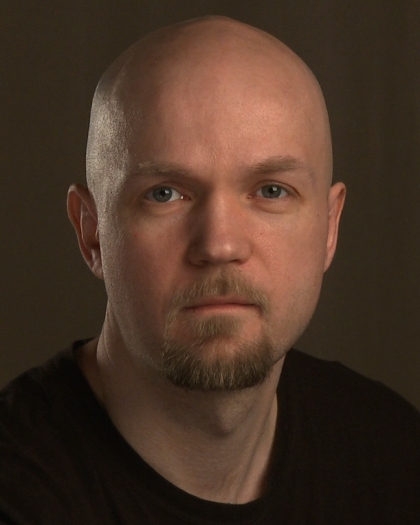
Jørgen BakkeView profile
Associate Professor
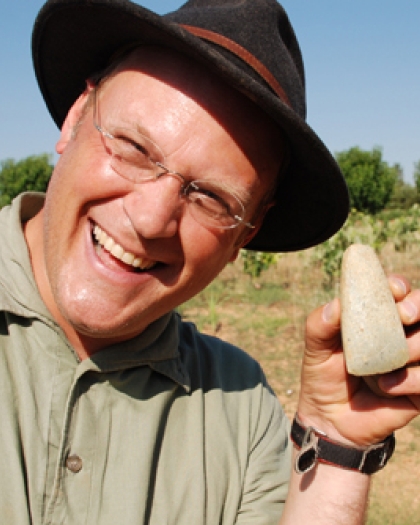
Jørgen Bakke is an Associate Professor in History of Art at the Department of Linguistic, Literary and Aesthetic Studies, University of Bergen. His academic work spans classical archaeology, Byzantine studies, and visual culture with a particular focus on ancient Greek art, landscape archaeology, and the cultural history of the Mediterranean region. Bakke has been actively involved in archaeological research in Greece, particularly in the Tegea region of Arcadia. His research interests encompass a broad range of topics in art history and classical studies. Bakke specializes in visual culture of ancient Greece, Byzantine garden traditions, landscape archaeology, and the intersection of art with memory and knowledge representation. His work often bridges disciplines, connecting classical literature with visual analysis and exploring how ancient visual culture functioned within historical and religious contexts. Bakke's research demonstrates particular expertise in the interpretation of ancient texts related to art (ekphrasis), the visual poetics of ancient Greek culture, and the reception of classical themes in later periods. Bakke's scholarly output reveals a consistent focus on Mediterranean cultural landscapes, particularly examining the Tegea region through multiple historical periods from classical antiquity through the Byzantine era and into the Ottoman period. His work shows a progression from early studies on ancient Greek visual culture toward more specialized research on Byzantine visual traditions and garden culture. A notable thread throughout his publications is the examination of how visual culture functions within religious and devotional contexts across different historical periods. His recent work increasingly engages with digital humanities approaches to art historical analysis. Bakke is actively involved in multiple research groups at the University of Bergen, including the Images of Knowledge Research Group, the Antiquity and the Classical Tradition Research Group, and the Literature & Religion Research Group. These affiliations reflect the interdisciplinary nature of his work, which bridges art history, classical studies, religious studies, and literary analysis. His research demonstrates how visual culture serves as a critical lens for understanding historical, religious, and philosophical developments across different eras.