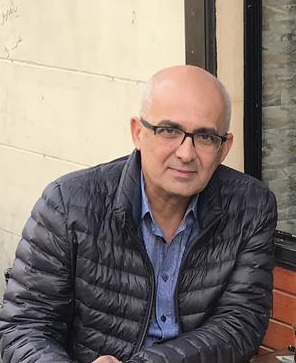
David Pettinicchio is an Associate Professor in the Sociology Department at the University of Toronto Mississauga (UTM). He holds a PhD from the University of Washington and completed postdoctoral work at Nuffield College, University of Oxford. His research focuses on disability policy, political sociology, health inequalities, and the intersections of race, gender, and class. He is affiliated with the Munk School of Global Affairs and Public Policy and serves as Executive Co-Editor of the Canadian Review of Sociology . Education: Ph.D. (Sociology, University of Washington), M.A. and B.A. (Sociology, McGill University). Research Interests : Disability-based inequality, economic insecurity during crises (e.g., the pandemic), policy responses to disability, and the role of cultural industries (e.g., fashion) in promoting diversity. Recent projects include a nationwide study on pandemic impacts on people with disabilities and a co-authored book on Aesthetic Citizenship examining diversity in the beauty industry. Grants & Advising : Collaborates with graduate students on projects like diversity in fashion and consumer culture. Has secured funding for pandemic-related research and policy analyses. Supervises doctoral students in disability studies and inequality research. Labs/Teams : Affiliated with the Centre for Criminology & Socio-Legal Studies and the Peel Social Lab, focusing on translating research for public impact.
Dr. Feyzi Baban is a Full Professor and Chair of the Global Justice and Development program at Trent University. He holds a Ph.D. from Carleton University's Political Science Department and an MA from Bogazici University. His research focuses on global and comparative politics, migration, citizenship, and cosmopolitanism. Currently, he leads two SSHRC-funded projects: one examining cultural openness in European communities and another analyzing Syrian refugees' legal and economic challenges in Turkey. His academic career includes teaching Global Politics, Migration, and Citizenship. Notable publications include books like Migration, Cosmopolitanism and Civil Society (2024) and The Precarious Lives of Syrians (2021). His work bridges theory and practice, emphasizing solidarity activism and transgressive citizenship to counter right-wing populism. Key contributions include analyzing refugee policies,Temporary Protection regimes, and urban integration strategies. His research highlights the intersection of legal frameworks, cultural dynamics, and humanitarian responses in contexts like Turkey and Europe.
Nicolas Himounet is a permanent lecturer-researcher at the University of Le Havre, affiliated with the EDEHN Economic Research Laboratory (EA 7263) and the Faculty of International Affairs. His work centers on the Economic Analysis of Public Policies , addressing themes such as environmental economics, development economics, labor economics, and regional/urban policies. Research Themes: Environmental regulation, industrial externalities, food policy, disaster recovery, and urban economics. Laboratory: EDEHN organizes monthly seminars and collaborates on interdisciplinary studies. His recent publications analyze historical and contemporary policy challenges in sectors like sugar production, pesticide regulation, and post-crisis urban food systems, emphasizing the intersection of economics, ethics, and governance.
Paul James serves as Adjunct Professor at the Institute for Culture and Society, Western Sydney University, where he specializes in Globalization and Cultural Diversity. With a PhD from the University of Melbourne, he has established himself as a leading scholar in globalization studies and social theory. PhD, University of Melbourne James's research focuses on the complex interplay between globalization, cultural formations, and social change. His work explores ontological security in unsettled times, examining how individuals and communities navigate global crises through cultural frameworks. He investigates the intersections of climate change, security, and human condition, with particular attention to Australia's role in global systems. His scholarship bridges theoretical rigor with practical applications in urban sustainability and community development. His recent publications reveal a shift toward examining security challenges in the Anthropocene, algorithmic governance in social services, and the ethical dimensions of technological advancement. James analyzes how globalization manifests in bodily experiences through biotechnology and reproductive politics, while maintaining focus on crisis narratives and their political implications. Director of United Nations Global Compact Cities Programme (2007-2014) Advisor to Berlin Senate Chancellery Advisor to Canadian G40 process Advisor to East Timor Truth Commission Advisor to Papua New Guinea Minister for Community Development James leads significant research initiatives including the Australian Research Council-funded Extinction Imaginaries project and Enabling Disability: Autonomous Technologies & CaLD persons with disability. His collaborative work spans government agencies, international organizations, and community groups, focusing on practical applications of theoretical frameworks to address contemporary societal challenges. He maintains strong connections with cultural institutions through projects like Cultural Infrastructure 2039 and the Sustainable Cities Collaboratory.
Professor John Gearson is a leading academic in National Security Studies at King's College London, where he serves as Head of the School of Security Studies and Director of the Centre for Defence Studies. He holds a PhD in War Studies from King's College London and a BSc in International Politics with Strategic Studies from Aberystwyth University. Research Interests National Security Strategy Terrorism and Asymmetric Conflict British Foreign and Security Policy Diplomatic History Cold War History His research spans defense policy analysis, counter-terrorism strategy development, and historical perspectives on security. Recent publications focus on optimizing defense structures, reassessing counter-terrorism approaches, and analyzing the UK's military role in domestic security. Gearson has contributed to the UK Ministry of Defence's strategic reviews and served as an editor for 'World Defence Systems' (2008-2013). Key Contributions Directed MA in Defence Studies at the UK Defence Academy Led inquiries into UK defense and security policy Editorial board member of 'Studies in Conflict and Terrorism' Founded the London Defence Conference, discussing global security challenges
Dr. Kristine Beurskens is a Researcher and Coordinator of the research group 'Geographies of Belonging and Difference' at the Leibniz Institute for Regional Geography in Leipzig, Germany. Her work focuses on social and political geographies, particularly examining borders, security, and qualitative research methods with a regional emphasis on Europe. She holds a PhD from the University of Potsdam (2012) and has held academic positions since 2002 at institutions including the Humboldt University of Berlin and the Leibniz Institute for Regional Development and Structural Planning. Education: PhD in Geography from University of Potsdam (2012); Studies in Geography, Political Science, and Sociology at Humboldt University Berlin (1994–2002) Key Projects: 'EuBordSec' (Unruhige EU-Grenzen project analyzing EU internal border insecurities) 'Visualisierung qualitativer Geographien' (qualitative visualization methodologies) 'IfL Forschungswerkstatt' (research workshops on spatial practices) Her research interests include: social geographies, political geographies, emotional geographies, border studies, security dynamics, and qualitative research methodologies . Recent work emphasizes EU border regions, securitization processes, and the interplay between local practices and transnational policies. Publications span over two decades, focusing on EU border dynamics, migration, and regional development. She co-edits the journal sub\urban and contributes to interdisciplinary debates on geographic research ethics and methodology. Her work bridges academic research with practical knowledge transfer, including leadership in institutional research initiatives and collaborative projects across Eastern Europe.
Jenny Mathers is a Senior Lecturer in the Department of International Politics at Aberystwyth University, where she has been a faculty member since 1992. She holds a BA from Mount Holyoke College and MPhil and DPhil degrees from the University of Oxford. Her academic work is centered on Russian politics and security, and gender and war, with a strong emphasis on feminist security studies and the ongoing war in Ukraine. BA, Mount Holyoke College MPhil, University of Oxford DPhil, University of Oxford Her research explores the intersections of gender, militarization, and political identity. Key themes include the role of women in war, the securitization of history, and the construction of heroic military masculinity. She investigates how affect, humor, and cultural symbols are mobilized in both protest and state propaganda, especially in Russia and Ukraine. Her work also examines the economic insecurities faced by women in conflict zones and the implications of international financial institutions’ policies. The most recent publications reflect a deep engagement with Russia’s war in Ukraine, analyzing militarization of children, gendered impacts of conflict, and the symbolic framing of war through heroism and nostalgia. Her research spans interdisciplinary approaches, drawing from political science, gender studies, cultural studies, and international political economy. Russian Politics and Security Gender and War Feminist Security Studies Militarization Civil-Military Relations Heroism and National Identity Jenny Mathers has been widely engaged in public discourse, contributing to over 180 media appearances on topics such as Russian politics, Ukraine, and gender. She has participated in high-level conferences, including events with NATO and the Portuguese Ministry of Defence, focusing on the Women, Peace and Security agenda. She has also supervised PhD students and led externally funded research projects, such as the 2016–2017 collaboration with Ural State Pedagogical University. Her current departmental roles include Social Media Officer and membership in the Admissions and Recruitment Team for 2024–2025. She is actively involved in public-facing scholarship, organizing events like the Cynhadledd Hawlio Heddwch and speaking at festivals such as Hay Festival. Her work contributes to UN Sustainable Development Goals related to peace, gender equality, and reduced inequalities.
Scott L. McLean is Professor of Political Science and Faculty Director of the Honors Program at Quinnipiac University. He holds a PhD in political theory from Rutgers University and has served Quinnipiac since 1995, progressing from Assistant Professor to full Professor. His research focuses on national elections, public opinion, political psychology, and civic education, with frequent media appearances in outlets like The New York Times , Washington Post , and CNN . Education BA, Whitman College PhD, Rutgers University McLean's recent work analyzes swing state dynamics, generational political behavior, and policy innovation. He co-authored the book Social Capital: Critical Perspectives on Community (NYU Press, 2002) and serves as President of the New England Political Science Association. His civic engagement extends to grassroots food insecurity advocacy in New Haven, including former leadership at Downtown Evening Soup Kitchen, Inc. (DESCT). Scientific Awards: Quinnipiac Center for Excellence in Teaching Award (2018) McLean leads the Quinnipiac Washington DC Programs (QU in DC) and teaches courses in political psychology, civil liberties, and public service.
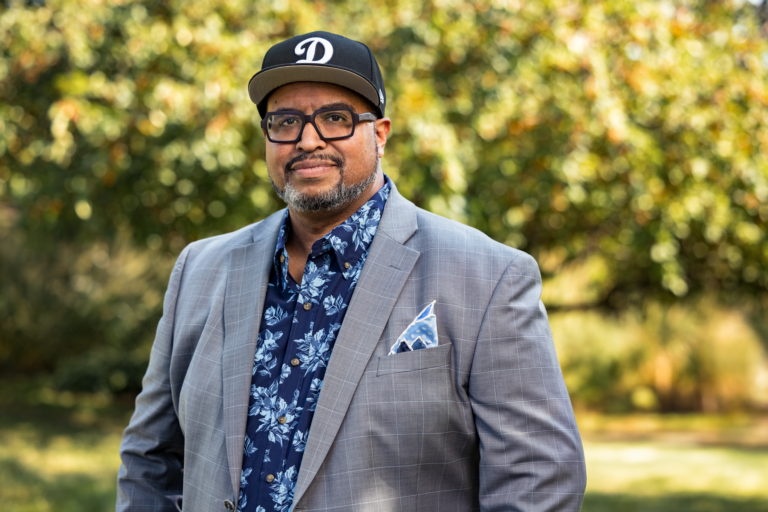
Dr. Daniel White Hodge is a Professor of Intercultural Communications and Chair of the Communication Arts Department at North Park University's College of Arts & Sciences. Since joining the faculty in 2012, he has dedicated his career to mentoring BIPOC students and examining intersections of race, gender, religion, and media through critical frameworks. PhD in Intercultural Studies (Fuller Graduate School) MA in Intercultural Communication (Fuller Graduate School) BA in Social & Behavioral Studies (California State University, Monterey Bay) His research focuses on hip hop theology , media deconstruction , and post-soul cultural analysis , often applying these concepts to contemporary social justice movements. Publications like Homeland Insecurity (2018) explore hip hop's missiological potential in modern contexts. As lead researcher for North Park’s Catalyst 606 program, he connects academic frameworks with community impact. His teaching style emphasizes critical thinking about systemic inequalities through practical engagement with current events. 2018 Martin Luther King Jr. Award Member of National Communication Association Member of American Academy of Religion
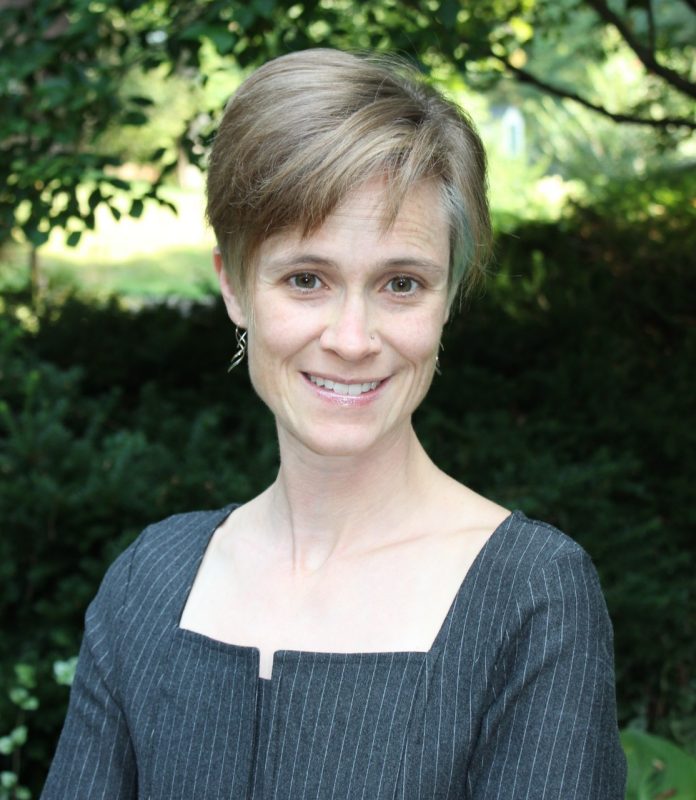
Dr. Leigh-Anne Krometis is a Professor of Biological Systems Engineering at Virginia Tech, holding joint appointments in the College of Engineering and the College of Agriculture and Life Sciences. She serves as the Turner Faculty Fellow and leads the Krometis Research Group, which focuses on water quality, public health, and environmental engineering issues, particularly in rural and underserved communities. Dr. Krometis received her educational training at Virginia Tech and the University of North Carolina: Ph.D. in Environmental Sciences and Engineering, University of North Carolina, 2009 M.S. in Biological Systems Engineering, Virginia Tech, 2004 B.S. in Biological Systems Engineering, Virginia Tech, 2002 Dr. Krometis' research program addresses critical water quality and public health challenges, with a particular focus on rural communities in Appalachia. Her work examines the intersections of socioeconomics, demographics, infrastructure, and hydrology on patterns of human environmental exposures. The Krometis Group aims to identify environmental threats and engineer solutions to minimize exposure and risk, guided by Virginia Tech's "Ut Prosim" motto. Her research spans multiple domains including waterborne disease detection, stormwater management, PFAS contamination, antibiotic resistance monitoring, and water equity issues in underserved communities. Analysis of Dr. Krometis' recent publications reveals a strong focus on water quality challenges in rural Appalachia, with particular attention to private water supplies, PFAS contamination, and the health implications of inadequate water infrastructure. Her work increasingly integrates social determinants of health with environmental engineering solutions, examining how historical practices like redlining have impacted current water infrastructure disparities. Recent publications also highlight her growing expertise in wastewater-based disease surveillance and the effectiveness of point-of-use water treatment systems. Dr. Krometis has received numerous prestigious awards for her work: 2023: Virginia Tech College of Agriculture and Life Sciences Faculty Association Excellence in Service Ut Prosim Award 2022: University Council on Water Resources (UCOWR) Mid-Career Award for Applied Research 2021: Turner Faculty Fellow 2020: American Water Works Association (AWWA) Small Systems Publications Award 2019: American Society of Civil Engineering (ASCE) Wesley W Honor Paper Award 2017: American Society of Agricultural and Biological Engineers (ASABE) A.W. Farrall Young Educator Award Dr. Krometis has successfully mentored numerous graduate students through their degree programs, with recent graduates including Grant Bokmiller, Natalie Larsson, Kate Albi, Hannah Patton, and Kathleen Hohweiler. Her research has been supported by over $6 million in external funding from agencies including NSF, NIH, USDA, USGS, and various state and private foundations. Current major projects include characterizing PFAS in rural private water supplies, tracking antibiotic resistance in rural wastewater systems, and evaluating commercial point-of-use filter effectiveness. The Krometis Research Group operates as an interdisciplinary team that collaborates with colleagues across Virginia Tech and with external partners including the Virginia Household Water Quality Program, DigDeep, and the Southeast Rural Community Assistance Project. The group maintains multiple laboratory facilities for water quality analysis and regularly engages in field research throughout Central Appalachia, particularly in Southwest Virginia and West Virginia's coalfield regions.
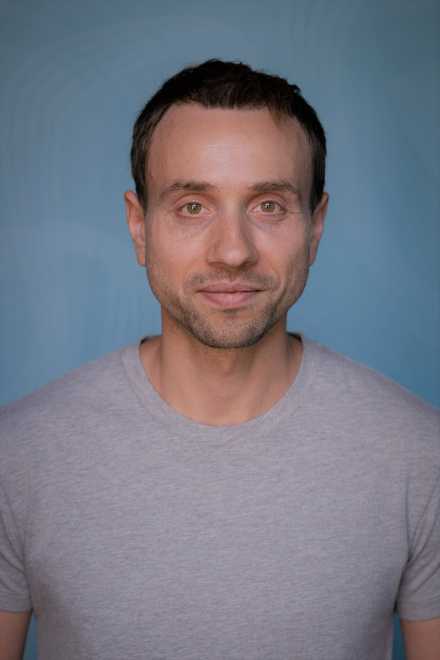
Henrikas Bartusevičius is a Research Professor at the Department of Peace and Conflict Dynamics , Peace Research Institute Oslo (PRIO) , where he has worked since 2021. He previously held positions at Aarhus University and the University of Essex. His research integrates theories from anthropology , behavioral economics , cognitive science , political science , and psychology to study political violence , conflict dynamics , and human behavior under stress. Education: PhD in Political Science, Aarhus University (2014) MA in International Relations, Vilnius University (2015) Research Interests focus on understanding why individuals participate in political violence , particularly through multilevel analysis , evolutionary psychology , and behavioral economics . His Adapted to War (AWAR) project (funded by an ERC Starting Grant ) examines psychological responses to war, including repression , civilian victimization , and Ukrainian resistance . Earlier work explored flood-related unrest , economic factors in conflict , and democratic civil peace . Scientific Awards include the ERC Starting Grant and the Alexander Von Humboldt Research Award . His media appearances (2023–2024) include coverage in the Süddeutsche Zeitung and World News . He has collaborated with institutions like University of Oxford , University of California (Santa Barbara and Los Angeles), and Tilburg University .
Emma Elfversson is Associate Professor (Docent) of Peace and Conflict Research and Assistant Professor of Political Science at Uppsala University , Sweden. She is also a researcher at the Institute for Research on Conflicts of Goals in Sustainable Social Transition and, on leave until 2026, at the Department of Peace and Conflict Research. Since 2017 she has led and contributed to several large externally-funded projects examining the micro-dynamics of post-war urban violence, community policing, land tenure and climate resilience in Africa. Education Ph.D. in Peace and Conflict Research, Uppsala University (2017) Politics Magister degree, Uppsala University (2008) Research focus Dr Elfversson’s work sits at the intersection of peace and conflict research, development studies and comparative politics . Her empirical research is concentrated on sub-Saharan Africa, especially Kenya and Liberia, and revolves around how urbanization, ethnicity and state–society relations influence cycles of violence and local peacemaking. She uses mixed-methods designs that combine fine-grained geocoded event data with extensive qualitative fieldwork. Current flagship projects include: The Continuation of Conflict-related Violence in Postwar Cities – VR-funded, street-level mapping in Beirut, Belfast, Mitrovica and Abidjan. Urban-rural dynamics of community-based conflict management – Formas-funded study of community policing in Kenya. Strategies of climate resilience – EBA-funded project on land tenure and adaptation strategies in Kenya. Communities at risk: Mediation as a tool to defuse ethnic tensions in post-war Liberia – FBA-funded network analysis of local mediators. Publications & Impact Across 40+ peer-reviewed articles and two books, Elfversson has advanced understanding of urban electoral violence, communal conflict resolution and the spatiality of post-war violence. Her 2025 World Development article on urban growth and electoral violence and her 2019 Comparative Political Studies piece on local peacemaking in Kenya are already widely cited. Teaching & Mentoring She teaches Development Studies and Quantitative Methods on the MSSc programme, supervises Bachelor and Master theses, and is assistant supervisor to PhD candidates Marcellina Priadi and Lisa Svenhard. Service & Leadership Director, Swedish Development Research Network (SweDev) Former vice-chair, Doctoral Board, Uppsala Student Union Former chair, PhD Council, Faculty of Social Sciences Member, Martin H:son Holmdahl Scholarship Committee Replication datasets and research code are openly shared via her GitHub profile .
Erika Forsberg is Associate Professor (docent) and Senior Lecturer at Uppsala University's Department of Peace and Conflict Research, where she serves as Director of Studies. Her academic career spans over 15 years since completing her PhD at Uppsala University in 2009. Her research focuses on gender dimensions of civil war and peacebuilding, with particular emphasis on how war-related trauma impacts women and men differently regarding post-conflict peacebuilding attitudes. She examines transnational conflict contagion through ethnic kinship networks and investigates the subnational relationship between gender inequality and armed conflict. Her fieldwork spans India, Sri Lanka, and Nepal, combining quantitative analysis of micro-level data with qualitative methods. Recent publications reveal strong thematic trends in gendered conflict impacts, with 2023-2024 works analyzing peace agreement implementation in the Philippines (Bangsamoro), risks to women in Sri Lankan and Nepalese peacebuilding, and the psychological burdens on war widows. Her research demonstrates consistent focus on methodological rigor in measuring gender inequality's conflict implications. Dr. Forsberg leads multiple major research initiatives funded by the Swedish Research Council, including projects on gender inequality and insurgency in India (2015-2018), women's war trauma and peacebuilding (2015-2019), and peace agreement implementation effects on women's security (2018-2021). She collaborates extensively with researchers at PRIO (Peace Research Institute Oslo) and other international institutions.
Emma Laurie is an Associate Professor in Law at the University of Southampton's Southampton Law School, specializing in residential tenancies across both private and public/social housing sectors. Her academic career at Southampton began in 2002, progressing through various roles to her current position as Associate Professor. Professor Laurie's research primarily focuses on residential tenancy law and housing law, with particular emphasis on the intersections between private and public housing. She investigates the complex relationship between law and policy in residential tenancies, examining both the creation of legal frameworks and their judicial application in politically sensitive contexts. Her current work addresses critical questions about human rights protections for private sector tenants and the allocation of responsibility for high private rental costs. Analysis of Professor Laurie's publication record reveals a consistent scholarly trajectory centered on housing law, social security, and judicial processes. Her work demonstrates increasing focus on the tension between private market dynamics and public policy objectives in housing. Key recurring themes include accountability in housing allocation systems, the application of constitutional principles in rental contexts, and the evolving relationship between property rights and social welfare entitlements. Professor Laurie actively supervises PhD students, currently mentoring Holly Pigott in Law. She has successfully supervised multiple PhD candidates to completion and welcomes new students interested in housing law research. Her teaching portfolio includes the specialized third-year course 'Renting Homes: Law and Policy' which directly reflects her research expertise, as well as foundational contract law instruction. She is a member of the People, Property, Community research group and maintains an active research agenda that bridges academic scholarship with real-world housing policy challenges. Professor Laurie is currently accepting PhD applications from prospective students interested in housing law research within both private and social rented sectors.
Benjamin H. Snyder serves as Associate Professor of Sociology at Williams College, where he conducts research at the intersection of surveillance technology, policing practices, and the sociology of work and time. His academic profile is defined by two major research trajectories that increasingly converge: the sociology of time in contemporary workplaces and the implementation of surveillance technologies in urban policing contexts. Snyder's research interests span surveillance technology, urban policing, sociology of work, time studies, and law enforcement ethics. His work examines how technological innovations reshape social structures, particularly through ethnographic studies of aerial surveillance programs in Baltimore as documented in his 2024 book Spy Plane: Inside Baltimore's Surveillance Experiment . He also investigates temporal dimensions of contemporary capitalism, exploring how time is experienced, managed, and contested in flexible work environments. His scholarship challenges simplistic narratives about technology as either utopian solution or dystopian threat, instead providing nuanced accounts of how technologies function in real-world contexts with their technical limitations and social implications. Snyder's publication record reveals an evolution from earlier work on time management in knowledge work and flexible capitalism toward more recent focus on surveillance technologies and policing practices. His methodological approach combines direct ethnographic observation with sociological analysis, allowing him to document both capabilities and limitations of systems like Baltimore's aerial surveillance program. This empirical grounding provides valuable insights for policy discussions about appropriate boundaries of surveillance technologies in democratic societies. As an academic mentor, Snyder guides students interested in sociological research methods, urban sociology, and the social implications of technology. His teaching likely reflects his research interests, providing critical perspectives on technology and society while emphasizing the importance of understanding how people actually interact with and make sense of technological systems in their daily lives.