Timothy EubankView profile
Professor
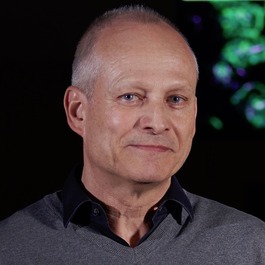
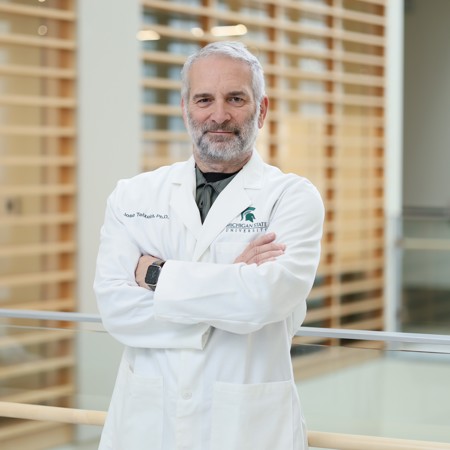
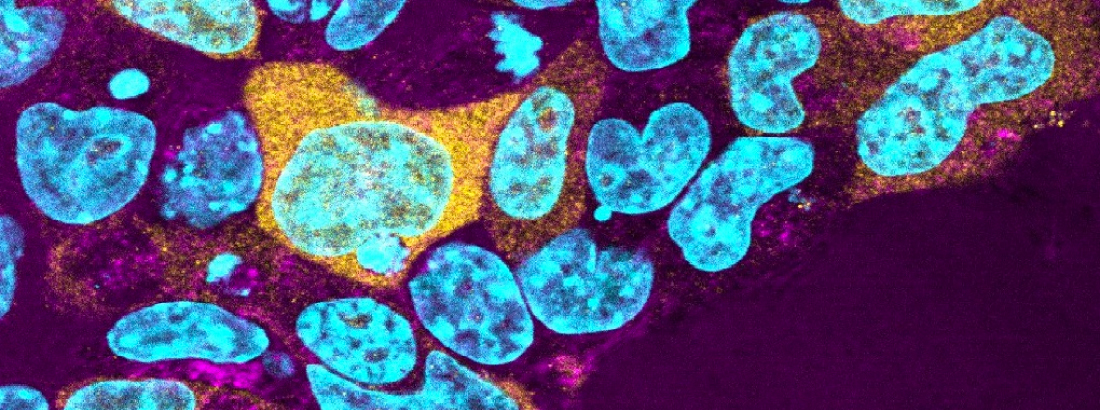
Dr. Timothy Eubank is a Professor in the Department of Microbiology, Immunology & Cell Biology at West Virginia University School of Medicine. He also serves as a Senior Advisor at the WVU Health Sciences Center in the Department of Research & Graduate Education and is a Member of the WVU Cancer Institute Research Programs. Dr. Eubank's research focuses on the role of myeloid cells and mononuclear phagocytes in tumor growth and angiogenesis, with particular expertise in monocyte and macrophage HIF (hypoxia inducible factor) biology. His lab has made several groundbreaking discoveries, including being the first to report that GM-CSF stimulates tumor macrophages to overexpress soluble VEGFR-1, which sequesters tumor-produced VEGF, and the first to identify the disparate functions of HIF-1α and HIF-2α in tumor-associated macrophages, discovering that HIF-2α can be anti-angiogenic. Analysis of Dr. Eubank's recent publications reveals a strong focus on tumor microenvironment, particularly examining macrophage subsets in breast and pancreatic cancers using advanced Electron Paramagnetic Resonance (EPR) imaging techniques. His work spans multiple disciplines including cancer biology, immunology, biomedical engineering, and molecular imaging, with a consistent theme of understanding how tumor hypoxia and immune cell interactions drive cancer progression. K99/R00 Pathway to Independence Award from the National Cancer Institute Dr. Eubank's research is supported by multiple collaborations across WVU, working with colleagues in Biochemistry, Pharmaceutical Sciences, Radiology, and Surgery to develop novel molecular probes for in vivo measurement of tumor oxygenation, pH, and inorganic phosphate. His lab's work on understanding how different macrophage HIFs regulate chemotherapy success in breast cancer models has significant implications for improving cancer treatment efficacy. Dr. Eubank's lab occupies spaces 5612, 5608, 5607, and 5602 in the Health Sciences South building, where his team conducts research on the 'In vivo Multifunctional Magnetic Resonance Research' program, investigating the origin and role of macrophages that initiate and maintain treatment resistance in breast and pancreatic cancers.