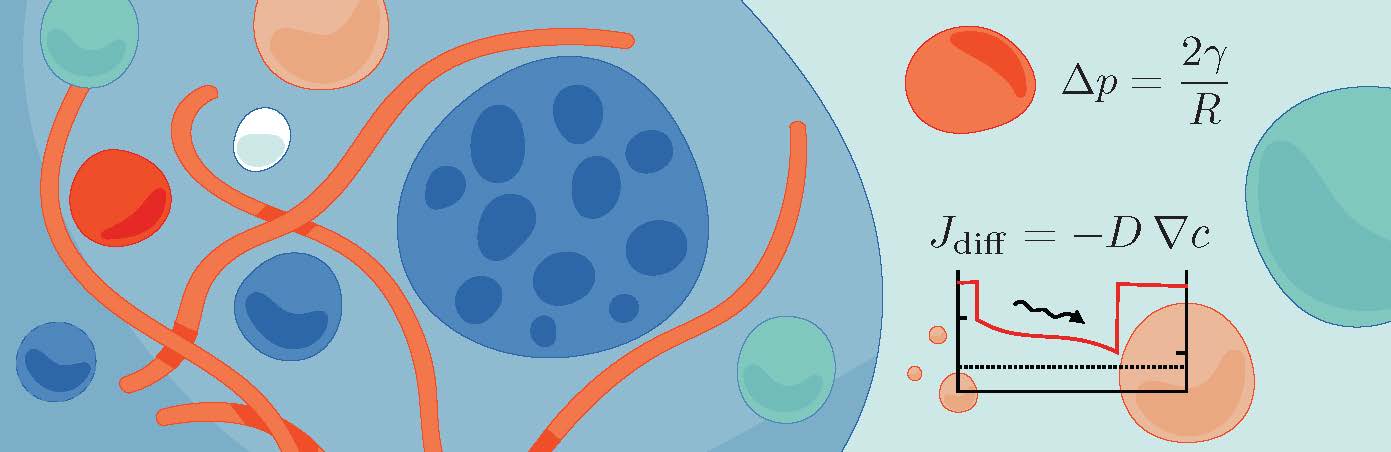
Thomas Michaels is an Assistant Professor at the Department of Biology, ETH Zürich, leading the Michaels Group . His research focuses on theoretical models of biomolecular condensates and protein aggregation in biological systems. Research Themes : Protein aggregation, liquid-liquid phase separation, membrane biophysics, and the role of condensates in neurodegenerative diseases like Alzheimer’s and Parkinson’s. Collaborative Approach : Integrates theoretical physics, control theory, and computational biology with experimental validation to design therapeutic strategies. Recent Publications highlight his work on amyloid formation mechanisms, lipid interactions, and phase-separated compartments as biochemical reactors. His group trains PhD students in systems biology and biocondensate physics.
Swiss Federal Institute of Technology in LausanneSwitzerland
Nicolas Thomä is a Full Professor and head of the Thomä Lab at the École Polytechnique Fédérale de Lausanne (EPFL), where he holds the Paternot Chair in Cancer Research. He is affiliated with the School of Life Sciences (SV) and the Institute of Chemical and Biological Technology (ISREC), leading the UPTHOMAE research unit. His work bridges structural biology, chemical biology, and cancer research, with a focus on transcriptional regulation and targeted protein degradation. His research interests center on chromatin biology and the molecular mechanisms by which transcription factors access gene promoters within chromatin. He investigates how multi-protein complexes regulate gene expression, particularly focusing on the role of E3 ubiquitin ligases and molecular glues in targeted protein degradation. His lab combines structural techniques (including cryo-EM), biochemical assays, and functional genomics to unravel how small molecules can rewire protein interactions and induce degradation of disease-relevant proteins, especially transcription factors involved in cancer. The recent publications of his lab demonstrate a strong trajectory in understanding the structural basis of transcription factor binding to nucleosomes (e.g., OCT4-SOX2, MYC-MAX, CLOCK-BMAL1) and the mechanism of action of molecular glues like thalidomide. These studies highlight a shift toward therapeutic innovation through chemical biology, aiming to develop novel strategies for targeting 'undruggable' proteins in human diseases. Scientific Awards No specific awards listed in the provided text. Advising and Grants Thomä actively supervises a team of PhD students and postdoctoral researchers, including David Domjan, Laurin Tim Kanis, Alessandro Minafra, and Pierre Alexander Miranda Herrera. His lab is supported by institutional funding from EPFL and likely external grants related to cancer research, structural biology, and chemical biology, though specific grants are not mentioned. The lab’s interdisciplinary approach suggests collaboration with pharmaceutical and biotech partners. Labs and Teams The Thomä Lab, based at EPFL’s SV building, includes a multidisciplinary team of scientists, technical specialists, and administrative support. Key members include Fiona Bello (Technical Specialist), Regina Baur, Alexandra Bendel, Manuel Carminati, and others. The lab is structured around two main research pillars: Transcription Factors in Chromatin Biology and Ubiquitin Biology and Molecular Glues, reflecting its dual focus on fundamental mechanisms and therapeutic applications.
Swiss Federal Institute of Technology in LausanneSwitzerland
Suliana Manley is a Full Professor at the École Polytechnique Fédérale de Lausanne (EPFL) , affiliated with the School of Basic Sciences and the Laboratory of Experimental Biophysics . She also holds teaching and research roles in EPFL's School of Life Sciences and Swiss Plasma Center , focusing on interdisciplinary biophysical studies. Education : PhD in Physics (2004), Harvard University Bachelor's in Physics & Mathematics (1997), Rice University Manley's research centers on super-resolution fluorescence imaging , single-molecule tracking , and quantitative biophysics . Key themes include: Understanding protein assembly dynamics at cellular membranes Elucidating viral assembly mechanisms (e.g., HIV-Gag) Developing 3D imaging algorithms and high-density data reconstruction tools like PALMsiever and FALCON Quantifying nanoscale organization in systems like telomeres and centrioles Her work bridges optical physics , computational image analysis , and cellular biology , with notable Nature and PNAS publications. Collaborations span bioengineering , genetics , and medical research . Scientific Awards : Featured in Nature Methods Research Highlights (3x) Very Important Paper and Cover Article (ChemBioChem, 2012) Postdoctoral Fellow, NIH and MIT Advising & Collaborations : Current PhD students in biophysics, cellular biology, and bioengineering Former students: Anna Archetti, Aleksandr Benke, Andrea Callegari, and others Co-founder of tools for high-density super-resolution microscopy and live-cell imaging Labs & Teams : Leads the Laboratory of Experimental Biophysics at EPFL, integrating physics-based methods into biological questions. The lab focuses on quantitative imaging , computational modeling , and software development for nanoscale analysis.
Prof. Dr. Urs F. Greber is an Ordinary Professor of Molecular Cell Biology at the Department of Molecular Life Sciences, Faculty of Mathematics and Natural Sciences, University of Zurich. His research focuses on understanding how viruses interact with host cells, particularly adenoviruses and rhinoviruses that cause human respiratory diseases. He leads the Greber Lab, which investigates viral entry mechanisms, replication processes, and the cellular responses to infection. Greber's research interests span virology, molecular cell biology, and infection mechanisms. His lab explores how viruses take control over membrane and lipid functions, cytoplasmic transport processes, and cellular metabolism to support their gene expression and progeny formation. They employ system-wide profiling, molecular cell biology approaches, light microscopy, and machine learning for image analysis to map the cell state underlying viral infections of cultured and primary human cells, including lung organoids and iPSC-derived macrophages. A key focus is understanding cell-to-cell variability in infection phenotypes and the mode-of-action of antiviral compounds. The Greber Lab has published extensively on adenovirus biology, including viral entry, uncoating, nuclear import, and assembly mechanisms. Their recent work has identified broad-spectrum antiviral compounds, elucidated alternative virus entry pathways, and developed innovative imaging and AI-based approaches for quantifying virus infectivity. Their research contributes to understanding how viruses break down host defense barriers and has implications for antiviral therapy development. Greber has supervised numerous PhD and Master's students including Cornelia Bircher, Alessandro Savi, Franziska Tomas, Alfonso Gomez-Gonzalez, Anthony Petkidis, and Dominik Olszewski. His lab has received funding from the Swiss National Science Foundation, including a grant for coronavirus research during the pandemic. The lab actively collaborates with other research groups at University of Zurich, ETH Zurich, and international institutions. Current projects include exploring how viral DNA interactions contribute to infection outcome variability, investigating adenovirus egress mechanisms, and developing high-throughput screening methods for antiviral compounds.
Swiss Federal Institute of Technology in LausanneSwitzerland
Beat Fierz is an Associate Professor at École Polytechnique Fédérale de Lausanne (EPFL) in the School of Basic Sciences (SB), affiliated with the Institute of Chemical Sciences and Engineering (ISIC) and the Laboratory of Biophysical Chemistry of Macromolecules (LCBM). He holds additional roles as Director of the Doctoral Program in Chemistry and Chemical Engineering (EDCH) and oversees doctoral education within the SCGC teaching unit. His research focuses on chromatin dynamics, epigenetic regulation, and chemical biology approaches to study histone modifications and protein interactions. He has supervised over 14 PhD students and teaches courses in advanced chemistry and chemical biology. His work bridges molecular mechanisms of chromatin structure with cellular processes like DNA repair and transcriptional regulation. Research Interests: Dr. Fierz investigates how post-translational modifications of histones (e.g., ubiquitylation, acetylation) regulate chromatin compaction, silencing, and accessibility. He employs single-molecule techniques and chemical synthesis to reconstitute and analyze chromatin states, with applications in understanding epigenetic diseases, aging, and CRISPR-Cas9 genome editing dynamics. Recent studies highlight mechanisms of HP1α-mediated heterochromatin assembly and pioneer transcription factor invasion into compact chromatin. Doctoral Program Leadership: As Director of the EDCH program, he oversees training in chemistry and chemical engineering, ensuring academic rigor and interdisciplinary collaboration. His lab collaborates extensively with EPFL's Chemical Biology NCCR and contributes to initiatives like the Chemical Biology Seminar Series. Lab & Teams: The LCBM lab uses innovative tools like 'MagIC beads' and semisynthetic nucleosomes to study chromatin modifications. Current projects include exploring how ubiquitin signals modulate DNA repair proteins and how histone aging impacts chromatin stability. Collaborations span biophysics, biochemistry, and synthetic chemistry.
Ueli Grossniklaus is an Ordinary Professor at the University of Zurich within the Faculty of Mathematical and Natural Sciences , affiliated with the Department of Plant and Microbiology . His work focuses on plant developmental biology, particularly epigenetic and genetic mechanisms governing reproduction and adaptation. Key Courses: Epigenetics, Plant Biology Workshop, Group Seminars on Current Research Laboratory Techniques: Advanced methods in plant cell mechanics, transcriptomics, and genome editing Research Interests span plant epigenetics, reproductive biology, and the interplay between environmental stress and genetic regulation. He investigates: Mechanistic control of gametogenesis and fertilization Epigenetic contributions to plant adaptation Evolutionary implications of asexual reproduction Biophysical forces in plant cell growth Publication Trends (2025–2018) reveal expertise in: Arabidopsis and fern model systems Epigenetic regulation (DNA methylation, histone dynamics) Apomixis and hybrid seed failure mechanisms Biomechanics of pollen tubes and carnivorous plants Genome editing tools (CRISPR) and long-read sequencing Scientific Collaborations include interdisciplinary projects on: Microfluidic devices for plant cell analysis Gene drive ecology and ethics 3D imaging of plant reproductive structures Advising and Grants focus on mentoring through research internships in developmental biology, genetics, and systems biology. His lab engages in: Epigenetic response to environmental stress Cell wall mechanics in reproduction Computational modeling of plant growth Laboratory Teams integrate plant biologists, bioengineers, and computational scientists to study: Mechanistic gene regulation Evolutionary developmental biology Microrobotics for cellular force measurement
Prof. Valentina Boeva is an Assistant Professor at the Department of Computer Science, ETH Zürich, specializing in biomedical informatics. Her research focuses on integrating machine learning and computational methods to address challenges in genomics, oncology, and precision medicine. She holds a position in the Professur für Biomedizininformatik (Biomedical Informatics) and is based at CAB G32.2, Universitätstrasse 6, Zürich, Switzerland. Her work emphasizes applications such as cancer biomarker discovery, tumor heterogeneity analysis, and epigenetic profiling. She teaches courses including Machine Learning Seminar, Data Science Lab, and Machine Learning for Genomics. Her research group develops computational tools like CDState and UniversalEPI to decode complex biological systems. She actively publishes in top-tier journals, with recent work on exosome-driven diagnostics and chromatin interaction modeling. Her scientific contributions span methodologies for single-cell data analysis, survival modeling, and drug response prediction. She collaborates across disciplines to bridge computational science with clinical applications in cancer research.
Federica Sallusto is a Full Professor in Medical Immunology at ETH Zurich and Università della Svizzera italiana (USI), and a Group Leader in the Cellular Immunology department at the Institute for Research in Biomedicine (IRB), Bellinzona, Switzerland. She leads a prominent research group focused on human T cell biology, immunological memory, and immune responses in infection and autoimmunity. Doctor in Biology, University of Rome, 1988 Postdoctoral work: Istituto Superiore di Sanità, Rome; Basel Institute for Immunology Group Leader, IRB, since 2000 Full Professor, ETH Zurich and USI, since 2017 Her research centers on the heterogeneity and function of human CD4+ T cell subsets, particularly Th17 and T follicular helper cells, and their roles in protective immunity and inflammatory diseases. She investigates immune responses to pathogens such as Mycobacterium tuberculosis, influenza, SARS-CoV-2, and HIV, using cutting-edge techniques in cellular immunology and systems immunology. Her work integrates human immunology with translational applications in vaccinology and autoimmune disorders. The recent publications reflect a strong focus on human immune responses to infectious agents, mechanisms of T and B cell immunity, and the intersection of immunology with neurology and autoimmunity. Key themes include antigen-specific T cell activation, antibody cross-reactivity, regulation of inflammatory pathways, and the impact of vaccines and infections on immune memory and disease outcomes. Pharmacia Allergy Research Foundation Prize Behring Lecture Member, German Academy of Sciences Leopoldina (2009) Member, EMBO (2011) International Member, U.S. National Academy of Sciences (2022) Doctor honoris causa, University of Fribourg (2022) Federica Sallusto has mentored numerous students and postdoctoral researchers, many of whom are co-authors on her high-impact publications. Her group has received significant funding from the European Research Council (ERC), Marie Curie Actions, and the Swiss National Science Foundation (SNSF), where she served on the National Research Council from 2018 to 2024. She has held leadership roles including President of the Swiss Society for Allergology and Immunology (2013–2015) and President of the European Federation of Immunological Societies (2022–2024). Her laboratory is embedded within the IRB, a leading biomedical research institute affiliated with USI, and collaborates extensively with clinical and research teams across Europe. The group is part of broader scientific networks in antibody discovery, infectious disease immunology, and neuroimmunology.
Swiss Federal Institute of Technology in LausanneSwitzerland
Gioele La Manno is an Assistant Professor (tenure track) at the École Polytechnique Fédérale de Lausanne (EPFL), affiliated with the School of Life Sciences (SV) and the Department of Life Sciences Engineering. He leads the Unité du Prof. La Manno (UPLAMANNO) and holds roles in teaching and doctoral education within the SSV-ENS and Programme doctoral Biologie computationnelle et quantitative . His research focuses on single-cell genomics, cellular heterogeneity, and systems biology approaches to study developmental and neural systems. La Manno’s educational background includes a strong foundation in computational and quantitative biology, reflected in his teaching of courses like Biological data science I: statistical learning and Scientific literature analysis in neuroscience . His lab explores interdisciplinary methods combining genomics, epigenomics, and machine learning to dissect cell fate decisions and tissue organization. He actively contributes to doctoral programs, supervising over a dozen PhD students and advising theses on topics ranging from nervous system development to drug sensitivity profiling. His work bridges basic research with translational applications, such as clinically compliant cell cryopreservation for regenerative medicine. La Manno collaborates across EPFL’s Life Sciences Engineering ecosystem, leveraging state-of-the-art technologies like mass spectrometry imaging and single-cell RNA velocity modeling. His lab’s recent studies address lipidome dynamics, glial diversity in the CNS, and the molecular regulation of midbrain dopaminergic neurons.
Prof. G.V. Shivashankar is a Full Professor of Mechano-Genomics at ETH Zurich and holds a joint appointment at the Paul Scherrer Institute (PSI), Switzerland. He previously served as Deputy Director of the Mechanobiology Institute (MBI) at the National University of Singapore (NUS), where he also held the IFOM-NUS Chair Professorship. His research focuses on nuclear mechanics, genome regulation, and cancer diagnostics, integrating optical imaging, machine learning, and functional genomics. Educated at The Rockefeller University (PhD, 1994–1999) and with postdoctoral training at NEC Research Institute, he has led groundbreaking studies on nuclear mechanogenomics and mechano-driven cell fate transitions. Awards include the Birla Science Prize (2006), Swarnajayanthi Fellowship (2007), and EMBO membership (2019). His work bridges disciplines, exploring how mechanical forces influence nuclear architecture and gene regulation. He leads the Laboratory of Multiscale Bioimaging at PSI, collaborating with IFOM in Milan. Current projects include developing nuclear biomechanical markers for early cancer diagnosis and AI-driven analysis of chromatin dynamics. Grants include support from the Mechanobiology Institute, Ministry of Education (Singapore), and the IFOM-MBI Joint Lab. Notable achievements include detecting chemoresistant cancer cells via chromatin biomarkers and reprogramming fibroblasts for tissue regeneration. His lab actively mentors students and collaborates globally on mechanobiology applications in health and disease.
Prof. Raffaella Santoro is a Professor and Principal Investigator at the Department of Molecular Mechanisms of Disease (University of Zurich). She holds a PhD in Biochemistry from the University of Rome La Sapienza and has held research positions at the Hans Knöll Institute (Germany) and ETH Zurich before joining the University of Zurich in 2009. Her laboratory focuses on epigenetic and chromatin regulatory mechanisms in cancer, stem cell pluripotency, and early development, with a particular emphasis on nucleolar function and genome architecture. Key research themes include the role of the nucleolus in repressive chromatin domains, epigenetic alterations in prostate cancer, and the interplay between chromatin and gene expression during development. Her work combines molecular and cell biology with high-throughput genomic approaches, as highlighted in over 100 publications in journals like Molecular Cell, Nature Communications, and EMBO Reports. She leads a dynamic research group comprising PhD students, postdocs, and master’s researchers, and actively recruits talent through the Life Science Zurich Graduate School. Her group collaborates with initiatives such as the NCCR and EMBO, contributing to advancements in epigenetic medicine and cancer biology. Educational Background: PhD in Biochemistry, University of Rome La Sapienza (Italy); Postdoctoral Research at the German Cancer Research Center (Heidelberg, Germany). Research Interests: Chromatin dynamics, nucleolar architecture, epigenetic regulation in cancer and development, prostate cancer heterogeneity, stem cell pluripotency, and spatial genomics. Collaborative efforts include the development of novel methods for 3D chromosome mapping and nucleolar interaction analysis. Scientific Contributions: Pioneering studies on nucleolar heterochromatin formation, the role of BAZ2A in cancer stem cells, and the epigenetic control of melanoma invasiveness. Her lab also explores oxidative stress impacts on early embryonic epigenetic reprogramming and the therapeutic potential of targeting epigenetic modifiers in cancer. Labs & Teams: The Santoro Lab at the University of Zurich integrates interdisciplinary approaches, with ongoing projects funded by ERC, EMBO, and the Swiss National Science Foundation. Current initiatives include modeling prostate cancer heterogeneity and identifying epigenetic biomarkers for disease prognosis.
Christoph Handschin is a Full Professor in Pharmacology at the Biozentrum, University of Basel, Switzerland , with a research focus on skeletal muscle plasticity, aging, and metabolic diseases since 2015. He leads a research group investigating molecular mechanisms of muscle adaptation to physiological and pathophysiological conditions. Education: PhD in Biochemistry (summa cum laude, 2001), MSc in Molecular Biology (1996), Voluntary training at Novartis (1992) Research Interests span skeletal muscle biology, aging, exercise physiology, neuromuscular diseases, and metabolic disorders. His work emphasizes PGC-1α signaling, mitochondrial dynamics, and chromatin remodeling in muscle adaptation. Recent studies explore exercise-induced chromatin changes, biomarkers of aging, and dysferlinopathy mechanisms. Key Scientific Awards include the ERC Consolidator Grant (2013) , SNSF Professorship (2006) , and MDA Scientist Career Development Award (2004) . He is a member of the American Physiological Society and European Association for the Study of Diabetes. Recent Articles highlight breakthroughs in chromatin accessibility , functional aging biomarkers , dysferlinopathy metabolism , and PGC-1α-driven muscle adaptations . His research bridges molecular mechanisms (e.g., Klf5, PER2) with systemic physiology (e.g., exercise performance, sarcopenia).
Federica Sallusto is a Full Professor in Medical Immunology at the Università della Svizzera italiana (USI) and ETH Zurich. She leads the Cellular Immunology Laboratory at the Institute for Research in Biomedicine (IRB) and founded the Center of Medical Immunology. Her work focuses on T cell biology, host-pathogen interactions, and autoimmune diseases. Key contributions include methods for dendritic cell culture, chemokine receptor profiling in T cells, and defining memory T cell subsets. Education: PhD in Biology from University of Rome (1988) Postdoctoral work at Istituto Superiore di Sanità and Basel Institute for Immunology Leadership roles: President of European Federation of Immunological Societies (EFIS), member of Swiss National Science Foundation's National Research Council Research interests emphasize immunological memory, cytokine signaling (e.g., IL-23, IFN-γ), and translational applications in vaccines and autoimmune diseases. Notable discoveries include TH17 cell subsets, skin-homing Th22 cells, and mechanisms of T cell migration in neuroinflammation. Over 200+ publications, including seminal work on SARS-CoV-2 immunity, narcolepsy pathogenesis, and malaria vaccine development. Awards include Behring Lecture Prize (2009) and EMBO membership (2011). Current projects explore T cell plasticity, autoimmunity mechanisms, and therapeutic targeting of immune pathways in chronic diseases.
Prof. Thomas Wicker is a Professor at the University of Zurich's Department of Plant and Microbial Biology, affiliated with the Mathematisch-naturwissenschaftliche Fakultät (Faculty of Mathematics and Natural Sciences). His research focuses on molecular plant biology, phytopathology, and genome evolution with an emphasis on transposable elements (TEs) and their role in genomic dynamics. Wicker leads the Molecular Plant Biology/Phytopathology group, developing computational tools for genome analysis and contributing to projects like the TREP database for transposable elements. His work integrates comparative genomics and bioinformatics to study plant-pathogen interactions, particularly in wheat and its fungal pathogens like powdery mildew. He also explores metagenomics of lichens and contributes to crop improvement through genomic studies. Education details are not explicitly stated in the provided texts, but his academic career includes positions as a Privatdozent (2011) and Titularprofessor (2021). His research has led to over 100 publications, including landmark studies on pathogen genome evolution and wheat resistance mechanisms. Collaborations include projects on einkorn wheat genomics and international efforts to map disease resistance genes. Wicker's lab develops publicly available bioinformatics software for genomic analysis, underscoring his commitment to open science. His work bridges fundamental research and applied agriculture, addressing challenges in crop resilience and genetic diversity. Wicker's scientific contributions include identifying mechanisms of TE-driven genome evolution, analyzing effector genes in pathogens, and tracing the global spread of plant diseases linked to historical human activity. His team's studies on wheat powdery mildew revealed hybridization events influencing pathogen adaptation, while metagenomics work on lichens explores symbiotic complexity. Teaching responsibilities include courses on plant biology and research internships, reflecting his engagement in training the next generation of scientists.
Lorenza Penengo is an Assistant Professor and Group Leader at the Institute of Molecular Cancer Research , University of Zurich. She holds a PhD in Molecular Medicine and has held academic roles at the University of Piemonte Orientale and Harvard Medical School. Her research focuses on ubiquitin modifications, genome stability, DNA repair, and the interferon system. M.S. in Biological Sciences, summa cum laude - University of Torino (1996) PhD in Molecular Medicine - University of Piemonte Orientale and Weizmann Institute (2002) Penengo's work investigates non-canonical ubiquitin modifications in DNA damage response and replication, with a focus on ISG15 and RNF168 . Her recent studies highlight ubiquitin phosphorylation as a novel chromatin signaling mechanism and the role of interferon in genome stability. Publications span ubiquitin biology , DNA repair mechanisms , and interferon pathways , reflecting her interdisciplinary approach to cancer molecular biology. Award for best Master thesis, University of Piemonte Orientale (1997) Lion's Club fellowship (1997-1998) EMBO fellowship (2001) AIRC fellowship (2003-2006) 2020 Journal of Cell Biology recognition Penengo's lab has trained 15+ students and researchers, including Samuele Fisicaro , Maria Chiara Raso , and Filip Duzanic . Collaborations include the Mayo Clinic , NIH , and ETH Zurich . Her team's work has been cited for its impact on DNA replication dynamics and ubiquitin signaling.